 View Upcoming Digital Marketing, Media and Advertising Conferences & Exhibitions
 Phone:
DigiMarCon World 2026 in Las Vegas: Come for the People

DigiMarCon World returns to Las Vegas November 4–6, 2026, at Luxor Las Vegas Hotel & Casino. If you want useful marketing ideas and people you can talk through them with, put it on your calendar. My recommendation comes from speaking at DigiMarCon and working with people I have met through the conference.
You can read the official event details. But I would rather show you a few moments from the room: last year’s Vegas session, a little onstage banter, and the kind of practical teaching I bring to the circuit.
DigiMarCon World 2026
November 4–6, 2026 · Luxor Las Vegas Hotel & Casino · Las Vegas, Nevada
Explore passes for DigiMarCon World
Check the current agenda and your pass inclusions when planning your visit.
Last year’s Vegas room: people teaching what they actually do
In our 2025 Las Vegas recording, Jack Wendt and Dylan Haugen walked the audience through the Content Factory: produce, process, post, and promote. They explained how a talk, interview, or other real recording can become useful content across your channels.
Watch this short extract. They are onstage explaining a process they use, with a real audience in front of them. Later in that same session, they demonstrated editing a recording and turning its transcript into an article. That is the kind of learning I value: you can see the steps and decide how they fit your own work.
Dylan wrote his own firsthand recap of that Vegas session. What mattered to him was helping people turn their experience into something others could learn from. A conference gives you a place to practice that, ask questions, and compare notes with people doing the work.
There is room for a little fun, too
The recording also has a moment where Jack talks about Dylan being a professional dunker, then admits that being taller does not mean he can touch the rim. It is a small exchange, but it shows the people behind the presentation.
That is part of why I like these events. You get to know someone beyond their job title. A conversation at a table or after a session can give you enough context to ask a better question, share an honest problem, or keep in touch afterward.
Bring a business problem you want to work on

One example from my DigiMarCon New York recording is about making a service business repeatable. I compare customization to ordering from a defined menu: you can give customers options while keeping a process your team knows how to deliver.
The useful follow-up question is simple: what could you make repeatable in your business? Bring that question with you. It could be a slow reporting process, a lead follow-up problem, an unclear offer, or a pile of videos nobody has used.
You will have a better conference experience if you can explain what you are trying to improve. Instead of collecting every new tool, look for a process you can test when you get home.
Show the work behind the advice
Experience, expertise, authoritativeness, and trustworthiness should show up in what people can inspect. In this post, you can see actual conference photos, hear the people who presented, and follow the original recording and recap.
That is also a useful lesson for your marketing. Document your own work. Explain what you did and what you learned. Let people see the source. A stage appearance is one piece of experience; the substance you share is what makes it useful.
If you want a practical place to start with AI, use the marketing agent starter plan we prepared for DigiMarCon attendees. It begins with one goal, one owner, one weekly report, and one small test. Bring your business question to the conference, then use the plan to turn what you learn into an accountable next step.
Make the trip count
My suggestion is to arrive with three things: a question you need answered, a real example of your work, and enough room in your calendar to meet people. Ask how a speaker’s idea applies to your situation. Take notes you can turn into an action. Get permission before recording or sharing someone else’s conversation.
Before you leave, pick one change to try with your team. Give it an owner and a date. That is how a good conference memory becomes something useful at work.
If that sounds like the kind of event you want, Plan your DigiMarCon World visit. Vegas is coming up November 4–6. Come ready to learn, meet people, and bring an idea home that you can put to work.
By Dennis Yu, DigiMarCon speaker. The two Vegas clips are from the 2025 session; the other photo and video examples are from the speaking archive. Event details checked October 11, 2026.



How to Set Up Your First AI Marketing Agent

Start with one goal, one owner, one weekly report, and one small test. You can use the AI tool your company already approves to understand your marketing, choose a useful action, and show your boss the result. You do not need to build a whole team of agents on day one.
This starter plan grew out of a DigiMarCon workshop example for Jean, Christina, and our friends at Gasper. It is a reusable plan for attendees, not a report of Gasper’s business results. Use your own goals, team roles, and verified data before making a performance judgment.
Download the free three-page marketing agent starter guide (PDF)
What is the first agent supposed to do?
Give it one recurring job: read the approved marketing and sales reports, explain what changed, and recommend the next action. Its job needs clear inputs, rules, outputs, a review time, and an accountable owner.
A project with files and instructions is a useful place to start. It does not, by itself, mean an agent can reach your CRM, send email, or run while you are away. Verify each connection and each actual run.
Your first deliverable: one trusted weekly report and one approved test. The report should answer three questions: How are we doing? Where is the weakest stage? What should we do next?
How do we know whether our marketing is working?
Follow the customer path: visits → enquiries → qualified leads → bookings or orders → sales → revenue. Adapt the stages to your business. A retailer may track orders; a service company may track booked estimates.
Compare the last complete seven days with the prior seven. Compare the quarter with its target and a comparable prior period. Keep the date range, timezone, definitions, and attribution settings consistent. Allow for seasonality and the time it takes a lead to become a sale.
The core scorecard is qualified leads, bookings or orders, sales, collected revenue, ad spend, and paid cost per qualified lead. Calculate that last metric using a campaign’s spend divided by its qualified leads, not all leads from every channel. Add gross profit when reliable cost data is available.
Traffic and email clicks help explain results. They are not sales. A tap on a phone number is not an answered call, and an answered call is not automatically a qualified lead. Use stable source records to trace the outcome. Keep each platform’s attributed conversions separate rather than adding them together as unique customers.
What access should we give the agent?
Start with the essential reports and dated exports. A reliable CSV is enough for a pilot. Use your company-approved AI workspace, connect only the needed sources, and begin with read access.
| Input | Owning team member | First check |
|---|---|---|
| Goals and context | Marketing lead: last two quarterly reports, accepted goals, and relevant decision emails. | The agent can cite the target, deadline, and source. |
| Leads, bookings, and sales | Sales or data owner: CRM, booking, or order export with dates, stable IDs, status, and lead source. | One lead can be traced to its actual outcome. |
| Revenue and spend | Finance and ad owners: collected revenue and campaign spend for matching periods. | Totals agree with the source reports. |
| Traffic and search | Analytics owner: GA4 and Search Console access or dated channel and landing-page exports. | The account, date range, and timezone are correct. |
| Email and calls | Email and phone owners: delivered emails, clicks, enquiries, unsubscribes, answered calls, and outcomes. | Clicks and call taps stay separate from leads. |
Ask the agent to list each source, owner, account, period, and last successful read. A missing source stays NOT CONNECTED; it never becomes zero. An uncertain conclusion stays UNKNOWN. Keep customer details, private messages, and credentials out of public reports.
Your analytics owner can use Google’s guide to adding Analytics users to grant the agreed access. Test the connection instead of assuming an account invitation supplies every required metric.
Who should own the work?
Ask how the team is organized before assigning anything. For Gasper, confirm what Jean and Christina own. For your company, fill in these roles:
- Outcome owner: accountable for the chosen business goal.
- Marketing executor: owns the campaign, content, or landing-page action.
- Sales or lead owner: owns qualification, response, and follow-through.
- Analytics or IT owner: connects sources and checks measurement.
- Sponsor or approver: decides budget, authority, and expansion.
One person can hold several roles. Keep one shared task list with action, owner, due date, success measure, proof, and status. Agree on the reporting channel, weekly review time, budget limits, and changes that need approval.
How do I set this up in ChatGPT, Claude, or Copilot?
Use the tool your company already approves. Create a workspace named “Marketing Performance,” add the goal sheet, team map, reports, and exports, then save the prompt below as instructions.
- ChatGPT Projects: keep the related chats, files, instructions, and sources together.
- Claude Projects: add the project knowledge and project instructions.
- Microsoft Copilot / SharePoint agents: choose the approved sources and define the agent’s behavior. The applicable license or billing and site permissions are required.
Features vary by plan and environment. Start manually. Have a person check three key numbers against their sources, one lead-to-sale path, and the proposed action. Automate the weekly run only after it passes. Confirm the first actual output and tell a named owner if a required source fails.
Copy this starter prompt
You are our Marketing Performance Agent.
First ask: What business and website is this? Who are our customers? What is our main goal, target, and deadline? Who owns marketing, sales, data access, and approval? What do the named team members own? Which processes must be protected?
Read the approved goals, quarterly reports, relevant emails, and performance exports. List what you can actually read and what is missing. Do not assume past chats or a connected account contain the needed data.
Compare complete, matching periods. Report qualified leads, bookings or orders, sales, collected revenue, ad spend, and paid cost per qualified lead, matching spend to its lead sources. Cite the source, account, dates, timezone, and definition for each number. Check duplicates and attribution differences. Mark missing data NOT CONNECTED and uncertain conclusions UNKNOWN.
Choose the main bottleneck. Propose at most three actions, ranked by likely business value, confidence, and effort. Give each an owner, due date, cost, approval needed, and proof of success.
Produce a one-page team report and a five-line boss update. Save sources, decisions, and results in our shared work folder. Begin read-only. Ask the authorized person before sending, publishing, changing records, or spending money.
What should we focus on first?
Choose the weakest stage the data supports. These are investigation paths, not diagnoses:
- Sources missing? Fix tracking and definitions first.
- Visits up, qualified leads flat? Check targeting, the offer, and the landing page.
- Leads up, bookings flat? Check response time, routing, and follow-up.
- Bookings up, sales flat? Check fit and the sales process.
- Sales up, profit down? Check margin and acquisition cost.
- Too little data? Collect more before judging or scaling.
How do we grow from one agent to a useful system?
| Stage | Job | Advance when |
|---|---|---|
| Week 1 | Performance agent: connect essential sources, agree on definitions, and produce a baseline report. | Source checks pass and the owner accepts the baseline. |
| Weeks 2–4 | Action agent: propose one small test. The owner approves and executes it with a start date, end date, and rollback plan. | Before-and-after proof exists; quality and costs stay within limits. |
| Days 30–60 | Coordinator agent: prepare tasks and updates; track completion on the existing board. | Two repeat cycles work, and saved time and outcomes are recorded. |
| Days 60–90 | Specialist agents: add a proven need in email, paid media, content, or lead follow-up. Share one goal sheet and source record. | Each added agent has an owner, measured value, and clear limits. |
These are suggested stages, not promises. Move as fast as the evidence allows. An agent role does not need a separate subscription on day one. Start with one job and add capabilities when they pay their way.
What about sacred cows and people who resist change?
Invite the process owner into the pilot. Ask, “What must stay reliable, and what makes this work hard?” Start with a tedious report or a missed handoff they want fixed. Give the team credit for the improvement.
Run beside the current process. Try one approved test for two weeks. Define success and a stop rule before starting, and keep a way back. Show the result, teach a teammate, and then propose the next change.
How do we show the boss this is working?
Send five useful lines:
- Goal: business outcome, target, and deadline.
- Result: before and after, matching period, and source link.
- Value: measured revenue, profit, or hours saved, with costs.
- Confidence: data gaps, small sample, and other changes.
- Next: one action, owner, due date, and decision needed.
Keep the original report, the action taken, and the result. Use a control group or staggered test when practical. A before-and-after change alone does not prove AI caused it. Track lead quality, unsubscribes, and customer experience as well as volume.
Separate measured profit from the estimated value of time saved. Subtract software and implementation costs, and avoid counting the same benefit twice. Attributed ad revenue divided by ad spend is ROAS, not profit.
When you have a supported win, share an approved short story: the goal, the change, the result, and the evidence. Credit the team and show a peer how to repeat it.
What should we do tomorrow?
Name the outcome owner. Hold a 20-minute kickoff with marketing, sales, and the data owner. Choose one goal, add the essential exports, and run the starter prompt. Aim for one trusted report and one approved test by the next weekly review.
Get the three-page starter guide
For more context, see New Agents Start Here and DigiMarCon’s AI marketing and automation overview.
By Dennis Yu. Public workshop plan for DigiMarCon attendees. The downloadable guide was prepared October 9, 2026. No company performance results are claimed in this example.
Reading BlossomUp Reviews in Social Media Discussions
Future of Marketing Briefing: Why top creators are taking fewer brand deals
Why Some Nutrients Are Given by Injection Instead of Pills
Scroll, Tap, Buy: The New Social Commerce Customer Journey
Recently, 27% of consumers completed a purchase directly through a feed-based platform. This surprising figure reveals a major change in how people discover and buy products. The traditional path to purchase is no longer a long, winding road.
Instead, buying has become a compressed journey from discovery to payment in a single mobile moment. This evolution is reshaping digital marketing for brands everywhere.
Modern online shopping now thrives on zero-planning purchases and rapid decision-making. With integrated payment tools, businesses can capture interest as soon as users stop scrolling. This social commerce model shows that the most effective sales often occur when customers least expect them.
The Shift From Search-Led Shopping to Social Commerce
Social commerce has turned the digital marketplace into a continuous, scrollable storefront that fits in your pocket. For years, consumers used search engines to find products, but that behavior is changing rapidly. Today, product discovery is becoming an integrated part of daily digital life.

Why Discovery Now Happens Inside Social Feeds
Modern consumers no longer wait to search for products when specific needs arise. Instead, algorithmically curated feeds present items that match their predicted interests. This shift is especially clear among younger demographics: social shopping participation reaches 48% for Gen Z and 37% for Millennials.
By blending entertainment with commerce, brands meet users where they already spend time. This evolution in social media marketing makes discovery passive rather than active. Users find products while scrolling, so the experience feels organic and highly personalized.
How Mobile Behavior Shortens the Path to Purchase
Mobile devices have fundamentally changed how consumers approach online shopping. Consumers now expect a seamless path from viewing an item to completing a transaction within their favorite app. This convenience drives the current digital marketing landscape.
When the path to purchase becomes shorter, conversion becomes significantly more likely. By removing friction between apps or browsers, companies capture impulse buys that might otherwise disappear. This streamlined approach helps brands remain relevant in a mobile-first world.
The Retail Industry Forces Accelerating the Change
The retail industry faces intense pressure to adapt to new consumer expectations. Traditional e-commerce sites no longer provide a competitive edge in a crowded market. Brands must prioritize social-first strategies to keep pace with changing habits.
Competition drives innovation and forces companies to invest heavily in integrated checkout experiences. As more platforms offer native purchasing tools, expectations for instant gratification continue to grow. Ultimately, successful brands will treat social platforms as primary storefronts, not merely advertising channels.
Case Study Scope: Following a Customer From Scroll to Sale
By tracking movement from discovery to checkout, we can uncover successful social selling strategies. The modern retail industry is transforming as the traditional path to purchase becomes rapid digital interactions.

The Customer Journey Used for the Analysis
Our analysis focuses on four stages: discovery, consideration, conversion, and post-purchase engagement. We account for modern shopping, where 73% of social purchases involve zero prior planning. Furthermore, data shows that 83% of these orders occur within 48 hours of initial discovery.
What Nike, Sephora, and Walmart Reveal About Social Selling
These three brands show how an e-commerce platform adapts to social environments. Nike builds brand desire through visual storytelling that captures attention instantly. Sephora leverages community-driven content, turning browsers into buyers, while Walmart brings convenience to the social feed for an online business.
Metrics for Evaluating Discovery, Consideration, and Conversion
To measure success, we look beyond vanity metrics like likes or shares. We prioritize customer engagement data that directly correlates to revenue, such as click-through rates on shoppable posts and conversion speed. By evaluating these touchpoints, we can determine which strategies move users from passive scrolling to completed sales.
Stage One: How Social Media Creates Product Discovery
Today, product discovery is less a deliberate search than an accidental encounter on social media. Consumers navigate a landscape where brands meet them where they spend their time. This shift has transformed social media marketing, turning passive scrolling into active shopping.
Short-Form Video as the New Digital Storefront
Short-form video is now the primary window for viewing new products. These brief clips show items in action, often replacing static images on traditional e-commerce sites. Through visual storytelling, brands capture interest within seconds and use social commerce to drive immediate engagement.
Creator Recommendations and the Transfer of Consumer Trust
Trust is the currency of today’s digital economy. When a creator endorses a product, they transfer established credibility to the brand. This process lowers the barrier for new customers. This form of social selling depends on authentic human connection, not polished corporate advertising.
Data shows a 200% year-over-year growth in agentic product-discovery channels, proving users prefer peer-led advice. By leveraging these relationships, companies reach niche audiences already primed to purchase.
Shoppable Posts, Livestreams, and Algorithmic Product Exposure
Platforms like TikTok have mastered placing products directly within the user experience. Through livestreams, the Shop tab, and intelligent search features, the platform places relevant items at the right moment. The algorithm acts as a personal shopper, curating feeds around individual interests and past behaviors.
This seamless integration of social media marketing tools creates a frictionless path from discovery to consideration. As social selling evolves, converting algorithmic exposure into tangible sales will define winners in competitive retail.
Stage Two: Turning Attention Into Active Consideration
When users stop to examine a product, they ask, “Is this worth my money?” A catchy video may grab attention, but it rarely offers enough information to complete a purchase. This stage of online shopping asks brands to turn curiosity into clear buying intent.
What Customers Need After Stopping the Scroll
After the scroll stops, shoppers begin evaluating the product. They seek reassurance that it will meet their specific needs. Without clear, accessible information, a potential buyer will likely move to the next post.
Reviews, Comments, Demonstrations, and Social Proof
To move prospects forward, brands must offer tangible evidence of quality. Customer engagement through detailed reviews and authentic comments gives buyers confidence. Product demonstrations reveal how an item works and reduce the mystery surrounding digital purchases.
Social proof drives this stage of the journey. When shoppers see others interacting with a brand, they feel more comfortable committing. This shared validation builds the trust needed to complete a transaction.
How Sephora Uses Community Content to Reduce Purchase Uncertainty
Sephora excels by placing user-generated content directly within the shopping experience. Real photos and honest community feedback show how products perform on different skin types. This strategy lowers the barrier to purchase because customer engagement offers shoppers a reliable source of truth.
Stage Three: The Tap-to-Buy Checkout Experience
Modern shoppers expect a smooth path from discovery to purchase without leaving their favorite apps. This final stage reduces the time between interest and ownership. Keeping users in a familiar setting can raise conversion rates through social commerce.
How In-App Checkout Removes E-Commerce Friction
Traditional methods often sent users to an external e-commerce platform to complete purchases. Slow loading times and login requirements often caused abandoned carts. In-app checkout keeps users in place as they complete online shopping.
Platforms like TikTok Shop pioneered this model by combining browsing, payment, and order tracking in one interface. This streamlined approach preserves momentum from discovery instead of losing it to technical hurdles. A direct path to purchase makes customers more likely to complete transactions.
Payment Methods, Shipping Details, and Mobile Usability
Successful mobile transactions use saved information to reduce effort. With digital wallets and stored shipping addresses, an e-commerce platform can reduce checkout to a few taps. This convenience helps capture impulse buys during browsing.
Mobile usability supports the entire experience. Without optimization for small screens, online shopping quickly becomes frustrating. Brands must make checkout forms intuitive and limit manual entry to maintain high conversion rates.
Walmart’s Social Shopping Model and the Role of Convenience
Walmart has used embedded “Buy Direct” experiences to connect social content with retail. By prioritizing frictionless access, it lets customers buy items immediately after seeing them in a video. This strategy shows that convenience drives modern social commerce success.
By keeping customers within the content, Walmart sustains engagement with its brand ecosystem. This model shows that making it effortless to buy removes the greatest barrier to entry. Ultimately, purchases should feel like a natural extension of the social experience.
Why Customer Engagement Determines Social Commerce Performance
High-performing social commerce depends on meaningful customer engagement. Vanity metrics, including views and likes, show reach but rarely create lasting loyalty or steady revenue. Successful brands prioritize active participation over passive attention.
From Passive Reactions to Two-Way Brand Conversations
Successful companies treat social channels as digital storefronts with the door always open. Effective social media marketing listens to the community and answers in real time. Through dialogue, brands turn a product post into a collaborative experience that earns trust.
When brands ask questions or host polls, audiences join the product journey. Moving from broadcasting to conversation keeps a brand relevant in a crowded feed. Visibility matters, but being heard by the right people matters more.
How Brands Respond to Comments, Complaints, and Purchase Questions
Responsiveness anchors modern social selling. Customers use comment sections to ask about sizing, shipping, or product features before purchasing. A prompt, useful reply can determine whether a sale succeeds or disappears.
Brands acting as the merchant-of-record hold a distinct advantage. They control the full service experience and can resolve complaints directly within the platform. Transparency and speed show customers that the company values them beyond the initial transaction.
Personalization Without Making Customers Feel Tracked
True customer engagement balances personalization with privacy. Customers welcome recommendations matching their interests, yet may distrust brands that seem to know too much about private browsing habits. The goal is to offer relevant content without invasive surveillance.
By using first-party data from direct interactions, brands can offer tailored suggestions that feel helpful rather than creepy. This approach to social selling respects the user’s boundaries while preserving the effectiveness of social media marketing. When customers feel understood instead of monitored, they are more likely to return for future purchases.
The Business Model Behind a High-Converting Social Commerce Funnel
The lasting power of social selling lies in linking audience engagement with back-end operations. Viral content captures attention, but the long-term viability of an online business depends on connecting discovery with final delivery.
How Content, Merchandising, and E-Commerce Operations Connect
A high-converting funnel needs a unified e-commerce platform that synchronizes product catalogs with social feeds. When content and merchandising work together, brands can keep video-featured items available for purchase. This integration matters to the modern retail industry, where speed and accuracy shape the customer experience.
The Role of Creators, Affiliates, and Brand-Owned Channels
Creators and affiliates drive most traffic, but they must work within a structured ecosystem. With native integrations, brands can track performance across channels while preserving focus on core metrics. As the retail industry evolves, we expect deeper technical ties, including the full native integration for TikTok Shop arriving in January 2027.
Inventory, Fulfillment, Returns, and Customer Service Requirements
Reliable operations support every successful online business. A robust e-commerce platform must update inventory in real time, preventing overselling during high-traffic social campaigns. Clear return policies and responsive customer service also help preserve trust after the initial sale.
Ultimately, companies should create a frictionless path from the first tap to final delivery. By choosing the right e-commerce platform, they can automate complex tasks and focus on scaling their social selling efforts effectively.
Social Commerce Strategies That Move Customers Through the Funnel
Turning passive scrollers into active buyers is the central goal of a well-structured social commerce strategy. Since 73% of social purchases involve zero prior planning, your digital marketing team must create a fast, credible path from attention to action. Because 83% occur within 48 hours, that path must support quick decisions. Success in social media marketing depends on aligning content with consumers’ immediate needs.
Matching Content to Discovery, Consideration, and Purchase Intent
During discovery, use visual appeal and entertainment to stop the scroll. During consideration, provide detailed information that justifies continued interest. At purchase intent, offer a frictionless checkout experience that removes remaining hesitation.
Mapping specific content types to these stages creates a seamless journey. This approach keeps your social commerce efforts aligned with the user’s current mindset. Effective digital marketing requires constant testing to identify the best formats for each funnel stage.
Building Trust With Demonstrations Instead of Promotional Claims
Modern consumers often distrust traditional advertising. Rather than making loud promotional claims, use authentic product demonstrations to show the item in action. This strategy is a cornerstone of effective social selling.
When creators or brand accounts show how a product solves a real problem, they build genuine trust. That transparency lowers the buyer’s perceived risk. Clear, honest evidence persuades buyers more effectively than generic marketing copy.
Using Limited-Time Offers Without Damaging Brand Credibility
Urgency is a powerful tool in social selling, but use it with caution. Constant discounting can train your audience to wait for sales, damaging long-term profit margins. Instead, present limited-time offers as exclusive opportunities for your most engaged community members.
When using scarcity, ensure it feels authentic rather than manufactured. A well-timed, transparent offer can speed the purchase decision without weakening your brand identity. Always prioritize long-term customer relationships over short-term spikes in volume.
Measuring the New Customer Journey With Better Data
Measuring the true impact of social media marketing requires granular, revenue-focused analytics. Vanity metrics, such as likes or shares, can hide a campaign’s financial health. Brands should prioritize data that shows real customer engagement and lasting loyalty.
Attribution Challenges Across Social Platforms and E-Commerce Platforms
A major digital marketing challenge is fragmented data between social channels and the final point of sale. When users discover products on social apps but buy through a separate e-commerce platform, tracking their path becomes difficult. Unified data strategies can bridge these gaps and give proper credit to every touchpoint.
Without integrated tracking, businesses often underestimate social discovery’s role in the sales funnel. Advanced tools can map the journey from the first tap to final checkout. This visibility helps teams optimize ad spend and improve the overall e-commerce platform experience.
Metrics That Matter Beyond Likes and Follower Growth
Companies should focus on commercially meaningful indicators to understand performance. Metrics such as assisted conversions, checkout completion rates, and contribution margins offer a clearer view of success. These figures show whether content drives profitable growth instead of temporary attention.
Repeat purchase rates also indicate a healthy strategy. By studying how often customers return after an initial social-led purchase, brands can refine outreach. This approach keeps digital marketing efforts sustainable and focused on high-value outcomes.
Connecting Social Engagement to Revenue and Customer Lifetime Value
The ultimate goal is linking social interactions directly to Customer Lifetime Value (CLV). Treating social media as a revenue driver helps brands predict future audience earnings. This connection supports precise personalization without compromising user privacy.
By aligning customer engagement with revenue data, brands can identify content formats that produce the highest returns. This data-driven mindset turns social channels from awareness tools into engines for long-term profitability. Consistency in measurement remains essential for scaling these efforts effectively.
Risks, Limitations, and Lessons From the Case Study
Building a brand on rented land demands a clear view of its risks. The retail industry uses social channels widely, but every online business must follow each platform’s rules.
Platform Dependence and Changes to Algorithms or Policies
Heavy reliance on one social platform leaves brands exposed to sudden policy shifts. The upcoming January 2027 rollout of TikTok Shop’s native integration will force brands to adapt backend operations quickly.
The expected Q1 2027 UCP rollout will likely change data flows between social feeds and merchant dashboards. Staying agile is the only way to survive these inevitable technical updates.
Privacy, Disclosure, and Consumer Protection Responsibilities
Transparency remains a cornerstone of trust in the modern retail industry. Brands must strictly follow disclosure requirements when working with creators to remain compliant with federal regulations.
Failure to protect user data or provide clear disclosures can bring severe legal consequences. Consumer protection is more than a legal box to check; it supports long-term brand reputation.
Why Convenience Alone Cannot Replace Product Quality
The ease of online shopping can conceal supply-chain problems. A seamless checkout experience may drive initial sales, but it cannot offset poor product quality or slow shipping times.
Customers expect the same service, regardless of where they discover a product. Fulfillment and returns support must match the efficiency of social discovery to encourage repeat business.
Conclusion
Modern shopping habits show that discovery and purchase now form one fluid motion. Social commerce compresses the traditional funnel by combining entertainment with immediate transactions. This shift reshapes how brands connect with audiences each day.
Data shows that 27% of consumers made a purchase through social platforms during the last three months. This trend signals a lasting transformation across the retail industry. Success demands credible product evidence, convenient payment options, and dependable fulfillment.
Strong customer engagement remains the primary driver of long-term growth. Brands that value authentic interactions build lasting loyalty while simplifying checkout. Each touchpoint can turn a casual scroll into a completed sale.
The landscape continues to evolve as technology improves the mobile experience. Companies that master this integrated model will lead the market. Start refining your strategy today, and meet shoppers exactly where they spend their time.
SEO Is Not Dead, But AI Search Just Changed the Rules: A Case Study of AI Search and Generative Engine Optimization
Nearly 40% of web traffic now comes from non-traditional discovery methods. This shift marks a major turning point for digital marketers across the United States. Many professionals fear traditional visibility tactics are vanishing, but the reality is more nuanced.
We are seeing a fundamental change in how users find information. Our industry is not disappearing; it is entering an era shaped by artificial intelligence. This case study explores how generative engine optimization reshapes digital discovery.
Brands can thrive by using high-quality, trustworthy data in this modern environment. We examine how ai search changes visibility while keeping user intent central. Understanding these mechanics helps professionals stay competitive in today’s fast-paced digital market.
What Changed When Search Engines Began Answering Instead of Ranking
Search behavior has moved beyond link lists to a dynamic, conversational experience. Users now expect quick solutions instead of many sources they must open and review. This shift leaves the old model, where search engines acted like librarians guiding users toward shelves.
From blue links to AI-generated answers
The rise of ai search has changed how users find information. Instead of showing ten blue links, search engines combine sources into one clear response. Search engines now aim to understand and solve a user’s problem at once, not simply rank pages.

How machine learning and natural language processing reshape discovery
The power of machine learning and natural language processing drives this change. These tools can study complex queries and find the intent behind a user’s words. By reading context and nuance, they pull key facts from the web to build a custom answer.
This process now goes beyond matching keywords. It uses semantic understanding to interpret relationships between ideas. As these systems improve, they can give more accurate, useful answers than link lists.
Why traditional organic traffic is no longer the only success metric
Because the interface changed, our measure of success must change too. Organic traffic still matters, but it is not the only sign of a website’s health or visibility. Today, visibility in AI-generated summaries, brand mentions, and assisted conversions are key success measures.
Content creators must offer value that intelligent systems can cite and trust. By sharing authoritative information, businesses can stay relevant in a system that favors direct answers over traffic volume. Adapting to these metrics is essential for long-term growth in the digital world.
The Case Study: How HubSpot Adapted Its Search Strategy for AI Search
The move to AI-driven discovery forced leaders like HubSpot to rethink their digital marketing foundations. As ai search becomes users’ main way to find information, chasing high-volume keywords alone no longer protects market leadership.

HubSpot’s established SEO model before generative search
HubSpot once used a strong framework built around specific keyword clusters. Its seo strategies aimed to capture traffic by ranking for high-intent terms tied directly to its software solutions.
This model valued the number of organic clicks reaching landing pages. HubSpot created content that answered clear, predictable questions and built a huge resource library. That library dominated search engine results pages for years.
The shift from keyword rankings to comprehensive topic authority
As search engines began giving direct answers, HubSpot focused on comprehensive topic authority. The company saw greater value in becoming the trusted source for a whole subject than in ranking for one keyword.
This approach uses deep, expert-led content that explores a user’s problem, not just its surface query. Interconnected information clusters help HubSpot stay the go-to resource when AI systems combine data to answer complex questions.
How AI-generated answers changed the path from search to conversion
The rise of ai search has changed the traditional conversion funnel. Users now get answers on the results page, so discovery no longer leads through a website in a straight line.
HubSpot adapted by optimizing these new touchpoints, keeping its brand visible even without a click to a traditional page. This shift in digital marketing shows success starts when users ask, not after they reach a specific URL.
AI Search and Generative Engine Optimization: The New Visibility Framework
The digital landscape is shifting as AI Search and Generative Engine Optimization become the new visibility standard. Search engines now use conversational interfaces, changing how brands reach their audiences. This framework requires a deeper understanding of how machines interpret and present data.
What generative engine optimization means in practical terms
At its core, generative engine optimization improves a brand’s chance of appearing in AI-generated answers. It goes beyond keyword placement by using clear, trusted, and structured information. By aligning content with the needs of artificial intelligence, companies can place insights in summary boxes.
This process creates content that machines can easily parse and verify. When a brand provides high-quality, factual data, it becomes a preferred source for AI models. This proactive approach helps maintain visibility in an increasingly automated environment.
How AI systems select, summarize, and cite information
Modern ai search tools use complex algorithms to process vast amounts of data. These systems favor content that gives direct, concise answers to user questions. They assess source credibility through consistent, well-structured information that matches established facts.
After finding relevant data, the system summarizes it into a clear response. Citations credit the original source and help build user trust. This process rewards websites that value clarity and accuracy over keyword density.
The relationship between traditional SEO and generative engine optimization
Some people believe artificial intelligence will replace traditional search engine optimization. In reality, both disciplines support a broader visibility framework. Traditional SEO remains vital because crawlability, site architecture, and user satisfaction guide how machines find and rank content.
Generative engine optimization builds on these foundational practices instead of replacing them. Brands can balance their strategy by keeping a strong technical foundation and supporting AI-driven discovery. This approach keeps content accessible to human readers and the algorithms powering ai search.
How Search Algorithms Evaluate Content in AI-Generated Results
To succeed in an era of AI-driven discovery, content creators must align with advanced language models. Modern search algorithms no longer rely solely on static keyword density to judge value. Instead, they use sophisticated machine learning to assess the quality and usefulness of information for users.
Demonstrating experience, expertise, authoritativeness, and trustworthiness
High-quality content still rests on E-E-A-T principles. Search systems favor sources showing first-hand experience and verifiable expertise. Unique insights help brands prove authority to readers and automated systems.
Trust matters greatly when ai search tools combine information. Clear citations and a transparent editorial process help systems check your claims. Reliable content has a better chance of appearing in generative summaries.
Matching content to conversational and multi-step search intent
Users often ask complex, multi-part questions that need careful answers. Natural language processing helps search engines divide these queries into logical parts. Your content should answer each layer with complete, context-rich responses that anticipate follow-up needs.
Rather than target single keywords, focus on the underlying intent behind a user’s search. This approach keeps pages relevant as the conversation evolves. Effective modern content guides users from a broad question to a specific solution.
Structuring pages so language models can extract accurate answers
Clear structure is essential for machine readability. Semantic HTML, including descriptive headings and bulleted lists, helps search algorithms find core information on your pages. This makes it easier for AI models to extract and present your content as a direct answer.
Avoid burying key facts in long, dense paragraphs. Concise summaries and clear data points provide the clarity automated systems need. A well-structured page guides the AI and highlights your most important insights.
Strengthening factual consistency across a website and external sources
Factual accuracy supports strong ai search performance. Conflicting website information reduces the confidence that natural language processing models have in your brand. Keeping one consistent story across digital assets is critical for long-term success.
External validation from reputable mentions and consistent data points also builds credibility. When multiple sources match your content, they show the system your information is factually sound. This consistency helps modern systems evaluate and rank content for generative results.
What the HubSpot Case Reveals About Modern SEO Strategies
HubSpot’s transition reveals the main pillars of successful search strategies today. The shift toward AI search forces brands to rethink how they capture attention in a crowded digital space. Companies must focus on the intent behind each query instead of outdated tactics.
Replacing high-volume keyword targeting with problem-focused content
Traditional digital marketing chased high-volume keywords to drive traffic. The HubSpot case shows that volume means little when content fails to solve a specific user problem. Modern seo strategies now value depth and usefulness over search frequency.
Content that addresses a user’s pain point helps readers and algorithms. It keeps your brand relevant as search engines evolve and provide direct answers.
Building topic clusters that answer connected user questions
Isolated articles no longer maintain authority. HubSpot’s success highlights the value of building topic clusters that cover each subject from every angle. Answering connected questions creates a complete resource that search systems trust.
This structure helps AI models understand relationships among concepts on your site. It creates a cohesive narrative that guides users through their research journey.
Creating content that serves both search crawlers and human readers
The best content must meet search crawler requirements while engaging human readers. Use clear headings and concise summaries, so machines can extract information easily. At the same time, the quality of the writing must remain high to hold human interest.
Balancing these needs marks a mature search strategy. It makes your site discoverable and helps build long-term brand loyalty.
Improving conversion paths after users discover information through AI
Discovery through AI search begins the customer journey. After users find your content, provide a clear path to conversion. Add actionable next steps directly to answers from AI systems.
Optimized conversion paths keep traffic valuable, even when users do not visit your website. This proactive approach turns passive information seekers into active leads for your business.
Website Optimization for Inclusion in Generative Search Answers
Modern website optimization must use clear language so artificial intelligence systems can understand your content. When these systems crawl your pages, they seek clear signals that show your text’s main message. Better communication with these models can help your site become a primary source for generated answers.
Making important information easy for search systems to interpret
To succeed in ai search, organize content so machines can read it with ease. Use clear headings and structured data to show how topics connect on your page. Concise summaries at article openings help systems find important information quickly.
Avoid hiding main points in long, complex paragraphs. Use bullet points and tables instead, so artificial intelligence can extract data easily. This structure helps your content remain a strong choice for direct answer boxes.
Improving technical performance and crawl accessibility
Technical health supports effective website optimization. If search engines cannot crawl your site efficiently, they cannot index content for generative results. Make sure your site loads quickly and works well on all devices to maintain high visibility.
Use clean code and logical site architecture to help crawlers navigate your pages. A strong technical foundation gives automated systems a reliable environment for gathering accurate information. This consistency helps maintain your authority in a changing digital landscape.
Publishing original evidence that automated systems cannot easily replicate
Generic content rarely stands out in the age of ai search. Provide unique value through proprietary data, firsthand observations, and distinctive expertise. Original research and case studies create a competitive advantage that generic AI models cannot easily copy from other sources.
Share insights that reflect your brand’s specific industry experience. Evidence unavailable elsewhere can establish your site as a trusted authority. This strategy keeps your content useful to human readers and the systems that serve them.
Where Traditional SEO Still Wins—and Where It Must Evolve
Although ai search has changed discovery, a healthy website still needs its core foundations. Generative engines change how users find answers, but the web still demands careful attention. Effective digital strategy now combines modern adaptation with proven technical rigor.
Why technical SEO remains essential to discoverability
Traditional and generative search engines need a clear site map to work properly. Website optimization helps crawlers move through your site without broken paths or slow loading times. If a system cannot access your content, it cannot include it in synthesized answers.
Technical health supports every other effort. Clean code and fast performance give your content a reliable path to indexing. This remains essential for visibility in every search environment.
How backlinks, brand reputation, and online references influence trust
AI systems value accuracy and authority when they create answers. High-quality backlinks and steady brand mentions act as critical trust signals that support your expertise. These references show algorithms that your site offers reliable information.
A strong reputation takes more than technical fixes. It grows when reputable sources cite your work as a primary reference. When your brand becomes an authority, it is far more likely to appear in AI-generated summaries.
Why ranking for commercial queries still supports revenue growth
Generative models increasingly handle informational queries, but commercial intent remains different. People searching for products or services often want direct comparisons and specific brand pages before buying. Ranking for these queries helps attract qualified traffic and generate revenue.
High-intent keywords keep your business visible when users are ready to convert. Clear, useful data on commercial pages helps you capture value that automated summaries may miss. This approach keeps your sales funnel active and measurable.
Which outdated tactics create weak performance in AI search
Many legacy strategies now hurt performance in the age of ai search. Shallow keyword repetition offers users little value, and modern systems can spot it as low quality. Disconnected pages can also weaken site authority when they do not support a broader topic cluster.
Modern search systems favor depth, accuracy, and logical structure over keyword density alone. Leaving these outdated tactics behind is vital for long-term success. Instead, create useful content that fully answers complex questions for your audience.
How to Build an AI-Ready Search Strategy Without Abandoning SEO
Adapting to ai search means improving your tactics, not starting over. Blend proven methods with new approaches for machine learning models. This change helps you stay competitive and meet modern search algorithms‘ demands.
Audit existing content for accuracy, originality, and answer quality
Review your current library to ensure each piece offers unique value. AI systems favor content with clear, factual, and original insights. If pages are thin or outdated, automated summary tools may ignore them.
Map priority topics to user questions and business outcomes
Effective seo strategies require understanding the questions your audience asks. Do not focus only on high-volume keywords; match content to user intent. This keeps your brand relevant when users seek direct answers to complex problems.
Optimize content for citations, conversions, and continued human engagement
To succeed with generative engine optimization, structure your data so machines can cite it. Use clear headings, bullet points, and concise summaries to show AI tools your expertise. Remember, the ultimate goal is to guide users from an AI-generated answer to your website for deeper engagement and conversion.
Establish a measurement process for changing search algorithms
Because search algorithms constantly shift, do not rely on static ranking reports. Implement tracking to monitor how content appears in AI-generated summaries and traditional results. Treat performance as a changing metric, then adjust your generative engine optimization efforts in real time for long-term growth.
Conclusion
Search engines evolve, but their core mission remains: providing value to users. Mastering AI Search and Generative Engine Optimization requires brands to rethink their online presence. Success depends on content that serves automated systems and human curiosity.
Generative engine optimization helps companies stay visible in a landscape shaped by artificial intelligence. It builds deep topic authority instead of chasing simple keyword rankings. Brands like HubSpot show that clear, accurate, and original answers preserve influence.
Modern digital marketing requires technical precision and high-quality information. Keep your website accessible to crawlers while offering insights machines cannot replicate. This balance protects your brand reputation and drives meaningful engagement.
Audit your current assets to ensure they meet new standards for clarity and depth. Answer specific user questions to earn a place in future results. Your commitment to quality will shape long-term growth in this changing digital environment.
Turning Social Media Audiences Into Loyal Brand Communities Through Social Media Marketing
Did you know that 75% of B2B buyers now use digital platforms to guide purchase decisions? This statistic shows that your online presence is more than a billboard; it drives growth. To succeed today, brands must move beyond reach and build genuine human connection.
True social media marketing takes more than posting content. It means building trust, inviting participation, and supporting long-term relationships. These steps turn passive followers into a loyal brand community.
Sephora Beauty Insider Community shows this strategy by creating dialogue and turning customers into brand advocates. This article shows how to repeat its success through research, strategy, and engagement, improving social media marketing for lasting loyalty.
The Sephora Case Study: From Beauty Followers to Community Members
Sephora shows how simple social media interactions can grow into a strong, lasting community. By moving beyond traditional social media marketing, Sephora turns passive observers into active participants. It gives customers a comfortable place to share their beauty journeys.

Why Sephora’s Beauty Insider Community Is a Useful Model
The Beauty Insider Community is a digital hub for questions, product recommendations, and personal experiences. This space builds genuine trust, which many standard brand pages lack. When customers solve beauty problems together, they build bonds beyond a simple transaction.
This model shows that social media engagement works best when users have power. Sephora values peer advice and creates a self-sustaining source of knowledge. The brand becomes a guide instead of only broadcasting content.
The Business Challenge Behind Community Building
Many companies struggle to justify the resources needed for a dedicated community. Yet these efforts can create major financial gains. Industry data shows active community members may increase their spending from 12% to 75% over time.
This large increase shows why social media marketing should build long-term relationships. Companies that support healthy communities often gain higher customer lifetime value. This work is not only branding; it is a strategic business necessity.
Case Study Evaluation Criteria
To understand this model, we must examine clear performance indicators. We measure success through participation, contribution quality, and overall trust. These metrics show how well the brand serves its audience.
Furthermore, we view accessibility and business relevance as core pillars. A successful community must welcome new users and support the company’s commercial goals. This balance helps social media engagement produce sustainable growth and lasting loyalty.
Researching the Audience Before Building the Community
A successful social media strategy starts with understanding the human needs behind each click. Many brands choose popular platforms instead of places where customers spend time. Research builds a foundation for lasting engagement.

Identifying Shared Customer Motivations
Communities grow when members share goals or emotional needs. People may join groups for reassurance, new trends, or personal identity. Knowing these needs helps you create messages that feel more personal.
For example, a customer may follow a brand to learn better product use. Recognizing this need for education can turn a follower into an active community member. Shared motivations hold your digital space together.
Creating Practical Audience Segments
Followers do not all share the same intent or behavior. Create audience segments that link customer needs to preferred platform habits. This keeps your social media strategy focused and efficient.
Different groups interact with content in different ways. Some users prefer quick, visual inspiration, while others seek detailed peer reviews. Segmentation helps you remove participation barriers and offer the right value at the right time.
Mapping the Customer Journey Across Social Channels
Data should guide every channel decision. Tools like Google Analytics reveal visitor demographics and geographic trends. Hard evidence matters: the 87% usage rate of LinkedIn among B2B marketers shows that platforms serve distinct professional needs.
Mapping the journey shows how audiences move from discovery to advocacy. Aligning your social media strategy with user behavior creates a seamless experience. This path helps you build relationships instead of chasing vanity metrics.
Building a Social Media Marketing Strategy Around Community Value
Building a lasting brand community starts with a clear, actionable plan that puts user needs before broadcast messaging. A well-crafted social media strategy acts as the blueprint for how your brand interacts with its audience. Shift focus from simple reach to deep engagement, so customers feel heard and valued.
Defining the Community’s Shared Promise
Every thriving community rests on a shared promise that connects with its members. This promise shows why customers should spend time in your digital space, not simply follow your brand. It must be specific, useful, and focused on the unique value you offer your audience.
A clear promise guides every interaction and piece of content you create. It keeps your community a place for support, inspiration, or shared interests. Consistency in this promise turns casual followers into dedicated community members.
Setting Objectives That Reflect Community Health
Effective social media optimization requires you to look beyond standard conversion metrics. Traffic and sales matter, but they do not show your community’s full health. Track the number of returning contributors, the frequency of peer-to-peer support, and the depth of ongoing conversations.
Use the SMART model to set goals that are specific, measurable, achievable, relevant, and time-bound. Focusing on community health metrics gives you a clearer view of how your audience evolves. This approach builds long-term loyalty instead of short-term clicks.
Choosing the Right Platform Roles
Not every social channel should serve the same function for your brand. A successful social media strategy gives each platform a distinct role based on its strengths. For instance, use one channel for discovery and top-of-funnel awareness, and another for deep discussions and customer service.
Avoid duplicating every post across every network. Instead, tailor content to the behavior of users on each platform. This distribution helps community members find the value they expect in the right place.
Establishing Consistent Brand Principles
Maintain a unified brand voice while adapting to diverse global markets. Whether your audience uses Western platforms or dominant regional networks like WeChat and Weibo, keep your core principles visible. Authenticity connects your brand identity with the local culture of your community.
Clear guidelines for tone and interaction help your team engage confidently across all channels. Consistency builds trust and shows your commitment to community members. Ultimately, social media optimization creates a seamless experience that feels human and reliable at every touchpoint.
Designing Content That Encourages Participation
To change your social media presence, shift from broadcasting messages to inviting real interaction. While social media advertising helps reach new prospects, organic content should build two-way dialogue. When people participate, passive followers become active community members.
Replacing Broadcast Posts With Conversation Starters
Most brands use social channels like digital billboards. Replace one-way announcements with prompts that invite feedback. Open-ended questions, interactive polls, and direct calls to action help audiences share their views.
Asking for opinions shows that your community’s perspective matters. This change turns a static feed into a lively discussion space. Consistent engagement begins when audiences feel heard, not simply sold to.
Creating Repeatable Social Media Content Series
Predictability helps build a community. A recurring content series gives audiences a reason to return. A weekly tip, monthly spotlight, or recurring Q&A session builds anticipation.
Repeatable formats also make participation easier. When followers know your content’s rhythm, they know when and how to join. Reliable content structures turn casual visitors into regular participants.
Combining Expert Guidance With Peer-Led Content
Strong communities balance expert knowledge with members’ real experiences. GE’s #6SecondScienceFair turned complex technical subjects into accessible, shareable peer-led content. It shows that niche topics can grow when communities participate.
Combining expert explanations with user-submitted examples creates a richer learning space. Your brand stays a trusted guide while members share their expertise. Authenticity grows when peers feel comfortable teaching one another.
Adapting Content to Platform Behavior
Each social platform has its own language and expectations. Tailor content to your audience’s habits on each channel. For instance, live video sessions support real-time interaction, while short-form text posts suit quick polls.
Separate these organic efforts from your social media advertising strategy. Ads aim for conversion and reach, while organic content builds deeper relationships. Respecting each platform’s native behavior helps content feel natural to users.
Turning Social Media Engagement Into Two-Way Relationships
Every comment on your social media channels invites a deeper connection with a customer. Brands create genuine social media engagement and lasting loyalty when they go beyond broadcast posts. This approach puts community needs first through human communication.
Responding in Ways That Move Conversations Forward
Good responses do more than acknowledge a post; they add value to the discussion. Expert guidance or simple empathy can encourage users to continue the dialogue. Ask follow-up questions or offer helpful resources to turn a static comment into meaningful interaction.
Recognizing Valuable Contributions
Community members feel they belong when others notice their efforts. Highlighting helpful answers or creative audience feedback validates their place in the brand ecosystem. Public recognition encourages others to join future discussions.
Making Participation Accessible to More Customers
Inclusive social media management helps every customer feel welcome in the conversation. Plain language and clear, accessible prompts can help people facing complex industry jargon. Offer several ways to engage because some customers prefer private messages over public posts.
Handling Criticism and Sensitive Conversations
Not every interaction will be positive, but your response to friction shows brand integrity. Face criticism with transparency and a willingness to listen instead of becoming defensive. Move sensitive issues to private channels for personal resolution while protecting the public community space.
Consistent, thoughtful social media management builds trust over time. Treat each interaction as a relationship building block, turning casual followers into dedicated advocates. This human approach supports a thriving, sustainable community.
Using User-Generated Content and Creators to Strengthen Belonging
Building a community-led strategy means moving beyond occasional reposts to a clear system for shared stories. When user-generated content becomes a core part of marketing, your audience joins as active participants, not passive observers. This change creates a stronger sense of belonging than traditional advertising can provide.
Building a Sustainable User-Generated Content System
A successful system needs clear prompts for participation and consistent branded hashtags. Specific themes or challenges make it easier for your community to create meaningful content. Always use a transparent permission process to respect creator rights and build trust.
Moderation also protects the quality of your community space. A well-managed system encourages positive interactions and removes unwanted noise. Consistency shows your audience how they can add to the brand story.
Selecting Creators for Credibility and Community Fit
When choosing partners, value credibility and community fit more than follower counts. The best creators reflect your brand values and hold real conversations with their followers. They connect your brand with the niche communities you want to reach.
Choose people who are ready to listen and learn. A creator who values authentic dialogue will outperform one focused only on reach. This approach makes each partnership feel like a natural part of your community.
Preserving Authenticity in Sponsored Content
Authenticity remains the most valuable currency in modern marketing. Give creators freedom to share honest experiences with your products. Clear disclosure is more than a legal requirement; it is a foundation of trust that shows respect for your community.
Avoid polished scripts that remove the creator’s unique voice. Instead, use shared storytelling to show how your brand fits their daily lives. When content feels real, your audience is more likely to engage and share it.
Turning Customer Stories Into Community Assets
Your customers are your most powerful storytellers. By repurposing their experiences across your owned channels, you honor their contributions and inspire others to share. These customer stories provide social proof and strengthen the bond between your brand and its members.
Treat these stories as long-term assets that offer value beyond the first post. Feature them in newsletters, on your website, or in community highlights to build a library of shared experiences. This collection shows that your brand gives every customer a voice.
Connecting Social Media Advertising With Organic Community Growth
Effective social media advertising brings high-intent users into your existing community. Rather than chase vanity metrics, use paid efforts to invite people genuinely interested in contributing.
Using Paid Campaigns to Attract the Right Prospects
Any paid initiative should find people who share your brand values. Target specific interests and behaviors so new members understand what your community offers.
Focusing on quality over quantity protects your existing culture. When you prioritize relevant prospects, you build lasting engagement instead of simply increasing follower numbers.
Designing Ads That Set Accurate Expectations
Consistency between your ad creative and landing page is essential for building trust. If your social media campaigns promise peer-to-peer support, the destination must reflect that environment immediately.
Avoid clickbait that misrepresents the community experience. When users know what to expect, they are more likely to participate actively after arriving.
Retargeting Engaged Social Audiences Thoughtfully
Retargeting helps nurture prospects who have interacted with your brand. Instead of showing one generic ad, use sequential messages that invite their next step.
This approach respects each user’s time and interest level. By providing valuable content at every stage, you guide casual observers toward dedicated membership.
Protecting Trust During Paid Promotion
Transparency is the cornerstone of any successful social media advertising strategy. Always label sponsored content clearly to protect your community’s integrity.
When you connect social media campaigns with organic efforts, ensure paid messages do not feel intrusive. A human-centered approach keeps your community safe and welcoming for everyone.
Operationalizing Social Media Management for Consistent Community Care
Operational excellence turns chaotic social interactions into meaningful brand relationships. Your social media management should become a repeatable system, not a solo task. Clear ownership and service standards help every interaction reflect your brand values.
Creating a Cross-Functional Community Team
Strong communities grow when different internal viewpoints work together. Build a team with members from marketing, customer service, legal, and product development. This collaborative approach gives technical questions expert answers while marketing protects the brand voice.
Building Response and Escalation Workflows
Speed matters, but accuracy and tone matter most. Create clear guidelines so your team can answer routine questions independently and flag sensitive issues for legal or management review. Defined escalation routes prevent bottlenecks and keep customers from feeling ignored during a crisis.
Maintaining a Reliable Publishing and Engagement Rhythm
Many brands wrongly think daily posting is the only path to growth. However, data suggests that a measured approach often produces better results through higher-quality engagement. Pages posting two to three times weekly frequently generate more qualified leads than daily pages through this sustainable rhythm.
Scaling Community Care Without Losing Human Connection
As your audience grows, keeping a personal touch becomes harder. Use templates for common questions, but encourage team members to add a human element to each response. By balancing automated efficiency with genuine empathy, you can scale operations without sacrificing the community spirit that keeps customers loyal.
Measuring Community Progress With Social Media Analytics
Effective social media analytics provide a roadmap for turning casual followers into dedicated brand advocates. Many brands focus on surface numbers, but community building needs a closer look at interactions over time. This shift helps you understand your digital presence’s health and staying power.
Separating Reach Metrics From Relationship Metrics
Reach metrics, such as impressions and follower counts, show only part of the story. They measure visibility, but they cannot prove a meaningful connection. For true social media optimization, focus on relationship metrics, including comment depth, share quality, and repeat interaction rates.
Engagement acts as a leading signal for future loyalty. Tracking the same users’ returns shows who truly listens to your posts. This focus moves you beyond viral trends and toward lasting growth.
Tracking the Movement From Audience to Advocate
The move from a passive audience member to an active advocate can be measured. Watch users progress from liking a post to thoughtful comments or content shares with their networks. This progress signals successful social media optimization.
By identifying these patterns, you can support your most active participants. Recognizing their contributions early encourages continued involvement. Then community members can become your most effective brand ambassadors.
Building a Community Measurement Dashboard
A strong dashboard keeps your strategy on track. It should combine platform-specific social media analytics with website traffic data and conversion rates. This broad view shows how social interactions lead to real business results.
Add qualitative feedback and customer sentiment scores to your reports. Combining hard data with customer voices gives you a clearer picture of community health. This integrated approach keeps your team focused on what matters to your audience.
Interpreting Qualitative Signals
Numbers do not always capture a conversation’s nuance. Qualitative signals, such as comment tone and community discussions, add context that raw data may miss. Listening to the sentiment behind the words is vital for maintaining trust.
Use these insights to adjust your content strategy in real time. Showing attention to community needs strengthens the bond between the brand and its members. This human-centered approach is the ultimate goal of any data-driven strategy.
Optimizing Social Media Campaigns Through Testing and Learning
Successful social media campaigns rarely happen by luck. They grow through careful testing and steady learning. Each interaction should serve a clear purpose within the wider community strategy.
Testing Content Variables That Influence Participation
To improve engagement, test different parts of your content in a planned way. Try different hooks, question styles, and visual formats to learn what your audience likes best. Small adjustments to your call to action or posting times can greatly change member interaction with your brand.
Platform behavior also shapes success. LinkedIn often rewards thoughtful, long-form commentary, while X values frequent, timely posts. Isolate these variables to learn what drives community participation.
Learning From High-Performing Community Moments
Effective social media analytics help you find moments that spark real conversation. When a post performs exceptionally well, study the factors behind its success. Consider its tone, topic, and approach to peer-to-peer interaction.
Record these successes to build a repeatable framework for future content. Consistency helps maintain momentum. Use your data to expand formats that encourage belonging and advocacy among active members.
Correcting Common Community-Building Mistakes
Even strong strategies face problems, including low engagement and unclear messaging. Use social media analytics to spot these trends early and change course. Common mistakes often come from broadcasting instead of encouraging two-way dialogue.
If a campaign gains little traction, check whether expectations were clear. Also ask whether the content felt too promotional. Honest assessment of failures is as valuable as celebrating success.
Using the Sephora Case Study as an Ongoing Learning Model
The Sephora model offers a strong guide for brands growing their communities. By studying how Sephora highlights user contributions, you can improve your own social media campaigns. Its peer-led content shows how casual followers can become loyal advocates.
Treat your community as a living laboratory, testing new ways to add value. Apply these lessons to keep your brand relevant and connected to important audiences. Continuous learning gives brands a lasting advantage in the digital space.
Conclusion
Loyal brand communities grow when you value deep research and shared goals more than vanity metrics. Social media success means moving beyond follower counts and encouraging real participation. Sephora shows how steady care and meaningful interaction turn casual observers into dedicated advocates.
Strong community building requires careful measurement and quick, thoughtful responses. Treat social channels as places for dialogue, not one-way broadcast platforms. This approach makes your digital presence a trusted asset that supports long-term business goals.
B2B social media marketing rewards patience and steady effort. Results build over months as you improve your strategy through focused testing and authentic storytelling. Apply these principles to your own brand and create a space where customers feel heard and valued.
Start your journey toward deeper community integration today by putting people first in your digital strategy.
Making Social Media More Shoppable for Modern Consumers: Social Commerce and Shoppable Content
Have you ever scrolled through your feed, found a product you loved, and wished you could buy it instantly? You are not alone. Today, the line between discovery and checkout is disappearing. Brands that embrace Social Commerce and Shoppable Content see a massive 14.1% average revenue increase.
This shift changes how we interact with our favorite labels. It turns passive browsing into an active buying journey. By building community, brands create spaces where users feel inspired, not sold to.
Modern retailers like Sephora show that adding social commerce directly to the user experience builds loyalty. Authentic shoppable content and smooth checkout tools remove friction. This strategy turns casual followers into dedicated customers who value convenience above all else.
Framing the Case Study: Why Social Shopping Has Become a Retail Priority
The line between browsing a social feed and making a purchase is fading in today’s digital landscape. What began as a place for brand awareness is now a powerful sales channel. Retailers see social commerce as essential, not experimental, for business success.
Traditional social media advertising mainly sent shoppers to outside websites. Today, brands can guide the entire buying journey inside the app. With better digital marketing strategies, companies reach customers where they spend time.

How Discovery, Consideration, and Purchase Are Converging on Social Platforms
Many consumers discover products through organic content or influencer recommendations, not search engines. They then consider products through video demonstrations and peer reviews. Purchases happen in the same environment, creating a unified shopping experience that feels natural and easy.
Why Modern Consumers Expect Faster Paths From Content to Checkout
Today’s shoppers value convenience above almost everything else. When users see items they love, they expect to buy them with a few taps. Delays or clunky mobile sites can cause abandoned carts and lost revenue, while a frictionless path to purchase builds loyalty.
Questions the Case Study Will Examine
To understand this shift, we must study how trust and performance work together in social spaces. This case study explores how brands build authentic connections while meeting high commercial standards. It examines how to balance fast checkout with a secure, informative shopping environment.
Social Commerce and Shoppable Content in the Modern Buying Journey
Social commerce changes how people find and buy products online. It moves beyond paid media, which sends shoppers to outside websites to complete purchases. Instead, it brings the full retail experience into the user’s browsing space.
With Social Commerce and Shoppable Content, brands create a smooth path from discovery to checkout. This change meets modern shoppers’ need for speed and convenience.
Defining Social Commerce Beyond Social Media Advertising
Many people confuse social media advertising with true social commerce. Advertising sends shoppers to a store, while social commerce lets them browse, compare, and buy inside the app. This native experience separates it from standard digital marketing.
Here, the social platform becomes the storefront. It turns passive scrolling into active shopping and helps brands reach people when they discover products.

How Shoppable Content Connects Inspiration With Product Selection
Shoppable content connects visual inspiration with final product selection. When users see products in videos or images, they can interact with them and learn more. This instant access to information builds confidence in their choices.
Product tags inside creative assets remove guesswork for shoppers. They make the move from a trend to a specific item smooth and easy.
The Role of E-Commerce Integration in Reducing Purchase Friction
Effective e-commerce integration supports a successful social commerce strategy. By syncing inventory and checkout with social platforms, companies reduce the steps needed to buy products. This simpler process helps prevent cart abandonment.
A short, simple purchase path can increase conversion rates. Strong e-commerce integration keeps product details, prices, and availability accurate. That reliable experience builds long-term customer trust.
Sephora as a Case Study in Connected Social Retail
By combining community content with robust commerce tools, Sephora is reshaping modern beauty retail. The brand goes beyond simple ads by creating one ecosystem where discovery and purchases share space. This model shows the power of social commerce in today’s market.
Why Sephora Provides a Relevant U.S. Retail Example
Sephora makes an ideal case study because it combines high-touch service with digital convenience. It maintains a massive U.S. footprint while dominating online beauty conversations. Its ability to scale personal experiences for millions of users gives other retailers a useful blueprint.
Most importantly, Sephora does not treat social media as a separate silo. It treats social media as an extension of its physical stores. This connected retail strategy makes moving from a feed to checkout smooth and easy.
Sephora’s Integration of Community, Content, and Commerce
Sephora uses its Beauty Insider community to foster deep loyalty and authentic engagement. By asking users to share their looks and reviews, it creates a self-sustaining cycle of social proof. This community-led content powers social commerce because shoppers often trust peer recommendations over traditional ads.
Content is not just for show; it guides shoppers toward product choices. Each tutorial or trend video includes direct links to featured items. This reduces friction and lets customers act on inspiration right away.
How Sephora’s Beauty Advisor Model Supports Social Discovery
Sephora connects digital and human interaction through its Beauty Advisor model. These experts provide the credibility consumers want when exploring complex beauty categories. By using influencer marketing solutions, Sephora brings this expertise to social platforms, where creators serve as digital advisors.
Data shows that 57% of creator followers have purchased or recommended a brand after a partnership. Sephora taps into this trend by aligning its advisors with trusted creators who share authentic product demonstrations. This strategy ensures that influencer marketing solutions deliver not just reach, but actual, measurable conversion.
Mapping the Consumer Path From Social Discovery to Purchase
The path to purchase has changed as social platforms become storefronts for many shoppers. Today, social commerce connects casual discovery with final conversion in one smooth user flow. Brands that manage this shift well turn passive scrolling into active buying.
Capturing Attention With Demonstrations, Trends, and Social Proof
Interest often starts with lively content that shows a product in action. Short videos with trending challenges or real demonstrations show a product’s value at once. Social proof, including user-generated content and viral testimonials, helps brands gain attention in crowded feeds.
Moving Consumers From Inspiration to Product Evaluation
When a user shows interest, brands must provide details for careful evaluation. Strong visuals and clear product descriptions connect early inspiration with a possible purchase. By showing essential product information inside the social interface, brands keep shoppers engaged without sending them away.
Supporting Confident Decisions With Reviews and Creator Expertise
Confidence is the last hurdle before a transaction. Honest reviews and advice from trusted creators can ease doubts about quality or fit. When shoppers see expert validation beside peer feedback, they feel safer buying through social commerce channels.
Completing the Transaction Without Breaking the Mobile Shopping Experience
The final step should feel simple to support high conversion rates. A strong mobile shopping experience moves shoppers from content to checkout with few taps. Native payment tools keep the mobile shopping experience intuitive, fast, and secure for every customer.
Choosing Platforms and Building the E-Commerce Connection
Market success depends on how well products fit into the social feeds consumers already enjoy. Brands should assess each platform’s power to build interest and guide shoppers smoothly to checkout. A focused plan can use Social Commerce and Shoppable Content to increase sales.
Using Instagram Reels, Stories, and Product Tags for Visual Merchandising
Instagram works as a digital showroom where strong visuals spark consumer interest. Reels and Stories can show products in real-life settings and highlight their features. Product tags help users move from inspiration to product details with one tap.
Applying TikTok Shop to Demonstration-Led Product Discovery
TikTok helps users discover products through honest, creator-led demonstrations. Its raw content builds trust and encourages viewers to explore products right away. TikTok Shop shortens the buying path and turns viral excitement into online retailing success.
Connecting Pinterest Content With High-Intent Online Retailing
Pinterest acts as a search engine for ideas, making it useful for brands with interested audiences. Users often visit while planning future purchases, creating chances for lasting engagement. Linking pins to product pages reaches shoppers already in a buying mindset.
Aligning Social Channels With Shopify and Retailer Commerce Systems
A smooth experience needs strong e-commerce integration to keep inventory aligned across channels. Platforms like Shopify let brands manage product catalogs and prices in one place. This setup keeps your social selling efforts consistent, accurate, and ready to grow.
Strong e-commerce integration supports a modern retail strategy. When social channels connect with backend systems, brands reduce problems and improve the customer journey. This connection builds trust and supports steady growth in competitive online retailing.
Designing Shoppable Content That Earns Attention and Trust
The success of Social Commerce and Shoppable Content depends on how well a brand adds value to the user experience. Modern consumers are savvy, so they quickly skip posts that feel like hard sales pitches. Brands must create content that feels native to the platform and offers clear paths to purchase.
Matching Content Formats to Different Stages of Purchase Intent
Different formats serve different roles in the buyer’s journey. Short-form videos build awareness, while detailed carousel posts or live streams help users closer to a decision. Matching the format to the user’s mindset helps shoppable content feel helpful, not intrusive.
Top-of-funnel content should inspire discovery. As users enter consideration, content should offer specific details. This alignment ensures every touchpoint adds value to the consumer experience.
Balancing Product Education With Entertainment
The best strategy blends education with entertainment, often called “edutainment.” When a brand teaches users to solve a problem, it builds long-term trust. This makes the product recommendation feel natural, not like a forced advertisement.
Entertainment keeps audiences engaged, while education gives context for a purchase. Together, these elements make the brand a helpful resource. This balance protects a positive brand identity in a crowded digital space.
Using Product Demonstrations to Resolve Consumer Objections
Product demonstrations help overcome hesitation. Showing a product in action answers questions about size, texture, or utility before customers ask. This transparency supports effective Social Commerce and Shoppable Content.
Visual proof connects digital discovery with physical reality. A creator or brand representative can demonstrate a product and provide the social proof needed to move a hesitant shopper toward checkout. This lowers return risk and increases overall customer satisfaction.
Making Shoppable Posts Accessible, Authentic, and Easy to Understand
Accessibility means more than technical compliance; it helps every user engage with your brand. Clear, concise captions and high-quality visuals help everyone understand your message. Authenticity remains vital for building a loyal community.
When your shoppable content feels genuine, users are more likely to trust the recommendation. Avoid overly polished, corporate-style ads that feel disconnected from the platform. Instead, create content that feels like a conversation between friends, making shopping seamless and rewarding.
Applying Influencer Marketing Solutions to Social Commerce
Modern brands now see creators as strategic partners, not just tools for brand awareness. With strong influencer marketing solutions, companies can move past vanity metrics and drive measurable sales. This shift requires closer attention to how creators shape the full path to purchase.
Selecting Creators Based on Audience Fit Rather Than Follower Count
Effective campaigns value audience fit over follower counts. Brands should choose creators whose followers engage often and show real interest in specific product categories. Authenticity builds trust and directly increases the chance of conversion.
Comparing Sephora’s Beauty Insider Community With Glossier’s Community-Led Model
Sephora uses its Beauty Insider Community to give members space for honest product advice and experiences. This model turns customers into advocates who offer social proof to potential buyers. By contrast, Glossier built its identity through a community-led model that treats each follower as a possible co-creator.
Both strategies show how community engagement drives product discovery. By adding these lessons to social media advertising, brands can build a clear story for their target audience.
Structuring Creator Partnerships Around Demonstration and Conversion
Successful partnerships show products in action instead of placing them in static posts. Clear, step-by-step demonstrations help answer consumer concerns before checkout. This educational approach helps high-intent shoppers see how products perform in real-world situations.
Repurposing High-Performing Creator Content Across Paid and Organic Channels
Brands should reuse their best creator content across wider marketing efforts. High-performing videos can support social media advertising, expand reach, and improve return on ad spend. Used well, these influencer marketing solutions keep authentic content driving sales after the first post goes live.
Optimizing the Mobile Shopping Experience for Conversion
Turning social media scrollers into loyal customers requires a seamless mobile shopping experience. After a user clicks a product in a feed, the store should open quickly and clearly. Delays or technical problems often cause cart abandonment.
Reducing Taps Between a Social Post and Checkout
Every extra tap can discourage a buyer. Brands should shorten the path from discovery to the final purchase screen. Integrated platform checkouts or deep links to a pre-filled cart can improve the user journey.
In fast social commerce, Efficiency is the key to success. Fewer interactions keep customers focused on the product, not website mechanics.
Creating Product Pages That Match the Promise of the Content
The product page should naturally extend the social content that sparked interest. If a video shows a specific lipstick shade or unique clothing fit, the landing page should highlight both details. Consistency builds trust and helps customers feel confident about their purchase.
Do not send users to a generic homepage where they must search for the item. Use dedicated landing pages that match the original post’s visual style and message. This alignment supports effective conversion rate optimization.
Improving Conversion Rate Optimization With Clear Calls to Action
A strong call to action (CTA) guides users toward the next step. Whether it says “Shop the Look” or “Add to Bag,” the button must stand out and remain easy to tap. Clarity is essential when designing these elements for mobile devices.
Use high-contrast colors and smart placement to make CTAs stand out. Focusing on conversion rate optimization can turn passive engagement into measurable revenue. Keep checkout language simple and direct to prevent confusion.
Testing Landing Pages, Offers, and Checkout Flows
Continuous testing shows what drives your audience to buy. Try different landing page layouts, promotional offers, and checkout sequences. Even small changes to button placement or form fields can greatly affect your bottom line.
Always check how your mobile shopping experience performs under different traffic conditions. Analyze test data to refine your strategy and keep social commerce profitable and scalable.
Measuring Social Commerce Performance With Meaningful Data
Turning social engagement into revenue requires a clear way to study results. Brands must improve their digital marketing strategies to capture the value of each interaction. Data-driven insights can turn social platforms into strong sales channels.
Separating Reach Metrics From Commercial Outcomes
Many businesses focus too much on vanity metrics, such as likes, shares, and follower counts. These numbers show brand awareness, but they rarely connect directly to financial success. True performance appears when passive viewing becomes active shopping.
To see the full picture, separate top-of-funnel awareness from bottom-of-funnel revenue. Commercial outcomes show whether social efforts support company growth, not just visibility.
Tracking Click-Through Rate, Add-to-Cart Rate, and Conversion Rate
The path to purchase includes clear, measurable actions. A high click-through rate shows interest, while the add-to-cart rate signals strong product intent. These metrics show where potential customers leave.
Effective conversion rate optimization depends on studying these detailed data points. Understanding friction in your mobile checkout flow helps you improve the shopping experience.
Measuring Assisted Conversions Across Multiple Social Touchpoints
Modern consumers rarely buy after one interaction. They may discover a product on one platform, research it on another, and buy through a third channel. Tracking assisted conversions reveals the full value of your social ecosystem.
Mapping these touchpoints shows how content formats work together to drive sales. This broad view prevents you from undervaluing social channels that inspire discovery instead of final checkout.
Using Experimentation to Improve Digital Marketing Strategies
Careful testing improves digital marketing strategies and drives lasting growth in social retail. Run A/B tests on creative assets, landing pages, and calls to action to refine your approach. This process helps leading brands gain results, such as the 14.1% revenue difference in social-first retail models.
Experimentation helps you test assumptions before increasing your budget. Treating each campaign as a learning opportunity builds a stronger, more profitable commerce strategy. Continuous improvement marks a brand that masters social selling.
Managing Trust, Fulfillment, and Customer Experience at Scale
Scaling social commerce takes more than viral content. It needs a strong operating system. As brands shift from campaigns to full-scale online retailing, they must protect consumer trust. Success means matching your digital store to the strict standards of traditional e-commerce.
Disclosing Sponsored Content and Protecting Consumer Confidence
Transparency builds long-term brand loyalty. When creators or influencers promote products, they must clearly disclose paid partnerships. This legal duty is also a vital trust signal. Honest labels build confidence, while unlabeled sponsored posts can quickly harm your hard-earned credibility.
Preventing Out-of-Stock Products and Misleading Promotions
Nothing slows sales faster than a “sold out” notice after a customer clicks a high-intent social post. Real-time inventory syncing ensures your social commerce efforts match actual stock levels. Promotional claims must stay accurate, since changing prices or availability frustrates shoppers.
Coordinating Social Selling With Fulfillment and Returns
The path from discovery to delivery should feel seamless. Brands must connect social platforms with backend logistics, so orders are processed, tracked, and fulfilled as quickly as website purchases. A clear, user-friendly return policy gives customers confidence to buy through a social platform.
Responding to Public Questions, Reviews, and Service Complaints
Social channels are conversational, so they often handle customer service questions. Brands must treat public comments and reviews as critical touchpoints for engagement. Prompt replies show that your online retailing operation stays reliable, attentive, and committed to customer care.
Key Lessons for Brands Making Social Media More Shoppable
Successful brands treat social platforms as key parts of their retail stores. They use more than ads to build stronger audience connections. This approach helps businesses compete in social commerce.
Connect Content Strategy to a Complete Commerce Journey
Each post can open the sales funnel. Brands should connect every media piece to a clear, useful action. Consistency across the entire journey turns casual viewers into loyal customers.
Use Community and Creators to Add Credibility to Product Discovery
Trust is digital marketing’s most valuable currency. Authentic voices and community feedback can prove product value better than traditional ads. Creator partnerships give consumers social proof and move them from curiosity to confidence.
Prioritize Frictionless Mobile Experiences Over Isolated Platform Features
Brands should keep the path to purchase short to prevent cart abandonment. Modern online retailing needs mobile interfaces that feel intuitive, fast, and secure. Platform features alone cannot replace a mobile experience built for speed and ease.
Build Measurement Systems That Reveal Incremental Revenue
Data-driven decisions support effective social commerce. Brands need strong tracking to separate vanity metrics from real sales growth. Focusing on Social Commerce and Shoppable Content shows how efforts support overall online retailing success and long-term profits.
Conclusion
Social commerce is now a key part of the modern retail journey, not just a digital trend. Successful brands connect inspiration with action through smooth paths for customers.
Effective shoppable content combines honest stories with community trust. When Sephora or Glossier pair creator expertise with easy checkout tools, they remove barriers to sales. This approach turns passive browsing into active participation.
Success depends on measuring incremental revenue, not only vanity metrics. Brands must track how social touchpoints support the bottom line over time. By improving the path from discovery to purchase, businesses can build lasting loyalty in a crowded digital marketplace.
The future of retail belongs to brands that create a frictionless experience. Keep testing new formats and listening to your audience to stay ahead. Your ability to adapt will shape growth in this changing landscape.
How Immersive Technology Is Changing Customer Engagement: The Rise of Interactive and Immersive Technology
Have you ever felt like a passive observer while browsing your favorite online store? The digital landscape is shifting beneath our feet, as brands move from static pages to vibrant, virtual worlds. This evolution marks a major change in how brands build user engagement today.
Extended reality includes augmented, virtual, and mixed reality. It now connects physical products with digital experiences. These tools go beyond gaming, becoming part of daily routines while helping companies build deeper audience connections.
Younger consumers grew up navigating complex virtual environments and now expect more from shopping. They expect interactive and immersive technology to create a participatory experience, not just a simple transaction. As expectations rise, businesses must adapt to remain relevant in a fast-paced, digital-first economy.
Why Customer Engagement Is Moving Beyond Passive Digital Experiences
Modern user engagement now favors active experiences that reflect real social life. People want to shape brand stories and interact with their surroundings, not watch content. This shift in digital experiences moves beyond the one-way models of the early internet.

From One-Way Brand Messaging to Participatory Experiences
Social gaming platforms have changed how younger people view online interaction. Research from Deloitte reports that 40% of Gen Z and millennials now socialize more in video games than physical spaces. This shows that meaningful connection often grows in interactive spaces, not static feeds.
Brands must create spaces where users can take part, not simply watch. With participatory experiences, companies can build a stronger sense of community. This change helps brands stay relevant in a crowded digital market.
Why Attention, Emotion, and Agency Matter More Than Reach Alone
Marketing success once depended on total reach. Now, the quality of user engagement depends on the attention and emotion a brand earns. When customers can make choices that shape their experience, they are more likely to build lasting brand ties.
Emotional resonance grows from active involvement. When users explore virtual spaces or customize products in real time, they help create value. Focusing on control instead of simple impressions builds long-term loyalty in a digital-first world.
Interactive and Immersive Technology as a New Engagement Strategy
The customer interaction landscape is changing through new technologies. Brands are leaving flat, static interfaces for interactive and immersive technology that invites users into a more active relationship. This shift changes how companies communicate their value to modern audiences.
Defining Interactive and Immersive Technology in the Customer Journey
This technology uses spatial interfaces, 3D objects, and digital avatars that respond to user input in real time. These tools let customers manipulate products or explore environments with agency once impossible. Businesses create meaningful digital experiences that feel intuitive and natural.
Users can interact with a high-fidelity 3D model from every angle, rather than simply view a product. This detail builds confidence and reduces uncertainty often linked to online shopping. When customers control their exploration, their connection to the brand grows stronger.

How Immersive Content Extends Engagement Across Digital and Physical Channels
The true power of immersive content is its ability to unite separate touchpoints in one cohesive narrative. It connects a brand’s website, mobile applications, and physical retail locations. This continuity keeps the customer journey fluid, wherever the interaction begins.
A customer might explore a virtual showroom on their laptop, then visit a physical store to complete a purchase. The digital environment acts as a bridge, adding context and information that improves the physical visit. Consistency creates a seamless transition that keeps customers engaged throughout the buying cycle.
The Case for Treating Immersion as a Business Strategy Rather Than a Gimmick
Many organizations first viewed these tools as temporary marketing stunts, but opinions have changed. Companies like Infinite Reality show that browser-based virtual worlds can serve as robust platforms for long-term growth. When used well, digital experiences become a core pillar of a company’s operational strategy.
Using immersion as a strategic asset helps businesses solve complex problems, including remote training and global product launches. Immersion is no longer about tech novelty; it is about the tangible value it gives users. By choosing utility and relevance, brands can make immersive content deliver lasting results instead of becoming a forgotten trend.
How Virtual Reality Creates Deeper Forms of Customer Connection
Modern businesses use virtual reality to turn passive browsing into active exploration. Without a traditional storefront’s limits, brands offer customers a sense of presence that online shopping once lacked.
Virtual Product Demonstrations That Let Customers Experience Before They Buy
Customers often hesitate to purchase high-ticket items without seeing them in person. Virtual reality lets users inspect products from every angle in a simulated environment.
Shoppers can test features, change colors, or operate complex machinery before buying. This hands-on interaction significantly reduces buyer anxiety and builds confidence in the final decision.
Virtual Showrooms, Events, and Training Environments
The Nissan virtual showroom at GITEX Global 2024 showed how automotive brands can place users in high-end, interactive spaces worldwide.
These digital spaces let brands host exclusive events and provide full training without physical venue costs. Virtual reality supports storytelling, letting customers walk through a brand’s history or explore future concepts in a controlled, engaging setting.
Where Virtual Reality Delivers Genuine Value—and Where It Creates Friction
While the benefits are clear, implementing this technology requires balance. Virtual reality works best for clear customer problems: visualizing large purchases or learning complex processes.
However, brands must watch for friction. High-end equipment requirements, motion discomfort, and accessibility barriers can alienate some audiences. Successful adoption depends on intuitive, lightweight, inclusive experiences for all users.
How Augmented Reality Brings Digital Experiences Into the Real World
Unlike fully simulated environments, augmented reality connects digital data with physical reality. It places helpful information over the user’s surroundings, blending virtual and real elements. By improving the environment instead of replacing it, companies provide immediate value to consumers.
Virtual Try-Ons and Product Visualization in Everyday Shopping
Retailers use augmented reality to help customers see products in their homes or on their bodies. This tool has increased sales, with some brands reporting a 94% conversion increase. Seeing a product’s scale and fit before buying leads to a 66% reduction in returns.
This saves businesses and customers significant time.
Location-Based Experiences That Connect Context With Brand Messaging
Beyond product placement, augmented reality supports location-based stories that match the user’s surroundings. Brands can trigger content through geographic coordinates and deliver personalized messages when and where they matter most. This approach turns physical spaces into interactive touchpoints that strengthen brand engagement.
Why Augmented Reality Often Has a Lower Adoption Barrier Than Virtual Reality
A key strength of augmented reality is its accessibility. It usually requires only a standard smartphone. Users need no expensive headsets or specialized hardware, so entry is easier than with fully immersive virtual environments.
This ease matters to younger people, with 92% of Gen Z strongly interested in these tools for daily shopping. By using devices customers already own, brands can build deeper connections without technical problems.
Interactive Design Is Reshaping the Path From Discovery to Purchase
Buying journeys are changing as new design standards replace old digital habits. Brands now move from flat pages to lively spaces that invite people to take part. With interactive design, companies guide users through a personal, clear digital journey.
Replacing Static Product Pages With Guided Exploration
Static images may miss product details and leave customers with questions. Modern platforms use immersive, three-dimensional models for full rotation and close inspection. Shoppers can study texture, parts, and size in ways that resemble an in-store visit.
Guided exploration connects digital browsing with physical reality. A more comprehensive view of the item greatly reduces doubt that can lead to cart abandonment.
Interactive Configurators, Quizzes, and Simulations That Support Decision-Making
Interactive configurators and simulations make complex buying choices easier. For example, furniture retailers let shoppers place a customized sofa in their living room using virtual reality principles. This helps users see how the product fits their space before committing to a purchase.
Interactive quizzes also work like digital consultants. They ask focused questions, narrow the choices, and match recommendations to each user’s needs. These tools turn an overwhelming search into a streamlined, confident decision.
Using Choice and Feedback to Make Digital Experiences Feel More Relevant
An interface works best when it responds well to user input. After a customer chooses, the system should give useful feedback and update the experience at once. This response makes the interactive design feel personal, not like a generic template.
With virtual reality, brands can build a feedback loop that rewards curiosity. This approach increases engagement and strengthens brand affinity. When users control discovery, they are much more likely to finish with a purchase.
Immersive Experiences Are Raising Customer Expectations
Technology has changed what users expect from brands. As digital experiences grow more advanced, customers reject static pages and one-way communication. They want spaces that respond to their needs in real time.
This change appears in platforms like the UCI Track Champions League. In this virtual environment, audiences control their viewing experience. They can switch camera angles, view live race data, and socialize with fans in one shared space.
Personalization Through Real-Time Behavior and Customer Intent
Modern interactive design lets brands shape content as users behave. Companies can track intent and highlight products or information that match each user’s goals. This response makes the journey feel personal instead of generic.
When a system understands a customer’s needs, it removes extra steps. This creates a sense of fluidity that keeps users engaged longer. It turns a standard visit into a curated experience built for them.
How Seamless Transitions Across Devices Build Trust and Continuity
Trust grows when a brand offers a consistent experience on every device. A customer may start on a mobile phone and move to a desktop without noticing the change. High-quality immersive content carries progress, preferences, and data across devices.
If users must restart their journey or re-enter information, immersion quickly disappears. Continuity across platforms keeps users connected to the brand ecosystem. This reliability supports lasting customer loyalty.
The Risk of Designing Spectacle Without Solving a Customer Problem
High-tech visuals may attract attention, but brands must not choose flash over function. Sophisticated digital experiences offer little value without solving a real customer need. A beautiful virtual space without useful features soon feels like a hollow gimmick.
Every part of interactive design should support a clear business outcome or user goal. If technology does not make tasks easier or more enjoyable, it may harm the customer journey. Brands must focus on substance so their investments produce measurable results.
The Role of Data, Artificial Intelligence, and Technological Innovation
As businesses expand digital interaction, data and artificial intelligence play a more important role. These technologies help create spaces that feel alive, intuitive, and personal. Advanced analytics can turn static digital spaces into active, responsive ecosystems.
How Behavioral Data Can Make Immersive Experiences More Responsive
Behavioral data guides modern digital experiences. By tracking how users move through virtual spaces, companies can adjust content in real time to match intent. This high level of responsiveness makes each journey feel tailored, not generic.
When users interact with augmented reality features, systems capture small clues about their preferences. These insights help platforms suggest products or share useful information when needed. As a result, the experience becomes more efficient and satisfying for customers.
Artificial Intelligence as a Tool for Personalization and Conversational Interaction
Artificial intelligence drives meaningful engagement within virtual worlds. For example, the AI-powered avatar in the Nissan virtual showroom guides visitors through vehicle features with natural, conversational ease. This human-like interaction connects digital convenience with physical-world service.
Beyond simple chat, AI algorithms analyze vast datasets to provide adaptive recommendations. By understanding the context of a user’s visit, these systems can change the environment and highlight features matching the customer’s unique goals. This personalization turns standard browsing into a curated discovery process.
Balancing Technological Innovation With Consent, Privacy, and Data Minimization
While technological innovation offers great potential, it must support user privacy. Brands must explain clearly how they collect and use data within immersive environments. Data minimization ensures that companies gather only essential information, building long-term trust.
Respecting user consent is not just a legal requirement; it is a key part of brand integrity. When customers feel secure, they are more likely to engage deeply with augmented reality and other advanced tools. Ultimately, successful companies will treat user data with the same care as their physical products.
Accessibility and Inclusion Must Shape the Future of Immersive Content
An inclusive digital future starts with accessibility in the first line of code. When brands create immersive content, they may treat usability as an afterthought. True innovation builds these experiences for every user from the start.
By using inclusive design early, companies keep digital environments welcoming to everyone. This plan also prevents costly retrofitting later in development.
Designing for Customers With Visual, Auditory, Motor, and Cognitive Disabilities
Accessible experiences must meet many user needs. For users with visual impairments, developers should provide high-contrast interfaces, screen reader support, and clear audio descriptions. Thoughtful design keeps navigation clear without visual cues.
Users with motor disabilities benefit from keyboard-only navigation and customizable motion controls. Simpler interfaces help people with cognitive disabilities process information more easily. Universal design is more than a legal requirement; it shows quality digital craftsmanship.
Providing Non-Immersive Alternatives Without Creating Second-Class Experiences
Not every user wants or can use a fully virtual environment. Brands should offer equivalent non-immersive paths with the same core value as their augmented reality counterparts. These options should stay robust and feature-rich, not stripped-down versions.
When users choose a standard web interface over a 3D simulation, they should still enjoy a smooth, engaging journey. Consistency across platforms helps maintain brand trust. Valuing every method equally shows commitment to the entire customer base.
Accounting for Device Access, Connectivity, Age, and Digital Confidence
Technology barriers can limit adoption of new digital tools. High-end hardware can exclude users with older devices or limited internet bandwidth. Browser-based solutions help by making immersive content available on standard smartphones and tablets.
Designers must consider different levels of digital confidence across age groups. User-friendly interfaces with simple gestures help everyone explore new digital spaces comfortably. Accessibility connects advanced technology with the daily needs of a diverse global audience.
Measuring Whether Immersive Technology Actually Improves Engagement
To measure immersive content, look beyond surface engagement. Many businesses track only clicks or views, but these rarely show the full impact of interactive design. Real success comes when technology solves a customer problem, not when it creates digital spectacle.
Moving Beyond Impressions to Interaction Quality and Customer Intent
Impressions can mislead because they do not show genuine interest. Focus on interaction quality, such as time spent using a 3D product model or exploring a virtual space. These actions signal intent, showing customers actively weigh a purchase instead of browsing.
Metrics for Conversion, Retention, Satisfaction, and Brand Affinity
Good measurement tracks how immersive tools affect business results. For example, virtual try-on features often raise conversion rates by easing fit and style concerns. Also track retention rates to see whether experiences bring repeat visits, while confidence can raise satisfaction and brand affinity.
Combining Quantitative Analytics With Qualitative Customer Feedback
Numbers show performance, but they cannot explain why users behave as they do. Quantitative data may reveal a drop-off point, but it cannot show whether frustration or confusion caused the exit. Pair analytics with qualitative feedback to find hidden friction points and unmet needs.
This broad approach keeps your user engagement strategy grounded in reality. Customer feedback helps you refine your tools over time. The goal is a smooth journey where technology serves users, not the reverse.
What Brands Should Consider Before Investing in Immersive Customer Experiences
Investing in new digital tools requires a clear plan, not simply a response to trends. The global market for technological innovation is projected to reach $936 billion, increasing pressure to adopt new formats. Success, however, depends on matching your goals with the right digital infrastructure.
Matching the Technology to the Customer Problem and Business Objective
Not every brand needs a high-end virtual reality headset experience to succeed. You must first identify the specific customer problem you want to solve. For instance, reducing product returns may work better with a simple 3D web-based configurator than a complex, fully immersive environment.
Choosing the right interactive and immersive technology depends on your budget and your audience’s technical comfort. Some brands benefit from self-service platforms, while others need full-service support to manage their complex digital assets. Prioritize the experience’s usefulness over the medium’s novelty.
Building a Scalable Content and Technology Roadmap
A successful strategy treats technological innovation as a long-term commitment, not a one-off campaign. Start by building a roadmap that supports steady, step-by-step growth. This lets your initial investment evolve as customer data and technical capabilities expand.
Scalability also means keeping your content compatible across various devices. Whether customers use mobile browsers or high-end virtual reality gear, the experience should remain consistent and functional. A modular content approach will save time and resources as your efforts grow.
Preparing Teams to Maintain, Moderate, and Improve Immersive Experiences
Launching an experience is only the first step in a much larger process. Your internal teams must be ready to maintain and moderate these digital spaces, keeping them safe and relevant. This includes monitoring user behavior and updating content based on real-time feedback.
Effective interactive and immersive technology requires ongoing human oversight to thrive. Training your staff to manage these environments helps your brand maintain a high standard of quality. The goal is a sustainable ecosystem that provides genuine value to customers over time.
Conclusion
The future of digital interaction depends on how brands connect physical reality with virtual possibility. Companies that build user engagement through choice and emotional connection will lead their industries. This shift changes how people use products and services.
The immersive technology market is expected to reach $936 billion by 2030. This growth shows the huge scale of technological innovation reshaping the global economy.
Brands like IKEA and Nike show how virtual tools can solve real customer problems. Their success comes from usefulness, not mere spectacle.
Strategic leaders must value accessibility and responsible data practices to build lasting trust. Each investment should improve the customer journey through meaningful interaction.
By balancing creative ambition with measurable outcomes, businesses create experiences that last beyond the screen. The path forward requires quality, inclusivity, and a deep understanding of human intent in a digital world.
Why Your Next Customer Might Search for You on Social Media: Social Search
By 2019, Facebook had more than 2.38 billion monthly active users. This huge digital footprint changed how people connect with brands. Today, users see these platforms as main places to find information, not just connect with friends.
This shift began a new era of customer discovery. People now skip traditional engines to find products, services, and honest opinions in favorite apps. This behavior, called social media discovery, can turn every profile into a potential storefront.
For United States businesses, this trend matters because platforms are key information environments. Mastering social media search helps you meet your audience where they spend time and gain a competitive edge. A smart Social Search strategy keeps your brand visible in a crowded digital landscape and drives real growth.
Why Social Platforms Are Becoming Search Destinations
People now find information in new ways as social platforms become key search destinations. Users no longer rely only on traditional search engines for answers, products, or local recommendations. They use familiar apps to explore questions while spending time there.
Search behavior is moving beyond traditional search engines
Modern platform search behavior favors immediate, visual, and authentic results. Traditional engines offer links, while social apps create contextual experiences. Many users now prefer a quick video review to a long-form article.
This transition marks a lasting change in how people navigate the internet. Search tools built into these apps have captured much of the discovery market. As a result, social media search is now a key brand touchpoint.

How TikTok, Instagram, YouTube, Facebook, and Reddit serve discovery needs
Each platform meets user needs through specialized content formats. TikTok and Instagram support visual discovery by showing products through short-form video. YouTube remains the go-to destination for in-depth tutorials and long-form research.
Facebook and Reddit are vital social discovery platforms for community insights and peer advice. On Reddit, users seek honest, unfiltered opinions from real people, often trusting them more than corporate marketing. These diverse pathways help users find what they need in their preferred interaction style.
The data signals behind social media search growth in the United States
Recent social media trends in the United States show a clear preference for interactive discovery. Data shows younger generations often use these apps as their first stop for brand research. Users trust creator-led content and community discussions, driving this shift.
These social media trends also appear in engagement metrics favoring video and authentic commentary. As users value speed and social proof, optimization for these platforms will become more important. Understanding these signals helps businesses connect with modern audiences.
Social Search Reveals What Customers Want to Know
When you open a social app, you may seek more than entertainment. Many users scroll through feeds, but more people now use these platforms as a social search engine for clear answers.
The difference between browsing content and searching with intent
Passive consumption happens when you scroll without a clear goal. In contrast, active search intent occurs when users enter queries to solve problems or compare products. This shift makes platforms like TikTok or Instagram active hubs for discovery, not just inspiration.
When users move from browsing to searching, they expect immediate, relevant results. They want to watch a product work in real time instead of reading a static list of links. This behavior changes how brands must present information to stay visible.

How users phrase questions, recommendations, and problem-based searches
Modern users type specific customer questions into a search bar. They avoid broad terms and search for targeted solutions. Examples include “best budget-friendly running shoes for flat feet” or “how to fix a leaky faucet under the sink.”
By analyzing these phrases, businesses can understand their audience’s pain points. Direct answers to these inquiries help build trust. They show that a brand understands the real-world challenges customers face each day.
Why comments, captions, reviews, and creator answers influence decisions
Social discovery gains power from authentic feedback on each platform. Unlike traditional search results, user-generated reviews offer a human view that feels more reliable to shoppers. When potential buyers see honest experiences in comments, those views often matter more than polished ads.
Captions and creator responses also guide buying decisions. They clarify search intent and provide proof that a product performs. When brands join these conversations, simple interactions become social proof that drives sales and long-term loyalty.
How the Social Search Algorithm Determines What People Find
Every search result on your favorite app follows a complex set of rules. The social search algorithm acts as a digital curator, choosing which videos or posts appear first in your feed. This knowledge helps people gain visibility in a crowded digital space.
Relevance, engagement, watch time, and content freshness
Discovery begins with content relevance. Platforms study how closely your post matches a user’s specific query. If your video answers a question directly, the system may rank it higher.
Beyond matching, engagement signals strongly affect ranking. Likes, shares, and comments show that people value your content. High watch time shows real interest and tells the platform to share your message more widely.
Freshness also matters. Algorithms often favor recent uploads gaining traction, so users see the latest information.
The role of keywords in captions, on-screen text, hashtags, and spoken audio
Use clear, intentional language to help the system categorize your work. Modern tools scan spoken audio and on-screen text to understand your video’s context. Including meaningful keywords in captions and descriptions gives the system data to index your content correctly.
Hashtags remain useful labels, but they work best with natural language. Speaking your keywords clearly reinforces the topic for the social search algorithm. This layered approach makes content easier to find through text searches and audio processing.
How user behavior and personalization shape search results
Every search experience differs because platforms tailor results to each person. Your past actions, including followed accounts and watched videos, strongly influence what appears next. These personalized search results match content with your interests and habits.
These systems learn from behavior and become more accurate over time. This feedback loop constantly refines content relevance based on what users click. By creating high-quality, engaging material, you can better match your brand with the personalized search results your audience expects.
What the Latest Data Says About Customer Discovery on Social Media
When people need to buy something, they are now as likely to open TikTok or Instagram as Google. This shift changes how people use the digital world to find information. Social Search is now a primary tool for users who value visual proof and peer validation over static web results.
Comparing social search with Google and other traditional discovery channels
Traditional search engines give factual, text-heavy answers, but they often miss the human element shoppers want. Google remains the king of utility, but social platforms create a more immersive experience. Social search marketing helps brands reach users where they spend time, instead of waiting for website visits.
The main difference is the content format. On social media, videos, personal stories, and live community feedback drive discovery. This customer discovery data shows users often trust a creator’s review more than a generic corporate landing page.
Reported trends in product research, brand research, and local business discovery
Product research on social media is especially strong in beauty, fashion, and home decor. For instance, YouTube has become the go-to destination for beauty enthusiasts seeking long-form tutorials and product comparisons. Similarly, users check Yelp or Facebook recommendations before visiting local businesses.
Brand research has also moved onto social platforms. When users find a new company, they often search Twitter or Instagram to see how it treats its community. This public visibility provides a form of social proof that can build or break trust within seconds.
How search behavior varies across TikTok, Instagram, YouTube, Facebook, and Reddit
Search behavior differs across platforms because each network serves a different discovery need. TikTok is favored for its fast-paced, discovery-oriented algorithm, which shows trending products to new audiences. Reddit attracts users seeking deep discussions and honest, unfiltered opinions about complex topics.
Instagram functions as a visual catalog, helping users discover brands through aesthetic imagery and influencer partnerships. Facebook remains a hub for local business discovery and community recommendations. These differences matter for brands seeking to master Social Search and reach their target audience.
Why Social Search Matters for Brand Trust and Purchase Decisions
When users perform an advanced social search, they seek more than product specifications. They want genuine human validation and real-world evidence, not polished corporate advertisements.
This shift changes how brands earn consumer confidence. Authentic content helps companies match how people discover and assess new items today.
Consumers want demonstrations, opinions, and proof from real people
Potential buyers often seek video demonstrations to test marketing claims. They want to see someone outside the company handle the product. Seeing is believing, and this visual evidence offers strong social proof that static images cannot match.
Shoppers also value unfiltered opinions from other people. Quick tutorials and candid reviews help turn curiosity into a final purchase decision.
The influence of creators, customers, employees, and community members
The power of creator influence has changed digital media, making individual voices trusted sources. Selena Gomez shows this reach. With 144 million followers on Instagram, her posts have been valued at roughly $3.4 million in exposure.
Influence is not only about follower counts. It also depends on the connection between a speaker and the audience. Customer or employee stories can outweigh celebrity endorsements because they feel relatable and honest.
How visible comments and public responses affect brand credibility
The comment section is a key hub for online word of mouth. Potential customers scan comments to judge community feelings before choosing a brand. One negative comment can start a chain reaction, making online word of mouth a double-edged sword for businesses.
Brands that respond openly and professionally in public spaces often improve their reputation. Direct answers show transparency and build social proof that a company cares about customers. This response helps protect long-term brand credibility in a highly visible digital environment.
Social Search Optimization for Discoverable Content
Effective social search optimization connects customer searches with the content you provide. Learn how users phrase queries, then turn your social presence into a discovery engine. This process keeps your brand visible as potential buyers begin their research.
Mapping content to the language customers actually use
Customers often use specific modifiers when searching for solutions on social media. They may type terms like “template,” “strategy,” or “tool” to narrow results. Use these exact phrases in your content to match audience intent.
Study recurring questions in comments or direct messages. Build content around these pain points to create highly discoverable content that meets real user needs. This focus helps algorithms categorize your posts correctly.
Writing searchable captions, titles, descriptions, and profile information
Your profile supports your search visibility. Maintain keyword-rich profiles that state what you offer and who you serve. A well-optimized bio acts as a landing page, helping visitors understand your value at once.
Beyond your bio, write searchable captions with relevant industry terms. Avoid vague or overly clever headlines that lack context. Use descriptive titles and clear descriptions so platforms index your content for the right search queries.
Using spoken keywords, on-screen text, hashtags, and alt text strategically
Modern search algorithms can increasingly listen to your video content. Speak your primary keywords clearly in videos to improve your ranking potential. On-screen text also helps algorithms and viewers understand your post’s core topic.
Do not overlook technical metadata, such as alt text and hashtags. Use alt text to describe images and videos accurately, improving accessibility and searchability. Together, these elements help your brand stay ahead in the competitive world of discoverable content.
How Businesses Can Build a Social Search Marketing Strategy
Building a successful social search strategy takes more than posting content. It requires knowing how your audience finds information. Align your brand goals with customer searches to turn your digital presence into a powerful discovery engine.
Choosing platforms based on audience behavior and search intent
Effective platform selection starts by finding where your target audience spends time and how they use each tool. For instance, YouTube is a major educational hub, while LinkedIn remains the primary destination for professional insights and B2B research.
You do not need to be everywhere at once. It is more impactful to master one or two platforms where your audience is most active. Focus on visit intent, such as quick tutorials, product reviews, or community-driven advice.
Creating content for discovery, evaluation, and conversion
A strong social media content strategy should support the entire customer journey. Create content pillars that guide users from discovery to the final purchase decision.
Discovery content should be broad and helpful, while evaluation content offers the proof and demonstrations needed to build trust. Finally, make sure conversion content has clear calls to action. These calls should make the next step easy.
Combining evergreen search content with timely posts and trends
To keep long-term visibility, balance your social network search efforts between lasting resources and current events. Evergreen content builds a foundation by answering recurring customer questions throughout the year.
Timely trends keep your brand relevant and improve its visibility in platform algorithms. This hybrid approach keeps your social network search presence authoritative and engaging. It keeps your brand top-of-mind for potential customers.
Using Social Search Tools to Measure Visibility and Demand
Tracking the right signals turns casual social media browsing into useful business intelligence. Look beyond surface engagement and focus on search visibility metrics that show genuine user intent. A professional social search tool connects content discovery with measurable business outcomes.
Tracking impressions, searches, views, saves, shares, and profile visits
Interactions do not all carry equal weight when you measure your brand’s reach. Likes are common, but saves and shares show stronger intent to return or act on your advice. Profile visits and search-driven impressions show how often users find your brand while seeking specific solutions.
These metrics show your search visibility metrics in a crowded digital landscape. They also reveal which content formats bring the most traffic to your business. This data helps refine your strategy and keep your brand discoverable.
Finding recurring customer questions through native platform analytics
Most major platforms provide native platform analytics that show the terms users type into search bars. These insights reveal the exact questions people ask about your products or services. They also expose gaps in your content library, which targeted posts can fill.
Using native platform analytics well means studying patterns in how users describe their problems. A recurring theme gives you a chance to create educational content that directly meets those needs. This approach builds trust and makes your brand a helpful authority in your niche.
Using social listening and social network search to identify unmet needs
Beyond standard reporting, social listening helps you monitor wider conversations across the web. By watching industry discussions, you can spot emerging trends before they become mainstream. This practice helps you stay ahead of competitors and meet customer demands in real time.
A strong social search tool can analyze community discussions and reveal pain points competitors may ignore. With consistent social listening, you can turn raw data into a roadmap for product development and marketing campaigns. These insights help your brand stay relevant as your target audience’s needs change.
Common Social Search Design Mistakes That Reduce Discoverability
Even beautiful profiles can disappear from search results when they ignore basic discoverability rules. Many businesses focus only on looks and forget that platforms also work as search engines. Without profile structure, you create discoverability mistakes that hide your products or services from your target audience.
Relying on vague branding instead of customer-centered language
Many companies use internal jargon or abstract slogans in bios and captions. That may seem creative, but it does not match how users type searches. Use customer-centered language that reflects the specific problems your audience wants to solve.
Effective social search design uses your customer’s language. If you sell ergonomic office chairs, mention “back pain relief” or “home office comfort,” not a vague brand mission statement. Exact customer terms can greatly increase your chances of appearing in relevant search results.
Ignoring comments, reviews, and searchable community conversations
Many brands treat social media as a one-way broadcast instead of a two-way conversation. When you ignore comments or reviews, you lose searchable community content that helps algorithms understand your niche. These interactions give algorithms context about exactly what your brand offers.
Active participation in your own comment section signals relevance. Responding to questions or feedback adds keywords to your post. This can help content rank higher when users search for specific brand experiences or product inquiries.
Publishing attractive content without clear context or searchable details
High-quality images and videos help, but metadata also matters. Many brands omit descriptive captions, on-screen text, and relevant hashtags. Without these details, platforms cannot categorize posts for users seeking specific solutions.
To improve your social search design, give every post a clear description of its value. Build searchable community content by tagging locations, adding descriptive keywords to alt text, and using relevant hashtags. This context keeps content attractive and helps people who need it find you.
Conclusion
Modern consumers use platforms like TikTok and Instagram as primary tools for gathering information. Social Search has become vital to the customer journey. Brands that ignore this shift risk losing relevance in a crowded digital marketplace.
Prioritizing social search visibility helps your business appear exactly when potential customers seek answers. Align your content strategy with the language your audience uses to describe its needs. This approach turns passive viewers into active participants in your brand story.
Effective social media discovery depends on measuring engagement and conversion signals consistently. Use these insights to refine your message and build lasting trust with your community. Your ability to adapt to changing habits will shape your long-term success in the digital landscape.
Start optimizing your profiles and posts today to meet this growing demand. Helpful, searchable content positions your brand as a reliable authority. Take control of your presence across these platforms and reach your audience where they spend time.
The Short-Form Video Advantage: Short-Form Video Marketing
Brands now face a major shift in how they explain value and build trust with audiences. Modern digital storytelling goes beyond static images and needs fresh ways to capture brief attention. With concise clips, companies can join culture instead of watching from the sidelines.
This format succeeds because 72% of consumers prefer watching clips when learning about new offerings. Yet success takes more than chasing viral trends. You need a cohesive video marketing strategy that values intent over volume.
When you improve your short-form video marketing, you can connect with customers and drive real business outcomes.
Key Takeaways:
- Understand why consumers favor quick, informative visual content.
- Learn to align production choices with your core business goals.
- Discover how to build a sustainable system for ongoing engagement.
Why Short-Form Video Marketing Has Become a Strategic Advantage
Today, successful companies treat short-form video marketing as a core business skill, not a passing test. More than 50% of social media marketers now use this format in their daily work. This broad use shows short-form content is no longer a trend; it drives modern digital growth.

The shift from passive viewing to active participation
The digital world has moved far beyond passive viewing. Audiences expect to interact with content through comments, shares, and direct replies. When viewers join a brand story, they become active community members instead of spectators.
This shift helps brands build stronger connections through feedback and two-way conversations. Companies can turn casual viewers into loyal advocates by encouraging interaction. Active participation is the heartbeat of a healthy social presence.
Why attention is not the same as trust
Capturing a viewer’s attention matters, but it starts a much longer journey. Many brands mistake high view counts for success, but attention is not the same as trust. True influence needs a clear viewpoint, relevance, and proof of value.
Trust grows when a brand shares content that solves problems or offers useful insight. To improve your video ROI, build a reputation that lasts beyond each video. Reliability connects a quick click with a lasting customer relationship.
The case for treating short-form video as a business capability
Many organizations fail because they treat each video as a separate campaign, not a repeatable process. Building team skills for short-form video marketing lets you use data and improve creative work over time. This method supports sustainable video ROI.
A repeatable production workflow reduces the stress of constant content creation. It helps you scale your work while keeping quality high. Investing in internal expertise turns video from a risky gamble into a reliable business engine.
The Attention Economy Rewards Relevance, Not Just Brevity
Your audience decides within a heartbeat whether your content deserves their time. In the crowded attention economy, a short video alone cannot ensure success. Give viewers value at once, so your message connects before they swipe away.
How the first seconds determine whether viewers stay
The opening moments of your content guide audience retention. Research shows a 13% increase in breakthrough metrics when videos share their core message within three seconds. Effective video hooks stop the scroll and invite viewers into your story.

A strong start shows viewers that you respect their time. Clarity in the first frames prevents confusion and builds momentum, keeping people watching until the end.
Why context, emotion, and clarity matter more than expensive production
Many creators wrongly think high-end cameras and complex effects drive engagement. In reality, context and emotional relevance often beat polished, corporate-style production. Viewers connect with authentic stories that address their needs or feelings.
Using accessible language and a clear, relatable message creates a stronger bond than fancy transitions. Human, grounded content becomes more memorable to your target audience.
The difference between earning attention and interrupting a feed
The difference between forcing your way into a feed and earning focus is clear. Interruption uses loud, exaggerated tactics that cause quick exits and low satisfaction. Earning attention means understanding what your audience finds useful or entertaining.
Aligning content with viewer interests turns your presence from a nuisance into a welcome part of their day. This approach builds long-term loyalty and keeps your brand relevant in a fast-paced digital world.
Short-Form Video Changes the Shape of a Strong Content Strategy
A structured approach turns random uploads into a strong business asset. A clear video content strategy guides creative work toward your wider business goals. By following intent instead of trends, you can build a library of assets that works around the clock.
Building content around audience questions and recurring needs
The most effective way to start is by listening to your customers. Your educational video content should answer common questions, pain points, and curiosities brought to support or sales teams.
Create quick tutorials that solve specific problems or behind-the-scenes clips that explain your product. When you offer genuine value through these answers, your brand becomes a helpful authority in your industry.
Balancing educational, entertaining, inspirational, and promotional videos
A healthy feed mixes content types, keeping viewers engaged without making them feel constantly sold to. Balance your educational video content with lighter, inspirational moments that show your brand personality.
Treat promotional videos as one step in a journey, not the only step. Mix customer stories and product showcases with helpful tips to create a balanced ecosystem. This approach nurtures potential buyers at every stage.
Turning one core idea into a repeatable series
Consistency is often the biggest challenge for busy marketing teams. Instead of reinventing each post, use content repurposing to maximize your output. Take one core concept and break it into a multi-part series that brings audiences back.
This approach lets you explore a topic in depth while keeping a format viewers recognize. Repeatable series save time and build a loyal community that knows what to expect from your channel.
Platform Culture Should Influence the Video, Not Dictate the Brand
Digital work requires understanding that platform culture is a tool, not a master. While chasing viral trends feels tempting, your brand must remain the consistent anchor for your audience. Successful creators adapt their core message to each channel without losing their unique identity.
What TikTok marketing gets right about discovery and participation
TikTok changed how users find new content through its easy discovery engine. Effective tiktok marketing invites audiences to join instead of watching alone. Challenges, comments, and cultural behaviors help brands build an organic, genuinely human community.
How YouTube Shorts supports searchable, evergreen reach
Unlike platforms built only around short trends, YouTube is the world’s second-largest search engine. Using youtube shorts keeps content discoverable long after its initial upload date. This format reaches a massive share of consumers, supporting evergreen growth and long-term brand authority.
Adapting social media video for Instagram Reels and other feeds
When you share social media video across channels, respect each feed’s expectations. A vast majority of users engage with video weekly, so Instagram Reels needs visual pacing and clear intent. Developing a platform-specific video strategy makes your message feel native, whether viewers seek inspiration or quick information.
Your goal is to connect business objectives with users’ viewing habits. By carefully adapting your production style, you can keep a cohesive brand presence while thriving in diverse digital spaces.
Better Video Production Tips Start With the Viewer’s Experience
Effective video content starts with the viewer’s experience. When you focus on your audience, your video production tips become clearer and more useful. You do not need a large budget; you need a careful plan that values clarity and comfort over technical perfection.
Using strong framing, readable captions, and clean audio
Great mobile video production starts with strong framing. Center your subject and use enough light to show important details. Clean audio matters as much as visual quality because viewers skip muffled or distorted content.
Video accessibility is essential for modern content creation. Add readable captions so your message reaches people with hearing loss or limited privacy. These simple steps show respect for your audience’s time and effort.
Designing for silent viewing and small screens
Many users watch content while traveling, often with the sound off. For silent viewing, your visuals must tell the story alone. Use text overlays to show key points and keep the message clear without audio.
Your content will likely appear on a small smartphone screen. Avoid busy backgrounds and tiny text that viewers cannot read quickly. Simplicity is your best friend when working with a mobile device.
Making editing serve comprehension rather than spectacle
Effective editing should help viewers understand your message. Avoid flashy transitions and complex effects that distract from the main idea. Use edits to remove fluff and maintain a steady pace.
Your goal is to make the content easy to understand within seconds. Focus on video accessibility and clear storytelling to build audience trust. Careful mobile video production can beat a costly project without clear focus.
Authenticity Is a Creative Discipline, Not an Excuse for Sloppiness
True authenticity in video marketing is a deliberate creative choice, not a lack of effort. It requires a clear understanding of your brand voice and a commitment to giving viewers real value. With purpose, you can turn simple clips into meaningful connections.
Why polished imperfection can outperform corporate perfection
Modern audiences often reject overly produced, sterile advertisements. They prefer content that feels human, relatable, and honest. Polished imperfection shows that real people who care make up your company.
This approach does not mean ignoring basic video production tips. Even a casual behind-the-scenes video needs clear audio and steady framing. The goal is to remove the corporate mask while keeping quality high and respecting the viewer’s time.
Showing expertise through specificity, experience, and useful detail
Build trust by sharing specific knowledge that solves real audience problems. Instead of making vague claims, focus on the nuances of your industry. Sharing a unique tip or project lesson shows authority without a high-budget production.
Customer testimonials and case studies provide strong social proof. These videos let your audience see your organization’s personality in action. Real experiences strengthen your authentic video marketing strategy and build lasting loyalty.
Protecting credibility when using humor, trends, or vulnerability
Using TikTok marketing can help you reach new people, but it must fit your core identity. Not every viral trend suits your business. If a trend feels forced or conflicts with your values, skip it.
Humor and vulnerability can help, but clear boundaries protect your professional reputation. Keep your content consistent with your established brand voice. With video production tips, you can frame your message well, stay playful, and remain a respected expert in your field.
Video Optimization Should Connect Viewer Behavior to Business Outcomes
Effective video optimization connects casual viewing with meaningful business results. It makes value, relevance, and next steps clear to audiences and discovery algorithms. This helps your social media video efforts work harder for your brand.
Writing captions and titles that clarify the value of watching
Titles and captions are the main hook for potential viewers. Avoid generic labels, and state what viewers will gain. A strong title makes a promise, while the caption adds context and keeps viewers engaged.
Treat these elements as your digital storefront. Clear communication of the value of watching can make users stop scrolling. This mindset can improve your overall video SEO performance.
Using keywords, descriptions, hashtags, and cover frames strategically
Metadata elements, including descriptions and hashtags, help platforms categorize your content. They cannot guarantee viral reach, but they help the right people find your work. Use relevant keywords naturally to show search systems your video’s topic.
Do not overlook a compelling cover frame. It is often the first thing users see, so it should show your video’s core message. A well-designed cover frame can significantly boost click-through rates in social media video feeds.
Designing calls to action that match the viewer’s level of intent
The final step guides viewers toward a specific goal. Your calls to action should match the user’s current interest level. For someone discovering your brand, asking them to follow or save often works best.
For viewers who have already engaged with your content, introduce more direct calls to action. This may send them to an information-request form or a specific product page. Matching the request to viewer intent turns passive interest into measurable business outcomes through better video SEO.
What Video Analytics Can Reveal That Vanity Metrics Cannot
Data-driven brands use video analytics to guide creative choices. Vanity metrics, such as total views, may feel good but rarely show business impact. Deeper insights turn raw data into decisions linking viewer behavior to business results.
Reading retention curves to find moments of confusion or interest
Most effective content improves through studying audience retention. A retention curve maps where viewers lose interest or re-watch a segment. A sharp early drop may mean your hook fails to deliver its promise.
Conversely, graph spikes often show high-value moments or genuine curiosity. Finding these patterns helps improve transitions and explanations, keeping your message clear. This video optimization process removes fluff and highlights what keeps viewers engaged.
Comparing reach with watch quality and audience fit
Look beyond reach to understand the true quality of your views. Data shows that 89% of video marketers report solid ROI, while 83% say video helps generate leads. These results rarely happen by accident; they come from matching content with the right audience.
Compare reach with completion rates to understand your engagement metrics. High reach and low completion suggest a mismatch between your headline and content. Focusing on watch quality ensures videos drive important business actions, not just views.
Using comments and shares as qualitative evidence
Numbers tell only half the story, so listen to your audience. Comments and shares provide qualitative evidence about viewers’ emotions and concerns. These interactions often include questions or wording that can guide future video optimization.
Treating your comment section as a feedback loop helps build a real connection with your community. Addressing these insights shows you listen and builds trust over time. Combining data with human feedback keeps your content strategy relevant and effective.
Video Promotion Strategies Should Extend the Life of Good Ideas
A sustainable video content strategy extends the life of your most successful concepts. Rather than chase new ideas, maximize content that already connects with your audience. Treat your library as modular assets to stay present without exhausting your creative team.
Repurposing high-performing concepts across formats and channels
Effective content repurposing helps you reach audiences on their preferred platforms. For instance, adapt a successful TikTok trend into YouTube Shorts. Adjust the pacing and add context for that platform’s search-focused audience. Likewise, slice a long-form interview or webinar into focused clips highlighting specific insights.
This approach keeps your best ideas from staying in one feed. Tailor each format to its setting to keep engagement high across every channel. This is the core of a smart social media video approach.
Using collaborations, employee voices, and customer stories
Adding diverse perspectives can refresh your existing messaging. Collaborating with industry partners or influencers can introduce your brand to new, relevant audiences. Featuring employee voices adds a human touch and builds trust better than polished corporate messaging.
Customer stories also help validate your claims. Real experiences provide social proof for your broader video promotion strategies. These authentic narratives often outperform scripted content because they feel relatable and honest.
Combining organic distribution with paid amplification carefully
Organic reach helps you test which ideas truly connect with your community. After finding high-performing social media video content, use paid amplification to scale its results. This sequence ensures you spend money only on assets that have proven their value.
Ensure your conversion paths are clear before investing in paid ads. Align your content repurposing with specific business goals to turn views into measurable growth. This disciplined approach keeps your brand relevant and efficient across YouTube Shorts and other formats.
The Biggest Strategic Mistakes Brands Make With Short-Form Video
Short-form video marketing is powerful, but it needs more than frequent posts. Teams make common content marketing mistakes when they value volume over business value. Without a clear strategy, your work can cause burnout instead of growth.
Publishing frequently without learning from performance
Consistency matters, but daily posts without feedback can lead to stagnation. Treat every upload as a data point that guides your next move. Without new hooks or formats, you add noise to a crowded feed.
Confusing trends with a durable point of view
Chasing every viral audio clip or filter can weaken your brand identity. Trends may bring brief visibility, but they rarely build lasting audience trust. Focus on your unique expertise so your content stays relevant after trends fade.
Measuring success only through views and follower growth
Vanity metrics can hide your audience’s true intent. Use video analytics to examine retention rates and qualified traffic. Knowing how viewers engage with your content matters more than counting people who scrolled past your video.
Expecting one viral video to solve a weak customer journey
One hit video cannot fix a broken sales funnel or confusing website. Effective video promotion strategies should guide viewers toward a clear goal, such as newsletter signup or product-page visits. Do not rely on luck to handle work your overall marketing architecture should manage.
Conclusion
Short-form video marketing works best as a strategic capability. It joins audience insight, creative clarity, platform skills, and measurable action into one system.
By 2025, videos made up more than 80% of internet traffic. Over 50% of social media marketers used these formats to reach their goals.
Your video strategy should earn attention through genuine relevance. Build trust with specific ideas instead of broad, empty claims. Optimize each clip for the viewer’s experience.
Use data to learn from behavior, not vanity metrics that offer little real insight.
Durable brand growth comes from a steady system of useful content. Digital storytelling works best when every frame provides value. Do not chase one unpredictable viral moment.
Build a content library that serves your audience and supports your long-term business goals.
What Privacy-First Data Means for the Future of Marketing: Privacy-First Data Strategies
Nearly 80% of consumers now refuse to engage with brands that fail to protect personal information. This major shift shows that trust is the ultimate currency in the digital economy. Modern regulations like GDPR and CCPA have fundamentally changed how companies interact with audiences.
Adopting privacy-first data strategies is no longer only a legal requirement; it also builds lasting loyalty. With transparency, businesses can leave behind invasive tracking methods that often alienate potential customers. This shift toward privacy-first marketing helps teams focus on meaningful engagement, not indiscriminate collection.
Strong data privacy supports sustainable growth. When you respect user boundaries, you create a safer environment for genuine interaction. This article shows how your organization can turn compliance challenges into a distinct competitive advantage through smarter measurement and ethical segmentation.
Why Privacy-First Data Is Reshaping Marketing
Privacy-first marketing is now required for sustainable business growth, not simply an optional strategy. Digital business is moving from broad, invasive surveillance toward transparency and mutual respect. This change reshapes how organizations operate, rather than marking a temporary trend.

From Third-Party Tracking to Consent-Based Intelligence
For years, the industry relied heavily on third-party cookies to track user behavior across the web. Today, browsers and platforms prioritize data privacy, so that reliance is rapidly diminishing. Brands now gather information directly from customers through consent-based intelligence and explicit permission.
This shift helps companies build deeper, more meaningful relationships with their audiences. By using declared customer signals, businesses can create personalized experiences that feel helpful, not intrusive. This approach keeps data collection ethical and aligned with modern digital standards.
How Consumer Expectations and Regulatory Pressure Are Converging
Consumers understand their digital footprint better than ever. They expect brands to explain how information is used and offer meaningful control over personal details. When companies fail, they risk losing trust, which supports long-term loyalty.
Simultaneously, regulatory bodies are expanding oversight to protect individual rights. This convergence forces organizations to adopt privacy-first marketing as a standard operating procedure. Compliance now supports brand reputation and operational success.
What the Shift Means for Marketing Performance Measurement
Many professionals worry these changes will limit campaign tracking. However, the move toward data privacy does not remove performance measurement. Instead, it requires more aggregated, permission-based, and carefully interpreted evidence.
Marketing teams must use modeled data and privacy-safe attribution models to understand their impact. By focusing on high-quality, first-party insights, brands can still optimize their efforts effectively. This evolution keeps measurement accurate while respecting modern consumer boundaries.
The Market Forces Accelerating the Privacy-First Transition
Several powerful forces are moving marketing toward a privacy-first future. These changes signal a lasting shift in how businesses connect with audiences. Companies that adapt quickly will be better positioned for long-term success.

Browser Restrictions, Mobile Changes, and the Decline of Third-Party Cookies
Internet systems are changing to favor user privacy over tracking. Major browsers now limit cross-site tracking, ending the third-party cookie’s dominance. This shift forces marketers to rethink how they measure campaign performance.
Mobile ecosystems have changed too, with platforms like iOS requiring mandatory opt-in prompts for tracking. These changes make it harder to build detailed user profiles without explicit permission. Therefore, robust data protection strategies are essential for tracking the customer journey.
GDPR Compliance and the Influence of U.S. State Privacy Laws
Regulatory pressure now reaches beyond regions and affects global operations. While gdpr compliance sets a high bar for data handling in Europe, its influence is clear in the United States. Many organizations adopt similar standards to stay ahead of changing state mandates.
Laws such as the CCPA and CPRA in California have created complex requirements for businesses. A company based in a state without strict rules still faces legal duties when serving protected residents. Ignoring these requirements is no longer a viable option for modern brands.
Consumer Trust as a Competitive Marketing Advantage
Privacy now shapes the relationship between brands and customers, beyond legal requirements. Consumers increasingly notice how companies use their information and support brands that respect privacy. Building trust is now a powerful way to set a brand apart in a crowded market.
When companies treat data with respect, they build deeper loyalty and engagement. This approach turns gdpr compliance and other privacy efforts from a cost center into a strategic asset. In the end, businesses that value transparency can win the long-term fight for customer attention.
Privacy-First Data Strategies for Modern Marketing Teams
Digital engagement is changing how brands collect and manage consumer information. As traditional tracking methods decline, organizations use privacy-first data strategies to support growth while respecting user boundaries.
Building a First-Party Data Foundation
The most reliable asset for any brand is information collected directly from its audience. This data comes from company websites, mobile applications, and internal CRM systems.
By focusing on owned channels, teams keep a direct line to customers. This approach reduces reliance on external platforms and builds more resilient marketing infrastructure.
Using Zero-Party Data to Capture Declared Preferences
Beyond standard first-party collection, brands increasingly use zero-party data. This information comes from customers who intentionally and proactively share it with a company.
Interactive preference centers, personalized questionnaires, and educational content support this exchange. Customers expect a more tailored experience when they share preferences, strengthening brand loyalty.
Creating a Responsible Second-Party Data Framework
Working with trusted partners helps brands expand insights without violating user trust. A responsible second-party data framework shares data sets between two organizations with clear, mutual consent.
This strategy works best when both parties follow ethical standards and practice transparency. It helps brands reach new audiences while keeping strict control over how information is handled.
Connecting Data Sources Without Expanding Privacy Risk
Integrating data streams is essential for a unified view of the customer journey. However, teams must prioritize secure data management to prevent unnecessary exposure.
Teams should use centralized systems for smooth connections and strict access controls. By limiting the movement of sensitive information, companies protect their reputation and ensure compliance with evolving regulations.
How Privacy-First Data Changes Customer Segmentation
Customer segmentation is changing as privacy standards tighten across the digital landscape. Marketers must replace invasive, individual-level tracking to protect compliance and consumer trust. Using best practices for data privacy helps brands stay relevant while respecting audience boundaries.
Replacing Individual Tracking with Permission-Based Audience Signals
Third-party cookies are fading, so teams must shift toward permission-based signals. With zero-party data, companies gain insights from users who choose to share their preferences. This approach builds a transparent relationship and gives customers control of their digital footprint.
Using Cohort, Contextual, and Behavioral Segmentation
Modern strategies group people into cohorts based on shared interests or behaviors. Contextual targeting places ads based on the content users currently consume, not their past browsing history. These methods deliver high-level relevance without intrusive surveillance.
Balancing Personalization with Data Minimization
Effective marketing does not require every possible consumer data point. Data minimization is a core pillar of data privacy, so teams store only information needed for a specific campaign goal. By limiting data intake, organizations reduce security risks while delivering highly personalized experiences.
Measuring Segment Quality Without Sensitive Personal Data
Segment success no longer depends on tracking sensitive personal attributes. Marketers should examine engagement metrics, conversion rates, and long-term retention indicators. These performance signals show segment health while meeting the highest standards of data privacy.
Aggregate metrics help teams improve outreach without compromising individual anonymity.
Data Protection Practices That Strengthen Marketing Operations
Resilient marketing operations begin with proactive data protection. Building security into each campaign can increase consumer trust and reduce regulatory risks. This approach keeps marketing effective and compliant in a complex digital landscape.
Applying Privacy by Design to Campaign Planning
Adopting privacy by design means reviewing data needs before launching an ad. Teams should collect only information needed to meet their goals, following data minimization. Early privacy planning helps marketers avoid collecting too much sensitive information.
Improving Secure Data Management Across the Marketing Stack
Modern marketing uses many tools, so strong data security measures must protect the whole system. Centralized consent management and third-party audits show where data flows. Consistent monitoring keeps security protocols active as teams add new technologies.
Protecting Confidential Data from Collection Through Deletion
Effective confidential data handling requires clear rules throughout each record’s lifecycle. When users provide information, organizations must encrypt it and use role-based access controls. Clear, automated deletion processes prevent organizations from keeping data too long.
Coordinating Marketing, Legal, Security, and Data Teams
Strong security requires steady communication among marketing, legal, security, and data teams. Marketing teams should work with legal and security experts to meet current data protection standards. Regular cross-functional meetings can reveal vulnerabilities and clarify each person’s security role.
Collaboration can turn a commitment to data security measures into a lasting competitive advantage.
Privacy-First Measurement and Attribution
Modern marketers must treat privacy-first measurement as the new standard for success. Digital platforms now favor sustainable, ethical methods over invasive tracking. Teams must change how they read data and judge marketing investments.
Why Traditional Attribution Models Are Losing Reliability
Legacy models, including last-click and multi-touch attribution, depend on third-party cookies and persistent identifiers. These tools rapidly lose effectiveness as browsers restrict tracking and users demand more control over personal information. Consent-based limitations create gaps in customer journeys, making old reports incomplete.
When identifiers disappear, data points that powered these models become fragmented. Outdated systems can produce skewed insights and poor decisions. Brands using legacy approaches may miss their full marketing impact.
Evaluating Marketing with Aggregated and Modeled Data
Organizations now use aggregated reports and advanced models to maintain visibility. Media-mix modeling links spending with outcomes without tracking people across the web. It offers a broad view that protects privacy and still guides action.
With Privacy-First Data Strategies, companies can address gaps caused by missing identifiers. Modeled data uses statistics to estimate performance, offering an alternative to detailed tracking. This shift keeps measurement strong in a restricted data environment.
Using Conversion APIs and Clean Rooms Responsibly
Conversion APIs securely share event data directly from servers, avoiding client-side tracking limits. When set up correctly, they reduce exposure to sensitive information and protect data quality. They are a key part of modern, secure marketing infrastructure.
Data clean rooms let brands work with partners in controlled, privacy-safe settings. They support combined-data analysis without exposing raw, identifiable user information. Responsible use builds trust while helping campaigns perform better.
Choosing Metrics That Do Not Depend on Surveillance
Effective privacy-first measurement centers on business outcomes, not individual surveillance. Metrics such as incrementality, long-term retention, and engaged reach show brand health more clearly. These indicators show value without constant monitoring of user behavior.
These metrics help teams align goals with broader Privacy-First Data Strategies. They move attention from invasive tracking to meaningful engagement. Ultimately, success rests on customer relationships and tangible business results over time.
Technology Infrastructure for Secure Marketing Data
Secure data management is now essential for modern digital operations. Strict rules and higher consumer expectations require stronger technology that protects sensitive information. Teams must build privacy into each system from the start.
Customer Data Platforms and Consent Management Platforms
Modern marketing teams use Customer Data Platforms (CDPs) to combine scattered information into one useful view. When paired with Consent Management Platforms (CMPs), these tools keep data collection aligned with user preferences. Effective integration lets brands enforce consent across every touchpoint.
This infrastructure helps teams meet new deliverability standards, including Gmail’s authentication requirements for late 2025. Centralized consent keeps marketing messages trusted and reachable. This link between technology and compliance supports data security measures.
Data Clean Rooms for Controlled Collaboration
Data clean rooms give brands a secure place to study information without exposing raw personal identifiers. These platforms let advertisers and publishers work together while protecting privacy. Teams can gain insights from shared datasets without revealing individual identities.
Encryption, Tokenization, and Pseudonymization
Building robust secure data storage requires strong safeguards for information at rest and in transit. Encryption changes sensitive data into unreadable code, while tokenization replaces identifiers with safe substitutes. These essential data security measures help protect information after a breach.
Pseudonymization adds another layer of defense by separating data from direct identifiers. This practice lets marketers complete needed analysis while keeping personal information isolated. Using these methods is standard for any organization committed to secure data management.
Vendor Governance Across Advertising and Analytics Platforms
Managing third-party risk is vital to a privacy-first architecture. Organizations must set clear policies for how advertising and analytics vendors handle their data. They must audit vendor practices against internal data security measures and regulatory requirements.
Regular oversight blocks unauthorized data leaks and makes partners follow the privacy framework. Strict control over the marketing stack helps brands use data confidently for growth. Ultimately, secure data storage and vendor accountability form the bedrock of a sustainable, long-term marketing strategy.
Building Consumer Trust Through Transparent Data Practices
Privacy can become a core part of a company’s brand, not just a compliance task. When businesses respect user information, they build stronger loyalty among their audiences. Transparency is the foundation of this modern relationship and changes how customers view a digital presence.
Writing Privacy Notices People Can Understand
Most privacy policies use dense legal terms that discourage people from reading. Brands should use clear, human-centered language to build trust. Clarity is essential when users need to understand what they accept before sharing information.
Plain language shows users that you have nothing to hide. It connects complex data privacy rules with the user’s real experience. When customers understand your policy, they feel more empowered and secure.
Making Consent Specific, Freely Given, and Easy to Withdraw
True consent gives users a real choice without pressure. Avoid dark patterns or manipulative interfaces that make opting out difficult. Respecting user autonomy helps maintain long-term credibility.
Make consent tools specific, so users choose exactly what they share. Give them an easy way to withdraw consent at any time. This control supports high-quality gdpr compliance and ethical marketing.
Explaining the Value Exchange for Personalization
Customers may share data when they understand the direct benefit. Explain how their information supports better personalization, such as tailored recommendations or exclusive offers. Honesty creates a fair value exchange for the brand and consumer.
Explaining the “why” behind data requests can reduce friction and doubt. Focus on user benefits rather than your team’s marketing gains. This transparency turns a standard transaction into a meaningful interaction.
Turning Data Privacy into a Brand Experience
View gdpr compliance as a chance to show your commitment to customer safety. Visible, accessible privacy practices can set your brand apart from competitors who overlook security. Prioritizing data privacy is more than a legal duty; it is a competitive advantage.
Add privacy messages throughout the customer journey to reinforce your values at every touchpoint. Protected users are more likely to engage deeply with your brand. Ultimately, transparent data privacy practices build a strong reputation that lasts.
Risks and Tradeoffs in Privacy-First Marketing
Privacy-first strategies protect consumer rights, but they create major work and performance challenges for brands. Strong data protection measures matter, but they can slow traditional marketing workflows. Leaders must weigh these challenges against the lasting value of a trusted brand.
Reduced Data Volume and Its Effect on Targeting Precision
Moving away from third-party cookies reduces available audience signals and can weaken targeting precision. Marketers may find it harder to reach specific demographics accurately. They must use smaller, higher-quality datasets instead of broad, mass-market tracking.
Attribution Gaps, Walled Gardens, and Incomplete Customer Journeys
Fragmented data environments, often called walled gardens, make user tracking across devices and platforms difficult. These gaps can hide the true path to purchase. Brands may struggle to identify which touchpoints drive conversions in a privacy-conscious ecosystem.
Operational Costs of Compliance and Secure Data Handling
Maintaining high standards for confidential data handling requires major investment in technology and human expertise. Organizations must fund consent management platforms, legal audits, and secure storage solutions. These operational costs can burden smaller teams without dedicated infrastructure.
Risks of Over-Personalization and Invasive Inference
Helpful personalization can become invasive and drive customers away. When brands use AI to infer user habits deeply, they may cross ethical boundaries and damage consumer trust. Effective confidential data handling requires companies to limit retention and keep models from using sensitive, inferred attributes that feel intrusive.
A Practical Roadmap for Implementing Privacy-First Data Strategies
A successful shift toward data privacy needs a clear roadmap that connects technology with consumer trust. Instead of changing everything overnight, marketing teams should use phases that support stability and compliance. Manageable steps help organizations integrate privacy-first data strategies into daily operations.
Audit Existing Data Collection and Activation Practices
Start with a full audit of your current data ecosystem. Map every point where customer information is collected, stored, and activated. Review consent tools, data retention policies, and third-party vendor practices.
Tracking data flows helps maintain transparency. Understanding your current footprint helps reveal risks before they become legal or reputation problems. This audit supports future best practices for data privacy.
Prioritize High-Risk and High-Value Marketing Use Cases
Marketing activities do not share the same risks or business value. Teams should rank each use case by legal exposure, consumer impact, and technical feasibility. This focus directs limited resources toward the most important initiatives.
Addressing high-risk areas first protects the brand and keeps work moving. This targeted approach keeps critical campaigns effective while teams improve the wider data infrastructure.
Establish Governance Policies and Ownership
Good governance needs clear accountability and documented decisions. Assigning data-handling owners keeps privacy from becoming an afterthought. Using privacy by design during campaign planning helps prevent later compliance issues.
Standard policies build responsibility across marketing, legal, and security teams. When everyone knows their role, the organization better protects consumer data and becomes more resilient. Clear records also make audits and reporting easier.
Test Privacy-Safe Measurement Before Scaling Campaigns
Before leaving legacy tracking, teams must test new measurement frameworks. Test aggregated data, contextual signals, and permission-based personalization on a smaller scale. This phase shows whether your new best practices for data privacy deliver enough insight for optimization.
Once you verify these methods deliver reliable results, expand them confidently across all channels. Using privacy by design in measurement keeps marketing performance strong without invasive surveillance. Continuous testing supports long-term success in this changing landscape.
What Reports and Market Trends Suggest About Marketing’s Next Phase
Marketing’s next phase will favor meaningful, consented engagement over broad surveillance. Organizations are leaving legacy tracking behind and adopting privacy-first marketing as a core business strategy. This change shows the industry wants to respect user boundaries while keeping communication effective.
Evidence of Rising Investment in First-Party Data Capabilities
Companies prioritize building strong first-party data ecosystems. This work includes major investment in secure data storage and server-side tools that reduce reliance on outside intermediaries. By managing their own data pipelines, brands can improve accuracy and protect customers.
Investment also supports customer data platforms that connect separate touchpoints. These tools help teams manage information with greater precision and security. Building these internal capabilities gives brands a vital advantage in fragmented digital markets.
Why Privacy Compliance Is Becoming a Growth Capability
Compliance is no longer just a legal hurdle; it can support lasting growth. When businesses value transparency, they build stronger customer loyalty and trust. This trust acts as a multiplier for lasting engagement and brand resilience.
Disciplined data practices also improve marketing signal quality. By using authenticated, permission-based interactions, companies cut waste and make outreach more relevant. This move toward privacy-first marketing ensures each campaign rests on genuine consumer interest.
Expected Developments in AI, Identity, and Consent Management
Integrating artificial intelligence will require stronger model governance and human oversight. As AI tools spread, transparent data provenance becomes critical. Companies must ensure their secure data storage practices support ethical AI development while protecting sensitive information.
Upcoming industry changes, including requirements set for Gmail in late 2025, show why authenticated, permission-based systems matter. Future developments will likely include decentralized identity solutions and easier consent management interfaces. Adapting to these standards will be essential for brands that want to thrive in the next era of digital interaction.
Conclusion
Modern brands now see data privacy as a key part of long-term success. Privacy-first data strategies help companies build lasting relationships through mutual respect, not invasive tracking.
Success in this new era requires first-party and zero-party data collection. By prioritizing consent management and secure infrastructure, businesses build a reliable foundation for growth. These practices keep marketing performance measurable while respecting every individual’s rights.
Privacy-first marketing shows that ethical standards can work with strong results. Organizations that embrace transparency and consumer control gain a clear competitive edge. This approach turns data protection from a regulatory burden into a powerful source of brand credibility.
Commitment to these principles secures your place in a changing digital landscape. Start refining internal governance today, so your team stays agile and compliant. Your audience will reward this dedication with deeper loyalty and sustained engagement over time.
Your Follower Count Doesn’t Matter Anymore—Your Community Does: The Rise of Community Building
Did you know over 70% of social media users ignore accounts that just post without talking back? The days of focusing only on getting lots of followers are over. Vanity metrics like total likes or follower counts often hide a lack of real connection.
True influence comes from how you treat your audience. It’s about the quality of your replies, saves, and shares, not just how many people see your posts. Genuine engagement is the heartbeat of your online presence.
By focusing on community building, you can turn passive viewers into loyal supporters. Prioritizing building relationships creates a strong foundation of trust. This lasts much longer than any fleeting trend. This shift keeps your brand relevant and impactful in a crowded online world.
Why Follower Count Has Become a Weak Measure of Influence
The old days of measuring success by follower count are fading fast. For years, brands and creators saw these numbers as the ultimate sign of success. But, having many followers doesn’t always mean you have meaningful community engagement or real influence.
Many accounts have thousands of followers who never interact. This shows the gap between a vanity metric and a real, active community.
The difference between audience size and active participation
Audience size is just a count of people who clicked a button once. It doesn’t show if they care about your content anymore or even remember following you. True influence comes from how deeply people interact, not just how many follow you.
By focusing on active participation, you look at those who comment, share, and join discussions. These people give you feedback and loyalty, keeping your brand alive. Relying only on size can be misleading.

How algorithmic feeds reduce the value of passive followers
Today’s social media doesn’t show your content to every follower. Algorithmic feeds pick content based on how likely it is to engage users. If your followers don’t interact, the algorithm will stop showing your posts.
Having many followers can actually hurt you if they’re not active. Your content gets lost because the platform thinks it’s not interesting. A smaller, more active group is often better for getting noticed than a big, silent one.
Why reach, impressions, and engagement rate can tell conflicting stories
It’s common to see high reach and impressions but low community engagement. Reach shows how many saw your post, and impressions count how many times it was shown. But, these can be skewed by viral trends or ads that don’t build real connections.
Engagement rate is better, but it can be misleading if it only counts likes. You need to look at the quality of the conversation to see if you’re building a community. When these metrics don’t match, choose the one that shows genuine human connection over automated likes.
What Current Data Reveals About the Shift Toward Community
Today’s digital world is changing from broadcasting to building real connections. People are no longer content with just scrolling. They want to be heard and feel part of something meaningful. This shift is key for online community development as brands adapt to these new needs.
Social media usage trends and the move from broadcasting to belonging
Studies show people spend more time in private groups than on public feeds. The old way of broadcasting to many is fading. Now, active participation drives digital community growth.

Research signals linking trust, relevance, and repeated interaction
Today, engagement means more than just a quick like. Trust and relevance are what matter most online. When people keep coming back, it shows the content is valuable to them.
This pattern of interaction leads to lasting loyalty. By focusing on consistent relevance, companies can build strong connections. These connections are more important than just being seen.
How platform reports and industry surveys define meaningful engagement
Big platforms are now focusing on meaningful interactions. Surveys show that comments, shares, and saves are more important than just views. These signs help find spaces where authentic human connection thrives.
Companies that aim for these metrics grow their digital community better. By looking at conversation quality and depth, leaders can meet their members’ real needs. This approach makes every interaction count, not just for show.
Community Building Creates More Durable Digital Relationships
When you focus on meaningful interaction, you turn a passive audience into a lively, loyal community. This change moves from just collecting numbers to building relationships that last. By valuing quality over quantity, creators can create spaces where everyone feels seen and valued.
How shared identity turns individual followers into connected members
A shared identity holds a group together. When people see their values or goals in a creator’s mission, they become active participants. This feeling of belonging is key to community building.
Members with a common purpose support each other more. They move from just watching content to being part of a shared experience. This shift is vital for creating a community that feels like a home, not just a billboard.
The role of trust, reciprocity, and consistent participation
Trust is the key in the digital world. Think of a creator with fewer than 10,000 followers but gets great brand deals. This is because their audience trusts them deeply.
This trust comes from reciprocity, where the creator gives value and the community responds with loyalty. Consistent participation from both sides strengthens this bond. When members feel their input counts, they stay committed for a long time.
Why smaller communities can produce stronger social cohesion
Big audiences often lack intimacy, making the experience less rich. Smaller groups, on the other hand, have higher social cohesion. This is because everyone gets a chance to be heard, leading to deeper connections.
Keeping a community focused ensures interactions stay meaningful. This social cohesion makes the group strong against changes. Community building is about making a space where the whole is greater than the sum of its parts.
Which Metrics Actually Measure Community Health
True community health is about deep connections, not just a big follower list. When you focus on real metrics, you see your community’s true pulse. Meaningful growth is about keeping people engaged over time, not just getting more followers.
Retention and returning-member rates
How often members come back is a key sign of a healthy community. High retention rates mean your space offers consistent value. If people visit daily or weekly, you’ve built a habit-forming space.
Tracking returning members shows if your content hits home with your audience. A steady flow of repeat visitors means your community is a place people want to be, not just a quick glance.
Conversation quality, response depth, and member-to-member interaction
Quality community engagement is about meaningful conversations. Look for discussions where members offer thoughtful responses. When people start discussing instead of just reading, they’re building real connections.
Deep interaction happens when members support each other without needing a host’s push. This shows a community with its own culture and support system.
Contribution rates for posts, events, projects, and collaborative networks
Active community involvement is shown by how much members contribute. When people join events or help with projects, they show real commitment. This turns passive observers into active participants.
Also, watch how often members start their own collaborative networks. Whether it’s organizing meetups or starting creative projects, these efforts keep the community moving. By encouraging these collaborative networks, you keep your group vibrant and self-sustaining.
How Platform Changes Are Redirecting Digital Community Growth
Online connections are changing fast, thanks to new rules on social media. The old way of sharing content with many people isn’t working as well anymore. Now, creators and brands must find new ways to grow their digital communities.
Why discovery-based platforms are less reliable than owned community spaces
Platforms that focus on going viral don’t always help you connect deeply with people. Your reach can change quickly because of algorithms. Owned spaces, like private forums or websites, are better for lasting connections.
Switching to private areas lets you control how people experience your content. This move is key for fostering connections that aren’t affected by platform changes. You’re not stuck with a system that decides who sees your posts.
The growing importance of newsletters, private groups, and member platforms
Newsletters and private groups are now key for building strong relationships. They let you have deeper, focused talks that public feeds can’t match. These places are where people feel safe to share and join in without the noise of the world.
Member platforms create spaces for regular, meaningful interactions. By making a place for members to meet, you help them go from just following to actively participating. This is essential for fostering connections that turn followers into true community members.
How recommendation algorithms affect visibility, dependency, and social cohesion
Algorithms can make you feel like you need to post all the time to be seen. This pressure can hurt social cohesion because people don’t really talk to each other. When you’re only interacting because of an algorithm, your relationships can feel shallow.
Real social cohesion happens when people can connect freely. Relying too much on algorithms can push people apart, not bring them together. By focusing on direct, community-driven interactions, you can build a stronger, more connected online space.
Designing an Online Community That Members Want to Revisit
To keep members coming back, treat them as participants, not followers. Community building is about the experience, not just the number of people. Designing with purpose turns a digital space into a daily priority for its users.
Define a specific purpose instead of collecting general-interest followers
Trying to appeal to everyone can make your space feel empty. Focus on a singular, compelling mission that meets a specific need or interest. When members know why they’re there, they engage more deeply.
Clarity is key in community building. By focusing on one thing, you attract people who really care. This leads to better interactions, not just more members.
Create clear norms that support psychological safety and constructive disagreement
True online community development means a safe space for everyone. Set clear rules for respectful dialogue, even when opinions differ. When members feel heard, they’re more likely to keep contributing.
Psychological safety is essential for a healthy group. Clear conflict resolution rules prevent toxicity and keep disagreements productive. This helps your members grow together, not apart.
Build recurring rituals through events, prompts, and shared projects
Consistency keeps a community alive. Use weekly prompts or monthly events to keep members coming back. These rituals build anticipation and a sense of belonging.
Involve your community in shared projects to deepen their involvement. This turns passive observers into active contributors. It strengthens member bonds and creates a sense of shared ownership.
Turning Engagement Into Genuine Community Involvement
True community involvement means members actively shape the conversation. Many digital spaces fail because they focus on passive metrics like likes. To grow, encourage your audience to share their ideas and projects.
Move members from viewing content to making meaningful contributions
Start deeper community engagement by using open-ended prompts. Instead of just reacting, ask members to share their experiences or solve problems together. This turns a one-way broadcast into a collaborative dialogue.
When members feel their input is valued, they invest more time. Encouraging users to post their own content or ask questions makes them feel like owners. This is key for long-term growth.
Use recognition, peer support, and feedback loops to reinforce participation
Positive reinforcement is key for fostering connections. Acknowledge members’ contributions publicly. This shows that quality participation is valued and expected.
Feedback loops keep the momentum going. Respond to member suggestions or show how their input changed a project. This proves the community is alive and listens.
Design inclusive pathways for new, occasional, and highly active members
Members participate at different levels, and that’s okay. Create clear pathways for everyone to engage in their own way. Fostering connections means meeting people where they are.
New members start by reading or using low-effort reactions. Occasional members can join specific discussions or polls. Your most active members can lead or mentor, keeping community engagement inclusive for all.
Community Building Requires Inclusion, Accessibility, and Trust
True social cohesion happens when everyone feels safe, seen, and respected online. When people feel their efforts are valued and their privacy is kept, they stick around longer.
How moderation practices influence participation and retention
Good moderation is key to a healthy online community. It’s not just about kicking out troublemakers. It’s about creating a space where everyone can talk without fear of being attacked.
When rules are fair and consistent, people feel secure. This psychological safety lets them share ideas freely. This makes the community more lively and keeps people coming back.
Addressing accessibility, language, time-zone, and technology barriers
An inclusive space must meet the needs of all its members. If your platform only works for those with fast internet or certain devices, you’re missing out on important voices.
Think about making content in different languages or providing text versions of videos. Also, host events at times that work for everyone, no matter where they are. This way, everyone feels included and valued.
Protecting member privacy while collecting useful behavioral data
People are more likely to join in when they trust you with their personal info. Being open about how you use data is key.
Explain why you track certain things and how it helps the community. When you focus on member privacy, you build trust. This trust is essential for a community to grow and thrive.
Why Strong Communities Create Value Beyond Social Media Metrics
When you focus on community involvement, you build a strong brand loyalty. This loyalty is hard to get with just marketing. Businesses that make real connections create trust. This trust helps your audience stay loyal, even when things change.
Connections between community participation and customer loyalty
Loyalty doesn’t come from one ad or a discount. It grows when people feel valued in a community they helped create. By building relationships that last, companies turn buyers into passionate supporters who spread the word.
How member insight improves products, services, and content decisions
Active communities are like a focus group for your business. Listening to feedback helps you make better products and content. This way, you create solutions that solve real problems for your members.
Members who feel like partners give honest feedback. This feedback helps shape your products. It saves time and resources by avoiding mistakes.
Measuring business outcomes without reducing relationships to transactions
True digital community growth is about quality, not just size. Look at repeat behavior and how members support each other. These signs show your brand is important to your customers.
By building collaborative networks, you see every interaction as a chance to grow. This approach creates a lasting business model. It’s based on human connection, not just numbers.
Conclusion
True digital success comes from strong connections, not just a big follower count. Brands like Patagonia and Discord show that caring about people makes a real difference. It’s more valuable to have real conversations than just counting followers.
Building a community means changing how you think. Stop just sending messages to a big crowd. Start making places where everyone feels heard and important. This turns casual fans into true supporters of your cause.
Focus on building trust and being active online. This way, your online presence stays strong even when things change. Investing in the people behind the screens builds a lasting network that supports you through ups and downs.
Begin by thinking about how you talk to your audience now. Ask if you’re really listening or just shouting for attention. By focusing on your community, you’ll build a lasting influence.
Your Social Media Strategy Is Becoming Your SEO Strategy: The Rise of Social Search Growth
Did you know that nearly 40% of Gen Z users now prefer TikTok or Instagram over traditional engines when looking for local businesses or product recommendations? This shift marks a massive turning point in digital marketing trends. Discovery is no longer confined to a single search bar on a browser.
Modern audiences treat their favorite apps as primary hubs for information. They rely on community discussions, video reviews, and authentic creator content to make buying decisions. Your brand profile has become a searchable asset that requires the same technical rigor as your website.
We are witnessing a fundamental change in how users find expertise online. This social search growth forces teams to rethink visibility beyond standard keywords. In this article, we will explore how to align your content with these new discovery habits. You will learn how to optimize your presence for better attribution and sustainable long-term success in an evolving landscape.
The Search Landscape Is Moving Beyond Traditional Search Engines
Digital marketing trends are changing fast. Now, social platforms are like search engines. People don’t just look at websites anymore. They use apps to find the latest, most real information.
This change is big. It means brands need to see social media as more than just a place to share. They must view it as a way to help people find what they need.
Why Americans Are Using Social Platforms to Discover Information
Today, people want answers fast and to be sure they’re real. They prefer to see how a product works in action, not just read about it. Social media gives them this by showing them things in a way that feels true.
Also, people trust what others say more than what companies say. When looking for advice, they want to connect with real people. This makes social media a key place for finding trusted information.

How TikTok, Instagram, YouTube, Reddit, and Pinterest Function as Search Engines
Each platform has its own way of helping users find what they need. TikTok and YouTube are great for video tutorials. They’re like big libraries of visual information.
Instagram and Pinterest are all about visuals for things like fashion and home decor. Reddit is a huge place for honest, community-driven advice. Even if you’re not logged in, you might see their content in Google searches, making it easier to find what you need.
The Shift From Keyword Queries to Visual, Conversational, and Community-Led Discovery
How people search is changing. They’re moving from using specific keywords to asking questions naturally. They want answers that feel like they’re from a friend.
This change means brands need a new approach to social media. They should create content that answers questions and builds a community. By doing this, they can stay relevant in a world where finding information is more visual and personal.
What Social Search Growth Means for Modern SEO
Understanding social search growth is key for brands to stay relevant online. Today, people find info in new ways, not just by typing in search bars. They now seek answers in their favorite social apps.
This change means we need to look at visibility differently. Just tracking old metrics isn’t enough anymore. Your audience is now searching for solutions in social apps.

Defining Social Search Growth in Measurable Terms
We track this change through real user behavior. Look for more branded searches, higher profile views, and more traffic from social sites.
These signs show how people interact with your brand beyond search engines. By watching these, businesses can see how social media boosts digital discovery.
How Social Discovery Complements Organic Search Traffic
Social activity boosts organic search traffic, even if it’s not a direct Google ranking factor. When people find your content on social media, they often search for more about it.
This creates a synergistic effect. Social media gets people aware of you, then they search for more. This shows search engines you’re relevant and authoritative.
Why Search Engine Optimization and Social Media Marketing Are Converging
The lines between search engine optimization and social media marketing are blurring. Today, strategies need to work together for a consistent brand message.
By combining these efforts, teams can reach people wherever they are. This unity makes sure your search engine optimization is backed by social insights. It leads to more lasting organic search traffic.
The Data Signals Connecting Social Engagement With Online Visibility
Social media engagement is a key tool for brands to understand what their audience wants. By seeing how people interact with your content, you learn what topics they find interesting. This helps you create a strategy that boosts your online visibility.
Engagement Signals That Reveal Audience Interest
Likes, comments, and shares are like digital votes of confidence from your audience. They show if your content meets their needs. When people engage often, it means your content is relevant.
Active participation often leads to more search interest. By watching these signals, you can spot trends early. This helps you tailor your content to what your audience really wants.
How Shares, Saves, Comments, and Watch Time Extend Content Reach
Actions like saving or sharing your content with friends increase its reach. These actions show algorithms that your content is valuable. This leads to more people seeing your brand.
Watch time and completion rates are key for video platforms. When viewers watch until the end, it means they found the content useful and engaging. This builds your brand’s authority, improving your online visibility.
What Social Media Analytics Can and Cannot Prove About SEO Performance
It’s important to know the difference between correlation and causation in your data. High engagement might mean good search performance, but social media analytics don’t prove it. These metrics are more for understanding content quality and audience response.
Use your social media analytics to spot content gaps or new product ideas. Focus on these insights to make your content more helpful and aligned with user intent.
How Social Platforms Are Changing Keyword and Topic Research
Social platforms have become key places to learn how your audience talks. Traditional tools give broad data but miss the nuanced intent behind searches. By changing your approach, you can find the exact words that drive social search growth.
Finding Real Customer Language in Comments, Captions, and Communities
Insights often hide in comments of viral posts or captions of niche creators. People don’t search for “brand photography services.” They look for “brand photography session with a small business owner in Edinburgh.”
By looking at these natural phrases, you can match your content to your audience’s words. This makes your social media marketing feel real, not forced or too optimized.
Using TikTok and YouTube Autocomplete to Identify Search Demand
TikTok and YouTube are like huge, live search engines. When you type something in their search bars, the suggestions show what users are interested in right now.
These suggestions give a direct window into what’s trending and what people are struggling with. You can make content that answers these questions before others even notice the demand.
Mining Reddit Discussions for Questions Traditional Keyword Tools Miss
Reddit is a treasure trove for deep, qualitative research. Unlike standard keyword databases, Reddit threads have detailed discussions where users ask complex questions.
These threads often point out gaps in information that traditional tools miss. By exploring these communities, you can get ahead by addressing the specific, detailed concerns your customers are talking about.
Building Content for Discovery on Both Social Platforms and Google
Today, your website and social channels are like one big team. They work together to make your brand seen everywhere. This way, your brand stays visible no matter where people look.
Creating Searchable Content With Clear Topics and Audience Intent
Good social media marketing starts with knowing what your audience wants. You need to pick topics that really help them. When your content answers a question, it’s more likely to show up in searches.
Make high-value resources that show you know your stuff. Use the words your customers use to talk about your stuff. This makes your content easy to find and understand.
Balancing Fast Social Formats With Durable Website Content
A strong web presence has both quick social posts and lasting website content. Social media is for fast, short stuff. Your website is for deeper, more lasting info. This mix grabs attention now and keeps attracting visitors later.
See your website as the central hub for your brand’s knowledge. Use social media to get people to visit your website. This way, you use social media’s reach while building your website’s value.
Designing Content Repurposing Systems Without Repeating the Same Message
Great social media marketing means making your content fit each platform. Don’t just copy and paste. Turn a big blog post into a cool video or a series of posts.
Each version should have its own special message. But it should also keep the main idea of the original. This way, you keep people interested without being boring. It helps you reach more people and shows you’re an expert online.
Platform-Specific SEO Strategies for Social Search
To succeed in today’s digital world, you need to adjust your seo strategies for each social platform. The core ideas of relevance and authority are the same, but how you apply them changes a lot. Knowing these differences is key for any brand wanting to be seen more in social searches.
TikTok SEO for Captions, On-Screen Text, and Spoken Keywords
TikTok uses text to figure out what your videos are about. Make sure your captions and on-screen text are clear and include important keywords. Also, don’t forget about spoken keywords in your videos, as TikTok uses audio to understand your content.
Instagram SEO for Profiles, Reels, Alt Text, and Topic Relevance
Your Instagram profile is like a home page that needs to be optimized. Use clear, keyword-rich bios. For posts, use Reels with good captions and hashtags. Adding alt text to your images and carousels makes them easier to find.
YouTube SEO for Titles, Chapters, Descriptions, and Viewer Retention
YouTube is the oldest search engine among social platforms. It rewards creators who give good metadata. Use clear titles and detailed descriptions with your main keywords. Adding video chapters helps both viewers and Google find specific parts of your video. Keeping viewers engaged shows YouTube that your video is valuable.
Reddit SEO for Helpful Discussions, Community Rules, and Expertise
Reddit is different because it values real community interaction over ads. To succeed, give helpful answers in the right subreddits instead of posting ads. Always follow the community rules and aim to build genuine authority. This way, your posts are more likely to get upvoted and seen by others.
By using these specific search engine optimization tips for each platform, your brand can stay visible where your audience is. Being consistent in these efforts will help you build a strong presence that works well in both social and traditional searches.
Making Social Content More Credible, Useful, and Searchable
To truly master the art of discovery, brands must focus on making their social media useful and easy to find. When content offers real value, it boosts your online visibility on social media and search engines. This way, your brand becomes a trusted source for your audience.
Using Original Evidence Instead of Generic Marketing Claims
Today’s users can spot fake marketing talk easily. Instead, successful brands share original evidence to prove their worth. This could be a peek behind the scenes or a real case study. Authentic content builds trust faster than ads.
This method boosts your online visibility by increasing engagement. When you offer unique proof, search algorithms see your content as high-quality and relevant.
Demonstrating Expertise Through Examples, Data, and Expert Commentary
Being an authority means more than just saying you are. You must show your expertise with examples, data, and team insights. This turns your social channels into a knowledge hub, boosting your web presence.
Sharing data-backed insights gives users the info they need to make smart choices. This level of detail helps search systems understand your content’s depth, even if Google shortens it for snippets.
Improving Accessibility With Captions, Transcripts, Alt Text, and Clear Formatting
Accessibility is key to a user-friendly web presence. Adding captions to videos, transcripts for audio, and descriptive alt text for images makes your content accessible to more people. Clear formatting, like bullet points and short paragraphs, helps users quickly scan your content.
These practices give search engines stronger contextual signals about your content’s topic and purpose. When your content is easy to read, your message reaches everyone, no matter how they use your digital assets.
How Social Media Engagement Influences the Customer Journey
The path to conversion now includes many social interactions before a user clicks a link. Today’s consumers rarely follow a straight path. They often jump between platforms and search engines to make sure they’re making the right choice. By understanding this, brands can make their content more relevant to what their audience needs.
Turning Social Discovery Into Website Visits and Branded Searches
A user might first see your brand through a helpful Reel or a detailed Reddit response. Even if they don’t click right away, it starts to make them aware of you. Over time, this social media engagement builds a connection that leads them to search for your brand on Google.
These branded searches are key because they show high intent. When users search for your brand name after seeing your content, it boosts your authority. This turns passive viewers into active seekers, increasing your organic search traffic.
Building Trust Before Users Are Ready to Convert
Trust is key in today’s digital world. Users often need to see you multiple times before they feel ready to buy or sign up. By consistently providing value on social platforms, you show your expertise and reliability without pushing too hard.
This approach helps you build trust with users during the consideration phase. When they do visit your website, they already know your voice and values. This pre-conversion trust makes it easier for them to convert, improving your overall rates.
Using Community Interaction to Reveal New Content and Product Opportunities
Your comment sections and community discussions are full of valuable insights. When users ask questions or share their frustrations, they’re giving you a roadmap for your content strategy. These interactions highlight specific pain points that keyword tools might miss.
By listening to your community, you can spot gaps in your offerings or discover new product features that customers want. Treating these insights as strategic data lets you create content that meets real-world needs. This keeps your organic search traffic relevant and targeted to your audience’s changing interests.
Measuring Social Search Growth Across the Full Marketing Funnel
Measuring social search growth needs a new approach. Just looking at likes or shares isn’t enough. You must see how your content affects real actions.
Using holistic data analysis helps. It shows how social interactions boost your search visibility. This turns your strategy into a data-driven plan.
Core Metrics for Reach, Discovery, Engagement, and Conversion
Start by tracking metrics that show real interest. Look at saves, shares, and profile visits as key signs of discovery. These actions show your content is worth revisiting or sharing.
When checking social media analytics, focus on watch time and comment sentiment. High engagement means your brand is seen as trustworthy. This signals to search engines that your content is reliable.
Tracking Assisted Conversions Beyond Last-Click Attribution
Most marketing models only credit the last touchpoint for a sale. But, a user might find your brand on TikTok, then Google, and buy through email. Assisted conversions show the whole journey a customer takes before buying.
By looking at these paths, you can find out which social content sparks a search. This is key to showing the value of your social efforts over time.
Combining Google Search Console, Google Analytics 4, and Platform Analytics
To get a complete view, combine data from different sources. Use Google Search Console to watch for spikes in branded searches after social campaigns. At the same time, use Google Analytics 4 to see how social traffic acts on your site.
Social media analytics tell you why the traffic happens. Web analytics show what the users do. Together, they tell a full story of your online presence.
Creating a Practical Social-to-SEO Reporting Dashboard
For consistent reporting, use UTM parameters for every social link. These tags help track where each visitor comes from. A good dashboard should show how these links relate to conversions and lead quality.
Your reports should show how social engagement boosts organic search. By showing these trends, you can prove how strategic content distribution improves your search performance.
Common Mistakes That Weaken a Social-Led SEO Strategy
Creating a lasting online presence is hard. It’s easy to get caught up in quick wins instead of long-term success. Many groups struggle to keep up with social media’s fast pace and search engines’ strict rules. Without a plan, efforts can be scattered and ineffective.
Chasing Viral Reach Without Building Searchable Brand Assets
Many focus too much on going viral. While a hit video can bring quick visitors, it doesn’t help much in the long run. Good social media marketing creates lasting content that stays relevant.
Copying Trends That Do Not Match Audience Intent or Business Goals
Brands often copy popular trends without checking if they fit. If a trend doesn’t match what people are looking for, it won’t help much. It’s key to make sure all content aligns with your business goals.
Ignoring Comments, Community Context, and Platform-Specific Expectations
Doing well on social media means respecting the community and platform culture. Treating all channels the same can hurt engagement. Also, posts with direct links can get a big penalty in reach, sometimes up to 50%.
Relying on Vanity Metrics Instead of Business and Search Outcomes
Just looking at likes and shares can hide the real impact. These metrics don’t always show how well you’re doing. Instead, focus on branded demand and website actions to see how social media affects customers.
A Data-Driven Operating Model for Integrated Social and SEO Teams
Combining social and SEO workflows boosts digital growth. When these teams work alone, brands miss chances to engage audiences. By working together, they make sure content meets both short-term engagement and long-term search goals.
Assigning Shared Goals to Social Media and Organic Search Teams
Collaboration starts with unified key performance indicators. Teams should track shared metrics like assisted conversions and branded search volume. This way, social media helps the overall seo strategies succeed.
Being consistent in brand voice and visuals is key. When social profiles and websites match, people recognize the brand. This trust leads to deeper website visits.
Building a Testing Cycle for Topics, Formats, Hooks, and Calls to Action
A testing cycle helps find what works with the audience. By trying different hooks and formats, marketers see what topics spark the most interest. This info guides future content.
Each test should have a clear call to action to lead users to web assets. By seeing which prompts get more clicks, teams can improve their strategy. This process turns data into useful insights.
Using Monthly Performance Reviews to Update SEO Strategies
Monthly reviews help check progress against goals. Teams look at changes in platform behavior and search demand. This lets them quickly adjust seo strategies to stay ahead.
These meetings also highlight content that works well. By looking at assisted conversions, teams show the value of social engagement. Staying up-to-date with digital marketing trends keeps strategies sharp.
Prioritizing Sustainable Web Presence Over Short-Term Platform Volatility
Dependence on social algorithms is risky for growing brands. Viral moments may spike traffic but don’t build lasting authority. A sustainable web presence focuses on creating lasting content.
By focusing on owned channels, brands avoid risks from platform changes. This approach values long-term growth over short-term trends. The goal is a digital ecosystem that thrives despite external changes.
Conclusion
The old days of just using search engines are over. Now, people look to social platforms to find what they need. This change means brands must rethink how they get noticed and build trust.
To succeed, brands need a plan that connects social media and their websites. They should use language that’s easy to find and add value where it matters most. This approach helps businesses meet customers’ needs, no matter where they are.
Being credible and easy to find online is key. Brands that keep up with these changes will stay ahead. By doing so, they make sure they’re seen, relevant, and trusted by everyone they meet online.
AI Is Making Marketing Easier—But Some Marketers Struggling with AI-Powered Efficiency
Recent reports show that 80% of businesses use AI in marketing. Yet, nearly half of these teams feel overwhelmed by the fast changes. This tech aims to change how we do research, create, and improve campaigns. But, the journey feels like a big challenge.
The real benefit of marketing automation is doing repetitive tasks. This frees up time for more important strategy work. But, many struggle to use these tools every day. Remember, these systems boost your creative ideas, not replace them.
To boost marketer productivity, you need a new way of thinking. See these tools as allies, not enemies. By using ai-powered efficiency, you can link technical skills with strategic thinking. This is the first step to mastering today’s digital world.
Why AI-Powered Efficiency Is Reshaping Modern Marketing
The promise of artificial intelligence efficiency is changing how brands reach their audiences. Marketing teams are moving from manual tasks to systems that learn and adapt quickly. This change lets them focus on big-picture strategy, not daily details.

How artificial intelligence efficiency is changing everyday marketing work
Tools now handle complex tasks like research and segmentation, making daily work easier. Marketers no longer spend hours sorting through data. Instead, they use smart platforms to find patterns and trends fast.
This transformation helps teams create more accurate campaign plans. They base these plans on real behavior, not guesses. This way, every campaign is relevant and up-to-date.
Where automation optimization creates the greatest time savings
The biggest productivity gains come from tasks that involve lots of data. Activities like performance reports, routine emails, and content scheduling are perfect for automation optimization. By letting machines do these tasks, teams save hours each week.
This saved time is great for creative work and building the brand. When machines handle data, humans can focus on what really connects with people. This balance is key to a top marketing team.
Why easier tools do not automatically produce better marketing
Technology makes tasks simpler, but it doesn’t replace the need for clear goals. Just using a new tool doesn’t mean success if the strategy is weak. Ai-powered efficiency works only if the human team behind it is sharp.
Marketers with experience need to guide whether the tools’ outputs meet brand goals. They ensure automated content is right and fits the brand. The best results come from a mix of human insight and machine speed.
The Marketing Tasks AI Handles Best Today
Today, top marketing teams use advanced software to make their work easier. They let smart systems handle the boring tasks. This lets them focus on big ideas and creativity.
This move towards automation optimization helps them do more without losing quality. It’s a win-win for everyone.

Generating and adapting content for multiple channels
Creating the same message for different places can be a big job. Tools like Blaze make it easy. They turn long content into social media posts, newsletters, and blogs in seconds.
This machine learning productivity keeps the brand’s voice consistent. It also saves a lot of time on writing.
Analyzing customer data and identifying audience patterns
Platforms like HubSpot are great at sorting through lots of user data. They find trends that might be missed. This helps marketers create personalized experiences for many people.
Using machine learning productivity, teams can guess what customers want before they ask. It’s like having a crystal ball.
Automating campaign workflows, reporting, and routine communications
Platforms like Mailchimp and ActiveCampaign handle the tech side of email marketing. They send out personalized messages based on what users do. This makes sure no one is left out.
Thanks to automation optimization, marketers can keep up with reports and regular updates with little help. It’s like having a super-efficient assistant.
These tools really help people do their best work. By taking care of the easy stuff, professionals can use their critical judgment on important tasks. This mix of speed and insight is the future of marketing.
Why Some Marketers Are Struggling to Use AI
AI tools are now easier to get, but using them well is hard for many teams. True digital transformation excellence isn’t just about buying new software. It’s about changing how you work and plan for the future.
Limited training and uncertainty about where to begin
Many feel lost with all the new AI tools out there. Without clear guidance, teams find it hard to know which tasks to automate. This uncertainty can cause them to hesitate, missing out on the benefits.
Disconnected data, outdated systems, and weak technology infrastructure
Good data-driven improvement needs clean, shared data. But, many companies are stuck with old systems that don’t work with new AI. This makes it hard to use machine learning for real insights or better customer service.
Unclear ownership of AI tools across marketing teams
Who’s in charge of AI is often unclear. Without clear ownership, teams use AI in different ways. This can lead to underutilized tools that don’t help the company much.
Pressure to adopt AI without a defined business objective
Leaders want to keep up with the competition by using AI fast. But, using tech just for the sake of it doesn’t lead to digital transformation excellence. Without a clear goal, teams focus on the wrong things, not real data-driven improvement.
AI-Powered Efficiency Depends on Better Marketing Processes
Many teams jump into new tools without checking their daily work flow. True operational excellence starts with knowing how work moves through your team. Without this, you might just make old habits digital, not fix them.
Auditing repetitive work before introducing automation
Start by auditing your tasks. Find out which ones take up a lot of time but don’t add much value. By focusing on automation optimization, you can free up your team to do more creative work.
After documenting these tasks, you’ll see where tech can help. Smart technology streamlining is about removing barriers, not replacing people. Often, some tasks just need to go away.
Mapping customer journeys to identify useful AI applications
Good marketing meets customers where they are. By mapping touchpoints, you find where AI can add personalized value. This makes sure your tech matches customer needs, not just trends.
Knowing the journey lets you use tools like content delivery or predictive analytics at the right time. This avoids the trap of using AI just for novelty. Instead, you create a seamless experience that’s both human-centric and technologically advanced.
Creating standardized inputs, approval steps, and campaign briefs
Consistency is key for any marketing team. Standardized briefs give AI the context it needs for quality outputs. Clear inputs mean better results, less revisions, and less back-and-forth.
Setting up formal approval steps keeps your brand voice consistent. This lets your team use smart technology streamlining confidently. A structured environment means faster decisions and quality your audience expects.
How Data Quality Limits Artificial Intelligence Efficiency
Even the most advanced algorithms struggle with bad data. Many teams focus on new software, but the real problem is the data. Without good data, even top models can’t give accurate results.
Incomplete customer profiles and inconsistent tracking
Marketing platforms often have “data silos” where info is stuck. When customer profiles are missing, AI can’t guess what they’ll do next. Inconsistent tracking makes it hard to see the whole picture of how users interact.
If your tracking doesn’t match up, AI can’t find important patterns. This makes it hard to understand your audience. So, the tools’ output often doesn’t hit the mark.
Privacy, consent, and responsible use of consumer information
True data-driven improvement means following ethical rules and being open. With laws like GDPR and CCPA getting stricter, marketers must get clear consent for data. Responsible data management is key for keeping consumer trust.
Using wrong data can hurt your reputation and lead to fines. Focus on clean, allowed data to keep your automation working well. Being open about data use can also boost your brand.
Connecting CRM, analytics, advertising, and content platforms
To boost artificial intelligence efficiency, connect your main systems. Linking CRM with analytics, ads, and content platforms makes a complete system. This lets AI learn from a full view of the customer journey.
When these systems talk to each other well, insights get much better. Unified data streams help target better and deliver more relevant content. Overcoming these tech hurdles can unlock your marketing’s full power.
Where Human Judgment Matters in AI-Assisted Marketing
Modern marketing is all about finding the right mix of tech and human touch. Cognitive computing enhancement helps teams handle big data, but it can’t replace the creative spark that builds brand loyalty. Marketers need to oversee every campaign to make sure tech enhances, not harms, the brand.
Protecting brand voice, originality, and emotional relevance
AI uses past data, leading to generic content. To stand out, teams must add human creativity to every piece. Protecting your brand voice means knowing your company’s unique personality.
Without human touch, marketing can blend in with others. Emotional connections come from understanding people, not just data. Only humans can truly grasp the human experience.
Reviewing AI-generated claims for accuracy and compliance
Automation can sometimes produce wrong or outdated info, harming your reputation. Human oversight is key to checking every claim. This keeps your messages accurate and up-to-date.
Legal rules are also critical. AI doesn’t get the nuances of laws or privacy rules. A human must check that content meets all legal standards.
Using human insight to interpret audience needs and cultural context
Data shows what people do, but not why. Marketers must use AI marketing ethics to understand these trends in cultural context. This avoids insensitive or off-putting messages.
By mixing AI insights with human empathy, brands can make campaigns that feel real and timely. This blend keeps marketing grounded in reality while using today’s tech.
Practical Ways Marketing Teams Can Improve AI Adoption
A successful AI adoption strategy starts with small steps that show quick results. Instead of changing everything at once, focus on areas where AI can make a big difference. This way, you avoid burnout and keep your team excited about using new tools.
Start with one measurable workflow instead of adopting every tool
Begin by picking a single task that takes up a lot of time. For example, work on making social media captions or summarizing meeting notes. This lets you get good at automation optimization without feeling too much pressure. You can then see how well you’re doing by looking at how much time you save or how much more you produce.
Train marketers to write effective prompts and evaluate outputs
How well a tool works depends on how well it’s told what to do. Training should focus on teaching staff to write good prompts. This means they can get accurate and brand-aligned results from the technology. Also, marketers need to check every output to make sure it’s up to quality standards before it’s shared.
Develop shared guidelines for acceptable AI use
It’s important to have clear rules for using smart technology in your organization. These rules should say which tasks are okay to automate and which need a human touch to keep the brand safe. This way, you can use AI adoption strategy to boost creativity while keeping everything private and secure. This approach helps automation optimization grow your business without risking it, leading to smart technology streamlining that supports your long-term goals.
Measuring Whether AI Creates Real Marketing Improvement
To really see if AI helps in marketing, we need to look beyond just saving time. Saving hours is important, but it’s only part of the story. Leaders should focus on how AI affects their profits.
Comparing time saved with output quality and campaign performance
Being efficient doesn’t mean much if the results don’t connect with people. AI can make creating content faster, but it must be good quality. Teams should check if speed means better results or just more clutter.
Good marketing checks both speed and success. If a campaign is quicker but doesn’t sell as well, it needs work. Quality checks are key to making sure content is effective.
Tracking conversion rates, customer engagement, and cost efficiency
Real success comes from AI helping to make more money. AI can predict which customers are most likely to buy. This helps teams spend their money wisely.
Looking at costs and customer value gives a clear view of success. AI helps with data, so marketers can improve their plans. This makes growth more sustainable.
Separating genuine productivity gains from superficial activity
It’s easy to confuse lots of activity with real progress. Making lots of ads doesn’t mean they’ll all work well. Managers need to tell real progress from just doing a lot.
True AI benefits show in better choices and more profit. Focusing on results, not just how fast things are done, ensures AI adds real value. The aim is to boost human creativity, not just speed things up.
The Risks of Treating AI as a Replacement for Marketers
To achieve digital transformation excellence, we must balance technology and human insight. Automation can speed up tasks, but it can’t replace human judgment in strategy and creativity. This imbalance creates big risks for operations.
Declining trust caused by generic or inaccurate content
Brands that only use AI for messages risk creating content that feels fake. People can tell when messages lack a personal touch. This can hurt brand loyalty, as customers seek real connections over mass-produced content.
Also, AI mistakes can harm a brand’s trustworthiness. It’s key to use responsible AI to keep content accurate and true to the brand’s voice.
Bias, hallucinations, copyright concerns, and compliance exposure
AI marketing risks include biases and false claims. These can hurt a company’s reputation. Without careful human checks, teams face big legal risks.
Copyright issues are also a big worry. Without checking AI content, teams might break copyright laws. Keeping humans involved is the best way to avoid these problems.
Skill erosion when teams stop developing strategic and creative abilities
Too much AI use can weaken marketing team skills. When new staff don’t do basic tasks, they miss learning opportunities. This creates a gap in knowledge and skills for future leaders.
Creative thinking is unique to humans. Over-reliance on AI can make teams less innovative. True innovation comes from combining human creativity with AI.
What Successful AI Adoption Looks Like in U.S. Marketing Teams
The world of U.S. marketing teams is changing fast. They’re moving from just trying out AI to using it in big ways. Now, top teams see AI tools as key parts of their growth plans. This change is leading to more focused and lasting marketing efforts.
Small businesses using AI to compete with larger organizations
Small companies are using machine learning productivity to stand out. They’re using smart technology streamlining to do more with less. This lets them spend more time on creative ideas and connecting with customers.
Enterprise teams combining automation with specialized human expertise
Big companies are doing things differently. They use AI to handle big data, but they also count on specialized human expertise to understand it. This mix keeps their messages real and on point, even as they reach people all over the world.
Leaders making digital transformation excellence an operating discipline
True digital transformation excellence is ongoing, not just a one-time thing. Leaders who succeed make sure AI is part of their daily work. They set up clear rules, train their teams, and keep improving. This way, they stay quick and adaptable in a fast-changing world.
Conclusion
To really get the most out of AI, you need more than just new software. You must have clean data, clear processes, and a team that knows how to use AI for business goals.
Marketing leaders should see AI as a tool to help, not replace, human talent. When teams use AI for research and personalization, they connect better with their audience.
A good marketing plan balances speed and accountability. By focusing on results, you make sure AI helps your brand grow and gain trust.
Begin your digital journey by checking your workflows for real impact. Try new tools to improve your work while keeping your values in every campaign. Your success starts with using these technologies wisely, led by humans.
Catch Buyers Before the Competition: The Rise of Intent-data Targeting
Did you know that nearly 70% of the modern B2B buyer journey is done before they talk to a sales rep? This change means waiting for leads is not effective anymore. Companies must find and engage with active research signals early on.
Intent-data targeting is a game-changer for your marketing team. It lets you watch for behavioral signals to time your campaigns better. This way, your message hits the right accounts at the best time. It’s about reaching out based on real interest, not guesses.
But, remember, these signals show interest, not a sure buy. Success needs a mix of account insights and smart activation. Used right, this approach boosts your business and keeps you ahead of rivals. By focusing on what matters, you can change how your brand meets future customers online.
Why Intent-data Targeting Is Changing Buyer Acquisition
The way we find new customers is changing fast. Now, we use real-time insights to connect with people. This means we talk to them based on what they’re doing, not just who they are.
From Broad Demographics to Real-Time Purchase Signals
Old marketing used to focus on job titles and industries. But this doesn’t show a buyer’s true needs. With data-driven targeting, we can see when someone is really interested in what we offer.
This new way is all about being proactive. We don’t wait for someone to fill out a form. Instead, we know when they’re looking at our products or solutions. This makes our brand more relevant when it matters most.

Why Timing Matters More Than Reach in Competitive Markets
In competitive markets, it’s not about reaching everyone. Timing is what sets you apart. If you reach someone when they’re looking for a solution, you’re more likely to win their business.
Good intent data strategies help us focus on the right people. We target those who are ready to buy. This way, we spend our marketing budget wisely and avoid wasting time on people who aren’t interested.
The Role of Intent Data in the United States B2B and B2C Landscape
The US market is complex, with buyers using many channels. In both B2B and B2C, people often switch between devices before deciding. This makes data-driven targeting key to being there for them every step of the way.
By understanding these patterns, we can send the right message at the right time. This means we can answer their specific questions at each stage. This precision is what makes some companies stand out from the rest.
What Intent Data Reveals About Customer Behavior
Understanding customer behavior analysis means looking at the signs that show a buyer’s path. By reading the digital clues left by possible clients, companies can guess their needs before they speak up. This turns simple data into a clear plan for reaching out.
First-Party, Second-Party, and Third-Party Intent Signals
Data types vary based on how close they are to your brand. First-party data comes from your own site and CRM, giving you the most accurate info. It shows how leads interact with your products.
Second-party data comes from partnerships, giving you access to another company’s first-party insights. Third-party intent signals come from outside sources, like B2B content networks or ad exchanges. These signals give a wider view of what a prospect is looking at online.

Search Queries, Content Engagement, and Website Activity
Intent data shows up in specific actions that show interest. Important search queries often point to the problems a prospect is trying to solve. When combined with content engagement, like reading white papers, these searches give insight into the buyer’s focus.
Website activity is key in customer behavior analysis. Seeing which pages a user visits helps figure out if they’re just looking or seriously considering a solution. But, it’s important to remember that just visiting a page doesn’t always mean they’re ready to buy.
Research Patterns That Indicate Awareness, Consideration, and Purchase Readiness
True intent shows up in sustained research patterns, not just one-time actions. A prospect in the awareness stage might look at general educational content. Those in the consideration phase often compare specific features or prices. When they keep coming back to demo pages or procurement info, it’s a sign they’re ready to buy.
Marketers should look at account-level patterns to avoid misreading random visits. Relying on just one download as proof of intent can waste resources. Instead, focus on prospects who show consistent interest across different channels.
Intent-data Targeting Signals That Identify High-Value Prospects
Advanced intent-data targeting helps businesses find prospects ready to buy. It looks at digital signs to see when someone is serious about making a purchase. This way, companies can focus on the right people, staying ahead in the market.
Topic Consumption and Repeated Content Research
Prospects who return to a site often are serious. They look at things like white papers or reports again and again. This shows they’re really interested.
This repeated engagement is a clear sign of interest. When someone keeps coming back for certain content, it means they’re deep in research.
Competitor Comparisons and Category-Level Searches
Looking for “alternative to [Brand]” or comparing features shows a prospect is ready to buy. These searches mean they’ve moved past just learning about a product.
Good intent-data targeting catches these searches. It helps sales teams know who’s ready to make a choice. They can then offer the right information at the right time.
Pricing, Demo, and Product-Specific Engagement
Visiting a pricing page or asking for a demo is a big sign. It shows someone is serious about buying. These actions are key moments in the buying process.
Using a mix of these signals is better than just one. It gives a full picture of a prospect’s commitment. This way, sales teams can really connect with the right people.
Organizational Changes That Create New Buying Opportunities
At times, the best signals come from outside. Changes like new hires or funding can mean a company needs new tools. When these changes happen during research, it’s a great time to reach out.
By combining these changes with your data, you can focus on the most promising leads. These are not just interested, but really need what you offer.
Building a Reliable Intent Data Foundation
Creating a solid intent data foundation is more than buying lists or subscribing to software. It’s about setting up a clear plan that links your tech setup with your business aims.
Defining the Ideal Customer Profile Before Collecting Data
First, you need to clearly define your Ideal Customer Profile (ICP). This profile helps filter the data you collect, making sure it matches your sales goals.
Without a clear ICP, your team might waste time on the wrong leads. Focusing on the wrong accounts can harm your marketing efforts.
Connecting CRM, Marketing Automation, Analytics, and Advertising Platforms
Having a complete view of the buyer journey is key for data-driven targeting. You need to link your CRM, marketing tools, and ad platforms for smooth data flow.
When these systems talk to each other well, you can see a prospect’s journey clearly. This helps keep your messaging consistent, which is important for keeping people engaged.
Evaluating Data Quality, Recency, Coverage, and Match Rates
Not all data is the same, and having lots of it doesn’t always mean it’s good. You must use effective targeting techniques to check your data’s quality, how recent it is, and how well it covers your needs.
High match rates are important to make sure your signals are matched with the right accounts and people. Checking these numbers often helps spot any gaps in your data. This keeps your outreach on track and accurate.
By focusing on these effective targeting techniques, you turn raw data into a strong advantage. A clean, well-connected base lets your team act on the best information, not old or wrong data.
Audience Segmentation for More Relevant Buyer Journeys
Organizing your database well is key to sending the right message at the right time. Audience segmentation helps you move beyond generic messages. It creates experiences that meet specific needs, aligning with each prospect’s unique path to purchase.
Segmenting Audiences by Intent Strength and Buying Stage
Not everyone is ready to buy today. You need to sort people by their research phase. Prioritizing high-intent accounts helps your team focus on the most promising leads.
Matching content to buying stages keeps your messages relevant. This avoids pushing too hard on those who are just starting to explore.
Combining Firmographic, Behavioral, and Technographic Attributes
Deep audience insights come from combining different data types. Firmographic data gives context about the company. Adding behavioral and technographic details gives a comprehensive view of the prospect’s world.
This detailed view is essential because B2B buying groups have many stakeholders. Each may have unique needs or goals. Using all these attributes helps address everyone’s concerns.
Separating Active Buyers From Existing Customers and Unqualified Visitors
Good audience segmentation means knowing your target groups well. You should focus on active buyers and keep existing customers and unqualified visitors out. This keeps your data clean.
By refining your lists, you save money by not wasting it on the wrong people. Using audience insights this way makes your outreach more effective. This leads to better engagement and a higher return on investment.
Turning Intent Signals Into Personalized Marketing Campaigns
Aligning your messages with specific research signals helps you target better. This approach turns data into meaningful interactions that respect the buyer’s current thoughts. By focusing on relevance, you build trust before a sales conversation starts.
Matching Messages to the Prospect’s Current Research Question
Not every signal means a prospect is ready to buy. Some are just exploring, while others compare features. Personalized marketing campaigns should answer the user’s exact question at that moment.
If a prospect is looking at industry trends, don’t push a product demo right away. Offer educational resources that support their research. This keeps your brand a helpful partner, not an intrusive vendor.
Developing Content Paths for Awareness, Evaluation, and Decision-Making
A content path guides the buyer through their journey. At the awareness stage, share high-level insights that define the problem. Evaluation support should show how your solution solves those problems better than others.
For the decision-making stage, use case studies and ROI calculators for validation. By mapping content to these stages, every touchpoint feels purposeful and relevant. This consistency is key to effective targeting techniques that drive growth.
Coordinating Email, Search, Social, Display, and Website Experiences
True personalization needs a unified strategy across all digital channels. When a prospect shows interest on your website, that interest should guide your social media ads and email follow-ups. This creates a seamless brand experience that shows your value.
Search campaigns should catch active demand, while display ads nurture interest with retargeting. When these channels work together, you offer a cohesive narrative that leads the prospect to a decision. Keeping this alignment is key to scaling your personalized marketing campaigns well.
Using Predictive Analytics to Prioritize the Best Opportunities
Companies can predict which leads are ready to buy by mixing past data with current signals. Relying on single scores can miss opportunities or waste time. Predictive analytics offers a dynamic approach that changes with your prospects.
Combining Historical Conversion Data With Current Intent Activity
Good strategies start by linking past wins to today’s market. By looking at which accounts converted before, you can spot key signals for your business. This customer behavior analysis helps you ignore the noise and focus on signals that really matter.
Scoring Accounts by Fit, Engagement, Recency, and Buying Momentum
Today’s scoring models look beyond simple activity. They consider the Ideal Customer Profile (ICP) fit and how recently someone engaged. Tracking buying momentum helps tell if someone is just looking or ready to buy.
This detailed approach means your sales team focuses on accounts that are truly ready. By looking at these factors, you get a clearer view of your pipeline. It’s about quality over quantity, making sure your efforts pay off.
Identifying Patterns That Precede Conversion
Advanced models can find the small signs that a purchase is coming. These might include research across different channels or specific page visits. AI-assisted correlation is useful, but always with human oversight.
Using predictive analytics to show these trends helps your team make smart choices. This mix of AI and human insight avoids wasting time on the wrong leads. It lets you connect with customers when they need you most.
Applying Intent Data to Targeted Advertising and Sales Outreach
Intent-data targeting connects passive interest with active sales engagement. It moves beyond generic outreach. This way, companies can match their messages with what prospects are looking for.
This strategic change focuses on accounts most likely to buy. It ensures resources are used wisely.
Building High-Intent Advertising Audiences
Effective audience segmentation groups prospects by their research behaviors. This is different from just firmographic data. By targeting users who have visited pricing pages or compared competitors, you create relevant ads.
This method avoids treating every casual visitor as a sales-ready lead. It makes your ads more relevant and saves budget.
Refining these groups boosts the effectiveness of your ads. Precision is key in segmenting. It prevents spending on audiences not ready to engage.
By focusing on high-intent signals, your brand stays relevant during the evaluation phase.
Using Search and Display Campaigns to Capture Active Demand
Using both search and display ads captures demand when it arises. When a prospect searches for solutions, your ads should match their research stage. This supports their buying journey while guiding them to your product.
Retargeting with real-time signals is very effective. Serving personalized content to users with specific interests reinforces your value. This turns intent-data targeting into a powerful tool for nurturing prospects.
Giving Sales Teams Actionable Audience Insights
Empowering sales teams means more than just leads. It means giving them deep audience insights. Providing reps with data on what an account is researching helps them tailor their outreach.
Understanding a prospect’s content interests helps sales teams start conversations that are helpful, not intrusive. When sales teams have these insights, they can focus on accounts most likely to buy. This alignment between marketing and sales accelerates the pipeline.
Ultimately, audience segmentation and data-driven outreach change how your organization wins in competitive markets.
Privacy, Consent, and Responsible Data-driven Targeting
Responsible data-driven targeting is all about finding the right balance. It’s about making ads personal without crossing privacy lines. Businesses need to keep trust by being open about how they use data.
Understanding U.S. Privacy Expectations and Applicable Regulations
In the U.S., digital privacy laws vary by state. The California Consumer Privacy Act (CCPA) and the Virginia Consumer Data Protection Act (VCDPA) are key. They require businesses to be upfront about how they use data. Compliance is not optional; it’s essential for doing business today.
Staying up-to-date with these laws is critical to avoid legal trouble. A privacy-first approach helps build trust with customers. This way, your data-driven targeting efforts can last.
Managing Consent, Data Minimization, and Opt-Out Preferences
Good governance means following data minimization rules. Only collect what you need for your marketing goals. This approach helps protect data and shows respect for privacy.
It’s also important to make it easy for users to opt out. Users should always be in control of their online data. When someone chooses to opt out, your systems must respect that choice right away.
Reducing Bias and Overreach in Automated Audience Decisions
Automated systems can sometimes make mistakes. It’s important to remember that what’s true for a company account might not be true for an individual. Avoid making sensitive behavioral assumptions that could lead to intrusive or irrelevant messaging.
To avoid overreach, test for bias and have humans review your automated campaigns. Using controls on how often you contact people helps keep your messages helpful, not overwhelming. By combining advanced technology with human oversight, you can make your marketing more ethical and effective.
Measuring the Performance of Intent Data Strategies
Measuring your outreach’s success needs a focus on results. Many organizations track simple metrics like clicks or downloads. But these don’t fully show how successful your intent data strategies are. To really see the value, align your reports with metrics that matter most to your business.
Connecting Intent Activity to Pipeline and Revenue Outcomes
The best way to prove your efforts are worth it is by linking them to opportunity creation. Use predictive analytics to find valuable accounts. Then, track how many of these accounts move through your sales stages.
Revenue attribution gets clearer when you show that prioritized accounts move faster. This shows your data investments are paying off.
Showing closed-won revenue is the best proof of your data’s value. By linking specific signals to deals, you can make your personalized marketing campaigns more effective. This shift from just tracking leads to seeing account progression shows real business impact.
Tracking Engagement, Conversion, Velocity, and Customer Acquisition Cost
Efficiency is key in a mature data program. Watch conversion velocity to see if your outreach speeds up the sales process. A faster sales cycle means your messaging is hitting the mark.
Also, keep an eye on your Customer Acquisition Cost (CAC). This helps you see if your programs are sustainable. By focusing your targeted advertising on accounts ready to buy, you can cut costs and improve pipeline quality. Efficiency gains in these areas show a successful strategy.
Comparing Intent-Based Programs With Broad-Reach Campaigns
Comparing different outreach models helps justify your budget. Broad-reach campaigns may get more attention but are often lower quality. Intent-based programs focus on precision. By comparing conversion rates, you can see if your targeted approach is better.
The goal is to show that targeted advertising is more cost-effective than generic outreach. When your personalized marketing campaigns outperform broad efforts, you build a strong case for more investment. Data-backed evidence is the most convincing argument for executive support.
Conclusion
Intent data is a key indicator of when someone is looking into solutions. It shows they’re interested, but it doesn’t mean they’ll buy right away. To succeed, you need to look at more than just one action. You must see the bigger picture of what your target account is doing.
Linking these insights with your overall demand strategy is essential. You need to make sure your content meets the needs of everyone involved in the decision. This way, your message will connect with them at every step.
Data points out the opportunities, but it’s your team that solves the problem. With credible proof and a well-coordinated plan, you can turn these signals into real revenue. In B2B, 86% of deals stall, but intent data can help you avoid this.
Use these insights to help your buyers make confident choices. Focus on the most valuable interactions to cut through market noise. Start using these signals now to stay ahead of your competitors.
Own Your Audience: The Business Case for First-Party Data and Privacy Architecture
Ever thought if your brand really knows its customers? Or are you just making guesses from digital clues? Most companies have valuable insights locked away in CRM platforms, email systems, or mobile apps.
This makes it hard for teams to understand their audience fully. Without a unified plan, you can’t turn these clues into real revenue growth.
To win today, businesses need a strong first-party data and privacy architecture. It’s not just a plus; it’s a must for keeping customer trust.
True ownership of your audience means more than just collecting data. It’s about smart management, top-notch security, and using data everywhere. By putting all your data in one place, you can make quicker, smarter choices. These choices respect user privacy while boosting your results. Let’s dive into how to make your customer relationships your most valuable asset.
Why First-Party Data Is Becoming a Strategic Business Asset
First-party data has grown from a simple marketing tool to a key part of business strategy. Companies now see direct data as more reliable than data from outside sources. This change shows a move from seeing data as a short-term tool to a durable business asset.

The shift away from third-party identifiers
Digital ads used to rely on third-party cookies and guessed audience segments. These methods gave a broken view of users, leading to bad experiences. Now, businesses focus on permanent identifiers like verified emails and unique IDs.
Switching from short-lived tracking methods gives a clearer view of the audience. This move also cuts down on relying on platforms that change their privacy rules often. Using your own data keeps your insights steady, even when the digital world changes.
Why direct customer relationships improve business resilience
Direct customer relationships act as a strong barrier that rivals can’t easily cross. When you own the history of your interactions, you have a unique story that’s yours. This knowledge helps you stay strong, even when the market is shaky.
Creating these bonds builds lasting loyalty and trust. When customers feel seen at every touchpoint, they stick around. This loyalty is key for growing in a crowded, privacy-focused market.
How owned data supports better decisions across the organization
Owned data is the base for smarter business resilience and planning. By mixing behavioral, transactional, and CRM data, leaders can make more accurate forecasts. This full view helps teams set goals based on real customer actions, not guesses.
Also, this data lets teams offer highly relevant personalization on a big scale. Whether it’s improving products or streamlining supply chains, insights from your own data are priceless. A strong data strategy turns raw data into a clear path to success.
The Business Costs of Relying on Other Companies’ Audiences
Using third-party platforms seems easy but hides big risks. Brands that rely on others to reach their market are just renting their growth. This makes their success shaky, as changes in platform rules can hurt them a lot.

Platform dependency and changing access rules
Digital marketing today is ruled by big platforms. Relying on these systems means you face sudden changes in access rules. This can block your way to reach your audience.
Platform dependency means you must follow rules you didn’t make. If a platform changes its rules, your marketing plans might fail. This makes planning for the future hard and risky.
Unreliable audience signals and incomplete customer profiles
Third-party data quality is often bad. Privacy updates often remove key tracking details. This makes incomplete customer profiles that don’t show what users really do.
Bad data makes it hard to connect with customers. You might target wrong people or not know who’s seeing your ads. This leads to wasted impressions and lost chances.
The financial impact of poor-quality or inaccessible data
The cost of using rented audiences is high. Bad data means you spend too much on the wrong people or on stopping current customers. This financial drain hurts your marketing return on investment fast.
Also, not owning your data means you can’t share insights easily. Investing in audience ownership is key to keeping your data valuable for your business.
First-Party Data and Privacy Architecture
A good privacy architecture ties together all data stages, from start to end. It’s like a blueprint for handling digital info. It combines policies, tech, and controls to manage how we interact with people.
What first-party data and privacy architecture means in practice
First-party data is info gathered directly from people through your own means. It’s different from zero-party data, which users share willingly, or third-party data, bought from others. Effective strategies mix what people do with what they say to understand them fully.
Privacy architecture is the system that keeps this data safe and organized. It makes sure each piece of info follows strict rules. This way, companies avoid messy data silos.
Connecting data collection, consent, security, and responsible use
A modern architecture links different processes into one system. It connects consent management and identity resolution, respecting user wishes at every point. Adding security from the start reduces the risk of unauthorized access.
Responsible use means data is only used for its stated purpose. This makes the tech used ethical. Consistency across these areas is what sets leaders apart from followers.
Why privacy architecture belongs in business strategy
Privacy architecture is key to a business strategy, not just IT. Customer trust is crucial in the digital world, and a secure base is essential. Prioritizing privacy boosts data quality and marketing results.
Aligning data governance with business goals makes companies strong against changing rules. Investing in this architecture lowers legal risks and unlocks deeper insights. A privacy-first approach turns compliance into a growth driver.
Building a First-Party Data Foundation Customers Can Trust
Effective data protection strategies begin with how you invite customers into your digital world. Brands that are open about data collection turn it into a team effort. This makes users feel like they’re working together, not just being watched.
Defining legitimate sources of customer data
Start with places where customers naturally interact with your brand. This includes direct sales, joining loyalty programs, and reaching out for help. These moments give you high-quality signals that are both accurate and given willingly.
Surveys and feedback loops are also great for getting insights without being intrusive. By using your own channels, your data protection strategies meet user expectations. This approach avoids the problems of third-party tracking and gives you a cleaner, more useful database.
Designing transparent value exchanges for data sharing
Customers are more likely to share data if they see the benefits. A clear value exchange shows them what they get in return, like special deals or content. When the deal is fair and clear, more people agree to share their data.
Don’t hide the reason for collecting data in legal terms. Use simple language to explain how it helps them. This builds trust and makes it easier for users to agree to data requests.
Using consent and preference management to preserve choice
Keeping customer choice is key to a trustworthy system. Strong preference centers let users control what data they share and how it’s used. This is a key part of modern data protection strategies.
Think about using progressive profiling to add to your customer records gradually. Instead of asking for a lot of info at once, ask for small pieces as you get to know them better. This approach lowers form abandonment and keeps your data relevant and correct without overwhelming users.
Key Components of a Privacy-Centered Data Architecture
Effective online privacy measures need a solid technical base. This base handles data from start to finish. It keeps performance high and trust with users strong. This way, every interaction is safe, and insights are gained for better engagement.
Data collection and identity resolution layers
The start of a strong architecture is how data is gathered and tied to users. Companies must use systems for deterministic and probabilistic identity to build complete customer profiles. These profiles help in giving consistent experiences and keeping data accurate.
Storage, processing, and access-control systems
Safe storage and processing are key for keeping sensitive info secure. Data that’s up-to-date is crucial for quick, AI-driven decisions and personalizing experiences in real-time. For fast environments, data needs to be processed quickly to keep experiences fresh.
Access controls must be strict to avoid data leaks. By limiting who can see or change data, companies lower their risk. These controls protect data, letting only approved people work with it.
Consent, preference, and purpose-limitation controls
Adding consent records into data flow is essential for following online privacy measures. Controls that limit data use ensure it’s only for agreed-upon reasons. This openness helps build trust and loyalty over time.
Lastly, closed-loop attribution lets companies give feedback to customer profiles. This loop helps improve strategies without losing sight of privacy. By linking these parts, businesses can meet both efficiency and data protection goals.
Turning Customer Data Into Business Value Without Overreaching
Turning customer data into useful business insights is a fine line. It’s about using data to help without invading privacy. Companies must learn to use data wisely to offer value without overdoing it.
By focusing on what matters and keeping things simple, businesses can build trust. This approach also helps them succeed in the market.
Improving segmentation and customer journey analysis
Understanding how customers interact with your brand is key. Analyzing their actions helps create accurate audience segments. This way, businesses can meet specific needs at the right time.
Looking at customer journeys shows where they might get stuck. Using first-party data, businesses can see how users feel. This helps make every interaction better, not worse.
Supporting relevant personalization across owned channels
Personalization means sending the right message at the right time. Brands should use their own data for this. Frequency control is crucial to avoid overwhelming users.
Respecting user boundaries is key. For example, not showing ads for things already bought. This makes the brand experience better and saves money.
Using first-party data to strengthen retention and customer lifetime value
First-party data is vital for keeping customers loyal. Brands like Adidas show how unified data can create strong connections. They focus on nurturing relationships with personalized offers.
When customers feel understood, they come back. This builds loyalty and increases value. By being relevant and transparent, businesses can thrive ethically.
Data Privacy Solutions That Strengthen Information Security
Keeping sensitive data safe is now a key part of information security. Companies need to use data privacy solutions that keep data safe but let teams use it right. This way, businesses can build trust and follow rules in a world full of regulations.
Protecting sensitive information throughout its lifecycle
Data security is important from the start to the end. It means keeping data safe when it’s moving and when it’s not. Lifecycle protection keeps data safe from people who shouldn’t see it, no matter where it is.
Applying encryption, tokenization, and pseudonymization appropriately
Companies should use special methods to hide who data belongs to. Encryption keeps data safe when it’s not moving. Tokenization and pseudonymization make it hard to see who data is about in daily work. But remember, hashing is not enough on its own.
Managing internal access with least-privilege principles
Good information security needs strict rules for who can see what. Least-privilege principles mean people only see data they need for their job. This, along with watching data closely and keeping duties separate, makes sure customer data is treated with care.
By focusing on these data privacy solutions, companies can find a balance. They can get useful insights while keeping user privacy safe. Taking a strong security stance not only lowers risk but also makes customer data more valuable in the long run.
Data Governance Best Practices for User Data Management
Turning raw data into a valuable asset needs careful management and clear roles. Many think they just need to collect more data. But, they often have a data delivery problem. Important data often goes unused, not reaching the systems that need it.
Good user data management keeps your data reliable and useful. By following data governance best practices, companies can make the most of their data.
Assigning ownership and accountability for critical data
Good governance starts with clear roles in your team. Marketing, tech, legal, security, sales, and customer service must all take accountability for their data.
When teams own their data, decisions are quicker and better. This stops the problem of data being stuck in silos, which slows down teamwork.
Creating consistent standards for data quality and retention
Data needs to be checked right when it comes in. Teams should use automated tools for deduplication and keeping data fresh. This makes sure data stays up-to-date and correct.
It’s also key to have clear rules for how long to keep data. Getting rid of old data saves money and reduces security risks.
Maintaining inventories, classifications, and data lineage
Keeping a detailed list of all data is crucial. Proper classification helps spot sensitive data that needs extra protection.
Knowing where data comes from is key. It lets your team check data’s history, helping with both rules and strategic confidence.
Designing a Digital Privacy Framework for Compliance
Companies need to make privacy rules real and followable. A solid digital privacy framework is key for handling user data right. By seeing compliance as a regular part of doing business, companies can earn and keep customer trust.
Connecting privacy requirements to operational controls
Good governance means turning legal rules into real actions. This includes using systems for consent, clear privacy notices, and strict use rules. Consistency is key to make sure data use matches what users agree to.
Putting these controls in campaign tools helps stop wrong data use. This way, every bit of data stays where it’s supposed to. It makes following rules a normal part of business, not just a fix-it job.
Preparing for consumer rights requests and data access obligations
Today, people have more say over their data. A strong privacy compliance framework needs easy ways to handle data requests. Companies should also make it easy for users to say no to data use.
These steps must be quick and reliable to meet legal deadlines and keep customers happy. Automating these tasks helps teams less. Being efficient in these areas helps a brand’s image for respecting user rights.
Aligning privacy compliance with information security practices
Privacy and security go hand in hand. A good framework should work with current security steps, like data tracking and breach plans. This way, sensitive data stays safe, no matter where it is.
Watching over data across borders is also key. Keeping data history clear and access tight helps avoid risks with global data. Security-first thinking lets businesses grow while staying up to date with global rules.
How to Implement a First-Party Data Strategy Across the Business
Switching to a first-party data strategy needs a clear plan. This plan should focus on business goals, not just new tech. It’s better to set goals that help your business grow over time.
Every tech choice should have a clear reason. This ensures that technology supports your business goals.
Start with business objectives and high-value customer journeys
First, find the customer journeys that are most valuable for your brand. Map these interactions to see where data is most important. Focus on moments where knowing more about the user improves your service.
It’s key to respond quickly to customer actions. Slow responses can make your data seem outdated. Prioritizing speed keeps your interactions timely and valuable.
Audit existing systems, permissions, and data flows
Before adding new tools, check your current data flows and setup. Find where data is stuck in silos and look at permissions. This audit shows where your data chain is broken, making it hard to see the whole user picture.
Look for missing identifiers that stop you from linking different interactions. A clear view of your setup shows security or compliance issues. Transparency in data handling is key to a lasting relationship with your audience.
Prioritize foundational capabilities before advanced personalization
Many businesses fail by trying complex automation first. You need to get the basics right. This includes good consent capture, accurate identity resolution, and consistent data quality.
Once your data is clean and consent is solid, you can grow your efforts. Start with closed-loop conversion tracking to check if your strategy works. By focusing on these basics, your move to personalization will be strong and effective.
Measuring the Return on Privacy-Centered Data Investments
Creating a strong measurement framework is key to turning privacy into a business strength. By linking your privacy-centered data to business results, you show it’s more than just a rule. It’s a way to grow.
Tracking data quality, consent rates, and audience match rates
Good data is the base of a solid plan. You need to check data quality like how complete and up-to-date it is. This ensures your insights are reliable.
Also, watching consent rates shows how well you’re valued by your audience. By looking at how well your data matches external platforms, you see its worth. Regular checks help spot and fix data collection issues early.
Measuring revenue, retention, and customer experience outcomes
It’s important to see how your data affects your profits. By linking your data to customer lifetime value, you find out which customers are most valuable. This shows if your personalization works.
Also, track how much more money you make from your own channels than from others. Better retention means happier customers. When customers trust you with their info, they stick around longer.
Evaluating risk reduction alongside financial performance
It’s crucial to balance making money with risk reduction. A good privacy setup means fewer data breaches. You can measure this by seeing how many records have clear purpose and consent.
Also, how fast and accurate you are with consumer rights requests matters. Keeping a clear data history protects you from legal trouble. Adding these security numbers to reports shows privacy is a priority for everyone.
Conclusion
First-party data is a strong asset for your business. It comes from direct connections with your customers. Using third-party data can be risky.
Having your own data makes your business more resilient. It helps you grow in a safer way.
To succeed, you need a system that connects data collection, consent, and rules. This system should also include security and identity checks. It makes sure your marketing works well while keeping user privacy safe.
Begin by setting up a solid system for your most important customer interactions. Start with simple, effective journeys. Then, you can move to more complex AI and personalization.
This step-by-step approach helps your team grow while keeping data safe. It’s a smart way to build your business.
Building trust with your customers is key in today’s digital world. Being open and responsible with data gives you an edge. Start checking how you handle data now to strengthen your brand’s future.
Why Authenticity Is Becoming a Brand’s Biggest Competitive Advantage: Community Building and Authenticity
Did you know that 86% of modern consumers value transparency from businesses more than ever? This shows a big change in how people see companies. The old days of perfect, corporate ads are over.
Now, people want human communication and real honesty. Visha Kudhail, a former Google and Pinterest leader, says brands must change to stay alive. She believes credible behavior is the key to success in the market.
By focusing on community building and authenticity, companies can build lasting loyalty. This approach creates authentic connections that feel personal. When a brand is true to itself, it stands out from competitors who hide.
This shift is not just a trend; it’s a must for brands in the US market. Being real is now the main way to win people’s hearts and minds.
Why Authenticity Now Shapes Brand Preference and Loyalty
Today, top companies know they must build genuine relationships to stand out. People want brands that share their values and identity. This change moves businesses from focusing only on efficiency to valuing human connections.

How consumer skepticism is changing expectations
Today’s buyers are skeptical of fake corporate claims. With the internet, they can check if companies keep their promises. This makes brands need to be open about what they do and why.
If a company doesn’t meet these new standards, it might lose customers. To build genuine relationships, companies must show they truly believe in their values. Being consistent is key to earning trust.
Why polished messaging no longer guarantees credibility
For years, companies used fancy ads to look important. But now, too much polish can make people doubt you. Customers want real, honest content that shows a brand’s human side.
A brand’s recognizable point of view is more valuable than perfect ads. When a company talks like a person, it feels more relatable. This shows that authenticity is the best way to stand out online.
The connection between authentic experiences, trust, and repeat purchases
Trust is key to keeping customers coming back. When a brand keeps its promises, it builds a strong bond. Customers who feel heard and valued are more likely to stay loyal.
In the end, building genuine relationships turns one-time buyers into lifelong fans. By focusing on quality interactions, brands can earn deep loyalty. This emotional bond is what makes leaders stand out.
Community Building and Authenticity as a Competitive Advantage
Brands that focus on human connection gain a big edge over others. This move towards community building and authenticity helps them go beyond old-school ads. They turn viewers into loyal fans by starting real conversations.

Why communities create stronger relationships than one-way audiences
Old marketing views customers as targets, not partners. But, a community-focused approach lets people interact with the brand freely. This two-way interaction builds a stronger bond than ads can.
Nationwide Building Society shows how it works. They focus on their members’ needs, not just selling. This builds community trust and keeps the relationship strong, even when times are tough.
How shared identity turns customers into active participants
When customers feel they belong, they start to contribute. They share their stories and give feedback. This active participation is key to a healthy community.
Shared identity connects the company and the consumer. When a brand mirrors its users, users feel they own the brand’s success. This makes them want to protect and promote the brand.
The business value of belonging, advocacy, and customer retention
A strong community is worth a lot. Customers who feel at home stay loyal for a long time. This retention advantage saves money and helps growth.
Also, these engaged members become the brand’s best marketers. They spread the word in ways ads can’t. Building community trust keeps competitors at bay, who just focus on price or superficial messages.
The Elements of a Create Authentic Brand Strategy
To create authentic brand identity, look beyond just looks. Today’s shoppers can tell if a brand is real or just pretending. To build a strong reputation, focus on being true to your values, not just selling stuff.
Defining values that guide visible business decisions
Values are more than just words on a website. They are the compass for every business choice. When faced with tough decisions, let your core values lead the way. Choose long-term integrity over quick profits.
Actions speak louder than words. Decisions like choosing ethical materials or supporting customers show your values are real. This builds trust and loyalty in a busy market.
Giving the brand a recognizable human voice
In today’s world, a human voice is your greatest strength. Generic corporate speak can feel distant and cold. Instead, let your words show your nuance, opinions, and flaws.
A human voice isn’t about being perfect. It’s about sounding like someone who genuinely cares. By talking like a person, you become a trusted partner, not just a company.
Showing the people and processes behind the brand
Being open is key to success. People want to see the faces and stories behind your brand. Sharing behind-the-scenes content makes your company relatable and trustworthy.
Don’t hide your brand’s limitations or challenges. Showing where you’re learning shows humility. By letting people into your world, you turn them into part of your journey.
How to Build Community Trust Through Consistent Actions
When a brand acts in line with its values, it starts to build genuine relationships. Being consistent is key. It makes sure every interaction supports the promises made to the audience. This steady behavior helps build community trust over time.
Setting clear expectations for products, policies, and communication
Being transparent is key in setting customer expectations. Clear policies and accurate product descriptions avoid disappointment. Clear communication shows you value your customers’ time and intelligence.
Companies like Nationwide Building Society show the power of consistent values. When your actions match your words, you create a reliable environment. This reliability is vital for building genuine relationships with your users.
Responding to criticism without becoming defensive
Every brand will face tough feedback. How you respond can make or break your connection with the community. Instead of defensive or fake apologies, focus on active listening and real accountability.
Admitting mistakes and explaining how you’ll fix them shows you value feedback. This approach proves you’re more interested in growth than saving face. By seeing criticism as a chance to improve, you keep building community trust even when it’s hard.
Protecting customer privacy, safety, and dignity
True authenticity means caring deeply about your members’ well-being. Keeping customer data safe and creating a secure online space are essential. When you respect your users’ dignity, you show your commitment goes beyond just sales.
Respecting privacy is more than a legal duty; it’s a moral one. It helps build genuine relationships. When customers feel safe, they’re more likely to engage and be part of your community. Always protecting these values is the best way to build community trust in today’s world.
Creating Authentic Connections Across Digital Brand Channels
True engagement happens when brands talk with their customers, not at them. Digital platforms are perfect for building authentic connections. By focusing on value, you can turn your online presence into a lively community hub.
Using social media to start conversations instead of broadcasting campaigns
Many brands see social media as a digital billboard, pushing people away. Instead, use it to ask questions, share stories, and ask for feedback. This way, you foster authentic engagement and turn viewers into active participants.
AI tools can help with ideas or captions, but keep your message human. Use tech to ease your work, but your team should decide on tone and meaning. Human judgment is irreplaceable for real rapport.
Designing content that reflects real customer questions and experiences
Your best content comes from customer support and emails. By tackling real problems, you show you’re listening. This builds a sense of shared purpose and shows you value solutions over sales.
Turning common questions into blog posts or videos adds value. It proves you’re not just selling, but providing a reliable resource. This builds trust by showing you get their daily challenges.
Building authentic connections through comments, direct messages, and live events
The most meaningful interactions happen in unexpected places. Responding to comments with real, thoughtful replies shows there’s a person behind the screen. Engaging in direct messages with empathy strengthens the bond with your brand.
Live events, like Q&A sessions or workshops, offer a chance to connect in real-time. They let you show your personality and address concerns openly. By consistently showing up and listening, you foster authentic engagement that lasts long after the event.
Building a Community Engagement Strategy That Scales
A successful community engagement strategy needs to grow with your audience. As your brand grows, it’s key to keep a personal touch. This means avoiding automation that loses your unique voice.
Technology should handle the basics, so your team can focus on building human connections. By designing with intention, your community stays vibrant, even as it grows.
Choosing the right platform for the community’s needs
Finding the right digital home is the first step in your community engagement strategy. You need to decide if your members like quick chats, detailed discussions, or visual content.
Don’t pick a platform just because it’s popular. Look for tools with strong moderation and data insights. This helps you understand what your members value most.
Creating rituals, programs, and discussions that encourage participation
Consistency is key for any thriving group. By setting up recurring rituals—like weekly feedback or monthly spotlights—you give members a reason to come back.
These programs should spark conversations, not just share info. When you talk about real customer questions, you invite more genuine participation.
Empowering members to contribute, collaborate, and support one another
The best communities become self-sustaining. You can help this by empowering your most active members to lead or moderate topics.
When members see their efforts make a difference, they support each other more. This peer support eases your team’s workload and builds a strong sense of belonging. It keeps your community engagement strategy effective over time.
How Brands Can Nurture an Online Community Over Time
Consistency is key in any online space where people connect. To really nurture online community ties, brands need to go beyond short-term campaigns. They must commit to being there for the long haul, creating real, ongoing conversations.
Establishing a reliable community presence
A brand’s reputation grows when it shows up regularly for its members. To establish community presence, brands should interact personally, not just post automated messages. Seeing real people behind the screen makes members feel more at ease sharing their thoughts.
Steer clear of using fake avatars or automated replies that feel impersonal. Authenticity is delicate, and users can tell when a brand is just pretending. By engaging daily, you show that the community matters, not just as a marketing tool.
Personalizing recognition and follow-up without over-automating
Showing appreciation is a great way to build loyalty, but it must be genuine. When you thank a member, use their name and mention their specific contribution. Personalized engagement makes members feel valued, unlike generic “thank you” messages.
While tools can streamline tasks, they shouldn’t replace human interaction. Use automation for admin work, but keep conversations personal. Writing a thoughtful reply shows respect and keeps members engaged.
Maintaining momentum during slow periods and negative feedback
Every community goes through quiet times or faces challenges. During slow periods, introduce new topics or highlight member achievements. Staying visible keeps the community feeling active and connected.
When faced with criticism, your response is key. Instead of getting defensive, be open and empathetic. Admitting mistakes can actually build trust, showing that you value your members’ opinions, even when they disagree.
Measuring Authentic Engagement Without Reducing It to Vanity Metrics
Evaluating a community engagement strategy needs a shift to qualitative analysis. Numbers like likes or followers give a quick view but miss the depth of your brand’s connection with its audience. Relying only on these numbers can give a wrong view of your real impact.
Tracking conversation quality, contribution, and member retention
True success is in the quality of interactions in your digital spaces. Look for meaningful dialogue where members share, support, and ask questions. This shows your audience feels valued and comfortable.
Retention is key to a healthy community. When members keep coming back, it shows your community offers ongoing value. Tracking repeat participation tells more than just the number of one-time joiners.
Connecting community activity to customer and business outcomes
Your efforts should lead to real business results. Watch how active community members interact with your products or services. You might see they give feedback, test beta versions, or become brand advocates.
When you foster authentic engagement, customer satisfaction and referrals increase. These show your community is more than a marketing tool. It’s a core part of your business. Aligning community activities with your goals keeps it sustainable.
Identifying signs of superficial engagement or manufactured enthusiasm
Stay alert for metrics that don’t show real interest. Watch out for repetitive comments, bot activity, or sudden spikes in engagement without context. These are often signs of manufactured enthusiasm that can harm trust.
Authenticity is hard to spot in a busy digital world. Always mix qualitative review with your numbers to keep your strategy real. Focus on real human connections to protect your brand’s integrity and build lasting loyalty.
Conclusion
Success in today’s market means moving from focusing on volume to building depth. Creating an authentic brand is key to standing out online. Making consistent choices and using a relatable voice are essential steps.
Real growth comes from building a community and being true to yourself. Brands like Patagonia and REI show that shared values lead to stronger loyalty than just sales. They find more value in being genuine than in making lots of content.
Getting customers involved turns them into loyal supporters. This approach boosts retention and gives you a unique edge over competitors. Use tech to help these interactions, but keep humans at the heart of your relationships.
Begin by encouraging your audience to share their stories. Let them join your brand’s journey. Your commitment to being open will shape your lasting impact in the market.
Short, Fast, Viral: How Creator-Led Video Is Changing Marketing — Short-Form and Creator-Led Video
Do you remember the last time a fancy commercial made you stop scrolling? Most of us now want something real. We look for genuine connections in a world that often feels fake. This change is big for how brands talk to their fans.
The rise of short-form and creator-led video has changed everything. Companies are ditching stiff messages for authentic video content that feels real. By using creator-led marketing, brands can talk like their customers.
But success isn’t just about going viral. Marketers need to look beyond big numbers for real engagement. Mastering short-form video marketing means finding a balance between creativity and data. In this guide, we’ll show you how to build trust, measure impact, and stay relevant online.
The Shift From Brand-Centered Campaigns to Creator-Led Video
Companies are changing how they talk to us, moving from just talking about themselves to letting creators tell their stories. People are tired of ads that interrupt them. They prefer influencer-driven content that feels like a part of their social media life.

Why audiences respond differently to creators than to traditional advertisements
Ads can feel like a break in the flow, but creators feel like friends. When we watch creators we like, we see their message as a friend’s advice, not a company’s. This builds audience trust that ads can’t match.
Creators connect products to people by adding their own stories. By using creator marketing, brands can join in on conversations instead of starting them from scratch. This makes sales feel like a chat, not a pitch.
How authenticity, personality, and community influence purchase decisions
The strength of authentic marketing comes from creators sharing their real lives. When they show how a product fits into their life, it makes buying it feel safer. Their unique style helps us see if a product fits our own life and values.
Being part of a community also helps sell products. When creators talk to their followers, it shows the brand’s message is real. This social proof is key to audience trust, as it shows people enjoying the product.
Why short-form video has become a core part of the marketing mix
Short videos have made it easier for anyone to reach lots of people. On sites like TikTok, being engaging is more important than having lots of followers. This makes creator marketing a must for any business wanting to stay in the game.
Using authentic marketing in short, sharp videos lets brands stay in touch without spending a lot. This flexibility lets companies try new things fast and change with trends. It’s all about meeting people where they are, in their social media world.
Short-Form and Creator-Led Video as a Modern Marketing Engine
Today’s marketing uses short-form and creator-led video to grab attention fast. These videos offer real, personal experiences that stand out on mobile devices. They mix visuals with a human touch, helping brands get noticed in a crowded digital world.

What defines short-form and creator-led video
It’s all about quick, impactful videos made for fast viewing. It’s not just about being short; it’s about sharing a clear message with a creator voice. These videos feel like personal recommendations, not just ads.
Platforms like TikTok, Instagram Reels, and YouTube Shorts are perfect for these videos. They use native tools, trending sounds, and fast visuals to keep viewers hooked. When brands use this style, they show they get their audience’s vibe.
How micro content supports awareness, consideration, and conversion
Micro content helps brands at every step of the content marketing funnel. At the start, short videos grab attention and introduce a brand’s value quickly. They’re made to stop viewers in their tracks.
In the next step, creators share more details through demos and tutorials. They show how a product solves a problem, building trust. Then, they push viewers to buy with clear calls to action and social proof.
The relationship between creator voice and brand strategy
Some marketers fear losing control with creator voice might harm their brand. But, a good creator voice actually makes a brand more relatable and human. The trick is to set clear guidelines while letting creators add their own flair.
When creators match a brand’s strategy, they become true brand ambassadors. This partnership keeps content true to the brand’s goals but feels natural to the creator’s audience. By finding the right balance, brands can build lasting trust and engagement.
Why Short Social Media Videos Capture Attention
In today’s digital world, grabbing someone’s attention is a big challenge. Brands must fight for space in a crowded feed. People spend about 52 minutes daily on platforms like TikTok. To win, marketers need to know what grabs viewers’ attention.
How the first seconds determine whether viewers keep watching
The start of any video is key. If a brand doesn’t grab attention right away, viewers will move on. Good video hooks spark curiosity or solve a problem in the first two seconds.
By showing the most interesting part first, creators keep viewers hooked. This concise storytelling is critical, given the 15-to-60-second videos that dominate today.
The role of pacing, visual hooks, captions, and sound
Keeping the pace right is important. Quick cuts in short social media videos keep things lively. Captions make the message clear, even when the sound is off.
Sound design is also key. Whether it’s a popular audio clip or a clear voiceover, it keeps viewers engaged. When all these elements work together, they create a smooth experience.
Why vertical video fits mobile-first viewing habits
The rise of vertical video matches how we hold our phones. It fills the screen, making the video feel more personal. This is what users expect when they open their apps.
Because we naturally hold our phones upright, vertical video is the most natural way to watch. Brands that don’t use this format seem out of touch. Using the full screen is a key advantage for any digital strategy.
How TikTok, Instagram Reels, YouTube Shorts, and Snapchat shape content expectations
Each platform has its own vibe and expectations. TikTok, Instagram Reels, YouTube Shorts, and Snapchat all focus on quick, real content. Even small brands can get noticed if their video hooks are compelling.
Knowing these platform-specific details is vital for success. While the core engagement principles stay the same, the creative approach must fit each app’s culture. By doing this, brands can build a strong presence online.
Creators as Digital Storytellers and Trusted Brand Voices
Modern brands grow by telling stories that feel like a chat with friends. They use digital storytelling to connect products with our everyday lives. This way, companies show their human side through the people who use their products.
How creators turn product features into relatable stories
Creators make complex product specs into relatable stories. They use TikTok’s tools to make these stories come alive. This creator storytelling helps people see the value of a product in their own lives.
Using lived experience, demonstrations, and personal commentary to build trust
Trust is key online, and creators earn it with real influencer-driven content. When creators show how they use a product, it builds trust. Personal commentary acts as a testimonial, making viewers more likely to buy.
Why creator communities often outperform broad demographic targeting
Targeting by age or location often fails because it misses the mark. Creator communities are built on shared passions, leading to deeper engagement. By focusing on these groups, brands can see higher conversion rates and stronger loyalty.
Matching creator expertise and audience intent with campaign goals
A good influencer marketing strategy matches the creator’s skills with the brand’s goals. It’s not just about finding a famous face. The content must align with the audience’s needs for a seamless experience that drives results.
User-Generated Videos and the Power of Social Proof
When a real person shares their experience on camera, it creates a powerful form of validation. Unlike polished studio productions, these clips offer a raw look at how products function in everyday life. This shift toward social proof helps make buyers more confident in their decisions.
How customer-created content reduces uncertainty before purchase
Shoppers often worry about whether a product will meet their specific needs. User-generated videos bridge this gap by showing the item in action within a home or office setting. Seeing a peer demonstrate a feature removes the mystery and doubt that often accompanies online shopping.
This type of content acts as a digital word-of-mouth recommendation. When viewers see others enjoying a product, they are more likely to trust the brand. This dynamic is essential for modern user-generated content marketing strategies.
The difference between paid creator content, organic user-generated videos, and testimonials
It is important to distinguish between these formats to set the right expectations. Paid creator content involves a formal partnership where the brand provides a brief or creative direction. In contrast, organic user-generated videos are created spontaneously by fans without direct brand compensation.
Formal customer testimonials are usually curated, polished, and featured prominently on landing pages. While all three serve as social proof, they function at different stages of the customer journey. Understanding these nuances allows marketers to deploy the right asset at the right time.
Building permission-based systems for collecting and reusing customer videos
Brands should never assume they have the right to use a customer’s video without explicit consent. Establishing a clear, permission-based system is vital for long-term success. This process should include simple digital forms that outline how the content will be used across social channels or paid ads.
By creating a transparent workflow, companies can build trust with their community. This approach ensures that customers feel valued, not exploited. It also provides a legal foundation for repurposing high-quality clips in future campaigns.
Managing disclosures, rights, reviews, and brand safety
Effective user-generated content marketing requires strict attention to detail. Marketers must ensure that all sponsored posts include proper disclosures to comply with advertising regulations. Monitoring comments and reviews is also necessary to maintain a positive brand image.
Brands should implement a review process for any content they plan to amplify. This helps mitigate risks related to brand safety and ensures the messaging aligns with company values. By managing these elements carefully, businesses can turn customer testimonials into a sustainable engine for growth.
From Viral Video Production to Repeatable Content Systems
To build a lasting brand, you can’t just rely on viral videos. While great videos can get you noticed, counting on viral video production alone is risky. Real growth comes from making quality content consistently, not just hoping for luck.
Why virality is a result, not a dependable strategy
Virality comes from solid creative work, not just planning. When your content really connects with people, it spreads on its own. But you can’t force it. Sustainability is key for today’s marketers.
Think about the changing rules for platforms like YouTube. For example, YouTube now needs 20 million Shorts views for new partners by 2027. This shows that steady content wins, not just quick hits. Chasing every trend can exhaust you and mess up your message.
Developing repeatable creative concepts instead of chasing one-off trends
Marketers should aim for scalable video content that shows your brand’s true self. Instead of following every trend, create a set of formats your audience loves. This keeps your message consistent and lets you update for new trends.
Having a core set of themes makes your content planning easier. A good video creation platform helps keep your team focused on your goals. Being consistent in style and tone builds trust better than trying new, expensive things all the time.
Structuring an efficient brief for creators and internal marketing teams
Good communication is key for any campaign. A clear creator brief gives creators the freedom to be themselves while keeping your message on track. A good brief should cover the main message, who you’re talking to, and what it should look like.
When creators know what you expect, they can work faster. This means you can make more content quicker. Standardizing your briefs keeps everything on-brand, no matter who’s making the video.
Testing hooks, formats, lengths, and calls to action at scale
Testing different approaches is essential. Instead of betting on one idea, try out different hooks and formats. Use your video creation platform to see which ones work best with different people.
Keep testing to improve your content. By tweaking your calls to action and video lengths, you can make your content more effective. This turns marketing into a science, not just a guess.
How Video Creation Platforms Accelerate Marketing Production
To increase your video output, you need more than just creativity. You also need a strong system. A video creation platform is like the brain of your video operations. It keeps quality high and speed up.
What to look for in a video creation platform
When choosing software, look for seamless integration with your current tools. Choose platforms with easy-to-use interfaces. This makes it simpler for your team and freelancers to work together.
Also, make sure the platform supports fast file transfers and has strong security. This protects your brand’s assets.
Using templates, editing tools, captions, collaboration, and content libraries
Efficiency comes from using standard tools that save time. Pre-built templates help keep your videos looking consistent. Automated captioning tools and cloud-based editing make quick changes easy.
A central content library is key for keeping everything organized. It lets you quickly find and use your assets. This is vital for a smooth video production workflow.
Connecting creator submissions with approval and publishing workflows
Managing feedback can be the biggest challenge. A platform that lets you collaborate directly makes feedback easier. It helps creators know exactly what to change before they get approval.
After approval, the best platforms let you publish or export videos easily. This makes your video production workflow smooth from start to finish. It saves time and lets your team focus on strategy.
Repurposing a single creator recording into multiple micro content assets
Digital-first approaches let you get more from each video shoot. By repurposing content, one video can become many micro content pieces. For example, a long review can become a short TikTok clip and a quick Instagram Story.
This way, you can keep your brand visible on many platforms without making new videos for each one. One high-quality video can become a treasure trove of micro content for your social media.
Measuring the Business Impact of Creator-Led Campaigns
Today’s marketing needs a closer look at how creator content boosts business. High view counts might look good, but they don’t always show your brand’s health. To stay ahead, focus on data that shows real audience interest.
Moving beyond views and likes to meaningful performance indicators
Vanity metrics like views don’t always show quality engagement. A quick glance on one platform doesn’t mean someone got your message. Creator campaign measurement should focus on real engagement with your brand.
Deeper data helps you see between just scrolling and real interest. This change helps you find out which social media videos really connect with your audience. By focusing on these signals, your marketing budget works harder to build your brand.
Tracking watch time, completion rate, saves, shares, clicks, and conversions
Watch time shows how engaging your content is. A high completion rate means your stories grab and keep the audience’s attention. Saves and shares show content that users find valuable enough to share.
Click-through rates link social engagement to your digital properties. This gives you a clear view of how user-generated videos shape the customer journey. These actions help you fine-tune your creative strategy over time.
Connecting creator content with paid media, landing pages, and sales data
Videos can drive real business results. Connect your social media metrics with your CRM and sales platforms for a full view. This shows how social media videos lead to sales and conversions.
Linking content to landing page behavior shows which messages drive sign-ups or sales. This data-driven approach removes the guesswork from your strategy. It proves the ROI of every dollar spent on creator partnerships.
Using testing and attribution to identify high-performing creative patterns
Advanced video attribution models pinpoint what works. Instead of chasing viral hits, find repeatable success patterns. This might include specific hooks, pacing, or calls to action that convert viewers into customers.
Testing lets you optimize your content based on evidence, not just guesses. By applying video attribution to your user-generated videos, you can scale what works and cut what doesn’t. This systematic approach turns your creative production into a reliable growth engine.
The Risks, Constraints, and Ethical Questions Marketers Must Manage
Brands entering the creator economy face a big challenge. They want to go viral but also keep their reputation safe. Viral video production is great for getting people’s attention. But it also brings up many tricky issues that need careful watching.
Handling inconsistent quality, messaging, and production standards
Working with many creators can make videos look and feel different. To keep things consistent, brands need to have clear documented review standards. These standards should cover what the videos should look and sound like before they’re shared.
Having clear creative briefs helps avoid content that doesn’t fit the brand. This way, marketing teams can make sure all content matches the company’s image. But they also let the creator’s unique style shine through.
Managing disclosure, copyright, licensing, and usage rights
Following the law is a must for marketers today. Brands need to make sure they have the right to use creator content in different ways. This includes using it on various platforms and in paid ads.
Being open with your audience is key to keeping their trust. Always make sure creators follow the rules about sponsored content. Not doing so can hurt your reputation and lead to legal trouble.
Preparing for platform changes, trend fatigue, and declining organic reach
The online world changes fast, and sticking to one platform is risky. Effective creator risk management means spreading your content around and being ready for changes in algorithms. These changes can affect how many people see your videos.
People can get tired of the same old thing. So, brands should create repeatable creative systems. These systems should be able to change with new trends without losing the main message of the campaign.
Responding to negative comments, creator controversies, and brand-safety concerns
Public campaigns can get negative feedback and unexpected problems. Having a strong brand safety plan helps teams deal with these issues fast. This keeps the company’s image safe.
Having a clear plan for how to handle tough situations is important. By being proactive about risks, you can protect your brand. And you can keep using the power of real creator partnerships.
Conclusion
Success in modern advertising comes from mixing human creativity with structure. Brands that focus on real creator voices win over viewers. This makes people more likely to trust what they see online.
A good marketing plan is more than just getting lots of views on TikTok or Instagram. It’s about getting people to really engage with your content. By focusing on meaningful interactions, you can create a reliable marketing system.
Creating a successful short-form video strategy needs clear goals and good management. Brands that use consistent production methods get better results. These methods help test and improve content while keeping it real for viewers.
The world of social media is always changing. Being able to adapt is key for your brand. Building strong relationships with creators helps your message connect with your audience. Start improving your strategy now to gain lasting loyalty.



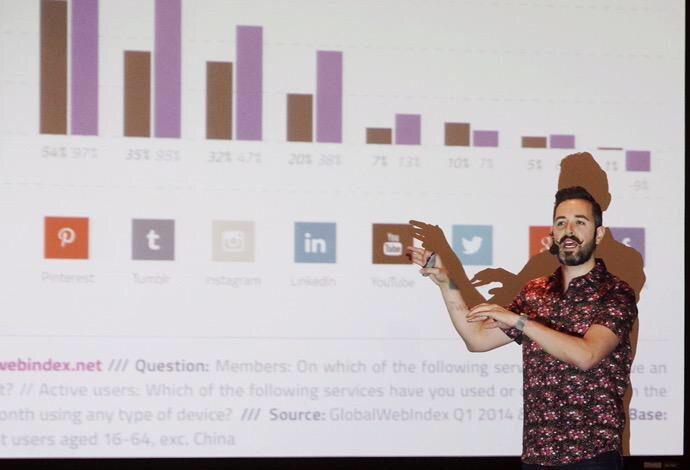















Connect With Us,
DIGIMARCON Conferences