 View Upcoming Digital Marketing, Media and Advertising Conferences & Exhibitions
 Phone:
Who’s Keeping AI in Check? The Growing Push for Smarter Regulation
Technology is advancing at an incredible pace, leaving businesses in a race to adapt. As new tools emerge, companies across the United States face a complex challenge in managing these powerful systems. Staying ahead requires more than just innovation; it demands a clear understanding of the current landscape.
The sudden rise of advanced chatbots and realistic deepfakes has introduced significant risks to corporate security. These digital threats create a new environment where cyber exposure is a constant concern. Leaders can no longer afford to ignore the impact of these tools on their daily operations.
Proactive oversight is now a vital part of modern corporate strategy. By focusing on AI Ethics & Regulation, firms can protect their assets while fostering trust. Implementing smart ai regulations ensures your organization remains secure in this fast-paced digital era. Embracing these standards is the best way to build a sustainable future for your business.
The Current Landscape of AI Ethics & Regulation
As automated systems become more integrated into our daily lives, the need for clear guidelines has never been more urgent. Policymakers and industry leaders are working together to navigate the complex intersection of rapid innovation and public safety. This ongoing evolution of AI Ethics & Regulation is essential to ensure that new technologies serve the public interest without stifling creativity.

Defining the Scope of Artificial Intelligence Governance
Governance in this sector involves creating rules that manage how machines learn and make decisions. At its core, artificial intelligence ethics focuses on preventing harm while promoting transparency in algorithmic outputs. By establishing clear boundaries, we can better address the unique challenges posed by automated systems that influence everything from finance to healthcare.
Effective governance requires a collaborative approach between technical experts and legal scholars. These frameworks are designed to identify and mitigate risks before they manifest in real-world applications. This proactive stance helps maintain public trust in the digital tools we rely on every day.
Why the United States is Prioritizing Responsible AI Practices
The United States has taken a leading role in fostering responsible ai practices to maintain its competitive edge in the global market. By prioritizing safety, the government aims to create an environment where innovation can flourish securely. This strategy ensures that developers remain accountable for the systems they build and deploy.
Investing in these standards is not just about compliance; it is about building a sustainable future for technology. When companies adopt responsible ai practices, they demonstrate a commitment to fairness and reliability. This dedication ultimately strengthens the entire ecosystem, making it more resilient against failures or biases.
The Role of Federal Agencies in Shaping AI Policy
While Congress debates new laws, federal agencies are already using their existing powers to oversee the rapid growth of machine learning. These organizations are stepping into the void to provide necessary oversight through current mandates. By focusing on consumer safety and technical standards, they are actively shaping the future of ai regulations.

The Federal Trade Commission and Consumer Protection
The Federal Trade Commission (FTC) has emerged as a key player in monitoring how companies deploy automated tools. They are strictly enforcing rules against deceptive or unfair business practices that involve algorithmic decision-making. If a company uses software that discriminates against users, the FTC is prepared to take legal action.
This approach ensures that businesses remain accountable for the outcomes of their digital products. By treating algorithmic harm as a form of consumer fraud, the agency provides a strong layer of protection. These ai regulations help maintain trust in the digital marketplace for all Americans.
The National Institute of Standards and Technology AI Risk Management Framework
The National Institute of Standards and Technology (NIST) takes a different, more technical approach to governance. They have developed a AI Risk Management Framework to help organizations identify and mitigate dangers. This voluntary guide encourages developers to prioritize safety, security, and fairness during the design phase.
By providing a standardized language for risk, NIST helps companies build more reliable systems. These guidelines serve as a foundational blueprint for industry best practices across the country. As more firms adopt these standards, the overall landscape of ai regulations becomes more robust and effective at preventing systemic failures.
Legislative Efforts and the Path to Federal Law
Technology’s rapid advancement puts immense pressure on Congress to establish regulations for ai development. Lawmakers face a daunting task to create federal oversight that safeguards citizens while fostering innovation. Recent judicial decisions on insurance liability have heightened the urgency of these legislative efforts.
Analyzing Proposed Bills in Congress
Several bills are being reviewed in committees, aiming to set limits on machine learning and automated decision-making. These proposals often include transparency requirements and mandatory safety tests for high-risk systems. Congress aims to create a clear legal framework for tech companies and startups through these regulations for ai development.
The legislative process is slow, as Congress grapples with the technical aspects of generative models. Many bills stress the importance of accountability in algorithmic design to prevent harm. This shift from voluntary standards to enforceable federal mandates is significant.
The Challenges of Bipartisan Consensus on Technology
Reaching a unified stance on technology policy is challenging in today’s political landscape. While there’s a consensus on the need for oversight, disagreements arise over the scope of regulations for ai development. Industry lobbyists warn that strict rules could harm American competitiveness globally.
On the other hand, advocates for public safety demand stronger protections against bias and data privacy breaches. The debate is complicated by legal precedents that hold companies accountable for their autonomous systems’ actions. Finding a balance that satisfies both corporate interests and public safety is the main challenge for lawmakers.
Corporate Responsibility and Self-Regulation
The private sector is taking the lead in setting its own AI rules, beyond government mandates. Many companies see the importance of public trust for their success. They establish ethical guidelines for artificial intelligence internally. This shows their commitment to safety and fairness, even before laws are set.
Voluntary Commitments from Industry Leaders
Big tech names like Microsoft, Google, and OpenAI have made public promises to guide their AI development. They focus on transparency, data privacy, and avoiding biases. Industry leaders believe that taking action early can shape the responsible innovation conversation.
These voluntary guidelines help teams assess risks in new models. Companies aim to create a culture of accountability. This way, they can adapt to tech changes faster than laws can.
The Limitations of Industry-Led Ethical AI Guidelines
Yet, critics point out that self-regulation has its limits. A big issue is the absence of independent enforcement mechanisms. Without legal penalties, these ethical ai guidelines might not be followed.
Profit goals can also clash with the need for thorough safety testing. Relying only on corporate good intentions is not enough to safeguard the public. Experts say that corporate accountability should work alongside government oversight for a secure digital future.
Addressing Bias and Fairness in Algorithmic Systems
In the realm of artificial intelligence ethics, we must confront the hidden biases leading to unfair outcomes. Developers and engineers strive to ensure software treats all users equally and accurately. By focusing on fairness, companies can create systems that benefit everyone.
Identifying Sources of Algorithmic Discrimination
Bias often starts before the code is written. It often comes from historical data sets that mirror societal prejudices. If training data is incomplete or biased, the model will learn and amplify these flaws.
Another significant source of discrimination is proxy variables. Even without direct data on race or gender, algorithms might infer these through zip codes or shopping habits. Following strict ethical ai guidelines helps teams detect these subtle biases before they cause harm.
Implementing Audits for Equitable AI Outcomes
Organizations must go beyond simple testing and adopt thorough auditing processes. A comprehensive audit checks the model against diverse data sets to ensure fairness across demographics. This proactive method prevents any group from being unfairly disadvantaged by automated decisions.
Companies should also invite independent third-party reviewers to examine their systems. Transparency is key in modern artificial intelligence ethics, fostering accountability. By documenting every development step, teams demonstrate their dedication to fairness and continually improve their ethical ai guidelines as technology advances.
Transparency and the Black Box Problem
The rapid growth of complex machine learning models has highlighted the black box problem. In this context, the inner workings of advanced systems are opaque to users and developers. This opacity hinders understanding why a particular output was produced.
Without insight into these processes, pinpointing errors or biases is nearly impossible. It’s vital to establish ethical guidelines for artificial intelligence to ensure these systems are trustworthy and equitable. By unveiling these hidden layers, we can build more confidence in automated technologies.
The Demand for Explainable Artificial Intelligence
The push for Explainable Artificial Intelligence, or XAI, is gaining momentum. This field aims to develop models that offer clear explanations for their decisions. The core objective is transparency, enabling stakeholders to effectively evaluate automated outputs.
By focusing on explainability, developers can streamline debugging and enhance system performance. Adhering to robust ethical guidelines for artificial intelligence enables organizations to standardize reporting. This approach ensures technology benefits society, not just corporations.
Balancing Proprietary Interests with Public Accountability
There’s a significant conflict between safeguarding corporate secrets and the public’s right to technological transparency. Companies often fear that disclosing their algorithms could harm their competitive edge. Yet, public accountability necessitates that critical systems are open to scrutiny.
Striking a balance is essential for future technological advancements. Regulators are exploring ways to safeguard intellectual property while ensuring critical systems are transparent. This delicate equilibrium will shape the future of responsible technology in the United States.
International Cooperation and Global Standards
Artificial intelligence transcends borders, necessitating global cooperation for effective oversight. The digital realm’s global reach highlights the need for unified regulations. This is the only way to ensure innovation is both safe and consistent globally.
Aligning United States Policy with Global AI Governance Principles
The United States is striving to align its domestic regulations with international standards. Through global forums, American leaders aim to foster interoperability. This enables systems to communicate securely, supporting the practical application of ai governance principles.
Common standards facilitate risk tracking and data sharing on emerging threats. Such unity is critical for maintaining public trust in AI systems. Global alignment safeguards American interests while promoting technological advancement.
The Impact of the European Union AI Act on American Markets
The European Union AI Act has introduced stringent rules for tech companies. This has prompted many American firms to reassess their global strategies. The high standards set by the EU act are now a benchmark for data privacy and algorithmic transparency.
Adapting to these standards is a challenge but also an opportunity to enhance product quality. Companies that adopt these ai governance principles early are better positioned for future regulations. The EU act’s influence is driving the tech industry toward greater accountability and transparency.
The Human Element in AI Oversight
As machines gain autonomy, human oversight becomes more critical. Software can process data quickly, but it lacks the moral compass for complex decisions. Ensuring responsible ai practices is key to making sure technology benefits society, not harms it.
Ensuring Human-in-the-Loop Systems
The “human-in-the-loop” architecture is vital for safety today. It requires a person to check high-stakes outputs, mitigating the risk of algorithmic errors. This ensures accountability remains with humans, a fundamental aspect of ai governance principles.
Systems without oversight often face unexpected challenges. Human review adds context that machines can’t provide. This collaboration between human insight and machine power builds trust in digital tools.
Training the Next Generation of AI Ethicists
To advance, we must invest in those who design and monitor AI systems. Universities and professional groups are launching programs to train AI ethicists. These experts will apply ai governance principles in daily work.
Education must include more than coding skills. It should cover philosophy, law, and sociology. This prepares future leaders to tackle tomorrow’s ethical challenges. A workforce that understands the impact of their decisions is essential for responsible ai practices.
Preparing for Future Technological Shifts
To future-proof our society, we must grasp how new technologies will change our world. Innovation’s rapid pace highlights the need for proactive policies. Effective regulations for AI development are vital to safely use these tools and reduce risks.
Regulating Generative AI and Large Language Models
Generative AI and large language models mark a significant advancement in machine learning. They can generate content, code, and even mimic human speech with startling accuracy. This raises critical concerns about data privacy and intellectual property rights.
Policy makers must craft adaptable frameworks to keep pace with these rapid advancements. Static rules are insufficient when technology evolves every few months. Emphasizing transparent data practices is key to building trust in these powerful tools.
Anticipating the Risks of Autonomous Systems
Looking ahead, we face the emergence of fully autonomous systems. These systems operate with minimal human oversight, raising significant safety issues. It’s imperative to establish strong regulations for AI development to mitigate risks in sectors like transportation and healthcare.
Human-centric design should be our priority to maintain control over these systems. Anticipating risks now will guide us toward a safer digital future. Preparation is the key to ensuring innovation benefits society without undermining our values.
Conclusion
The rapid evolution of machine learning demands a thoughtful approach to oversight. We must balance the drive for innovation with the necessity of public safety. This ensures technology serves everyone effectively.
Achieving this goal requires deep cooperation between federal agencies like the Federal Trade Commission and private industry leaders. Microsoft and Google are key players in this effort. These partnerships help establish clear standards that protect users while encouraging growth. Shared responsibility remains the most effective way to manage the risks associated with powerful new tools.
Transparency and accountability serve as the foundation for trust in digital systems. By prioritizing these values, we can navigate the complexities of the modern era with confidence. Open dialogue between policymakers, developers, and the public will shape a safer landscape for all.
Your voice matters in this ongoing conversation about the future of technology. Stay informed about new developments and engage with the organizations working to keep our digital world secure. Together, we can build a framework that supports progress while protecting our collective interests.
FAQ
Why is there a sudden, urgent focus on ai ethics & regulation in the United States?
The rapid growth of technologies like OpenAI’s ChatGPT and Anthropic’s Claude has reshaped the cyber landscape. This includes deepfakes and automated misinformation. As a result, responsible ai practices are now essential for businesses. Companies must proactively oversee these technologies to protect their reputation.
How are federal agencies currently enforcing ai regulations without a specific federal AI law?
Agencies like the Federal Trade Commission (FTC) are using their existing mandates to regulate AI. The National Institute of Standards and Technology (NIST) has also released a framework for ethical AI. This framework helps organizations implement guidelines and mitigate risks.
What are the primary hurdles Congress faces in passing comprehensive regulations for ai development?
The main challenge is achieving bipartisan consensus in a rapidly evolving tech environment. There’s a balance between promoting innovation and addressing public safety. Recent judicial decisions on insurance liability are also pressing lawmakers to establish clear ai governance principles.
Can companies rely solely on voluntary commitments and self-regulation?
While companies like Meta and Amazon have made commitments to the White House, many experts question their sufficiency. Without legal backing, self-regulation may not ensure consistent ethics across the tech sector. This is true when proprietary interests conflict with public accountability.
How can organizations identify and mitigate bias in their algorithmic systems?
Companies can identify bias through regular, independent audits. By following responsible ai practices, they can address bias in their data. This ensures their AI systems are fair and safe for all users.
What is the “black box” problem, and why is transparency so important?
The “black box” problem refers to AI systems whose logic is unknown. There’s a growing need for explainable AI (XAI) in areas like healthcare and finance. Ensuring transparency is key to balancing proprietary algorithms with public oversight.
How does the European Union AI Act affect American businesses?
Global digital economies mean American companies must align with international ai standards. The European Union AI Act sets high standards for safety and transparency. This influences American markets, pushing US developers to adopt stricter regulations for international sales.
What does “human-in-the-loop” mean in the context of AI oversight?
Human-in-the-loop systems mean AI augments, not replaces, human judgment. This is a core ethical principle, ensuring a human is always available to override AI in ethical dilemmas.
What are the future risks associated with generative AI and Large Language Models (LLMs)?
As generative AI advances, regulators foresee risks from autonomous systems. Future regulations will focus on traceability and accountability. This ensures AI remains a tool for human progress, not a source of instability.



The Secret Marketing Asset You’re Already Paying For
Ever feel like your marketing budget is endless? You spend a lot on ads, hoping to grow, but it feels empty. It is exhausting to chase growth while ignoring the most powerful resource already sitting in your office.
Your team is more than just employees; they are your brand’s heart. Paid ads can grow your revenue, but your team is a hidden treasure. By changing how you see them, you can make your company’s culture a strong marketing tool.
Authenticity is the new currency of the digital age. When you let your team share their stories, you get employee-generated content that connects deeply. This approach doesn’t need more money. It just needs to value your team more. Let’s see how to tap into this hidden strength and grow your brand from within.
Why Your Team Is Your Most Powerful Marketing Channel
Many companies forget about their most valuable asset: their employees. While big campaigns are important, they can’t match the human touch people want today. Your team members have insights and experiences that are more relatable than any ad.
By letting your staff share their views, you unlock a treasure trove of authentic stories. These stories connect deeply with your audience. They speak to the brand mission every day, adding credibility that money can’t buy.

Using your team’s knowledge is a smart move. It saves time and effort in marketing. Instead of starting from scratch, you showcase the valuable knowledge your team already has. This way, your brand can reach more people without spending too much.
Your employees are the best advocates for your brand. They make your company feel real and personal. By letting them share their stories, you turn your team into a dynamic engine for growth and connection.
Defining Employee-Generated Content and Its Strategic Value
Your brand’s voice comes from the people who work for you every day. By using their unique views, you can make your brand feel both professional and personal. This strategic approach turns your team into a key driver for growth and awareness.

Distinguishing Between User-Generated Content and Internal Contributions
It’s key to know the difference between content from customers and your team. User-generated content comes from outside reviews, while your team’s work gives a real look at your company.
User-generated content is like a review from someone else. On the other hand, employee-generated content shows what’s inside your company. Both are important but serve different marketing roles.
The Psychological Impact of Humanizing Your Brand
People prefer to connect with people, not just logos. Sharing your team’s stories makes your company feel more real. This humanizing effect builds trust and a strong bond with your audience.
When your team shares their stories, they show your company’s integrity and passion. This openness makes your brand feel closer and more relatable. By focusing on employee-generated content, you create a community based on shared experiences.
Building a Culture That Encourages Workplace Content Creation
Changing your company culture begins with letting your team share their professional stories. When they feel free to contribute, workplace content creation becomes part of their job. This change needs leaders to focus on safety and open talk.
Removing the Fear of Public Speaking and Posting
Many team members are scared to share because of fear of being judged or making mistakes. It’s important to tell them that being real is more important than being perfect online. By setting clear, supportive rules, you create a space for trying new things.
Managers should praise early efforts to boost confidence in the team. Seeing peers get praised for their work helps reduce the fear of internal content creation. A supportive place is key to lasting success.
Providing the Right Tools for Staff-Generated Content
Even the most eager employees need a plan to stay on track. Giving them easy-to-use tools like content calendars and approved templates helps. These tools make sure staff-generated content fits your brand while letting them be creative.
Think about having short workshops to show how to use these tools well. When you make the technical parts easy, your team can focus on sharing their knowledge. Giving the right support makes staff-generated content a natural part of their day.
In the end, a great workplace content creation plan is about making things easy. By giving the right help and tools, you let your team be the true voice of your brand.
The Benefits of Employee-Driven Content for Brand Authenticity
Your employees are the key to building trust with your audience. In a world full of ads, people want to hear from real people. By focusing on employee-driven content, you can change how people see your brand.
This change is more than just a new social media plan. It’s about connecting with your community on a deeper level. When employees share their views, they offer the transparency today’s buyers want. This makes your brand unique by showing the real people who work for you every day.
Why Customers Trust Employees More Than Corporate Ads
Today’s shoppers are wary of ads that seem too perfect or too pushy. They know ads aim to sell, but employee-driven content feels like advice from a friend. This change is key to earning lasting loyalty.
When an employee talks about their experience, it’s more believable than a brand account. People feel more at ease with someone who knows the product well. This makes it easier for new people to join your community.
Improving Social Proof Through Real-World Experiences
Social proof is key in marketing, and your team is the best source. By sharing real stories and behind-the-scenes looks, you prove your brand’s promises. This user-generated content is a strong endorsement for new customers.
Showing your team’s success with charts and photos can really grab attention. When you mix data with real stories, you create a story that stands out. Authenticity is priceless today, and your employees are your most valuable asset in earning it.
Strategies for Successful Collaborative Content Development
Your team is key to telling real stories through collaborative content development. By using your staff’s unique knowledge, you turn your brand into a group of relatable experts. This makes your messages fresh, diverse, and close to your audience.
Identifying Internal Subject Matter Experts
Every company has hidden talent waiting to be found. Look for employees who love their job and want to share their unique insights. These people connect complex ideas to what your customers need.
Begin by checking your departments for those who explain things well. Identifying internal subject matter experts is key to a steady flow of great content. Encourage them to share their views on trends or customer issues.
Creating Content Calendars That Include Employee Voices
A good calendar is essential for marketing success. You can stretch your resources by breaking down big ideas into smaller pieces. This collaborative content development keeps your schedule full without overloading your team.
Here are easy ways to add employee voices to your plans:
- Turn a 30-minute training into three short blog posts.
- Get experts for quick quotes or tips for social media.
- Use internal project summaries for engaging case studies.
By mixing these contributions into your workflow, your brand stays lively and relevant. This approach keeps your calendar full and shows off your diverse expertise. It makes your company stand out in a busy market.
Overcoming Common Hurdles in Organizational Content Generation
Successfully navigating organizational content generation needs a balance. Leaders often fear legal risks or a weak brand image if they empower staff. But, with the right approach, these fears can become strengths.
Addressing Legal and Compliance Concerns
Start by setting clear guidelines for workplace content creation. Give your team a simple handbook on what’s okay to share and what’s not. This clarity helps employees who want to contribute but are worried about mistakes.
Regular training is key to keeping compliance in mind. Workshops help address specific issues and show how to handle sensitive topics. When employees understand the reasons behind the rules, they’re more likely to follow them.
Managing Brand Consistency Without Stifling Creativity
Keeping a unified brand voice doesn’t mean every post must sound corporate. Instead, encourage collaborative content development that lets employees share their views while staying true to your values. Offer flexible templates or talking points to boost their confidence.
Trust is essential for a successful program. When you let your team express themselves, they often create more genuine and engaging content. Here are some tips to keep your efforts on track:
- Create a resource hub with approved images and brand assets.
- Establish a feedback loop where employees can ask about content ideas.
- Celebrate wins by highlighting top employee posts.
- Focus on education to build a culture of ownership.
By using these strategies, you can manage risks in collaborative content development. This way, your workplace content creation stays safe and effective for your brand’s growth.
Leveraging Internal Content Creation for Recruitment and Retention
Turning your team into brand advocates gives you a big edge in the job market. By focusing on employee-driven content, you show job seekers what it’s really like to work for you. This openness helps them see if your company’s culture fits their own values.
Showcasing Company Culture to Future Employees
Today’s top talent wants more than just a good salary; they want to feel at home. By sharing your team’s stories, you give a real look at your workplace. People trust what your current staff says more than fancy recruitment videos.
Share team achievements, office traditions, or personal growth stories. This builds social proof that your company is a top place to grow a career. It makes your current staff your best recruiters.
Boosting Employee Morale Through Recognition
Creating content does more than just reach outside; it’s a great way to celebrate your team. When you feature team members in your employee-driven content, you show them you value their hard work. This makes them feel proud and connected to your company.
When employees feel appreciated, they’re more likely to stick around. By sharing their successes, you create a culture of gratitude. This positive feedback loop motivates others to contribute, making your employer brand stronger with employee-driven content.
Measuring the ROI of Your Company Content Contribution Efforts
Turning employee enthusiasm into measurable business results is key for any modern brand. Investing in internal content creation means making sure it meets your business goals. By setting up a clear analysis framework, you can show the real value of your team’s contributions to stakeholders.
Tracking Engagement Metrics on Employee Posts
To see how well your company content contribution works, look beyond simple likes. Deeper engagement shows how your audience interacts with your brand. Focus on these key indicators to measure success:
- Shares: Shows your content is worth sharing publicly.
- Comments: Means your posts are starting important conversations with people.
- Click-Through Rates: Shows how well your content brings people to your site.
- Save Rates: Points out content people find useful for later.
Connecting Content Reach to Lead Generation
The real strength of organizational content generation is in filling your sales pipeline. When employees share real stories, they reach audiences that ads can’t. Use unique tracking links or UTM parameters on all shared posts to track this.
By linking these clicks to your CRM, you can see how company content contribution affects the customer journey. This data helps you improve your strategy, focusing on topics that bring in the most qualified leads. Regularly checking your organizational content generation keeps it a valuable and profitable asset for the future.
Best Practices for Scaling Your Employee Advocacy Program
Turning your workforce into brand advocates is a journey that needs consistency and care. To grow, you must move beyond one-off efforts. A structured framework supports your team, ensuring staff-generated content stays high-quality and aligns with your goals.
Training Programs for Aspiring Brand Ambassadors
A successful program starts with empowering employees through training. Give clear guidelines on sharing professional insights while keeping their unique voice. Workshops on social media best practices help staff feel confident and ready to represent the brand.
Teach team members to spot relevant industry trends. When they see the value of their company content contribution, they’re more likely to post often. Giving access to curated resources and templates helps newcomers.
Incentivizing Participation Without Forcing Engagement
Scaling efforts need a balance between encouragement and freedom. Avoid making posting mandatory, as it can lead to burnout and lower quality. Instead, create a culture where genuine enthusiasm drives posting.
Set up a recognition system to celebrate top contributors. Public shout-outs or internal awards can motivate. By showing the impact of staff-generated content, you make it rewarding, not a chore.
Conclusion
Your team members are your most valuable marketing asset. They bring a real authenticity that paid ads can’t match. By encouraging them to contribute, you turn your team into a strong force for your brand’s growth.
Creating a successful content program takes time and clear communication. You’ve learned about its strategic value, challenges, and how to measure success. It’s time to apply what you’ve learned.
Begin with small steps. Keep your message consistent but let each person’s voice be heard. See how your brand’s reach and reputation grow with your team’s help.
Start talking to your staff today to find the stories they have to share. Your next big marketing campaign could be happening right now. Give your team the chance to share their knowledge and watch your business flourish.
The Marketers You’ll Meet at DigiMarCon—and Why They Matter
We’ve all spent hours staring at screens, trying to figure out new algorithms alone. There’s a special kind of loneliness in digital work. But, it disappears when you meet others who understand you.
Going to the world’s biggest digital marketing conference changes everything. It’s not just about the talks; it’s about the people you meet. These DigiMarCon Networking Opportunities are the heart of the industry. They connect you with the leaders who shape our digital world.
When you enter, you’re surrounded by the brightest minds. Talking to these experts can change your career in ways you can’t imagine. By using these DigiMarCon Networking Opportunities, you get more than just business cards. You build a support system that helps you grow. Get ready to meet the innovators who make this event a global marketing hub.
The Value of Digital Marketing Conferences
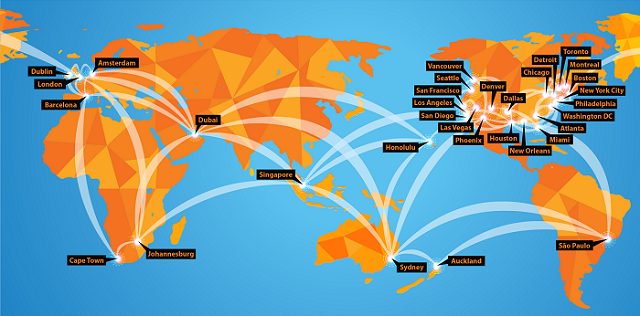
Digital marketing conferences are more than just events; they are the heartbeat of our industry. Held in 33 cities across 13 countries, these summits offer a global view on trends. They are key places where professionals share ideas and improve their skills.

Why In-Person Interaction Stills Reigns Supreme
Virtual meetings are convenient, but they miss the human spark needed for innovation. Face-to-face meetings are best for building trust and lasting professional bonds. Meeting someone in person leaves a lasting impression that screens can’t match.
These settings foster spontaneous talks that lead to new ideas. Authentic connection is why leaders value these events. It’s in these moments that valuable partnerships are formed.
The Evolution of Professional Networking Events
Professional networking events have changed a lot in the last decade. What were once static trade shows now offer dynamic, interactive experiences. These events focus on sharing knowledge and learning together.
Now, conferences include workshops, roundtable discussions, and social mixers. This ensures everyone leaves with new insights and a stronger network. By embracing this change, you stay at the forefront of marketing excellence.
Leveraging DigiMarCon Networking Opportunities
DigiMarCon is a great place to grow your professional network. To get the most out of it, you need to actively engage with the networking chances given. Building real relationships takes more than just showing up; it needs a proactive approach.
Maximizing Your Time at Industry Networking Opportunities
There are 8 networking breaks at each event, giving you many chances to meet peers. These breaks are for starting real conversations. Prioritizing these moments is key for getting the most from networking.

How to Navigate Business Networking Conferences Effectively
Knowing how to navigate business networking conferences is vital. Begin by setting clear goals for who you want to meet and what you want to learn. Approaching others with curiosity often leads to the most rewarding exchanges.
Keep your interactions real and focused on mutual growth. By staying present and open, every conversation matters. Strategic networking can turn a simple event into a long-term career boost.
The Seasoned CMOs and Strategic Leaders
Top CMOs from big brands meet at DigiMarCon to share their plans. You’ll see leaders from Google, Microsoft, and Amazon talk about the future. These sessions offer a rare glimpse into how they make big decisions.
Learning from High-Level Decision Makers
Listening to keynotes from these giants helps you understand business challenges. You get direct access to the strategies that keep them ahead. By hearing their stories, you can spot tactics for lasting growth.
These leaders share how they use data and creativity in real life. You’ll learn to handle market changes with confidence. This knowledge is invaluable for anyone looking to sharpen their own strategic approach to marketing.
Why Connecting with Executives Shapes Your Career Path
Talking to a seasoned executive can change your career. These meetings offer mentorship opportunities hard to find elsewhere. A short chat can give you a new view on leadership.
When you meet these leaders, you learn about their success. This helps you set and reach your own goals. Connecting with these visionaries prepares you for your next big career step.
The Innovative Startup Founders
Meeting startup founders at DigiMarCon opens a window to the future of marketing. The event offers generous discounts for startups, attracting bold leaders. They share their latest discoveries, keeping the conference fresh with new ideas.
The Energy of Disruptive Marketing Minds
Startup founders bring a distinctive, disruptive energy to the event. They challenge old marketing ways, not afraid to try new things. Talking to them can give you a new view on marketing in a busy digital world.
These founders are creative because they have to be. They take risks, and their boldness is inspiring. Learning from their approach can spark new ideas in your work.
Finding Inspiration in Agile Business Models
Entrepreneurs teach the power of pivoting. They adjust their plans quickly to stay ahead. This agility is key for marketers today, no matter the company size.
You’ll learn about marketing that works well but doesn’t cost a lot. Even in big companies, thinking like a startup can speed up innovation. Talking to these founders shows how to stay lean and effective in a fast-changing world.
The Data-Driven Performance Marketers
Performance marketers are key to digital growth today. They use data to make every campaign better, ensuring value for every dollar. At these events, you meet top minds through industry networking opportunities.
Understanding the Science Behind Successful Campaigns
Marketing is now a science, not just creativity. These pros use data to track and improve campaigns. Their main goal is to show the return on investment, turning numbers into business plans.
By talking to these experts, you learn which channels work best. They help you change plans fast when needed. This skill is key for growing your marketing efforts.
Why Analytics Experts Are Essential Networking Partners
The TECHSPO Technology Expo is great for meeting these experts. You’ll see new SaaS and MarTech tools changing digital marketing. These industry networking opportunities let you talk about tools for your work.
Analytics experts are important partners for understanding data. By connecting with them, you learn to use technical insights for your goals. Using these industry networking opportunities will make you stand out in a busy market.
The Creative Content Strategists
DigiMarCon is a special place where visionaries shape how brands talk to people. They connect data with emotional resonance that keeps customers loyal. By attending, you meet the ones who turn numbers into stories that touch hearts.
The Art of Storytelling in a Digital World
In today’s world of endless scrolling, grabbing attention is tough. Creative content strategists are experts at weaving stories that stand out. They know that authentic storytelling is key to connecting with people.
At the conference, you’ll see presentations without sales pitches. Instead, you get actionable takeaways and deep dives into real cases. These sessions teach you how to match your brand’s voice with your audience’s values.
Collaborating with Visionaries Who Build Brands
Working with these experts lets you see their mix of creativity and strategy. This mix is what makes brands stand out. You’ll learn from their problem-solving skills.
Building a relationship with a content visionary can boost your career. You’ll learn to transform your brand identity into something personal and meaningful. Working with these leaders ensures your campaigns stay fresh and effective.
The Tech-Savvy SEO and SEM Specialists
At DigiMarCon, you’ll meet the experts who make websites easy to find. They work in bright, open spaces with a direct view of the stage. This lets them catch every detail of the latest search engine updates.
Staying Ahead of Search Engine Algorithm Changes
Search engine algorithms change all the time. Experts keep up with these changes to help brands stay ahead. By attending these sessions, you learn how to adjust your strategy when search engines change.
Meeting these experts can teach you about new tools for tracking your site’s performance. They offer tips on understanding data trends early. This is essential for keeping your brand’s online traffic strong.
The Importance of Technical Expertise in Modern Marketing
Technical skills are key to making content work. They help search engines find and index your content. Mastering this balance is what makes a brand stand out.
These experts turn data into plans for growth. Working with them, you learn to improve your site’s structure and user experience. Their work is transformative, making complex tech issues easy to solve.
The Social Media Influencers and Community Managers
Building a brand today is more than just ads; it needs the human touch of influencers and leaders. They turn digital noise into real conversations. At DigiMarCon, you meet experts who know how to stand out in a busy market.
Building Authentic Connections with Digital Audiences
Joining this event gives you access to a global network of over 500,000 subscribers. This huge community is a powerful resource for anyone wanting to grow their reach. You’ll meet peers and leaders ready to share their secrets for real interaction.
Being real is key on the web today. When you connect with these influencers, you learn to go beyond just numbers. They show you how to truly listen and respond in a way that feels personal.
The Role of Community in Brand Loyalty
Today’s marketing success is about building lasting relationships, not just sales. Community managers know that brand loyalty comes from consistent, valuable engagement. They connect a company with its most loyal fans.
By learning from these experts, you can turn your digital space into a place where customers thrive. You’ll see how to build a loyal audience that supports your brand. This is the key to a successful business strategy.
The Emerging Talent and Marketing Students
Digital marketing conferences are now places for both seasoned pros and new talent. They welcome students and academics, blending theory with real-world skills. This mix keeps the industry fresh and forward-thinking.
Mentorship Opportunities at Professional Networking Conferences
Attending these events offers a chance for direct mentorship. Students learn a lot from seasoned veterans in coffee chats or breakout sessions. Thanks to discounts, these conferences are open to students, helping them grow in their careers.
Building a professional network early is key for marketers. Students get insights from industry leaders that textbooks can’t match. These connections often lead to internships, jobs, and long-term guidance.
Why Fresh Perspectives Matter for Industry Growth
New talent brings energy to business networking conferences. Students come with a creative, tech-native mindset that shakes up old ways. This exchange of ideas benefits everyone, as it inspires new strategies.
Professional networking events do well with a mix of experience levels. They ensure a steady flow of talent ready for tomorrow’s challenges. Innovation grows when past wisdom meets future curiosity.
The Agency Partners and Service Providers
Digital marketing conferences give you a peek into the tools and services that can change your business. Creative ideas are great, but the right tools and support are key for growth.
Finding the Right Tools and Partners for Your Business
Finding the perfect agency partner means knowing what you need for your business. Look for providers with proven expertise and a history of solving tough problems. Evaluating these partners early helps keep your marketing flexible and effective.
When meeting vendors, check how their tools fit with your workflow. A good partner is more than a service seller; they’re part of your team. This teamwork is vital for success and growth.
The Benefits of Digital Marketing Networking with Vendors
The TECHSPO Technology Expo is perfect for networking in digital marketing. It’s a place to meet vendors in a professional setting, without the usual sales talk. You can see demos and ask questions that matter to your business.
Regular networking with these providers keeps you on top of trends. Building long-term relationships with them gives you special insights and support. These connections are your most valuable in the fast world of digital ads.
Strategies for Enriching Networking Experiences
Success at professional networking conferences begins before you arrive. Preparing well ensures every interaction helps your career. This effort is key to enriching networking experiences that are more than just meeting people.
Preparing Your Elevator Pitch for DigiMarCon
Your elevator pitch should quickly tell others about you and your value. At DigiMarCon Networking Opportunities, focus on your unique skills, not just your job. Keep it short, interesting, and relevant to the person you’re talking to.
Practice your pitch until it feels natural. A good pitch encourages questions and deeper talks about trends or challenges. It’s about sparking interest, not just listing your job.
Following Up to Turn Contacts into Long-Term Relationships
The real networking work starts after the event. Send personalized messages within 48 hours to keep the conversation going. Mention a specific topic you discussed to show you were really listening.
If you have a VIP pass, you get a big advantage. You have 12-month access to hundreds of hours of speaker talks. Share a relevant session link with your new contact as a valuable follow-up. This shows your commitment and strengthens your professional bond.
Building your network takes time and effort. By engaging regularly, you turn brief meetings into lasting professional partnerships. This dedication to follow-up sets you apart as a leader in your field.
Conclusion
DigiMarCon is a place where professionals can learn, connect, and grow. It offers both in-person and online options to fit your schedule.
By joining, you enter a global community and get access to top insights. You’ll meet marketers, founders, and experts. This leads to valuable networking that boosts your career.
The benefits of these conferences last long after the event. You’ll make lasting connections that help your career grow for years.
Ready to move forward? Attend a DigiMarCon event near you. Start planning for more rewarding networking experiences today.
How Zero-Party Data Is Reshaping Digital Marketing.
We’ve all felt the unease of being followed by ads online. For years, the internet used hidden tracking that made us feel exposed. Now, things are changing for the better.
Businesses in the U.S. are moving away from sneaky tracking. They’re choosing a path of transparency and mutual respect. This lets them build real loyalty by asking customers what they want.
Zero-Party Data is at the center of this change. It lets brands give the personalized experiences we all want. Using Zero-Party Data is key to success in today’s privacy-focused world. It builds trust for everyone.
Defining Zero-Party Data in the Modern Ecosystem
At the heart of modern marketing is a special type of information. Users choose to share this directly with a brand. This idea, called Zero-Party Data, was first mentioned by Forrester Research. It’s about information a customer gives willingly.
This data is different from other types because it’s given directly. When a customer shares their likes or plans to buy, they’re telling the brand how to treat them.

Zero-Party Data is a part of first-party data. But it’s special because brands don’t have to guess what users want. It’s given directly.
By using this direct input, companies can really understand what customers want. This proactive sharing leads to experiences that are both personal and respectful.
Using Zero-Party Data also helps brands avoid tracking that feels invasive. It builds a relationship based on trust. Customers feel in control of their journey with the company.
The Shift from Third-Party Cookies to Zero-Party Data
The end of third-party cookies is a big chance for brands to connect directly with their audience. For years, marketers used tracking pixels and cookies to follow users. But now, big browsers are blocking these tools to protect user privacy.
Changes in laws and updates like Apple’s App Tracking Transparency have made old tracking methods less useful. This technical shift forces companies to abandon outdated habits and find new ways to engage their customers. So, many businesses are focusing on Zero-Party Data to stay ahead.

This method is different because it uses information customers share willingly. By asking for preferences directly, companies can offer personalized experiences without breaking privacy rules. This method often works with first-party data, which is collected when customers interact directly with a company’s website or app.
Switching to Zero-Party Data helps brands take back control of their marketing. It shifts focus from spying to meaningful, consent-based communication. While first-party data is important, zero-party data gives deeper insights into what customers want and need.
Why Zero-Party Data Is Reshaping Digital Marketing Strategies
Using Zero-Party Data changes how companies talk to their audience. It focuses on info customers choose to share. This way, brands can trust their audience more and understand what they like better.
When customers share their interests, brands can offer more relevant experiences. This makes interactions feel more genuine and helpful. It’s a big step away from feeling like you’re being watched.
Switching to Zero-Party Data makes marketing more accurate and effective. It’s better than guessing what people want. This way, every message is exactly what someone needs to hear.
Using Zero-Party Data helps brands make their marketing better. They see more people buying from them and staying loyal. It’s a smart move that makes talking to customers more meaningful.
Distinguishing Zero-Party Data from First-Party Data
Zero-Party Data and first-party data are both important but different. Knowing the difference helps brands improve their online strategies. It lets them connect better with their audience.
First-party data comes from your audience directly through your own sites. It includes things like website visits and past purchases. It shows what a customer has done on your site.
Zero-Party Data, on the other hand, is data customers share on purpose. This could be their preferences or interests. It’s a special part of your first-party data because users choose to share it.
The big difference is the intent behind the data. First-party data is often guessed from actions. Zero-party data is given by the user. Knowing this helps marketers use their data better, making every piece count in the customer’s journey.
Ethical Data Practices and the Importance of Consent
In today’s digital world, data privacy is key to a brand’s reputation. Companies that focus on ethical data practices stand out in a crowded market. They show respect for their users by handling data carefully.
Global laws like the GDPR and CCPA require clear data use. These rules make sure companies are responsible for consumer data. Following these laws is not just about avoiding fines; it’s about protecting your audience.
Getting clear data consent is the best way to build trust with customers. By asking for permission, you give users control over their online presence. This transparency builds lasting confidence in your brand.
Adopting ethical data practices goes beyond just following rules. It creates a culture where data privacy is a shared value. This ensures that consumer data is collected legally and with respect.
Putting data consent first changes how people see your business. When customers feel safe and informed, they’re more willing to share data. By choosing transparency, you build a sustainable future for your marketing.
Effective Data Collection Methods for Modern Brands
Collecting data is now about starting a conversation, not just tracking. Modern brands are moving from passive observation to active engagement. This way, they gather consumer data more accurately by asking users about their interests.
Interactive surveys are key in this shift. They help businesses get valuable customer insights while keeping privacy in mind. When customers feel they’re part of a dialogue, they share more honestly.
It’s vital to follow ethical data practices for lasting success. Brands must be transparent in every interaction. When users know why their info is needed, they’re more willing to share.
Preference centers are another strong tool for managing data consent. They let customers pick what content they want. This approach builds trust and respect between brands and users.
Progressive profiling is the last piece of this strategy. It collects small bits of info over time instead of asking for everything at once. This keeps consumer data fresh and relevant. By focusing on ethical data practices and clear data consent, companies can build a win-win situation for everyone.
Enhancing Customer Interactions Through Personalization
The key to turning a generic brand into a loyal customer is personalized marketing. Companies start treating each user as an individual with unique needs. They use first-party data and direct insights to craft messages that really connect.
Progressive profiling is a key tool in this effort. It collects small pieces of info over time instead of asking for a lot upfront. This builds a detailed Customer-360 view that grows with the user. So, customer interactions become smoother and more helpful.
When a brand knows what you like, it can send content that matches your interests. This makes every email, product suggestion, or ad feel like it’s made just for you. This level of care leads to deeper engagement and satisfaction online.
The aim is to make experiences that value the user’s time and attention. By using first-party data well, businesses can meet needs before they’re even asked. This approach to personalized marketing turns basic customer interactions into strong, lasting bonds.
Overcoming Challenges in Consumer Data Acquisition
Getting high-quality consumer data is tough for brands today. They struggle to get useful insights while keeping data privacy in mind. This problem often comes from systems that don’t work together well.
Keeping data consistent across all platforms is a big technical challenge. When data is split up in different places, it’s hard to keep it accurate. Centralizing information is the best way to fix this and have one true source for the whole company.
By making data easier to store and access, brands can protect data privacy better. This also makes their outreach more effective. So, every interaction with customers is based on the latest and most accurate information.
This leads to more meaningful customer interactions that keep customers coming back. In the end, the aim is to have a strong system that helps the business grow and follow rules. When brands focus on clean consumer data, they lower the chance of mistakes and gain more trust from their audience. Investing in these systems is key for any brand wanting to improve its customer interactions in a competitive world.
Leveraging Zero-Party Data for Predictive Analytics
Companies can guess less and know more by using zero-party data. This method relies on what customers choose to share. It turns this shared info into a strong tool for predicting what they might do next.
When businesses mix this shared data with their own first-party data, they get a full picture of the customer. This mix leads to better guesses about what customers might buy and how long they’ll stay. Because the data comes straight from the user, it’s cleaner and more reliable than guessed data.
Marketers can fine-tune their personalized marketing with these exact insights. Instead of sending out broad messages, they can send messages that really speak to what their audience likes. This way, they focus on interactions that truly matter to the customer.
Improving your data collection methods is key to keeping your predictions sharp. As you get better at gathering accurate data, you’ll be able to predict trends more accurately. This move toward openness and direct talk gives you a sustainable advantage in the digital world.
Building Long-Term Brand Loyalty Through Transparency
In today’s digital world, transparency is key. It’s about how brands handle our personal info. Being open about data privacy shows they care more about honesty than making a quick buck. This change in how they talk to us makes them more relatable.
Letting users control their data consent is a big step. When people feel they have a say in what info they share, they’re more likely to get involved with a brand. This makes their relationship with the brand more than just a transaction; it becomes a meaningful partnership.
Using ethical data practices can really set a brand apart. Brands that protect user info tend to keep their customers longer and build stronger bonds. Showing integrity makes being compliant a key part of their identity.
Quality customer interactions start with trust built through clear talk. When a brand shows it can be trusted with our personal info, it gets to offer more tailored experiences. This builds a cycle of trust and value, leading to lasting loyalty.
Conclusion
The digital world is changing fast, making direct connections with customers key. Brands that adapt and move away from old tracking methods stand out. They succeed by putting data privacy at the heart of their business.
Putting data consent first helps companies connect genuinely with people. When customers feel they control their data, they share better insights. This leads to personal experiences that keep customers coming back.
For today’s businesses, using data ethically is essential. Companies like Sephora and Nike show how being open builds a strong brand. By focusing on the user, they pave the way for success in a world that values privacy.
It’s time to check how you collect data now. Make sure your goals match what customers want. This way, your brand stays relevant and trusted. Begin building a future where every touchpoint adds value to the customer’s journey.

















Connect With Us,
DIGIMARCON Conferences