 View Upcoming Digital Marketing, Media and Advertising Conferences & Exhibitions
 Phone:
The Ultimate Advocacy Marketing Events Guide
In today’s digital landscape, businesses are constantly seeking innovative ways to build brand awareness, drive sales, and foster customer loyalty. Leveraging brand ambassadors who champion your brand through word-of-mouth marketing is an effective strategy.
Advocacy marketing has emerged as a powerful tool, enabling companies to tap into the trust and influence of their satisfied customers. Empowering these customers to share their experiences creates a ripple effect. This reaches new audiences and builds credibility.
This guide explores how advocacy marketing can be a game-changer for businesses. Understanding its full range of possibilities and implementing effective strategies can unlock new opportunities for growth and customer engagement.
Introduction: The Most Comprehensive Advocacy Marketing Events Guide Online
Advocacy marketing events are transforming the way businesses engage with their customers. This guide will navigate you through this evolving landscape. We will dive into the realm of customer advocacy and its critical role in modern marketing.
The emergence of influencer marketing has underscored the potency of advocacy in achieving business triumphs. By tapping into the voices of contented customers, enterprises can forge trust and credibility with prospective clients.

Advocacy marketing excels in fostering brand loyalty and customer retention. Exceptional customer experiences can transform clients into devoted advocates. These advocates then disseminate their favorable experiences, generating social proof that propels sales and revenue.
This guide aims to equip you with a deep understanding of advocacy marketing events and their impact on business success. Whether you’re an experienced marketer or embarking on your journey, you’ll uncover valuable insights and actionable advice. These will empower you to maximize your advocacy marketing endeavors.
What Is Advocacy Marketing?
Advocacy marketing empowers individuals to become brand advocates, sharing their genuine experiences with others. This marketing strategy leverages the voices of satisfied customers and employees to promote a brand. It fosters trust and credibility among prospective customers.
Brand advocacy is central to advocacy marketing. It transforms loyal customers and employees into passionate brand ambassadors. These ambassadors can authentically promote the brand. This creates a powerful marketing force that is both credible and engaging.

The core components of advocacy marketing include identifying and empowering advocates, creating engaging experiences, and measuring advocacy efforts’ impact. By focusing on these elements, businesses can develop a robust advocacy marketing strategy. This strategy drives results.
Advocacy marketing is not merely about promoting a brand. It’s about building a community of loyal supporters who believe in the brand’s values and mission. By empowering customers and employees to share their stories, businesses can create a marketing approach that is both personal and impactful.
In essence, advocacy marketing harnesses the power of human connection to promote a brand. By leveraging the authentic voices of brand advocates, businesses can build trust, drive engagement, and ultimately drive sales.
Why Advocacy Marketing Matters
The significance of advocacy marketing stems from its capacity to transform contented customers into fervent brand supporters. This transformation brings about substantial advantages, such as bolstered brand loyalty and elevated customer retention rates.
Advocacy marketing’s influence on customer reviews is profound. Favorable feedback from contented patrons not only fortifies credibility but also shapes the buying choices of prospective customers. A study reveals that a considerable number of consumers place as much trust in online reviews as they do in personal endorsements.
Another vital facet of advocacy marketing is referral marketing. By motivating customers to recommend friends and family, enterprises can harness a potent marketing avenue. Referral marketing has been proven to yield higher conversion rates and augmented customer lifetime value.
Effective advocacy marketing initiatives frequently integrate various tactics, such as loyalty schemes, user-generated content campaigns, and exclusive events for brand advocates. For example, a renowned beauty brand initiated a referral program that compensated customers for referrals, leading to a notable spike in sales and brand interaction.
Advocacy marketing also plays a critical role in revenue growth by propelling both new customer acquisition and repeat business. By cultivating a community of devoted advocates, companies can establish a resilient marketing framework that delivers enduring outcomes.
In summary, advocacy marketing is indispensable due to its multifaceted approach to elevating brand reputation, stimulating customer engagement, and ultimately, increasing revenue. By grasping and utilizing the potency of advocacy marketing, businesses can maintain a competitive edge in today’s dynamic market.
Creating Your Advocacy Marketing Strategy
Developing a successful advocacy marketing strategy necessitates meticulous planning, precise objectives, and a profound comprehension of your brand ambassadors. Initially, it is imperative to articulate the goals you seek to attain through your advocacy marketing endeavors.
Setting Clear Objectives constitutes the foundational step in forging an impactful advocacy strategy. Your objectives must be specific, measurable, achievable, relevant, and time-bound (SMART). For example, you might endeavor to enhance brand visibility among a particular demographic or stimulate sales through employee advocacy initiatives.
Identifying the appropriate brand ambassadors is of utmost importance. These could encompass employees, influencers, or devoted customers capable of effectively endorsing your brand. Grasping their motivations and what drives them is vital for fostering their active engagement.
Influencer advocacy can be remarkably potent, given influencers’ extensive and engaged followings. Yet, it is critical to select influencers whose ethos resonates with your brand and who genuinely appreciate your offerings.
To motivate advocacy, contemplate introducing incentives or recognition for your brand ambassadors. This could manifest as exclusive access to novel products, financial rewards, or public accolades through your brand’s platforms.
Advocacy Marketing Events
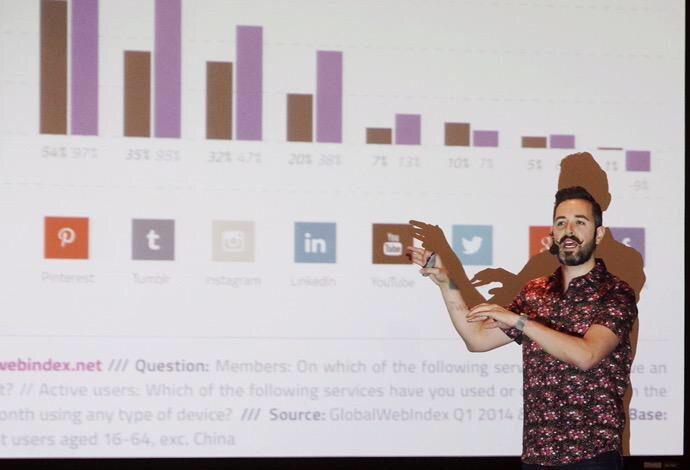
Effective advocacy marketing strategies often include events that mobilize brand ambassadors and foster customer advocacy. These events span from conferences and workshops to webinars. Each serves as a platform to engage, educate, and empower advocates.
Conferences stand out as key advocacy events. They offer a space for brand ambassadors to network, share experiences, and learn from industry experts. For example, a tech company might host an annual conference. Here, their most loyal customers and brand ambassadors share success stories and offer feedback on new products.
Workshops, by contrast, provide an interactive setting. They allow brand ambassadors to engage in hands-on activities and explore specific topics related to the brand or industry. This format builds a sense of community, strengthening the advocates’ connection to the brand.
Webinars, on the other hand, offer a flexible and accessible format. They can be scaled to accommodate a large number of participants and conducted remotely. This makes them ideal for reaching a broader audience. Webinars are perfect for educating brand ambassadors on new products, strategies, or industry trends.
How to Choose the Best Advocacy Marketing Event for Your Needs
Choosing the right advocacy marketing event is essential for the success of your marketing strategy. The success of your advocacy marketing strategy hinges on selecting an event that aligns with your objectives.
Several factors are at play when selecting an advocacy marketing event. Event format is a primary consideration. You must decide between a virtual event, a physical conference, or a hybrid model.
Another critical factor is the speaker lineup. A compelling speaker lineup can significantly enhance an event’s appeal. Seek out events featuring industry thought leaders and experts who can offer valuable insights and knowledge.
Networking opportunities are also vital. Advocacy marketing is not just about promoting your brand. It’s also about building relationships with your audience and other stakeholders.
Consider the event’s relevance to your industry and its ability to drive engagement. By carefully evaluating these aspects, you can select an advocacy marketing event that meets your needs and contributes to the success of your marketing efforts.
Tips for Getting the Most Out of Any Advocacy Marketing Event
To maximize the impact ofadvocacy marketing events, a clear strategy is essential. It involves understanding your goals, identifying the right audience, and planning your engagement tactics.
Effective influencer marketing is a cornerstone of successful advocacy marketing events. By collaborating with influencers who genuinely support your brand or cause, you can extend your reach and amplify your message.
Advocacy marketing events offer a unique chance to create social proof. By highlighting customer success stories and testimonials, you can enhance credibility and trust among prospective customers.
To maximize event outcomes, focus on forging meaningful connections with attendees, speakers, and sponsors. This entailsnetworking strategically, participating in discussions, and following up with new contacts post-event.
By adopting these strategies, you can enhance the ROI of your advocacy marketing events. This will drive long-term success for your brand.
Measuring the Success of Your Advocacy Marketing Efforts
To gauge the success of your advocacy marketing endeavors, it’s imperative to monitor key performance indicators (KPIs) that resonate with your marketing objectives. Advocacy metrics such as engagement rates, conversion rates, and return on investment (ROI) offer invaluable insights into the efficacy of your advocacy initiatives.
Engagement rates serve as a gauge of how actively your advocates engage with your marketing campaigns. This encompasses metrics like social media shares, comments, and reviews. A robust engagement rate signifies that your advocates are fervent about your brand, demonstrating a readiness to endorse it.
Conversion rates, conversely, quantify the leads or sales generated through your advocacy marketing endeavors. This metric is critical in assessing the ROI of your advocacy programs. By monitoring conversion rates, you can pinpoint which advocacy initiatives are most lucrative for your enterprise.
Key Advocacy Metrics to Track
To attain a holistic comprehension of your advocacy marketing endeavors, it’s vital to track a diverse array of metrics. These include:
- Customer Advocacy: Measure the number of customers who are actively promoting your brand.
- Brand Mentions: Track the number of times your brand is mentioned across social media and other online platforms.
- Referral Traffic: Measure the amount of traffic driven to your website from advocacy marketing initiatives.
By dissecting these metrics, you can acquire a more profound understanding of your advocacy marketing endeavors. This enables you to make informed decisions, optimizing your strategies based on data-driven insights.
Common Challenges in Advocacy Marketing and How to Overcome Them
Advocacy marketing, though potent, faces specific hurdles that can impede its success. Measuring the return on investment (ROI) of these efforts is a major challenge. Advocacy marketing ROI is complex, blending both quantitative and qualitative aspects.
To address this, marketers should employ robust tracking and analytics tools. These tools are essential for capturing the full spectrum of advocacy marketing activities. They help in gauging the effectiveness of these initiatives.
Identifying and nurturing brand ambassadors is another significant hurdle. It demands a profound grasp of the target audience and the ability to cultivate lasting connections. Marketers must create engaging content and experiences that connect with prospective ambassadors. This encourages them to support the brand.
Incentivizing advocacy is vital. Providing rewards or recognition can spur advocates to sustain their support. Yet, it’s critical that these incentives reflect the brand’s ethos and the advocates’ interests.
By grasping these challenges and devising strategies to conquer them, marketers can boost the efficacy of their advocacy marketing campaigns. This leads to heightened brand loyalty and customer engagement.
Conclusion: Elevate Your Advocacy Marketing Expertise
In wrapping up this detailed guide to advocacy marketing, it’s critical to distill the main points and offer a roadmap for ongoing education. By adopting the strategies discussed, companies can harness advocacy marketing to enhance customer interaction, strengthen brand commitment, and ultimately, elevate revenue.
We’ve delved into the core aspects of advocacy marketing, covering its essence, significance, and its place in contemporary marketing tactics. We’ve also dissected the process of crafting an effective advocacy marketing strategy, selecting optimal events, and assessing the outcomes of your initiatives.
As you advance in your advocacy marketing skills, we urge you to seek out additional resources. This includes industry reports, case studies, and exemplary practices. By keeping abreast of the latest developments and insights, you’ll be more adept at navigating the dynamic realm of customer advocacy. This will enable you to achieve significant outcomes for your enterprise.

















Connect With Us,
DIGIMARCON Conferences