 View Upcoming Digital Marketing, Media and Advertising Conferences & Exhibitions
 Phone:
What the Best Brand-Creator Partnerships Have in Common
Did you know that co-branded campaigns generate three times higher engagement and a 40% increase in average order value compared to standard affiliate programs? These numbers show that modern collaborations are more than just experiments. They have become a foundational growth strategy for businesses of all sizes.
In a digital world filled with noise, companies must find innovative ways to stand out. This is where effective creator marketing plays a critical role. By tapping into shared audiences and authentic credibility, brands can establish deeper trust with their target demographics.
Successful partnerships are about more than just reach. They focus on long-term value and genuine storytelling to achieve real results. As we dive into the mechanics of these high-performing alliances, you’ll understand why strategic alignment is key to success. Mastering this form of creator marketing enables your business to excel in a competitive online space.
The Evolution of Modern Creator Marketing
The creator economy has revolutionized how brands interact with their audiences worldwide. For years, companies used top-down advertising to target specific groups. Yet, this traditional approach is now seen as outdated.
Today’s consumers are wary of corporate messages that seem distant from their everyday experiences. In fact, 84% of millennials distrust traditional ads. This distrust highlights the need for new, more personal strategies.
Creator marketing has become a key alternative to traditional commercials. By teaming up with trusted individuals, brands can sidestep the skepticism of traditional media. This shift marks a significant change in digital trust dynamics.
Now, influencer marketing focuses on building real connections over broad reach. When brands partner with creators who share their values, the content feels like a personal recommendation. This shift towards creator marketing is not just a trend; it’s a necessary adjustment for today’s consumers.
The success of influencer marketing hinges on creating genuine relationships. Brands that adapt to this change will excel in the digital world. By moving away from scripted ads, companies can build lasting loyalty.
Shared Values and Authentic Brand Alignment
Success in modern marketing hinges on the synergy between a brand’s core values and the creator’s identity. When these align, brand collaborations become more than just ads; they become stories that connect with viewers. This harmony is key to establishing credibility in a digital world filled with noise.

Defining Brand Identity for Creators
A creator’s personal brand is their most precious asset, shaped by years of interaction with their audience. When a company partners with a creator, the partnership must feel like a natural part of their identity. Authenticity is not just a trend; it drives engagement.
Creators who stay true to their voice while promoting products see better results. Studies indicate that co-branded storefronts earn 2.8x higher trust scores than affiliate-only models. This shows that creators who integrate products into their stories build greater loyalty and trust with their audience.
The Importance of Shared Audience Demographics
Alignment also involves a detailed look at audience data. Successful brand collaborations require the creator’s followers to match the brand’s target customer. If demographics don’t align, even the most creative content won’t yield meaningful results.
Brands should focus on partners who reach the right people at the right time. By examining age, location, and interests, companies can ensure their message resonates. This approach reduces waste and amplifies campaign impact. When data and authentic storytelling merge, a powerful connection is formed, benefiting both the brand and the creator.
Creative Freedom as a Catalyst for Success
When brands let go of control, they tap into the real power of influencer partnerships. Today’s consumers are keenly aware and seek real interactions over corporate speak. In fact, 68% of consumers can decide to buy after seeing a co-branded campaign without needing to talk to a salesperson.

Why Scripted Content Often Fails
Scripted content often creates a gap between the brand and the audience. When creators stick to a strict script, their delivery seems stilted and artificial. This lack of spontaneity makes viewers skeptical, as they crave authentic, creator-driven content.
Audiences today value relatability above all. If a video feels like a traditional TV ad, they’ll likely skip it. Authenticity is the currency of our digital world, and strict scripts devalue that.
Empowering Creators to Use Their Unique Voice
Successful influencer partnerships depend on the creator’s deep connection with their audience. By letting creators share their stories in their own way, brands build a more genuine bond with customers. This turns marketing into entertainment that people want to engage with.
When creators are free to use their unique voice, their content blends seamlessly with their feed. This seamless integration fosters trust and boosts interaction. Brands that embrace creative freedom see better outcomes because they treat their audience as individuals, not just sales targets.
Long-Term Collaboration Over One-Off Campaigns
The creator economy thrives on moving from short-term campaigns to lasting partnerships. One-off posts might boost visibility quickly but don’t build lasting brand loyalty. Savvy brands focus on long-term collaborations for authentic storytelling and deeper connections.
Building Trust Through Consistency
Consistency is key in influencer marketing. Repeatedly featuring a brand makes the product seem like a natural part of the creator’s life, not just an ad. This consistency fosters long-term brand loyalty as followers see the product’s value in different contexts over time.
Staying consistent helps brands overcome initial doubts about sponsored content. Authenticity isn’t built in one post; it’s earned through ongoing dialogue. This turns passive viewers into active, trusting customers who feel connected to the brand’s mission.
The Economic Benefits of Retainer Models
Retainer models offer a stable setup that benefits both sides. 60% of merchants making $5M+ in revenue have used affiliate or partner marketing for growth, often through these agreements. This model simplifies contract negotiations, saving time and effort.
Retainers let creators concentrate on quality work, not just finding new deals. For brands, this leads to predictable and scalable growth. Investing in long-term relationships helps forecast returns and builds a stronger connection with the audience.
Data-Driven Decision Making in Influencer Partnerships
Modern brands now focus on measurable business impact over popularity. High follower counts are not enough to measure campaign success. Working with social media influencers demands a closer look at numbers that drive revenue.
Tracking Engagement Beyond Vanity Metrics
Vanity metrics like likes and comments are misleading. Savvy marketers focus on actionable data such as click-through rates and conversion funnels. This shift proves the partnership’s true value.
Recent reports show 77% of companies with co-selling partnerships saw profit increases. Tracking specific outcomes helps brands find the most impactful creators. This turns marketing into a predictable revenue stream.
Using Performance Data to Refine Social Media Marketing Strategies
Data is key for long-term growth and optimization. Analyzing performance metrics reveals what content resonates with the audience. This insight refines social media marketing strategies for future campaigns.
Continuous testing and learning cycles prevent past mistakes. Real-time analytics allow for messaging adjustments to match consumer behavior. This ensures every social media influencers collaboration boosts the bottom line.
The ultimate goal is a sustainable ecosystem of high-performing content. Brands excelling in data analysis outperform those relying on intuition. Refining social media marketing strategies with evidence leads to sustained market success.
Transparent Communication and Clear Expectations
Clear communication is the foundation for successful partnerships between brands and creators. When both sides are transparent, they avoid misunderstandings and unlock creative success. Effective brand collaborations rely on setting clear expectations early and revisiting them often.
Establishing Briefs That Allow for Flexibility
A well-structured brief is like a roadmap, but it should not limit the creator’s unique voice. Research indicates that 34% of marketers find co-marketing partnerships the most effective way to grow their email list. Brands must set clear goals and give creators the space to innovate.
Instead of strict, detailed instructions, focus on the core message and desired outcomes. This method lets creators tailor content for their audience, boosting engagement. Flexibility in the brief ensures the final product feels genuine, not forced.
Managing Feedback Loops Effectively
Effective feedback management keeps the project on track with the brand’s vision. Set check-in points early in the process. This proactive communication avoids last-minute changes and saves time for everyone.
Feedback should be specific and relate to the campaign’s goals. When creators understand the why behind changes, they’re more likely to produce quality work. This open dialogue is key to lasting brand collaborations that deliver consistent results.
The Role of High-Quality Content Creation Services
The modern creator economy requires a mix of professional finesse and genuine human touch. Brands face the challenge of balancing high-end production with the spontaneous nature of social media. By using content creation services, companies can enhance their visual appeal without sacrificing the creator’s unique voice.
Professional Production Standards in the Creator Economy
High production standards are vital for safeguarding brand reputation in high-stakes collaborations. The visual quality of content directly impacts the company’s image. Professionalism shows the audience that the brand values quality and invests in its partnerships.
High-quality assets perform better in paid ads, where clarity is critical. Expert production teams ensure the message is clear and impactful across digital platforms. This strategy helps maintain a consistent brand identity, even with diverse influencers.
Balancing Polished Content with Raw Authenticity
Finding the right balance between polished and raw content is essential. Audiences dislike content that feels too corporate or staged. To stay credible, brands should focus on these strategies:
- Prioritize storytelling over perfect lighting or complex editing.
- Allow creators to maintain their signature style within the production framework.
- Use professional equipment to enhance, not replace, the creator’s natural personality.
- Focus on authentic engagement over just aesthetic perfection.
The aim is to create content that feels native to the platform yet meets professional standards. When brands achieve this balance, they build deeper trust with their audience. This synergy is what defines the most effective partnerships in today’s digital world.
Leveraging Multi-Platform Distribution
Modern brand collaborations succeed by reaching audiences on various digital platforms. This strategy amplifies the impact of both partners, creating a powerful effect. It ensures your message connects with users, no matter their preferred digital space.
Adapting Content for TikTok, Instagram, and YouTube
Each platform demands a unique approach to keep users engaged. TikTok thrives on raw and spontaneous content, mirroring its fast-paced feed. Instagram, on the other hand, values high-quality visuals and aesthetic storytelling that reflects a brand’s identity.
YouTube is the ideal space for in-depth storytelling and detailed content. Tailoring your social media marketing strategies to these formats boosts audience retention. Ensuring your content feels at home on each platform enhances engagement.
Cross-Channel Synergy in Brand Collaborations
Success lies in crafting a unified narrative across all platforms. Consistent messaging on TikTok, Instagram, and YouTube strengthens brand recognition and trust. This cross-channel synergy is essential for effective marketing today.
Coordinating your content releases can sustain campaign momentum. This multi-platform strategy targets different audience segments at various customer journey stages. A unified presence across platforms transforms a partnership into a memorable digital experience for your community.
Community Engagement and Two-Way Dialogue
Modern brands excel by turning passive viewers into active participants through meaningful dialogue. They shift from broadcasting to listening to their audience. This change fosters a collaborative environment where everyone feels connected.
Turning Followers into Brand Advocates
Converting followers into brand advocates is key to building a loyal customer base. Creators who focus on genuine interaction move beyond simple metrics. They use high-quality content creation services to encourage users to share their stories.
Advocacy emerges when a community feels valued and heard by the brand. Consistent responses to comments and user feedback create a sense of shared ownership. This loyalty transforms casual observers into vocal supporters who promote the brand naturally.
The Power of Interactive Content Formats
Interactive content formats bridge the gap between a brand and its audience. Tools like polls, Q&As, and live streams enable real-time communication. These are vital for effective influencer partnerships in today’s digital world.
By using these formats, brands can gain valuable insights while strengthening their bond with followers. Engagement is not a one-way street; it demands active participation from both sides. Adopting these strategies keeps the brand relevant and in the minds of its most devoted supporters.
Navigating Legal and Ethical Standards
Modern brand collaborations go beyond creativity; they need strict adherence to laws. As digital spaces evolve, companies and influencers must focus on transparency. Ignoring these rules can result in legal troubles and eroded public trust.
Ensuring FTC Compliance and Disclosure
The Federal Trade Commission (FTC) requires clear labeling of sponsored content. This essential rule ensures consumers know when they’re seeing paid endorsements. It’s not just a guideline; it’s a legal must for any social media marketing strategies.
Creators should use clear tags like #ad or #sponsored at the start of their posts. These labels must be easy to spot and can’t be overlooked, no matter the platform. By doing this, brands avoid legal issues and fines.
Maintaining Ethical Integrity in Sponsored Content
Keeping ethical standards is key to long-term brand reputation. When a creator partners with a brand, honesty and consistency are expected. If the partnership seems forced or deceitful, it can harm both parties’ credibility.
Brands should see ethical standards as a way to connect with their audience. By being transparent in their social media marketing strategies, companies build trust. This commitment to ethics boosts the value of future brand collaborations and supports sustainable growth.
Measuring ROI in the Creator Economy
The creator economy requires a detailed approach to measuring success, moving beyond simple likes or shares. Brands must go deeper to understand how their investments lead to real revenue. By focusing on financial outcomes, companies can justify their budgets and improve future creator marketing strategies.
Attribution Models for Social Media Influencers
Effective tracking demands strong attribution models that trace the entire customer journey. When collaborating with social media influencers, brands use unique discount codes or custom tracking links. These tools clearly show which partners generate the most conversions.
Advanced models enable marketers to value different touchpoints in the funnel. By examining this data, businesses can see how influencer marketing impacts both immediate sales and long-term brand awareness. This insight is critical for refining strategies and ensuring every dollar spent yields measurable results.
Calculating Customer Acquisition Costs
Understanding your Customer Acquisition Cost (CAC) is key to a healthy bottom line. To calculate this, divide your total campaign spend by the number of new customers acquired. This formula helps teams determine if their partnerships are sustainable or if they need to adjust their investment.
Reducing your CAC while maintaining high-quality output is the ultimate goal of any creator marketing strategy. When brands manage their spend effectively, they can scale their operations confidently. Mastering these financial indicators proves the true value of influencer marketing to stakeholders, securing continued support for their programs.
Conclusion
Today’s marketing success hinges on strong connections between brands and their audiences. Companies like Nike and GoPro show that genuine partnerships lead to tangible outcomes. These alliances flourish when both sides focus on shared values and open communication.
Data serves as the compass for these collaborations. By monitoring performance metrics, brands uncover what truly connects with their target audience. This knowledge enables them to make more informed decisions and enhance their creative output over time.
Long-term agreements provide the stability that short-term campaigns lack. A consistent presence fosters trust among consumers, who appreciate reliability. Brands that allow creators to maintain their distinct voice often witness increased engagement on platforms like Instagram and TikTok.
The future of digital advertising depends on these collaborative endeavors. Emphasizing the consumer’s experience is key to sustainable growth in a competitive market. It’s time to assess your current partnerships and ensure they uphold the principles of transparency and mutual respect.



Authenticity UGC & Micro-Influencers Boost Engagement
Have you ever scrolled through your feed and felt like every brand post looks the same? We live in a world filled with polished ads that feel distant and cold. True connection is becoming harder to find, yet it’s the key to every successful brand today.
This is where Authenticity comes in. By embracing UGC, companies let real people share their stories. This shift bridges the gap between products and the people who use them.
Today’s consumers seek voices they can trust. Working with Micro-Influencers lets brands connect with niche communities. These creators offer the Authenticity that traditional ads lack.
When you mix UGC with Micro-Influencers, you get a powerful marketing tool. This approach is not just a trend; it’s the future of building digital relationships.
The Shift Toward Authentic Branding in the Digital Age
The old days of slick, corporate ads are over. Today, people want realness. They look for authenticity in every interaction with a brand.
This change means big things for marketing. By going for authentic branding, companies can connect with people in a real way. This builds strong, lasting relationships.
Why Consumers Are Rejecting Traditional Advertising
Today’s ads are overwhelming. People see so many commercials and ads that they start to ignore them. This makes old-school, big-budget ads less effective.
Several reasons explain why people are turning away from traditional ads:
- Information Overload: With thousands of ads every day, people ignore generic messages.
- Lack of Trust: Many see corporate claims as too good to be true.
- Desire for Realism: People prefer content that shows real life, not perfect images.
The Psychological Impact of Relatability
Relatability is key in connecting with customers. When a brand shows authenticity, it feels familiar. This emotional bond is vital for loyalty in a busy market.
The table below shows the difference between old marketing and new, relatable ways:
| Feature | Traditional Marketing | Authentic Branding |
|---|---|---|
| Primary Goal | Sales Conversion | Community Trust |
| Content Style | Highly Polished | Raw and Organic |
| Customer View | Targeted Prospect | Valued Partner |
In the end, authentic branding is more than a trend. It’s a must for brands to connect with people. By focusing on stories that touch hearts, brands can make a real difference. This shift makes marketing feel like a real conversation, not just a shout for attention.
Defining the Power of Authenticity, UGC & Micro-Influencers
To succeed in today’s social world, brands need to understand Authenticity, UGC & Micro-Influencers. These elements help connect corporate messages with real people. This connection builds stronger bonds with the audience.
What Constitutes Authentic User-Generated Content
Authentic user-generated content (UGC) is made by real people, not agencies. It’s often photos, videos, or reviews of products in everyday life.
True UGC feels real and unscripted. It proves a product works because it’s not made to look perfect. When customers share their true experiences, it instantly builds trust with others.
The Unique Value Proposition of Micro-Influencers
Micro-influencers have changed digital marketing. They have 1,000 to 50,000 followers and are experts in specific areas. Their main strength is their niche authority and the tight-knit communities they serve.
Unlike famous people, micro-influencers connect deeply with their followers. This leads to more meaningful talks about products. Working with them is often cheaper and more effective.
| Influencer Tier | Follower Count | Engagement Level | Primary Benefit |
|---|---|---|---|
| Nano | 1k – 10k | Very High | Hyper-local trust |
| Micro | 10k – 50k | High | Niche expertise |
| Macro | 50k – 500k | Moderate | Broad reach |
| Mega | 500k+ | Low | Mass awareness |
Building Trust Through Organic Influencer Partnerships
Organic influencer partnerships are changing how businesses connect with people. They move away from scripted ads to real, natural interest. This is key for brands wanting to succeed in a world where people doubt traditional sales.
Moving Beyond Transactional Relationships
The best influencer marketing focuses on depth, not just reach. Treating creators as partners, not billboards, makes content more authentic. This way, creators can show how products fit into their lives, connecting with their audience.
When a partnership feels fake, people notice. Brands that really get to know a creator’s voice make their message feel like advice from a friend. This builds trust that’s more valuable than a single post.
Long-Term Collaborations vs. One-Off Campaigns
Consistency is key to building brand authority. One-off campaigns might get attention, but they don’t build lasting loyalty. Long-term partnerships, on the other hand, create true advocates for a brand.
The table below shows the main differences between these two approaches:
| Feature | One-Off Campaign | Long-Term Partnership |
|---|---|---|
| Audience Trust | Low to Moderate | High and Sustained |
| Content Quality | Standardized | Highly Personalized |
| Brand Impact | Short-term Awareness | Long-term Advocacy |
By nurturing these relationships, brands can tell a more cohesive story. When creators and brands grow together, their audience feels included. This is the essence of successful influencer marketing, keeping your message trusted for years.
The Role of User-Generated Content in Social Proof
Building trust is now about what customers say, not just what companies claim. Shoppers face a lot of choices and feel lost in corporate messages. So, they look to ugc to see if a product really delivers.
How Authentic User Reviews Influence Purchasing Decisions
Reading authentic user reviews gives buyers a sense of security ads can’t match. These reviews show how a product really works. Most people trust these reviews more than ads.
Reviews have a big impact on sales. Buyers want to know about quality, sizing, and durability before buying. Here’s how reviews affect their choices:
- They make trying new brands seem safer.
- They prove the product does what it says.
- They answer questions ads often don’t.
Leveraging Customer Content Across Marketing Channels
Brands that use user-generated content well can reach more people. By sharing photos, videos, and reviews, they tell a story that connects with their audience. This makes the brand feel real and relatable.
To get the most from these stories, marketers should use them everywhere. Here’s how different channels benefit:
| Channel | Content Type | Primary Benefit |
|---|---|---|
| Email Campaigns | Customer Testimonials | Higher Click-Through Rates |
| Product Pages | Photo Reviews | Increased Conversion |
| Social Media | Video Clips | Enhanced Engagement |
The goal is to make authentic user reviews key to the shopping experience. By sharing real stories, brands build a loyal community. This cycle of sharing and trust is what drives digital growth today.
Why Micro-Influencers Outperform Macro-Influencers
The world of digital influence is changing. Now, brands are turning to micro-influencers for better results. This shift shows how people want real connections in a crowded online world.
Niche Authority and Community Engagement
Micro-influencers focus on specific areas like green fashion or tech gadgets. They build a loyal audience that trusts them. This is because their communities are smaller, making it easier to connect with followers.
When they promote a product, it feels like advice from a friend. This leads to higher sales for brands. By teaming up with micro-influencers, companies reach people who are already interested.
Cost-Effectiveness for Growing Brands
For new businesses, saving money is key. Working with famous people can be expensive and risky. On the other hand, micro-influencers offer affordable options.
This way, brands can try different partnerships without spending too much. They can reach more people without breaking the bank. Here’s a comparison of the two:
| Feature | Macro-Influencers | Micro-Influencers |
|---|---|---|
| Audience Size | Large/Massive | Niche/Targeted |
| Engagement Rate | Generally Lower | Significantly Higher |
| Cost per Campaign | High/Premium | Affordable/Flexible |
| Trust Factor | Transactional | Relatable/Authentic |
Strategies for Sourcing High-Quality User-Generated Content
Turning your customers into creative sources is key to scaling real marketing. Brands that get user-generated content do more than just watch. They actively manage their communities. By making it easy for people to participate, you can make them your best brand supporters.

Encouraging Customers to Share Their Experiences
To get authentic content, make it easy for your audience. Create a special brand hashtag that’s easy to remember. When customers see their photos on your social media, they feel proud and part of something.
Make it simple for people to share by giving clear instructions. Social proof grows when it’s easy to join in. Ask users to tag your brand in their posts to track and share their content.
Running Contests and Incentivized Campaigns
For a quick boost in ugc, try a contest. You don’t always need money to motivate fans. Sometimes, just being featured on your homepage is enough. Make sure your contest rules are clear and fair.
Here are some ways to get the most out of your campaigns:
- Start monthly photo challenges with a focus on product use.
- Give discount codes to those who share a video review.
- Work with niche creators for a branded hashtag campaign.
| Strategy | Primary Benefit | Effort Level |
|---|---|---|
| Hashtag Campaigns | Brand Awareness | Low |
| Photo Contests | High Engagement | Medium |
| Incentivized Reviews | Conversion Data | High |
Integrating Influencer Content into Your Social Media Strategy
Connecting influencer creativity with brand consistency is key for lasting marketing success. By using organic influencer partnerships, you get high-quality content that speaks to your audience. To fit this content into your social media plan, you need a careful and organized method.
Best Practices for Repurposing Creator Content
Repurposing content helps you get the most out of each partnership. Look for the best posts from your partners and adjust them for different platforms like Instagram Reels, TikTok, or LinkedIn.
Always give credit to the original creator in your captions. This builds trust and encourages more work together. Also, add a unique call-to-action to the content to meet your business goals.
Maintaining Brand Voice While Allowing Creative Freedom
The best campaigns happen when brands give clear guidelines but let creators be themselves. Define your core values and look, but let the influencer add their own twist.
By working with organic influencer partnerships, creators can talk to their fans in a real way. This authentic connection boosts engagement and trust. But, don’t over-edit, as it can lose the creator’s unique touch.
Measuring the Success of Authentic Marketing Campaigns
You can’t improve what you don’t measure, and that’s true for influencer partnerships. Relying on gut feelings is no longer enough. A data-driven approach helps refine strategies and ensures value for every dollar spent.
Key Performance Indicators for Engagement
Engagement metrics show how well your content connects with your audience. Look for signs of genuine interest and community interaction. These signs tell you if your brand message is hitting the mark.
To measure campaign success, track these metrics:
- Comments: Thoughtful comments show a deeper connection than likes.
- Shares: Shares mean users are promoting your brand.
- Saves: Saves indicate content provides lasting value.
- Sentiment Analysis: Check the conversation tone to ensure a positive brand image.
Tracking Conversion Rates from Influencer Referrals
While engagement is key, driving sales is the ultimate goal for many brands. Use precise tracking to link social interaction to revenue. Authentic user reviews boost sales by providing social proof.
Use unique tracking links and promo codes to attribute sales to creators. This data shows which partnerships are most profitable. Also, analyze authentic user reviews to see which product features customers like most.
| Metric Type | Primary Goal | Key Data Point |
|---|---|---|
| Engagement | Brand Awareness | Total Shares |
| Conversion | Direct Revenue | Referral Sales |
| Retention | Customer Loyalty | Repeat Purchases |
Regularly check these metrics to adjust campaigns as needed. Focus on actionable data to improve future outreach and build a strong marketing system.
Navigating Legal and Ethical Considerations
Ethical marketing is more than just wanting to do good. It means following strict federal rules. When brands focus on authenticity, they must make sure their marketing is legal. If they don’t, they could face big problems and lose people’s trust.
Transparency and Disclosure Requirements in the US
The Federal Trade Commission (FTC) says influencers must clearly say when they’re working with brands. This helps people know when they’re seeing paid ads, not just real opinions. Clear and conspicuous messages are key to keeping things real online.
Influencers should put these messages where they’re easy to see, like at the start of a video or in the first lines of a caption. Using hashtags like #ad or #sponsored is a simple way to follow these rules. Brands that do this right keep their authenticity and build trust with their followers.

Protecting Brand Reputation Through Vetted Partnerships
Checking out who you partner with is very important for your brand’s image. Before you agree to work with someone, look at their past work. This makes sure they share your values and won’t harm your brand’s authenticity.
Good vetting goes beyond just looking at how many followers they have. You should also check their history with brands and how they talk. By picking partners who really get what you’re about, you keep your message strong and your reputation safe.
Overcoming Common Challenges in Influencer Marketing
Influencer marketing is full of promise but also comes with its own set of challenges. As brands grow, managing many partnerships becomes more complex. Success hinges on clear communication and strong organizational systems.
Managing Communication with Multiple Creators
Dealing with dozens of relationships at once can be tough without the right tools. Many teams use dedicated project management tools or CRM platforms. These help track conversations and ensure no deadlines are missed.
When working with micro-influencers, clear communication is key. A detailed creative brief helps avoid confusion and sets clear expectations. Having a central place for assets and feedback keeps the campaign moving without endless emails.
Ensuring Content Quality and Brand Alignment
Keeping a consistent brand voice across different platforms is a big challenge. You want to give creative freedom but also ensure the content fits your brand. A style guide helps creators stay true to your brand while producing authentic content.
Choosing the right partners early on helps avoid content that doesn’t fit. Working with micro-influencers who share your brand’s look and values means less editing. Authenticity shines when creators can express themselves freely, within your campaign’s guidelines.
Future Trends in Authentic Digital Marketing
Looking ahead, two big changes will shape how we interact online. Brands focusing on authentic branding will lead the way. They’ll be ready for the online world’s shifts. For companies to stay ahead, adapting is now a must.
The Rise of Video-First Content Strategies
Short-form video has changed how we get information and connect with creators. TikTok and Instagram Reels show that raw, unpolished content connects more than fancy ads. This change makes brands rethink their visual stories.
To win in this new world, companies should:
- Show the human side with behind-the-scenes footage.
- Get creators to share real, unfiltered product demos.
- Use live streaming for real-time talks and feedback.
AI and the Future of Personalized Influencer Outreach
Artificial intelligence is changing how brands find and work with influencers. It uses data to find creators who match their authentic branding goals. This way, partnerships are based on shared values, not just followers.
AI tools now help marketers understand audience details with unprecedented precision. This makes outreach more personal and effective. It saves time and boosts success chances. Automation enhances human connection, not replaces it.
Brands that do well will mix tech with a real commitment to their community. By embracing these trends, businesses can keep their message strong in a busy digital world.
Conclusion
Today, marketing success is all about making real connections. Brands that speak from the heart win over today’s smart shoppers.
User-generated content and teaming up with micro-influencers are key. They turn viewers into brand fans. Glossier and Patagonia show how listening to your audience builds trust.
Building lasting bonds with creators is more valuable than quick hits. By being real, you create a loyal following. This keeps your brand fresh in a busy online world.
Begin by checking your social media. Find the fans who already love your stuff and talk to them. Your next big chance is in the real stories your customers want to share.
AI Search Optimization Is Replacing Traditional SEO
Did you know nearly 60% of internet users now prefer getting direct answers from chatbots? They don’t like to click through many website links anymore. This big change means the old days of blue links are over.
Platforms like ChatGPT, Gemini, and Perplexity have changed how we find info. Users no longer want to browse; they want instant clarity.
So, ai search optimization is now key for brands to stay seen. Using only traditional seo won’t help you in this new world.
By using ai search optimization, companies can keep their content top for these smart helpers. It’s the only way to succeed in a world that values quick answers over endless scrolling.
The Paradigm Shift from Keywords to Intent
The digital world is changing fast. Search engines now focus on what users want, not just keywords. This seo revolution makes marketers rethink how they reach their audience. People don’t want to scroll through endless links anymore.
They want quick, clear answers to their questions. This shift is why search is moving towards understanding what users really mean.

The Evolution of Search Algorithms
Search engines have grown from simple tools to smart systems. They now understand context and subtlety. Thanks to artificial intelligence in seo, they can grasp the real meaning behind a search.
Today, search engines look at how useful content is to users. They analyze how well a page answers a question, not just if it has certain words.
Why Traditional SEO Metrics Are Losing Relevance
For a long time, we used backlinks and keyword density to measure success. But these methods are no longer as useful. Search engines now care more about the quality of answers than how many people visit a site.
When algorithms focus on user satisfaction, old metrics don’t tell the whole story. Relying only on outdated methods can make your content strategy out of touch with your audience’s needs.
The current seo revolution pushes for high-quality, relevant content. By using artificial intelligence in seo, brands can meet the needs of today’s searchers better.
AI Search Optimization (AEO) Is Replacing Traditional SEO
Marketing strategies are changing fast, moving from old keyword tactics to ai search optimization. Search engines are becoming smarter, focusing on giving direct, quality answers. This means brands need to focus on being clear and authoritative, not just about keywords.

Defining the Core Principles of AEO
AEO aims to make brand info easy for AI to trust. It’s different from old methods that stuffed pages with keywords. Instead, it builds a knowledge graph for AI to understand.
When comparing aeo vs seo, the main difference is how info is delivered. SEO tries to get people to visit websites, while AEO gives answers right in the search results. Marketers must now make content that’s short, accurate, and easy for machines to read.
How Generative AI Changes User Behavior
Generative AI has changed how we use the web, giving us quick answers instead of long lists. People now want quick, conversational answers to their questions. Brands need to be seen as the go-to source to stay visible in these AI summaries.
| Feature | Traditional SEO | Answer Engine Optimization |
|---|---|---|
| Primary Goal | Traffic and Clicks | Direct Answers |
| Content Style | Keyword-Rich | Conversational/Structured |
| Success Metric | Ranking Position | Authority/Trust Signals |
| User Experience | List of Links | Synthesized Response |
The move to ai search optimization is about meeting users where they are. By focusing on authoritative content and structured data, businesses can succeed. Adapting to this new reality is key for brands wanting to grow.
Mastering Entity Building for AI Visibility
To succeed in today’s digital world, agencies must move from old keyword tactics to advanced entity building. This shift is key because AI in search marketing now values connections between ideas more than just word counts. By focusing on entities, brands can show machines exactly what they’re about.
What Are Entities in the Context of Knowledge Graphs
An entity is a clear, unique object or idea that machines can spot. In search, these entities are connected in a knowledge graph to share information. AI systems look for these nodes to understand the context of a search.
When you make your brand an entity, you give search engines a clear picture of who you are. This helps the algorithm place your content right in its vast database. Using ai in search marketing well means your brand is seen as a top source for certain topics.
Strategies for Establishing Topical Authority
To build topical authority, you need a plan for your content that goes beyond single articles. You should map out your content to cover a subject fully, making sure each piece supports your expertise. This holistic strategy helps AI see your site as a trusted source in your field.
Make your content clear and useful for both people and machines. When your content offers deep, unique insights, it boosts your online presence. By always providing top-notch information, you help ai in search marketing link your brand to relevant searches.
| Strategy Element | Traditional SEO | Entity-Based SEO |
|---|---|---|
| Primary Focus | Keyword Density | Concept Relationships |
| Content Goal | Ranking for Terms | Establishing Authority |
| AI Evaluation | Text Matching | Contextual Understanding |
The Role of Structured Data in Machine Understanding
As seo trends change, making websites easier for machines to read is key. Digital marketers now focus on structured data more than keywords. This helps search engines understand what each page is about.
Schema Markup as the Language of AI
Schema markup is like a special vocabulary for search engines. It helps them understand how different parts of a page relate. This makes AI systems better at getting what your content is about.
Using clear schema helps search engines know what to look for. This makes it easier for AI to find important information. Brands that use this see more people engaging with their content.
Implementing Advanced JSON-LD for Rich Results
JSON-LD is the best way to add structured data to your site. It lets developers add metadata to HTML, making it easy for search engines to read. Using advanced JSON-LD can help your content show up as a rich result in searches.
The table below shows what’s changed in SEO:
| Strategy Element | Traditional SEO | Modern AEO Approach |
|---|---|---|
| Primary Focus | Keyword Density | Entity Relationships |
| Data Format | Unstructured Text | JSON-LD Schema |
| Goal | Ranking Position | Machine Comprehension |
| Success Metric | Click-Through Rate | Rich Result Visibility |
By focusing on these seo trends, businesses can stay relevant in an AI world. Using structured data well is key to keeping your content seen and trusted over time.
Digital PR as a Foundation for Brand Authority
Digital PR is key to building brand authority in today’s AI world. Seo trends are changing, moving away from old keyword tactics. Now, agencies focus on building a brand’s reputation online.
Moving Beyond Backlinks to Brand Mentions
The shift is from simple backlinks to quality brand mentions. AI values consistent brand recognition more than links. This change makes a company seem real, not just a list of keywords.
By getting mentioned in media, brands become more visible in AI searches. This fits with today’s seo trends that favor real, trustworthy content. Brands that use this strategy see better search results.
Building Trust Through Authoritative Citations
Building trust is vital in an AI world. AI checks if a business is legit by looking at media citations. When a brand is mentioned in top publications, it shows search algorithms it’s reliable.
Regular PR efforts make a brand a leader in its field. Getting featured in trusted places creates a digital trail AI can follow. These citations are the base for lasting success, keeping the brand relevant as seo trends evolve.
Leveraging Brand Authority Signals
Search engines now look beyond just keywords. They value brand authority more. Knowing how AI sees these signals helps you stay ahead in seo trends. Companies with a strong online reputation often rank higher because they’re seen as reliable.
How AI Evaluates Brand Sentiment and Recognition
AI checks a lot of data to see if a brand is trusted. It looks at mentions in news, social media, and forums. This is more than just counting backlinks; it’s about the real feelings about a company.
When people talk positively about a brand, AI sees it as a sign of quality. Being consistent online helps AI know you’re a real and trusted source. Keeping up with seo trends helps your PR efforts match what search engines want.
Measuring E-E-A-T in an AI-Driven Landscape
E-E-A-T—Experience, Expertise, Authoritativeness, and Trustworthiness—is key for AI. AI looks for content that shows real experience and deep knowledge. Showing your team’s skills and history helps AI trust your site.
Being trustworthy means being open and accurate in your content. As seo trends favor authoritative voices, your online presence must show your real-world knowledge. Here’s how these signals are different from old SEO metrics.
| Signal Type | Traditional SEO | AI-Driven AEO |
|---|---|---|
| Primary Focus | Keyword Density | Brand Authority |
| Trust Metric | Backlink Count | Sentiment Analysis |
| Content Goal | Ranking Position | User Satisfaction |
| Evaluation | Automated Crawling | Entity Recognition |
By focusing on these key areas, you can build a strong presence in an AI world. Adapting to seo trends means a long-term focus on quality and consistency. The brands that add the most value to users will be at the top of AI results.
Adapting Content Strategy for Answer Engines
The digital world is changing fast as search engines turn into smart answer engines. Knowing the difference between aeo vs seo is key for brands wanting to be seen in AI summaries. Old ways focused on keywords, but now, we need to give quick, accurate answers to meet user needs right away.
Optimizing for Direct Answers and Snippets
To be top in AI results, your content must be clear. Being concise is now more important than ever in search. By knowing what your audience asks, you can make answers that AI likes to show in summaries.
Make your content clear and direct from the start. Use structured data and bulleted lists to help AI understand your info better. This way, your brand is the go-to source for users.
| Feature | Traditional SEO | AEO Strategy |
|---|---|---|
| Primary Goal | Ranking for keywords | Providing direct answers |
| Content Style | Long-form, keyword-heavy | Concise, intent-focused |
| Success Metric | Click-through rate | Featured snippet/AI citation |
The Importance of Conversational Content
Search queries are getting more like conversations as people talk to AI assistants naturally. Your content should sound human and easy to get. Stay away from technical terms that might confuse users and AI.
Write as if you’re answering a question directly from a customer. This makes your content better for voice search and AI interfaces. By understanding aeo vs seo, your brand can excel in a world where the best answer is the one that helps the most.
Technical SEO Requirements for the AI Era
The seo revolution is changing how we see digital assets. Content quality is key, but the site’s tech is just as important. A well-built website is the base for any good search strategy today.
Core Web Vitals and Site Performance
Search engines and AI models look for websites that are easy to use. Core Web Vitals measure how well a site works, focusing on speed, interaction, and looks. A fast site helps bots crawl easier.
Improving these areas helps both humans and AI bots. AI bots have limited power and prefer efficient sites. By making your site faster and lighter, you help AI find your content.
Ensuring Crawlability for AI Bots
To join the seo revolution, your site must be open to AI tools. It needs a clear structure for bots to find their way. Using robots.txt files and XML sitemaps helps guide them.
Check your site often for broken links or confusing paths. A clear site map helps AI find all your valuable info. Keeping your site in top shape is key for visibility in AI’s world.
| Metric Category | Primary Goal | Impact on AI |
|---|---|---|
| Loading Speed | Reduce LCP | Higher Crawl Priority |
| Interactivity | Improve FID | Better User Signals |
| Visual Stability | Minimize CLS | Accurate Data Parsing |
Voice Search and the Rise of Natural Language Processing
Search behavior is changing fast, moving from typed queries to spoken language. Smart speakers and mobile voice interfaces are becoming more popular. This shift means brands need to change how they show up online.
Voice assistants connect human thoughts with machine understanding. People speak differently than they type, making voice search seo key for marketing. Now, users ask full questions that need detailed answers.
Optimizing for Long-Tail Conversational Queries
To thrive, content must reflect how we speak. Long-tail conversational queries often start with “who,” “what,” “where,” or “how.” By answering these questions directly, you’re more likely to be picked by AI.
It’s better to focus on semantic relevance than generic keywords. Clear, concise answers to common questions help you grab featured snippets. This voice search seo strategy keeps your brand visible, even without screen interaction.
| Feature | Traditional Search | Voice Search |
|---|---|---|
| Query Length | Short (1-3 words) | Long (5+ words) |
| Tone | Transactional | Conversational |
| Primary Goal | Finding a link | Getting an answer |
The aim is to guess what the user wants before they finish speaking. By focusing on natural language patterns, you make your content more user-friendly. This approach not only improves your search ranking but also builds trust with your audience.
The Impact of Google Algorithm Updates on AEO
Keeping up with google algorithm updates is key for any brand wanting to stay seen in today’s AI world. These updates are big changes, not just small fixes. They change how search engines show and sort information. As ai in search marketing grows, businesses need to change their plans to keep up.
Navigating the Shift Toward AI Overviews
The rise of AI Overviews has made search results more about quick answers. This leads to zero-click search results, where users find what they need without visiting a site. While it’s good for users, it makes old ways of measuring success outdated.
To stay seen, brands must aim to be the authoritative source AI models use. When the search engine gives the answer, your goal is to be the one providing that info. This means moving from focusing on lots of keywords to creating content that’s meant for specific, important topics.
The table below shows how search metrics are changing with recent google algorithm updates:
| Metric Type | Traditional SEO | AI-Driven AEO |
|---|---|---|
| Primary Goal | Click-Through Rate | Brand Authority |
| Content Focus | Keyword Density | Entity Relevance |
| Success Signal | Organic Traffic | Direct Citations |
To thrive in this new world, you need to be proactive in ai in search marketing. Focus on structured data and building deep topical authority. This way, your content will be a key part of AI answers. Being seen is not just about ranking; it’s about being the trusted source.
Future-Proofing Your Search Marketing Strategy
Future-proofing your brand means moving beyond old tactics to new, automated ones. The future of search optimization is about building systems that use data well. This way, your brand stays visible as search engines change.
Teams need to change how they work. They must understand how AI sees your content and brand. This change is key to staying ahead in a digital world that’s getting more automated.
Integrating Machine Learning into Daily Workflows
Using machine learning for seo lets your team do complex tasks faster. This means spotting new chances for visibility that you might miss. It lets your team focus on big ideas, not just reports.
Artificial intelligence in seo boosts your marketing. It helps you guess what users want and change your content early. This makes your search performance better over time.
Think about how these tools can make your daily work easier. Here’s a table showing the benefits of an automated workflow:
| Process | Traditional Method | AI-Driven Approach |
|---|---|---|
| Data Analysis | Manual Spreadsheet Review | Automated Pattern Recognition |
| Content Planning | Keyword Volume Guessing | Intent-Based Predictive Modeling |
| Performance Tracking | Periodic Manual Audits | Real-Time Anomaly Detection |
The future of search optimization is for those who use machine learning for seo well. With artificial intelligence in seo, your search marketing grows proactively. Start small, keep improving, and stay ahead.
Conclusion
The digital world is changing fast as answer engines change how we find information. Now, success means moving from old ways to new ones based on being trusted and authoritative. This change is key for every business today.
Google and others look for sources that show they know their stuff and offer value. By using structured data and building trust through digital PR, your brand becomes a go-to for AI. This helps machines get your content in a way they understand better.
Understanding what users want is the best way to stay ahead in search optimization. You need to make your content meet the needs of conversational searches and direct answers. This way, your brand stays seen as search tech keeps getting smarter.
Start by checking your online presence and making it stronger. Brands that adapt will lead their fields in the future. Your focus on quality and relevance will help you grow in this competitive world.
Inside the Artificial Intelligence and AI-Powered Ads Revolution: How Machines Learned to Sell
Have you ever felt like your phone knows exactly what you need before you even search for it? It’s a strange, almost magical feeling that shows how much our world has changed. This change marks a big shift in artificial intelligence in advertising, moving it from a small idea to a key player in global business.
Today, our lives are shaped by the mix of computing, sensors, and systems that act on their own. These tools don’t just show us products; they shape our world by guessing what we want with amazing precision.
The growth of AI-powered ads has changed how brands reach out to us. Machines now handle tasks like auctions, creative work, and finding the right audience. This change brings great speed and efficiency, but it also brings new challenges for marketers.
We need to find a balance between the fast pace of scalable automation and the need for human touch. As we dive into this world, we’ll look at how important it is to keep accountability and resilience in a world ruled by algorithms.
How Advertising Moved From Manual Buying to Machine Learning
The shift from manual ad placement to automated systems is a big deal in marketing history. For years, media buyers used their gut, spreadsheets, and long-term deals to reach people. This slow, hard work often left brands out of touch with their customers’ changing interests.

The limits of traditional media planning and ad placement
Old-school media planning was stiff. Advertisers bought space in papers or on TV based on broad guesses about who was watching or reading. This lack of precision meant a lot of money was spent on ads that didn’t sell anything.
Human planners couldn’t handle the huge amount of data from today’s consumer habits. So, campaigns were static and slow to adapt to market changes. This made digital advertising automation a must for handling today’s complex media world.
Why behavioral data changed digital advertising
The internet brought a lot of detailed info on how people interact with content. Brands started using real data to plan their ads, not just guesses. This change helped programmatic advertising grow, where ads are bought instantly based on user profiles.
By tracking clicks, searches, and site visits, marketers could serve ads that felt right, not annoying. This data-driven method turned the industry into a highly measurable science. It let companies reach people when they were most interested.
The shift from rules-based automation to predictive systems
Early automation was based on simple rules set by humans. But now, we have machine learning advertising, where systems learn from data on their own. These predictive models find patterns humans might miss, making constant, automatic changes to ads.
As these systems get smarter, marketers’ jobs are changing a lot. Like the challenges Yuval Noah Harari talks about, they need to grow psychological resilience and new skills to keep up. Using artificial intelligence in advertising is now a must for staying ahead in a world where machines make most of the decisions.
What Artificial Intelligence and AI-Powered Ads Actually Do
Every digital ad you see is powered by a smart engine. It predicts your next action. AI-powered ads use lots of data to make quick decisions that help both brands and users.
These systems are more than just spreadsheets. They use complex math to guess what you might buy before you click.
How algorithms identify audiences and estimate intent
Algorithms analyze your behavior to guess your interests. They look at your past searches and site visits. This helps them create a probabilistic model of what you might need next.
This is the heart of predictive advertising. The software calculates how likely you are to engage with a message.

The role of machine learning, natural language processing, and computer vision
Machine learning advertising uses neural networks to process huge amounts of info. These models get better with every interaction.
Natural language processing lets the system understand web pages and search queries. Computer vision checks images and videos to make sure ads are safe and relevant.
These technologies work together to understand the digital world. They make sure the right content reaches the right person without human help.
How real-time bidding connects prediction with ad delivery
When the system predicts something, it must act fast. Real-time bidding turns these predictions into ads on your screen.
This happens in milliseconds through an auction. The system bids on an impression based on the predicted outcome.
By combining real-time bidding with advanced data analysis, advertisers can meet their goals efficiently. This connection between prediction and delivery shapes the digital world today.
Inside the Automated Ad Auction
When a webpage loads, an invisible automated ad auction starts. It decides which ad gets to show. This happens fast, thanks to digital advertising automation.
It manages billions of requests every day. The speed needs a lot of computing power and special setup for a smooth user experience.
How an advertising impression moves through an auction
The process begins when a user visits a site or opens an app. The publisher sends a request to an exchange. This means an ad space is ready.
Then, the system checks who can bid. It looks at their targeting criteria. Next, it predicts how likely a user is to click or convert.
After that, it ranks the candidates. The top one wins and shows the ad to the user.
The relationship between bids, relevance, budget, and predicted outcomes
Many think the highest bid always wins. But, relevance and predicted performance matter more. Ads that are valuable to users are favored.
Even if an ad has a lower bid but is more relevant, it might win. This ensures ads are worth it for advertisers and good for users. Budget and policy checks also play a role in choosing the ad.
Why Google Ads, Meta Ads, and programmatic exchanges use different signals
Different platforms use unique data signals for real-time bidding. Google Ads looks at search intent and query history. Meta Ads focuses on social signals and user interests.
Programmatic exchanges, like Open programmatic advertising, gather inventory from many publishers. They use third-party data and contextual signals for trades. Each platform values different data, so marketers need to adjust their strategies.
How AI Finds Audiences Without Relying on Simple Demographics
Advanced algorithms now understand human intent by looking at digital signals in real time. They don’t just use age or location. Instead, they focus on behavioral targeting to see what users really want. This lets brands connect with people based on their current needs, not old assumptions.
Predicting purchase intent from behavior and context
Predictive advertising uses actions to guess if someone will buy. It looks at device signals, browsing history, and when they interact. This turns data into insights that humans might miss.
Context is key. For example, someone reading about high-end cameras shows a specific interest. Timing is everything in catching these moments of interest.
Lookalike modeling and the creation of high-value audience segments
Good audience segmentation starts with your best customers. AI looks at their patterns and interests to find new people like them. These lookalike audiences help advertisers reach more people while keeping quality high.
These models use complex data, not just simple categories. They find hidden connections that show who’s most valuable. This means marketing budgets are spent wisely on people likely to engage.
Contextual targeting after the decline of third-party cookies
With tighter privacy rules, contextual targeting is key. It looks at what content users are seeing, not tracking them. For example, someone interested in sustainable living will see eco-friendly ads.
This approach doesn’t need third-party cookies or tracking individuals. AI checks the content’s sentiment and topic. Reliable datasets and good content analysis are now vital for ads that respect privacy.
When Machines Became Creative Partners
Machines are now more than just tools for data analysis. They are key creative partners in advertising. By combining human strategy with machine smarts, brands can make content that really speaks to users. This change brings a new era where generative AI advertising makes quick work of creating assets that used to take a lot of time.
Generative AI for ad copy, headlines, images, and video
Today’s platforms use advanced models to write ad copy and create visuals. They can come up with many headline options in seconds, making sure they fit the brand perfectly. Generative AI advertising also helps with video, editing clips or making new animations based on how well they do.
Dynamic creative optimization and personalized combinations
After making assets, the focus is on dynamic creative optimization. This is about matching messages, formats, and calls to action with what each user needs. By using personalized advertising, brands make sure the right ad reaches the right person at the right time.
This layer connects the creative assets to how they are delivered. It checks which combinations work best, giving a level of precision humans can’t match. Through dynamic creative optimization, the system changes elements to boost engagement.
How platforms test thousands of variations at once
Top platforms do huge multivariate tests to get better. These AI-powered ads test thousands of creative options at once to find the best ones. This fast testing cycle is key to modern personalized advertising strategies.
By looking at feedback in real-time, these systems figure out what visuals or phrases work best. This ongoing testing keeps AI-powered ads fresh and effective. It lets marketers grow their creative work without losing quality or relevance.
Personalization at Scale Across the Customer Journey
True personalization at scale means creating a smooth experience across many digital points. Instead of showing the same ad to everyone, brands use smart systems. This makes every interaction feel right and timely. It’s a big change in how companies do customer journey marketing.
Matching messages to awareness, consideration, and conversion stages
Today’s systems check where a user is in the sales funnel to send the right content. Someone just starting might see educational videos. Those closer to buying might get detailed guides. Advanced audience segmentation makes sure the message changes as the user moves along.
This is like how smart logistics systems manage complex supply chains. Just as a warehouse sorts shipments based on demand, programmatic advertising platforms send ads based on user intent. This means ads reach the most promising leads at the best time.
Using recommendation systems to select products and offers
Recommendation engines are the brains of modern e-commerce. They look at many data points to guess which products or offers will appeal to a user. Instead of rules, they learn from past actions to suggest the next best step.
This predictive relevance stops the annoyance of seeing ads for things you’ve already bought. By focusing on what the user needs, brands can boost sales and make shopping more helpful. It turns the digital store into a place that changes to fit the visitor in real time.
Sequential advertising across search, social media, streaming, and retail media
Sequential advertising links different platforms to tell a single story. A user might find a product on social media, search for it online, and then see a special offer on streaming. The aim is to keep the story going without being too much.
Smart systems watch how often ads are shown to avoid annoying users. By working together across platforms, marketers guide users through a logical journey. This cross-channel orchestration keeps the brand in mind without being too pushy, leading to better engagement over time.
Measuring Whether AI-Powered Campaigns Really Work
The real value of machine learning advertising is in showing real business growth. Early digital marketing focused on clicks and impressions. Now, businesses look at revenue, profit margins, and keeping customers for the long term.
From clicks and impressions to incremental business outcomes
Looking beyond basic data shows the real impact of marketing. It’s not just about a click; it’s about if that click led to a sale. This change means budgets go to channels that really add value, not just high traffic.
Attribution modeling, media mix modeling, and conversion lift studies
Marketers use different methods to see how well ads work. Advertising attribution tracks the customer journey, but it’s hard to track across devices. Media mix modeling looks at how different channels affect sales over time.
For exact results, companies use incrementality testing. This method holds out a group that doesn’t see ads to measure the increase in sales. By comparing the two groups, brands can see how well their ads really work.
How AI detects patterns that human analysts might miss
Advanced algorithms find connections that humans can’t see. They look at huge datasets to find how different media work together. By using predictive advertising, platforms can guess how changes might affect future sales.
Continuous validation is key to keep AI recommendations good. As people change, AI needs to update its models to stay accurate. When humans and AI work together, they create a strong way to measure success.
The Risks Behind Automated Persuasion
High-speed ad auctions hide a complex web of ethical and security issues. Machines optimize for speed but lack a moral compass for ethical AI marketing. This gap can cause problems for both brands and the public.
Algorithmic bias in audience selection and ad delivery
Algorithms use historical data, which often has deep prejudices. This can lead to ads missing certain groups, like those looking for housing or jobs. This creates a cycle of systemic inequality hard to fix once a campaign starts.
Also, the push for engagement can make models focus on biased audiences. By using behavioral targeting, they might miss out on diverse groups. This limits campaign reach and spreads harmful stereotypes online.
Privacy, surveillance, and the collection of sensitive signals
The drive for data has made ads a huge surveillance tool. Platforms collect many signals without users knowing. Keeping ad privacy and security is tough as these systems guess sensitive info like health or politics.
This data collection is a big risk for identity theft and social engineering. With autonomous systems storing these signals, they’re easy targets for hackers. Protecting user data is key, but the current system pushes for more data.
Fraud, fake traffic, deepfakes, and unsafe advertising environments
The rise of generative AI advertising brings new dangers to the web. Scammers use synthetic media for deepfakes that fool users or harm brands. These tools make it simple to fake traffic, wasting marketing budgets.
Also, automated ad placement can lead to ads on unsafe sites. Machines focus on speed, not context, so ads may appear next to harmful content. Verification challenges grow as the system becomes more autonomous and hard to monitor.
What Marketers and Consumers Can Expect Next
Marketing is moving into a new era. Autonomous campaign systems and natural language controls will replace manual adjustments. Instead of tweaking bids for hours, professionals will set high-level goals with simple prompts.
This change lets software optimize campaigns in real-time across complex channels. Teams can then focus on strategic creativity and building brands for the long term.
Autonomous campaign systems and natural-language marketing controls
The rise of generative AI advertising is changing campaign building and management. These systems act as intelligent partners, understanding human intent to deploy assets instantly across platforms.
Marketers can use natural language to tell their systems what to prioritize. This could be customer lifetime value or immediate conversion. This ensures the technology meets the business’s unique goals.
AI-generated virtual environments, conversational commerce, and retail media
Future ads will likely be in immersive digital spaces where brands interact with users in real-time. Conversational commerce will let customers ask questions and buy directly in these AI-driven environments.
The growth of retail media networks also plays a big role. By using predictive data and personalized shopping, brands can meet consumers when they’re ready to buy.
Why transparency, consent, and explainability will shape adoption
As these systems grow, the industry must focus on ad privacy and security to keep trust. Consumers are now more aware of data use, making clear communication key for brands.
The future of ethical AI marketing relies on companies explaining their algorithms’ decisions. Transparency and respecting user consent are essential for sustainable growth and innovation.
Conclusion
Artificial intelligence now plays a key role in advertising. It helps with everything from Google Ads auctions to creating ads on Meta. These tools work fast and can handle a lot of work, better than humans alone.
Brands and agencies face big challenges with AI. They must use AI responsibly to grow in the long run. Keeping customer data safe is key to building trust. It’s important to be open and watch over AI systems closely.
Human insight is what keeps AI in check. While machines do the work, people set the goals and rules. Keeping trust in the digital world means valuing people’s choices and privacy. The future of AI and advertising must respect both technology and human values.
Community-First Growth Tips to Boost Your Brand Today
Ever felt like you’re shouting into a void while spending a lot on digital ads? Many founders feel disconnected from their audience. True success often hides behind the noise of broad targeting and cold sales tactics.
Instead of chasing algorithms, many brands are finding success through community-first growth. This approach focuses on building genuine, lasting trust with your customers. By prioritizing real human connections, you create a loyal base that supports your vision long-term.
Take Actively Black for example. Before launching their first collection, they focused on people-centered growth. They nurtured their audience, gathering 23,000 contacts ready to support them from day one. This shows that putting people before products gives your brand a heartbeat. Let’s explore how you can turn your followers into a dedicated community.
What Community-First Growth Means for Modern Brands
Successful brands now focus on making customers active participants. This change is towards community-first growth. It puts people first, not just sales numbers.
How people-centered growth differs from traditional customer acquisition
Old marketing ways use ads and cold calls to get quick results. But people-centered growth looks at building lasting relationships.
This method sees customers as valued partners in the brand’s journey. It encourages real interaction, cutting down on ad costs and building a strong future.

The connection between trust, belonging, and sustainable community growth
Trust is key in any digital community. When people feel they belong, they stick around and promote the brand.
This emotional bond drives sustainable community growth. When users feel valued, they help out, create content, and spread the word, which is priceless.
Why community development supports long-term brand value
Active communities build a wealth of knowledge and culture. This is hard for rivals to match. It gives long-term brand value that grows with the community.
By focusing on meaningful connections, brands stay relevant. This turns a regular customer base into a loyal, self-sustaining group that supports the business for years.
Define the Community Your Brand Is Built to Serve
A thriving community starts with knowing its purpose and people. Instead of trying to appeal to everyone, focus on a specific group. This focus is key to community development.

Identify shared needs, interests, and motivations
To create a welcoming space, look beyond basic demographics. Understand the why behind their involvement. Ask what problems they face or interests they share.
- Identify the core challenges your audience faces daily.
- Determine the specific motivations that drive their engagement.
- Map out the shared values that connect your members to one another.
- Clarify the unique benefits members gain by joining your group.
Use customer research to understand lived experiences
Don’t make assumptions about your audience. Instead, listen directly to their experiences. Active listening is key.
Use these methods to get real insights:
- Conduct one-on-one interviews to hear personal stories.
- Host small focus group discussions to observe group dynamics.
- Use short, targeted polls to identify trending interests.
- Review customer support interactions to find recurring pain points.
Create clear community principles around inclusion and respect
An inclusive community approach needs shared expectations. When members know how to interact, they feel safe and contribute more. Clear principles guide healthy behavior.
Set guidelines that value kindness and transparency in all interactions. This ensures your space is welcoming to diverse voices. Committing to respect is vital for growth and keeping members.
Build a Strong Foundation for Community Development
Before inviting members, create a digital space that shows your brand’s values. A good community needs a solid plan for success. Focus on community development to make a safe and valued space for members.
Choose the right space for your members
Picking the right platform is key for community building strategies. Choose a place where your audience likes to be and interact. The environment should support your goals, whether it’s a private forum or social group.
- Think about your audience’s privacy needs.
- Check if the platform has the data analytics you need.
- Make sure the interface is easy for your members to use.
- Look for tools to keep the space healthy.
Set participation guidelines and moderation standards
Clear rules are the backbone of a healthy group. When members know what’s expected, they contribute positively. Document these standards clearly to keep the atmosphere respectful.
Your guidelines should cover respectful communication, spam prevention, and solving conflicts. Setting these rules early keeps the community safe from harm. Consistent moderation makes sure everyone is heard and respected, no matter their background.
Assign ownership for hosting, listening, and member support
A community can’t run itself. Assign roles to team members for hosting and listening. These roles keep the conversation going and ensure feedback is heard.
Effective community building strategies need a personal touch. Designating someone for member support shows that their voices matter. This dedication to active engagement makes a community thrive, not just exist.
Use Community Building Strategies That Encourage Participation
Building a vibrant community is more than just a platform. It needs intentional strategies to get members involved. By focusing on fostering community engagement, you turn followers into active contributors. They feel like they own the community.
Start conversations that invite meaningful responses
Move from one-way updates to open dialogue. Use questions that ask for opinions or stories. Authentic connection comes when members share their views in a listening space.
Hosting Q&A sessions or themed discussions keeps the conversation going. Showing interest in answers makes members feel valued. This is key for grassroots community growth.
Design low-friction ways for members to contribute
Make it easy to participate. Use tools like polls or photo challenges. These community building strategies let members contribute without effort.
Consider a library where members can share tips. This collaborative environment encourages more sharing. It builds stronger bonds among members.
Recognize helpful participation without creating unhealthy competition
Recognition is powerful, but use it wisely. Avoid making it a popularity contest. Brands like Set Active let members vote on future products. This makes them feel like valued partners.
Waterboy rewards genuine engagement with brand trips. Focus on meaningful contributions to keep the community inclusive. This balanced approach leads to lasting fostering community engagement and success.
Practice Inclusive Community Approach Across Every Touchpoint
People-centered growth means seeing the real people behind the screen. When a brand commits to an inclusive community approach, it shows respect for all. This goes beyond just words; it’s about how you act and communicate.
Make language, content, and experiences accessible
Accessibility is key to a welcoming space. Make sure your digital areas are open to everyone. This means using alt text for images and captions for videos.
Also, think about the language you use. Inclusive language avoids making assumptions about people. By being clear and empathetic, you make everyone feel valued right away.
Invite underrepresented voices into decision-making
True people-centered growth comes from listening to those often ignored. Create ways for members to share their thoughts on your products and policies. This helps you avoid mistakes and build loyalty.
Knix is a great example. They changed their brand by listening to customers who felt left out. By showing a variety of body types in their videos, they showed they truly cared. This built a lot of trust.
Address conflict with transparency and empathy
Conflict is normal in any group, but how you handle it matters. An inclusive community approach means facing disagreements openly. When mistakes happen, own up to them and explain how you’re fixing them.
- Listen first: Understand the problem before you respond.
- Be transparent: Share why you made certain decisions.
- Show empathy: Acknowledge feelings, even if you disagree.
- Iterate: Use feedback to improve your community rules.
Seeing conflicts as chances to grow shows your community is alive. Authentic connection comes from being real and human.
Turn Member Insight Into Community-Driven Growth
Turning member feedback into strategy is key for a thriving brand. By focusing on community-driven growth, you create products that meet real needs. This means seeing comments as valuable data, not just noise.
Gather qualitative feedback through discussions and interviews
To really get to know your audience, you need to dig deeper than surveys. Active listening helps find needs that analytics might miss.
- Host regular virtual roundtables to discuss specific pain points.
- Conduct one-on-one interviews with your most active contributors.
- Launch private beta programs to test new features with a select group.
- Use polls to validate trends identified in community threads.
Connect community insights to product and service improvements
After gathering feedback, it’s time to make business decisions. Look for patterns to solve big problems, not just one-off requests. Community-driven growth works when product teams and community managers work together.
Focus on what your core users care about. This way, every update is based on real member experiences.
Close the feedback loop by showing what changed
Showing members their voices matter is key. When you make a change based on feedback, tell everyone. Set Active is a great example, using community dinners to shape product launches.
When members see their ideas in action, they feel more connected. This builds trust and encourages more participation. Closing the loop shows your commitment to community-driven growth is real.
Support Grassroots Community Growth Through Member Leadership
Grassroots community growth happens when brands let others speak up. Moving from top-down control to member-led efforts makes the community stronger and more real. This change lets your most committed members shape the community’s culture.
Identify and empower trusted community contributors
The best leaders aren’t always the ones with the most followers. Look for members who show consistency, empathy, and deep knowledge every day. These people often keep the community together with their kindness.
When you find these leaders, ask them to take on more roles. Rewarding them for their quality engagement, not just their reach, keeps the community real.
Create ambassador, mentor, and peer-host opportunities
Creating roles like ambassadors or peer-hosts boosts community involvement. Mentors help new members, and peer-hosts lead discussions. This setup lets members take charge of their experience.
These roles give members a sense of belonging and purpose. By giving them tasks, you keep the community growing even when your team isn’t involved in every chat.
Provide training, recognition, and appropriate support
Empowering members means more than just a title; it means clear training and ongoing support. Without the right help, even the most eager volunteers can get tired or offer uneven experiences. Make sure they know how to handle tough situations and lead discussions well.
Don’t forget to thank these leaders publicly. Whether it’s special perks or just saying thanks, acknowledging their work is key to keeping them involved. By investing in your members, you build a community that lasts.
Measure Engagement Without Reducing Community to Numbers
Measuring success should balance numbers with the real experiences of your members. Focusing only on numbers can overlook the true value of sustainable community growth. Success comes from the quality of connections, not just how many posts there are.
Track participation quality, retention, and member-to-member interaction
Instead of counting every click, look at how members interact. Quality participation often happens in private threads or peer-to-peer advice. Retention rates show health better than daily active user counts alone.
Focus on the depth of conversations to see if your space is truly helpful. When members keep coming back to share, you’re building a strong foundation. This approach keeps your community-driven growth real and focused on member needs.
Combine quantitative metrics with stories and sentiment
Numbers show what’s happening, but stories explain why it matters. Use surveys and direct feedback to capture emotional sentiment. These insights show if members feel a real sense of belonging or if they’re frustrated.
By mixing data with personal stories, you get a full picture of your brand’s impact. A drop in activity might seem like a failure on paper, but a member’s story might show a personal life change. Valuing these human experiences helps you see your community as more than just numbers.
Connect community activity to business outcomes ethically
You can link your efforts to business goals without losing community integrity. Look at metrics like support deflection or increased customer retention. These show the real value of community-driven growth to stakeholders.
Always be transparent when sharing these results with your team. Make sure your pursuit of sustainable community growth respects member privacy and trust. When you align business goals with member success, everyone benefits.
Scale Fostering Community Engagement Without Losing Trust
Expanding your brand community doesn’t mean losing the personal touch. As your audience grows, keeping that close feeling can be tough. To succeed in community development, move from doing things by hand to using repeatable steps. This lets your team work with confidence.
Document repeatable practices while preserving authentic interaction
To grow, make clear guides for your team. These should cover how to handle common issues, like moderating and welcoming new members. This way, every team member knows how to keep your brand’s voice consistent.
But, don’t let documents rule everything. Your team should use their judgment for tricky or personal issues. This keeps your inclusive community approach real, even as more people join.
Use automation selectively for reminders and routine support
Automation is great for handling routine tasks. It can help with welcoming new members, sending reminders, or organizing content. This frees up your team to focus on deeper, more personal interactions.
Remember, automation should enhance, not replace, human touch. Use it to keep members engaged and informed. Make sure automated messages feel helpful and not too pushy.
Maintain consistent values across channels, regions, and customer segments
Scaling means reaching different places and people. But, your core values should stay the same. Being consistent builds trust, showing that your commitment is universal.
To do this, adopt an inclusive community approach that meets local needs but keeps your main mission. Whether online or in person, respect and participation should always be key. This way, your brand is a welcoming space for all, no matter where they connect with you.
Conclusion
True community-first growth begins with a clear purpose and listening. Brands like Salesforce and Notion show that focusing on member needs leads to success. This approach turns users into active partners who help shape your products’ future.
Sustainable growth comes from consistent support and inclusive participation. By valuing every voice, you create a space where members feel heard and respected. This builds your brand’s authority and boosts customer loyalty over time.
Effective growth works with your sales and product strategies. It turns happy customers into advocates. These advocates help others, lowering costs and increasing loyalty.
Begin by focusing on your daily users. Invite your most engaged members to share feedback and lead new projects. Your brand will flourish as you build meaningful connections and a shared vision for the future.
Creator-Led Marketing vs Traditional Advertising Explained.
Did you know over 70% of younger people trust content creators more than big brands? This shows a big change in how companies reach their audience now.
The old days of expensive commercials are disappearing. Today, people want authenticity and real connections, not scripted ads.
For businesses, understanding creator-led marketing vs traditional advertising is now a must. It’s a big change in the digital world that decides if a brand will survive.
Old ways can’t keep up with fast social media trends. By working with creators, brands can connect with communities that already trust them. Staying relevant means moving away from old strategies and meeting people where they are online.
The Evolution of Modern Advertising Landscapes
Today, the power in advertising has moved from big companies to individuals. People want to connect with brands on a personal level. This change is key for companies using social media marketing to reach their audience.

Shifting Consumer Trust in the Digital Age
Trust is now the most valuable thing online. People don’t trust ads that seem far from their lives. They look to content creators for real connections and honesty.
When someone you know recommends a product, it feels like advice from a friend. This is the heart of social media marketing. Brands use these real connections to win over skeptical viewers.
The Decline of Passive Media Consumption
Long commercial breaks are a thing of the past. Today, people want interactive content that adds value or fun. This change has made brands rethink how they talk to their audience.
Good campaigns focus on getting people involved, not just seen. By working with content creators, brands start conversations. This keeps people engaged and interested in the brand’s story.
Defining Creator-Led Marketing and Its Core Philosophy
Creator-led marketing is a new way of marketing that focuses on partnerships. It moves away from old-school ads to real collaborations. This method makes brands talk to people in a way that feels right and true.

The Role of Authenticity in Brand Storytelling
Being real is key in today’s digital world. When a brand lets a creator be themselves, the content hits home. Trust is earned when it feels like a friend’s advice, not a sales pitch.
Good brand collaboration means the creator fits the product into their story. This keeps the story true to the creator’s brand. People love content that’s honest and open.
How Content Creators Bridge the Gap Between Brand and Audience
Content creators are key in connecting big brands with their audience. They know what their community likes and talks about. They make brand messages into stories that people want to watch.
This approach makes a stronger connection between the brand and the viewer. With creator-led marketing, brands become more relatable and loyal fans grow. This brand collaboration turns viewers into active fans of the brand’s story.
The Mechanics of Traditional Advertising Models
Understanding traditional advertising shows why brands are changing their ways. For a long time, companies focused on being seen by as many people as possible. They thought that if enough people saw their ads, they would buy more.
Broadcast Media and the Reach-First Strategy
The reach-first strategy aimed for the biggest audiences. Brands wanted to be everywhere, like on TV during popular shows or on huge billboards in cities. They wanted to be seen by everyone, not just specific groups.
Big TV and radio stations controlled who got to advertise. Advertisers paid a lot to reach millions of homes at once. This way, brands could send the same message everywhere in the country.
The Limitations of Interruptive Marketing Tactics
Today’s people are better at ignoring ads. Traditional advertising often interrupts what people are doing. This makes them less interested in ads, a problem called ad fatigue.
Because of this, ads don’t have the same effect as they used to. If ads feel like a bother, not a benefit, people don’t pay attention. So, just being seen isn’t enough anymore in today’s digital world.
Key Differences in Creator-Led Marketing vs Traditional Advertising
Looking at creator-led marketing vs traditional advertising, we see a big difference. The power balance shifts from the brand to the content creator. This change makes how brands talk to the public very different.
Control and Creative Freedom in Campaigns
In traditional advertising, brands control everything. This makes sure the brand looks the same everywhere. But, it can make the content feel fake or too promotional.
Authenticity often gets lost for the sake of looking perfect.
On the other hand, creator-led marketing lets creators put their own spin on a brand’s message. This makes the content feel more real and relatable. It builds trust and connection with the audience.
Measuring Success: Engagement Metrics vs Impressions
How success is measured has changed too. Traditional advertising used to look at how many people saw an ad. But, this doesn’t always mean they cared about the message.
Creator-led marketing looks at things like comments and shares. These show if people are really interested and engaged. It’s about building lasting connections, not just numbers.
The Economic Impact of Brand Partnerships
Brand partnerships are changing how companies spend their money. The digital economy is growing, and old spending ways don’t work as well anymore. Now, businesses are using new, creator-led strategies to get better results.
Budget Allocation: Production Costs vs Creator Fees
In the past, traditional advertising was very expensive. It included big studio productions, expensive equipment, and large crews. These costs took up most of the budget before the content was even seen by people.
Now, brands are spending more on creator fees. This way, they can reach specific groups of people more directly. Working with creators saves money on production costs. It makes it easier to use money wisely.
Here are some key benefits of choosing creator fees over traditional production:
- Lower fixed costs compared to large-scale studio shoots.
- Increased speed to market for new product launches.
- Access to pre-built, highly engaged niche audiences.
- Reduced risk through performance-based payment structures.
Long-Term ROI and Customer Lifetime Value
Investing in brand partnerships is about building lasting value. When a brand works with a creator regularly, people start to trust the brand more. This trust is a key factor in long-term success.
Customer Lifetime Value (LTV) goes up when people feel connected to a brand. Unlike traditional advertising, creator-led content builds a community. This loyalty leads to more repeat business and higher advocacy, making every dollar spent worth it for the long run.
Psychological Drivers Behind Influencer Marketing Success
Modern influencer marketing works because it meets our basic needs for connection and validation. It’s different from old-school ads, which feel distant. Instead, it’s like sharing with friends.
The Power of Parasocial Relationships
A parasocial relationship is when we feel close to a content creator, even if it’s one-sided. Watching their daily life makes us feel like we really know them. This closeness builds trust, something big brands often struggle with.
When a creator promotes a product, it feels like a personal recommendation from a friend. This is key to influencer marketing’s success. It helps avoid the skepticism we have towards ads.
Social Proof and Peer-to-Peer Recommendations
We’re social beings who follow others when making choices. Social proof shows we’re more likely to do something if others we admire do it too. When a creator uses a product, it’s like they’re giving us tangible evidence it’s worth it.
Peer-to-peer recommendations are more powerful than corporate ads for several reasons:
- Relatability: Creators share real struggles and wins, making them relatable.
- Authenticity: Their recommendations seem genuine, not scripted.
- Community Validation: Seeing others agree in comments makes us more likely to buy.
- Reduced Risk: Trying a new brand feels safer when a trusted voice has already approved it.
By tapping into these psychological triggers, brands can connect more deeply with their audience. The success of influencer marketing depends on creating real connections in our digital world.
Navigating Challenges in Creator-Led Campaigns
Modern partnerships need a balance between brand control and creator freedom. Creator-led marketing gives brands a special connection to their audience. But, it also means they must handle risks differently.
Brands need to let go of strict control while keeping their identity strong.
Maintaining Brand Safety and Alignment
Keeping brand safety is key for companies in influencer marketing. Setting clear rules is the first step to keep content in line with values. These rules should cover tone, topics to avoid, and visual standards, not every word.
Brands should check a creator’s past work to make sure it fits their mission. Talking openly helps avoid misunderstandings. This way, the content feels real to the creator and safe for the brand.
Managing Creative Risks and Unpredictable Outcomes
Creator-led marketing is full of surprises, which can be scary for traditional advertisers. Creators love to be spontaneous, which can lead to unexpected content. But, this unfiltered quality is what makes their content engaging.
Brands should see partnerships as long-term relationships, not just one-time deals. Trust leads to a more open creative process. When brands accept a partner’s unique voice, they often find the benefits of influencer marketing are worth the risks.
The Role of Data and Analytics in Modern Strategy
Data-driven decision-making is key to modern marketing success. Brands now use advanced metrics to make sure every dollar spent is worth it. This approach ensures measurable value.
By studying consumer behavior, companies can understand their audience better. This knowledge helps content creators make content that feels personal and relevant. Precision is the new standard for digital outreach.
Leveraging Audience Insights for Targeted Content
Brands can now focus on specific audiences, thanks to deep insights. Sharing demographic data with content creators leads to more engaging content. This approach ensures content resonates with specific communities.
Data shows when and where an audience is most active. By posting at these times, brands boost their chances of being seen. Authenticity remains vital, but data helps make it more effective.
Comparing Performance Tracking Tools
It’s important to go beyond simple impressions to measure ROI. Modern tools track the entire customer journey, from first click to final purchase. These tools show which content creators are driving sales, not just views.
Choosing the right software is critical for campaign success. Look for these key features:
- Conversion Tracking: Links influencer posts to direct sales or sign-ups.
- Sentiment Analysis: Measures audience feelings about the brand.
- Audience Overlap: Shows if followers are unique or shared.
- Real-Time Reporting: Allows for quick campaign adjustments.
Using these tools, brands can improve their strategies on the fly. This ensures marketing budgets are spent wisely. Data is the bridge between creative vision and success.
Integrating Traditional and Creator-Led Approaches
Today, brands find that mixing old-school ads with new digital content works best. This mix lets them reach lots of people and build real connections on social media marketing. It’s a smart way to stay seen and feel real to your audience.
Creating a Hybrid Marketing Ecosystem
For a hybrid ecosystem, creator content is key, not just an add-on. Brand collaboration helps reach special groups that ads can’t. This way, your brand story is both real and consistent everywhere.
To make this work, marketers need to match their big messages with their partners’ unique voices. Consistency is key from TV ads to social media posts. Keeping your brand’s voice the same helps your message stick, no matter where it’s seen.
Case Studies of Successful Multi-Channel Campaigns
Many big names have nailed this mix. For example, sports brands use TV ads and team up with hundreds of creators for social media marketing. This keeps their brand in everyone’s mind, from casual fans to die-hards.
Beauty brands also use print ads for awareness and then dive into brand collaboration online. These efforts show that creator content is essential. By tracking both wide reach and specific actions, they get better results.
- Unified messaging across all channels.
- Strategic use of creator-led storytelling.
- Data-driven adjustments for better performance.
- Increased trust through peer-to-peer influence.
Future Trends in Digital Marketing and Creator Economies
The creator economy is on the brink of a big change. New ideas are coming fast, making old strategies outdated. To stay ahead, brands need to adopt emerging digital marketing trends that focus on real connections, not just reaching many people.
The Rise of Micro-Influencers and Niche Communities
The days of seeking huge follower counts are over. Brands now see the value in smaller, more engaged groups. Micro-influencers are more trusted because their content feels real and close to home. They create communities around specific interests, which are valuable to advertisers.
Successful brand partnerships are moving towards these niche areas. When a brand teams up with a creator who speaks to a specific group, the results are better. Here are some perks of working with smaller creator communities:
- Higher engagement rates compared to celebrity-level accounts.
- Increased conversion rates because of audience trust.
- Lower production costs with high creative quality.
- Stronger alignment with specific brand values and demographics.
Technological Advancements Shaping Content Delivery
Technology is changing how we make and share content online. AI-assisted editing tools let creators make top-notch videos quickly. This means great content reaches the right people at the right time.
Also, automated platforms help brands grow their influencer marketing without losing the personal touch. By using data, companies can guess which content will work best. Keeping up with these digital marketing trends is essential for any brand wanting to succeed in today’s diverse media world.
Conclusion
Modern advertising needs a new way of thinking to stay relevant. Brands that focus on connecting with people build strong loyalty. This change is here to stay, changing how companies talk to their customers.
Being real is key for any successful ad today. When businesses work with creators, they gain trust that ads can’t match. These partnerships help brands talk directly to specific groups with care.
Keeping up with digital marketing trends is essential for success. Companies that adapt will find new ways to connect with their audience. Using these strategies helps your message stand out in a busy online world.
Look at your current strategy to see where creator-led efforts fit in. Even small changes can greatly improve customer loyalty. Start building deeper connections with your audience now to keep your brand ahead in the digital marketing world.
Short-Form Video Is Becoming the Main Marketing Channel.
Did you know over 70% of consumers now prefer watching quick clips to learn about a product? This shift shows that short-form video is becoming the main marketing channel for brands in the United States.
Digital media has changed a lot. What was once a casual way to share trends has become a powerful tool for business growth. Platforms like TikTok and Instagram Reels have changed how people interact with companies.
Today, viewers want content that feels real, fast, and engaging. Traditional advertising methods often struggle to keep pace with these changes. Brands that don’t adapt risk losing touch with younger, mobile-first audiences.
To succeed, you need more than just posting clips. You need a strategic approach to storytelling that values the viewer’s time. We’ll look at how to master these strategies to make a lasting impact in the digital world.
The Evolution of Digital Consumption Habits
Mobile technology has changed how we use digital content. People now prefer quick, visual experiences over long texts. This shift means brands must rethink their social media video content strategies.

The Shift Toward Mobile-First Content
Smartphones are now the main way we get information and entertainment in the US. Users expect quick access to quality media anytime, anywhere. This mobile-first environment means businesses must focus on fast, vertical formats that grab attention fast.
Old-school desktop marketing often misses the mark with today’s fast-paced audience. By creating mobile-optimized social media video content, companies can reach users where they spend most of their time. This change is not just a trend; it’s essential for staying relevant online.
Why Attention Spans Favor Micro-Content
Today’s viewers love quick, impactful content. 85% of 16-24-year-olds watch short videos weekly, while only 45% of those 55 and older do. This significant demographic gap shows why young people want short, engaging clips.
Short social media video content lets brands share messages quickly before viewers lose interest. By making complex ideas simple and short, marketers can get more engagement than ever. Efficiency and clarity are now key to successful digital communication.
Short-Form Video Is Becoming the Main Marketing Channel
Today, short-form video is becoming the main marketing channel for businesses of all sizes. This change shows how people now interact with brands online. Companies that use this format see more engagement than those with static images or long text.

Defining the Current Landscape of Video Marketing
The world today is all about fast consumption and quick delivery. Modern video marketing trends focus on being real and useful right away. People want content that’s quick, entertaining, or helpful within seconds.
This change makes marketers think differently. By being brief, brands can grab attention in a busy digital world. Strategic agility is key for any marketing team to stay current.
Comparing Short-Form Performance Against Traditional Media
Looking at video marketing statistics, short-form content is a strong discovery tool. For example, 77% of viewers who see clips on social media end up watching the whole show. This shows short clips are more than just teasers; they’re essential gateways to deeper engagement.
Traditional media finds it hard to keep up without social snippets. By using these short previews, creators can turn casual browsing into dedicated viewership. Ultimately, turning a quick scroll into a loyal audience is what makes campaigns successful.
Key Statistics Driving the Video Marketing Revolution
Short-form video has taken over today’s ads. Brands using video marketing statistics to guide them keep viewers longer than static images. This helps them understand how to grab attention today.
Engagement Rates Across Major Platforms
The digital world is filled with more content than ever, known as the clip economy. Kick, for example, saw 1,737 creators make over 309,000 videos in a month. This keeps brands seen in busy social feeds.
High engagement isn’t just luck. It comes from telling stories quickly and often. Creators who focus on making lots of relevant content grab mobile users’ attention. This shows that consistent content delivery is key to staying ahead online.
Conversion Metrics and ROI Analysis
Video’s real value is in driving business results. Video marketing statistics show short-form content boosts action. Real, fast videos help people feel sure about buying.
Putting money into making lots of videos can really pay off. By tracking what works, marketers can make better ads. This way, every dollar helps grow the brand over time.
Strategic Advantages of Short-Form Video Content
Using raw, social media video content is now key for digital engagement. Today, people want real connections with brands, not just polished ads. This shift helps companies build trust and community.
Building Brand Authenticity Through Raw Footage
Younger people are very aware of fake marketing. A big number of 16-24-year-olds watch short videos daily. This shows how important human-centric storytelling is for staying relevant.
Founders can share their personal stories to connect with people. By showing real behind-the-scenes moments, you make viewers feel part of your journey. This authentic approach turns viewers into loyal supporters.
The Role of Virality in Organic Reach
High-quality social media video content can go viral easily. Unlike traditional ads, short videos don’t need big budgets to spread. A great video can reach many without any paid ads.
Brands that create spontaneous content grow fast. By joining trends and challenges, you can reach more people worldwide. This way, even small businesses can compete with big ones by focusing on meaningful interaction.
Optimizing Video Production for Maximum Impact
Today’s video content creation is all about being quick and real. You don’t need expensive equipment to make great videos. Treat your smartphone like a pro camera and film like you’re second nature.
Essential Equipment for High-Quality Mobile Production
You don’t need a big studio to make professional videos. A few smart buys can make a big difference. Here are the must-haves for top-notch marketing video production:
- Stabilization tools: Use a gimbal or a simple tripod to avoid shaky footage.
- External microphones: Good sound is more important than clear video.
- Portable LED lighting: Soft, consistent light makes your subject pop in any setting.
- Lens attachments: Wide-angle or macro lenses can give your mobile shots a cinematic feel.
Editing Techniques That Retain Viewer Interest
After you film, editing is key to keeping viewers. Fast cuts and smooth transitions keep them interested. But remember, authenticity is your best friend. Don’t overdo it to avoid feeling fake.
Use native app features like text overlays, trending audio, and interactive stickers. These tools help turn raw footage into engaging video content creation. Keep your edits sharp and your story clear to make every second count.
Navigating Platform-Specific Best Practices
Understanding each platform’s unique features is key to successful video marketing. Your brand’s message stays the same, but how you share it must fit each app’s style. Using smart video advertising tips helps you reach your audience where they are most active.
Mastering TikTok for Brand Awareness
TikTok is all about raw, creative content that feels real to users. Studies show 50% of young viewers are swayed by trending clips or sounds. This shows how important it is to join in on trends to get noticed.
Brands should use text overlays and captions to make their videos more accessible. Authenticity is your greatest asset here, so skip the overly polished ads. Instead, create content that encourages people to join in and interact.
Leveraging Instagram Reels for Product Discovery
Instagram Reels is great for telling stories and showing off products. The look of your video matters a lot here, as it attracts a style-conscious audience. Good visuals and clear calls to action can turn viewers into loyal customers.
Using Instagram’s shopping features can link inspiration to purchase. Tagging products in your videos makes it easy for users to check out your catalog. These video advertising tips make your content useful, not just entertaining.
YouTube Shorts as a Search Engine Optimization Tool
YouTube Shorts is special because it’s part of the world’s second-largest search engine. Using video seo best practices here can boost your reach over time. Your videos stay discoverable through search long after they’re first posted.
To get the most out of this, make sure your titles and descriptions include the right keywords. Consistency is vital for building a library of content that answers user questions. Treating your Shorts as a search asset can bring lasting traffic to your brand.
Integrating Video into Your Broader Digital Marketing Strategy
A successful digital marketing strategy now depends on using video everywhere. Brands should not just try video out once. They should make it a key part of how they talk to customers. This way, every piece of content has a clear role in the buyer’s journey.
Aligning Video Content with the Sales Funnel
To really make an impact, align your videos with the sales funnel. At the start, use educational or entertaining videos to get people to know your brand. It’s interesting to note that 70% of young viewers prefer short clips over full versions. This shows how powerful short content can be.
In the middle, your digital marketing strategy should aim to build trust. Use customer stories, behind-the-scenes looks, or product demos to solve problems. By the end, your videos should push for sales, like special offers or clear calls to action.
Cross-Channel Distribution Tactics
Being consistent is key when sharing content on different platforms. Your main message should stay the same, but adjust the tone and style for each platform. For example, a TikTok hit might need tweaking for LinkedIn or Instagram Reels.
Good distribution means using your best content where people are most active. Cross-channel synergy helps keep your brand story consistent while fitting each platform’s vibe. By sharing widely, you reach both your fans and new people effectively.
Video SEO Best Practices for Discoverability
In 2025, getting noticed is more than just being creative. It’s about using data to grab attention. Creators need to dive deep into platform culture every day. Some say spending at least eight hours a day on mobile is key to staying current.
Keyword Research for Video Titles and Descriptions
Discoverability starts with knowing what your audience searches for. Do thorough research to find the right keywords for your video. Strategic placement of these keywords in your title and description helps search algorithms find your content.
Don’t overdo it with irrelevant keywords. This can hurt your ranking. Instead, write natural, descriptive sentences that give context. By following these video seo best practices, your content is more likely to show up in search results.
The Role of Hashtags and Trending Audio
Hashtags are important for connecting your video to wider conversations. Use a mix of popular and specific tags to reach more people. Consistency in your tagging is key for growth.
Using trending audio also signals to algorithms that your content is fresh and engaging. Pairing your video with popular sounds can make it more likely to go viral. Staying on top of trends helps you use them before they get too common.
Common Pitfalls in Video Marketing and How to Avoid Them
Success in video marketing often depends on what you avoid. Many focus on expensive looks, but the best creators tell real stories. For example, a livestreamer got over 2.2 billion views in a month with short clips. This shows that being real and frequent can beat fancy ads.
Over-Producing Content and Losing Authenticity
Brands often make the mistake of making content that feels fake. When a video seems too perfect, people might reject it. Authenticity is key online, and people can tell when a brand is trying too hard.
To keep trust, make your marketing video production about people, not just products. Keep your content real and open. A simple, honest video can connect more than a fancy commercial.
Ignoring Data Analytics and Audience Feedback
Not watching how people react to your content is a big mistake. Without a digital marketing strategy that uses feedback, you’re lost. Data shows what works and what doesn’t.
To avoid these mistakes, follow these tips:
- Analyze engagement metrics to see what videos people like.
- Listen to comments and social feedback to know what matters to your audience.
- Iterate quickly based on data, not a fixed plan.
- Prioritize consistency over perfection to stay in people’s minds.
- Refine your digital marketing strategy by trying different approaches.
Good marketing video production mixes creativity with data analysis. Avoid overdoing it and listen to your audience. This way, your content stays relevant and powerful.
Future Trends in Short-Form Video Advertising
TikTok’s revenue has skyrocketed 10x in recent years. This shows a big change in how companies spend their money. Now, short-form video is key in video marketing trends. Brands that don’t keep up will fall behind in the digital world.
The Rise of Shoppable Video Experiences
Advertisers are moving towards making it easy to buy things right in the app. Shoppable video lets users buy products without leaving their feed. This makes it a top video advertising tip for boosting sales.
- Direct checkout links embedded in video overlays.
- Real-time inventory updates for limited-edition drops.
- Influencer-led live shopping events that drive immediate sales.
- Personalized product recommendations based on viewer behavior.
Artificial Intelligence in Video Content Creation
Artificial intelligence is changing video content creation fast. AI does tasks like writing scripts and editing footage quickly. It helps teams make more content without losing authenticity.
Brands need to use gamification and co-creation to stay ahead. By letting viewers help create content, companies build loyalty. Those who use these new tools will lead the market soon.
Conclusion
Short-form video has become the main way we talk online. Brands that tell stories well and move fast will grab people’s attention. This change is here to stay, changing how we see digital content.
To succeed, companies need to make content that fits each platform. They must keep up with the clip economy to stand out. Using real, raw footage helps win the hearts of younger viewers.
New tools like shoppable videos and AI will change marketing even more. Businesses that use these tools will get ahead. Start updating your video plans now to stay ahead in this digital world.
What changes will your team make to your videos this quarter? Talk about the best platforms for your industry. Connecting with your audience through these channels helps your business grow and discover new things.
Boost Your Business with AI Search & Generative Engine Optimization
The digital world is changing fast, affecting how people find your brand. Now, algorithms look for direct answers, not just links. Staying visible is key for your business to grow.
Soon, automated tools will replace old ways of finding business info by 2030. This change means you need to update your online presence. Proactive adaptation is essential to stay ahead in the US market.
Learning ai search & generative engine optimization keeps your brand in the spotlight. Adapting now will secure your spot in the web’s future. Let’s see how you can lead your field through this new era.
The Evolution of Search: From Keywords to Intent
How we search online is changing a lot. For a long time, we used specific keywords to find what we needed. Now, we focus more on what we really want to find.
AI models are getting better at understanding the intent behind our searches. This means search engine optimization needs to look deeper than just words.

The Shift Toward Conversational Queries
Search is getting more like talking to a friend. Instead of typing “best CRM software,” we ask, “What’s the best CRM for a small marketing team with a limited budget?”
This way of searching lets AI give us answers that really help. In fact, 84% of decision-makers choose based on the first AI suggestion. This shows why search engine optimization needs to keep up with these new, detailed searches.
Why Traditional SEO is Changing
Generative AI is making us rethink how we market online. These tools are getting better at giving us what we need, changing how we find and judge brands.
Almost half of all executives think AI will replace Google for business research by 2030. This means old SEO ways won’t cut it anymore. Companies need to focus on creating high-quality content that AI can trust.
Keeping up with these changes is key for success. By understanding what users really want, companies can stay ahead in a world where conversational search is the norm.
Understanding AI Search & Generative Engine Optimization
The digital world is changing fast, moving towards a smarter way of finding things. Search engines are getting smarter, and businesses need to keep up. They must learn about ai search & generative engine optimization to stay seen.

Defining Generative Engine Optimization
Generative engine optimization is about making content easy for AI to understand and use. It’s different from old ways that just looked at links. This new method focuses on making information clear and useful for AI.
By using this strategy, companies can become authoritative sources for AI summaries. This means they’re not just ranked on a page. They become the main answer for a user’s question. This is a big change in how we see digital presence.
The Role of Artificial Intelligence in Search Results
Today’s search engines use advanced AI to mix information from the web. A key part of this is Retrieval-Augmented Generation (RAG). It helps AI give accurate and current answers to users.
To be good at artificial intelligence optimization, your content needs to be easy for AI to find and check. When your site has high-quality, organized info, you’re more likely to be seen as a reliable source. Keeping up with these new standards is key for any business in today’s search world.
How Generative AI Changes User Behavior
Have you noticed how often you find the answer you need without ever clicking a link? Our interaction with search engines is changing fast. Artificial intelligence is now a big part of our daily lives. Users expect immediate, synthesized information instead of lists of links.
The Rise of Zero-Click Searches
A big trend in search is the zero-click experience. When a search engine gives a detailed AI summary at the top, many users feel their question is answered. They just read the summary and move on without visiting a website.
This change is a challenge for content creators and business owners. While brand visibility is possible through these summaries, the old way of getting traffic is shrinking. You need to focus on providing valuable, concise information that can be featured in these AI summaries.
Adapting to Multi-Step User Journeys
Even if a user stops at the summary, their journey is not over. Most complex searches lead to more questions or deeper research. By understanding these multi-step user journeys, you can make your brand the next stop for users.
Instead of just answering one question, aim to cover the whole topic. When your site offers deeper insights or practical tools that the AI summary can’t, you encourage users to click through. Being relevant means being the go-to authority when users are ready for more than just a summary.
Core Pillars of Modern SEO Techniques
Understanding AI search means looking at your content in a new way. Search engines now look for specific signals to find the most valuable info. Using ai seo strategies is key for brands to stay seen.
Prioritizing E-E-A-T in AI Models
The E-E-A-T framework is key for search engines today. It stands for Experience, Expertise, Authority, and Trust. AI models are trained to spot these signs in answers they give users.
Showing real experience and deep knowledge makes your content stand out. This builds trust and makes your brand a go-to source for AI systems.
Trust isn’t just about keywords. It’s about being a reliable expert in your field. Providing accurate and well-researched info strengthens your online presence. These seo techniques help keep your site at the top of AI searches.
The Importance of Contextual Relevance
AI models also look for contextual relevance. It’s not just about covering a topic. You need to give answers that meet the user’s specific needs.
Contextually rich content makes it easier for machines to find and use your info. Context is the bridge that connects your brand to the right audience. By focusing on these seo techniques, you build a strong strategy for the digital age.
Optimizing Content for Large Language Models
To succeed today, you need to meet both human curiosity and AI needs. Modern website optimization is more than keywords. It’s about making content that machines can understand easily. By matching your content strategy with these needs, your brand stays visible in an automated world.
Writing for Both Humans and Machines
The best content mixes a conversational tone with clear, structured data. Humans like stories and relatable examples, but machines need direct, precise info. Your goal is to make statements that get to the point quickly.
When writing, answer specific questions early. This helps AI models see your content as a top answer for user queries. Keeping this balance is key to successful website optimization today.
Structuring Content for AI Summarization
AI models need clear hierarchies to understand information. Use logical headings, bulleted lists, and concise summaries. This makes it easier for search engines to summarize your content accurately.
Stay away from complex sentences that confuse algorithms. Use simple, clear sentences to share your main points. By focusing on logical flow and clean formatting, you boost your website optimization. This increases your chances of being seen as a primary source by AI engines.
Technical SEO for AI-Driven Search Engines
Creating a site that AI can understand is key today. While great content is important, your site’s tech is what lets AI find and use your info. Good search engine optimization means focusing on how machines see your site.
Improving Crawlability for AI Bots
An experienced seo specialist must make your site easy to navigate. AI bots need a clear site structure to find your content. A clean sitemap and a well-set robots.txt file help them.
Stay away from complex JavaScript that might stop bots from seeing your text. When your site is easy to crawl, your data is more likely to show up in AI summaries. Making your site accessible to machines is as important as to people.
Speed and Performance in the AI Era
Fast loading times are now a must for google search optimization. AI prefers quick, reliable data. Slow servers can make you less competitive.
A good seo specialist keeps an eye on Core Web Vitals for a smooth user experience. Optimizing images and cutting down on code can make your site faster. This technical work keeps your brand at the top of google search optimization.
A fast website is good for both users and AI systems. By focusing on these tech areas, you boost your search engine optimization game. Consistency in tech upkeep will help as search tech gets better.
Leveraging Structured Data for Better Visibility
To thrive in the AI era, your website must speak a language machines can grasp. While humans love design, search engines need clear signals to understand your site. Good website optimization means showing search engines what your site is about.
Schema Markup as a Communication Tool
Schema markup is like a special language for AI. It tells search engines what your content is about. By adding this code, you give a structured roadmap for search engines to index your site right.
Schema helps AI understand your site better. It makes your content stand out in a busy online world. It’s a key step in website optimization.
Helping AI Understand Your Business Entities
AI needs to know about your business, like products and services. Without clear tags, your business might not show up in searches. Structured data connects your brand to the right people.
By clearly defining your business, AI can show your services in search results. This strategic approach to data helps your business shine. It’s a smart way to boost your website optimization and stay ahead.
Building Authority in the Age of AI
Trust is now key for businesses to succeed with AI search engines. AI looks for sources that show consistent and verifiable expertise. Your online presence must be seen as reliable by both people and AI.
The Value of First-Party Data
Using your own insights is a great way to stand out. First-party data lets you share proprietary research that’s unique. This makes your brand a go-to source for AI models.
By focusing on your own data, you offer more than general advice. You provide a expert-led perspective. AI values this unique content because it adds depth to their answers.
Establishing Brand Trust Through Citations
Getting mentioned by others is key for AI to see you as credible. When well-known sources talk about your brand, AI takes notice. These mentions show AI that your brand is trustworthy.
Good public relations and media coverage are vital. Being featured in top publications or cited by experts strengthens your online presence. These mentions tell AI that your brand is reliable.
It’s better to aim for quality mentions over quantity. A few mentions from respected sources mean more than many low-quality ones. By consistently getting recognized, your brand stays a top-tier authority for AI search engines.
Measuring Success in a Generative Search World
How do you know if your content is winning when search engines provide the answers directly? The digital landscape is changing fast. The old metrics for success are no longer enough. You need a new way to measure success in google search optimization that fits how users interact with AI.
Moving Beyond Traditional Ranking Metrics
Old metrics like click-through rates don’t tell the whole story in an AI world. Instead, focus on visibility within AI-generated summaries. If your brand is a top source in these answers, you’ve hit a high-value spot.
Quality of leads is key to success. Look at if users from AI answers are more likely to convert. By improving your ai seo to match user intent, you’ll see better returns.
Tracking Brand Mentions and Sentiment
In the generative search era, your brand’s reputation matters as much as rankings. Watch how often your business is mentioned in AI summaries. This shows your authority and relevance. Use tools to track these mentions and keep your brand trusted.
Sentiment analysis is also vital for growth. Knowing how users see your brand in search results helps you tweak your message. By regularly checking these data points, you’ll excel in google search optimization and stay ahead in ai seo.
Common Pitfalls to Avoid in AI Optimization
Many businesses make a big mistake by focusing too much on algorithms. They chase quick rankings but often end up getting penalized in the long run. True artificial intelligence optimization means focusing on real value, not just tricks.
Over-Optimizing for Keywords
Creating too much content for every search term is a common error. It can get you in trouble with Google’s rules. Instead, aim to make comprehensive content that answers real questions.
Today’s seo techniques mean writing for your readers first. Stuffing keywords into sentences makes your content seem fake. This hurts your brand’s credibility with your audience.
Ignoring the User Experience
Search engines now check how users interact with your site. If your site is messy or slow, users will leave fast. This tells AI models your content doesn’t meet their needs.
Good artificial intelligence optimization is about more than just text. It’s about the whole user experience. By improving your seo techniques to focus on speed, clarity, and usefulness, you’ll stay ahead of updates.
Future-Proofing Your Digital Strategy
Creating a strong digital strategy means looking ahead to tomorrow’s changes. The search world is always changing, and sticking to old ways can leave you behind. By focusing on key principles, you can make a plan that lasts.
An experienced seo specialist knows that ranking is just part of the job. The real goal is to offer real value to users. This way, your brand can handle the ups and downs of search engine changes better.
Staying Agile with Search Engine Updates
New technologies like browser agents are changing how we use the web. These tools help users by fetching info and doing tasks for them. To stay ahead, your team needs to keep up with these changes and be ready to change your strategy.
Being agile doesn’t mean following every new trend. It’s about keeping an eye on big changes and testing how your site does under new conditions. Being ready lets you update your site before your competitors even know there’s a change.
Investing in Long-Term Content Quality
Even as algorithms change, the need for top-notch content stays the same. Working on a consistent brand voice and clear mission builds trust with users and search engines. This way, your message stays relevant, no matter how search changes.
Putting your focus on long-term value helps avoid the trap of chasing quick wins. A skilled seo specialist will always suggest making content that fully answers complex questions. By being seen as a trusted source, you’ll stay strong in the future of search.
Conclusion
The digital world is always changing, thanks to artificial intelligence. Now, finding information online is different. To succeed, you must learn about generative engine optimization.
Being clear, structured, and authoritative is key for your online presence. These qualities make search models see your brand as trustworthy. By focusing on these, your business can grow in the changing AI world.
Creating a strong generative engine optimization plan means focusing on quality and what users want. Check your content and technical setup to meet today’s standards. Even small changes can make a big difference in your search rankings over time.
It’s time to improve your digital presence. Your brand should be the main topic in every important conversation. Start making your content better today to stay ahead in the future of search.
Zero-Click Marketing Explained A Guide for Marketers
Ever wondered why your website traffic doesn’t grow, even when your social media is buzzing? The way people find information has changed a lot. Now, users often get what they need without leaving their favorite apps or search engines.
This change is called Zero-Click Marketing. It’s a big shift in how brands reach their audience. Instead of making users click to a website, this method gives value right where they are.
To stay relevant, you need to adjust your digital marketing strategy. Focus on being visible and building trust on platforms. This shift helps you succeed in a world where ease is key for consumers.
The Evolution of Search and the Rise of Zero-Click Marketing
Search engines have changed a lot. They are now smart answer machines. This change has made the digital world different, moving away from just sending people to other websites. Now, platforms focus on giving quick value, leading to Zero-Click Marketing.

Understanding the User Journey in Modern Search
Today’s users want answers fast. With AI, they do more searches but click less. This shows they often find what they need right on the results page.
For businesses, this means old Organic search ways don’t work as well. While website traffic is key, being seen on the results page is even more important. It’s about being noticed, not just visited.
Why Google Prioritizes Instant Answers
Google wants to give the best user experience. It does this by providing quick answers. This keeps users in Google’s world, not sending them elsewhere.
This change in Organic search makes marketers rethink their strategies. They need to focus on Zero-Click Marketing. This means making content that search engines want to show. By giving clear answers, you show you’re an expert, even if users don’t click on your link.
Deconstructing SERP Features and Their Influence
The search engine results page has changed a lot. Now, it’s not just a list of blue links. Modern search engines give users instant gratification by using SERP features. They can answer questions right on the page.

Anatomy of a Featured Snippet
A featured snippet is at the top of the results. It answers a question quickly. Featured snippets are like shortcuts, taking users straight to the answer.
Marketers want to get their content in these spots. They need to answer common questions clearly. Being the primary source of truth for a query is key.
Knowledge Panels and Local Packs
Search engines use knowledge panels for info on businesses and more. These panels gather data from the web. They act like digital encyclopedias, keeping users engaged.
Local packs help businesses reach local customers. They show maps and details like hours and reviews. This Zero-Click Marketing helps users find what they need without leaving the search page.
The Role of Direct Answers and Calculators
Search engines have added tools like unit converters and mortgage calculators. These tools help with complex tasks. They make it easier for users to find what they need without visiting other sites.
This shows how important Zero-Click Marketing is today. While these tools might reduce site visits, they offer great value. Knowing how SERP features work is key to adapting to the modern web.
The Impact of Zero-Click Searches on Organic Traffic
The world of search is changing, but organic search is more valuable than ever. Many think that quick answers on search pages mean fewer site visits. But, this view misses how people really use information today.
Debunking the Myth of Declining Organic Value
The worry that traffic is dropping is often based on wrong data. SparkToro’s research shows that much of our traffic is wrongly counted. This is because social visits without referral data are seen as direct traffic. This issue, called dark social, shows your content’s real reach is bigger than what your analytics say.
When you give good answers, you’re winning the search game. Even if someone doesn’t click, your brand has helped them. This makes your site a trusted authority in your field.
How Visibility Without Clicks Builds Brand Awareness
Thinking like Zero-Click Marketing focuses on what really counts: brand recall. When your brand is the first source of info, people link it with expertise. This mental link boosts future engagement.
Being seen without clicks is a strategic win for growth. By meeting user needs right away, you build trust. This trust grows loyalty and more direct searches for your business. This shows Zero-Click Marketing is key for today’s digital plans.
Strategic Optimization for Featured Snippets
To succeed in Zero-Click Marketing, you need to understand search algorithms well. Today, it’s all about giving clear, simple answers that search engines can easily share with users.
Improving your search engine optimization skills makes your brand a go-to source. This means moving away from old keyword tactics to a more organized content plan.
Structuring Content for Answer Boxes
For featured snippets, keep it short and sweet. Search engines look for quick answers in the first few sentences of a page.
Use clear headings, bulleted lists, and short paragraphs. This makes it easy for algorithms to find the most important info. It boosts your chances of getting the top “position zero” spot.
Using Schema Markup to Communicate with Search Engines
While humans love good writing, machines need structured data. Adding schema markup gives search engines detailed info like product details and prices.
This technical layer of SEO connects your site to search engines. It uses standard terms to make sure your content is indexed right. This supports your Zero-Click Marketing aims.
Voice Search Optimization and Conversational Queries
Today, people are using voice search more and more. They want quick answers while they’re busy. This is a great chance for brands to offer instant value through voice search optimization.
Adapting Content for Natural Language Processing
Your content needs to sound like how people talk. Natural Language Processing (NLP) helps search engines get what you mean. Instead of just using keywords, answer common questions in a clear and conversational tone.
Think about what your B2B clients need when they’re on the go. Create content that solves their problems. Providing concise, authoritative responses helps match how algorithms process speech today.
The Connection Between Voice Search and Zero-Click Results
Voice assistants and Zero-Click Marketing are closely linked. When you ask a question, the device often gives a single answer from a featured snippet. If your content is set up to win these snippets, you become the authoritative voice in the user’s ear.
This means users don’t need to click on a website to find what they need. It might seem like less traffic, but it builds brand trust and awareness. Being the go-to source for voice queries keeps your company in mind for future decisions.
Mastering Search Intent to Capture User Attention
Understanding search intent helps you grab attention before a click. Today, users want quick answers when they search. By meeting these needs, you stay visible even if they don’t visit your site.
Categorizing Informational Versus Transactional Intent
You need to know if someone wants to learn or buy. Informational queries are about learning, like “how to fix a leaky faucet.” These are key for Zero-Click Marketing, as answers often appear on the results page.
Transactional intent means someone is ready to buy. Searching for “best running shoes 2024” shows they want to compare and buy. Make sure your content meets these needs to stay relevant in organic search.
Creating Content That Satisfies the Query Immediately
Providing the right info builds trust. When your content answers questions quickly, you’re more likely to show up in featured snippets. This is essential because many use AI to find brands, then check them on traditional search engines.
By giving clear, quality answers, you’re seen as a trusted source. Even if they don’t click, they’ve interacted with your brand. This search intent strategy makes your brand the first they think of when ready to act.
Measuring Success Beyond Traditional Click-Through Rates
If you only look at click-through rates, you’re not seeing the whole picture. Zero-Click Marketing changes how we measure success. Even if users don’t click, they’re interacting with your brand.
Shifting Metrics from Clicks to Brand Impressions
To build a strong digital marketing strategy, focus on visibility. Track your brand’s impressions in search consoles. Visibility is a powerful asset that builds trust, even without a direct visit.
Engagement rates give a clearer view of success. Watch how often your snippets are shown and if they lead to branded searches. This shows your content’s real value to users.
Using Assisted Conversions to Track Indirect Value
Traditional attribution models miss the full customer journey. Many users find your brand through quick answers and return later. Use assisted conversions to show the real value of your content.
Showing the effectiveness of your digital marketing strategy to stakeholders is easier with these indirect touchpoints. Explain that being the source of truth leaves a lasting impression. This drives future loyalty. By changing your reporting, your Zero-Click Marketing efforts get the recognition they deserve.
Building Brand Authority in a Zero-Click Environment
Understanding Zero-Click Marketing means more than just SEO tricks. It’s about building a strong reputation. Search engines now look for quick answers, making your brand a trusted source. Creating a lasting reputation without needing a click is key for today’s marketers.
Establishing E-E-A-T as a Competitive Advantage
Your E-E-A-T—Experience, Expertise, Authoritativeness, and Trustworthiness—is your best defense. Search algorithms check for third-party validation. Podcast appearances, industry awards, and social media mentions prove your brand’s credibility.
Building a strong online presence is vital. Being mentioned in respected forums or by industry leaders boosts your trustworthiness. This way, even without a visit to your site, your brand is seen as the top authority.
Why Being the Source of Truth Matters More Than Ever
In today’s Zero-Click Marketing world, being the “source of truth” is essential. Unique insights make you the top choice for AI summaries. Consistent messaging cements your status as the leading expert in your field.
Create original, high-quality research that others want to reference. By being the main source of information, you shape the content AI presents. Success in Zero-Click Marketing hinges on being indispensable, keeping your brand visible even without clicks.
Future-Proofing Your Digital Marketing Strategy
The digital world is changing fast. It’s risky to rely on just one way to be seen. By being proactive, you can keep your brand strong against new updates.
Diversifying Traffic Sources Beyond Google
To grow your brand, reach out to people on different platforms. Relying only on search can leave you exposed. Building a strong presence on social media, email, and forums helps protect your business.
Having your own audience means you’re not controlled by search engine changes. Diversification helps you stay connected with your audience, even when search results change. This is key to Zero-Click Marketing, keeping your brand in mind without needing clicks.
Adapting to AI-Driven Search Experiences
AI tools like ChatGPT and Gemini have changed how we find info. They often give answers directly, not always sending users to websites. Search engine optimization needs to adapt to these AI-first environments.
Instead of just aiming for links, aim to be the authoritative source AI models use. Offer clear, accurate, and valuable data. This way, your content is seen as a reliable answer, helping your brand succeed in a world of direct answers.
Conclusion
The way we find things online is changing. Now, getting quick answers is what matters most. Your digital marketing strategy needs to shift from old ways to focus on being seen and trusted.
Zero-Click Marketing is a big shift in how we get information. By giving value right in search results, your brand becomes a go-to source. This strategy helps your business stay relevant in a world controlled by AI.
To succeed, keep making high-quality content. Make sure it answers questions directly and simply. When you meet user needs, you lead your field.
Begin updating your strategy to keep up with search trends. Share how these changes affect your goals. We’re excited to see your brand thrive as you deliver value instantly to your audience.
Short-Form Video Stills Dominates What You Need to Know
Did you know 81% of consumers now want more short content from brands? This shows that short-form video is king in today’s digital world. What started as a trend has become the main way we share information.
People today want quick, fun videos that fit their fast-paced lives. Attention spans are getting shorter, making short videos a must for brands. It’s not just about fun; it’s about connecting with your audience.
As we move forward, businesses need to keep up with this trend to stay ahead. Learning to use these short videos will be key to your success in 2025. Let’s see how you can use this powerful tool to win hearts in a crowded market.
The Evolution of Online Video Consumption
The way we use digital media has changed a lot in the last ten years. Online video consumption has grown a lot, becoming the main way we use the internet. By 2025, video will make up 82% of all internet traffic, changing how we connect with brands and creators.

From Long-Form Content to Micro-Moments
We’ve moved from watching long programs to focusing on micro-moments. These are short times when we quickly check our devices for info or fun. This change shows we want quick, valuable content without long stories.
Brands that get this are doing well by sharing important messages fast. They make complex ideas simple in short videos. This way, they reach people right when they need it, keeping up with the fast digital world.
The Psychological Appeal of Rapid-Fire Content
Why do we love short, fast videos so much? It’s because they create a dopamine-driven feedback loop. Each time we swipe, we hope to find something new and exciting, keeping us hooked.
These video content trends meet our need for quick satisfaction. A video that grabs our attention and ends quickly feels complete, unlike longer ones. Knowing these psychological tricks is key for brands to stay on top in a competitive market.
Why Short-Form Video Stills Dominates the Digital Landscape
Short-form video is big because it fits our fast lives. We’re surrounded by so much data, and short videos are easy to handle.
Now, brands use short videos to connect with people. They focus on quick, valuable content instead of long stories.

The Role of Algorithmic Personalization
Platforms use smart algorithms to keep us watching for hours. They learn what we like by tracking our actions.
These algorithms make our feeds feel just for us. It’s hard to stop watching because it’s so personal.
- Algorithms show us content we’ll like.
- They get better with every click or skip.
- It keeps the content feeling new and interesting.
Attention Spans and the Need for Instant Gratification
A study by Microsoft found our attention span is just eight seconds. Creators must grab our attention fast.
Short videos meet our need for quick entertainment. They give us immediate satisfaction without taking too much time.
Quick, direct content respects our time and keeps us engaged. This fast delivery and reward cycle drives the digital world.
Key Platforms Driving the Short-Form Revolution
The digital world has changed a lot, making short-form content a big part of our lives. Now, we look at the main apps that have made viral video trends a worldwide hit. These apps have changed how brands and creators reach out to their fans.
TikTok and the Rise of Viral Discovery
TikTok is the main driver of today’s viral video trends. It hit 1 billion users faster than any other platform, showing people love quick, real content. Its special algorithm helps new creators get noticed, no matter their number of followers.
Instagram Reels and the Integration of Social Commerce
Instagram Reels has made it easy to mix fun and shopping. It lets users buy things right from the app, making it easy for brands to turn viewers into customers. This is a big win for companies wanting to grow their sales.
YouTube Shorts and the Power of Existing Ecosystems
YouTube Shorts uses YouTube’s huge user base to its advantage. It adds short videos to the YouTube experience, helping creators find new fans. This setup makes it easy to move from short clips to longer videos, helping channels grow.
| Platform | Primary Strength | Best For |
|---|---|---|
| TikTok | Viral Discovery | Brand Awareness |
| Instagram Reels | Social Commerce | Direct Sales |
| YouTube Shorts | Ecosystem Reach | Audience Retention |
Essential Video Marketing Statistics for Modern Brands
Short-form video is changing how we interact with brands. By looking at video marketing statistics, companies can make smart choices. These numbers help prove the value of creative efforts to others.
Conversion Rates and Engagement Metrics
Most digital campaigns aim to turn viewers into loyal customers. 64% of consumers have bought something after seeing a brand’s short video. This shows how powerful video can be in selling.
High social media engagement often means more sales. When people like, share, and comment on your content, they show interest. Successful teams watch these signs closely:
- Click-Through Rate (CTR): Shows how many viewers act after watching.
- Average Watch Time: Tells if your hook keeps the audience.
- Conversion Rate: Tracks how many viewers buy something.
The Impact of Video on Brand Recall
Video content is key for brand memory. Short clips help your brand stand out. When a video is fun and informative, it makes a strong impression.
The table below shows how different videos affect people:
| Metric Type | Short-Form Video | Static Image |
|---|---|---|
| Engagement Rate | High | Low |
| Brand Recall | Excellent | Moderate |
| Conversion Potential | Very High | Low |
By focusing on these metrics, your team can improve its impact. Keeping an eye on social media engagement helps your strategy stay current. Data-driven choices lead to better brand growth.
Crafting a Winning Short-Form Video Strategy
Mastering short-form video is key for today’s digital marketing strategies. You need to grab attention fast. Viewers decide quickly if they’ll watch or scroll.
Nielsen’s research shows videos with fast cuts in the first three seconds get more views. This fast-paced editing style keeps viewers interested from the start.
Defining Your Brand Voice in Under Sixty Seconds
With less than a minute to impress, your brand voice must be clear. Know your core message before filming.
Your brand’s personality should show right away. Whether you’re playful, authoritative, or educational, be consistent. This builds trust and recognition with your audience.
Balancing Authenticity with High-Production Value
Creators often struggle to balance polished visuals with real content. High-quality visuals are important, but don’t forget your brand’s human element.
People prefer content that feels real and unscripted. It creates a deeper connection. Using these digital marketing strategies helps you look professional while staying relatable.
The best strategy is to focus on storytelling over perfection. Genuine content encourages viewers to engage, share, and remember your brand.
Optimizing Content for Maximum Reach and Engagement
Success in today’s video world needs both technical skill and creative storytelling. Creators must learn video platform optimization to reach the right audience. By using data to make smart changes, you can increase social media engagement and build a loyal fan base.
The Art of the Hook and Retention Tactics
The first three seconds of your video are key. You need to grab the viewer’s attention right away with something interesting or a question. This is even more important with YouTube Shorts, which now gets over 70 billion views daily in 2024.
To keep viewers, keep your video fast-paced and packed with information. Don’t waste time with long intros. Consistency in pacing helps viewers stay until the end, showing the algorithm your video is worth sharing.
Understanding Platform-Specific Algorithm Nuances
Each platform has its own rules for sharing content. TikTok loves quick trends and audio, while Instagram Reels focus on looks and community. Knowing these differences helps you make your content more impactful.
Study how your audience reacts to different formats on each platform. Adjusting your style to fit each platform’s vibe can boost your reach. Strategic adjustments based on platform behavior are key for growth.
Best Practices for Hashtags and Metadata
Metadata connects your content to viewers. Use the right keywords in titles and descriptions for better search results. This is a basic but important part of video platform optimization.
Hashtags should be used carefully to fit your niche. Avoid too many generic tags. Instead, mix broad and specific tags to attract both new and existing viewers.
| Platform | Primary Focus | Optimization Tip |
|---|---|---|
| TikTok | Viral Trends | Use trending audio |
| Visual Appeal | High-quality thumbnails | |
| YouTube | Searchability | Detailed descriptions |
Tools and Technologies for Efficient Video Production
Creating top-notch video content doesn’t need a big studio or a huge budget. The right software can help you get professional results. This way, you can focus on video platform optimization to reach your audience.
Mobile Editing Apps for Creators on the Go
Today’s smartphones can handle complex video editing tasks. Apps like CapCut and InShot offer easy-to-use interfaces. They let creators edit, trim, and color-grade footage in minutes.
These apps are great for capturing quick moments or behind-the-scenes shots. Using them well is key to successful video platform optimization. It helps creators quickly respond to trending topics.
AI-Powered Tools for Scripting and Captioning
AI tools are making video production faster and cheaper. Platforms like Descript let you edit video by just editing text. This saves a lot of time.
Also, automated captioning tools make your content accessible and engaging, even on mute. This tech is vital for keeping viewers interested across different social channels.
| Tool Category | Primary Benefit | Best For |
|---|---|---|
| Mobile Editors | Speed and Portability | Quick Social Clips |
| AI Scripting | Efficiency | Content Ideation |
| Auto-Captioning | Accessibility | Engagement Boost |
Streamlining Workflows for Consistent Posting
Being consistent is key for any social media success. Use project management software and scheduling tools to streamline your work. This helps avoid burnout.
Having a repeatable workflow keeps your brand relevant in a busy digital world. Combine these efficient steps with smart video platform optimization. This creates a cycle of growth and connecting with your audience.
Navigating Challenges in the Short-Form Space
Being creative in short-form video is just the start. You also need resilience. The chance to grow is huge, but keeping up with viral video trends can be tough. Knowing how to handle this pressure is key to lasting success.
Avoiding Content Burnout and Maintaining Quality
Posting often helps you see what your audience likes and keeps them coming back. But, always coming up with new stuff can burn you out. Here are some tips to stay fresh without losing quality:
- Batch your production: Set aside days for filming to save time.
- Repurpose existing assets: Break down long videos into shorter clips.
- Prioritize value over volume: Choose impactful stories over just posting for the sake of it.
Creating a sustainable pace keeps your brand real. Your fans care more about consistency than flawlessness. By not chasing every trend, you can focus on making meaningful content.
Dealing with Platform Policy Changes and Shadowbanning
Platforms change their rules often, affecting your views quickly. These updates can make you worry about being shadowbanned or losing followers. The best approach is to build a community that’s not tied to one app.
Spread your reach by directing people to your website or email list. Keep up with community rules to avoid trouble. If your views drop, check if it’s a platform issue or a trend change. Adapting calmly will help you overcome these challenges.
Measuring Success Through Advanced Video Analytics
Brands can unlock their video content’s full power by looking beyond basic metrics. High view counts might look good, but they don’t show how your audience really interacts with your brand. Recent video marketing statistics show that 66% of marketers find short-form video the most engaging for their audience. This makes measuring your success more important than ever.
Key Performance Indicators Beyond View Counts
To really understand your impact, look at metrics that show real interest. Retention rate is key, as it shows when viewers stay or leave. If they leave quickly, your hook needs work.
Engagement metrics like shares, saves, and comments give a clearer view of how your audience feels. These actions show your content has made a personal impact. By tracking these, you can make your strategy fit with video content trends that focus on real interaction.
Using Data to Iterate and Improve Future Content
Good video analytics guide your creative process. Analyzing top-performing videos helps you spot patterns in pacing, music, and style. This data-driven method cuts out the guesswork in your production.
Try a cycle of testing and learning to improve your content. By comparing different video lengths or topics, you can optimize your strategy for better results. Regularly reviewing your metrics means every piece of content gets better, keeping your brand fresh in a busy digital world.
Conclusion
Short-form video has changed how we see brands. It’s a bridge between quick discovery and lasting loyalty. Companies now mix short, engaging clips with longer stories to connect with viewers.
Today’s digital marketing needs a new way of thinking. Every frame should offer value or pique curiosity. This keeps people coming back for more.
Analytics are key to your creative work. By checking your video stats, you learn what works. This helps you improve your messages and stay current with trends on TikTok and Instagram.
Make video a key part of your growth plan. Try new formats and listen to your metrics. Your brand can lead in this fast digital world.
How Influencer & Creator Marketing Boosts Your Brand
Did you know nearly 90% of consumers trust recommendations from peers over traditional ads? This shift highlights the importance of authenticity in today’s market. Influencer & Creator Marketing bridges the gap between companies and their target audiences.
By partnering with social media influencers, businesses can access communities that value their opinions. These brand partnerships help companies cut through the noise of standard ads. They deliver messages that resonate deeply with audiences. A strategic influencer strategy can turn casual viewers into dedicated brand advocates.
Effective influencer collaborations go beyond follower counts. They need careful influencer outreach and data-driven influencer campaigns for lasting growth. Aligning your goals with the right influencers can significantly boost your brand’s visibility and credibility in a competitive digital space.
The Evolution of Influencer & Creator Marketing
Companies now engage with customers through digital conversations, a shift from distant broadcasts. This change is key to building trust and authority in a crowded market. Influencer & Creator Marketing leads this new era of engagement.

From Celebrity Endorsements to Authentic Digital Voices
Historically, brands used high-budget TV ads with A-list celebrities to grab attention. These campaigns reached many but lacked personal connection for lasting loyalty. Today, the focus is on authentic digital voices who share their lives in real-time.
U.S. Influencer & Creator Marketing spending is set to hit $13 billion by 2027. Brands see that consumers prefer relatable stories from creators over traditional stars. This shift makes marketing feel more like a friend’s recommendation.
The Shift Toward Niche Communities and Micro-Influencers
Modern strategies focus on depth over breadth, targeting specific, engaged audiences. Brands partner with micro-influencers for deeper loyalty in smaller groups. This leads to more meaningful interactions and higher conversion rates.
The move to niche communities brings several benefits for growing brands:
- Higher Engagement Rates: Smaller audiences engage more with content.
- Increased Trust: Niche creators are seen as experts in their fields.
- Cost-Efficiency: Working with micro-influencers is often cheaper than one big celebrity deal.
- Targeted Reach: Brands can reach their ideal customer demographics directly.
By adopting Influencer & Creator Marketing, businesses build lasting relationships. This approach keeps brands relevant in an automated world, maintaining a human touch.
Why Modern Consumers Trust Social Media Influencers
Why do millions trust a stranger on their screen over traditional TV ads? The answer is in the changing digital world. Today, social media influencers have become the go-to for many shoppers. They’ve taken over the role of traditional celebrity endorsements.

The Psychology of Parasocial Relationships
At the core of this shift is parasocial relationships. These are one-sided bonds where followers feel a real connection to creators they’ve never met. A product recommendation then feels like sincere advice from a close friend, not a corporate sales pitch.
This deep connection is a huge asset for brands. The 2025 Edelman Trust Barometer reveals 58 percent of respondents trust influencers for brand info. This trust enables creators to connect a company with its audience in ways ads can’t.
Authenticity as the New Currency of Marketing
In today’s digital world, authenticity is the new currency. Consumers are smart and can spot fake content easily. When a brand uses influencer marketing, it’s tapping into the creator’s credibility and voice.
Research indicates 47 percent of consumers value authenticity most when choosing brands. By teaming up with creators who share their values, companies build lasting loyalty. This approach makes the message personal, turning casual viewers into dedicated brand advocates.
Defining the Core Benefits of Influencer Collaborations
Brands gain access to new audiences through influencer collaborations. These partnerships act as a modern form of word-of-mouth marketing. They allow companies to reach more people through trusted voices. This way, businesses can bypass traditional advertising barriers.
Increasing Brand Awareness and Reach
Working with creators opens up opportunities to engage with dedicated communities. Unlike digital ads, these partnerships target specific audiences. This targeted exposure ensures your message reaches the right people at the right time.
By consistently appearing in relevant feeds, your brand gains significant visibility. This process builds long-term recognition, hard to achieve through standard marketing. Consistent presence fosters familiarity that turns casual viewers into brand advocates.
Driving High-Quality Traffic and Conversions
These partnerships are not just about visibility; they drive sales. IZEA’s 2025 Trust in Influencer Marketing report shows 79 percent of consumers bought a product after seeing it used by an influencer. This highlights the power of influencer collaborations in driving revenue.
Creators demonstrating products provide the social proof needed to overcome hesitation. This leads to higher conversion rates because the audience trusts the recommendation. To maximize these results, consider the following benefits of a well-executed strategy:
- Enhanced Credibility: Recommendations from trusted figures carry more weight than corporate messaging.
- Targeted Traffic: Visitors arriving via creator links are often pre-qualified and ready to engage.
- Higher Conversion Rates: Authentic endorsements significantly reduce the friction in the buyer’s journey.
- Scalable Growth: These partnerships allow for rapid expansion across multiple demographics simultaneously.
Ultimately, investing in these relationships creates a sustainable cycle of growth. By focusing on high-quality influencer collaborations, your brand can turn digital engagement into measurable business success.
Developing a Data-Driven Influencer Strategy
A influencer strategy that truly works turns creative partnerships into growth engines. In today’s digital world, relying solely on intuition is no longer enough. By focusing on data, brands can make sure each partnership has a clear, calculated goal.
Setting Clear Objectives and Key Performance Indicators
Before starting any campaign, you must define success for your brand. Setting quantifiable benchmarks lets you track progress and hold partners accountable. Whether aiming for brand awareness or direct sales, your influencer strategy needs specific KPIs.
Metrics like engagement rates, click-through rates, and conversion volume are key. By watching these, you can see which creators add the most value. This method prevents waste and ensures your budget goes to effective channels.
Aligning Campaign Goals with Overall Business Objectives
Every social media effort should support your company’s mission. If you’re expanding into a new market, your partnerships should focus on reaching that audience. A unified influencer strategy keeps your social media in line with your business goals.
When marketing aligns with your goals, you build a sustainable growth model. This alignment helps justify your marketing budget to stakeholders. Data-driven decisions turn your social media into a reliable asset, consistently boosting your company’s success.
Identifying the Right Partners for Your Brand Partnerships
Effective brand partnerships require a thorough vetting process, going beyond just popularity. Many companies focus on follower counts, only to find their message doesn’t resonate. To thrive, seek out creators who genuinely connect with their audience.
Evaluating Audience Demographics and Engagement Rates
The digital marketing landscape has evolved, favoring smaller, more targeted groups. The State of Influencer Marketing 2025 report from Aspire reveals 61 percent of marketers now partner with nanoinfluencers and microinfluencers. These creators often have higher engagement rates due to their personal and relatable content.
When assessing partners, focus on metrics that show real interaction, not just reach. Analyze these to ensure a good match for your brand partnerships:
- Audience Location: Does the creator’s follower base align with your target market?
- Engagement Rate: Are followers actively engaging with the content?
- Audience Interests: Do the creator’s topics match your product category?
- Growth Trends: Is the creator’s audience growing naturally or artificially?
Assessing Brand Alignment and Values Compatibility
The best brand partnerships are rooted in shared values. If a creator’s brand doesn’t align with yours, the partnership will likely feel unnatural. Today’s consumers are quick to spot inauthentic promotions.
Review a creator’s past content to gauge their approach to sponsored posts. A creator who naturally integrates products into their content is more valuable than one who simply reads a script. By focusing on values compatibility, you ensure your message resonates, fostering loyalty and trust.
Navigating the Differences Between Influencers and Content Creators
Understanding the strategic divide between influencers and creators is essential for modern digital growth. While both groups operate within the digital space, their primary objectives often differ significantly. Social media influencers are typically valued for their ability to build community trust and drive immediate reach through their personal brand.
In contrast, content creator marketing focuses on the production of high-quality, professional assets. These individuals are often skilled in photography, videography, and storytelling. They produce material that aligns perfectly with a brand’s visual identity.
Understanding the Role of Creative Production
The primary value of a professional creator lies in their technical expertise. They do not just post content; they craft polished, high-resolution visuals that resonate with target audiences. This production-first approach ensures that every piece of media meets specific brand guidelines.
By prioritizing quality, brands can ensure their messaging remains consistent across various platforms. This level of detail is often what separates a standard social post from a high-performing advertisement. Professional creative production serves as the backbone for effective digital campaigns.
Leveraging Creators for Long-Term Content Assets
Brands should view their collaboration with creators as a way to build a “war chest” of long-term assets. Unlike a single post from social media influencers that may lose relevance quickly, high-quality creative assets can be repurposed for months. This strategy keeps your social channels active and provides a steady stream of material for paid media.
Investing in content creator marketing allows your team to maintain a consistent aesthetic without needing an in-house production studio. These assets can be used in email newsletters, website banners, and social media advertisements. Consistency is the key to building lasting brand recognition in a crowded digital marketplace.
Best Practices for Effective Influencer Outreach
Mastering influencer outreach is key for brands aiming to forge genuine digital partnerships. Instead of mass emailing, successful marketers view each initial contact as the beginning of a professional relationship. A thoughtful approach helps your brand shine in a sea of emails.
Crafting Personalized and Professional Pitches
The essence of successful influencer outreach is in thorough research. Before reaching out, engage with the creator’s recent content to grasp their unique voice and audience. Generic templates are easily spotted and often ignored, so always highlight specific details that show you appreciate their work.
Your pitch should clearly outline the mutual benefits. Explain how their niche aligns with your brand goals and how a partnership could enhance their community. Professionalism and transparency in setting expectations are vital for building trust from the start.
Building Sustainable Relationships Beyond One-Off Posts
Many brands view influencer outreach as a one-time transaction. Yet, the most impactful campaigns are built on long-term collaboration and mutual growth. By treating creators as partners, not just advertising channels, you build loyalty.
Here are strategies to keep momentum after the first campaign:
- Provide consistent feedback and maintain open communication.
- Give creators creative freedom to ensure authenticity.
- Invite them to join long-term brand ambassador programs.
- Celebrate their milestones and support their personal growth.
Investing in these relationships builds a network of advocates who are truly invested in your company’s long-term success. By focusing on sustainable connections, you transcend simple transactions to create lasting, meaningful impact.
Scaling Successful Influencer Campaigns
Expanding from a few collaborations to a large-scale program demands a significant change in strategy. As your brand expands, the challenge shifts to maintaining consistency in brand partnerships. Marketing teams must move beyond manual tracking to keep their efforts efficient and effective.
Utilizing Influencer Marketing Platforms and Tools
Manual management can create bottlenecks that limit growth. Specialized influencer marketing platforms offer the necessary infrastructure for automating vetting, contract management, and communication. These tools enable you to filter creators by engagement rates and audience demographics with unmatched precision.
Centralizing your data allows for real-time monitoring of influencer campaigns. This technology ensures timely compliance with deadlines and tracking of critical deliverables. It serves as the essential foundation for brands aiming to expand their digital presence.
Managing Multiple Partnerships Simultaneously
Managing dozens or hundreds of creators simultaneously demands a streamlined approach to compensation and logistics. You don’t necessarily need a large budget to increase your reach effectively. An Aspire report reveals that 73 percent of creators are willing to collaborate with brands for free products.
Integrating these product-only collaborations into your strategy can help diversify brand partnerships without depleting your budget. To scale while maintaining quality, consider these best practices:
- Automate your outreach to save time on initial vetting and communication.
- Standardize your creative briefs to ensure consistent messaging across all influencer campaigns.
- Use CRM tools to keep track of every creator’s status and past performance.
- Implement tiered compensation models that balance monetary payments with product seeding.
- Prioritize long-term relationships to reduce the time spent on constant recruitment.
Scaling is not merely about increasing volume; it’s about maintaining brand safety and quality at every interaction. By using the right tools and flexible compensation models, you can create a sustainable growth engine that consistently delivers results.
Measuring ROI in Content Creator Marketing
Understanding the true value of digital campaigns requires a mix of hard data and qualitative insights. Investing in Influencer & Creator Marketing demands clear proof that your budget is yielding significant results. Recent statistics reveal that 86% of consumers make a purchase inspired by an influencer at least once a year. This highlights the immense power of these partnerships in driving growth.
Tracking Direct Sales and Affiliate Links
Direct attribution offers a straightforward path to measuring success. By employing unique affiliate links and custom discount codes, you can track sales directly attributed to a specific partner. This approach provides concrete evidence of your content creator marketing success.
Brands leverage tracking pixels or UTM parameters to monitor the customer journey from initial click to final checkout. These tools reveal which creators generate the highest conversion rates. By analyzing this data, you can refine your spending, focusing on partners who yield the best financial returns.
Analyzing Earned Media Value and Brand Sentiment
While direct sales are essential, they only scratch the surface of your brand’s growth. Earned Media Value (EMV) quantifies the organic exposure your brand gains through social mentions and shares. This metric showcases the long-term impact of your campaigns, extending beyond immediate transactions.
Monitoring brand sentiment is also critical. It reveals how your audience views your company. Social listening tools track the tone of comments and mentions related to your Influencer & Creator Marketing efforts. A positive shift in sentiment often signals long-term customer loyalty, marking a successful content creator marketing strategy.
Common Pitfalls to Avoid in Influencer Marketing
Exploring the digital partnership landscape demands a sharp eye for pitfalls. Influencer marketing holds great promise for growth, yet brands must stay alert to safeguard their image. Neglecting to screen partners or overlooking legal norms can swiftly transform a promising venture into a public relations nightmare.
The Dangers of Fake Followers and Bot Engagement
One major risk in today’s influencer campaigns is the manipulation of metrics. Some accounts employ bots to mimic engagement, creating an illusion of popularity. This deception leads brands to invest in non-existent reach, resulting in a dismal return on investment.
Aside from financial losses, partnering with fake followers can tarnish your brand’s reputation. Genuine followers can spot unnatural engagement patterns. To sidestep these problems, scrutinize an influencer’s audience demographics and past engagement rates before committing.
Ensuring Compliance with FTC Disclosure Guidelines
Transparency is key to building trust online. The Federal Trade Commission (FTC) mandates that all paid collaborations be transparent to the audience. Ignoring these guidelines can lead to legal repercussions and erode consumer trust.
To uphold compliance and safeguard your brand, adhere to these critical practices:
- Ensure all sponsored content includes clear, conspicuous disclosures like #ad or #sponsored.
- Avoid hiding disclosures in long lists of hashtags or obscure menus.
- Provide partners with specific guidelines on how to mention your brand naturally.
- Regularly check your influencer campaigns to ensure disclosures are visible.
- Teach your partners about the importance of honest, authentic communication with their followers.
By focusing on transparency and confirming the authenticity of your partners, you can craft a lasting strategy. Steering clear of these common pitfalls ensures your influencer marketing efforts remain effective, ethical, and profitable for the long haul.
Future Trends Shaping the Creator Economy
The creator economy is on the cusp of a significant transformation, driven by innovation and evolving consumer behaviors. To stay competitive, brands must anticipate these changes. Modern influencer marketing is evolving from static posts to a dynamic, real-time experience for users globally.
The Rise of Short-Form Video and Live Shopping
Short-form video has emerged as the key driver for consumer discovery on platforms like TikTok and Instagram. Audiences now seek snackable, high-energy content that grabs attention in seconds. This format enables creators to present products in authentic, relatable ways, surpassing traditional advertising.
Live shopping is also revolutionizing the blend of entertainment and e-commerce. Creators can engage with their audience in real-time, demonstrating products and answering questions. This interactive approach is transforming influencer marketing by turning passive viewers into active buyers.
Integrating Artificial Intelligence into Creator Workflows
Artificial intelligence is transforming content production and optimization. Creators use AI to streamline editing, generate script ideas, and analyze audience data with unparalleled precision. This technology enhances creative freedom while ensuring content reaches the right audience at the right time.
Brands that adopt these automated workflows can scale their campaigns more effectively than ever. By integrating AI into their influencer marketing strategies, companies can predict trends and refine their messaging based on real-time performance. Keeping up with these technological advancements is critical for brands aiming to succeed in the competitive digital landscape.
Conclusion
Success in today’s creator economy hinges on genuine human connection. Brands that focus on authenticity and use data insights build stronger bonds with their audience.
Creating a solid influencer strategy is key to long-term growth. It shifts focus from superficial metrics to real engagement and tangible business results.
Refining your influencer outreach is essential. It means partnering with creators who share your values. Personalized communication builds trust, leading to lasting partnerships.
Begin by testing small campaigns with niche creators. Analyze your results to see what works best for your community.
Use performance data to refine your tactics. This consistent effort will make your brand stand out in a crowded digital space.
Why Your 10-Minute Video Is Losing to a 15-Second Reel
Did you know the average human attention span is now just eight seconds? This change explains why long videos often don’t get much attention. Quick clips, on the other hand, are everywhere on social media. Today, people want fast, easy content, making concise storytelling key in the digital world.
The rise of snackable media has changed how brands reach out to people. Now, platforms favor fast, engaging content that grabs attention quickly. This shift in short-form video marketing means creators must make their messages clear and powerful.
To stay relevant, you need to focus on short content. Knowing why these short videos beat longer ones is key to success. By adapting to this algorithmic preference for speed, you can grab attention and earn loyalty in a busy online world.
The Psychology Behind Short-Form Video Marketing
To master short-form video marketing, you need to know what drives people. Today, we’re all flooded with info. So, we prefer quick, valuable content over long videos. This change is not just a trend; it’s how our brains now handle digital stuff.

The Evolution of Human Attention Spans
The digital world has changed how we think. With more content, our brains quickly filter out what’s not important. This means creators must use video production techniques that grab attention fast.
When we watch a video, we decide quickly if we want to keep watching. To keep us engaged, good content often has:
- High-contrast visuals that catch our eye right away.
- Fast-paced videos with no unnecessary parts.
- Clear, quick messages that solve a problem fast.
- Dynamic graphics to keep our eyes moving.
The Dopamine Loop of Infinite Scrolling
Today’s social platforms are built to make us feel good. Every swipe to a new video gives us a little dopamine hit. We think the next video might be even better.
This keeps us scrolling for a long time. By using the right video production techniques, marketers can tap into this loop. It’s key for making short-form video marketing that feels rewarding and essential.
Why Long-Form Content Struggles in the Current Landscape
If your content takes a lot of time, you’re up against a big challenge today. People now want quick, easy content, not deep dives. This change makes short-form video marketing more popular, forcing creators to change how they tell stories.

The Friction of Commitment
The main problem with long-form content is the initial click. When someone sees a long video, they think about the time they could use elsewhere. This makes them more likely to skip it for quicker content.
To overcome this, creators need to make their video production techniques more viewer-friendly. Even if the content is great, the effort to watch it can scare people off. Making it easier to watch is key to staying relevant.
Platform Algorithms and User Retention Metrics
Social media wants to keep users watching as long as they can. So, their algorithms favor content that keeps viewers hooked from the start. Videos that don’t grab attention fast get lost, even if they’re good.
Many platforms use a three-minute cutoff to judge content. If a video doesn’t grab viewers in three minutes, it’s seen as not engaging. Knowing how to make quick, engaging videos is now a must for success in short-form video marketing.
The Power of Immediate Value Delivery
A successful video content strategy quickly gives value to your audience. In today’s fast-paced world, you must prove your worth fast. If you don’t grab their attention right away, they’ll move on to the next thing.
Hooking the Viewer in Under Three Seconds
Creating engaging video content means starting strong. Forget slow introductions and get to the point quickly. The first three seconds are like a digital handshake, deciding if someone stays or leaves.
To keep viewers, use these tips for your opening:
- Start with a bold statement that challenges common assumptions.
- Use high-contrast visuals to grab attention instantly.
- Address a specific pain point that your audience faces daily.
- Keep your opening movement fast and dynamic to maintain momentum.
Solving Problems Without the Fluff
After grabbing attention, deliver your promise without extra stuff. Today’s viewers want quick, efficient content. When you provide engaging video content, you show you value their time.
Keep your message clear with these tips:
- Eliminate long intros or branded animations that delay the core message.
- Use concise, actionable language to explain your solution.
- Edit out pauses or dead air to keep the pacing tight.
- Ensure every frame serves a clear purpose in your overall video content strategy.
By cutting out unnecessary parts, your videos become valuable assets. This approach boosts your retention and makes your brand reliable. In today’s fast-paced world, being efficient is key to success.
Comparing Engagement Metrics Across Formats
To excel in your video content strategy, don’t just look at view counts. Many creators focus too much on numbers. But these numbers don’t always show how valuable your content is to your audience. To really get how well your content is doing, you need to see how people interact with it from start to finish.
Completion Rates vs. Total Watch Time
Total watch time is a common metric, but it can be tricky when comparing long videos to short ones. A ten-minute video might have a lot of watch time, but people might leave early. On the other hand, completion rates show how well your content keeps people’s attention.
For short videos, a high completion rate means your message is clear and strong. When people watch your whole clip, it shows the algorithm that you’re making engaging video content. Think about these points when checking your success:
- Retention consistency: Are viewers leaving at the same spot?
- Looping behavior: Does your content make people want to watch it again?
- Completion percentage: Are people watching until the end?
The Viral Power of Short Clips
Short content often spreads faster than long, detailed videos. When you make bite-sized moments, it’s easier for people to share your message. This sharing can greatly increase how many people see your content.
By focusing on short, shareable clips, you can improve your video content strategy. Highlight the most exciting parts of your brand story. This way, you can make your engaging video content reach more people without spending a lot on ads.
The best creators focus on quality over quantity. By tracking how well people finish your videos and making them shareable, you can build a lasting presence. This presence will connect with today’s viewers.
Optimizing Your Video Content Strategy for Mobile Users
Your video content strategy must start with mobile in mind to grab attention. With video marketing trends moving to handheld devices, brands need to adjust their approach. Not optimizing for mobile can lead to less engagement and more people leaving your content.
Vertical Video Production Techniques
For mobile, shooting in a 9:16 aspect ratio is key. It fills the screen, removing black bars and making the video more immersive. This way, your message gets the viewer’s full attention.
Quality matters too. Use the H.264 codec for compatibility on all mobiles. Also, keep a steady bitrate for clear video and quick loading, keeping viewers interested.
Designing for Sound-Off Viewing Experiences
Many watch videos without sound, often in public or quiet places. To keep up with video marketing trends, make your content easy to follow without sound. Adding on-screen captions is the best way to share your story without audio.
Use strong visuals and motion graphics to guide the viewer’s eyes. A good video content strategy sees silence as a chance to be creative. By focusing on visuals, you reach more people, no matter their audio settings.
Leveraging Short Video Ads for Higher Conversion
Marketers see better results when they use short social media video marketing. They make complex messages short and sweet. This is a big change in video marketing trends today.
The Efficiency of Micro-Storytelling
Micro-storytelling lets brands share important messages quickly. You can show a product’s key benefit or solve a problem in seconds. This focused approach grabs the viewer’s attention before they scroll away.
Good micro-storytelling follows a few key rules:
- Focus on a single, clear call to action.
- Use high-contrast visuals to grab immediate attention.
- Keep the narrative arc simple and relatable.
- Highlight the primary benefit within the first three seconds.
Targeting Audiences with Precision and Speed
Today’s platforms offer tools for finding the right audience. You can use these tools to make sure your social media video marketing reaches the right people. This way, you get the most out of your ad budget.
Speed is key in using video marketing trends effectively. Short ads are quicker to make and test. Brands that adapt fast see a big increase in conversions.
The Role of Authenticity in Modern Video Marketing Trends
People are moving away from expensive ads towards real, raw content. This change is reshaping how brands use social media video marketing. Today, viewers want to feel a genuine human connection, something big-budget commercials often miss.
Lo-Fi Aesthetics vs. High-Production Polish
There’s a growing love for simple, smartphone-style videos. High-end production used to show a brand’s professionalism, but now it can seem fake. Authenticity shines through in the small flaws of a handheld shot or natural light.
Brands embracing these raw styles often get more engagement. By focusing on genuine storytelling over fancy editing, they match today’s video seo strategies. This makes them seem more down-to-earth and less corporate.
Building Trust Through Relatable Content
Trust is key for a lasting bond between a brand and its audience. When content feels relatable, viewers see the brand as a trusted peer, not just an advertiser. This emotional connection is vital for good social media video marketing.
To earn this trust, tackle real issues without extra fluff. Using video seo strategies to find the right audience is important, but the content must connect personally. Showing the people behind the brand builds a stronger loyalty, something polished ads can’t match.
Essential Video SEO Strategies for Short-Form Platforms
Effective video seo strategies are key for creators to stand out. High-quality visuals are important, but how you present your content matters more. Using these video marketing tips helps your videos get found by the right people.
Optimizing Captions and Metadata for Discoverability
Your captions are the main source of data for search algorithms. By adding relevant keywords, you help the platform understand your video’s context. Strategic keyword placement in your description helps serve your content to the right users.
Metadata is more than captions. It includes the file name and hashtags you use. Make sure your file names are descriptive, not just random numbers. This helps the platform index your content faster.
Using Trending Audio to Boost Reach
Trending audio is a strong signal for algorithms. Using popular sounds can help your video go viral. Leveraging trending tracks can expand your reach beyond your followers.
But remember, technical details matter. Large files can slow down indexing or affect quality. Aim for a balance between quality and file size for a better user experience. By using these video seo strategies and posting regularly, you can grow your audience.
Repurposing Long-Form Assets into Bite-Sized Content
Your collection of long videos is a treasure trove waiting to be transformed into short, viral clips. Instead of always filming new stuff, you can pick valuable parts from your old videos. This way, you keep your audience hooked and your content fresh across different platforms.
Identifying High-Impact Moments in Longer Videos
Not every part of a long video is right for a short clip. You need to find the most compelling bits that offer quick value or fun. Look for these key elements in your footage:
- The Hook: A moment that answers a big question or shares a bold view.
- The Takeaway: A quick summary of a complex idea that’s easy to grasp.
- The Emotional Peak: A part with humor, surprise, or a personal story that resonates.
- The Call to Action: A direct, impactful call that prompts viewers to act or subscribe.
By focusing on these moments, you craft content that stands on its own. This method keeps your short-form content high-quality and effective.
Tools for Efficient Content Transformation
Today’s tech makes editing videos fast and easy. You don’t have to spend hours cutting each clip by hand. The right tools help you produce more content without sacrificing quality.
Here are some tools to help you streamline your video marketing tips process:
- AI-Powered Clipping Tools: Platforms that automatically find and trim the best parts into vertical formats.
- Cloud-Based Editors: Tools for adding captions and branding quickly, making it easy to collaborate.
- Batch Processing Software: Apps that let you export many clips at once, saving you time.
- Caption Generators: Essential for making your content accessible and good for viewers who watch without sound.
Using these tools, you can turn one 30-minute webinar into a week’s worth of engaging social media posts. This efficiency is key to staying current in the fast-paced digital world.
Common Pitfalls When Transitioning to Short-Form
Many brands struggle when they try to fit long-form content into the quick world of short video ads. It’s not just about cutting a video into smaller parts. You need to change how you tell stories and connect with your audience.
Over-Editing and Losing the Human Element
One big mistake is over-editing your content. Adding too much polish to a fifteen-second clip can remove the authentic human connection viewers want. This makes your ads feel too polished, corporate, and out of place.
Social media users prefer content that’s real and relatable. If your short video ads look like TV commercials, people will skip them. Keep the personality of the speaker in the forefront, not hidden behind fancy graphics.
Ignoring the Community Feedback Loop
A good strategy involves the conversational nature of social media. Yet, many companies just broadcast their videos without listening to their audience. Not checking comments is a lost chance to understand what your viewers like.
Your community is a goldmine for improving your content. By engaging with their feedback, you can see what works and what doesn’t. This ongoing process is key to staying ahead in the world of short video ads.
Conclusion
The digital world in the United States needs a fresh way to engage with audiences. Brands that focus on quick, valuable content will lead. They must understand how people use mobile devices to interact with content.
Even as technology grows, your strategy should stay focused on clear, impactful messages. Short video ads help your business stand out in a sea of endless scrolling. They offer a chance to connect deeply with your audience.
We suggest your team try out different formats to find what works best for your goals. Regular testing can make your messages stronger and improve results. By following these trends, your brand can excel in a competitive market. Begin making short video ads today and see how your audience reacts to your new, concise approach.
AI Didn’t Replace Marketers It Replaced Average Ones
Recent reports show that about 80% of marketing tasks are now automated. Many thought this would cause a lot of job losses in the U.S. But, the truth is more optimistic for those who are ready to change.
Technology hasn’t made human talent useless. It has actually made us better at our jobs. The growth of ai content creation is helping us grow, not just replacing us.
We’re moving from doing tasks by hand to thinking strategically. Those who learn to use these tools well get ahead in the market. By doing the simple tasks, experts can focus on creative strategy and understanding customers better. This change makes the difference between good and great in our field.
The Evolution of the Modern Marketing Landscape
The marketing world is changing fast, impacting how we see success. Companies are moving from old ways to new, data-based methods. This change is not just about being quicker. It’s about making marketing teams more valuable.

From Manual Labor to Intelligent Content Creation
Now, intelligent content creation is key for businesses to stay ahead. A big shift is happening, with 91% of marketing teams using AI. Yet, the need for skilled marketing managers is growing, with a 14% increase in job postings in 2026.
Technology doesn’t replace the need for human touch. It focuses on strategy and creativity. Teams that use ai content creation well can do more with less.
Why Mediocrity is No Longer a Competitive Advantage
Before, making lots of content was enough to get noticed. But now, with automated tools, it’s easy to flood the market. This means average content doesn’t stand out anymore.
To stay ahead, brands must focus on quality and unique insights. Using generic, automated content won’t cut it. Success in today’s world requires:
- Strategic Depth: Going beyond basic topics to offer real value.
- Brand Voice Consistency: Making sure all content shows a unique company identity.
- Human-Centric Editing: Fine-tuning AI outputs to connect with people’s emotions.
- Data-Driven Decisions: Using data to guide future campaigns.
The time for average work is over. Those who use intelligent content creation to improve will succeed. The future is for those who see ai content creation as a way to enhance, not replace, human creativity.
Understanding the Shift in AI Content Creation
The world of digital marketing is changing fast, thanks to new tech. Learning how to create content in this new way is key. It’s not just about being quicker; it’s about changing what humans do in content creation.

Defining the Role of Artificial Intelligence Writing Tools
Artificial intelligence writing tools are big helpers for today’s teams. They’re great at doing the boring stuff, like making first drafts or changing simple text. This lets writers focus on the creative stuff.
Seeing these tools as force multipliers is important. They give writers the base material for a great story. Used right, they connect data to messages that grab the audience’s attention.
The Difference Between Automation and Strategy
Technology can do a lot of the work, but humans need to lead with strategy. AI can make campaigns 60-70% faster by automating tasks. This is a big win for brands wanting to grow.
But, ai content creation needs a human touch. Automation handles the “how,” but humans must decide the “why” and “who.” True competitive advantage comes from using insights and emotional smarts in every piece of content.
The Death of Commodity Content
The old days of generic digital content are fading fast. With automated content generation available to all, the market is flooded with dull, unoriginal text. This has made valuable articles seem like digital junk, unable to grab today’s readers’ attention.
Companies stuck on basic templates are losing ground. To stay relevant, they must go beyond what software can easily produce. Now, originality and deep human insight are more valuable than just quantity.
Why Automated Content Generation Struggles with Nuance
Artificial intelligence writing tools are very advanced, but they’re limited. They’re great at processing data but miss the emotional subtleties of human talk. They can’t make the creative jumps that turn a simple post into a story worth reading.
These tools stick to patterns they’ve learned, making it hard to innovate. They can mimic a tone, but they can’t truly connect with people. That’s why human touch is key to success.
Identifying the Threshold of Average Marketing Output
Audiences can spot content that lacks a unique view quickly. When writing feels like a mix of old facts, it’s seen as unoriginal. If your content doesn’t offer something new or a unique voice, it’s likely just commodity content.
To avoid being average, marketers should ask if their content is truly unique. Using artificial intelligence writing tools is okay for starting, but don’t let it be the end of your brand’s voice. Focus on authentic storytelling to stand out from the crowd.
Leveraging Machine Learning Content Creation for Efficiency
Modern marketing teams are discovering the power of machine learning content creation. It helps them do more with less effort. By automating tasks, teams can work faster and more accurately.
This change lets them focus on big ideas, not just data entry. It’s a big win for productivity.
Streamlining Research and Data Synthesis
AI can change how teams work with data. For instance, it can analyze 100 Gong transcripts in hours. This used to take weeks for humans.
AI turns conversations into valuable insights. It finds patterns in customer needs. This makes content more relevant and effective.
Scaling Production Without Sacrificing Brand Voice
Some fear AI will make content less personal. But AI can actually help keep content consistent. It does the hard work of writing and organizing.
It’s all about using AI as a tool, not a replacement. Give it clear guidelines and examples of your brand. This way, AI helps you scale production without losing your unique touch.
The Rise of SEO-Friendly AI Writing
The digital marketing world is changing fast. Now, 19.20% of marketing teams use AI for all their tasks. This change means automated content generation is now a key part of doing business. Brands need to create content that’s both high-quality and connects with people.
Balancing Algorithmic Requirements with Human Intent
Creating seo-friendly ai writing means knowing what users really want. Search engines look for answers to questions or solutions to problems. Marketers need to find a way to meet these needs while keeping content relatable.
To find this balance, consider these strategies:
- Focus on answering the user’s intent, not just hitting a word count.
- Use data to structure content around common issues.
- Keep the tone consistent with your brand.
- Check AI-generated content for accuracy and usefulness.
Avoiding the Pitfalls of Generic Keyword Stuffing
One big problem with automated content generation is overusing keywords. Search engines can tell when content feels fake. Being real is key to ranking well today.
Instead, focus on these tips for seo-friendly ai writing:
- Use keywords naturally in headings and subheadings.
- Focus on semantic relevance with related terms and natural language.
- Remove repetitive phrases that AI often uses.
- Always put the reader first, not the search engine.
Why Content Automation Software Cannot Replace Human Empathy
Modern marketing focuses on being fast and efficient. But, the best campaigns often rely on things machines can’t do. Content automation software is quick, but it can’t understand human feelings. True connection needs a touch that goes beyond just data.
Reading the room in a tense meeting or handling team issues needs a human touch. These situations need understanding of hidden social signals and political subtleties. Relying only on tech can result in messages that miss the point.
The Role of Emotional Intelligence in Copywriting
Emotional intelligence is key in writing that persuades. It lets a writer guess how a reader might feel or react. Using content automation software speeds things up, but it often loses the empathy in tone.
A human writer can change their tone to match the situation’s mood or the brand’s excitement. This ability to adjust based on contextual awareness makes a message stand out. Machines can follow patterns, but they can’t feel the impact of their words.
Building Trust Through Authentic Storytelling
Trust comes from shared experiences and being open. Authentic stories need a deep understanding of human life, something content automation software can’t do. People can tell when content lacks a human touch.
When a brand tells a story, it must feel real to work. Using tech for routine tasks lets marketers focus on creative strategies that build loyalty. The strongest brands use tools to support their human experts, not replace them.
The New Skill Set for High-Performing Marketers
The old days of manual content creation are over. Now, marketers need to be tech-savvy strategists. It’s not just about new tools; it’s about changing how you create content.
Today’s top marketers see themselves as campaign architects, not just content makers. They use ai copywriting solutions to focus on big-picture strategy. This lets them work faster and more flexibly.
Mastering Prompt Engineering and AI Collaboration
Being tech-savvy is key for modern marketing teams. Learning prompt engineering ensures seo-friendly ai writing fits your brand perfectly. It boosts your productivity.
Working with AI means knowing exactly what you want. You need to give clear instructions to avoid mistakes. Effective collaboration makes AI a valuable part of your team.
Transitioning from Creator to Editor and Strategist
Marketers should move from doing to leading. You’ll own the brief and check the final work. It’s not just about writing; it’s about shaping the message for your audience.
This mindset is vital when using ai copywriting solutions to make more content. By focusing on strategy, you keep your content real and powerful. Your human touch makes your seo-friendly ai writing shine online.
Evaluating Top AI Copywriting Solutions
Choosing the right platform is more than just looking at features. It’s about how those features meet your business goals. As the market grows, leaders need to find ai copywriting solutions that offer lasting value. A careful evaluation helps avoid adopting technology that adds more work than it saves.
Criteria for Selecting the Right Tools for Your Workflow
When looking at artificial intelligence writing tools, focus on platforms that match your needs. Look for software that lets you customize, not just use generic templates. Flexibility is key to keeping your brand voice consistent across all channels.
Here are key factors to consider:
- Scalability: Can the tool grow with your content needs?
- Integration: Does it work well with your current tools?
- Data Security: Does it meet your privacy and compliance standards?
Integrating AI into Existing Marketing Stacks
Implementing content automation software is more than just buying it. It requires changing how your team works. Many companies are now hiring AI Workflow Architects and Performance Auditors. These roles help ensure the new tools fit well with your system.
Seeing artificial intelligence writing tools as a strategic asset can simplify complex tasks. Good integration lets your content automation software boost human creativity, not replace it. When your team gets good at using these tools, they can focus on big ideas and innovation.
The Competitive Edge of Human-Centric Strategy
Your brand needs more than just fast output; it needs a human touch. Many businesses try to automate everything, but the best ones know human-centric strategy is key. In a world full of generic data, connecting personally is what builds loyalty.
Why Unique Perspectives Command Premium Value
Artificial intelligence is great for quick wins like clicks and sales. But it misses the mark on long-term brand equity and cultural sensitivity. It’s the human insights that make a brand stand out.
Algorithms alone can make your content blend in. But adding a human touch makes your message hit home with your audience. This creates a premium value that AI can’t match.
Using AI to Free Up Time for Creative Thinking
Modern tech is a game-changer for your team. With machine learning content creation, you can do repetitive tasks fast. This frees up your team to think big and be creative.
Adding the right ai copywriting solutions to your workflow is empowering, not replacing. It lets your team explore new ideas without getting bogged down. Here are the main benefits:
- Increased Agility: Try out new ideas without using up all your creative energy.
- Strategic Focus: Spend more time on deep work and long-term storytelling.
- Enhanced Quality: Use AI for research, and humans for the final touch.
- Consistent Output: Keep a steady flow of content without losing your brand’s voice.
The goal is to use tech to support your vision, not control it. By mixing automation with human touch, you’re set to succeed in today’s digital world.
Overcoming the Fear of Obsolescence
The fast growth of artificial intelligence can make people feel anxious. Many marketers fear their skills will be replaced by algorithms. But, this fear is often wrong when we understand how technology advances.
The real threat to your job isn’t the technology itself. It’s not using AI quickly enough to keep up. Those who don’t use seo-friendly ai writing will fall behind others who do.
Reframing AI as a Force Multiplier
Seeing artificial intelligence as a force multiplier is helpful. It means using these tools to boost what you can do. You can do more work without losing the quality that makes your brand stand out.
By automating simple tasks, you can focus on big ideas. This lets you spend more time on creative thinking and connecting with your audience. Embracing this technology makes you more efficient and effective.
Adapting to the Changing Demands of the Industry
The marketing world is moving towards faster and more precise work. People want content that’s both great and easy to find online. Learning seo-friendly ai writing is now essential for success.
To stay important, you need to be quick to adapt and learn. Continuous learning is key to avoiding being left behind in the digital world. By updating your skills, you’ll keep your value in an automated industry.
Future Trends in Intelligent Content Creation
The future of marketing will mix human creativity with machine smarts. Intelligent content creation will change how brands talk to us. It’s important to use new tools and keep our business goals clear.
Predicting the Next Wave of Marketing Technology
Marketing tech will soon go beyond just writing words. We’ll see AI agents that manage big tasks on their own. These agents will make sure our brand’s message is the same everywhere online.
Here are some trends to look out for:
- AI agents that manage everything from start to finish.
- More focus on keeping our data safe in content making.
- Analytics that change messages based on what people say right then.
- Content that feels made just for you, on a huge scale.
Preparing for a Hybrid Future of Work
Success will come from using machine learning content creation but keeping humans in charge. AI will do the hard work like sorting data and writing drafts. But, humans need to keep the big ideas and the heart of the brand.
To do well in this mix, marketing teams should:
- Work on big ideas to guide AI.
- Use their emotional smarts for storytelling.
- Make fast, flexible workflows for testing and improving.
- Keep learning to stay up with tech changes.
By working together, leaders can create strong teams that use AI well. The aim is not to replace marketers but to help them do their best work ever.
Conclusion
The rise of artificial intelligence did not replace marketers. It simply replaced the average ones who failed to adapt to new industry standards.
Success now depends on your ability to master content automation software. These tools serve as a catalyst for growth, not a replacement for human ingenuity. By integrating these systems into your daily workflow, you shift your focus from repetitive tasks to high-level strategy.
True experts prioritize intelligent content creation to amplify their unique voice. This approach allows you to scale production while maintaining the emotional depth that audiences crave. You become a curator of ideas and a director of technology.
The future belongs to professionals who view these advancements as partners in the creative process. You hold the power to redefine your role in the digital age. Embrace this evolution to secure your place at the forefront of the marketing industry.
Why Every Marketing Team Needs an AI Strategy Now
Did you know that generative technology could add a staggering USD 4.4 trillion to the global economy every year? This huge number shows a big change in how businesses work and compete today.
For today’s teams, moving to an AI-First Marketing approach is essential. Companies that don’t use these tools will fall behind. Their competitors will automate tasks and understand customers better.
The quick growth of artificial intelligence in marketing helps teams be more creative and handle routine tasks better. By using these smart systems, your team can focus on big plans, not just data work. Staying competitive means starting to use these smart tools now for growth and success.
The Paradigm Shift Toward AI-First Marketing
A big change is happening in marketing departments worldwide. McKinsey’s data shows AI adoption has grown to 72% by 2024. This fast growth shows that artificial intelligence in marketing is now a key part of doing business.

Defining the AI-First Mindset
Getting into an AI-First Marketing mindset means a big change. Instead of seeing tech as just a tool, teams see it as the foundational infrastructure of their business. This way, every campaign is built on smart data processing.
Leaders who adopt this mindset focus on building systems that learn. By using artificial intelligence in marketing at the core, companies get better over time. This is key to staying ahead in a busy digital world.
Moving Beyond Traditional Marketing Models
Old models often rely on manual work, which slows down and limits campaigns. With AI-First Marketing, teams can leave behind boring, repetitive tasks. This lets human experts focus on high-level strategy and creative thinking.
Now, smart systems handle big tasks like data analysis and spreading content. This change doesn’t replace marketers; it empowers the team to do more with less. By automating routine tasks, companies can use their top talent for growth.
Core Components of a Modern AI Marketing Strategy
A strong ai marketing strategy has three key parts. These parts are crucial for lasting success. Without them, technology investments often don’t meet expectations. By focusing on data, alignment, and ethics, teams can build a solid future.

Data Infrastructure and Quality Management
The quality of your data is what makes or breaks your AI. If your data is messy or wrong, your AI won’t work right. Clean, structured data is what powers good machine learning models.
To stay ahead, companies need to focus on these data practices:
- Combining all data into one customer view.
- Using strict data cleaning and checking methods.
- Standardizing data formats across all marketing channels.
- Keeping data up-to-date for AI tools.
Aligning AI Goals with Business Objectives
Technology should always serve a purpose. Over 70% of top executives say having the best AI is key to winning. But, this only works if AI goals match business goals.
Your ai marketing strategy needs to define success clearly. Whether it’s boosting sales or keeping customers, AI should help achieve these goals. Strategic alignment makes sure your money goes to what really matters, not just to try new things.
Establishing Ethical AI Guidelines
As brands use more advanced tools, keeping customer trust is crucial. Having clear ethical rules is key to protecting your brand and following data laws. Being open about how you use customer data is now a must.
Teams should be proactive about ethics by focusing on these areas:
- Putting user privacy and consent first.
- Reducing bias in AI models.
- Keeping humans in the loop with AI decisions.
- Checking AI outputs for fairness and accuracy often.
Leveraging Machine Learning in Digital Marketing
The use of machine learning in digital marketing has changed how companies understand consumer data. It lets teams see patterns in data that humans can’t. This helps brands be proactive instead of just reacting.
Predictive Analytics for Customer Behavior
Predictive analytics is key for leveraging ai for marketing success. It uses past data to forecast what customers might want next. This way, marketers can send messages when they’re most relevant.
Automating Personalization at Scale
Today’s customers want experiences that feel made just for them. Machine learning helps brands personalize content for each user. Dynamic content delivery keeps marketing efforts effective and personal.
Optimizing Ad Spend with Algorithmic Bidding
Managing ad budgets manually is hard in today’s fast world. Algorithmic bidding adjusts bids in real-time for better results. By leveraging ai for marketing success, companies can get more value from their ads.
These tools give businesses a big advantage in a competitive market. They turn data into insights that help improve operations. Using these tools is now essential for leading in any industry.
Essential AI-Powered Marketing Tools for Teams
The right digital tools can change how your team works every day. AI-powered marketing tools help make complex tasks easier. They let teams focus on big ideas, not just the details.
Generative AI for Content Creation
Generative AI has changed how brands make content. Tools like Jasper or Copy.ai can write blog posts and social media fast. This saves time and money, keeping quality high.
These tools also let teams try out different ideas quickly. You can test various styles to see what works best. This quick testing is a big plus of ai-powered marketing tools.
Customer Relationship Management with AI Integration
Today’s CRM systems, like Salesforce or HubSpot, use AI to handle routine tasks. They automate data entry and lead scoring. This keeps your customer info current and lets your team focus on real connections.
AI CRMs also predict customer behavior. They show which leads are most likely to buy. Automating these tasks reduces mistakes and keeps your marketing smooth.
Advanced Analytics and Reporting Platforms
Good data analysis is key to making smart decisions. Tools like Tableau or Google Analytics 4 use AI to find hidden trends. These ai-powered marketing tools help marketers see how their efforts pay off.
These tools make complex data easy to understand. Teams can make better choices based on solid data. You don’t have to guess which strategies work best. Instead, you have exact, up-to-the-minute insights to guide you.
Key Benefits of AI in Marketing
Today, businesses see the benefits of AI in marketing go beyond just automating tasks. They can now make complex workflows smoother and their outreach efforts more precise.
Enhanced Efficiency and Productivity
Artificial intelligence quickly changes how we work. It takes over tasks that used to take up a lot of time. Marketing teams used to spend hours on things like data entry and simple list sorting.
Now, AI does these tasks for them. This means marketers can focus on more important things. They can work on high-value strategic initiatives and creative solutions. This leads to better results for the brand.
Improved Customer Experience and Engagement
The benefits of AI in marketing are also seen in how brands talk to their audience. AI helps send messages that really speak to each customer’s preferences.
AI can also spot customers who might leave before they do. This lets teams send special offers to keep them. This approach builds long-term loyalty and boosts engagement.
Data-Driven Decision Making
AI also gives leaders the insights they need to make quick, smart choices. They can look at real-time data instead of old reports. This means they can make decisions based on what’s happening now.
This way, marketing budgets go to the best places. By using the benefits of AI in marketing, companies can stand out in a busy digital world.
Implementing AI in Marketing Campaigns
To implement AI in marketing campaigns well, you need to know your current setup. Before buying new tools, set your goals and find what slows your team down. A solid ai marketing strategy guides you, making sure new tech fits your business needs.
Auditing Current Marketing Workflows
Start by checking your current processes. Look for tasks that take too much time, like entering data manually or scheduling content. By finding these tasks, you can see where AI can help most.
Focus on these areas during your audit:
- Find tasks that are done often but are simple.
- Spot where data is stuck in silos, making it hard to share.
- Check how fast and accurate your content creation is.
- See how well you use customer data now.
Selecting the Right AI Technology Stack
After finding your needs, pick the right ai-powered marketing tools. Don’t try every new tool out there. Instead, choose ones that fit well with what you already use.
Look for tools that grow with you and support your goals. Whether it’s for predicting trends or creating content, aim for a unified system. A scattered set of tools can cause data problems and waste resources.
Training Teams for AI Collaboration
AI works best when people use it well. You need a team that sees AI as a collaborative partner, not a replacement. Invest in training that makes AI tools easy to understand and useful.
Let your team try new ways of working in a safe space. By promoting continuous learning, you help your team use AI to solve problems creatively. This approach keeps your team adaptable and competitive in a world where automation is growing.
Overcoming Challenges in AI Adoption
The benefits of artificial intelligence are clear, but the journey to full integration is not easy. Organizations face a complex mix of regulatory rules and internal hurdles. A proactive approach is key to implementing ai in marketing campaigns well and keeping public trust.
Addressing Data Privacy and Security Concerns
One big challenge is using customer data for AI models without breaking privacy laws. Companies must keep their data practices open and safe. Protecting consumer information is crucial for a brand’s reputation.
Teams should use strong encryption and anonymization to protect data. Clear rules help businesses use machine learning in digital marketing safely. Following laws like GDPR or CCPA is essential for any marketing team today.
Managing the Skills Gap in Marketing Departments
Technology changes fast, and teams often struggle to keep up. Many lack the skills to handle advanced AI tools. Companies tackle this by:
- Hiring data scientists to lead tech efforts.
- Working with vendors for extra support.
- Training current staff in new skills.
Creating a culture of learning helps teams adapt faster. When staff feels confident with new tools, the team works better.
Ensuring Human Oversight in Automated Processes
Automation is fast, but it can’t replace human judgment. Human oversight is vital to avoid mistakes and keep content true to the brand. Without humans, automated content might feel wrong or off-brand.
Regular checks on automated processes keep quality high. By keeping humans at the heart of machine learning in digital marketing, brands stay true. This balance is crucial for implementing ai in marketing campaigns for the long haul.
The Future of AI in Marketing
Looking ahead, the future of AI in marketing will change how businesses reach out to people. Technology is becoming more than just a tool for making things easier. It’s becoming the heart of how brands plan their strategies. Companies that get on board will lead the way in a new digital world.
The Evolution of Hyper-Personalization
Hyper-personalization is evolving beyond just using someone’s name in emails. It now means guessing what customers want based on their actions and current data. Brands can make every interaction fit each person’s needs perfectly.
This level of detail makes marketing feel useful, not annoying. People want brands to know their personal stories. Companies that get this right will see more sales and loyal customers.
Emerging Trends in Artificial Intelligence
New trends are changing how brands talk to their audience online. These changes make automated systems seem more alive and responsive than ever.
- Predictive Intent Modeling: Guessing what a customer wants before they look for it.
- Conversational AI Interfaces: Using natural language to offer quick, top-notch help.
- Visual Search Integration: Letting users find products by looking at images, not just typing.
- Autonomous Content Optimization: Systems that improve creative work in real-time based on how well it does.
Preparing for Long-Term Competitive Advantage
To succeed, companies need to invest in a strong AI foundation now. By using AI for marketing success, they can get a lasting advantage. This means using advanced tech while keeping a human touch in brand experiences.
Leaders should aim for long-term growth, not just quick wins. The future of AI in marketing is for those who see tech as a creative partner. When humans and machines work together, the possibilities are endless.
Conclusion
Marketing teams now face a critical juncture where technology meets human creativity. This marks a shift from manual work to strategic planning in digital engagement.
The main perks of AI in marketing are better efficiency, deeper customer insights, and more personalized efforts. Brands like Salesforce and HubSpot can now offer value at an unmatched speed.
Successful companies see AI as a partner in creativity, not a replacement for human insight. This approach keeps brand messages real while using AI’s speed.
The future of AI in marketing goes to those who focus on ethical use and learning. Teams that get good at AI today will stay ahead in their fields.
Begin checking your workflows to see where AI can boost your work. Your path to a smarter, data-driven strategy starts with one step towards integration.
The New Rules of Search in the AI Era
Have you ever wondered if finding information online is changing? For over two decades, we used simple blue links to explore the web.
Now, that’s changing fast. We’re moving from basic keyword searches to AI-driven conversations that give us answers right away.
This change is the biggest in search tech in over 25 years. As AI takes over the search results, businesses need to change how they show up.
Using Generative Engine Optimization is key for brands to stay seen. It’s about going beyond old search engine optimization to get found by today’s search tools.
Getting these new rules is the first step to mastering digital discovery’s future. Are you ready to keep up with the tech?
The Paradigm Shift from Traditional Search to Generative Engines
The digital world is changing fast as search engines become more powerful. For years, we typed short phrases to get a list of links. Now, we have conversational interfaces that give us direct answers.
This change moves us from simple keyword searches to a more natural way of finding things. We don’t have to guess what to type anymore. Instead, we can talk to technology in a way that feels natural and highly efficient.

Understanding the Evolution of Search Intent
Search intent has grown more complex with AI’s help. People are now looking for exploratory and problem-solving inquiries more than ever. This shift has led to a huge increase in search volume.
Today, users want systems to understand their questions’ context. They’re no longer happy with generic pages. Instead, they want precise, actionable information that meets their needs right away.
How Large Language Models Redefine Information Retrieval
Large language models have changed how we search online. They process lots of data to answer specific questions. This technology has quickly gained popularity, with AI modes reaching over one billion users in just a year.
This change means we need a new way to think about online visibility and content. Because these models focus on semantic understanding, creators must aim for depth and authority. Success in this new world depends on providing value that AI can easily understand and verify for users.
The Core Principles of Generative Engine Optimization
Generative Engine Optimization is changing how we make content and find things online. Search engines are getting smarter and now look for answers, not just links. This means brands need to rethink how they show up online.

Moving Beyond Traditional Keyword Analysis
For a long time, marketers used keyword analysis to plan their content. But now, it’s not enough. Algorithms look at what users really want, not just the words they type.
Using old methods can make content seem fake or not meet user needs. True optimization means understanding how AI processes information. This way, creators can make content that feels natural and answers questions.
Prioritizing Contextual Relevance and Authority
In today’s AI world, being relevant is key. Search engines check if your content answers complex questions well. This means giving comprehensive, high-quality information is more important than ranking for a single word.
Being seen as an authority is also vital. When you offer in-depth, well-organized insights, you’re more likely to be included in AI summaries. This keeps your content highly relevant as search tech gets smarter and more like talking to people.
Decoding the Modern SEO Algorithm
The move to generative engines has changed how we see search visibility. Google is now using Gemini 3.5 Flash as its default model in AI mode. This change means the old seo algorithm is becoming more dynamic. It now focuses on deep knowledge over simple signals.
How Machine Learning Influences Ranking Factors
Today’s search engines use machine learning to understand web data. They look at patterns, not just keywords, to find valuable content. This lets them guess what users want with great accuracy.
Thanks to machine learning, search engines can give quick, detailed answers to complex questions. Brands need to understand that ranking is now about giving useful, high-quality info. It’s about meeting the needs of an AI-first world.
The Role of Natural Language Processing in Content Interpretation
Natural language processing is key to this change. It lets computers understand human speech in a detailed way. This tech helps the seo algorithm get the context, tone, and intent behind words. It connects raw data to answers that feel human.
Good natural language processing makes sure content is judged on its usefulness and relevance. When your content shows clear authority and structure, these models can highlight it. Learning to interpret content well is vital for staying ahead in today’s digital world.
The Impact of AI-Driven SEO on Content Strategy
To succeed today, you need both human creativity and machine logic. Search platforms keep changing, so your content strategy must too. It must meet human curiosity and satisfy AI algorithms. This is the heart of Generative Engine Optimization.
Creating Content for Both Humans and AI Models
Your content must be easy for AI to understand. Structure your info to highlight key points and keep it logical. Clarity is key for clear answers that machines can share with users.
With an ai-driven seo strategy, your data becomes accessible and valuable. Focus on giving direct, quality answers to common questions. This makes AI see your content as trustworthy.
Balancing Technical Precision with Conversational Tone
Keeping your brand voice consistent is vital for loyalty. Yet, you must also meet AI’s technical needs. Aim for a natural writing style that machines can understand.
Use clear headings and short, informative paragraphs. Conversational language keeps humans interested. Precise terms ensure your content is indexed well. These steps are key to Generative Engine Optimization success. A good ai-driven seo strategy connects with humans and meets AI demands.
Advanced Techniques for On-Page SEO in the AI Era
To stand out in today’s AI world, you need content that machines can read easily. Search engines are now like smart platforms, so old SEO methods won’t cut it. Brands that focus on clear, organized content will attract more visitors in this digital maze.
Optimizing for Answer Engines and Featured Snippets
Today’s search engines use natural language processing to understand what we’re looking for and give us answers. To get featured snippets, your content should be short, clear, and right to the point. Make your paragraphs easy to follow so AI sees your site as a trusted source.
By guessing what users want, you can make content that AI can summarize. This way, your brand stays visible, even if users don’t visit your site. Use a friendly tone but keep the facts straight to succeed in this no-click world.
Structuring Data for Better Machine Readability
Search engines also look at structured data to create special UI elements. Organize your info into neat tables, lists, and simulations for machines to get. Give clean, semantic data so search engines can show visual tools right in the results.
With good schema markup, AI can show your content in a smart way. This technical detail lets AI make cool visual tools, like charts or comparison grids, that meet user needs. These advanced on-page seo strategies keep your info easy to find and useful in a world of automation.
The Critical Role of Metadata Tagging and Schema
In today’s world, metadata tagging is key. It connects human-readable content with data that machines can understand. Search engines now use advanced models to find answers for users, not just match keywords.
Enhancing Semantic Understanding Through Structured Data
Structured data helps AI models understand information better. By using schema markup, you give clear context about your content. This includes things like who wrote it, when it was published, or what it’s about.
When search engines get how different data points relate, they can show your content better. Robust schema implementation makes your site a trusted source for AI. This technical step is now essential for being seen online.
Why Metadata Remains Vital for AI Crawlers
Rules are changing how search data is handled. For example, the European Commission is looking into Google’s compliance with new laws. These rules make transparency and fair access to search data more important.
Metadata tagging is a main way for site owners to control how their info is seen. AI crawlers prefer data that’s well-organized because it’s easier to process. Keeping your metadata clean and accurate helps your brand stay visible in a world where search is automated.
Building Topical Authority in a Generative Landscape
Building topical authority is key in today’s ai-driven seo world. Generative engines now lead the way in finding information. They look for sources that offer deep, detailed knowledge, not just bits and pieces.
By making your brand a go-to expert, you boost your chances of being seen as a trustworthy source. This is important for AI-generated summaries.
Developing Comprehensive Content Clusters
Showing your expertise is best done through content clusters. This means having a main “pillar” page that covers a wide topic. Then, you have other articles that focus on specific sub-topics.
This setup helps search engines see how wide and deep your knowledge is. It’s like creating a map of your site’s expertise.
By linking these articles, you build a cohesive knowledge graph. This makes it simpler for crawlers to understand your site’s depth. It also helps users and AI models find detailed answers to complex questions.
Your site becomes a go-to resource for your niche. It’s like having a treasure trove of information.
Establishing Trust Signals for AI Verification
Generative engines need trust signals to confirm the accuracy of the info they share. To excel in ai-driven seo, your content must show transparency and factual precision. This means using credible sources, keeping info up-to-date, and showing clear author expertise.
AI models check for patterns of consistency on your site to verify your authority. By keeping high quality across all cluster pages, you send strong signals of trust. Building this trust is vital for being seen as a top source by modern generative engines.
The Intersection of User Experience and AI Search
User experience is key to how AI understands and ranks your content. Today’s search models look at how people interact with your pages. They use this to figure out what’s valuable.
By focusing on what visitors need, you help AI learn about your content’s quality. This is critical for staying visible in a world where search is automated.
How Engagement Metrics Influence Generative Outputs
AI watches engagement metrics to see if a page meets a user’s needs. High time on page and deep interaction show your content is relevant and trustworthy.
When users spend more time on your site, it means your content is detailed. Consistent high engagement boosts the chance your data will be used in AI responses.
Designing for Accessibility and Clarity
Clear communication is key for both humans and AI. Designing for accessibility makes your content easy to understand. This boosts your on-page seo performance.
Clear headings, short paragraphs, and logical structures help AI understand your content’s structure. Precise metadata tagging also helps AI categorize your content correctly. This ensures it shows up in the right search results.
By focusing on these areas, you create a seamless experience for all. Good metadata tagging and on-page seo are now essential for a strong online presence.
Navigating the Challenges of AI Hallucinations and Accuracy
Today, over 60% of U.S. adults use AI tools for their daily searches. This shift means speed and accuracy are often at odds. As AI processes huge amounts of data, the chance of hallucinations—wrong but confident info—grows. This is a big problem for businesses.
Ensuring Fact-Based Content Optimization
To stay relevant, brands must focus on rigorous content optimization with facts. Use primary research, official stats, and peer-reviewed data. This gives AI a solid source of truth, reducing the chance of errors.
Good content optimization means using structured, high-quality data. Clear, simple info helps AI get your message right. Consistency in your messages builds trust with users and algorithms.
Managing Brand Reputation in AI-Generated Summaries
Keeping your brand’s reputation safe is key when AI tools summarize your content. If AI gets it wrong, it can hurt your trust with customers. Watch how your info is used in summaries to catch and fix mistakes early.
A solid content optimization plan includes clear, concise summaries on your site. This helps AI understand your brand’s value correctly. Being proactive keeps your reputation strong as search habits change.
Tools and Technologies for Modern Search Optimization
To stay ahead in search, you need more than just a gut feeling. You need precise technology. As the digital world gets more complex, marketers must use advanced software to stay competitive. These tools help them see changes in how we find and view information.
Leveraging AI Analytics for Performance Tracking
Today’s platforms use machine learning to give deeper insights into user behavior. They analyze huge amounts of data to show how the seo algorithm reacts to content changes. This helps teams make proactive adjustments instead of just guessing.
Good search engine optimization now means tracking more than just rankings. Advanced analytics dashboards spot patterns in how search engines see your site’s authority. Using these insights keeps your content in line with changing machine expectations.
Adapting to Real-Time Search Engine Updates
The search world is always changing, with updates happening more often. To stay seen, brands need to be quick to adapt. Automated tools help teams spot changes in traffic or indexing right away.
Keeping your strategy sharp is key to success in today’s SEO world. By using performance data to improve your strategy, you can adjust fast when the seo algorithm changes. Using machine learning-based alerts keeps your online presence strong against new industry trends.
Future-Proofing Your Digital Presence
Digital presence is changing fast, as search engines get smarter. Using old keyword analysis won’t cut it anymore. Brands need a new way to stay online.
Anticipating the Next Wave of Search Innovation
The future of search will have autonomous agents that help users. These agents don’t just give links; they solve problems instantly. Proactive brands are now focusing on high-quality, easy-to-read data for these agents.
By focusing on what users want, you can keep up with search’s future. This means understanding how machines learn and what they value. Be ready for users’ needs before they even search.
Adapting to the Integration of Multimodal Search
Search is moving beyond text to include images, videos, and more. This change means you need a wider content optimization plan. If your media isn’t well-tagged, you’ll lose out to others.
Today’s search engines look at your content’s visuals and sounds to see if it’s relevant. Make sure your video transcripts, image descriptions, and file metadata are detailed. This multimodal approach helps your brand show up in searches, no matter how users look for things.
The aim is to go beyond old keyword analysis and see your digital assets as a whole. Good content optimization today means always testing and updating. By getting ready for these changes, you’ll keep your brand relevant in a smarter search world.
Conclusion
The move towards generative search is changing how we find information. Brands that adjust now will lead the market soon. To succeed, focus on being accurate and having deep knowledge in your field.
Google and OpenAI are making machines better at understanding what we want. Your online presence needs to keep up with these changes. Make sure your answers are clear and meet both human and machine standards.
See these tech updates as a chance to be creative. By focusing on clear and trustworthy content, you can connect better with your audience. The key to growing is to keep providing valuable information.
Begin improving your content strategy today to stay ahead. Keep working on these new skills to keep your brand seen and relevant. The time of generative engines is now, and it favors those who are ready.
The Marketing Metrics Every CMO Is Watching in 2026
The landscape of leadership is undergoing a significant transformation as we enter 2026. Executives now face unprecedented pressure to demonstrate value. This shift has made your role not just about creative vision but also about managing capital effectively. You must balance innovative ideas with the need for tangible data.
The once-separate realms of creativity and operational discipline now converge. They work together to foster sustainable growth. Modern leaders recognize that each campaign is a stepping stone toward lasting business success.
In today’s economic environment, Marketing ROI has become the key metric for evaluating strategies. It offers the clarity needed to defend your budget and show your impact to the board. By mastering these critical metrics, you turn uncertainty into a clear path forward. It’s time to accept this new reality and guide your team toward measurable success.
The Evolution of Marketing Measurement in the AI Era
Artificial intelligence has rapidly become a cornerstone in marketing, transforming from a niche interest to a core operational muscle for top-performing teams. This evolution has moved marketing from manual reporting to automated, intelligent systems that analyze data in real-time. This shift is a significant departure from the past.
Shifting from Descriptive to Predictive Analytics
Marketing measurement has traditionally relied on descriptive analytics, focusing solely on what happened in the past. While past data is valuable, today’s leaders prioritize predictive models to forecast future outcomes. Machine learning helps uncover patterns that human analysts might miss.
This shift enables organizations to transition from reactive adjustments to proactive strategies. Predictive analytics offers a clearer view of future market trends, allowing for more precise resource allocation. The benefits include:
- Enhanced forecasting accuracy for upcoming campaigns.
- Early identification of emerging consumer trends.
- Proactive risk mitigation to avoid wasting budget on underperforming channels.
- Improved alignment between marketing efforts and long-term revenue goals.
The Role of Generative AI in Data Synthesis
Generative AI has revolutionized how marketing teams handle vast, fragmented datasets. Previously, integrating data from various sources was a labor-intensive task. Now, generative models can quickly process, clean, and interpret complex data, providing actionable insights instantly.
This advancement allows marketers to make decisions based on a complete understanding of the customer journey. By automating data synthesis, teams can concentrate on creative strategy, not data entry. Data-driven decision-making is now the standard for brands aiming to stay competitive in the digital landscape.
Mastering Marketing ROI in a Fragmented Digital Landscape
CMOs today face the daunting task of proving value in an increasingly fragmented market. Recent industry data shows that many leaders struggle with budget, integration, and talent constraints, often reporting performance results below 5 on a 7-point scale. Navigating this complexity requires a shift in how organizations view their financial output.
Refining the Formula for Calculating Marketing ROI
To move beyond vanity metrics, companies must adopt a more rigorous approach to calculating marketing roi. Relying solely on click-through rates or impressions often masks the true business impact of a campaign. Instead, leaders should integrate customer acquisition costs with long-term revenue data.
Effective measurement requires a focus on the following core components:
- Attribution of revenue to specific touchpoints.
- Integration of CRM data with marketing spend.
- Adjustment for external market variables.
- Alignment of financial goals with brand equity.
Strategies for Better Marketing ROI Through Automation
Automation serves as a vital bridge for teams facing limited bandwidth. By leveraging machine learning, brands can optimize ad spend in real-time, which is one of the most effective strategies for better marketing roi. These tools reduce manual errors and allow staff to focus on high-level creative tasks.
When you automate routine data collection, you gain the agility needed to pivot during market shifts. This technological leverage ensures that every dollar spent is tracked against actual performance outcomes. Firms can improve marketing roi by eliminating underperforming channels before they drain the budget.
Enhancing Marketing ROI via Cross-Channel Synergy
A siloed approach to measurement often leads to fragmented insights and wasted resources. True Marketing ROI is only visible when you analyze the customer journey across all platforms simultaneously. By connecting social, search, and email data, you create a unified view of the return on investment in marketing.
Cross-channel synergy allows for a more accurate assessment of how different touchpoints influence a single conversion. This holistic perspective helps teams improve marketing roi by identifying which channels support the broader ecosystem. Ultimately, calculating marketing roi becomes a strategic exercise in understanding how each piece of the puzzle contributes to the bottom line.
Customer Lifetime Value as the North Star Metric
In today’s digital economy, Customer Lifetime Value (CLV) stands as the guiding light for sustainable growth. Despite the focus on acquiring new users, retention budgets are woefully underfunded. This imbalance is striking, given that retention efforts outperform acquisition in the long run.
By focusing on CLV, leadership teams can prioritize the health of their existing customer base. This understanding enables brands to allocate resources more effectively. It’s a critical strategy for enhancing marketing roi in a fiercely competitive market.
Segmenting High-Value Audiences for Long-Term Growth
Not all customers are created equal in terms of their financial contribution. Effective segmentation is key to a successful growth strategy. Identifying and catering to high-value cohorts can foster deeper loyalty.
- Identify behavioral patterns of your top 10% of customers.
- Create personalized loyalty programs for high-frequency buyers.
- Use predictive modeling to anticipate the needs of high-value segments.
- Allocate resources to nurture relationships with your most profitable users.
The Impact of Retention on Sustainable Profitability
Retention is often overlooked as a key to financial stability. Focusing on keeping customers engaged reduces service costs while increasing lifetime value. This creates a compounding effect on profitability, surpassing what acquisition alone can achieve.
Turning one-time buyers into brand advocates is essential for sustainable growth. By prioritizing retention, businesses can reduce their reliance on expensive paid media. This shift is vital for measuring marketing roi across the entire customer lifecycle.
Measuring Marketing ROI Through the Lens of CLV
Traditional metrics often fall short in capturing campaign success. Viewing performance through CLV provides a clearer view of long-term brand health. This perspective justifies investing in retention initiatives that yield lasting value.
Marketing ROI is not solely about immediate returns from ad spend. It encompasses the cumulative value from every customer interaction. Aligning your strategy with CLV positions you for enhancing marketing roi and long-term profitability.
Attribution Modeling Beyond the Last-Click Paradigm
Using last-click attribution is akin to viewing a map through a narrow keyhole. It overlooks the complex journey a customer undertakes before making a purchase. As the digital world evolves, measuring marketing ROI demands a more complete understanding of each interaction.
Today, 46% of shoppers frequently use AI during their shopping experiences. This change shows how technology impacts the path to purchase, long before the final click. Brands that don’t update their tracking methods risk overlooking the true drivers of their growth.
Implementing Multi-Touch Attribution Models
Multi-touch attribution (MTA) models assign value to various touchpoints in the customer journey. This approach provides a clearer view of effective channels. Enhancing marketing ROI begins with recognizing the value of early-stage awareness campaigns.
To effectively implement these models, teams should focus on several key steps:
- Define primary conversion goals for each channel.
- Select an attribution model that fits your sales cycle.
- Integrate data from all platforms into a centralized dashboard.
- Continuously test and refine touchpoint weights.
Addressing Data Gaps in a Cookie-Less Environment
The decline of third-party cookies poses significant challenges for traditional tracking. Privacy-focused browsing habits lead to fragmented or incomplete data. Marketers must shift to first-party data strategies to maintain accuracy.
Marketing ROI analysis now heavily relies on server-side tracking and probabilistic modeling. These methods help address data gaps left by missing cookies. By focusing on direct customer relationships, brands can maintain visibility in a privacy-first era.
Leveraging Marketing ROI Analysis for Budget Reallocation
With a clear view of performance, you can make informed financial decisions. Measuring marketing ROI is about taking action, not just reporting. When a channel underperforms, you can redirect funds to more impactful areas.
Enhancing marketing ROI demands a culture of agility and continuous optimization. By using marketing roi analysis to guide budget shifts, CMOs ensure every dollar spent boosts long-term profitability. This data-driven strategy transforms your marketing budget into a powerful engine for sustainable growth.
Measuring Brand Equity in an Automated World
Brand equity is the unseen force driving long-term growth in today’s automated market. Digital tools focus on quick actions, yet a brand’s perceived value is key to its resilience. CMOs must now connect automated data with the emotional aspects of brand loyalty.
Tracking Sentiment and Share of Voice
Modern tools for sentiment analysis allow companies to monitor public opinion in real-time worldwide. By analyzing social conversation tones, brands can spot trust shifts early. Share of voice is vital, showing a brand’s market dominance over competitors.
Take Netflix, for example, which hit 300 million paid subscribers in 2025 and made $39 billion. Its success isn’t just from algorithms but from sustained brand equity. By tracking audience discussions, Netflix keeps its lead in a crowded field.
The Correlation Between Brand Health and Conversion Rates
Brand health is deeply linked to conversion rates. When consumers trust a brand, they’re more likely to choose it over others. Strong brand health reduces the digital friction that causes cart abandonment.
Automated systems might boost short-term clicks but miss the long-term value of brand loyalty. Companies focusing on brand perception alongside performance metrics see steady revenue growth. Investing in brand equity keeps conversion rates high, even when costs or market conditions change.
The Rise of Privacy-Centric Engagement Metrics
Digital regulations are tightening, changing how brands measure engagement. Marketing leaders are now focusing on user consent and transparency. This shift is not just a legal response but a strategic move to build long-term brand loyalty in a skeptical market.

Balancing Personalization with Data Compliance
Creating personalized experiences while following strict data privacy laws is a challenge for today’s businesses. Industry data shows that 80% of shoppers expect to rely on AI more in the future for their shopping experiences. Brands must use AI to add value without being intrusive.
To find this balance, companies are adopting privacy-by-design frameworks. These frameworks ensure data collection is purposeful and only what’s needed for the user experience. By focusing on ethical data usage, companies can keep personalization high while staying compliant with global standards.
- Implement transparent consent management platforms.
- Use AI to anonymize user behavior patterns.
- Prioritize contextual relevance over individual tracking.
- Regularly audit data pipelines for compliance gaps.
Zero-Party Data as a Key Performance Indicator
With the loss of third-party cookies, zero-party data has become essential for measuring marketing success. This data is shared by users intentionally, like through preference centers or surveys. It’s a highly reliable indicator of consumer intent because it comes directly from the user.
Using zero-party data as a primary KPI helps teams understand their audience better. It moves from guessing user needs to directly understanding them. This approach boosts conversion rates and builds foundational trust between the brand and the consumer.
Content Performance and Semantic Authority Tracking
To dominate the market, a strategic shift towards semantic authority and user engagement is essential. Gone are the days when success was measured solely by traffic. Today, it’s about how well content meets the needs of the audience.
This change marks a significant shift in valuing digital assets. By focusing on information quality, brands can become trusted leaders. Each piece of content must fulfill a purpose in the customer’s journey.
Evaluating Content Impact on Search Intent
Search engines now excel at identifying valuable content. Marketers must align their content with search intent. This means moving from keyword-focused tactics to topic-based clusters.
Content that directly answers user queries builds trust and authority. Semantic authority is gained by consistently providing relevant and accurate information. This approach helps search algorithms recognize a brand’s expertise, boosting visibility in search results.
Measuring Engagement Beyond Vanity Metrics
Many teams focus on page views or clicks, which are vanity metrics. These numbers don’t fully capture how a brand connects with its audience. True success is measured by time on page, scroll depth, and interaction rates.
New Balance is a prime example, doubling its global sales to $9.2 billion in 2025. Its success wasn’t just about traffic. It was about creating a deep connection with consumers through quality, intent-driven content. This connection led to significant revenue growth.
To achieve similar success, marketers should focus on metrics that show real interest. Tracking user interactions helps optimize content and allocate resources more effectively. Data-driven content strategies are vital for staying competitive in a crowded digital space.
Omnichannel Conversion Velocity and Friction Analysis
Conversion velocity shows how well your brand captures interest immediately. With attention spans dwindling, the speed from awareness to purchase is key. Brands that miss this pace lose revenue to competitors with smoother experiences.
Today, every interaction is a race. Analyzing action-to-action times reveals your Marketing ROI. This data lets teams adjust quickly to sales funnel slowdowns.

Identifying Bottlenecks in the Customer Journey
Bottlenecks often hide in platform transitions. FIFA, for example, partnered with YouTube and TikTok for real-time content. This strategy cuts down steps to engage with the brand, reducing journey friction.
To find these obstacles, regularly audit your cross-channel paths. Look for high drop-off rates, like on mobile checkout pages or social media links. Identifying these gaps is the first step to a smoother path for your audience.
Optimizing Touchpoints to Maximize Marketing ROI
After finding where users stall, refine those touchpoints. Optimization is about clear purpose in every click. Streamlining the user experience boosts maximize marketing roi across channels.
Consistency across devices is vital for maintaining momentum. A seamless transition from social ad to landing page is key. Investing in unified data tools ensures cohesive messaging, maximizing marketing roi.
The ultimate goal is a frictionless environment where customers feel guided. Reducing friction improves Marketing ROI and strengthens audience relationships. Continuous testing and refinement keep you ahead in the digital era.
Predictive Analytics and Future-State Forecasting
The future of competitive advantage hinges on predicting market shifts before they happen. Modern CMOs now use advanced modeling, not just past data, for strategic decisions. This shift is necessary in today’s fast-changing digital world.
Using Machine Learning to Anticipate Market Shifts
Machine learning algorithms are key for spotting new trends and consumer behaviors. They analyze vast datasets in real-time, uncovering insights humans might miss. Efficiency is the primary driver here, as automation lets teams quickly adjust strategies.
These technologies are making a big difference in top-performing companies. For example, 90% of Iterable customers use AI to manage campaigns and improve customer journeys. This automation keeps brands relevant, even when markets change suddenly.
- Pattern Recognition: Identifying subtle shifts in buyer intent.
- Risk Mitigation: Detecting possible churn before it affects revenue.
- Trend Forecasting: Accurately predicting seasonal demand spikes.
- Competitive Intelligence: Keeping track of industry trends to stay ahead.
Aligning Marketing Spend with Projected Revenue
Good financial planning needs to understand how current investments will pay off in the future. By using predictive models, leaders can do a better marketing roi analysis to back their budgets. This proactive method ensures money goes to the most profitable areas.
When resources are aligned with forecasted results, marketing roi is greatly maximized. This alignment fosters a culture of accountability, where every dollar has a clear revenue goal. The aim is to boost return on investment in marketing by removing uncertainty from budgeting.
By adopting a future-focused approach, companies can better maximize marketing roi while staying agile. A thorough marketing roi analysis is the cornerstone of this shift, ensuring sustainable growth. Emphasizing a high return on investment in marketing through predictive intelligence marks a modern, data-driven business.
Operational Efficiency and Marketing Technology Utilization
The journey to sustainable profitability starts with a thorough review of your marketing tech ecosystem. Many organizations face “tool sprawl,” where numerous software platforms consume budgets without delivering tangible benefits. By pinpointing these inefficiencies, leaders can redirect resources to impactful projects.
Auditing the MarTech Stack for Redundancy
A bloated MarTech stack often conceals significant waste, affecting your profitability. When tools duplicate functions, you pay extra for licenses and create data integration hurdles. Consolidating your stack is a key strategy for better marketing roi for today’s CMOs.
Begin by aligning each tool with a specific business goal. If a platform doesn’t directly aid a measurable objective, it might be redundant. This step is critical when calculating marketing roi, ensuring your tech spend is efficient and focused.
Measuring Team Productivity and Campaign Agility
Technology’s effectiveness hinges on user proficiency. Training budgets have plummeted to 3.8% of marketing spend, down from 5.8% before the pandemic. This decline restricts team ability to master complex tools, slowing campaign agility.
To improve marketing roi, investing in both software and talent is essential. Measuring marketing roi demands a complete view, considering tool costs and staff output. Proper training enables teams to adapt quickly and execute campaigns more effectively.
When assessing your operational performance, consider these aspects:
- The time needed to launch a new campaign from start to finish.
- The percentage of team time spent on manual data entry versus strategic analysis.
- The total cost of unused software licenses per department.
By focusing on these metrics, you can craft strategies for better marketing roi that emphasize human efficiency. Calculating marketing roi becomes more precise when you factor in the benefits of streamlined workflows. A well-trained team with a streamlined stack will outperform a larger team weighed down by technical debt.
Conclusion
The marketing landscape in 2026 is undergoing a significant transformation. Leaders must now merge the speed of data processing with the essence of human connection. This blend is critical for success.
Brands like Salesforce and Adobe show that technology is a tool, not a replacement for real engagement. CMOs need to focus on long-term value to maintain a strong market position. This approach is essential for lasting success.
Measuring performance rigorously is key to making impactful decisions in an uncertain economy. By leveraging predictive insights and ethical data practices, your team can transform complex metrics into a clear growth roadmap.
True authority is achieved by balancing automated efficiency with genuine storytelling. This strategy keeps your brand relevant while delivering tangible results to stakeholders.
Use these insights to review and refine your current strategy. The journey ahead demands continuous adaptation and precision. Align your resources with these principles to guide your organization towards enduring success.
AI Isn’t Replacing Marketers—It’s Replacing Outdated Marketing.
Do you ever feel like the ground is shifting beneath your feet? Many professionals today worry that their hard-earned skills are becoming obsolete as technology advances at a breakneck pace. It is natural to feel anxious when the tools of your trade change overnight.
Yet, this transition is not a threat to your career. Instead, it is a powerful catalyst for professional growth. By embracing an AI-First Marketing approach, you can shed the repetitive, mechanical tasks that drain your energy and limit your growth.
The most successful organizations use new technology to handle the heavy lifting while empowering human creativity. When you stop performing manual data entry and start focusing on strategy, you become more valuable than ever. This shift is not about losing your role; it is about modernizing your workflow to achieve better results in a digital world.
The Evolution of the Modern Marketing Landscape
The manual campaign management era is giving way to intelligent systems. For years, teams used spreadsheets and intuition in the digital space. Now, a more advanced approach is needed to meet consumer demands.
This shift moves from fragmented tactics to a unified, automated environment. Companies embracing this change can focus on strategy, not just execution. Efficiency is no longer optional; it is the baseline for survival.
Moving Beyond Traditional Digital Marketing
Traditional methods often involved isolated efforts in social media, email, and search advertising. This led to inconsistent messages and missed engagement opportunities. With ai in digital marketing, brands can now integrate these channels into a seamless experience.
Modern platforms enable marketers to overcome human limitations. Instead of guessing which creative assets will perform best, teams use systems that learn from every interaction. This change brings several benefits for growing businesses:
- Real-time data processing that eliminates lag between observation and action.
- Unified customer profiles for a 360-degree view of the buyer journey.
- Automated resource allocation to ensure budgets are spent effectively.
- Predictive modeling to anticipate market trends.
The Shift Toward AI-First Marketing
The shift to an AI-First Marketing framework changes how value is created. AI now writes ad copy, optimizes bids in real-time, and generates audience segments faster than humans. This speed keeps brands relevant in a fast-paced market.
Adopting ai in digital marketing is more than replacing tasks; it’s about boosting human creativity. Machines handle data analysis and repetitive tasks, freeing marketers to focus on brand storytelling and vision. An AI-First Marketing strategy keeps your team competitive in an automated world.
Why Manual Marketing Processes Are Becoming Obsolete
Marketing teams are finding that traditional manual workflows can’t keep up with today’s data needs. The growing volume of consumer data makes manual entry and spreadsheets a major hurdle. By embracing ai in digital marketing, organizations can overcome these outdated barriers.
The Bottleneck of Human-Only Data Analysis
Before automation became widespread, analysts spent 60–70% of their time on data aggregation and reporting. This left them with little time for strategy or creativity. Human-only analysis is too slow to adapt to the fast pace of market changes.
Teams bogged down in manual data cleaning miss out on spotting new trends. Automation frees them to focus on interpreting insights, not just collecting them. This shift is critical for staying ahead in a competitive digital landscape.
The Cost of Inefficiency in Campaign Management
Inefficiency in campaign management is costly for today’s brands. Every hour spent on manual adjustments means less time for strategic decisions. Adopting artificial intelligence marketing eliminates these operational bottlenecks.
With advanced tools, marketers can focus on tasks that require empathy and strategic thinking. Efficiency is no longer optional; it’s a must for scaling operations. The move to ai in digital marketing ensures talent is used where it adds the most value.
Core Pillars of AI-Driven Marketing Campaigns
The shift to intelligent marketing systems is marked by three key pillars. These pillars redefine how brands engage with their audience. AI-driven marketing campaigns need a balance between machine efficiency and human insight. Algorithms are great at handling large datasets but lack the strategic depth for long-term brand growth.
Predictive Analytics and Consumer Behavior
Predictive analytics is the cornerstone for predicting market changes before they happen. It analyzes historical data to uncover patterns that might be missed by manual reviews. This foresight enables brands to focus on high-intent segments more accurately.
Companies can use these insights to:
- Forecast seasonal demand changes.
- Spot early signs of customer churn.
- Track shifts in purchasing habits.
- Adjust inventory levels based on predicted demand.
Hyper-Personalization at Scale
Today’s consumers crave experiences that reflect their unique interests and past interactions. AI for online marketing allows businesses to tailor messages to thousands of individuals at once. This personalization goes beyond simple name-tagging, providing relevant product suggestions at the right time.
The technology learns from user behavior across various touchpoints. It ensures every interaction feels personal and relevant to the user. This is critical for keeping engagement in a crowded digital space.
Automated Content Optimization
AI models are crafted to optimize for specific goals, like click-through rates or conversions. They automate testing of headlines, images, and layouts, improving campaign performance in real-time. Yet, it’s essential to remember that these tools work best with human strategy guiding them.
While the software handles the technical aspects of ai-driven marketing campaigns, human marketers must bring the creative vision. Relying only on automated outputs can dilute the brand’s voice. Successful teams use ai for online marketing as a collaborative tool, not a replacement for strategic thinking.
Leveraging Machine Learning Marketing Strategies for Growth
Machine learning has revolutionized how brands grow. It processes vast data, revealing insights humans can’t see. Using machine learning marketing strategies enables teams to make proactive, data-driven decisions, moving beyond reactive tasks.

Identifying Patterns in Customer Journeys
Today’s consumers interact with brands at numerous touchpoints before buying. Mapping these paths is beyond human capability. AI-driven marketing campaigns excel in spotting these patterns, like content sequences that boost conversion rates.
Marketers can then tailor their messages to meet users at the right time. This precision ensures resources are used effectively. Businesses that tap into these insights often see a notable rise in engagement.
Dynamic Pricing and Real-Time Bidding
Efficient use of advertising spend is key for growth. Tools like Google Performance Max and Meta Advantage+ adjust bids constantly. They optimize based on real-time signals, ensuring budget is spent when conversion chances are highest.
- Automated bid adjustments based on live market conditions.
- Reduction in wasted ad spend through continuous optimization.
- Increased visibility during peak periods of consumer intent.
- Seamless integration across multiple advertising channels.
Improving Lead Scoring Accuracy
Not all leads are equal, and finding high-value prospects is critical. Machine learning models score leads based on past behavior. This helps focus sales efforts on likely converters, not cold leads.
Automating lead scoring keeps sales efforts sharp and effective. Accuracy in lead scoring shortens sales cycles and boosts revenue. This technological edge gives a competitive advantage in today’s digital market.
The Role of Artificial Intelligence Marketing in Creative Workflows
Artificial intelligence marketing is revolutionizing the creative landscape, enabling professionals to achieve more in a day. It doesn’t replace human creativity but amplifies it. By automating mundane tasks, creatives can dive into strategy and storytelling.
AI as a Collaborative Partner for Copywriters
Writing teams face the pressure of producing high-quality content quickly. Tools like Jasper and Copy.ai are now vital for rapid first drafts. They help writers overcome the blank page hurdle, providing a starting point in seconds.
This partnership ensures content stays true to the brand’s voice. Writers focus more on refining the narrative for their audience. This leads to more consistent and abundant content.
Generative Tools for Visual Asset Production
Visual design is undergoing a significant transformation with the advent of new AI models. Designers use AI to create custom images, mood boards, and layouts quickly. This efficiency helps brands keep their visual identity fresh across social media.
The main benefits are speed and scalability. Teams can produce numerous visual assets for campaigns, making each touchpoint unique. This was unattainable for smaller teams with limited budgets before.
Streamlining A/B Testing and Iteration
AI’s true strength is in speeding up experimentation. It automates ad creation, enabling faster A/B testing. This approach eliminates the need for guesswork in creative decisions.
Marketers can quickly see which elements resonate with their audience. This cycle of continuous optimization improves every campaign. AI marketing allows teams to adapt based on real-time data, not just intuition.
Optimizing Marketing with AI for Better ROI
Smart marketing with AI is key to sustainable business growth today. Moving away from fragmented data and embracing unified, governed data unlocks significant financial gains. AI tools perform 3–5x better when they operate from a single, clean source of truth.

By optimizing marketing with ai, businesses can transform raw data into actionable financial insights. This shift allows teams to move beyond guesswork and focus on strategies that yield measurable results. Precision is the new standard for high-performing marketing departments.
Reducing Customer Acquisition Costs
High acquisition costs often stem from targeting the wrong audience or inefficient ad spend. AI models analyze historical performance to identify which channels provide the highest quality leads at the lowest price. This level of insight ensures that every dollar spent contributes directly to growth.
Automated systems continuously monitor campaign performance in real-time. They adjust bids and creative assets to ensure that your brand reaches the most relevant prospects. Lowering your CAC becomes a repeatable process, not a lucky outcome.
Enhancing Lifetime Value Through Smart Segmentation
Customer retention is just as vital as acquisition for long-term profitability. AI enables brands to segment their audience based on complex behavioral patterns, not just demographics. This allows for highly personalized communication that keeps customers engaged over time.
By predicting which users are likely to churn, companies can intervene with proactive offers. Increasing customer lifetime value relies on delivering the right message at the exact moment of need. This personalized approach fosters deeper loyalty and higher repeat purchase rates.
Allocating Budgets with Precision
Budgeting often suffers from human bias or outdated historical assumptions. AI-driven platforms evaluate cross-channel performance to determine where capital will generate the highest return. This dynamic allocation ensures that high-performing campaigns receive the resources they need to scale effectively.
Marketers can now shift funds instantly as market conditions change. This agility prevents wasted spend on underperforming initiatives. Strategic budget management is now a core competency for any team looking to maximize their bottom line.
Overcoming Challenges in AI-Powered Marketing Solutions
Integrating new automated workflows into existing operations can be a hurdle. The growth opportunities are vast, yet the journey to smart marketing with ai demands a structured approach. Without a clear plan, even the most advanced tools may not meet expectations.
Addressing Data Privacy and Ethical Concerns
The success of any strategy hinges on the quality of data it uses. AI models are highly sensitive and can fail with inconsistent or fragmented data. This highlights the critical role of data governance in modern strategies.
Ensuring clean, structured data is key for the proper functioning of ai-powered marketing solutions. Beyond technical precision, businesses must also address consumer privacy. Transparency in data usage fosters trust and loyalty.
Bridging the Skills Gap in Marketing Teams
Technology’s effectiveness depends on the people managing it. Many firms face challenges due to staff lacking the technical skills for complex systems. Investing in continuous education is the best strategy to bridge this gap.
Teams should aim for a mix of creative strategy and data literacy. Employees who can interpret machine-generated insights make informed decisions. A culture of constant learning prepares teams to fully utilize ai-powered marketing solutions for sustained success.
The Future of Human-AI Collaboration
We are on the cusp of a new era, where the blend of human intuition and AI’s speed will lead to market dominance. The most successful professionals will be those who excel at working alongside AI to drive growth. By optimizing marketing with ai, teams can shift from mundane tasks to high-level innovation.
Why Strategic Thinking Remains a Human Domain
The industry now values strategists who leverage technology to test hypotheses quickly over junior analysts. While machines can process vast datasets, they lack the nuanced understanding of brand identity and long-term consumer sentiment. Humans are essential for creative vision and ethical decision-making.
Strategic thinking involves connecting disparate ideas and predicting cultural shifts. By using ai-powered marketing solutions for data analysis, teams can focus on critical human tasks. This shift enables a more agile approach to campaign development and market positioning.
The New Skill Set for the Modern Marketer
The modern marketer must evolve into a strategic leader who directs complex systems to achieve business goals. This role demands a mix of technical skills and traditional marketing knowledge. Those who master using these tools will lead the industry.
Key skills for the future include:
- Prompt engineering to extract actionable insights from data.
- Data interpretation to validate creative intuition.
- Cross-functional leadership to manage ai-powered marketing solutions across departments.
- Continuous learning to keep pace with rapid technological advancements.
Ultimately, optimizing marketing with ai is about boosting human capabilities, not replacing them. Those who adopt this collaborative approach will shape the future of marketing excellence.
Conclusion
Artificial intelligence is revolutionizing the marketing field by automating repetitive tasks. This change frees teams from mundane data entry, enabling them to concentrate on creative endeavors.
Marketers who see AI as a growth partner will thrive in the future. Using machine learning doesn’t mean losing human creativity. It enhances your ability to engage audiences more deeply.
While AI excels in certain areas, human judgment is irreplaceable. Emphasizing teamwork and critical thinking ensures your continued relevance in a world where technology advances rapidly.
Begin incorporating these advanced tools into your daily tasks now. Your ability to adapt will determine your success in this ever-changing environment. Aim to excel in both technical skills and creative thinking.
Why Ranking on Google Isn’t Enough Anymore
Have you ever wondered why your site sits at the top of the results, yet your sales remain flat? Many business owners chase a high google ranking as the ultimate goal. They believe that visibility is the same as success.
However, the digital landscape has shifted. Simply attracting organic traffic is no longer a guarantee of growth. With AI-driven results changing how users find answers, the old model of vanity metrics is failing.
You need to move beyond just a google ranking to focus on actual revenue. It is time to align your content with what users truly need. By prioritizing intent over simple clicks, you can turn your organic traffic into loyal customers.
The Changing Landscape of Search
Gone are the days when a simple list of links was the ultimate goal for every website owner. The digital environment is shifting, and the way users interact with information has become far more complex than it was just a few years ago. Improving your google ranking now requires a deeper understanding of how technology interprets human intent.
From Ten Blue Links to Conversational Answers
Search engines have moved beyond providing a static list of websites. Today, they act as intelligent assistants that synthesize information to provide direct, conversational responses. This evolution means that users often get the solution they need without ever clicking through to a specific page.
Modern search engine algorithms prioritize clarity and context over simple keyword matching. By leveraging large language models, these systems can now understand the nuance behind a query. This shift forces creators to focus on providing high-quality, authoritative content that answers questions comprehensively.
The Shift Toward Zero-Click Searches
The rise of zero-click searches represents a fundamental change in user behavior. When a user finds their answer directly on the results page, they have no immediate reason to visit an external site. This phenomenon is becoming the new standard for many informational queries.
To maintain a strong google ranking, businesses must adapt their strategy to remain visible within these snippets. It is no longer enough to simply exist in the index; you must provide value that the machine can easily extract and display. Understanding how search engine algorithms process data is now essential for long-term success in this competitive space.
Understanding Generative Engine Optimization
As search technology evolves, businesses must embrace the principles of generative engine optimization to stay visible. This emerging field represents a major shift in how we approach digital visibility. It moves us away from static rankings and toward a dynamic, AI-driven ecosystem.

Defining the Core Principles of GEO
At its heart, this approach focuses on providing comprehensive, accurate, and context-rich information. Unlike older methods, it prioritizes the quality of the answer over the mere presence of a keyword. Modern search engine algorithms now favor content that demonstrates deep expertise and clear structure.
The core principles rely on three main pillars: authority, relevance, and machine readability. By ensuring that your content is easy for AI to parse, you increase the likelihood of being cited in a generated summary. This requires a shift in mindset from chasing clicks to providing valuable, authoritative insights.
How Generative AI Changes User Intent
Generative AI has fundamentally altered how people search for information. Users no longer just type short phrases; they ask complex, conversational questions. This change forces brands to anticipate the nuance behind every query.
AI models look for the intent behind the words rather than just matching strings of text. They aim to synthesize information from multiple sources to provide a direct answer. Consequently, your content must address the underlying needs of the user, not just the surface-level topic.
The Difference Between Traditional SEO and GEO
While traditional methods focused on ranking for specific terms, modern seo techniques focus on becoming the definitive source of truth. Traditional strategies often relied on backlink volume and keyword density to climb the results page. In contrast, GEO prioritizes the semantic value of your content.
- Traditional SEO targets specific keywords to drive traffic to a landing page.
- GEO optimizes for inclusion in AI-generated summaries and conversational answers.
- Traditional methods often use repetitive content to satisfy search engine algorithms.
- GEO requires high-quality, expert-led narratives that AI can trust and cite.
By mastering these new seo techniques, you position your brand to thrive in an environment where the answer is more important than the link. Adapting now ensures that your business remains a primary resource in the eyes of intelligent search systems.
Why Traditional SEO Metrics Are Losing Their Edge
Modern search engines are evolving, and the old rulebook for visibility is being rewritten in real-time. Many businesses are discovering that their legacy strategies no longer drive the same level of organic traffic they once did. As search technology shifts toward understanding context rather than just matching strings, relying on outdated KPIs can actually hinder your growth.
To stay competitive, brands must embrace generative engine optimization. This approach moves beyond simple counting and focuses on how well your content answers complex user queries. By shifting your focus, you can better align your efforts with the way modern AI systems process information.
The Decline of Keyword Density
For years, stuffing keywords into a page was a standard practice for website optimization. Today, search algorithms are far more sophisticated and prioritize semantic meaning over repetition. If your content feels forced or unnatural, it will likely fail to rank well in modern search environments.
Instead of focusing on specific keyword counts, you should prioritize topical authority. Creating comprehensive content that covers a subject from multiple angles is far more effective. This shift ensures that your pages remain relevant even as search intent changes.
Why Backlink Volume No Longer Guarantees Visibility
While backlinks remain a signal of trust, their sheer volume is no longer the primary driver of success. AI-driven systems now weigh the quality and relevance of a link much more heavily than the total number of incoming connections. A single link from a highly authoritative, niche-specific source often outweighs dozens of low-quality backlinks.
Focusing on building genuine relationships and providing unique value is the best way to earn these high-value links. When your content is truly useful, it naturally attracts the kind of attention that search engines reward. This strategy is essential for maintaining long-term visibility in a crowded digital space.
The Diminishing Returns of Standard Meta Tags
Standard meta tags, such as title tags and meta descriptions, were once the cornerstone of SEO. While they still play a role in click-through rates, they are becoming less critical for determining how a page is indexed. AI models now frequently generate their own summaries based on the actual content of your page.
This means that website optimization must prioritize the clarity and structure of your on-page text. By ensuring your content is easy for machines to parse, you increase the chances of being featured in AI-generated answers. Moving toward this intent-focused measurement strategy will help you secure better results in the long run.
The Rise of AI-Driven Search Experiences
AI-driven search experiences are fundamentally changing how users interact with the web. Instead of just browsing through a list of links, people now expect immediate, synthesized answers to their complex questions. This shift requires a new approach to generative engine optimization to ensure your brand remains visible in this evolving environment.
How Google Search Generative Experience Impacts Traffic
The introduction of Google’s Search Generative Experience (SGE) has altered the traditional search funnel. Many users now find the information they need directly within the search results page, which can lead to a decrease in click-through rates for some websites. However, this change also presents an opportunity to capture high-intent traffic by providing the precise data that AI models prioritize.
The Role of Large Language Models in Information Retrieval
Large Language Models (LLMs) act as the engine behind these new search capabilities. They process vast amounts of data to summarize topics, compare products, and answer nuanced queries in real-time. By understanding how these models interpret information, businesses can refine their content creation processes to align with machine-readable formats.
- Focus on providing clear, factual answers to common industry questions.
- Use structured data to help AI models categorize your expertise.
- Prioritize depth and accuracy to become a trusted source for LLMs.
Adapting to AI-Generated Summaries
Adapting to AI-generated summaries does not mean your website will become obsolete. Instead, it requires a shift in focus toward high-value content creation that offers unique insights that AI cannot easily replicate. By embracing generative engine optimization, you can position your brand as an authoritative voice that AI models are more likely to cite as a primary source.
Staying present in this landscape means moving beyond basic keyword targeting. You must focus on building a reputation for quality that resonates with both human readers and the algorithms that serve them.
Adapting Your Content Strategy for Modern Search
Success in the current search environment demands a focus on both human expertise and machine clarity. As search engines evolve, your seo strategies must shift from simple keyword matching to providing genuine value. Modern seo techniques require a deeper understanding of how algorithms interpret information today.
Prioritizing High-Quality, Expert-Led Content
The foundation of any successful digital presence is content that demonstrates real-world experience. Users and AI models alike prioritize information that comes from a place of authority. When you engage in content creation, ensure your pieces reflect unique insights that cannot be easily replicated by automated tools.
Focus on answering complex questions with depth and nuance. By highlighting first-hand knowledge, you build trust with your audience. This approach ensures your brand remains a reliable source in an era of abundant information.
Structuring Data for Machine Readability
While human readers appreciate clear writing, search engines need structured signals to understand your content. Implementing schema markup is a vital part of website optimization that helps machines categorize your data accurately. This technical layer allows AI to parse your information more effectively.
Use JSON-LD to provide context about your authors, products, or services. When you make your data machine-readable, you increase the chances of your content appearing in rich snippets and AI-generated summaries. Clarity is the key to ensuring your site remains discoverable.
Focusing on Entity-Based Optimization
Modern search is moving toward understanding entities rather than just strings of text. Entity-based optimization involves connecting your content to broader concepts and topics within a knowledge graph. By establishing your brand as an authority on specific subjects, you signal your relevance to search engines.
Map out the relationships between your core topics to create a comprehensive content ecosystem. This method strengthens your overall website optimization efforts by showing the depth of your expertise. Consistent content creation around these entities helps search engines recognize your site as a primary resource. By refining these seo strategies and adopting advanced seo techniques, you position your brand for long-term visibility.
Building Authority Beyond Blue Links
True authority is earned by creating a consistent footprint that spans multiple platforms and communities. Relying solely on your website is no longer enough to satisfy modern search algorithms. Effective seo strategies now require a holistic approach to how your brand appears across the entire digital ecosystem.
Establishing Brand Presence Across Multiple Platforms
Search engines look for signals of expertise and trust across the web. When your brand maintains a consistent voice on LinkedIn, YouTube, and industry-specific forums, you provide clear evidence of your authority. This cross-platform consistency is a vital part of modern content creation.
By showing up where your audience lives, you signal to AI systems that your brand is a legitimate entity. This multi-channel approach helps search engines verify your credibility beyond simple keyword matching. Consistency is the key to building long-term recognition in an AI-driven world.
The Importance of First-Party Data and Community Engagement
Direct relationships with your audience provide insights that third-party tools simply cannot match. Collecting first-party data allows you to understand user intent on a deeper level. These seo techniques help you tailor your messaging to meet the specific needs of your community.
Engaging with your followers in comments, newsletters, and private groups fosters genuine loyalty. When users actively participate in your brand’s ecosystem, they create a stronger reputation that search engines naturally favor. This community-first mindset is essential for sustainable growth.
Leveraging Social Signals and Brand Mentions
Mentions across social media and reputable industry publications act as digital votes of confidence. These signals tell search engines that your brand is being discussed and valued by real people. Integrating these social signals into your broader seo techniques can significantly boost your visibility.
High-quality content creation that encourages sharing and discussion is the best way to earn these mentions. When your brand becomes a topic of conversation, you move beyond the limitations of traditional search. Building a recognizable brand is the ultimate way to future-proof your online presence.
Technical SEO in the Age of Large Language Models
Mastering technical SEO is no longer just about rankings; it is about machine readability. As search engine algorithms evolve to prioritize AI-generated summaries, your site must be built to communicate clearly with automated crawlers. A solid technical foundation ensures that your content remains accessible and relevant in a rapidly changing digital environment.
Optimizing for Crawlability and Indexing
To stay ahead, you must ensure that AI bots can navigate your site without friction. Efficient website optimization starts with a clean site architecture that allows crawlers to find your most valuable pages quickly. By minimizing broken links and managing your crawl budget, you help search engines index your content more effectively.
Implementing clear XML sitemaps and robots.txt files remains a fundamental part of modern seo strategies. These tools act as a roadmap for bots, guiding them toward the information that matters most. When your site is easy to crawl, you increase the chances of your data being included in AI-driven search results.
The Role of Schema Markup in AI Contextualization
Schema markup is the bridge between your content and machine understanding. By providing structured data, you give AI models the contextual clues they need to interpret your information accurately. This process is essential for ensuring your brand appears correctly in conversational search answers.
Using specific schema types helps define your entities, products, and services in a way that algorithms can parse instantly. This level of detail allows search engines to present your content as a direct answer to user queries. It is a vital component of advanced seo strategies that focus on entity-based visibility.
Improving Site Speed and Core Web Vitals for AI Bots
While speed is often discussed in terms of user experience, it is equally important for machine efficiency. Fast-loading pages allow bots to process more content in less time, which improves your overall website optimization score. Prioritizing Core Web Vitals ensures that your site meets the high performance standards expected by modern search engine algorithms.
Focusing on these technical metrics creates a reliable environment for both users and AI systems. When your site performs well, you demonstrate authority and reliability to the systems that power today’s search experiences. Consistency in performance is the key to maintaining a competitive edge in an AI-dominated landscape.
Measuring Success in a Post-Ranking World
Success in the era of AI-driven search is about much more than just a spot on a results page. While a high google ranking was once the ultimate goal, the modern landscape demands a more sophisticated approach to performance evaluation. Relying on outdated vanity metrics can leave you blind to the actual value your content provides to users.
Moving Beyond Organic Traffic Metrics
Many teams still obsess over raw organic traffic numbers, but these figures often fail to tell the whole story. In a world where AI summaries provide instant answers, a click is no longer the only sign of success. You should focus on deeper engagement signals that prove your content is truly helpful.
- Time spent on page after an AI-assisted arrival.
- Depth of scroll and interaction with interactive elements.
- Return visitor rates indicating long-term brand trust.
- Content shares that signal high-value information.
Tracking Brand Sentiment and Direct Search Volume
True authority in digital marketing is now measured by how often people search for your brand by name. When users bypass search engines to find you directly, it proves you have built a lasting connection. This shift highlights the importance of brand equity over simple keyword visibility.
Monitoring sentiment is equally vital for your long-term strategy. You must understand how your audience perceives your brand across various platforms. Positive mentions and community discussions act as powerful indicators that your authority is growing, regardless of your current google ranking.
Analyzing Conversion Rates from AI-Driven Referrals
The final piece of the puzzle involves tracking how AI-generated summaries influence your bottom line. You need to identify which traffic sources are actually driving revenue rather than just passive views. By analyzing conversion rates, you can better understand the ROI of your digital marketing efforts in this new environment.
Focusing on these specific metrics allows you to pivot your strategy with confidence. Instead of chasing a single organic traffic milestone, you can build a sustainable presence that thrives in an AI-first world. This data-driven mindset ensures your business remains resilient as search technology continues to evolve.
Conclusion
The future of search is not about tricking algorithms or gaming the system. It is about becoming a genuinely useful resource that remains impossible to ignore.
Businesses that focus on building deep authority and providing clear, expert-led answers will thrive in this new era. This shift represents a major evolution in digital marketing that rewards brands for their actual value rather than their technical shortcuts.
You can ensure your brand remains a trusted source by embracing these modern strategies. Start building your authority today to secure your place in the future of search.
Your commitment to quality will define your success in the changing landscape of digital marketing. Take the lead now to stay ahead of the curve.
How Behavioral Marketing Can Improve Customer Engagement
Ever felt like a brand just doesn’t get you? You search for new shoes, but ads for things you’ve bought or don’t want flood your screen.
This experience is not just annoying; it makes us feel like mere data points. In fact, 82% of consumers have felt let down by companies due to messages that don’t match their interests or poor service.
Many businesses stick to old, transactional models, missing the mark. To bridge this gap, they’re embracing behavioral marketing to build stronger connections with their audience.
By examining how people interact with their sites, companies can move beyond generic ads. Behavioral marketing lets you tailor your approach to your customers’ actual needs. It’s time to stop guessing and start delivering experiences that truly connect.
The Fundamentals of Behavioral Marketing
Behavioral marketing shifts from guessing to observing what customers do. It uses real-time data to grasp the unique needs of each visitor. This method moves beyond broad assumptions.
By examining specific interactions, brands can ditch generic messages. This ensures every interaction feels personal and relevant to the user.
Defining Behavioral Marketing in the Modern Era
Behavioral marketing uses digital footprints to craft personalized experiences. Companies employ cookies to gather vital data like IP addresses and browsing history. This data helps them understand what users seek in real-time.
By tracking these patterns, marketers can serve highly relevant content. This content aligns with the user’s current interests.
Why Behavioral Data Outperforms Demographic Data
Demographic data offers a narrow view based on age, location, or gender. It’s useful for broad targeting but misses the nuanced intent behind a purchase.
Behavioral data, on the other hand, focuses on actual actions. These actions are stronger indicators of future buying habits. By focusing on what users do, companies can target those most likely to convert with greater precision.
This foundational knowledge is key for brands aiming to boost engagement. Aligning your strategy with actual user behavior leads to more efficient and profitable growth.
Core Principles of Consumer Behavior Analysis
Understanding consumer behavior analysis is key for brands to uncover the true intentions behind user actions. It moves beyond static profiles, giving a clearer view of what drives engagement or disengagement.
This shift focuses on what the customer does, not just who they are. It lays the groundwork for behavioral marketing that truly connects with users.
Identifying Patterns in Online User Activity
Every digital interaction leaves a trail that reveals user intent. Metrics like visit frequency, session depth, and specific product browsing are critical indicators of interest.
When a user returns to your site multiple times in a day, it often signals high purchase intent. On the other hand, a sudden drop in session depth might show a visitor is having trouble finding what they need.
Tracking these patterns helps marketers see if a customer is getting closer or leaving. Real-time data monitoring lets teams act quickly to prevent lost sales.
Psychological Triggers That Drive Purchasing Decisions
The ultimate goal of behavioral marketing is to understand the “why” behind user actions. By identifying patterns, you can tailor your messaging to match the psychological triggers that lead to a purchase.
For example, scarcity or social proof can be very effective when used at the right time. By analyzing consumer behavior analysis data, brands can meet these needs proactively, not just react to them.
This approach changes the brand-buyer relationship. It makes the experience seamless, intuitive, and highly personalized for each user.
Leveraging Data-Driven Marketing Strategies for Growth
Data-driven marketing strategies are now essential for companies looking to grow efficiently. They must go beyond just collecting data. Instead, they need to create a unified platform for all customer interactions.
Integrating Multi-Channel Data Sources
Connecting customer data across marketing, sales, service, and commerce is a key focus for today’s businesses. In fact, 29% of companies see this integration as their biggest hurdle. When these channels are separate, brands often provide disjointed experiences. These experiences often fall short of what consumers expect.
Centralizing data allows companies to gain a comprehensive view of the user journey. This approach enables more effective behavioral marketing. Teams can track how a customer moves from inquiry to repeat purchase. By breaking down these silos, every interaction becomes more relevant and timely.
Turning Raw Metrics into Actionable Insights
Raw data is just noise until it’s turned into a clear growth roadmap. Successful teams use behavioral marketing to spot patterns that signal future purchases. By analyzing these patterns, businesses can send proactive outreach that feels personal, not intrusive.
The aim is to turn complex metrics into sustainable revenue growth. When your data-driven marketing strategies align with user behavior, you reduce barriers and boost loyalty. This process transforms static numbers into a powerful tool for lasting success.
The Role of Customer Journey Mapping in Engagement
Effective behavioral marketing hinges on tracking and optimizing the entire customer lifecycle. By mapping out every interaction, companies gain insight into user motivations. This shift allows teams to focus on the human aspect of digital interactions, moving beyond mere metrics.
Visualizing the Path from Awareness to Advocacy
The journey starts when a prospect first discovers your brand and extends beyond the initial purchase. Customer journey mapping reveals this progression as a continuous loop, not a straight line. Visualizing these stages uncovers where users need more information or encouragement.
True advocacy happens when customers feel understood and valued at every stage. Aligning your content with these phases ensures your messaging stays relevant. This approach transforms casual browsers into loyal brand advocates who promote your services.
Identifying Friction Points in the User Experience
Even top marketing strategies falter with a poor user experience. Studies indicate that 75% of consumers are deterred by disorganized experiences, like being shuffled between teams for a single issue. These hurdles erode trust and push users toward competitors.
To boost engagement, auditing touchpoints is key to finding where users lose interest or face delays. Whether it’s slow support or a confusing checkout, these hurdles must be cleared. Streamlining these interactions is vital for a seamless experience that keeps customers coming back.
Implementing Effective User Segmentation Techniques
Success in behavioral marketing relies on segmenting users by their actions, not just demographics. This move away from static lists allows for dynamic user segmentation. It enables brands to offer content that feels personal and timely. This approach ensures every interaction adds value to the customer experience.
Segmenting by Purchase History and Frequency
Segmenting customers by their buying history offers a clear path for future engagement. Analyzing purchase frequency helps tailor messages to each user’s lifecycle stage. Data reveals that 31% of consumers value personalized shopping experiences, leading to loyalty.
By focusing on purchase frequency, you can identify one-time buyers versus loyal customers. This consumer profiling allows for targeted re-engagement offers and exclusive rewards. Such precision maximizes your marketing budget’s impact.
Behavioral Clustering for High-Value Customers
Advanced user segmentation uses behavioral clustering to pinpoint your most valuable users. This method groups individuals based on complex patterns, like product browsing and feature interactions. By identifying these clusters, you can craft highly relevant campaigns that meet their unique needs.
Behavioral marketing excels when top-tier customers receive specialized attention. Instead of generic messages, offer them early access to new products or personalized recommendations. This approach boosts immediate sales and builds long-term advocacy among your most critical audience segments.
Utilizing Predictive Analytics to Anticipate Needs
Modern engagement aims to guess what a customer wants before they look for it. By using predictive analytics, brands can move from simple observation to meaningful action. This shift keeps companies relevant in a digital world filled with competition.

Forecasting Future Buying Intentions
Data reveals that 78% of businesses see AI as key to keeping customers. Yet, many face challenges in optimizing in real-time. Advanced models spot subtle signs, like a drop in session frequency or browsing pattern changes, to predict when customers might leave. Identifying these patterns lets teams act before a customer decides to go.
These insights guide future interactions. Knowing a user’s intent allows for personalized approaches. This behavioral marketing keeps your brand at the forefront of the consumer’s mind.
Automating Proactive Outreach Campaigns
Scaling operations requires moving from manual to intelligent, automated engagement. Automation tools send personalized messages when certain behaviors are met. This ensures timely and relevant communication at each stage.
Using predictive analytics for these campaigns boosts customer lifetime value. Proactive outreach turns disconnected events into a unified journey. Adopting this behavioral marketing fosters loyalty and trust with your audience.
Best Practices for Personalized Marketing Campaigns
Statistics reveal that 58% of consumers find most marketing emails irrelevant, leading to low engagement. To address this, brands must adopt personalized marketing strategies focusing on individual needs over mass audiences. By moving from generic templates to tailored content, companies can build stronger connections with their audience.
Crafting Relevant Content for Specific User Personas
Creating effective content demands a deep dive into a customer’s history, not just their latest purchase. Analyzing their entire journey allows for messages that are genuinely helpful, not intrusive. This method ensures every interaction enhances the user’s experience.
By applying behavioral marketing, you can craft messages that resonate with specific user interests and challenges. Instead of a one-size-fits-all approach, segment your audience based on their unique interactions. This personal touch transforms generic outreach into a highly relevant conversation, fostering long-term loyalty.
Timing Your Communications for Maximum Impact
Timing is as important as content when aiming to grab a user’s attention. Each customer has a unique rhythm for engagement, and messages sent during their peak activity windows boost conversion chances. Consistency in tracking these patterns enables automated outreach at the user’s most receptive moments.
Using personalized marketing tools helps pinpoint these optimal times for each individual. Aligning your messaging with users’ natural habits reduces friction and enhances campaign success. Integrating these behavioral marketing insights keeps your brand relevant without adding to digital noise.
Ethical Considerations in Targeted Advertising
Brands face a significant challenge in balancing effective outreach with user privacy. As digital landscapes evolve, how companies handle consumer information shapes their market reputation. Implementing targeted advertising demands a commitment to high ethical standards, prioritizing the user experience above all else.
Maintaining Transparency in Data Collection
Modern data gathering relies on consent management platforms. These tools ensure behavioral marketing activities align with user preferences and strict privacy regulations like GDPR. By clearly explaining data collection and its purpose, companies demystify digital tracking.

Transparency is the cornerstone of a healthy digital ecosystem. When users grasp the value exchange, they’re more likely to engage with personalized content. Clear opt-in and opt-out choices empower individuals to manage their digital footprint.
Building Trust Through Responsible Data Usage
Ethical data usage is more than a legal requirement; it’s a significant competitive advantage in a crowded marketplace. Brands that respect consumer information build deeper, more meaningful relationships. This transforms passive observers into loyal brand advocates over time.
Ultimately, behavioral marketing must be grounded in integrity to thrive. By prioritizing user privacy, businesses can avoid intrusive practices while delivering relevant experiences. This trust is the key to long-term growth in an increasingly privacy-conscious world.
Conclusion
Digital success hinges on transforming raw data into meaningful human experiences. Brands like Amazon and Netflix show that anticipating user needs before they ask adds immense value. This shift towards behavioral marketing helps companies go beyond simple transactions.
You now have the tools to forge lasting, profitable relationships with your audience. Unified data sets and real-time segmentation lay the groundwork for this evolution. By focusing on the quality of every interaction, your business gains a unique advantage in the digital world.
Embracing a strategy based on behavioral marketing ensures your outreach remains relevant and timely. Trust grows when users feel understood, not just targeted. Begin refining your approach today to secure long-term loyalty and sustainable growth. Your customers are eagerly waiting for a brand that truly listens to their needs.
FAQ
Why is behavioral marketing considered a vital tool for modern brands like Netflix and Amazon?
Modern brands turn to behavioral marketing to close the engagement gap. Studies show that 82% of consumers feel let down by brands that don’t grasp their personal needs. By moving from transactional to relationship-focused strategies, companies can meet consumer expectations more accurately.
How does behavioral data differ from traditional demographic data in consumer profiling?
Behavioral marketing looks at actions like browsing history, not static demographics. This approach creates more precise profiles. It helps brands like Nike offer content that resonates with users, increasing the chances of conversion.
What specific insights can be gained through detailed consumer behavior analysis?
Detailed analysis reveals the intent behind user actions. It tracks session frequency and feature usage to gauge interest. This insight uncovers what drives purchases, enabling brands to manage relationships proactively.
Why is a unified data foundation necessary for effective personalized marketing?
A unified data foundation is key for personalized marketing. It connects commerce, loyalty, and service data. Without it, brands offer disjointed experiences. A unified view, as seen in platforms like Salesforce, turns data into actionable insights, driving growth.
How does customer journey mapping help identify friction points in the user experience?
Customer journey mapping visualizes the path from awareness to advocacy. It highlights friction points like disconnected messaging. This approach ensures every interaction adds value, encouraging repeat business.
What are the advantages of using behavioral clustering for user segmentation?
Behavioral clustering groups customers based on their actions, not static categories. This method, used by brands like Starbucks, identifies high-value customers. It tailors outreach to meet specific needs, focusing on those most likely to engage.
How can predictive analytics prevent customer churn?
Predictive analytics uses AI to detect early signs of disengagement. It forecasts buying intentions, enabling brands to intervene early. This approach significantly boosts customer lifetime value.
What are the best practices for timing communications in personalized marketing campaigns?
Effective campaigns consider a customer’s full behavioral history, not just recent purchases. Timing communications based on individual rhythms ensures maximum impact. This approach resonates with users, making campaigns more effective.
How does maintaining transparency in targeted advertising build long-term consumer trust?
Transparency in targeted advertising is critical. Brands that adhere to regulations like GDPR and respect user data build trust. Ethical data usage becomes a competitive advantage, fostering loyalty over time.
AI Marketing & Automation Strategies for Business Growth
Do you ever feel like your to-do list is growing faster than your revenue? Many leaders in the United States face this exact struggle. They juggle endless manual tasks while trying to scale their vision. It is an exhausting cycle that often leaves little room for true innovation.
But, you don’t have to carry this burden alone. By embracing AI Marketing & Automation, you can break free from repetitive work. This shift lets your team focus on high-impact goals instead of busy work.
Modern marketing automation tools are key to your success. They help you reach more customers and drive sustainable growth without needing to hire more staff. The future of business is about working smarter, not harder. It’s time to reclaim your schedule and watch your company thrive in a competitive landscape.
The Evolution of Modern Digital Marketing
Modern marketing transcends human creativity, embracing data-driven systems. The digital landscape’s complexity outpaces traditional methods, compelling companies to adopt AI Marketing & Automation. This shift is essential for brands aiming to remain competitive in today’s fast-paced economy.

Shifting from Manual Tasks to Intelligent Systems
Historically, marketing teams were bogged down by mundane tasks like manual data entry and basic email scheduling. This reactive approach hindered strategic planning and creative innovation. With optimizing marketing processes with ai, organizations can now concentrate on growth initiatives.
Intelligent systems enable real-time adjustments, surpassing human capabilities. They analyze vast data sets to anticipate customer needs before they act. This shift marks a fundamental change in business-customer interactions.
Why Businesses in the United States are Adopting AI
The quest for efficiency is driving U.S. companies to integrate advanced technology into their operations. Statistics indicate that nearly 80% of executives foresee AI significantly boosting business revenue by 2030. This underlines the imperative of AI Marketing & Automation for business survival.
Competitive pressures are compelling firms to innovate and act swiftly. By optimizing marketing processes with ai, businesses gain a competitive advantage. They transition from guesswork to a future where every marketing dollar is informed by predictive intelligence.
Core Principles of AI Marketing & Automation
Understanding the core principles of digital growth begins with aligning technical tools with business goals. Recognizing how these systems interact is key to building a strong foundation for long-term success. AI Marketing & Automation transcends using new software; it’s about creating a smarter way to engage with your audience.
Defining the Synergy Between AI and Automation
The modern landscape has evolved into a robust three-layer system. This includes generative AI for content, machine learning for pattern recognition, and agentic AI for autonomous task execution. By integrating these layers, businesses can move beyond simple task scheduling.
Automation handles repetitive tasks, while AI brings the intelligence needed to make those tasks effective. This synergy enables your team to focus on strategic planning, not manual data entry. Together, they create a workflow that adapts to market changes seamlessly.

How Data Fuels Marketing Intelligence
Unified customer data is the fuel for your marketing intelligence. Without clean, organized data, even advanced algorithms falter. Optimizing marketing processes with ai demands a commitment to gathering high-quality insights from every customer interaction.
Access to a single source of truth empowers systems to make smarter, more precise decisions. This leads to personalized experiences that resonate with users. Grounding every automated action in real-world data ensures your outreach remains relevant and timely.
The Role of Machine Learning in Digital Marketing
Machine learning is the engine behind predictive capabilities in your campaigns. It uncovers trends that human analysts might overlook. This technology is essential for optimizing marketing processes with ai as it learns from every interaction to enhance future performance.
Successful teams leverage these insights to stand out from competitors relying on generic, ineffective strategies. By using machine learning, you can anticipate customer needs before they are expressed. This proactive approach is the hallmark of a modern, efficient marketing organization.
Leveraging Machine Learning for Customer Segmentation
Understanding your audience goes beyond knowing their age or location. In today’s fast-paced digital world, static lists often miss the mark. By optimizing marketing processes with ai, companies can uncover hidden patterns in user behavior.
Moving Beyond Basic Demographics
Traditional marketing often used broad categories like age, gender, or zip code. While these metrics are a good starting point, they rarely explain why a customer chooses to buy. Modern brands now focus on individual preferences and past interactions, which are more predictive of future success.
By focusing on individual preferences, businesses create more meaningful connections. This ensures your messaging resonates with each user’s specific needs. Artificial intelligence marketing makes this transition possible by analyzing vast datasets that humans cannot process alone.
Behavioral Targeting with Predictive Models
Predictive models are the engine behind modern engagement strategies. These systems analyze real-time actions to predict future purchases or interactions. As users browse your site, ML algorithms update their profiles to reflect current intent.
This precision allows marketers to identify high-value prospects before they even reach the checkout page. By optimizing marketing processes with ai, you can offer personalized offers at the most effective time. This proactive approach transforms how brands interact with their audience, making every touchpoint relevant and timely.
Ultimately, artificial intelligence marketing empowers teams to stop guessing and start acting on data-driven insights. When you leverage these advanced models, you gain a significant competitive edge in a crowded marketplace.
Personalizing User Experiences at Scale
Artificial intelligence marketing has revolutionized how companies engage with their audiences online. It allows businesses to treat each visitor as a VIP, creating a personalized journey. This approach resonates with individual preferences and needs.
Implementing these strategies boosts performance significantly. Studies indicate that AI-powered personalized experiences can improve customer satisfaction by 15-20%. This increase is mainly due to the precision offered by modern tools.
Dynamic Content Delivery
Dynamic content delivery enables websites to change their appearance and messaging instantly. Unlike static pages, these sites adapt based on user location, past behavior, or referral source. This ensures content remains relevant to the viewer.
By leveraging ai technology in marketing automation, companies can automate these adjustments seamlessly. This process offers several key benefits for the user experience:
- Displaying localized offers based on geographic data.
- Adjusting headlines to match the user’s search intent.
- Highlighting specific services that align with previous site visits.
- Updating call-to-action buttons to improve conversion rates.
Tailoring Product Recommendations
Product recommendations have evolved beyond simple “customers also bought” lists. Today, sophisticated algorithms analyze vast amounts of data to predict what a customer wants next. This proactive approach anticipates needs before the customer searches for a solution.
The power of ai technology in marketing automation lies in its ability to process complex patterns instantly. By analyzing purchase history and browsing habits, systems suggest items that feel personal and helpful. This strategic alignment between product and user is essential for modern growth, ensuring the right message reaches the right person at the perfect moment.
Optimizing Content Creation with Generative AI
Brands can now create more content with less effort thanks to artificial intelligence marketing. Generative AI is key for making diverse marketing assets. This includes everything from dynamic blog posts to engaging video scripts.
Integrating these tools into your workflow lets you move beyond manual drafting. This change allows teams to focus on strategy while the software generates initial content.
Scaling Blog and Social Media Production
Scaling your output is no longer about hiring more writers. Instead, ai technology in marketing automation lets small teams produce high-quality content at volumes once thought impossible.
Using AI for content production offers several key benefits:
- Increased Velocity: Generate multiple blog drafts and social media captions in minutes.
- Content Repurposing: Easily transform a single long-form article into dozens of platform-specific social posts.
- Consistent Scheduling: Maintain a steady stream of updates to keep your audience engaged across all channels.
- Data-Driven Iteration: Use real-time feedback to refine your content strategy instantly.
Maintaining Brand Voice with AI Assistance
Marketers often worry about automated content sounding authentic. Modern tools allow you to ground generative outputs in strict brand guidelines. This prevents generic or off-brand messaging.
You can train your AI models to recognize your specific tone, vocabulary, and style preferences. This ensures every piece of content feels like it was crafted by a human member of your team.
By combining human oversight with machine speed, you create a sustainable workflow. This approach protects your brand identity while allowing you to scale your digital presence effectively.
Predictive Analytics for Smarter Decision Making
Imagine knowing exactly what your customers need before they even realize it themselves. Companies can now use data to anticipate future behaviors with incredible accuracy. This shift allows teams to stop guessing and start growing their business with total confidence.
Forecasting Customer Lifetime Value
Understanding the long-term worth of a client is essential for sustainable growth. Through machine learning in digital marketing, businesses can analyze historical purchase patterns to predict which new leads will become high-value customers. This insight helps marketing teams allocate their budgets more effectively toward the most profitable segments.
When you know which users are likely to spend more over time, you can tailor your outreach efforts. This ensures that your resources are focused on building lasting relationships instead of chasing one-time sales. By prioritizing these high-value individuals, your brand can maximize its overall return on investment.
Identifying Churn Risks Before They Happen
Losing a customer is often the result of a slow decline in engagement that goes unnoticed. Modern ai technology in marketing automation allows you to spot these warning signs early. By monitoring specific behavioral shifts, you can intervene with personalized offers before a customer decides to leave.
To stay ahead of possible churn, consider tracking these key indicators:
- Decreased frequency of website logins or app usage.
- Reduced interaction with email newsletters and promotional content.
- A sudden drop in support ticket activity or feedback submissions.
- Changes in purchase velocity compared to previous buying cycles.
Proactive intervention is the secret weapon for maintaining a healthy customer base. By addressing concerns before they escalate, you demonstrate that your brand truly values the user experience. This level of care turns possible departures into opportunities for renewed loyalty and long-term satisfaction.
Streamlining Email Campaigns with Intelligent Automation
Intelligent automation is revolutionizing how brands interact with their subscribers. Email remains a vital part of digital strategy, yet manual management can’t meet today’s consumer demands. By incorporating machine learning in digital marketing, companies can now send content that feels tailored to each individual.
Optimizing Send Times for Maximum Engagement
Boosting open rates starts with sending emails when your audience is most active. Predictive algorithms use past data to pinpoint the ideal moment for each user. This ensures your brand is always relevant without being intrusive.
Using ai technology in marketing automation allows the system to learn from every interaction. It adjusts send times based on when users typically check their emails. This approach greatly increases the likelihood of your email being opened and read.
Automated A/B Testing for Subject Lines
Creating the perfect subject line is a challenge, but automation eases the burden. Modern tools can run continuous A/B tests on countless variations to find the best subject line. This happens in real-time, automatically directing traffic to the most effective subject line.
By applying machine learning in digital marketing, you eliminate human bias. The software identifies the language and tone that best connect with your audience. This ensures your emails consistently resonate with your audience, thanks to ai technology in marketing automation.
Enhancing Customer Support through AI Chatbots
The customer support landscape is evolving towards instant, automated interactions that foster loyalty. Modern businesses are transitioning from basic scripts to agentic AI that grasps user intent. By adopting ai technology in marketing automation, companies can now offer human-like assistance that grows with demand.
Providing 24/7 Instant Responses
Today’s customers demand immediate answers, regardless of the hour. Ensuring 24/7 support keeps your brand accessible, boosting satisfaction. This automated marketing solutions strategy frees up human support teams for complex tasks.
Handling routine inquiries instantly cuts down wait times and prevents frustration. Efficiency naturally follows this setup. Automating initial interactions ensures no customer is left waiting during off-hours.
Integrating Chatbots with CRM Systems
The real strength of these tools lies in their connection to your CRM. Integrating chatbots with your CRM logs and analyzes conversations in real-time. This creates a seamless bridge between your support and sales teams.
By capturing chat data, you can enhance your outreach strategies. This data-driven approach ensures your automated marketing solutions meet actual customer needs. It helps orchestrate personalized journeys, turning casual visitors into loyal advocates.
Top Tools for Implementing Marketing Automation
Starting with automated marketing solutions requires choosing platforms that blend with your current data. Many firms use composable CDPs directly on their data warehouse. This method prevents the issue of duplicating data in separate systems.
Opting for the right marketing automation tools means your team can avoid tedious data entry. This allows you to concentrate on strategy and creative tasks. Below are three leading platforms that aid in scaling your business efficiently.
HubSpot for All-in-One Growth
HubSpot is celebrated for its user-friendly interface and extensive features. It acts as a central hub for CRM, marketing, and sales. It’s perfect for teams aiming to manage their customer journey in one spot, without needing complex setups.
Salesforce Einstein for Advanced Analytics
Salesforce Einstein is ideal for those seeking deep insights. It employs predictive capabilities through artificial intelligence to analyze large datasets. This tool is great for businesses needing to make swift, data-driven decisions.
Mailchimp for Automated Email Workflows
Mailchimp is a top pick for businesses aiming at personalized communication. It excels in creating automated email workflows based on user actions. By using these tools, you can send the right message at the right time, greatly increasing engagement.
Overcoming Common Challenges in AI Adoption
Integrating modern systems into your workflow requires a strategic plan to overcome common barriers. The growth opportunities are vast, yet leaders must be cautious of the risks in digital transformation. A structured approach ensures your team can use ai-driven marketing strategies while staying true to your values.
Addressing Data Privacy and Security Concerns
Data security is a major challenge for companies today. Only 21% of enterprises planning to use agentic AI have mature governance models. This lack of preparedness puts businesses at risk of failing to meet rigorous compliance standards.
To safeguard your brand, consider these critical security measures:
- Regularly audit all automated data pipelines.
- Implement strict access controls for sensitive customer data.
- Ensure all ai technology in marketing automation adheres to privacy laws.
- Encrypt data at rest and in transit to prevent unauthorized access.
Managing the Human-AI Collaboration Gap
The shift to automated workflows often creates tension between old and new processes. Clear communication and defined boundaries are key to bridging this gap. When employees understand their roles alongside AI tools, they feel empowered, not replaced.
To create a productive environment, focus on these areas:
- Define clear boundaries for human oversight.
- Provide thorough training on ai-driven marketing strategies.
- Create feedback loops for reporting issues with automated outputs.
- Ensure a human-in-the-loop approach for critical customer interactions.
Viewing ai technology in marketing automation as a partner, not a replacement, helps maintain your brand’s unique voice. This approach ensures innovation supports your goals while keeping operations secure and efficient.
Measuring Success and ROI in AI-Driven Campaigns
While most marketers employ advanced tools, only a minority can demonstrate their financial worth. Despite 91% of professionals leveraging these technologies, proving the ROI of ai-driven marketing strategies is a major challenge. To justify ongoing investment, you must shift from superficial metrics to concrete business results.
Key Performance Indicators for AI Initiatives
Success hinges on aligning technical projects with your company’s core objectives. Whether aiming to boost customer lifetime value or cut acquisition costs, your data must paint a clear picture. Focus on these critical metrics to validate your ai-powered marketing campaigns:
- Conversion Rate Uplift: Assessing the sales increase due to automated personalization.
- Customer Acquisition Cost (CAC): Monitoring how AI models reduce the cost of acquiring high-value leads.
- Retention and Churn Rates: Tracking how predictive insights extend customer engagement.
- Time-to-Market Efficiency: Calculating hours saved through automated content and email workflows.
Iterating Based on Real-Time Data Insights
The true strength of modern tech lies in its instant feedback loops. High-performing teams don’t wait for quarterly reports; they adjust tactics in real-time. This agility lets you refine your strategy when performance falls short.
Continuous refinement is key to successful ai-driven marketing strategies. By testing small changes and measuring outcomes immediately, you foster a culture of data-driven decisions. This iterative approach keeps your ai-powered marketing campaigns effective, relevant, and profitable in a rapidly evolving digital world.
Conclusion
The future of business growth is tied to the integration of smart systems into marketing. By leveraging generative AI, machine learning, and agentic execution, teams unlock unparalleled efficiency and personalization. This transformation is key to staying ahead in a rapidly changing market.
Your success hinges on the effective deployment of ai-powered marketing campaigns. These tools enable small or mid-sized teams to connect with customers in ways previously unattainable. This connection is vital for fostering brand loyalty and driving growth.
Implementing the right ai technology in marketing automation can revolutionize your operations. It shifts manual tasks into a high-octane engine for revenue growth. This allows you to scale your efforts while maintaining a personal touch, essential for building lasting customer relationships.
It’s time to assess your data foundation and embark on a journey toward a smarter future. Begin by pinpointing a workflow area that could benefit from improvement. Take that initial step today to keep your business competitive in the ever-evolving digital world.
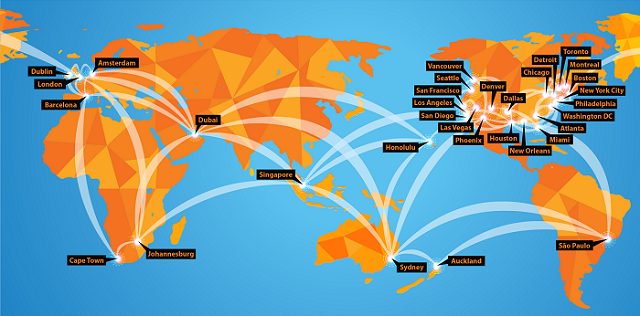


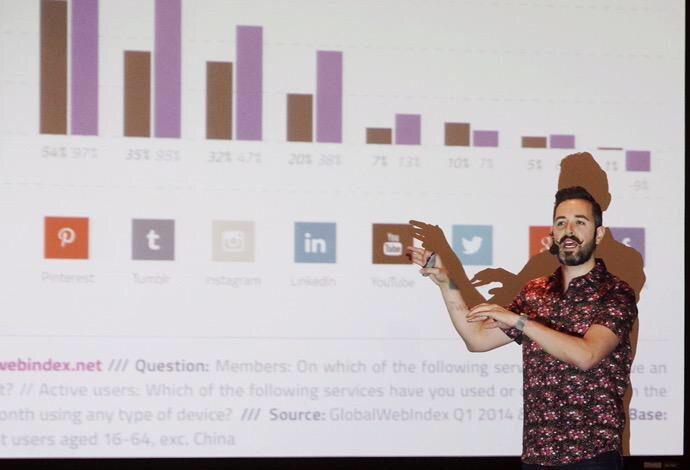














Connect With Us,
DIGIMARCON Conferences