 View Upcoming Digital Marketing, Media and Advertising Conferences & Exhibitions
 Phone:
Posts Tagged "AI efficiency"



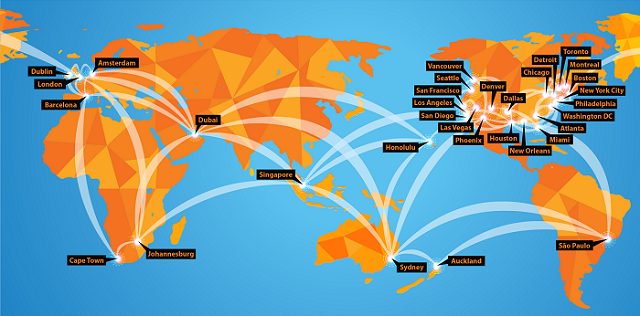
DigiMarCon is the Largest Digital Marketing, Media and Advertising Conference & Exhibition series in the world, with annual events held in all continents (North America, Latin America, Europe, UK, Asia Pacific, Middle East and Africa) in 13 countries (United States, Canada, Australia, New Zealand, United Kingdom, Ireland, Netherlands, Spain, Brazil, Singapore, India, United Arab Emirates and South Africa), across 33 cities (New York, Philadelphia, Boston, Toronto, Vancouver, Montreal, Houston, Dallas, Chicago, Los Angeles, San Francisco, Seattle, Washington DC, New Orleans, Atlanta, Detroit, Miami, Denver, San Diego, Phoenix, Las Vegas, Honolulu, London, Dublin, Amsterdam, Barcelona, Johannesburg, Cape Town, Dubai, Sydney, Auckland, Singapore and Sao Paulo). All DigiMarCon Events can be attended in-person or online. Wherever you are located there is a regional DigiMarCon event nearby you can attend.

DigiMarCon Conferences are held in top luxury 5-star event venues across the world such as; Royal Caribbean Cruise Ships, Olympic Stadiums, Marina Bay Sands Expo & Convention Centre and Wynn, JW Marriott, Marriott Marquis, Hyatt Regency, InterContinental, The Westin, Renaissance, Hilton, Conrad, W, Sheraton, Loews and Sofitel Hotel properties. Discount hotel room rates at each venue hotel means no hassle getting to and from the venue each day.
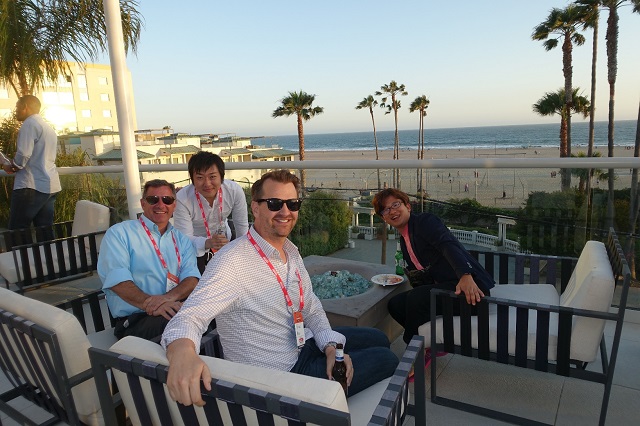
Building relationships matter! At DigiMarCon Conferences we have more networking breaks on our program than others. On average there are 8 Networking breaks at each event giving delegates ample opportunities in a relaxed atmosphere to meet others over the 2-days at the event; from 1-hour round table networking luncheons to 3-hour dinner receptions. These networking breaks are set in picturesque locations to facilitate memorable experiences while fostering new relationships. Such experiences include enjoying cocktails and the Sunset over the Pacific Ocean on a private Ocean Terrace in Santa Monica, to being on the Sydney Olympic Stadium playing arena at night enjoying cocktails under the lights, to dining at the 360 Revolving Restaurant at the top of the CN Tower in Toronto for a Dinner Reception, enjoying cocktails on a private promenade overlooking Times Square in New York City, or having fun at the Dazzles Night Club onboard the Royal Caribbean Oasis of the Seas for a Farewell Party, etc.
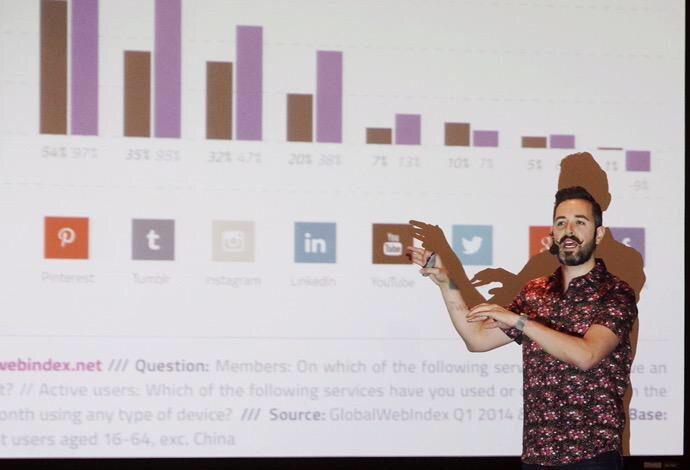
DigiMarCon Keynotes, Panels and Master Classes are facilitated by the foremost thought leaders in the industry, from celebrity social media influencers to CMO’s from the largest Fortune 500 company brands that are disrupting the digital marketing, media and advertising industry, such as Google, Facebook, Microsoft, Amazon, Oracle, Adobe, eBay, Netflix and more. All presentations are pitch-free, and include actionable takeaways, case studies, strategies and tactics, ready to be applied when back in the office.
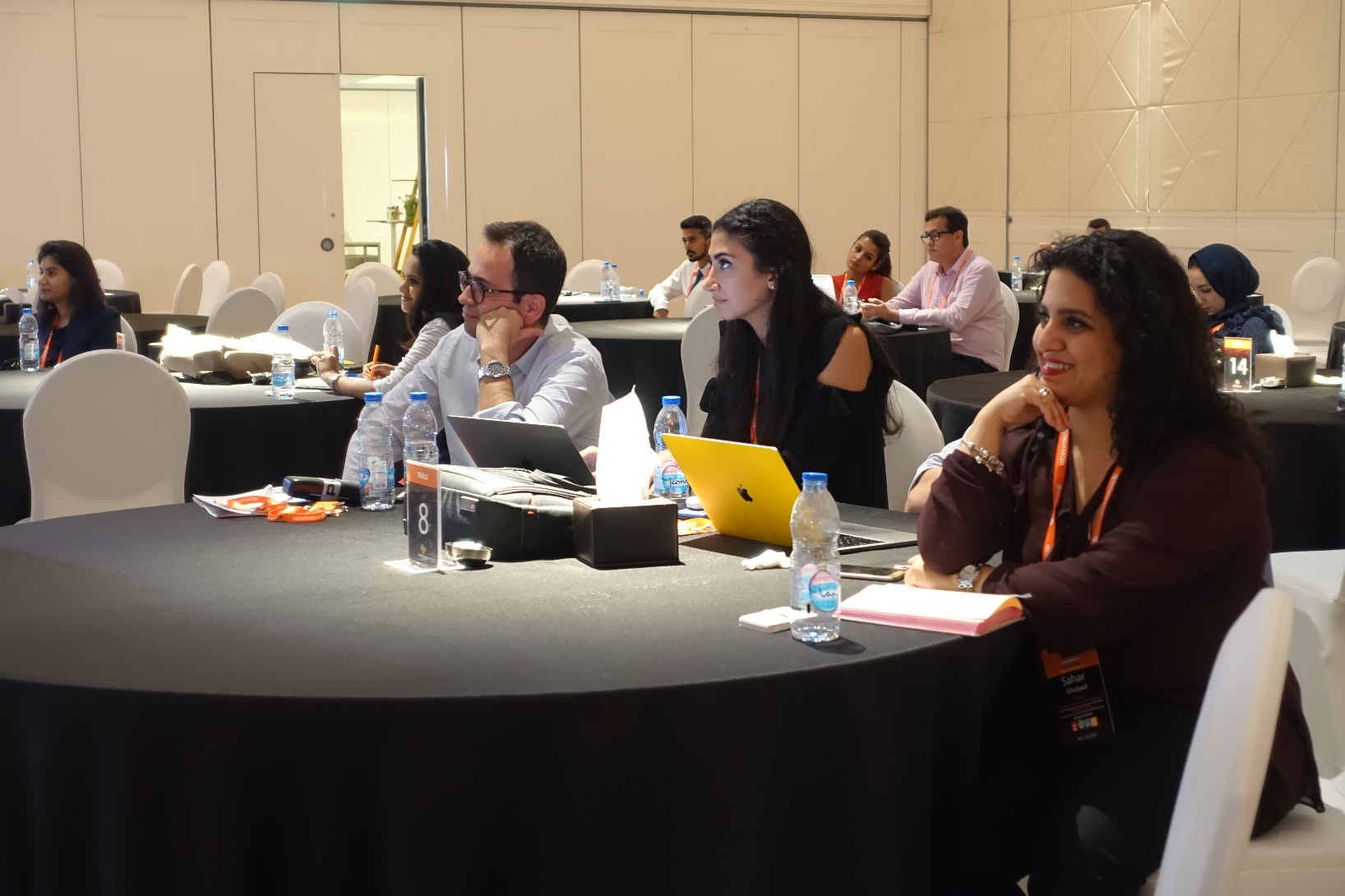
At DigiMarCon Conferences you are never ‘left in the dark’…. literally, in a large room far away from the stage and speakers, crushed in tight theater seating, without even a table, while sitting in the dark. At DigiMarCon all delegates have premium meeting space in luxurious ballroom well-lit spaces, with comfortable seating with table enabling delegates to use their laptop to take notes with ample charging facilities onsite in a comfortable space to learn and thrive. All tables are situated close with direct view of the stage.
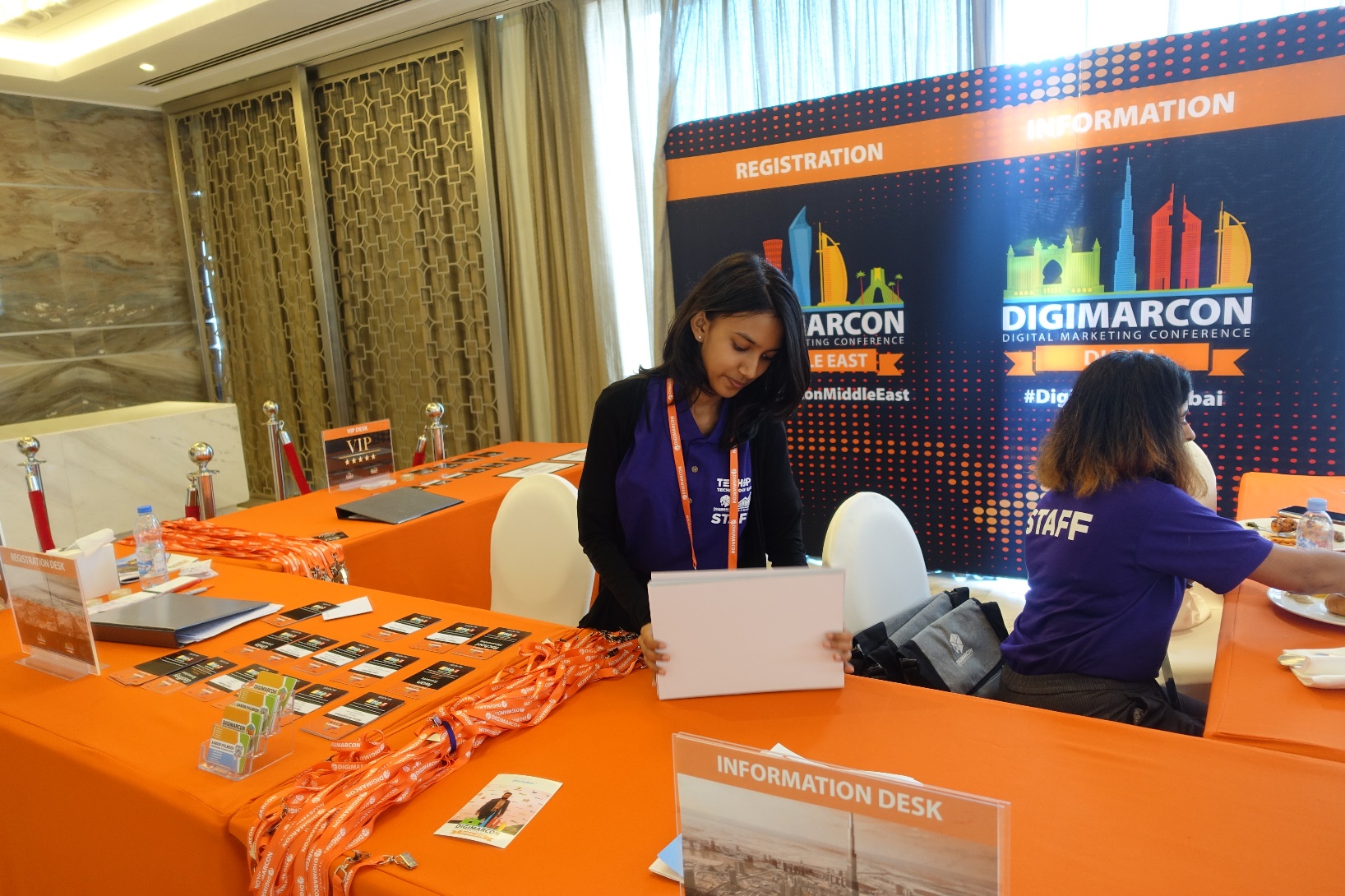
DigiMarCon Conferences are affordable to attend, from single-day event passes up to two-day VIP options at a fraction of the cost of other industry events. We offer significant discounts for early bird registrations. Additionally, on top of time-limited discount pass rates, because budgets are tight, we want to make sure all groups have a chance to attend DigiMarCon. For government employees, students, academic, startups, non-profit organizations and teams, we offer generous discounts off the prevailing registration price.
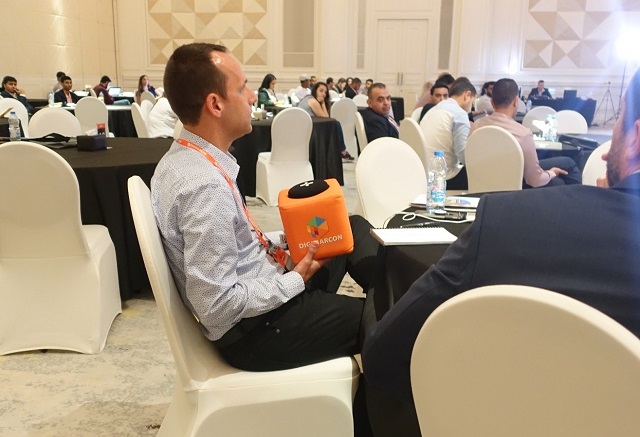
Attend DigiMarCon and you become part of the show! DigiMarCon Conferences tap into the talent of the room, drawing from the knowledge and experience of the professionals in the audience. All DigiMarCon events include regular interactive question and answer sessions with speakers and the audience ideal for collaboration, audience polls, along with ice-breaker and group exercises, steered by charismatic Emcees.
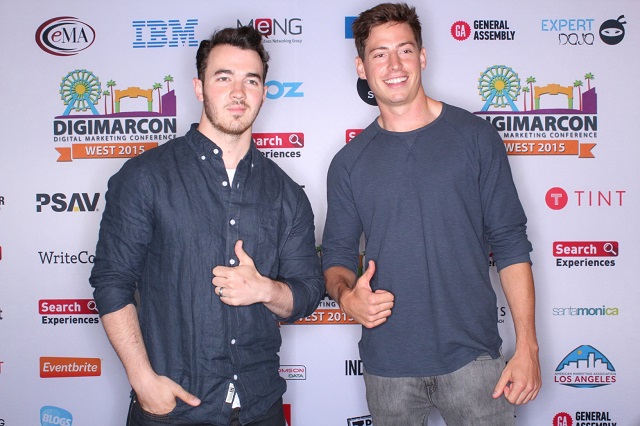
DigiMarCon Conferences put you right up and close with the speakers giving you the opportunity to meet these social media influencers which you follow in person. Speakers are never hidden in private speaker rooms away from the audience, they are in the auditorium sitting right beside you and participating.
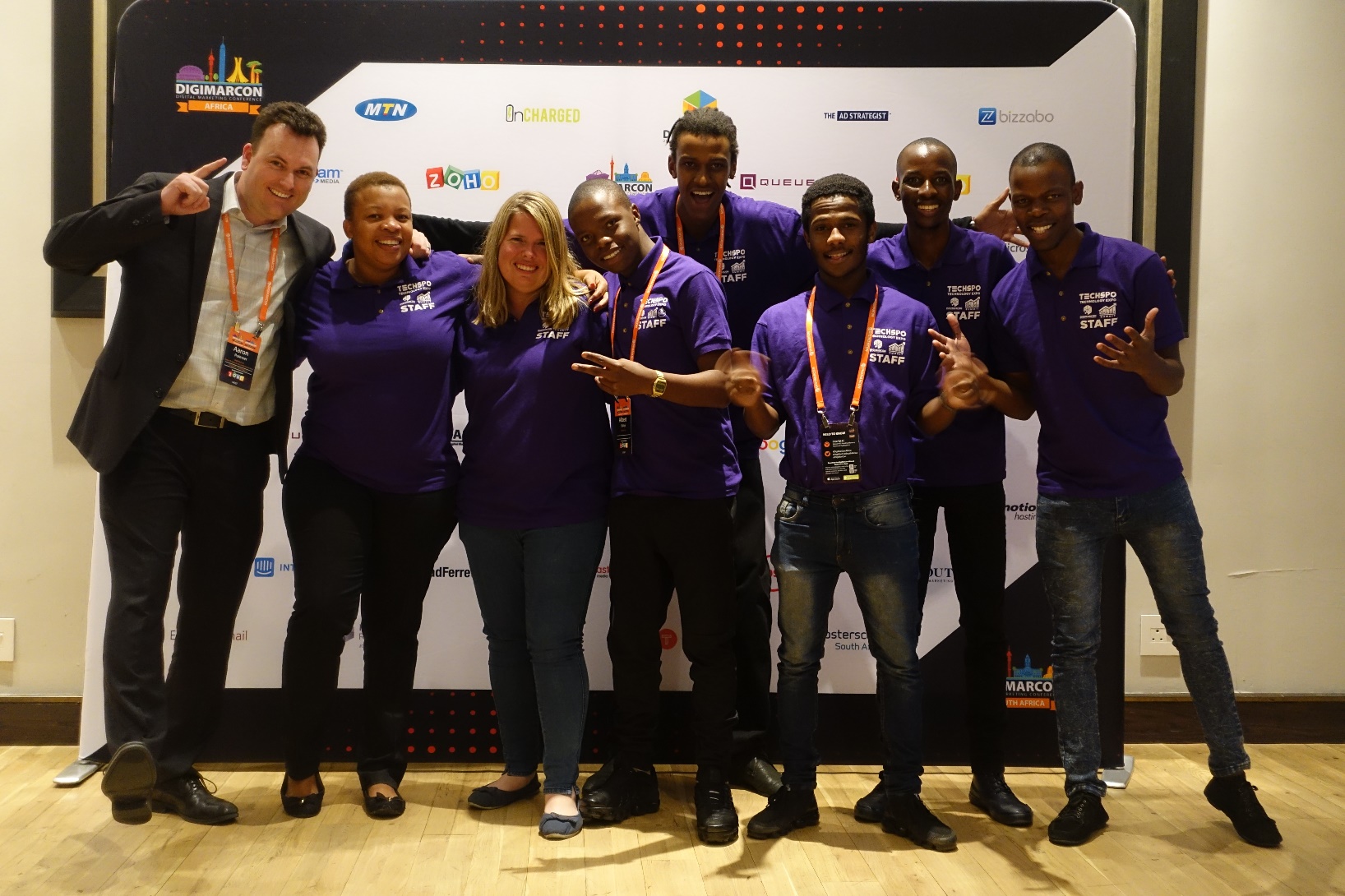
Attending a conference is a well-researched decision. There are many factors to consider such as location, time, venue, cost, speakers, content, etc. At DigiMarCon our results-obsessed Customer Service team are at your service before, during and after the event to help with your needs. It’s at the core of what we do — it drives our business. Offsite, we are ready to assist you via phone, ticket or chat. Onsite at our Conferences, friendly DigiMarCon staff serve as your hosts. They welcome your input and are happy to assist you.
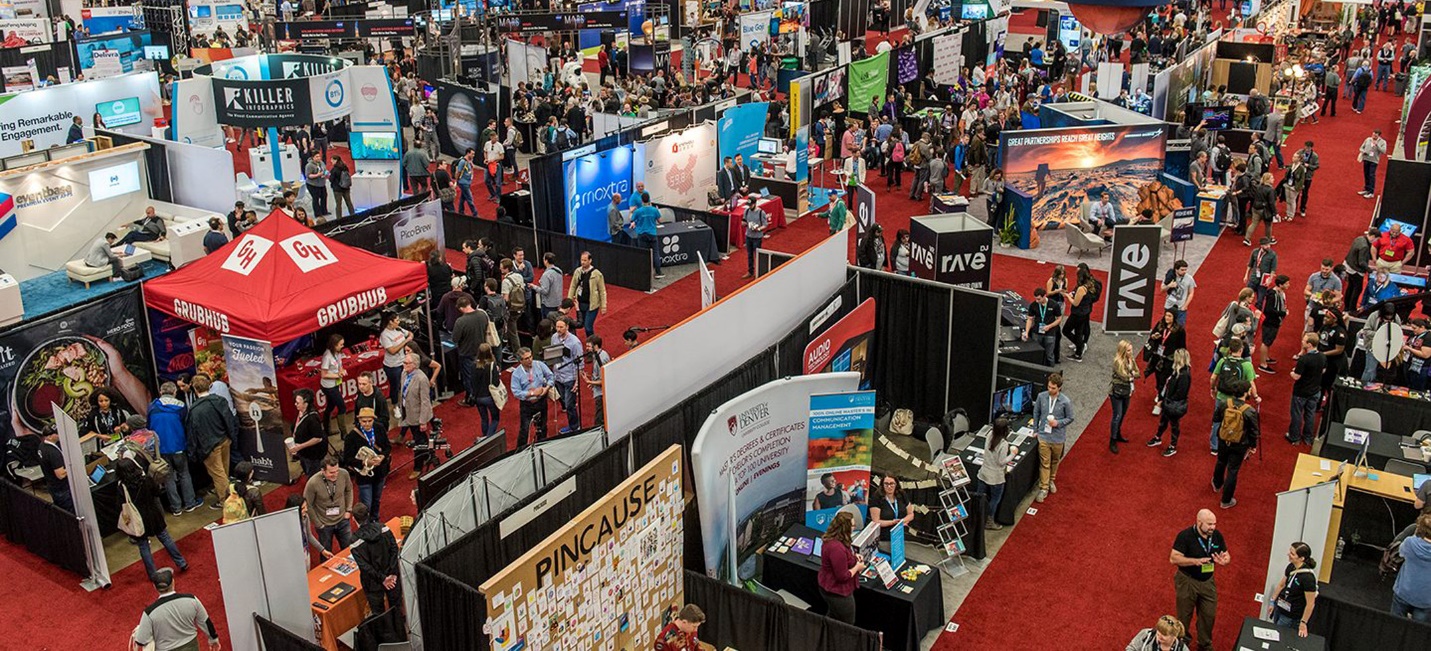
At all DigiMarCon Conferences is the co-located exclusive event TECHSPO Technology Expo, which showcases the new generation of technology and innovation, including; AdTech, MarTech, Internet, Mobile and SaaS technologies. Be inspired, amazed and educated on how these evolving technologies will impact your business for the better. Unlimited Access to TECHSPO Technology Expo is included with all DigiMarCon passes.
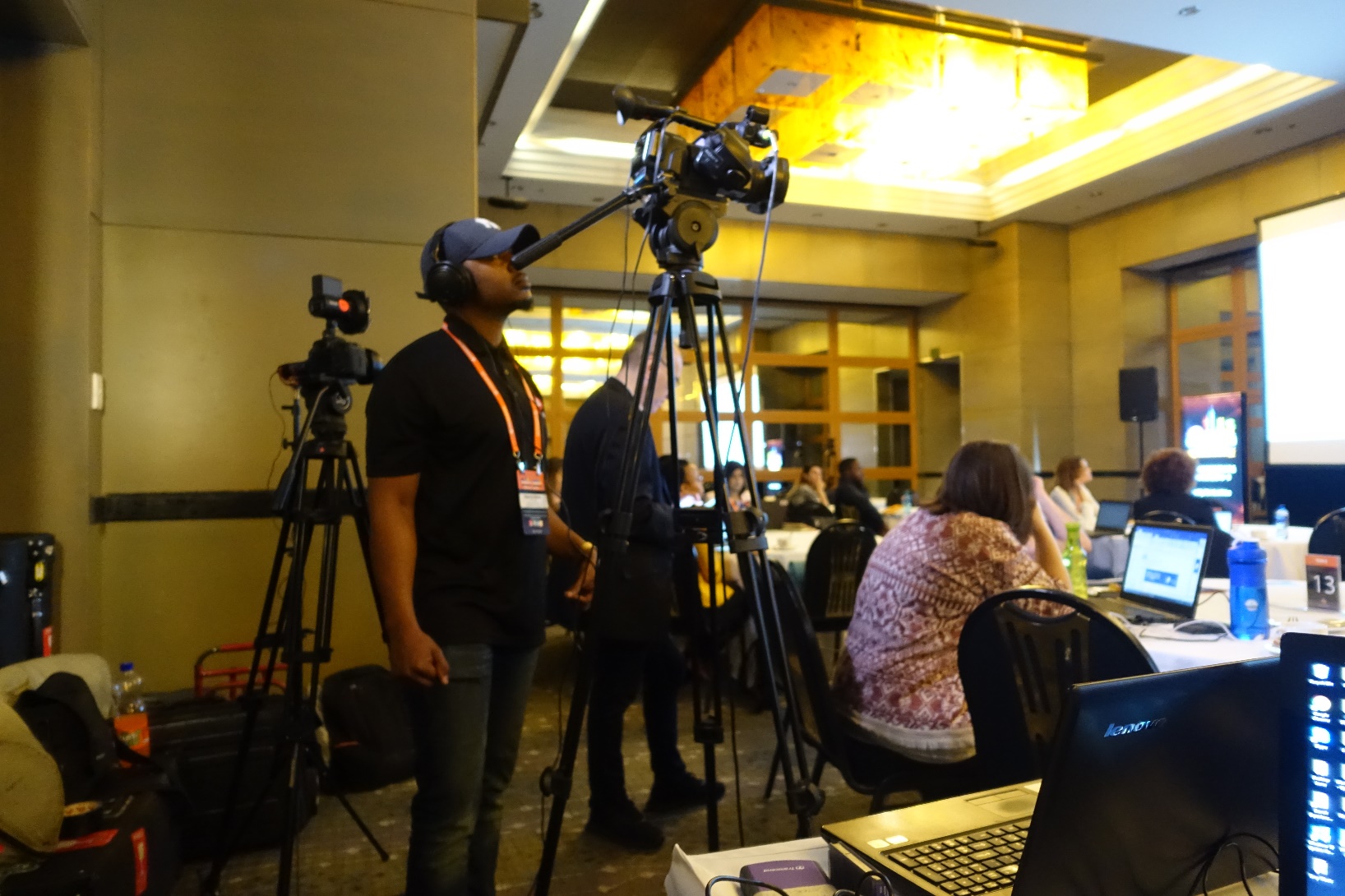
DigiMarCon All Access & VIP Passes include a 12-month on demand access to hundreds of hours of DigiMarCon speaker keynotes, panels and master class presentations from recent DigiMarCon Conferences, including videos, slide decks and key takeaways, available on demand so you can watch what you want, when you want.
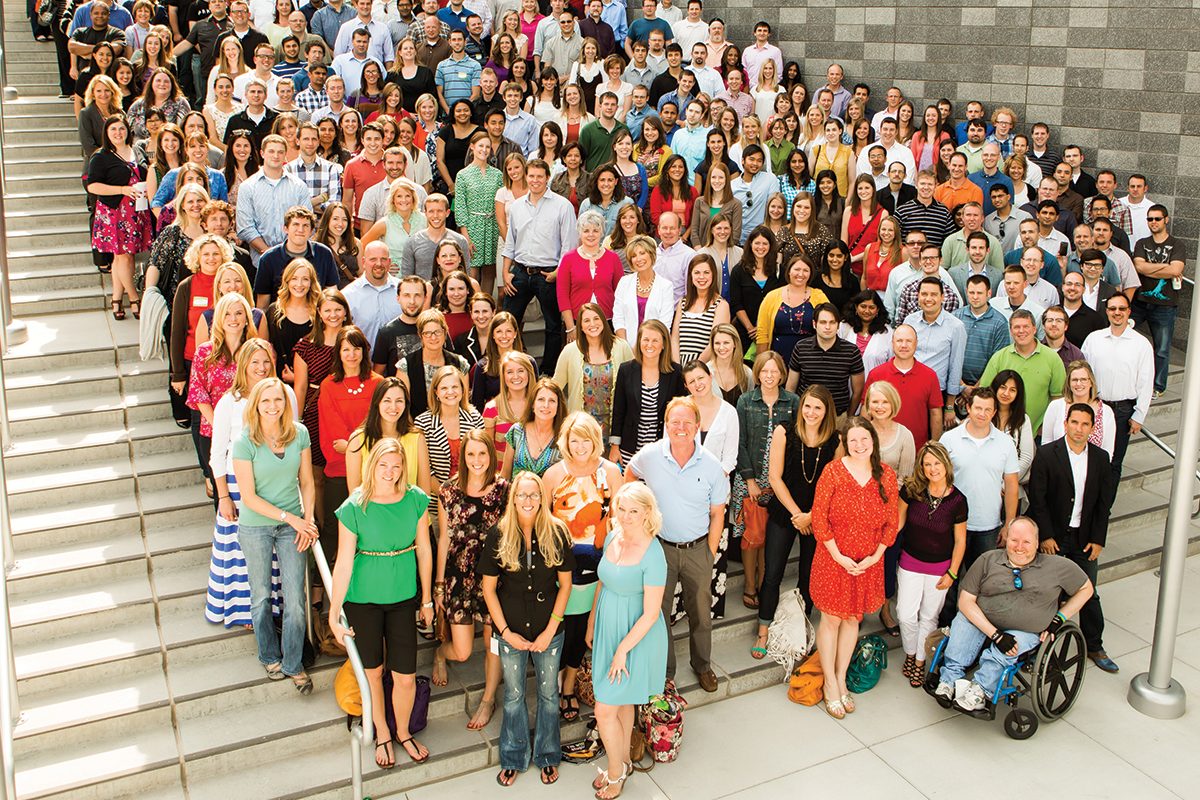
Attendees of DigiMarcon Conferences gain membership to an exclusive global Digital Marketing, Media and Advertising Community of over 500,000 worldwide subscribers to our award-winning digital marketing blog and over 100,000 members to the International Association of Digital Marketing Professionals (visit https://iadmp.org). This global community comprises of innovators, senior marketers and branders, entrepreneurs, digital executives and professionals, web & mobile strategists, designers and web project managers, business leaders, business developers, agency executives and their teams and anyone else who operates in the digital community who leverage digital, mobile, and social media marketing. We provide updates to the latest whitepapers and industry reports to keep you updated on trends, innovation and best practice digital marketing.

The events industry has forever changed in a world affected by COVID-19. The health and safety of our guests, staff and community is our highest priority and paramount. The team at DigiMarCon is dedicated to ensuring a great experience at our in-person events, and that includes providing a safe, clean and hygienic environment for our delegates. Some of the key areas we have implemented safe and hygienic measures include;
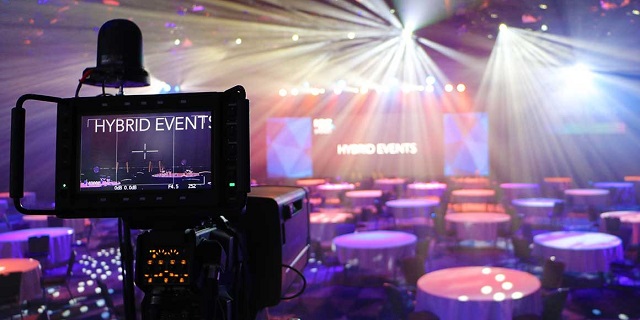
DigiMarCon has always been industry leaders of the Hybrid Event experience for years (a hybrid event combines a "live" in-person event with a "virtual" online component), no one needs to miss out on attending our events. Each DigiMarCon Conference can be attended in-person (with a Main Conference, All Access or VIP Pass) or online (with a Virtual Pass) giving attendees a choice for the experience they want to have. Attending virtually by viewing a Live Stream or On Demand enables participation by people who might be unable to attend physically due to travel or time zone constraints or through a wish to reduce the carbon footprint of the event. If you would like to meet the speakers, network with fellow marketing professionals at refreshment breaks, luncheons and evening receptions, check out the latest Internet, Mobile, AdTech, MarTech and SaaS technologies providers exhibiting then it is highly recommended to attend DigiMarCon in-person. As the largest Digital Marketing, Media and Advertising Conference series with events in 33 international cities worldwide, across 13 countries, there is bound to be a DigiMarCon Event near you to attend in-person if you can.
DigiMarCon Conference Series is the annual gathering of the most powerful brands and senior agency executives in your region. The Sharpest Minds And The Most Influential Decision Makers - Together for Two Days.
Who Attends Our Conferences
Brands • Agencies • Solution & Service Providers • Media Owners • Publishers • Entrepreneurs • Start-Ups • Investors • Government • Corporates • Institutes of Higher Learning




AI Is Making Marketing Easier—But Some Marketers Struggling with AI-Powered Efficiency
Recent reports show that 80% of businesses use AI in marketing. Yet, nearly half of these teams feel overwhelmed by the fast changes. This tech aims to change how we do research, create, and improve campaigns. But, the journey feels like a big challenge.
The real benefit of marketing automation is doing repetitive tasks. This frees up time for more important strategy work. But, many struggle to use these tools every day. Remember, these systems boost your creative ideas, not replace them.
To boost marketer productivity, you need a new way of thinking. See these tools as allies, not enemies. By using ai-powered efficiency, you can link technical skills with strategic thinking. This is the first step to mastering today’s digital world.
Why AI-Powered Efficiency Is Reshaping Modern Marketing
The promise of artificial intelligence efficiency is changing how brands reach their audiences. Marketing teams are moving from manual tasks to systems that learn and adapt quickly. This change lets them focus on big-picture strategy, not daily details.
How artificial intelligence efficiency is changing everyday marketing work
Tools now handle complex tasks like research and segmentation, making daily work easier. Marketers no longer spend hours sorting through data. Instead, they use smart platforms to find patterns and trends fast.
This transformation helps teams create more accurate campaign plans. They base these plans on real behavior, not guesses. This way, every campaign is relevant and up-to-date.
Where automation optimization creates the greatest time savings
The biggest productivity gains come from tasks that involve lots of data. Activities like performance reports, routine emails, and content scheduling are perfect for automation optimization. By letting machines do these tasks, teams save hours each week.
This saved time is great for creative work and building the brand. When machines handle data, humans can focus on what really connects with people. This balance is key to a top marketing team.
Why easier tools do not automatically produce better marketing
Technology makes tasks simpler, but it doesn’t replace the need for clear goals. Just using a new tool doesn’t mean success if the strategy is weak. Ai-powered efficiency works only if the human team behind it is sharp.
Marketers with experience need to guide whether the tools’ outputs meet brand goals. They ensure automated content is right and fits the brand. The best results come from a mix of human insight and machine speed.
The Marketing Tasks AI Handles Best Today
Today, top marketing teams use advanced software to make their work easier. They let smart systems handle the boring tasks. This lets them focus on big ideas and creativity.
This move towards automation optimization helps them do more without losing quality. It’s a win-win for everyone.
Generating and adapting content for multiple channels
Creating the same message for different places can be a big job. Tools like Blaze make it easy. They turn long content into social media posts, newsletters, and blogs in seconds.
This machine learning productivity keeps the brand’s voice consistent. It also saves a lot of time on writing.
Analyzing customer data and identifying audience patterns
Platforms like HubSpot are great at sorting through lots of user data. They find trends that might be missed. This helps marketers create personalized experiences for many people.
Using machine learning productivity, teams can guess what customers want before they ask. It’s like having a crystal ball.
Automating campaign workflows, reporting, and routine communications
Platforms like Mailchimp and ActiveCampaign handle the tech side of email marketing. They send out personalized messages based on what users do. This makes sure no one is left out.
Thanks to automation optimization, marketers can keep up with reports and regular updates with little help. It’s like having a super-efficient assistant.
These tools really help people do their best work. By taking care of the easy stuff, professionals can use their critical judgment on important tasks. This mix of speed and insight is the future of marketing.
Why Some Marketers Are Struggling to Use AI
AI tools are now easier to get, but using them well is hard for many teams. True digital transformation excellence isn’t just about buying new software. It’s about changing how you work and plan for the future.
Limited training and uncertainty about where to begin
Many feel lost with all the new AI tools out there. Without clear guidance, teams find it hard to know which tasks to automate. This uncertainty can cause them to hesitate, missing out on the benefits.
Disconnected data, outdated systems, and weak technology infrastructure
Good data-driven improvement needs clean, shared data. But, many companies are stuck with old systems that don’t work with new AI. This makes it hard to use machine learning for real insights or better customer service.
Unclear ownership of AI tools across marketing teams
Who’s in charge of AI is often unclear. Without clear ownership, teams use AI in different ways. This can lead to underutilized tools that don’t help the company much.
Pressure to adopt AI without a defined business objective
Leaders want to keep up with the competition by using AI fast. But, using tech just for the sake of it doesn’t lead to digital transformation excellence. Without a clear goal, teams focus on the wrong things, not real data-driven improvement.
AI-Powered Efficiency Depends on Better Marketing Processes
Many teams jump into new tools without checking their daily work flow. True operational excellence starts with knowing how work moves through your team. Without this, you might just make old habits digital, not fix them.
Auditing repetitive work before introducing automation
Start by auditing your tasks. Find out which ones take up a lot of time but don’t add much value. By focusing on automation optimization, you can free up your team to do more creative work.
After documenting these tasks, you’ll see where tech can help. Smart technology streamlining is about removing barriers, not replacing people. Often, some tasks just need to go away.
Mapping customer journeys to identify useful AI applications
Good marketing meets customers where they are. By mapping touchpoints, you find where AI can add personalized value. This makes sure your tech matches customer needs, not just trends.
Knowing the journey lets you use tools like content delivery or predictive analytics at the right time. This avoids the trap of using AI just for novelty. Instead, you create a seamless experience that’s both human-centric and technologically advanced.
Creating standardized inputs, approval steps, and campaign briefs
Consistency is key for any marketing team. Standardized briefs give AI the context it needs for quality outputs. Clear inputs mean better results, less revisions, and less back-and-forth.
Setting up formal approval steps keeps your brand voice consistent. This lets your team use smart technology streamlining confidently. A structured environment means faster decisions and quality your audience expects.
How Data Quality Limits Artificial Intelligence Efficiency
Even the most advanced algorithms struggle with bad data. Many teams focus on new software, but the real problem is the data. Without good data, even top models can’t give accurate results.
Incomplete customer profiles and inconsistent tracking
Marketing platforms often have “data silos” where info is stuck. When customer profiles are missing, AI can’t guess what they’ll do next. Inconsistent tracking makes it hard to see the whole picture of how users interact.
If your tracking doesn’t match up, AI can’t find important patterns. This makes it hard to understand your audience. So, the tools’ output often doesn’t hit the mark.
Privacy, consent, and responsible use of consumer information
True data-driven improvement means following ethical rules and being open. With laws like GDPR and CCPA getting stricter, marketers must get clear consent for data. Responsible data management is key for keeping consumer trust.
Using wrong data can hurt your reputation and lead to fines. Focus on clean, allowed data to keep your automation working well. Being open about data use can also boost your brand.
Connecting CRM, analytics, advertising, and content platforms
To boost artificial intelligence efficiency, connect your main systems. Linking CRM with analytics, ads, and content platforms makes a complete system. This lets AI learn from a full view of the customer journey.
When these systems talk to each other well, insights get much better. Unified data streams help target better and deliver more relevant content. Overcoming these tech hurdles can unlock your marketing’s full power.
Where Human Judgment Matters in AI-Assisted Marketing
Modern marketing is all about finding the right mix of tech and human touch. Cognitive computing enhancement helps teams handle big data, but it can’t replace the creative spark that builds brand loyalty. Marketers need to oversee every campaign to make sure tech enhances, not harms, the brand.
Protecting brand voice, originality, and emotional relevance
AI uses past data, leading to generic content. To stand out, teams must add human creativity to every piece. Protecting your brand voice means knowing your company’s unique personality.
Without human touch, marketing can blend in with others. Emotional connections come from understanding people, not just data. Only humans can truly grasp the human experience.
Reviewing AI-generated claims for accuracy and compliance
Automation can sometimes produce wrong or outdated info, harming your reputation. Human oversight is key to checking every claim. This keeps your messages accurate and up-to-date.
Legal rules are also critical. AI doesn’t get the nuances of laws or privacy rules. A human must check that content meets all legal standards.
Using human insight to interpret audience needs and cultural context
Data shows what people do, but not why. Marketers must use AI marketing ethics to understand these trends in cultural context. This avoids insensitive or off-putting messages.
By mixing AI insights with human empathy, brands can make campaigns that feel real and timely. This blend keeps marketing grounded in reality while using today’s tech.
Practical Ways Marketing Teams Can Improve AI Adoption
A successful AI adoption strategy starts with small steps that show quick results. Instead of changing everything at once, focus on areas where AI can make a big difference. This way, you avoid burnout and keep your team excited about using new tools.
Start with one measurable workflow instead of adopting every tool
Begin by picking a single task that takes up a lot of time. For example, work on making social media captions or summarizing meeting notes. This lets you get good at automation optimization without feeling too much pressure. You can then see how well you’re doing by looking at how much time you save or how much more you produce.
Train marketers to write effective prompts and evaluate outputs
How well a tool works depends on how well it’s told what to do. Training should focus on teaching staff to write good prompts. This means they can get accurate and brand-aligned results from the technology. Also, marketers need to check every output to make sure it’s up to quality standards before it’s shared.
Develop shared guidelines for acceptable AI use
It’s important to have clear rules for using smart technology in your organization. These rules should say which tasks are okay to automate and which need a human touch to keep the brand safe. This way, you can use AI adoption strategy to boost creativity while keeping everything private and secure. This approach helps automation optimization grow your business without risking it, leading to smart technology streamlining that supports your long-term goals.
Measuring Whether AI Creates Real Marketing Improvement
To really see if AI helps in marketing, we need to look beyond just saving time. Saving hours is important, but it’s only part of the story. Leaders should focus on how AI affects their profits.
Comparing time saved with output quality and campaign performance
Being efficient doesn’t mean much if the results don’t connect with people. AI can make creating content faster, but it must be good quality. Teams should check if speed means better results or just more clutter.
Good marketing checks both speed and success. If a campaign is quicker but doesn’t sell as well, it needs work. Quality checks are key to making sure content is effective.
Tracking conversion rates, customer engagement, and cost efficiency
Real success comes from AI helping to make more money. AI can predict which customers are most likely to buy. This helps teams spend their money wisely.
Looking at costs and customer value gives a clear view of success. AI helps with data, so marketers can improve their plans. This makes growth more sustainable.
Separating genuine productivity gains from superficial activity
It’s easy to confuse lots of activity with real progress. Making lots of ads doesn’t mean they’ll all work well. Managers need to tell real progress from just doing a lot.
True AI benefits show in better choices and more profit. Focusing on results, not just how fast things are done, ensures AI adds real value. The aim is to boost human creativity, not just speed things up.
The Risks of Treating AI as a Replacement for Marketers
To achieve digital transformation excellence, we must balance technology and human insight. Automation can speed up tasks, but it can’t replace human judgment in strategy and creativity. This imbalance creates big risks for operations.
Declining trust caused by generic or inaccurate content
Brands that only use AI for messages risk creating content that feels fake. People can tell when messages lack a personal touch. This can hurt brand loyalty, as customers seek real connections over mass-produced content.
Also, AI mistakes can harm a brand’s trustworthiness. It’s key to use responsible AI to keep content accurate and true to the brand’s voice.
Bias, hallucinations, copyright concerns, and compliance exposure
AI marketing risks include biases and false claims. These can hurt a company’s reputation. Without careful human checks, teams face big legal risks.
Copyright issues are also a big worry. Without checking AI content, teams might break copyright laws. Keeping humans involved is the best way to avoid these problems.
Skill erosion when teams stop developing strategic and creative abilities
Too much AI use can weaken marketing team skills. When new staff don’t do basic tasks, they miss learning opportunities. This creates a gap in knowledge and skills for future leaders.
Creative thinking is unique to humans. Over-reliance on AI can make teams less innovative. True innovation comes from combining human creativity with AI.
What Successful AI Adoption Looks Like in U.S. Marketing Teams
The world of U.S. marketing teams is changing fast. They’re moving from just trying out AI to using it in big ways. Now, top teams see AI tools as key parts of their growth plans. This change is leading to more focused and lasting marketing efforts.
Small businesses using AI to compete with larger organizations
Small companies are using machine learning productivity to stand out. They’re using smart technology streamlining to do more with less. This lets them spend more time on creative ideas and connecting with customers.
Enterprise teams combining automation with specialized human expertise
Big companies are doing things differently. They use AI to handle big data, but they also count on specialized human expertise to understand it. This mix keeps their messages real and on point, even as they reach people all over the world.
Leaders making digital transformation excellence an operating discipline
True digital transformation excellence is ongoing, not just a one-time thing. Leaders who succeed make sure AI is part of their daily work. They set up clear rules, train their teams, and keep improving. This way, they stay quick and adaptable in a fast-changing world.
Conclusion
To really get the most out of AI, you need more than just new software. You must have clean data, clear processes, and a team that knows how to use AI for business goals.
Marketing leaders should see AI as a tool to help, not replace, human talent. When teams use AI for research and personalization, they connect better with their audience.
A good marketing plan balances speed and accountability. By focusing on results, you make sure AI helps your brand grow and gain trust.
Begin your digital journey by checking your workflows for real impact. Try new tools to improve your work while keeping your values in every campaign. Your success starts with using these technologies wisely, led by humans.