 View Upcoming Digital Marketing, Media and Advertising Conferences & Exhibitions
 Phone:

Posts Tagged "AI influencers"



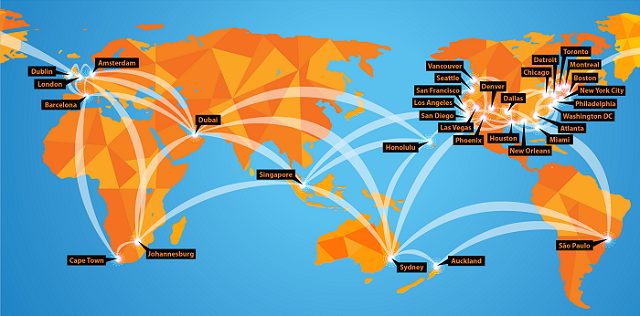
DigiMarCon is the Largest Digital Marketing, Media and Advertising Conference & Exhibition series in the world, with annual events held in all continents (North America, Latin America, Europe, UK, Asia Pacific, Middle East and Africa) in 13 countries (United States, Canada, Australia, New Zealand, United Kingdom, Ireland, Netherlands, Spain, Brazil, Singapore, India, United Arab Emirates and South Africa), across 33 cities (New York, Philadelphia, Boston, Toronto, Vancouver, Montreal, Houston, Dallas, Chicago, Los Angeles, San Francisco, Seattle, Washington DC, New Orleans, Atlanta, Detroit, Miami, Denver, San Diego, Phoenix, Las Vegas, Honolulu, London, Dublin, Amsterdam, Barcelona, Johannesburg, Cape Town, Dubai, Sydney, Auckland, Singapore and Sao Paulo). All DigiMarCon Events can be attended in-person or online. Wherever you are located there is a regional DigiMarCon event nearby you can attend.

DigiMarCon Conferences are held in top luxury 5-star event venues across the world such as; Royal Caribbean Cruise Ships, Olympic Stadiums, Marina Bay Sands Expo & Convention Centre and Wynn, JW Marriott, Marriott Marquis, Hyatt Regency, InterContinental, The Westin, Renaissance, Hilton, Conrad, W, Sheraton, Loews and Sofitel Hotel properties. Discount hotel room rates at each venue hotel means no hassle getting to and from the venue each day.
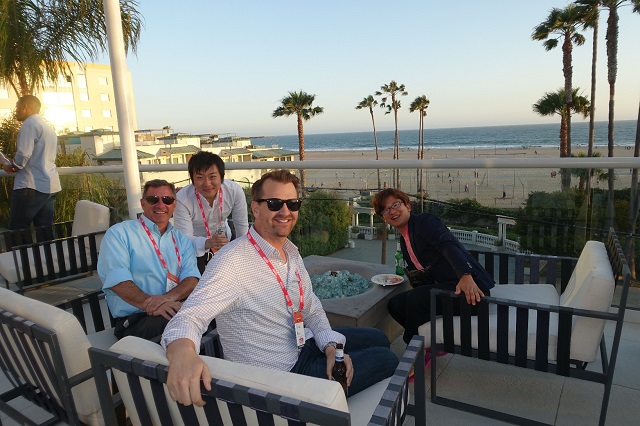
Building relationships matter! At DigiMarCon Conferences we have more networking breaks on our program than others. On average there are 8 Networking breaks at each event giving delegates ample opportunities in a relaxed atmosphere to meet others over the 2-days at the event; from 1-hour round table networking luncheons to 3-hour dinner receptions. These networking breaks are set in picturesque locations to facilitate memorable experiences while fostering new relationships. Such experiences include enjoying cocktails and the Sunset over the Pacific Ocean on a private Ocean Terrace in Santa Monica, to being on the Sydney Olympic Stadium playing arena at night enjoying cocktails under the lights, to dining at the 360 Revolving Restaurant at the top of the CN Tower in Toronto for a Dinner Reception, enjoying cocktails on a private promenade overlooking Times Square in New York City, or having fun at the Dazzles Night Club onboard the Royal Caribbean Oasis of the Seas for a Farewell Party, etc.
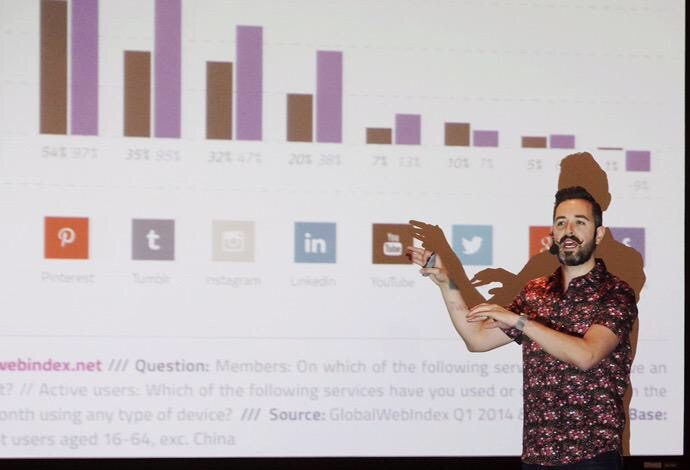
DigiMarCon Keynotes, Panels and Master Classes are facilitated by the foremost thought leaders in the industry, from celebrity social media influencers to CMO’s from the largest Fortune 500 company brands that are disrupting the digital marketing, media and advertising industry, such as Google, Facebook, Microsoft, Amazon, Oracle, Adobe, eBay, Netflix and more. All presentations are pitch-free, and include actionable takeaways, case studies, strategies and tactics, ready to be applied when back in the office.
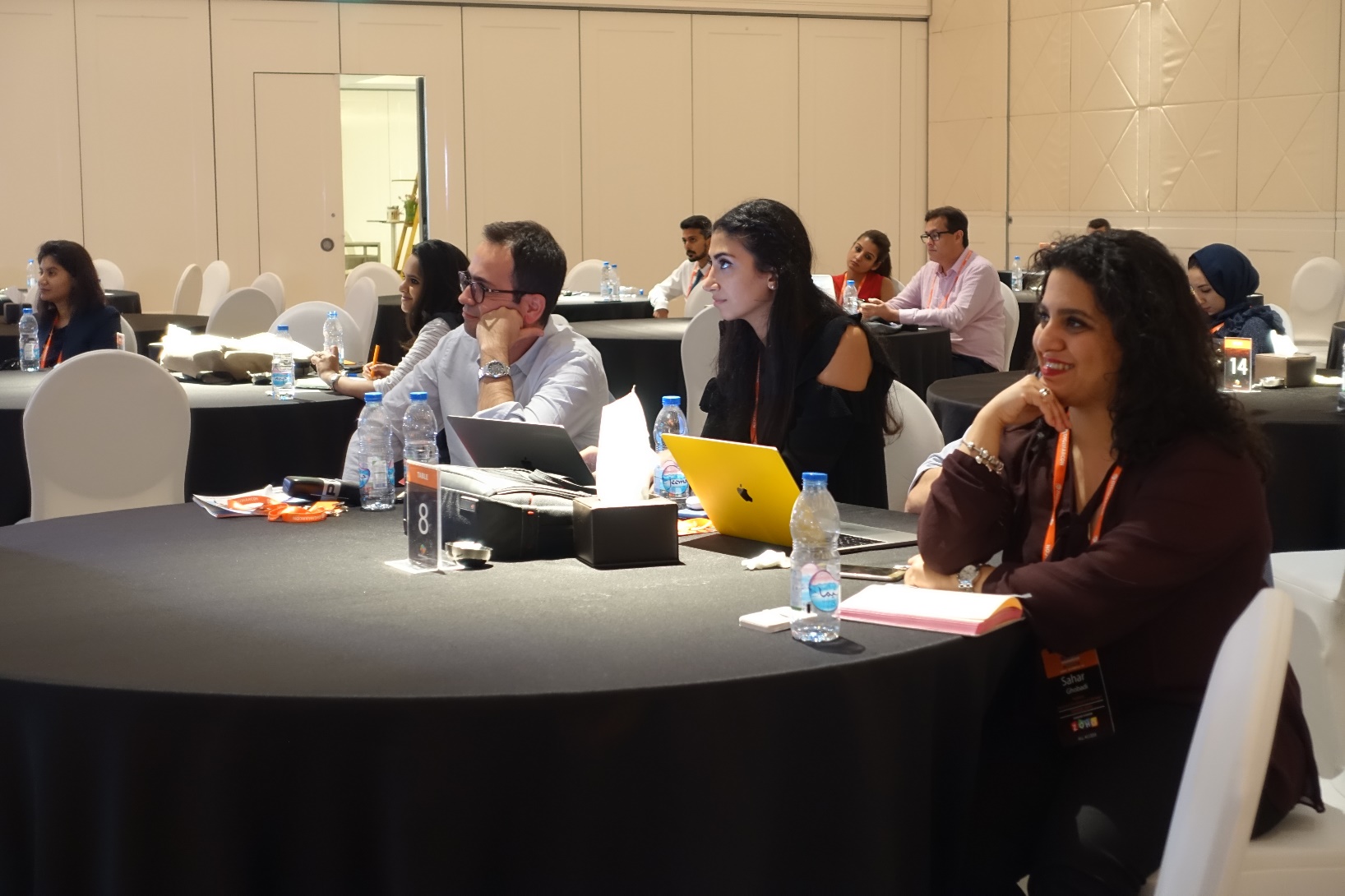
At DigiMarCon Conferences you are never ‘left in the dark’…. literally, in a large room far away from the stage and speakers, crushed in tight theater seating, without even a table, while sitting in the dark. At DigiMarCon all delegates have premium meeting space in luxurious ballroom well-lit spaces, with comfortable seating with table enabling delegates to use their laptop to take notes with ample charging facilities onsite in a comfortable space to learn and thrive. All tables are situated close with direct view of the stage.
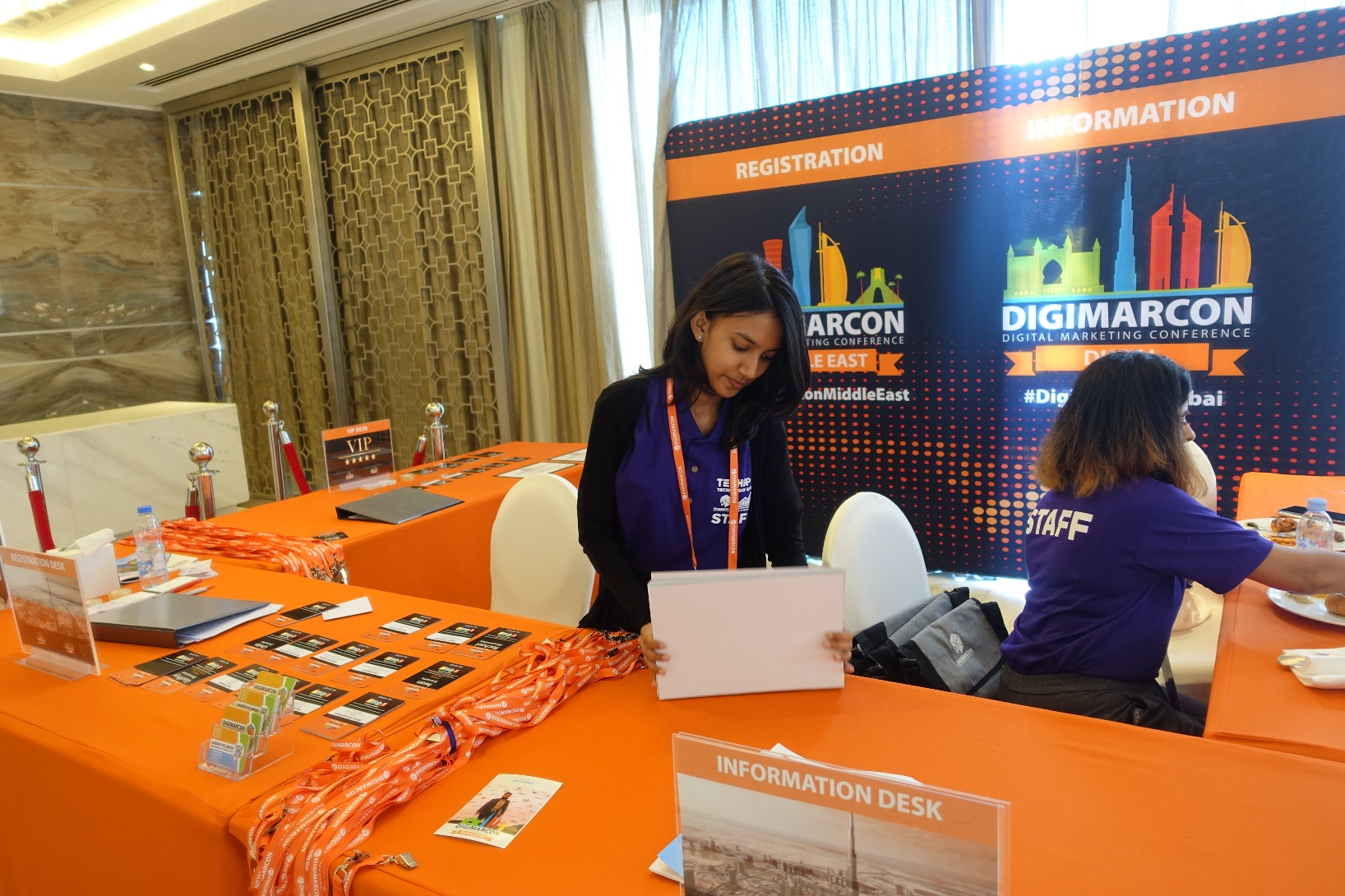
DigiMarCon Conferences are affordable to attend, from single-day event passes up to two-day VIP options at a fraction of the cost of other industry events. We offer significant discounts for early bird registrations. Additionally, on top of time-limited discount pass rates, because budgets are tight, we want to make sure all groups have a chance to attend DigiMarCon. For government employees, students, academic, startups, non-profit organizations and teams, we offer generous discounts off the prevailing registration price.
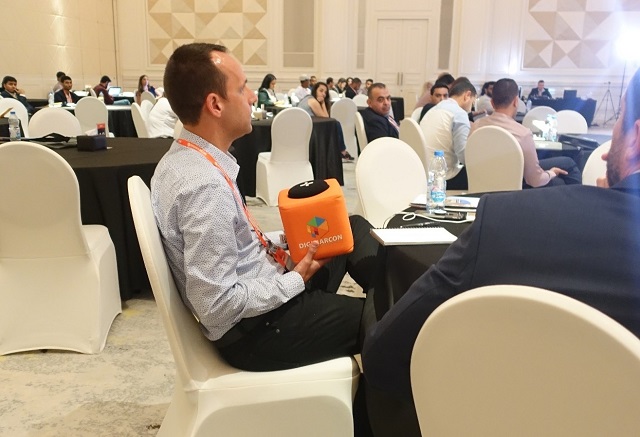
Attend DigiMarCon and you become part of the show! DigiMarCon Conferences tap into the talent of the room, drawing from the knowledge and experience of the professionals in the audience. All DigiMarCon events include regular interactive question and answer sessions with speakers and the audience ideal for collaboration, audience polls, along with ice-breaker and group exercises, steered by charismatic Emcees.
DigiMarCon Conferences put you right up and close with the speakers giving you the opportunity to meet these social media influencers which you follow in person. Speakers are never hidden in private speaker rooms away from the audience, they are in the auditorium sitting right beside you and participating.
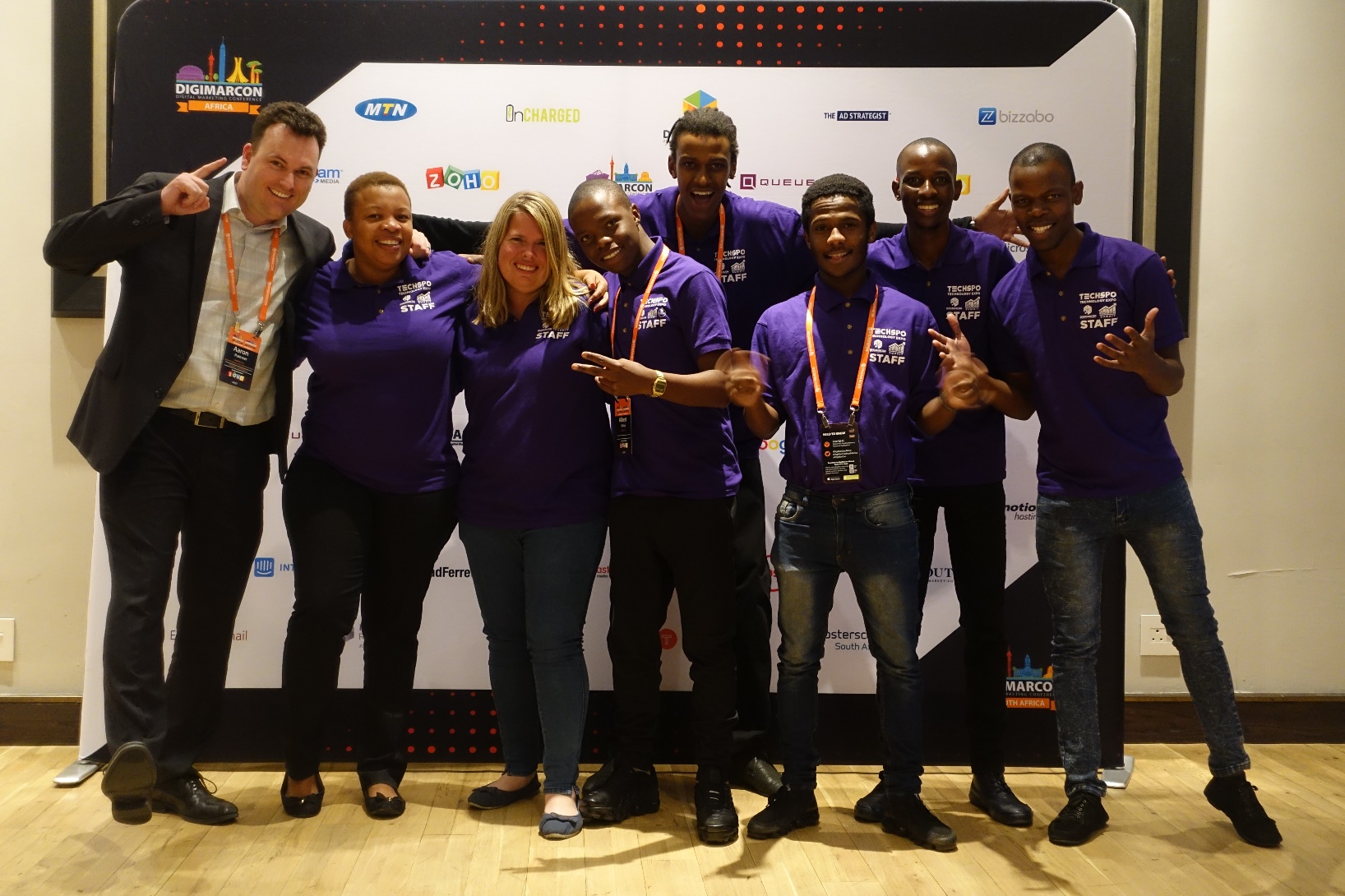
Attending a conference is a well-researched decision. There are many factors to consider such as location, time, venue, cost, speakers, content, etc. At DigiMarCon our results-obsessed Customer Service team are at your service before, during and after the event to help with your needs. It’s at the core of what we do — it drives our business. Offsite, we are ready to assist you via phone, ticket or chat. Onsite at our Conferences, friendly DigiMarCon staff serve as your hosts. They welcome your input and are happy to assist you.
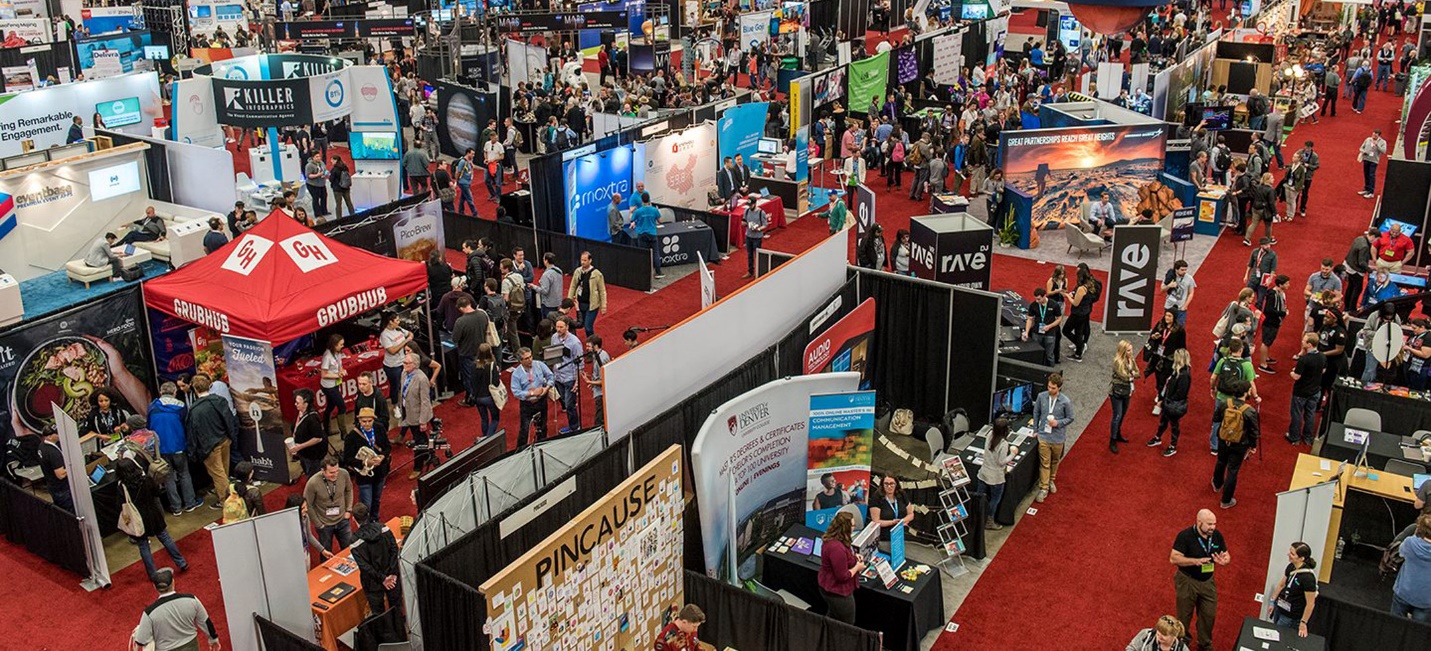
At all DigiMarCon Conferences is the co-located exclusive event TECHSPO Technology Expo, which showcases the new generation of technology and innovation, including; AdTech, MarTech, Internet, Mobile and SaaS technologies. Be inspired, amazed and educated on how these evolving technologies will impact your business for the better. Unlimited Access to TECHSPO Technology Expo is included with all DigiMarCon passes.
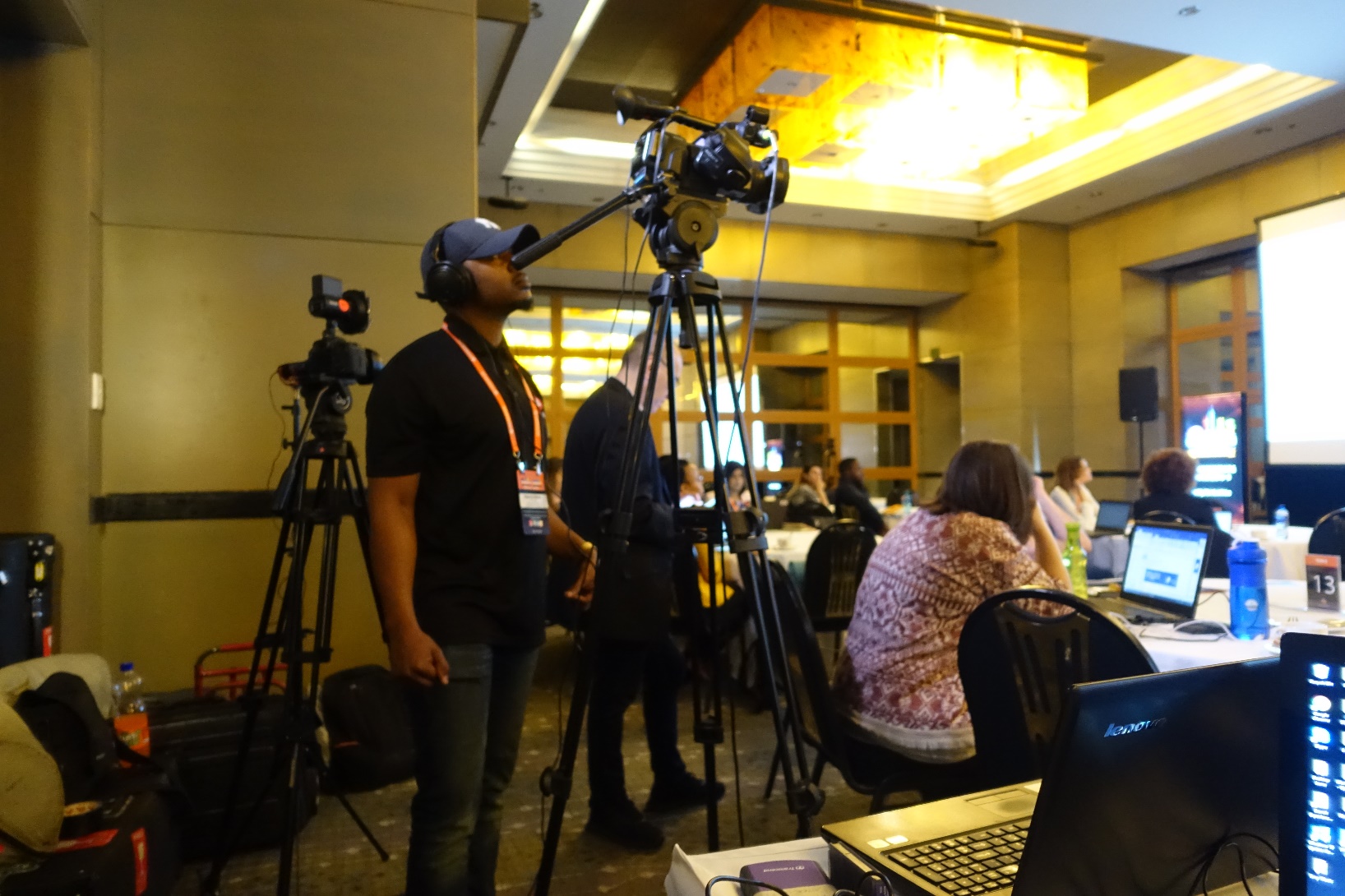
DigiMarCon All Access & VIP Passes include a 12-month on demand access to hundreds of hours of DigiMarCon speaker keynotes, panels and master class presentations from recent DigiMarCon Conferences, including videos, slide decks and key takeaways, available on demand so you can watch what you want, when you want.

Attendees of DigiMarcon Conferences gain membership to an exclusive global Digital Marketing, Media and Advertising Community of over 500,000 worldwide subscribers to our award-winning digital marketing blog and over 100,000 members to the International Association of Digital Marketing Professionals (visit https://iadmp.org). This global community comprises of innovators, senior marketers and branders, entrepreneurs, digital executives and professionals, web & mobile strategists, designers and web project managers, business leaders, business developers, agency executives and their teams and anyone else who operates in the digital community who leverage digital, mobile, and social media marketing. We provide updates to the latest whitepapers and industry reports to keep you updated on trends, innovation and best practice digital marketing.

The events industry has forever changed in a world affected by COVID-19. The health and safety of our guests, staff and community is our highest priority and paramount. The team at DigiMarCon is dedicated to ensuring a great experience at our in-person events, and that includes providing a safe, clean and hygienic environment for our delegates. Some of the key areas we have implemented safe and hygienic measures include;
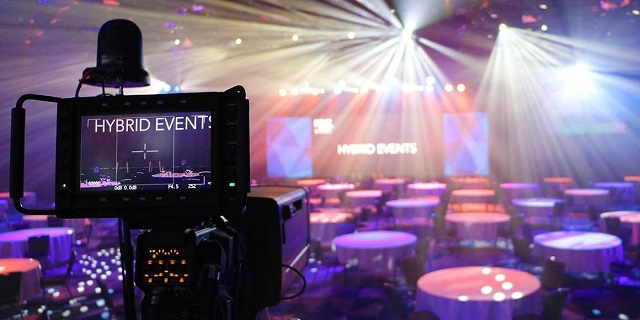
DigiMarCon has always been industry leaders of the Hybrid Event experience for years (a hybrid event combines a "live" in-person event with a "virtual" online component), no one needs to miss out on attending our events. Each DigiMarCon Conference can be attended in-person (with a Main Conference, All Access or VIP Pass) or online (with a Virtual Pass) giving attendees a choice for the experience they want to have. Attending virtually by viewing a Live Stream or On Demand enables participation by people who might be unable to attend physically due to travel or time zone constraints or through a wish to reduce the carbon footprint of the event. If you would like to meet the speakers, network with fellow marketing professionals at refreshment breaks, luncheons and evening receptions, check out the latest Internet, Mobile, AdTech, MarTech and SaaS technologies providers exhibiting then it is highly recommended to attend DigiMarCon in-person. As the largest Digital Marketing, Media and Advertising Conference series with events in 33 international cities worldwide, across 13 countries, there is bound to be a DigiMarCon Event near you to attend in-person if you can.
DigiMarCon Conference Series is the annual gathering of the most powerful brands and senior agency executives in your region. The Sharpest Minds And The Most Influential Decision Makers - Together for Two Days.
Who Attends Our Conferences
Brands • Agencies • Solution & Service Providers • Media Owners • Publishers • Entrepreneurs • Start-Ups • Investors • Government • Corporates • Institutes of Higher Learning




AI Influencers Drive Real Revenue?! But There’s a Catch…
An AI persona can attract attention, but attention turns into revenue only when a brand or audience has a reason to pay. Revenue Making AI describes a business use of artificial intelligence, not a promise of income. A virtual influencer is a fictional or computer-generated persona presented as an influencer. You can build a persona, produce content for brands, or use affiliate links and owned products. Each path asks you to solve a real audience or business need.
People may enjoy polished images and video, but views alone do not pay for the work. A useful offer, a clear fit with the audience, and steady human oversight matter more. You must guide the persona, check its claims, and keep its voice consistent. You also need to know who benefits when it recommends a product. That work turns a creative opportunity into a business people can trust.
Think of the AI as help with making and shaping material. You still need to decide what to publish, who it serves, and how the business will earn. Treat the AI as part of the production process, not as the business model itself.
How Revenue Making AI Influencers Earn
An AI influencer earns when a brand pays for access to its audience, a viewer buys through its recommendation, or a customer pays for an owned offer. Those are different paths, and each needs a clear way to deliver value. Revenue-making AI online usually means using AI to make, promote, or deliver something people pay for.
YouTube advertising can pay when a channel meets platform eligibility rules and reaches viewers. Income depends on audience reach, so a new channel should not count on ads alone. A sponsorship is a negotiated promotion from a brand, often paid through a flat fee for agreed work.
Affiliate links track qualifying sales. You must apply to programs, choose useful products, place suitable links, and explain your relationship with the seller. A sale may earn a commission, but the link does not remove the work of earning trust.
Paid content can include gated articles, online courses, or other material offered for a fee. Subscriptions can bring repeat income, but locking away too much can frustrate readers and lower engagement. Keep some useful content open so people can judge its value first.
Producing branded content for a client is a service, not income from an audience you own. The client pays for a defined deliverable, while you handle planning, production, and review. That model can work before you have a large following.
People asking how to make money with AI online often mean using a tool to support a paid offer. The tool itself does not create customers or revenue. Pick one primary revenue path first, since each asks you to build a different relationship with the audience.
How Can Virtual Influencers Sell?
A virtual influencer can sell through a brand partnership, an affiliate recommendation, or an offer of its own, but a large following does not guarantee any of them. Audience fit matters more than a headline count. Brands pay for a defined promotion, with clear deliverables, audience fit, and an approval process.
Brand partnerships and sponsored content
A sponsorship sets out what the persona will publish and when. The brand should approve claims, product details, and final creative before posting. Good social media marketing also checks that the audience has a reason to care about the product.
These examples show how reach and engagement can differ:
A Liquid I.V. video featuring Lil Miquela generated €75K in earned media value, or EMV. EMV estimates the cost of similar traditional media; it is not her reported income.
Affiliate links and owned products
Affiliate links track sales that follow a recommendation, while disclosure helps viewers understand the relationship. A persona can also promote products or services it owns. Choose an offer the audience genuinely needs, then measure clicks and sales. Evaluate audience fit and the offer’s results, not follower count or EMV alone.
What Tools and Costs Does an AI Influencer Need?
A useful free test is one complete sample post, from persona image or video through editing and export, before paying for more production capacity. Test the whole workflow, not just image quality. Credits, watermarks, video length, and model-based costs can limit a free test.
Google Flow offers 50 daily credits without a subscription; unused credits expire each day, and generation costs vary by model. Google Flow’s daily credits can help you test, but they do not guarantee enough output for a full campaign.
HeyGen’s free-plan listings conflict: one allows three videos monthly, up to one minute each; another allows three monthly, up to three minutes at 720p with a watermark. The free plan lists more than 1,100 stock presenters and 175 languages and dialects. Its Creator plan costs $24 monthly when billed annually.
Wireflow Starter costs $24 monthly for 1,600 credits, while Professional costs $45 for 4,300 credits. Video generation requires a paid plan. Confirm HeyGen’s current plan limits before you budget, since the listed video lengths do not match.
Free plans for testing a production workflow
A free revenue-making AI generator or app can help you create drafts, but it cannot generate revenue on its own. Check these points before using an output in a client project:
Paid production, rate benchmarks and usage rights
In 2026, Instagram feed-post benchmarks range from $50-$200 for nano influencers to $10,000-$50,000+ for mega creators. TikTok video benchmarks run from $50-$300 for nano to $25,000-$100,000+ for mega creators.
Instagram Reel benchmarks range from $100-$500 for nano creators to $25,000-$100,000+ for mega creators. Reels typically cost 1.5x-3x more than feed posts. Usage rights, paid amplification, and exclusivity can raise a quote.
TikTok rates can also reflect average views, posting consistency, past brand results, usage rights, and paid-ad access. These creator rates are reference points, not guaranteed prices for a virtual influencer. Check the current plan details and the rights for the specific output before you promise a client a deliverable.
How Can You Make Money With AI With No Experience?
With no client history, start by selling a small outcome you can demonstrate, not by promising a fully automated influencer business. Build on a skill you already have, such as writing, design, video editing, or social media planning. A paying customer needs a reviewed deliverable, not an unedited AI output.
You could offer short-form scripts that you draft and edit, or a content calendar for one small brand. Keep the service narrow enough to explain in a sentence. ChatGPT and Gemini can help with ideas and first drafts, while you check facts, shape the tone, and make the work fit the customer’s needs.
Make two or three portfolio samples before pitching. Use a made-up brief or a public product, and label sample work clearly. The samples should show the final result, not just prompts or raw machine output.
To make money with AI with no experience, create samples, pitch a specific service to likely buyers, and improve from client feedback. You do not need to claim skills you lack. You do need to communicate clearly, meet a deadline, and fix errors when they appear.
A first customer may prefer one finished post over a vague promise to grow a whole account. Ask what problem needs solving, then show how your sample addresses it. Make your first offer specific enough that a customer can judge the result before committing to a larger project.
How Do You Launch an AI Influencer Business?
A practical launch begins with one audience and one offer, not a plan to publish everywhere at once. Keep the first test small so you can learn from a real response. Choose one problem, one format, and one deliverable before you build a larger process.
Instagram and TikTok are possible places to publish, but you do not need both for a pilot. Use a consistent persona brief for each image, video, or reel. Agree on who reviews the work and who approves it before publication.
Define the persona and audience
Pick a niche and name the audience need your persona will address. Set its voice, visual rules, and publishing format in a short brief. For example, a home-cooking persona might share quick meal ideas for students with limited time.
Keep that brief with the production files, so a team can check each asset against it. Decide how often you can make good content without rushing. Check each tool’s commercial-use terms before selling generated material.
Make a pilot offer and find a first customer
Prepare sample assets and define exactly what the customer receives. State the number and type of posts, the review steps, and any usage rights. Ask for client approval before publishing work that features its brand or products.
Approach a small group of relevant prospects with a sample tied to a real need. A free revenue-making AI generator or free AI money-making app may help make sample assets. Neither replaces validation, customer outreach, or quality control.
Do not scale production just because a tool can generate more images or video. Watch how a potential customer responds to the sample and what changes they request. Ask a potential customer to assess the sample against a real need before you scale production.
Will AI-Generated Influencer Content Be Monetized?
AI-generated influencer videos can be monetized, but the platforms judge the finished content and its value, not just the tool used to make it. Originality still counts. AI use is not a blanket ban, but generic, repeated work can fail monetization review.
YouTube requires monetized content to be original and authentic, not mass-produced, generic, repetitive, or manipulative. The platform renamed its “repetitious content” policy “inauthentic content” in a July 15, 2025 update. That update clarified that repetitive or mass-produced material is not eligible.
YouTube’s originality rule allows similar formats when each video brings meaningful change and viewer value. A series can use one structure, but each episode needs fresh insight, useful teaching, or another clear reason to watch.
YouTube originality and monetization rules
Updated YouTube guidance took effect July 16, 2026, and clarified existing rules rather than banning AI-generated videos. Generic template videos, emotional manipulation, and AI personas discussing sensitive topics can raise monetization risks.
A recurring character can still work if each video offers more than a swapped headline or script. Check facts and add a clear point of view. A tool-made clip without original insight may look like mass-produced content.
TikTok labels and audience trust
TikTok requires an AI-generated-content label when material could realistically mislead viewers. The label helps people understand how a video was made. It does not replace honest claims or a good reason to watch.
TikTok monetization also depends heavily on engagement metrics. Clear storytelling and useful information can help viewers stay, respond, or share. A label alone cannot make weak content perform.
Will AI content be monetized? Yes, if it is original, valuable, and follows the platform’s rules; approval is never automatic. Sensitive-topic personas and manipulative presentation carry added risk. Before publishing, check the platform’s current rules and review the video for originality, accuracy, disclosure, and viewer value.
What Revenue Metrics and Risks Should You Track?
A project’s revenue report should show what the audience did, not just how many views or likes the persona received. Track actions and costs, including qualified reach, clicks, conversions, customer revenue, and production costs. EMV estimates media value; it is not revenue earned by the creator.
In 2025, the top 10% of creators received 62% of creator payments. The average creator earned $11.4K per campaign, while the median earned $3K. Those payments are uneven, so they are not a personal earnings forecast.
US creator ad spending was estimated at $29.5 billion for 2024, with $37 billion projected for 2025. That covers brand-directed sponsored and amplified content, not affiliate or subscription income. The global influencer marketing market estimate was $32.55 billion for 2025, separate from individual creator pay.
In 2026, 87.49% of surveyed marketers expected budgets to rise, while 79% of enterprise marketers struggled to measure ROI. Another survey found 65.9% expected payback within one month. Compare each campaign’s attributable sales or leads with its production and usage-rights costs before repeating it.
Conclusion
A virtual influencer is worth building only when its content serves a defined audience and a business purpose. AI can reduce production friction, but human review keeps the work useful and accurate. The offer must solve something real, not simply fill a feed.
You do not need a large team or a complete content system to test an idea. You need a clear niche, a strong sample, and a way to hear from people who might pay. Treat early feedback as evidence, not as a promise of future sales.
Choose one niche, create one pilot asset, and ask a likely customer whether it solves a real problem. If the answer is no, adjust the offer before spending more on tools or production. Start with one pilot, then invest further only when a real audience or customer shows interest.