 View Upcoming Digital Marketing, Media and Advertising Conferences & Exhibitions
 Phone:
Posts Tagged "Artificial intelligence policy"



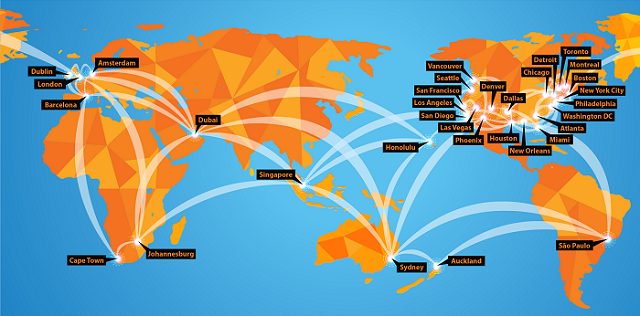
DigiMarCon is the Largest Digital Marketing, Media and Advertising Conference & Exhibition series in the world, with annual events held in all continents (North America, Latin America, Europe, UK, Asia Pacific, Middle East and Africa) in 13 countries (United States, Canada, Australia, New Zealand, United Kingdom, Ireland, Netherlands, Spain, Brazil, Singapore, India, United Arab Emirates and South Africa), across 33 cities (New York, Philadelphia, Boston, Toronto, Vancouver, Montreal, Houston, Dallas, Chicago, Los Angeles, San Francisco, Seattle, Washington DC, New Orleans, Atlanta, Detroit, Miami, Denver, San Diego, Phoenix, Las Vegas, Honolulu, London, Dublin, Amsterdam, Barcelona, Johannesburg, Cape Town, Dubai, Sydney, Auckland, Singapore and Sao Paulo). All DigiMarCon Events can be attended in-person or online. Wherever you are located there is a regional DigiMarCon event nearby you can attend.

DigiMarCon Conferences are held in top luxury 5-star event venues across the world such as; Royal Caribbean Cruise Ships, Olympic Stadiums, Marina Bay Sands Expo & Convention Centre and Wynn, JW Marriott, Marriott Marquis, Hyatt Regency, InterContinental, The Westin, Renaissance, Hilton, Conrad, W, Sheraton, Loews and Sofitel Hotel properties. Discount hotel room rates at each venue hotel means no hassle getting to and from the venue each day.

Building relationships matter! At DigiMarCon Conferences we have more networking breaks on our program than others. On average there are 8 Networking breaks at each event giving delegates ample opportunities in a relaxed atmosphere to meet others over the 2-days at the event; from 1-hour round table networking luncheons to 3-hour dinner receptions. These networking breaks are set in picturesque locations to facilitate memorable experiences while fostering new relationships. Such experiences include enjoying cocktails and the Sunset over the Pacific Ocean on a private Ocean Terrace in Santa Monica, to being on the Sydney Olympic Stadium playing arena at night enjoying cocktails under the lights, to dining at the 360 Revolving Restaurant at the top of the CN Tower in Toronto for a Dinner Reception, enjoying cocktails on a private promenade overlooking Times Square in New York City, or having fun at the Dazzles Night Club onboard the Royal Caribbean Oasis of the Seas for a Farewell Party, etc.

DigiMarCon Keynotes, Panels and Master Classes are facilitated by the foremost thought leaders in the industry, from celebrity social media influencers to CMO’s from the largest Fortune 500 company brands that are disrupting the digital marketing, media and advertising industry, such as Google, Facebook, Microsoft, Amazon, Oracle, Adobe, eBay, Netflix and more. All presentations are pitch-free, and include actionable takeaways, case studies, strategies and tactics, ready to be applied when back in the office.
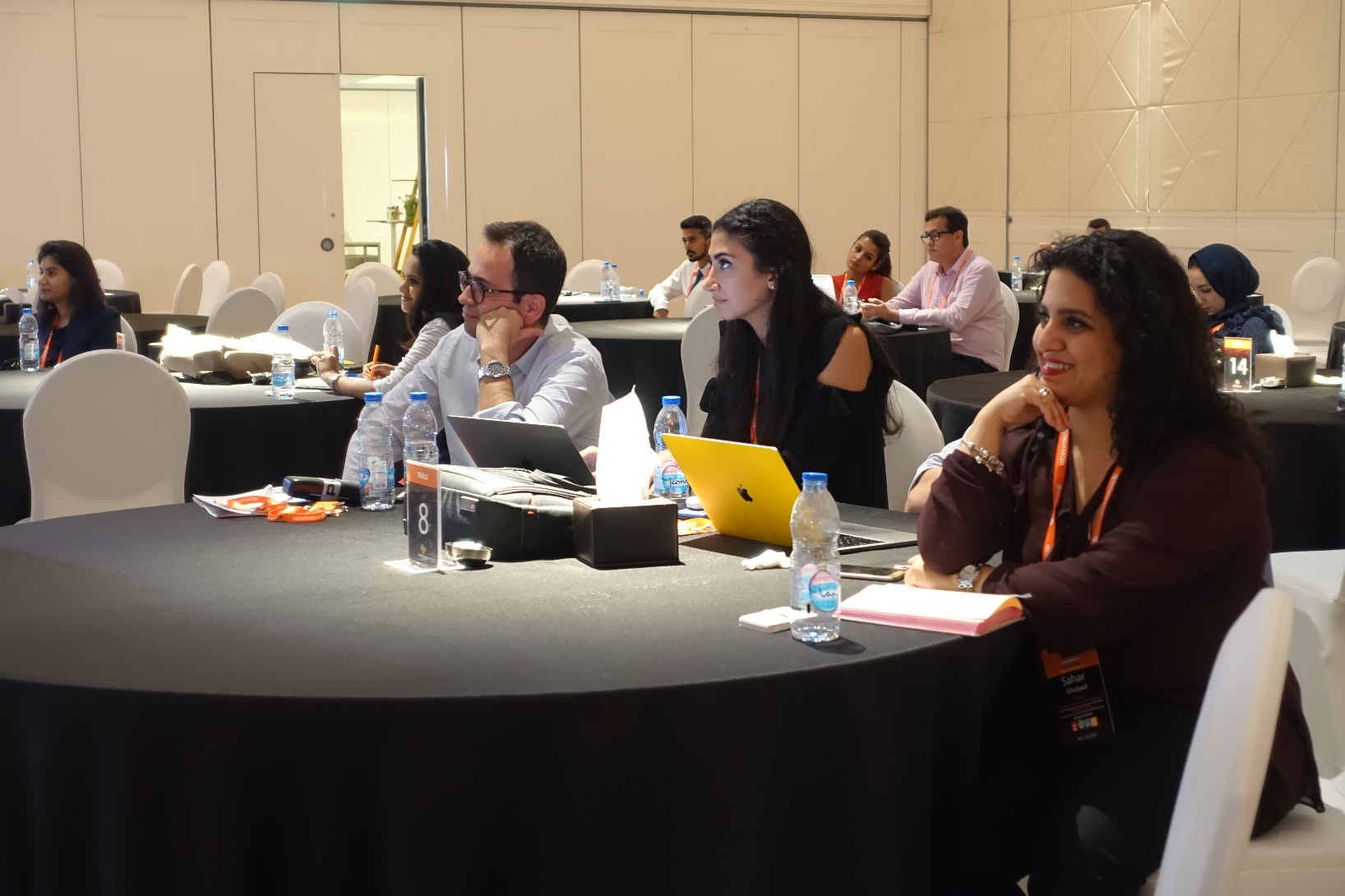
At DigiMarCon Conferences you are never ‘left in the dark’…. literally, in a large room far away from the stage and speakers, crushed in tight theater seating, without even a table, while sitting in the dark. At DigiMarCon all delegates have premium meeting space in luxurious ballroom well-lit spaces, with comfortable seating with table enabling delegates to use their laptop to take notes with ample charging facilities onsite in a comfortable space to learn and thrive. All tables are situated close with direct view of the stage.

DigiMarCon Conferences are affordable to attend, from single-day event passes up to two-day VIP options at a fraction of the cost of other industry events. We offer significant discounts for early bird registrations. Additionally, on top of time-limited discount pass rates, because budgets are tight, we want to make sure all groups have a chance to attend DigiMarCon. For government employees, students, academic, startups, non-profit organizations and teams, we offer generous discounts off the prevailing registration price.

Attend DigiMarCon and you become part of the show! DigiMarCon Conferences tap into the talent of the room, drawing from the knowledge and experience of the professionals in the audience. All DigiMarCon events include regular interactive question and answer sessions with speakers and the audience ideal for collaboration, audience polls, along with ice-breaker and group exercises, steered by charismatic Emcees.

DigiMarCon Conferences put you right up and close with the speakers giving you the opportunity to meet these social media influencers which you follow in person. Speakers are never hidden in private speaker rooms away from the audience, they are in the auditorium sitting right beside you and participating.
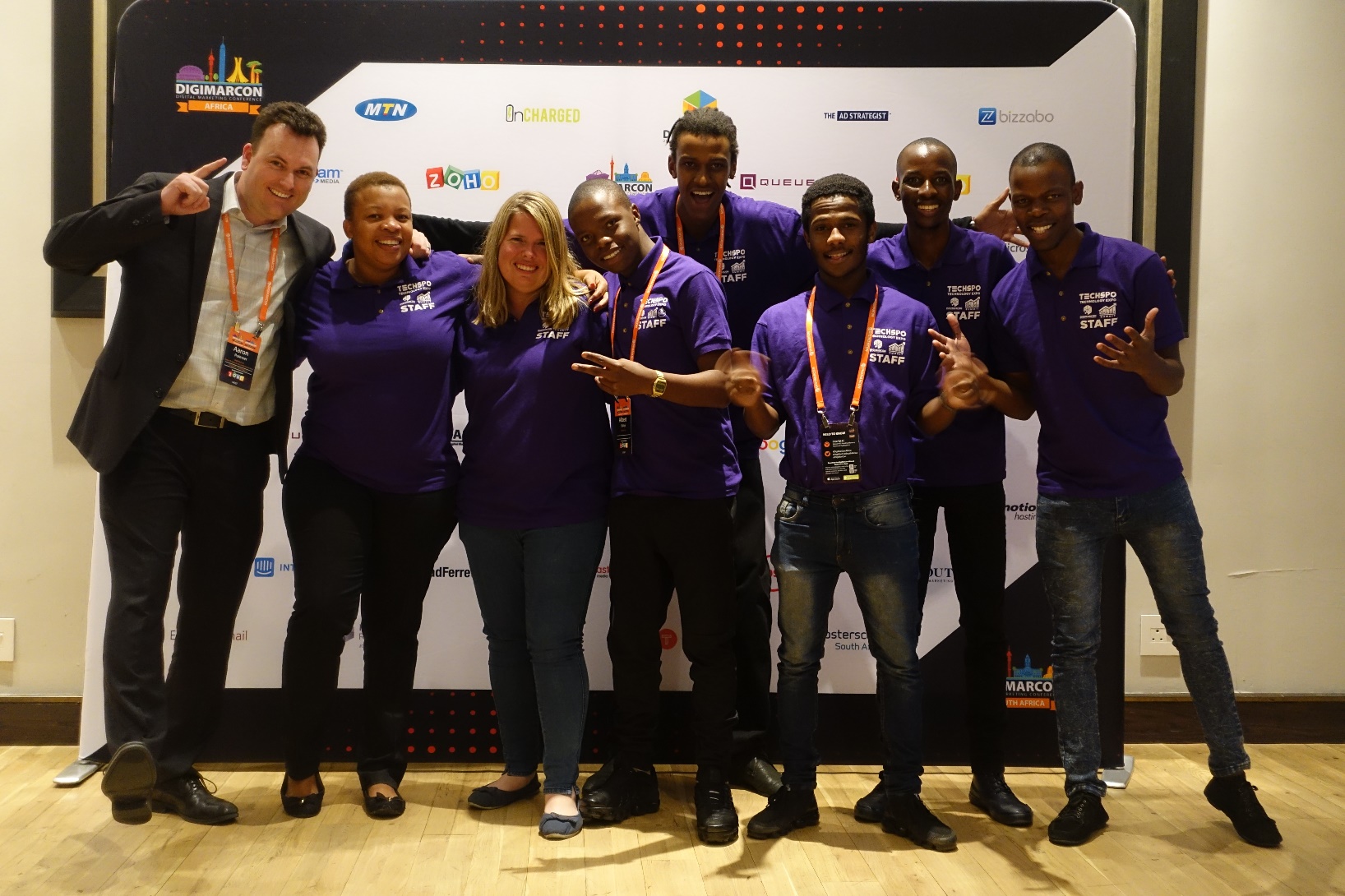
Attending a conference is a well-researched decision. There are many factors to consider such as location, time, venue, cost, speakers, content, etc. At DigiMarCon our results-obsessed Customer Service team are at your service before, during and after the event to help with your needs. It’s at the core of what we do — it drives our business. Offsite, we are ready to assist you via phone, ticket or chat. Onsite at our Conferences, friendly DigiMarCon staff serve as your hosts. They welcome your input and are happy to assist you.

At all DigiMarCon Conferences is the co-located exclusive event TECHSPO Technology Expo, which showcases the new generation of technology and innovation, including; AdTech, MarTech, Internet, Mobile and SaaS technologies. Be inspired, amazed and educated on how these evolving technologies will impact your business for the better. Unlimited Access to TECHSPO Technology Expo is included with all DigiMarCon passes.

DigiMarCon All Access & VIP Passes include a 12-month on demand access to hundreds of hours of DigiMarCon speaker keynotes, panels and master class presentations from recent DigiMarCon Conferences, including videos, slide decks and key takeaways, available on demand so you can watch what you want, when you want.

Attendees of DigiMarcon Conferences gain membership to an exclusive global Digital Marketing, Media and Advertising Community of over 500,000 worldwide subscribers to our award-winning digital marketing blog and over 100,000 members to the International Association of Digital Marketing Professionals (visit https://iadmp.org). This global community comprises of innovators, senior marketers and branders, entrepreneurs, digital executives and professionals, web & mobile strategists, designers and web project managers, business leaders, business developers, agency executives and their teams and anyone else who operates in the digital community who leverage digital, mobile, and social media marketing. We provide updates to the latest whitepapers and industry reports to keep you updated on trends, innovation and best practice digital marketing.

The events industry has forever changed in a world affected by COVID-19. The health and safety of our guests, staff and community is our highest priority and paramount. The team at DigiMarCon is dedicated to ensuring a great experience at our in-person events, and that includes providing a safe, clean and hygienic environment for our delegates. Some of the key areas we have implemented safe and hygienic measures include;

DigiMarCon has always been industry leaders of the Hybrid Event experience for years (a hybrid event combines a "live" in-person event with a "virtual" online component), no one needs to miss out on attending our events. Each DigiMarCon Conference can be attended in-person (with a Main Conference, All Access or VIP Pass) or online (with a Virtual Pass) giving attendees a choice for the experience they want to have. Attending virtually by viewing a Live Stream or On Demand enables participation by people who might be unable to attend physically due to travel or time zone constraints or through a wish to reduce the carbon footprint of the event. If you would like to meet the speakers, network with fellow marketing professionals at refreshment breaks, luncheons and evening receptions, check out the latest Internet, Mobile, AdTech, MarTech and SaaS technologies providers exhibiting then it is highly recommended to attend DigiMarCon in-person. As the largest Digital Marketing, Media and Advertising Conference series with events in 33 international cities worldwide, across 13 countries, there is bound to be a DigiMarCon Event near you to attend in-person if you can.
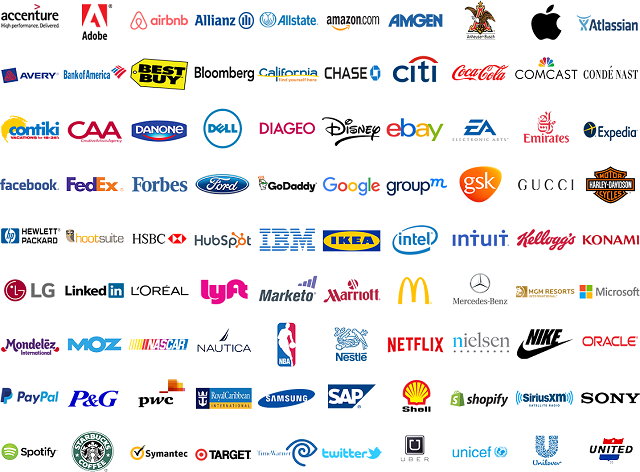
DigiMarCon Conference Series is the annual gathering of the most powerful brands and senior agency executives in your region. The Sharpest Minds And The Most Influential Decision Makers - Together for Two Days.
Who Attends Our Conferences
Brands • Agencies • Solution & Service Providers • Media Owners • Publishers • Entrepreneurs • Start-Ups • Investors • Government • Corporates • Institutes of Higher Learning




Who’s Keeping AI in Check? The Growing Push for Smarter Regulation
Technology is advancing at an incredible pace, leaving businesses in a race to adapt. As new tools emerge, companies across the United States face a complex challenge in managing these powerful systems. Staying ahead requires more than just innovation; it demands a clear understanding of the current landscape.
The sudden rise of advanced chatbots and realistic deepfakes has introduced significant risks to corporate security. These digital threats create a new environment where cyber exposure is a constant concern. Leaders can no longer afford to ignore the impact of these tools on their daily operations.
Proactive oversight is now a vital part of modern corporate strategy. By focusing on AI Ethics & Regulation, firms can protect their assets while fostering trust. Implementing smart ai regulations ensures your organization remains secure in this fast-paced digital era. Embracing these standards is the best way to build a sustainable future for your business.
The Current Landscape of AI Ethics & Regulation
As automated systems become more integrated into our daily lives, the need for clear guidelines has never been more urgent. Policymakers and industry leaders are working together to navigate the complex intersection of rapid innovation and public safety. This ongoing evolution of AI Ethics & Regulation is essential to ensure that new technologies serve the public interest without stifling creativity.
Defining the Scope of Artificial Intelligence Governance
Governance in this sector involves creating rules that manage how machines learn and make decisions. At its core, artificial intelligence ethics focuses on preventing harm while promoting transparency in algorithmic outputs. By establishing clear boundaries, we can better address the unique challenges posed by automated systems that influence everything from finance to healthcare.
Effective governance requires a collaborative approach between technical experts and legal scholars. These frameworks are designed to identify and mitigate risks before they manifest in real-world applications. This proactive stance helps maintain public trust in the digital tools we rely on every day.
Why the United States is Prioritizing Responsible AI Practices
The United States has taken a leading role in fostering responsible ai practices to maintain its competitive edge in the global market. By prioritizing safety, the government aims to create an environment where innovation can flourish securely. This strategy ensures that developers remain accountable for the systems they build and deploy.
Investing in these standards is not just about compliance; it is about building a sustainable future for technology. When companies adopt responsible ai practices, they demonstrate a commitment to fairness and reliability. This dedication ultimately strengthens the entire ecosystem, making it more resilient against failures or biases.
The Role of Federal Agencies in Shaping AI Policy
While Congress debates new laws, federal agencies are already using their existing powers to oversee the rapid growth of machine learning. These organizations are stepping into the void to provide necessary oversight through current mandates. By focusing on consumer safety and technical standards, they are actively shaping the future of ai regulations.
The Federal Trade Commission and Consumer Protection
The Federal Trade Commission (FTC) has emerged as a key player in monitoring how companies deploy automated tools. They are strictly enforcing rules against deceptive or unfair business practices that involve algorithmic decision-making. If a company uses software that discriminates against users, the FTC is prepared to take legal action.
This approach ensures that businesses remain accountable for the outcomes of their digital products. By treating algorithmic harm as a form of consumer fraud, the agency provides a strong layer of protection. These ai regulations help maintain trust in the digital marketplace for all Americans.
The National Institute of Standards and Technology AI Risk Management Framework
The National Institute of Standards and Technology (NIST) takes a different, more technical approach to governance. They have developed a AI Risk Management Framework to help organizations identify and mitigate dangers. This voluntary guide encourages developers to prioritize safety, security, and fairness during the design phase.
By providing a standardized language for risk, NIST helps companies build more reliable systems. These guidelines serve as a foundational blueprint for industry best practices across the country. As more firms adopt these standards, the overall landscape of ai regulations becomes more robust and effective at preventing systemic failures.
Legislative Efforts and the Path to Federal Law
Technology’s rapid advancement puts immense pressure on Congress to establish regulations for ai development. Lawmakers face a daunting task to create federal oversight that safeguards citizens while fostering innovation. Recent judicial decisions on insurance liability have heightened the urgency of these legislative efforts.
Analyzing Proposed Bills in Congress
Several bills are being reviewed in committees, aiming to set limits on machine learning and automated decision-making. These proposals often include transparency requirements and mandatory safety tests for high-risk systems. Congress aims to create a clear legal framework for tech companies and startups through these regulations for ai development.
The legislative process is slow, as Congress grapples with the technical aspects of generative models. Many bills stress the importance of accountability in algorithmic design to prevent harm. This shift from voluntary standards to enforceable federal mandates is significant.
The Challenges of Bipartisan Consensus on Technology
Reaching a unified stance on technology policy is challenging in today’s political landscape. While there’s a consensus on the need for oversight, disagreements arise over the scope of regulations for ai development. Industry lobbyists warn that strict rules could harm American competitiveness globally.
On the other hand, advocates for public safety demand stronger protections against bias and data privacy breaches. The debate is complicated by legal precedents that hold companies accountable for their autonomous systems’ actions. Finding a balance that satisfies both corporate interests and public safety is the main challenge for lawmakers.
Corporate Responsibility and Self-Regulation
The private sector is taking the lead in setting its own AI rules, beyond government mandates. Many companies see the importance of public trust for their success. They establish ethical guidelines for artificial intelligence internally. This shows their commitment to safety and fairness, even before laws are set.
Voluntary Commitments from Industry Leaders
Big tech names like Microsoft, Google, and OpenAI have made public promises to guide their AI development. They focus on transparency, data privacy, and avoiding biases. Industry leaders believe that taking action early can shape the responsible innovation conversation.
These voluntary guidelines help teams assess risks in new models. Companies aim to create a culture of accountability. This way, they can adapt to tech changes faster than laws can.
The Limitations of Industry-Led Ethical AI Guidelines
Yet, critics point out that self-regulation has its limits. A big issue is the absence of independent enforcement mechanisms. Without legal penalties, these ethical ai guidelines might not be followed.
Profit goals can also clash with the need for thorough safety testing. Relying only on corporate good intentions is not enough to safeguard the public. Experts say that corporate accountability should work alongside government oversight for a secure digital future.
Addressing Bias and Fairness in Algorithmic Systems
In the realm of artificial intelligence ethics, we must confront the hidden biases leading to unfair outcomes. Developers and engineers strive to ensure software treats all users equally and accurately. By focusing on fairness, companies can create systems that benefit everyone.
Identifying Sources of Algorithmic Discrimination
Bias often starts before the code is written. It often comes from historical data sets that mirror societal prejudices. If training data is incomplete or biased, the model will learn and amplify these flaws.
Another significant source of discrimination is proxy variables. Even without direct data on race or gender, algorithms might infer these through zip codes or shopping habits. Following strict ethical ai guidelines helps teams detect these subtle biases before they cause harm.
Implementing Audits for Equitable AI Outcomes
Organizations must go beyond simple testing and adopt thorough auditing processes. A comprehensive audit checks the model against diverse data sets to ensure fairness across demographics. This proactive method prevents any group from being unfairly disadvantaged by automated decisions.
Companies should also invite independent third-party reviewers to examine their systems. Transparency is key in modern artificial intelligence ethics, fostering accountability. By documenting every development step, teams demonstrate their dedication to fairness and continually improve their ethical ai guidelines as technology advances.
Transparency and the Black Box Problem
The rapid growth of complex machine learning models has highlighted the black box problem. In this context, the inner workings of advanced systems are opaque to users and developers. This opacity hinders understanding why a particular output was produced.
Without insight into these processes, pinpointing errors or biases is nearly impossible. It’s vital to establish ethical guidelines for artificial intelligence to ensure these systems are trustworthy and equitable. By unveiling these hidden layers, we can build more confidence in automated technologies.
The Demand for Explainable Artificial Intelligence
The push for Explainable Artificial Intelligence, or XAI, is gaining momentum. This field aims to develop models that offer clear explanations for their decisions. The core objective is transparency, enabling stakeholders to effectively evaluate automated outputs.
By focusing on explainability, developers can streamline debugging and enhance system performance. Adhering to robust ethical guidelines for artificial intelligence enables organizations to standardize reporting. This approach ensures technology benefits society, not just corporations.
Balancing Proprietary Interests with Public Accountability
There’s a significant conflict between safeguarding corporate secrets and the public’s right to technological transparency. Companies often fear that disclosing their algorithms could harm their competitive edge. Yet, public accountability necessitates that critical systems are open to scrutiny.
Striking a balance is essential for future technological advancements. Regulators are exploring ways to safeguard intellectual property while ensuring critical systems are transparent. This delicate equilibrium will shape the future of responsible technology in the United States.
International Cooperation and Global Standards
Artificial intelligence transcends borders, necessitating global cooperation for effective oversight. The digital realm’s global reach highlights the need for unified regulations. This is the only way to ensure innovation is both safe and consistent globally.
Aligning United States Policy with Global AI Governance Principles
The United States is striving to align its domestic regulations with international standards. Through global forums, American leaders aim to foster interoperability. This enables systems to communicate securely, supporting the practical application of ai governance principles.
Common standards facilitate risk tracking and data sharing on emerging threats. Such unity is critical for maintaining public trust in AI systems. Global alignment safeguards American interests while promoting technological advancement.
The Impact of the European Union AI Act on American Markets
The European Union AI Act has introduced stringent rules for tech companies. This has prompted many American firms to reassess their global strategies. The high standards set by the EU act are now a benchmark for data privacy and algorithmic transparency.
Adapting to these standards is a challenge but also an opportunity to enhance product quality. Companies that adopt these ai governance principles early are better positioned for future regulations. The EU act’s influence is driving the tech industry toward greater accountability and transparency.
The Human Element in AI Oversight
As machines gain autonomy, human oversight becomes more critical. Software can process data quickly, but it lacks the moral compass for complex decisions. Ensuring responsible ai practices is key to making sure technology benefits society, not harms it.
Ensuring Human-in-the-Loop Systems
The “human-in-the-loop” architecture is vital for safety today. It requires a person to check high-stakes outputs, mitigating the risk of algorithmic errors. This ensures accountability remains with humans, a fundamental aspect of ai governance principles.
Systems without oversight often face unexpected challenges. Human review adds context that machines can’t provide. This collaboration between human insight and machine power builds trust in digital tools.
Training the Next Generation of AI Ethicists
To advance, we must invest in those who design and monitor AI systems. Universities and professional groups are launching programs to train AI ethicists. These experts will apply ai governance principles in daily work.
Education must include more than coding skills. It should cover philosophy, law, and sociology. This prepares future leaders to tackle tomorrow’s ethical challenges. A workforce that understands the impact of their decisions is essential for responsible ai practices.
Preparing for Future Technological Shifts
To future-proof our society, we must grasp how new technologies will change our world. Innovation’s rapid pace highlights the need for proactive policies. Effective regulations for AI development are vital to safely use these tools and reduce risks.
Regulating Generative AI and Large Language Models
Generative AI and large language models mark a significant advancement in machine learning. They can generate content, code, and even mimic human speech with startling accuracy. This raises critical concerns about data privacy and intellectual property rights.
Policy makers must craft adaptable frameworks to keep pace with these rapid advancements. Static rules are insufficient when technology evolves every few months. Emphasizing transparent data practices is key to building trust in these powerful tools.
Anticipating the Risks of Autonomous Systems
Looking ahead, we face the emergence of fully autonomous systems. These systems operate with minimal human oversight, raising significant safety issues. It’s imperative to establish strong regulations for AI development to mitigate risks in sectors like transportation and healthcare.
Human-centric design should be our priority to maintain control over these systems. Anticipating risks now will guide us toward a safer digital future. Preparation is the key to ensuring innovation benefits society without undermining our values.
Conclusion
The rapid evolution of machine learning demands a thoughtful approach to oversight. We must balance the drive for innovation with the necessity of public safety. This ensures technology serves everyone effectively.
Achieving this goal requires deep cooperation between federal agencies like the Federal Trade Commission and private industry leaders. Microsoft and Google are key players in this effort. These partnerships help establish clear standards that protect users while encouraging growth. Shared responsibility remains the most effective way to manage the risks associated with powerful new tools.
Transparency and accountability serve as the foundation for trust in digital systems. By prioritizing these values, we can navigate the complexities of the modern era with confidence. Open dialogue between policymakers, developers, and the public will shape a safer landscape for all.
Your voice matters in this ongoing conversation about the future of technology. Stay informed about new developments and engage with the organizations working to keep our digital world secure. Together, we can build a framework that supports progress while protecting our collective interests.
FAQ
Why is there a sudden, urgent focus on ai ethics & regulation in the United States?
How are federal agencies currently enforcing ai regulations without a specific federal AI law?
What are the primary hurdles Congress faces in passing comprehensive regulations for ai development?
Can companies rely solely on voluntary commitments and self-regulation?
How can organizations identify and mitigate bias in their algorithmic systems?
What is the “black box” problem, and why is transparency so important?
How does the European Union AI Act affect American businesses?
What does “human-in-the-loop” mean in the context of AI oversight?
What are the future risks associated with generative AI and Large Language Models (LLMs)?