 View Upcoming Digital Marketing, Media and Advertising Conferences & Exhibitions
 Phone:
Posts Tagged "Conversion Rate"



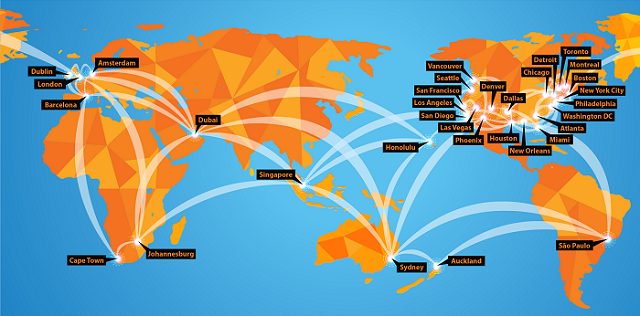
DigiMarCon is the Largest Digital Marketing, Media and Advertising Conference & Exhibition series in the world, with annual events held in all continents (North America, Latin America, Europe, UK, Asia Pacific, Middle East and Africa) in 13 countries (United States, Canada, Australia, New Zealand, United Kingdom, Ireland, Netherlands, Spain, Brazil, Singapore, India, United Arab Emirates and South Africa), across 33 cities (New York, Philadelphia, Boston, Toronto, Vancouver, Montreal, Houston, Dallas, Chicago, Los Angeles, San Francisco, Seattle, Washington DC, New Orleans, Atlanta, Detroit, Miami, Denver, San Diego, Phoenix, Las Vegas, Honolulu, London, Dublin, Amsterdam, Barcelona, Johannesburg, Cape Town, Dubai, Sydney, Auckland, Singapore and Sao Paulo). All DigiMarCon Events can be attended in-person or online. Wherever you are located there is a regional DigiMarCon event nearby you can attend.

DigiMarCon Conferences are held in top luxury 5-star event venues across the world such as; Royal Caribbean Cruise Ships, Olympic Stadiums, Marina Bay Sands Expo & Convention Centre and Wynn, JW Marriott, Marriott Marquis, Hyatt Regency, InterContinental, The Westin, Renaissance, Hilton, Conrad, W, Sheraton, Loews and Sofitel Hotel properties. Discount hotel room rates at each venue hotel means no hassle getting to and from the venue each day.

Building relationships matter! At DigiMarCon Conferences we have more networking breaks on our program than others. On average there are 8 Networking breaks at each event giving delegates ample opportunities in a relaxed atmosphere to meet others over the 2-days at the event; from 1-hour round table networking luncheons to 3-hour dinner receptions. These networking breaks are set in picturesque locations to facilitate memorable experiences while fostering new relationships. Such experiences include enjoying cocktails and the Sunset over the Pacific Ocean on a private Ocean Terrace in Santa Monica, to being on the Sydney Olympic Stadium playing arena at night enjoying cocktails under the lights, to dining at the 360 Revolving Restaurant at the top of the CN Tower in Toronto for a Dinner Reception, enjoying cocktails on a private promenade overlooking Times Square in New York City, or having fun at the Dazzles Night Club onboard the Royal Caribbean Oasis of the Seas for a Farewell Party, etc.
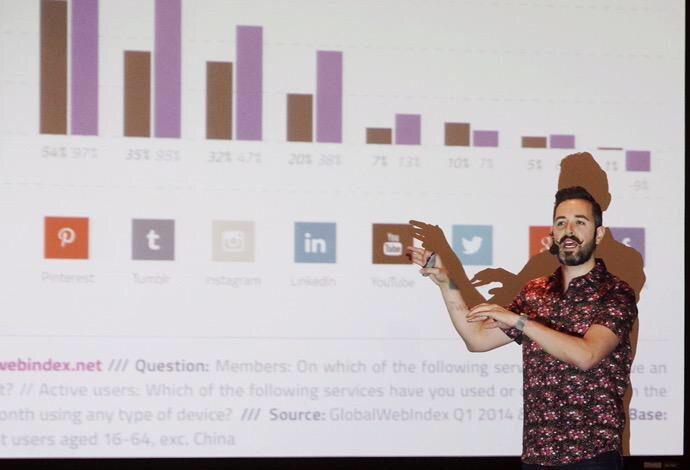
DigiMarCon Keynotes, Panels and Master Classes are facilitated by the foremost thought leaders in the industry, from celebrity social media influencers to CMO’s from the largest Fortune 500 company brands that are disrupting the digital marketing, media and advertising industry, such as Google, Facebook, Microsoft, Amazon, Oracle, Adobe, eBay, Netflix and more. All presentations are pitch-free, and include actionable takeaways, case studies, strategies and tactics, ready to be applied when back in the office.

At DigiMarCon Conferences you are never ‘left in the dark’…. literally, in a large room far away from the stage and speakers, crushed in tight theater seating, without even a table, while sitting in the dark. At DigiMarCon all delegates have premium meeting space in luxurious ballroom well-lit spaces, with comfortable seating with table enabling delegates to use their laptop to take notes with ample charging facilities onsite in a comfortable space to learn and thrive. All tables are situated close with direct view of the stage.

DigiMarCon Conferences are affordable to attend, from single-day event passes up to two-day VIP options at a fraction of the cost of other industry events. We offer significant discounts for early bird registrations. Additionally, on top of time-limited discount pass rates, because budgets are tight, we want to make sure all groups have a chance to attend DigiMarCon. For government employees, students, academic, startups, non-profit organizations and teams, we offer generous discounts off the prevailing registration price.

Attend DigiMarCon and you become part of the show! DigiMarCon Conferences tap into the talent of the room, drawing from the knowledge and experience of the professionals in the audience. All DigiMarCon events include regular interactive question and answer sessions with speakers and the audience ideal for collaboration, audience polls, along with ice-breaker and group exercises, steered by charismatic Emcees.

DigiMarCon Conferences put you right up and close with the speakers giving you the opportunity to meet these social media influencers which you follow in person. Speakers are never hidden in private speaker rooms away from the audience, they are in the auditorium sitting right beside you and participating.
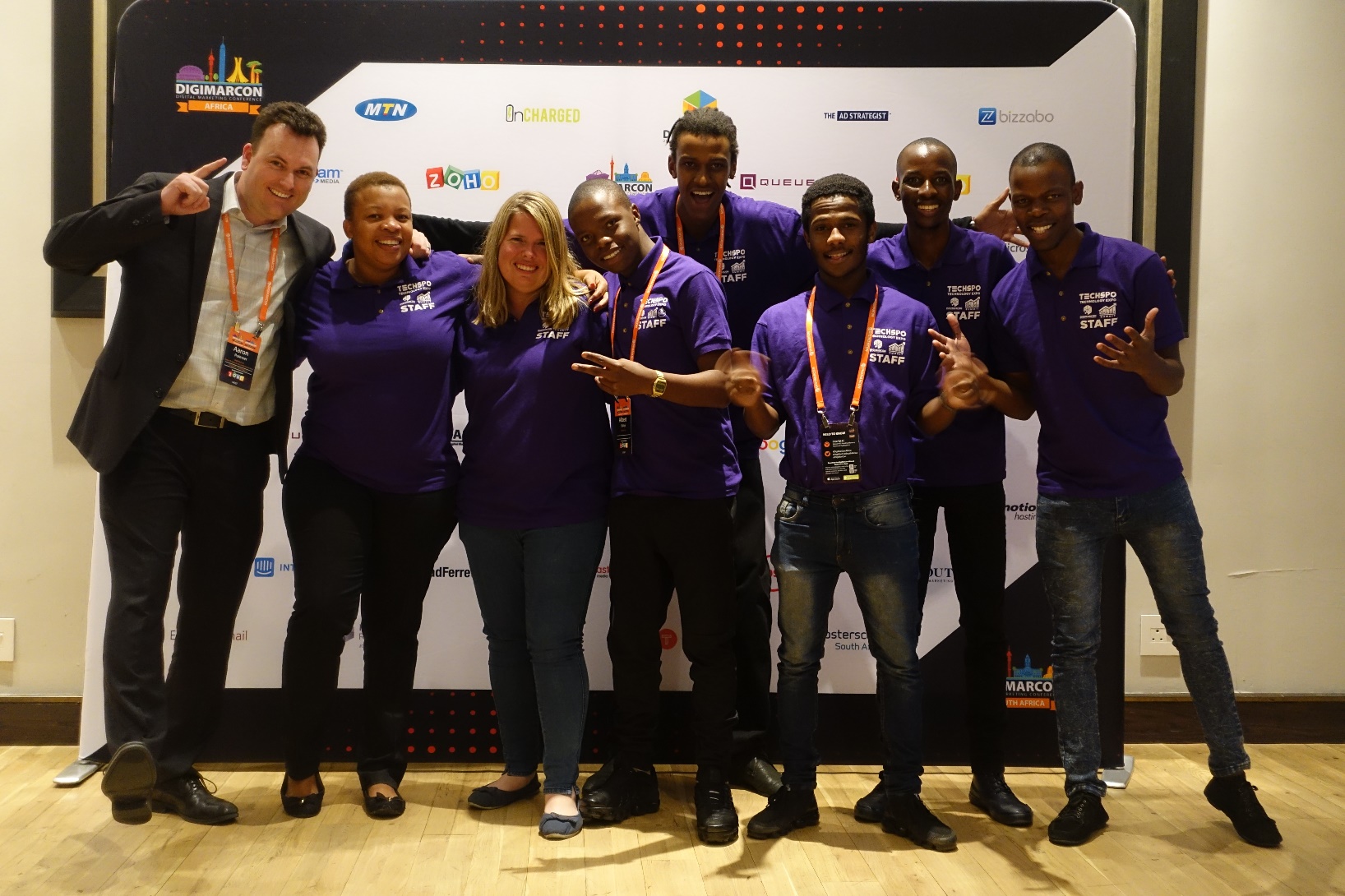
Attending a conference is a well-researched decision. There are many factors to consider such as location, time, venue, cost, speakers, content, etc. At DigiMarCon our results-obsessed Customer Service team are at your service before, during and after the event to help with your needs. It’s at the core of what we do — it drives our business. Offsite, we are ready to assist you via phone, ticket or chat. Onsite at our Conferences, friendly DigiMarCon staff serve as your hosts. They welcome your input and are happy to assist you.

At all DigiMarCon Conferences is the co-located exclusive event TECHSPO Technology Expo, which showcases the new generation of technology and innovation, including; AdTech, MarTech, Internet, Mobile and SaaS technologies. Be inspired, amazed and educated on how these evolving technologies will impact your business for the better. Unlimited Access to TECHSPO Technology Expo is included with all DigiMarCon passes.
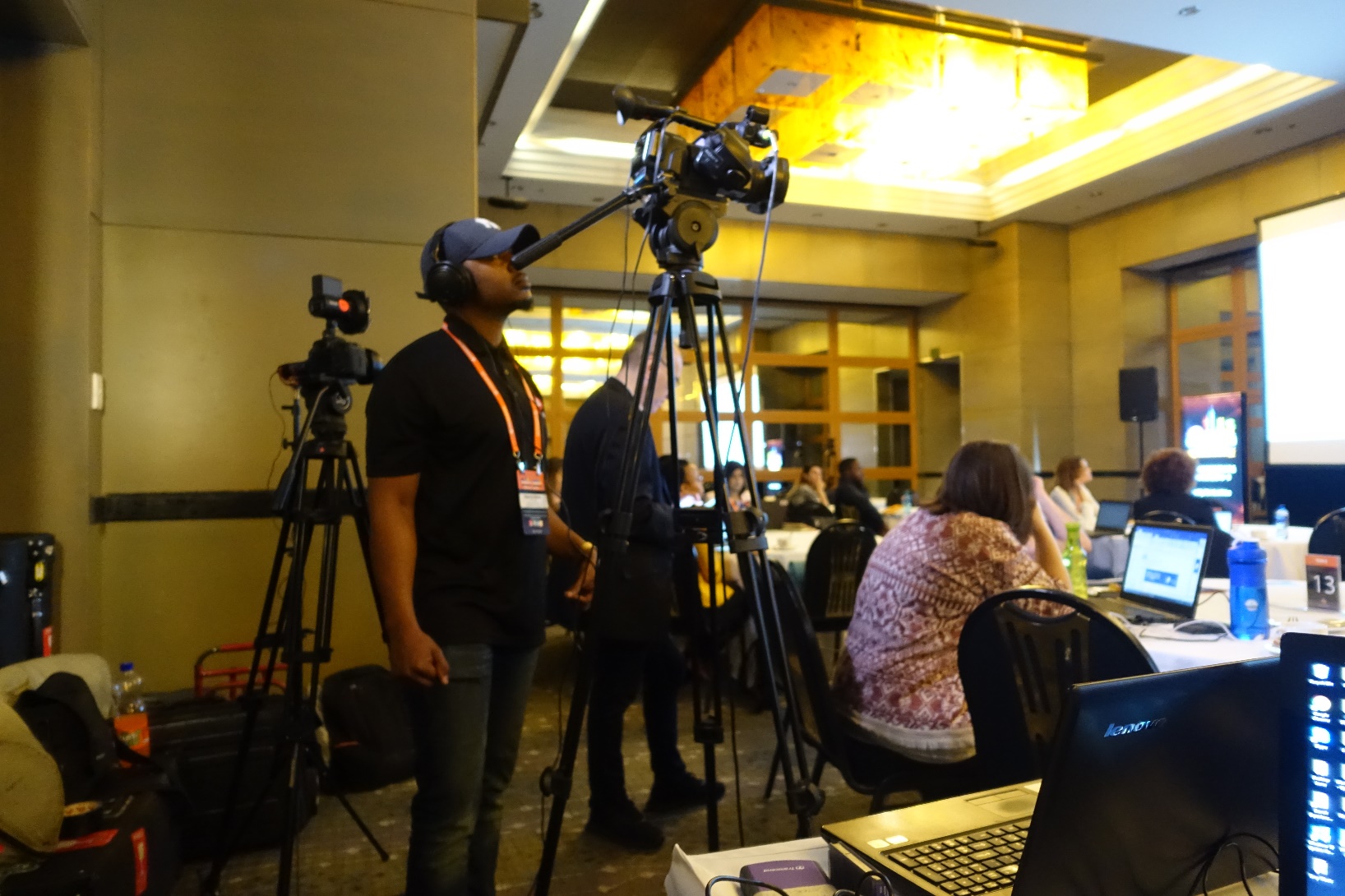
DigiMarCon All Access & VIP Passes include a 12-month on demand access to hundreds of hours of DigiMarCon speaker keynotes, panels and master class presentations from recent DigiMarCon Conferences, including videos, slide decks and key takeaways, available on demand so you can watch what you want, when you want.
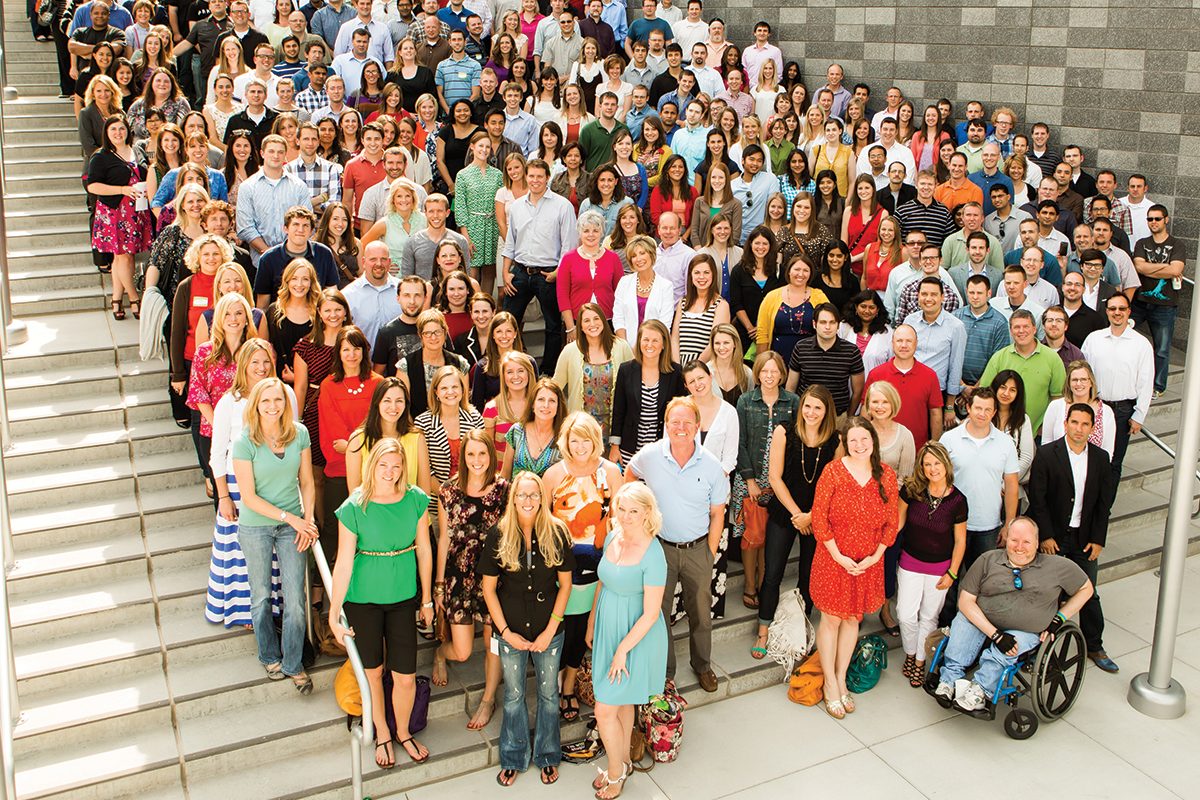
Attendees of DigiMarcon Conferences gain membership to an exclusive global Digital Marketing, Media and Advertising Community of over 500,000 worldwide subscribers to our award-winning digital marketing blog and over 100,000 members to the International Association of Digital Marketing Professionals (visit https://iadmp.org). This global community comprises of innovators, senior marketers and branders, entrepreneurs, digital executives and professionals, web & mobile strategists, designers and web project managers, business leaders, business developers, agency executives and their teams and anyone else who operates in the digital community who leverage digital, mobile, and social media marketing. We provide updates to the latest whitepapers and industry reports to keep you updated on trends, innovation and best practice digital marketing.

The events industry has forever changed in a world affected by COVID-19. The health and safety of our guests, staff and community is our highest priority and paramount. The team at DigiMarCon is dedicated to ensuring a great experience at our in-person events, and that includes providing a safe, clean and hygienic environment for our delegates. Some of the key areas we have implemented safe and hygienic measures include;

DigiMarCon has always been industry leaders of the Hybrid Event experience for years (a hybrid event combines a "live" in-person event with a "virtual" online component), no one needs to miss out on attending our events. Each DigiMarCon Conference can be attended in-person (with a Main Conference, All Access or VIP Pass) or online (with a Virtual Pass) giving attendees a choice for the experience they want to have. Attending virtually by viewing a Live Stream or On Demand enables participation by people who might be unable to attend physically due to travel or time zone constraints or through a wish to reduce the carbon footprint of the event. If you would like to meet the speakers, network with fellow marketing professionals at refreshment breaks, luncheons and evening receptions, check out the latest Internet, Mobile, AdTech, MarTech and SaaS technologies providers exhibiting then it is highly recommended to attend DigiMarCon in-person. As the largest Digital Marketing, Media and Advertising Conference series with events in 33 international cities worldwide, across 13 countries, there is bound to be a DigiMarCon Event near you to attend in-person if you can.
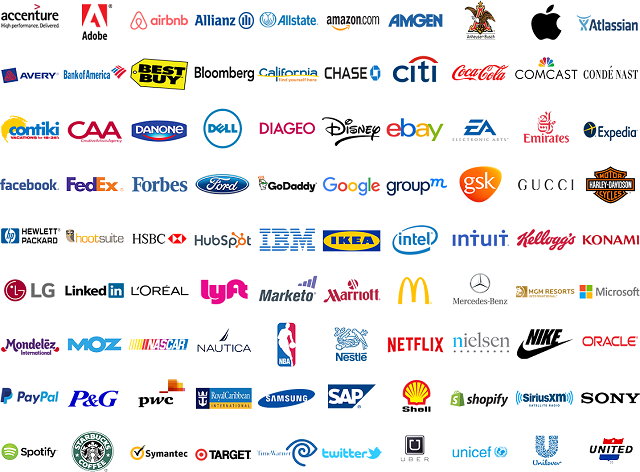
DigiMarCon Conference Series is the annual gathering of the most powerful brands and senior agency executives in your region. The Sharpest Minds And The Most Influential Decision Makers - Together for Two Days.
Who Attends Our Conferences
Brands • Agencies • Solution & Service Providers • Media Owners • Publishers • Entrepreneurs • Start-Ups • Investors • Government • Corporates • Institutes of Higher Learning




The Marketing Metrics Every CMO Is Watching in 2026
The landscape of leadership is undergoing a significant transformation as we enter 2026. Executives now face unprecedented pressure to demonstrate value. This shift has made your role not just about creative vision but also about managing capital effectively. You must balance innovative ideas with the need for tangible data.
The once-separate realms of creativity and operational discipline now converge. They work together to foster sustainable growth. Modern leaders recognize that each campaign is a stepping stone toward lasting business success.
In today’s economic environment, Marketing ROI has become the key metric for evaluating strategies. It offers the clarity needed to defend your budget and show your impact to the board. By mastering these critical metrics, you turn uncertainty into a clear path forward. It’s time to accept this new reality and guide your team toward measurable success.
The Evolution of Marketing Measurement in the AI Era
Artificial intelligence has rapidly become a cornerstone in marketing, transforming from a niche interest to a core operational muscle for top-performing teams. This evolution has moved marketing from manual reporting to automated, intelligent systems that analyze data in real-time. This shift is a significant departure from the past.
Shifting from Descriptive to Predictive Analytics
Marketing measurement has traditionally relied on descriptive analytics, focusing solely on what happened in the past. While past data is valuable, today’s leaders prioritize predictive models to forecast future outcomes. Machine learning helps uncover patterns that human analysts might miss.
This shift enables organizations to transition from reactive adjustments to proactive strategies. Predictive analytics offers a clearer view of future market trends, allowing for more precise resource allocation. The benefits include:
The Role of Generative AI in Data Synthesis
Generative AI has revolutionized how marketing teams handle vast, fragmented datasets. Previously, integrating data from various sources was a labor-intensive task. Now, generative models can quickly process, clean, and interpret complex data, providing actionable insights instantly.
This advancement allows marketers to make decisions based on a complete understanding of the customer journey. By automating data synthesis, teams can concentrate on creative strategy, not data entry. Data-driven decision-making is now the standard for brands aiming to stay competitive in the digital landscape.
Mastering Marketing ROI in a Fragmented Digital Landscape
CMOs today face the daunting task of proving value in an increasingly fragmented market. Recent industry data shows that many leaders struggle with budget, integration, and talent constraints, often reporting performance results below 5 on a 7-point scale. Navigating this complexity requires a shift in how organizations view their financial output.
Refining the Formula for Calculating Marketing ROI
To move beyond vanity metrics, companies must adopt a more rigorous approach to calculating marketing roi. Relying solely on click-through rates or impressions often masks the true business impact of a campaign. Instead, leaders should integrate customer acquisition costs with long-term revenue data.
Effective measurement requires a focus on the following core components:
Strategies for Better Marketing ROI Through Automation
Automation serves as a vital bridge for teams facing limited bandwidth. By leveraging machine learning, brands can optimize ad spend in real-time, which is one of the most effective strategies for better marketing roi. These tools reduce manual errors and allow staff to focus on high-level creative tasks.
When you automate routine data collection, you gain the agility needed to pivot during market shifts. This technological leverage ensures that every dollar spent is tracked against actual performance outcomes. Firms can improve marketing roi by eliminating underperforming channels before they drain the budget.
Enhancing Marketing ROI via Cross-Channel Synergy
A siloed approach to measurement often leads to fragmented insights and wasted resources. True Marketing ROI is only visible when you analyze the customer journey across all platforms simultaneously. By connecting social, search, and email data, you create a unified view of the return on investment in marketing.
Cross-channel synergy allows for a more accurate assessment of how different touchpoints influence a single conversion. This holistic perspective helps teams improve marketing roi by identifying which channels support the broader ecosystem. Ultimately, calculating marketing roi becomes a strategic exercise in understanding how each piece of the puzzle contributes to the bottom line.
Customer Lifetime Value as the North Star Metric
In today’s digital economy, Customer Lifetime Value (CLV) stands as the guiding light for sustainable growth. Despite the focus on acquiring new users, retention budgets are woefully underfunded. This imbalance is striking, given that retention efforts outperform acquisition in the long run.
By focusing on CLV, leadership teams can prioritize the health of their existing customer base. This understanding enables brands to allocate resources more effectively. It’s a critical strategy for enhancing marketing roi in a fiercely competitive market.
Segmenting High-Value Audiences for Long-Term Growth
Not all customers are created equal in terms of their financial contribution. Effective segmentation is key to a successful growth strategy. Identifying and catering to high-value cohorts can foster deeper loyalty.
The Impact of Retention on Sustainable Profitability
Retention is often overlooked as a key to financial stability. Focusing on keeping customers engaged reduces service costs while increasing lifetime value. This creates a compounding effect on profitability, surpassing what acquisition alone can achieve.
Turning one-time buyers into brand advocates is essential for sustainable growth. By prioritizing retention, businesses can reduce their reliance on expensive paid media. This shift is vital for measuring marketing roi across the entire customer lifecycle.
Measuring Marketing ROI Through the Lens of CLV
Traditional metrics often fall short in capturing campaign success. Viewing performance through CLV provides a clearer view of long-term brand health. This perspective justifies investing in retention initiatives that yield lasting value.
Marketing ROI is not solely about immediate returns from ad spend. It encompasses the cumulative value from every customer interaction. Aligning your strategy with CLV positions you for enhancing marketing roi and long-term profitability.
Attribution Modeling Beyond the Last-Click Paradigm
Using last-click attribution is akin to viewing a map through a narrow keyhole. It overlooks the complex journey a customer undertakes before making a purchase. As the digital world evolves, measuring marketing ROI demands a more complete understanding of each interaction.
Today, 46% of shoppers frequently use AI during their shopping experiences. This change shows how technology impacts the path to purchase, long before the final click. Brands that don’t update their tracking methods risk overlooking the true drivers of their growth.
Implementing Multi-Touch Attribution Models
Multi-touch attribution (MTA) models assign value to various touchpoints in the customer journey. This approach provides a clearer view of effective channels. Enhancing marketing ROI begins with recognizing the value of early-stage awareness campaigns.
To effectively implement these models, teams should focus on several key steps:
Addressing Data Gaps in a Cookie-Less Environment
The decline of third-party cookies poses significant challenges for traditional tracking. Privacy-focused browsing habits lead to fragmented or incomplete data. Marketers must shift to first-party data strategies to maintain accuracy.
Marketing ROI analysis now heavily relies on server-side tracking and probabilistic modeling. These methods help address data gaps left by missing cookies. By focusing on direct customer relationships, brands can maintain visibility in a privacy-first era.
Leveraging Marketing ROI Analysis for Budget Reallocation
With a clear view of performance, you can make informed financial decisions. Measuring marketing ROI is about taking action, not just reporting. When a channel underperforms, you can redirect funds to more impactful areas.
Enhancing marketing ROI demands a culture of agility and continuous optimization. By using marketing roi analysis to guide budget shifts, CMOs ensure every dollar spent boosts long-term profitability. This data-driven strategy transforms your marketing budget into a powerful engine for sustainable growth.
Measuring Brand Equity in an Automated World
Brand equity is the unseen force driving long-term growth in today’s automated market. Digital tools focus on quick actions, yet a brand’s perceived value is key to its resilience. CMOs must now connect automated data with the emotional aspects of brand loyalty.
Tracking Sentiment and Share of Voice
Modern tools for sentiment analysis allow companies to monitor public opinion in real-time worldwide. By analyzing social conversation tones, brands can spot trust shifts early. Share of voice is vital, showing a brand’s market dominance over competitors.
Take Netflix, for example, which hit 300 million paid subscribers in 2025 and made $39 billion. Its success isn’t just from algorithms but from sustained brand equity. By tracking audience discussions, Netflix keeps its lead in a crowded field.
The Correlation Between Brand Health and Conversion Rates
Brand health is deeply linked to conversion rates. When consumers trust a brand, they’re more likely to choose it over others. Strong brand health reduces the digital friction that causes cart abandonment.
Automated systems might boost short-term clicks but miss the long-term value of brand loyalty. Companies focusing on brand perception alongside performance metrics see steady revenue growth. Investing in brand equity keeps conversion rates high, even when costs or market conditions change.
The Rise of Privacy-Centric Engagement Metrics
Digital regulations are tightening, changing how brands measure engagement. Marketing leaders are now focusing on user consent and transparency. This shift is not just a legal response but a strategic move to build long-term brand loyalty in a skeptical market.
Balancing Personalization with Data Compliance
Creating personalized experiences while following strict data privacy laws is a challenge for today’s businesses. Industry data shows that 80% of shoppers expect to rely on AI more in the future for their shopping experiences. Brands must use AI to add value without being intrusive.
To find this balance, companies are adopting privacy-by-design frameworks. These frameworks ensure data collection is purposeful and only what’s needed for the user experience. By focusing on ethical data usage, companies can keep personalization high while staying compliant with global standards.
Zero-Party Data as a Key Performance Indicator
With the loss of third-party cookies, zero-party data has become essential for measuring marketing success. This data is shared by users intentionally, like through preference centers or surveys. It’s a highly reliable indicator of consumer intent because it comes directly from the user.
Using zero-party data as a primary KPI helps teams understand their audience better. It moves from guessing user needs to directly understanding them. This approach boosts conversion rates and builds foundational trust between the brand and the consumer.
Content Performance and Semantic Authority Tracking
To dominate the market, a strategic shift towards semantic authority and user engagement is essential. Gone are the days when success was measured solely by traffic. Today, it’s about how well content meets the needs of the audience.
This change marks a significant shift in valuing digital assets. By focusing on information quality, brands can become trusted leaders. Each piece of content must fulfill a purpose in the customer’s journey.
Evaluating Content Impact on Search Intent
Search engines now excel at identifying valuable content. Marketers must align their content with search intent. This means moving from keyword-focused tactics to topic-based clusters.
Content that directly answers user queries builds trust and authority. Semantic authority is gained by consistently providing relevant and accurate information. This approach helps search algorithms recognize a brand’s expertise, boosting visibility in search results.
Measuring Engagement Beyond Vanity Metrics
Many teams focus on page views or clicks, which are vanity metrics. These numbers don’t fully capture how a brand connects with its audience. True success is measured by time on page, scroll depth, and interaction rates.
New Balance is a prime example, doubling its global sales to $9.2 billion in 2025. Its success wasn’t just about traffic. It was about creating a deep connection with consumers through quality, intent-driven content. This connection led to significant revenue growth.
To achieve similar success, marketers should focus on metrics that show real interest. Tracking user interactions helps optimize content and allocate resources more effectively. Data-driven content strategies are vital for staying competitive in a crowded digital space.
Omnichannel Conversion Velocity and Friction Analysis
Conversion velocity shows how well your brand captures interest immediately. With attention spans dwindling, the speed from awareness to purchase is key. Brands that miss this pace lose revenue to competitors with smoother experiences.
Today, every interaction is a race. Analyzing action-to-action times reveals your Marketing ROI. This data lets teams adjust quickly to sales funnel slowdowns.
Identifying Bottlenecks in the Customer Journey
Bottlenecks often hide in platform transitions. FIFA, for example, partnered with YouTube and TikTok for real-time content. This strategy cuts down steps to engage with the brand, reducing journey friction.
To find these obstacles, regularly audit your cross-channel paths. Look for high drop-off rates, like on mobile checkout pages or social media links. Identifying these gaps is the first step to a smoother path for your audience.
Optimizing Touchpoints to Maximize Marketing ROI
After finding where users stall, refine those touchpoints. Optimization is about clear purpose in every click. Streamlining the user experience boosts maximize marketing roi across channels.
Consistency across devices is vital for maintaining momentum. A seamless transition from social ad to landing page is key. Investing in unified data tools ensures cohesive messaging, maximizing marketing roi.
The ultimate goal is a frictionless environment where customers feel guided. Reducing friction improves Marketing ROI and strengthens audience relationships. Continuous testing and refinement keep you ahead in the digital era.
Predictive Analytics and Future-State Forecasting
The future of competitive advantage hinges on predicting market shifts before they happen. Modern CMOs now use advanced modeling, not just past data, for strategic decisions. This shift is necessary in today’s fast-changing digital world.
Using Machine Learning to Anticipate Market Shifts
Machine learning algorithms are key for spotting new trends and consumer behaviors. They analyze vast datasets in real-time, uncovering insights humans might miss. Efficiency is the primary driver here, as automation lets teams quickly adjust strategies.
These technologies are making a big difference in top-performing companies. For example, 90% of Iterable customers use AI to manage campaigns and improve customer journeys. This automation keeps brands relevant, even when markets change suddenly.
Aligning Marketing Spend with Projected Revenue
Good financial planning needs to understand how current investments will pay off in the future. By using predictive models, leaders can do a better marketing roi analysis to back their budgets. This proactive method ensures money goes to the most profitable areas.
When resources are aligned with forecasted results, marketing roi is greatly maximized. This alignment fosters a culture of accountability, where every dollar has a clear revenue goal. The aim is to boost return on investment in marketing by removing uncertainty from budgeting.
By adopting a future-focused approach, companies can better maximize marketing roi while staying agile. A thorough marketing roi analysis is the cornerstone of this shift, ensuring sustainable growth. Emphasizing a high return on investment in marketing through predictive intelligence marks a modern, data-driven business.
Operational Efficiency and Marketing Technology Utilization
The journey to sustainable profitability starts with a thorough review of your marketing tech ecosystem. Many organizations face “tool sprawl,” where numerous software platforms consume budgets without delivering tangible benefits. By pinpointing these inefficiencies, leaders can redirect resources to impactful projects.
Auditing the MarTech Stack for Redundancy
A bloated MarTech stack often conceals significant waste, affecting your profitability. When tools duplicate functions, you pay extra for licenses and create data integration hurdles. Consolidating your stack is a key strategy for better marketing roi for today’s CMOs.
Begin by aligning each tool with a specific business goal. If a platform doesn’t directly aid a measurable objective, it might be redundant. This step is critical when calculating marketing roi, ensuring your tech spend is efficient and focused.
Measuring Team Productivity and Campaign Agility
Technology’s effectiveness hinges on user proficiency. Training budgets have plummeted to 3.8% of marketing spend, down from 5.8% before the pandemic. This decline restricts team ability to master complex tools, slowing campaign agility.
To improve marketing roi, investing in both software and talent is essential. Measuring marketing roi demands a complete view, considering tool costs and staff output. Proper training enables teams to adapt quickly and execute campaigns more effectively.
When assessing your operational performance, consider these aspects:
By focusing on these metrics, you can craft strategies for better marketing roi that emphasize human efficiency. Calculating marketing roi becomes more precise when you factor in the benefits of streamlined workflows. A well-trained team with a streamlined stack will outperform a larger team weighed down by technical debt.
Conclusion
The marketing landscape in 2026 is undergoing a significant transformation. Leaders must now merge the speed of data processing with the essence of human connection. This blend is critical for success.
Brands like Salesforce and Adobe show that technology is a tool, not a replacement for real engagement. CMOs need to focus on long-term value to maintain a strong market position. This approach is essential for lasting success.
Measuring performance rigorously is key to making impactful decisions in an uncertain economy. By leveraging predictive insights and ethical data practices, your team can transform complex metrics into a clear growth roadmap.
True authority is achieved by balancing automated efficiency with genuine storytelling. This strategy keeps your brand relevant while delivering tangible results to stakeholders.
Use these insights to review and refine your current strategy. The journey ahead demands continuous adaptation and precision. Align your resources with these principles to guide your organization towards enduring success.