 View Upcoming Digital Marketing, Media and Advertising Conferences & Exhibitions
 Phone:
Posts Tagged "Data Protection"



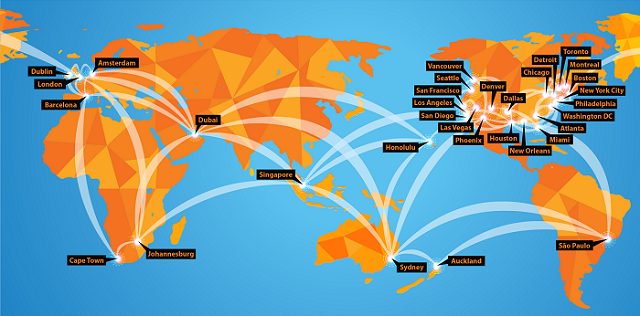
DigiMarCon is the Largest Digital Marketing, Media and Advertising Conference & Exhibition series in the world, with annual events held in all continents (North America, Latin America, Europe, UK, Asia Pacific, Middle East and Africa) in 13 countries (United States, Canada, Australia, New Zealand, United Kingdom, Ireland, Netherlands, Spain, Brazil, Singapore, India, United Arab Emirates and South Africa), across 33 cities (New York, Philadelphia, Boston, Toronto, Vancouver, Montreal, Houston, Dallas, Chicago, Los Angeles, San Francisco, Seattle, Washington DC, New Orleans, Atlanta, Detroit, Miami, Denver, San Diego, Phoenix, Las Vegas, Honolulu, London, Dublin, Amsterdam, Barcelona, Johannesburg, Cape Town, Dubai, Sydney, Auckland, Singapore and Sao Paulo). All DigiMarCon Events can be attended in-person or online. Wherever you are located there is a regional DigiMarCon event nearby you can attend.

DigiMarCon Conferences are held in top luxury 5-star event venues across the world such as; Royal Caribbean Cruise Ships, Olympic Stadiums, Marina Bay Sands Expo & Convention Centre and Wynn, JW Marriott, Marriott Marquis, Hyatt Regency, InterContinental, The Westin, Renaissance, Hilton, Conrad, W, Sheraton, Loews and Sofitel Hotel properties. Discount hotel room rates at each venue hotel means no hassle getting to and from the venue each day.

Building relationships matter! At DigiMarCon Conferences we have more networking breaks on our program than others. On average there are 8 Networking breaks at each event giving delegates ample opportunities in a relaxed atmosphere to meet others over the 2-days at the event; from 1-hour round table networking luncheons to 3-hour dinner receptions. These networking breaks are set in picturesque locations to facilitate memorable experiences while fostering new relationships. Such experiences include enjoying cocktails and the Sunset over the Pacific Ocean on a private Ocean Terrace in Santa Monica, to being on the Sydney Olympic Stadium playing arena at night enjoying cocktails under the lights, to dining at the 360 Revolving Restaurant at the top of the CN Tower in Toronto for a Dinner Reception, enjoying cocktails on a private promenade overlooking Times Square in New York City, or having fun at the Dazzles Night Club onboard the Royal Caribbean Oasis of the Seas for a Farewell Party, etc.
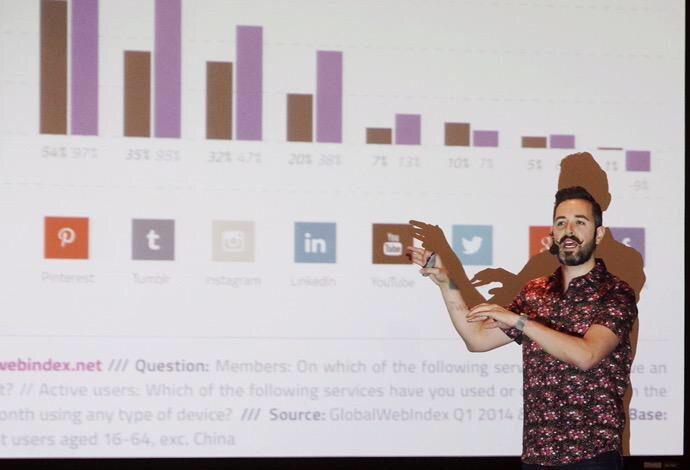
DigiMarCon Keynotes, Panels and Master Classes are facilitated by the foremost thought leaders in the industry, from celebrity social media influencers to CMO’s from the largest Fortune 500 company brands that are disrupting the digital marketing, media and advertising industry, such as Google, Facebook, Microsoft, Amazon, Oracle, Adobe, eBay, Netflix and more. All presentations are pitch-free, and include actionable takeaways, case studies, strategies and tactics, ready to be applied when back in the office.

At DigiMarCon Conferences you are never ‘left in the dark’…. literally, in a large room far away from the stage and speakers, crushed in tight theater seating, without even a table, while sitting in the dark. At DigiMarCon all delegates have premium meeting space in luxurious ballroom well-lit spaces, with comfortable seating with table enabling delegates to use their laptop to take notes with ample charging facilities onsite in a comfortable space to learn and thrive. All tables are situated close with direct view of the stage.

DigiMarCon Conferences are affordable to attend, from single-day event passes up to two-day VIP options at a fraction of the cost of other industry events. We offer significant discounts for early bird registrations. Additionally, on top of time-limited discount pass rates, because budgets are tight, we want to make sure all groups have a chance to attend DigiMarCon. For government employees, students, academic, startups, non-profit organizations and teams, we offer generous discounts off the prevailing registration price.

Attend DigiMarCon and you become part of the show! DigiMarCon Conferences tap into the talent of the room, drawing from the knowledge and experience of the professionals in the audience. All DigiMarCon events include regular interactive question and answer sessions with speakers and the audience ideal for collaboration, audience polls, along with ice-breaker and group exercises, steered by charismatic Emcees.

DigiMarCon Conferences put you right up and close with the speakers giving you the opportunity to meet these social media influencers which you follow in person. Speakers are never hidden in private speaker rooms away from the audience, they are in the auditorium sitting right beside you and participating.

Attending a conference is a well-researched decision. There are many factors to consider such as location, time, venue, cost, speakers, content, etc. At DigiMarCon our results-obsessed Customer Service team are at your service before, during and after the event to help with your needs. It’s at the core of what we do — it drives our business. Offsite, we are ready to assist you via phone, ticket or chat. Onsite at our Conferences, friendly DigiMarCon staff serve as your hosts. They welcome your input and are happy to assist you.

At all DigiMarCon Conferences is the co-located exclusive event TECHSPO Technology Expo, which showcases the new generation of technology and innovation, including; AdTech, MarTech, Internet, Mobile and SaaS technologies. Be inspired, amazed and educated on how these evolving technologies will impact your business for the better. Unlimited Access to TECHSPO Technology Expo is included with all DigiMarCon passes.

DigiMarCon All Access & VIP Passes include a 12-month on demand access to hundreds of hours of DigiMarCon speaker keynotes, panels and master class presentations from recent DigiMarCon Conferences, including videos, slide decks and key takeaways, available on demand so you can watch what you want, when you want.

Attendees of DigiMarcon Conferences gain membership to an exclusive global Digital Marketing, Media and Advertising Community of over 500,000 worldwide subscribers to our award-winning digital marketing blog and over 100,000 members to the International Association of Digital Marketing Professionals (visit https://iadmp.org). This global community comprises of innovators, senior marketers and branders, entrepreneurs, digital executives and professionals, web & mobile strategists, designers and web project managers, business leaders, business developers, agency executives and their teams and anyone else who operates in the digital community who leverage digital, mobile, and social media marketing. We provide updates to the latest whitepapers and industry reports to keep you updated on trends, innovation and best practice digital marketing.

The events industry has forever changed in a world affected by COVID-19. The health and safety of our guests, staff and community is our highest priority and paramount. The team at DigiMarCon is dedicated to ensuring a great experience at our in-person events, and that includes providing a safe, clean and hygienic environment for our delegates. Some of the key areas we have implemented safe and hygienic measures include;

DigiMarCon has always been industry leaders of the Hybrid Event experience for years (a hybrid event combines a "live" in-person event with a "virtual" online component), no one needs to miss out on attending our events. Each DigiMarCon Conference can be attended in-person (with a Main Conference, All Access or VIP Pass) or online (with a Virtual Pass) giving attendees a choice for the experience they want to have. Attending virtually by viewing a Live Stream or On Demand enables participation by people who might be unable to attend physically due to travel or time zone constraints or through a wish to reduce the carbon footprint of the event. If you would like to meet the speakers, network with fellow marketing professionals at refreshment breaks, luncheons and evening receptions, check out the latest Internet, Mobile, AdTech, MarTech and SaaS technologies providers exhibiting then it is highly recommended to attend DigiMarCon in-person. As the largest Digital Marketing, Media and Advertising Conference series with events in 33 international cities worldwide, across 13 countries, there is bound to be a DigiMarCon Event near you to attend in-person if you can.

DigiMarCon Conference Series is the annual gathering of the most powerful brands and senior agency executives in your region. The Sharpest Minds And The Most Influential Decision Makers - Together for Two Days.
Who Attends Our Conferences
Brands • Agencies • Solution & Service Providers • Media Owners • Publishers • Entrepreneurs • Start-Ups • Investors • Government • Corporates • Institutes of Higher Learning



What Privacy-First Data Means for the Future of Marketing: Privacy-First Data Strategies
Nearly 80% of consumers now refuse to engage with brands that fail to protect personal information. This major shift shows that trust is the ultimate currency in the digital economy. Modern regulations like GDPR and CCPA have fundamentally changed how companies interact with audiences.
Adopting privacy-first data strategies is no longer only a legal requirement; it also builds lasting loyalty. With transparency, businesses can leave behind invasive tracking methods that often alienate potential customers. This shift toward privacy-first marketing helps teams focus on meaningful engagement, not indiscriminate collection.
Strong data privacy supports sustainable growth. When you respect user boundaries, you create a safer environment for genuine interaction. This article shows how your organization can turn compliance challenges into a distinct competitive advantage through smarter measurement and ethical segmentation.
Why Privacy-First Data Is Reshaping Marketing
Privacy-first marketing is now required for sustainable business growth, not simply an optional strategy. Digital business is moving from broad, invasive surveillance toward transparency and mutual respect. This change reshapes how organizations operate, rather than marking a temporary trend.
From Third-Party Tracking to Consent-Based Intelligence
For years, the industry relied heavily on third-party cookies to track user behavior across the web. Today, browsers and platforms prioritize data privacy, so that reliance is rapidly diminishing. Brands now gather information directly from customers through consent-based intelligence and explicit permission.
This shift helps companies build deeper, more meaningful relationships with their audiences. By using declared customer signals, businesses can create personalized experiences that feel helpful, not intrusive. This approach keeps data collection ethical and aligned with modern digital standards.
How Consumer Expectations and Regulatory Pressure Are Converging
Consumers understand their digital footprint better than ever. They expect brands to explain how information is used and offer meaningful control over personal details. When companies fail, they risk losing trust, which supports long-term loyalty.
Simultaneously, regulatory bodies are expanding oversight to protect individual rights. This convergence forces organizations to adopt privacy-first marketing as a standard operating procedure. Compliance now supports brand reputation and operational success.
What the Shift Means for Marketing Performance Measurement
Many professionals worry these changes will limit campaign tracking. However, the move toward data privacy does not remove performance measurement. Instead, it requires more aggregated, permission-based, and carefully interpreted evidence.
Marketing teams must use modeled data and privacy-safe attribution models to understand their impact. By focusing on high-quality, first-party insights, brands can still optimize their efforts effectively. This evolution keeps measurement accurate while respecting modern consumer boundaries.
The Market Forces Accelerating the Privacy-First Transition
Several powerful forces are moving marketing toward a privacy-first future. These changes signal a lasting shift in how businesses connect with audiences. Companies that adapt quickly will be better positioned for long-term success.
Browser Restrictions, Mobile Changes, and the Decline of Third-Party Cookies
Internet systems are changing to favor user privacy over tracking. Major browsers now limit cross-site tracking, ending the third-party cookie’s dominance. This shift forces marketers to rethink how they measure campaign performance.
Mobile ecosystems have changed too, with platforms like iOS requiring mandatory opt-in prompts for tracking. These changes make it harder to build detailed user profiles without explicit permission. Therefore, robust data protection strategies are essential for tracking the customer journey.
GDPR Compliance and the Influence of U.S. State Privacy Laws
Regulatory pressure now reaches beyond regions and affects global operations. While gdpr compliance sets a high bar for data handling in Europe, its influence is clear in the United States. Many organizations adopt similar standards to stay ahead of changing state mandates.
Laws such as the CCPA and CPRA in California have created complex requirements for businesses. A company based in a state without strict rules still faces legal duties when serving protected residents. Ignoring these requirements is no longer a viable option for modern brands.
Consumer Trust as a Competitive Marketing Advantage
Privacy now shapes the relationship between brands and customers, beyond legal requirements. Consumers increasingly notice how companies use their information and support brands that respect privacy. Building trust is now a powerful way to set a brand apart in a crowded market.
When companies treat data with respect, they build deeper loyalty and engagement. This approach turns gdpr compliance and other privacy efforts from a cost center into a strategic asset. In the end, businesses that value transparency can win the long-term fight for customer attention.
Privacy-First Data Strategies for Modern Marketing Teams
Digital engagement is changing how brands collect and manage consumer information. As traditional tracking methods decline, organizations use privacy-first data strategies to support growth while respecting user boundaries.
Building a First-Party Data Foundation
The most reliable asset for any brand is information collected directly from its audience. This data comes from company websites, mobile applications, and internal CRM systems.
By focusing on owned channels, teams keep a direct line to customers. This approach reduces reliance on external platforms and builds more resilient marketing infrastructure.
Using Zero-Party Data to Capture Declared Preferences
Beyond standard first-party collection, brands increasingly use zero-party data. This information comes from customers who intentionally and proactively share it with a company.
Interactive preference centers, personalized questionnaires, and educational content support this exchange. Customers expect a more tailored experience when they share preferences, strengthening brand loyalty.
Creating a Responsible Second-Party Data Framework
Working with trusted partners helps brands expand insights without violating user trust. A responsible second-party data framework shares data sets between two organizations with clear, mutual consent.
This strategy works best when both parties follow ethical standards and practice transparency. It helps brands reach new audiences while keeping strict control over how information is handled.
Connecting Data Sources Without Expanding Privacy Risk
Integrating data streams is essential for a unified view of the customer journey. However, teams must prioritize secure data management to prevent unnecessary exposure.
Teams should use centralized systems for smooth connections and strict access controls. By limiting the movement of sensitive information, companies protect their reputation and ensure compliance with evolving regulations.
How Privacy-First Data Changes Customer Segmentation
Customer segmentation is changing as privacy standards tighten across the digital landscape. Marketers must replace invasive, individual-level tracking to protect compliance and consumer trust. Using best practices for data privacy helps brands stay relevant while respecting audience boundaries.
Replacing Individual Tracking with Permission-Based Audience Signals
Third-party cookies are fading, so teams must shift toward permission-based signals. With zero-party data, companies gain insights from users who choose to share their preferences. This approach builds a transparent relationship and gives customers control of their digital footprint.
Using Cohort, Contextual, and Behavioral Segmentation
Modern strategies group people into cohorts based on shared interests or behaviors. Contextual targeting places ads based on the content users currently consume, not their past browsing history. These methods deliver high-level relevance without intrusive surveillance.
Balancing Personalization with Data Minimization
Effective marketing does not require every possible consumer data point. Data minimization is a core pillar of data privacy, so teams store only information needed for a specific campaign goal. By limiting data intake, organizations reduce security risks while delivering highly personalized experiences.
Measuring Segment Quality Without Sensitive Personal Data
Segment success no longer depends on tracking sensitive personal attributes. Marketers should examine engagement metrics, conversion rates, and long-term retention indicators. These performance signals show segment health while meeting the highest standards of data privacy.
Aggregate metrics help teams improve outreach without compromising individual anonymity.
Data Protection Practices That Strengthen Marketing Operations
Resilient marketing operations begin with proactive data protection. Building security into each campaign can increase consumer trust and reduce regulatory risks. This approach keeps marketing effective and compliant in a complex digital landscape.
Applying Privacy by Design to Campaign Planning
Adopting privacy by design means reviewing data needs before launching an ad. Teams should collect only information needed to meet their goals, following data minimization. Early privacy planning helps marketers avoid collecting too much sensitive information.
Improving Secure Data Management Across the Marketing Stack
Modern marketing uses many tools, so strong data security measures must protect the whole system. Centralized consent management and third-party audits show where data flows. Consistent monitoring keeps security protocols active as teams add new technologies.
Protecting Confidential Data from Collection Through Deletion
Effective confidential data handling requires clear rules throughout each record’s lifecycle. When users provide information, organizations must encrypt it and use role-based access controls. Clear, automated deletion processes prevent organizations from keeping data too long.
Coordinating Marketing, Legal, Security, and Data Teams
Strong security requires steady communication among marketing, legal, security, and data teams. Marketing teams should work with legal and security experts to meet current data protection standards. Regular cross-functional meetings can reveal vulnerabilities and clarify each person’s security role.
Collaboration can turn a commitment to data security measures into a lasting competitive advantage.
Privacy-First Measurement and Attribution
Modern marketers must treat privacy-first measurement as the new standard for success. Digital platforms now favor sustainable, ethical methods over invasive tracking. Teams must change how they read data and judge marketing investments.
Why Traditional Attribution Models Are Losing Reliability
Legacy models, including last-click and multi-touch attribution, depend on third-party cookies and persistent identifiers. These tools rapidly lose effectiveness as browsers restrict tracking and users demand more control over personal information. Consent-based limitations create gaps in customer journeys, making old reports incomplete.
When identifiers disappear, data points that powered these models become fragmented. Outdated systems can produce skewed insights and poor decisions. Brands using legacy approaches may miss their full marketing impact.
Evaluating Marketing with Aggregated and Modeled Data
Organizations now use aggregated reports and advanced models to maintain visibility. Media-mix modeling links spending with outcomes without tracking people across the web. It offers a broad view that protects privacy and still guides action.
With Privacy-First Data Strategies, companies can address gaps caused by missing identifiers. Modeled data uses statistics to estimate performance, offering an alternative to detailed tracking. This shift keeps measurement strong in a restricted data environment.
Using Conversion APIs and Clean Rooms Responsibly
Conversion APIs securely share event data directly from servers, avoiding client-side tracking limits. When set up correctly, they reduce exposure to sensitive information and protect data quality. They are a key part of modern, secure marketing infrastructure.
Data clean rooms let brands work with partners in controlled, privacy-safe settings. They support combined-data analysis without exposing raw, identifiable user information. Responsible use builds trust while helping campaigns perform better.
Choosing Metrics That Do Not Depend on Surveillance
Effective privacy-first measurement centers on business outcomes, not individual surveillance. Metrics such as incrementality, long-term retention, and engaged reach show brand health more clearly. These indicators show value without constant monitoring of user behavior.
These metrics help teams align goals with broader Privacy-First Data Strategies. They move attention from invasive tracking to meaningful engagement. Ultimately, success rests on customer relationships and tangible business results over time.
Technology Infrastructure for Secure Marketing Data
Secure data management is now essential for modern digital operations. Strict rules and higher consumer expectations require stronger technology that protects sensitive information. Teams must build privacy into each system from the start.
Customer Data Platforms and Consent Management Platforms
Modern marketing teams use Customer Data Platforms (CDPs) to combine scattered information into one useful view. When paired with Consent Management Platforms (CMPs), these tools keep data collection aligned with user preferences. Effective integration lets brands enforce consent across every touchpoint.
This infrastructure helps teams meet new deliverability standards, including Gmail’s authentication requirements for late 2025. Centralized consent keeps marketing messages trusted and reachable. This link between technology and compliance supports data security measures.
Data Clean Rooms for Controlled Collaboration
Data clean rooms give brands a secure place to study information without exposing raw personal identifiers. These platforms let advertisers and publishers work together while protecting privacy. Teams can gain insights from shared datasets without revealing individual identities.
Encryption, Tokenization, and Pseudonymization
Building robust secure data storage requires strong safeguards for information at rest and in transit. Encryption changes sensitive data into unreadable code, while tokenization replaces identifiers with safe substitutes. These essential data security measures help protect information after a breach.
Pseudonymization adds another layer of defense by separating data from direct identifiers. This practice lets marketers complete needed analysis while keeping personal information isolated. Using these methods is standard for any organization committed to secure data management.
Vendor Governance Across Advertising and Analytics Platforms
Managing third-party risk is vital to a privacy-first architecture. Organizations must set clear policies for how advertising and analytics vendors handle their data. They must audit vendor practices against internal data security measures and regulatory requirements.
Regular oversight blocks unauthorized data leaks and makes partners follow the privacy framework. Strict control over the marketing stack helps brands use data confidently for growth. Ultimately, secure data storage and vendor accountability form the bedrock of a sustainable, long-term marketing strategy.
Building Consumer Trust Through Transparent Data Practices
Privacy can become a core part of a company’s brand, not just a compliance task. When businesses respect user information, they build stronger loyalty among their audiences. Transparency is the foundation of this modern relationship and changes how customers view a digital presence.
Writing Privacy Notices People Can Understand
Most privacy policies use dense legal terms that discourage people from reading. Brands should use clear, human-centered language to build trust. Clarity is essential when users need to understand what they accept before sharing information.
Plain language shows users that you have nothing to hide. It connects complex data privacy rules with the user’s real experience. When customers understand your policy, they feel more empowered and secure.
Making Consent Specific, Freely Given, and Easy to Withdraw
True consent gives users a real choice without pressure. Avoid dark patterns or manipulative interfaces that make opting out difficult. Respecting user autonomy helps maintain long-term credibility.
Make consent tools specific, so users choose exactly what they share. Give them an easy way to withdraw consent at any time. This control supports high-quality gdpr compliance and ethical marketing.
Explaining the Value Exchange for Personalization
Customers may share data when they understand the direct benefit. Explain how their information supports better personalization, such as tailored recommendations or exclusive offers. Honesty creates a fair value exchange for the brand and consumer.
Explaining the “why” behind data requests can reduce friction and doubt. Focus on user benefits rather than your team’s marketing gains. This transparency turns a standard transaction into a meaningful interaction.
Turning Data Privacy into a Brand Experience
View gdpr compliance as a chance to show your commitment to customer safety. Visible, accessible privacy practices can set your brand apart from competitors who overlook security. Prioritizing data privacy is more than a legal duty; it is a competitive advantage.
Add privacy messages throughout the customer journey to reinforce your values at every touchpoint. Protected users are more likely to engage deeply with your brand. Ultimately, transparent data privacy practices build a strong reputation that lasts.
Risks and Tradeoffs in Privacy-First Marketing
Privacy-first strategies protect consumer rights, but they create major work and performance challenges for brands. Strong data protection measures matter, but they can slow traditional marketing workflows. Leaders must weigh these challenges against the lasting value of a trusted brand.
Reduced Data Volume and Its Effect on Targeting Precision
Moving away from third-party cookies reduces available audience signals and can weaken targeting precision. Marketers may find it harder to reach specific demographics accurately. They must use smaller, higher-quality datasets instead of broad, mass-market tracking.
Attribution Gaps, Walled Gardens, and Incomplete Customer Journeys
Fragmented data environments, often called walled gardens, make user tracking across devices and platforms difficult. These gaps can hide the true path to purchase. Brands may struggle to identify which touchpoints drive conversions in a privacy-conscious ecosystem.
Operational Costs of Compliance and Secure Data Handling
Maintaining high standards for confidential data handling requires major investment in technology and human expertise. Organizations must fund consent management platforms, legal audits, and secure storage solutions. These operational costs can burden smaller teams without dedicated infrastructure.
Risks of Over-Personalization and Invasive Inference
Helpful personalization can become invasive and drive customers away. When brands use AI to infer user habits deeply, they may cross ethical boundaries and damage consumer trust. Effective confidential data handling requires companies to limit retention and keep models from using sensitive, inferred attributes that feel intrusive.
A Practical Roadmap for Implementing Privacy-First Data Strategies
A successful shift toward data privacy needs a clear roadmap that connects technology with consumer trust. Instead of changing everything overnight, marketing teams should use phases that support stability and compliance. Manageable steps help organizations integrate privacy-first data strategies into daily operations.
Audit Existing Data Collection and Activation Practices
Start with a full audit of your current data ecosystem. Map every point where customer information is collected, stored, and activated. Review consent tools, data retention policies, and third-party vendor practices.
Tracking data flows helps maintain transparency. Understanding your current footprint helps reveal risks before they become legal or reputation problems. This audit supports future best practices for data privacy.
Prioritize High-Risk and High-Value Marketing Use Cases
Marketing activities do not share the same risks or business value. Teams should rank each use case by legal exposure, consumer impact, and technical feasibility. This focus directs limited resources toward the most important initiatives.
Addressing high-risk areas first protects the brand and keeps work moving. This targeted approach keeps critical campaigns effective while teams improve the wider data infrastructure.
Establish Governance Policies and Ownership
Good governance needs clear accountability and documented decisions. Assigning data-handling owners keeps privacy from becoming an afterthought. Using privacy by design during campaign planning helps prevent later compliance issues.
Standard policies build responsibility across marketing, legal, and security teams. When everyone knows their role, the organization better protects consumer data and becomes more resilient. Clear records also make audits and reporting easier.
Test Privacy-Safe Measurement Before Scaling Campaigns
Before leaving legacy tracking, teams must test new measurement frameworks. Test aggregated data, contextual signals, and permission-based personalization on a smaller scale. This phase shows whether your new best practices for data privacy deliver enough insight for optimization.
Once you verify these methods deliver reliable results, expand them confidently across all channels. Using privacy by design in measurement keeps marketing performance strong without invasive surveillance. Continuous testing supports long-term success in this changing landscape.
What Reports and Market Trends Suggest About Marketing’s Next Phase
Marketing’s next phase will favor meaningful, consented engagement over broad surveillance. Organizations are leaving legacy tracking behind and adopting privacy-first marketing as a core business strategy. This change shows the industry wants to respect user boundaries while keeping communication effective.
Evidence of Rising Investment in First-Party Data Capabilities
Companies prioritize building strong first-party data ecosystems. This work includes major investment in secure data storage and server-side tools that reduce reliance on outside intermediaries. By managing their own data pipelines, brands can improve accuracy and protect customers.
Investment also supports customer data platforms that connect separate touchpoints. These tools help teams manage information with greater precision and security. Building these internal capabilities gives brands a vital advantage in fragmented digital markets.
Why Privacy Compliance Is Becoming a Growth Capability
Compliance is no longer just a legal hurdle; it can support lasting growth. When businesses value transparency, they build stronger customer loyalty and trust. This trust acts as a multiplier for lasting engagement and brand resilience.
Disciplined data practices also improve marketing signal quality. By using authenticated, permission-based interactions, companies cut waste and make outreach more relevant. This move toward privacy-first marketing ensures each campaign rests on genuine consumer interest.
Expected Developments in AI, Identity, and Consent Management
Integrating artificial intelligence will require stronger model governance and human oversight. As AI tools spread, transparent data provenance becomes critical. Companies must ensure their secure data storage practices support ethical AI development while protecting sensitive information.
Upcoming industry changes, including requirements set for Gmail in late 2025, show why authenticated, permission-based systems matter. Future developments will likely include decentralized identity solutions and easier consent management interfaces. Adapting to these standards will be essential for brands that want to thrive in the next era of digital interaction.
Conclusion
Modern brands now see data privacy as a key part of long-term success. Privacy-first data strategies help companies build lasting relationships through mutual respect, not invasive tracking.
Success in this new era requires first-party and zero-party data collection. By prioritizing consent management and secure infrastructure, businesses build a reliable foundation for growth. These practices keep marketing performance measurable while respecting every individual’s rights.
Privacy-first marketing shows that ethical standards can work with strong results. Organizations that embrace transparency and consumer control gain a clear competitive edge. This approach turns data protection from a regulatory burden into a powerful source of brand credibility.
Commitment to these principles secures your place in a changing digital landscape. Start refining internal governance today, so your team stays agile and compliant. Your audience will reward this dedication with deeper loyalty and sustained engagement over time.