 View Upcoming Digital Marketing, Media and Advertising Conferences & Exhibitions
 Phone:
Posts Tagged "Digital Branding"



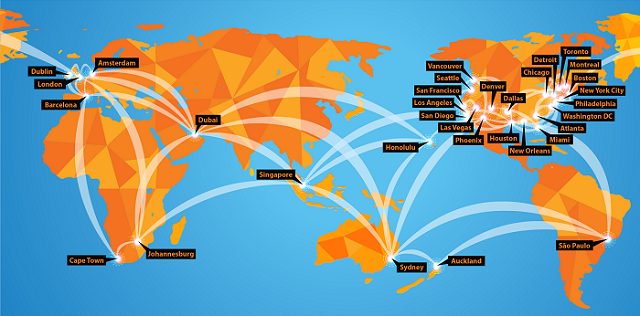
DigiMarCon is the Largest Digital Marketing, Media and Advertising Conference & Exhibition series in the world, with annual events held in all continents (North America, Latin America, Europe, UK, Asia Pacific, Middle East and Africa) in 13 countries (United States, Canada, Australia, New Zealand, United Kingdom, Ireland, Netherlands, Spain, Brazil, Singapore, India, United Arab Emirates and South Africa), across 33 cities (New York, Philadelphia, Boston, Toronto, Vancouver, Montreal, Houston, Dallas, Chicago, Los Angeles, San Francisco, Seattle, Washington DC, New Orleans, Atlanta, Detroit, Miami, Denver, San Diego, Phoenix, Las Vegas, Honolulu, London, Dublin, Amsterdam, Barcelona, Johannesburg, Cape Town, Dubai, Sydney, Auckland, Singapore and Sao Paulo). All DigiMarCon Events can be attended in-person or online. Wherever you are located there is a regional DigiMarCon event nearby you can attend.

DigiMarCon Conferences are held in top luxury 5-star event venues across the world such as; Royal Caribbean Cruise Ships, Olympic Stadiums, Marina Bay Sands Expo & Convention Centre and Wynn, JW Marriott, Marriott Marquis, Hyatt Regency, InterContinental, The Westin, Renaissance, Hilton, Conrad, W, Sheraton, Loews and Sofitel Hotel properties. Discount hotel room rates at each venue hotel means no hassle getting to and from the venue each day.

Building relationships matter! At DigiMarCon Conferences we have more networking breaks on our program than others. On average there are 8 Networking breaks at each event giving delegates ample opportunities in a relaxed atmosphere to meet others over the 2-days at the event; from 1-hour round table networking luncheons to 3-hour dinner receptions. These networking breaks are set in picturesque locations to facilitate memorable experiences while fostering new relationships. Such experiences include enjoying cocktails and the Sunset over the Pacific Ocean on a private Ocean Terrace in Santa Monica, to being on the Sydney Olympic Stadium playing arena at night enjoying cocktails under the lights, to dining at the 360 Revolving Restaurant at the top of the CN Tower in Toronto for a Dinner Reception, enjoying cocktails on a private promenade overlooking Times Square in New York City, or having fun at the Dazzles Night Club onboard the Royal Caribbean Oasis of the Seas for a Farewell Party, etc.
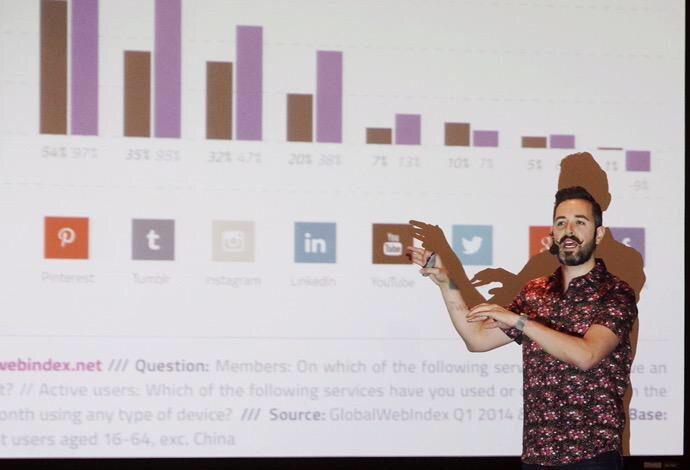
DigiMarCon Keynotes, Panels and Master Classes are facilitated by the foremost thought leaders in the industry, from celebrity social media influencers to CMO’s from the largest Fortune 500 company brands that are disrupting the digital marketing, media and advertising industry, such as Google, Facebook, Microsoft, Amazon, Oracle, Adobe, eBay, Netflix and more. All presentations are pitch-free, and include actionable takeaways, case studies, strategies and tactics, ready to be applied when back in the office.

At DigiMarCon Conferences you are never ‘left in the dark’…. literally, in a large room far away from the stage and speakers, crushed in tight theater seating, without even a table, while sitting in the dark. At DigiMarCon all delegates have premium meeting space in luxurious ballroom well-lit spaces, with comfortable seating with table enabling delegates to use their laptop to take notes with ample charging facilities onsite in a comfortable space to learn and thrive. All tables are situated close with direct view of the stage.

DigiMarCon Conferences are affordable to attend, from single-day event passes up to two-day VIP options at a fraction of the cost of other industry events. We offer significant discounts for early bird registrations. Additionally, on top of time-limited discount pass rates, because budgets are tight, we want to make sure all groups have a chance to attend DigiMarCon. For government employees, students, academic, startups, non-profit organizations and teams, we offer generous discounts off the prevailing registration price.

Attend DigiMarCon and you become part of the show! DigiMarCon Conferences tap into the talent of the room, drawing from the knowledge and experience of the professionals in the audience. All DigiMarCon events include regular interactive question and answer sessions with speakers and the audience ideal for collaboration, audience polls, along with ice-breaker and group exercises, steered by charismatic Emcees.

DigiMarCon Conferences put you right up and close with the speakers giving you the opportunity to meet these social media influencers which you follow in person. Speakers are never hidden in private speaker rooms away from the audience, they are in the auditorium sitting right beside you and participating.

Attending a conference is a well-researched decision. There are many factors to consider such as location, time, venue, cost, speakers, content, etc. At DigiMarCon our results-obsessed Customer Service team are at your service before, during and after the event to help with your needs. It’s at the core of what we do — it drives our business. Offsite, we are ready to assist you via phone, ticket or chat. Onsite at our Conferences, friendly DigiMarCon staff serve as your hosts. They welcome your input and are happy to assist you.

At all DigiMarCon Conferences is the co-located exclusive event TECHSPO Technology Expo, which showcases the new generation of technology and innovation, including; AdTech, MarTech, Internet, Mobile and SaaS technologies. Be inspired, amazed and educated on how these evolving technologies will impact your business for the better. Unlimited Access to TECHSPO Technology Expo is included with all DigiMarCon passes.

DigiMarCon All Access & VIP Passes include a 12-month on demand access to hundreds of hours of DigiMarCon speaker keynotes, panels and master class presentations from recent DigiMarCon Conferences, including videos, slide decks and key takeaways, available on demand so you can watch what you want, when you want.

Attendees of DigiMarcon Conferences gain membership to an exclusive global Digital Marketing, Media and Advertising Community of over 500,000 worldwide subscribers to our award-winning digital marketing blog and over 100,000 members to the International Association of Digital Marketing Professionals (visit https://iadmp.org). This global community comprises of innovators, senior marketers and branders, entrepreneurs, digital executives and professionals, web & mobile strategists, designers and web project managers, business leaders, business developers, agency executives and their teams and anyone else who operates in the digital community who leverage digital, mobile, and social media marketing. We provide updates to the latest whitepapers and industry reports to keep you updated on trends, innovation and best practice digital marketing.

The events industry has forever changed in a world affected by COVID-19. The health and safety of our guests, staff and community is our highest priority and paramount. The team at DigiMarCon is dedicated to ensuring a great experience at our in-person events, and that includes providing a safe, clean and hygienic environment for our delegates. Some of the key areas we have implemented safe and hygienic measures include;

DigiMarCon has always been industry leaders of the Hybrid Event experience for years (a hybrid event combines a "live" in-person event with a "virtual" online component), no one needs to miss out on attending our events. Each DigiMarCon Conference can be attended in-person (with a Main Conference, All Access or VIP Pass) or online (with a Virtual Pass) giving attendees a choice for the experience they want to have. Attending virtually by viewing a Live Stream or On Demand enables participation by people who might be unable to attend physically due to travel or time zone constraints or through a wish to reduce the carbon footprint of the event. If you would like to meet the speakers, network with fellow marketing professionals at refreshment breaks, luncheons and evening receptions, check out the latest Internet, Mobile, AdTech, MarTech and SaaS technologies providers exhibiting then it is highly recommended to attend DigiMarCon in-person. As the largest Digital Marketing, Media and Advertising Conference series with events in 33 international cities worldwide, across 13 countries, there is bound to be a DigiMarCon Event near you to attend in-person if you can.
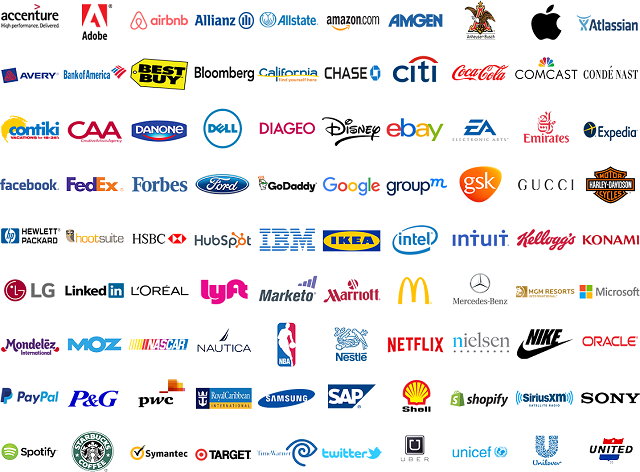
DigiMarCon Conference Series is the annual gathering of the most powerful brands and senior agency executives in your region. The Sharpest Minds And The Most Influential Decision Makers - Together for Two Days.
Who Attends Our Conferences
Brands • Agencies • Solution & Service Providers • Media Owners • Publishers • Entrepreneurs • Start-Ups • Investors • Government • Corporates • Institutes of Higher Learning




Turning Social Media Audiences Into Loyal Brand Communities Through Social Media Marketing
Did you know that 75% of B2B buyers now use digital platforms to guide purchase decisions? This statistic shows that your online presence is more than a billboard; it drives growth. To succeed today, brands must move beyond reach and build genuine human connection.
True social media marketing takes more than posting content. It means building trust, inviting participation, and supporting long-term relationships. These steps turn passive followers into a loyal brand community.
Sephora Beauty Insider Community shows this strategy by creating dialogue and turning customers into brand advocates. This article shows how to repeat its success through research, strategy, and engagement, improving social media marketing for lasting loyalty.
The Sephora Case Study: From Beauty Followers to Community Members
Sephora shows how simple social media interactions can grow into a strong, lasting community. By moving beyond traditional social media marketing, Sephora turns passive observers into active participants. It gives customers a comfortable place to share their beauty journeys.
Why Sephora’s Beauty Insider Community Is a Useful Model
The Beauty Insider Community is a digital hub for questions, product recommendations, and personal experiences. This space builds genuine trust, which many standard brand pages lack. When customers solve beauty problems together, they build bonds beyond a simple transaction.
This model shows that social media engagement works best when users have power. Sephora values peer advice and creates a self-sustaining source of knowledge. The brand becomes a guide instead of only broadcasting content.
The Business Challenge Behind Community Building
Many companies struggle to justify the resources needed for a dedicated community. Yet these efforts can create major financial gains. Industry data shows active community members may increase their spending from 12% to 75% over time.
This large increase shows why social media marketing should build long-term relationships. Companies that support healthy communities often gain higher customer lifetime value. This work is not only branding; it is a strategic business necessity.
Case Study Evaluation Criteria
To understand this model, we must examine clear performance indicators. We measure success through participation, contribution quality, and overall trust. These metrics show how well the brand serves its audience.
Furthermore, we view accessibility and business relevance as core pillars. A successful community must welcome new users and support the company’s commercial goals. This balance helps social media engagement produce sustainable growth and lasting loyalty.
Researching the Audience Before Building the Community
A successful social media strategy starts with understanding the human needs behind each click. Many brands choose popular platforms instead of places where customers spend time. Research builds a foundation for lasting engagement.
Identifying Shared Customer Motivations
Communities grow when members share goals or emotional needs. People may join groups for reassurance, new trends, or personal identity. Knowing these needs helps you create messages that feel more personal.
For example, a customer may follow a brand to learn better product use. Recognizing this need for education can turn a follower into an active community member. Shared motivations hold your digital space together.
Creating Practical Audience Segments
Followers do not all share the same intent or behavior. Create audience segments that link customer needs to preferred platform habits. This keeps your social media strategy focused and efficient.
Different groups interact with content in different ways. Some users prefer quick, visual inspiration, while others seek detailed peer reviews. Segmentation helps you remove participation barriers and offer the right value at the right time.
Mapping the Customer Journey Across Social Channels
Data should guide every channel decision. Tools like Google Analytics reveal visitor demographics and geographic trends. Hard evidence matters: the 87% usage rate of LinkedIn among B2B marketers shows that platforms serve distinct professional needs.
Mapping the journey shows how audiences move from discovery to advocacy. Aligning your social media strategy with user behavior creates a seamless experience. This path helps you build relationships instead of chasing vanity metrics.
Building a Social Media Marketing Strategy Around Community Value
Building a lasting brand community starts with a clear, actionable plan that puts user needs before broadcast messaging. A well-crafted social media strategy acts as the blueprint for how your brand interacts with its audience. Shift focus from simple reach to deep engagement, so customers feel heard and valued.
Defining the Community’s Shared Promise
Every thriving community rests on a shared promise that connects with its members. This promise shows why customers should spend time in your digital space, not simply follow your brand. It must be specific, useful, and focused on the unique value you offer your audience.
A clear promise guides every interaction and piece of content you create. It keeps your community a place for support, inspiration, or shared interests. Consistency in this promise turns casual followers into dedicated community members.
Setting Objectives That Reflect Community Health
Effective social media optimization requires you to look beyond standard conversion metrics. Traffic and sales matter, but they do not show your community’s full health. Track the number of returning contributors, the frequency of peer-to-peer support, and the depth of ongoing conversations.
Use the SMART model to set goals that are specific, measurable, achievable, relevant, and time-bound. Focusing on community health metrics gives you a clearer view of how your audience evolves. This approach builds long-term loyalty instead of short-term clicks.
Choosing the Right Platform Roles
Not every social channel should serve the same function for your brand. A successful social media strategy gives each platform a distinct role based on its strengths. For instance, use one channel for discovery and top-of-funnel awareness, and another for deep discussions and customer service.
Avoid duplicating every post across every network. Instead, tailor content to the behavior of users on each platform. This distribution helps community members find the value they expect in the right place.
Establishing Consistent Brand Principles
Maintain a unified brand voice while adapting to diverse global markets. Whether your audience uses Western platforms or dominant regional networks like WeChat and Weibo, keep your core principles visible. Authenticity connects your brand identity with the local culture of your community.
Clear guidelines for tone and interaction help your team engage confidently across all channels. Consistency builds trust and shows your commitment to community members. Ultimately, social media optimization creates a seamless experience that feels human and reliable at every touchpoint.
Designing Content That Encourages Participation
To change your social media presence, shift from broadcasting messages to inviting real interaction. While social media advertising helps reach new prospects, organic content should build two-way dialogue. When people participate, passive followers become active community members.
Replacing Broadcast Posts With Conversation Starters
Most brands use social channels like digital billboards. Replace one-way announcements with prompts that invite feedback. Open-ended questions, interactive polls, and direct calls to action help audiences share their views.
Asking for opinions shows that your community’s perspective matters. This change turns a static feed into a lively discussion space. Consistent engagement begins when audiences feel heard, not simply sold to.
Creating Repeatable Social Media Content Series
Predictability helps build a community. A recurring content series gives audiences a reason to return. A weekly tip, monthly spotlight, or recurring Q&A session builds anticipation.
Repeatable formats also make participation easier. When followers know your content’s rhythm, they know when and how to join. Reliable content structures turn casual visitors into regular participants.
Combining Expert Guidance With Peer-Led Content
Strong communities balance expert knowledge with members’ real experiences. GE’s #6SecondScienceFair turned complex technical subjects into accessible, shareable peer-led content. It shows that niche topics can grow when communities participate.
Combining expert explanations with user-submitted examples creates a richer learning space. Your brand stays a trusted guide while members share their expertise. Authenticity grows when peers feel comfortable teaching one another.
Adapting Content to Platform Behavior
Each social platform has its own language and expectations. Tailor content to your audience’s habits on each channel. For instance, live video sessions support real-time interaction, while short-form text posts suit quick polls.
Separate these organic efforts from your social media advertising strategy. Ads aim for conversion and reach, while organic content builds deeper relationships. Respecting each platform’s native behavior helps content feel natural to users.
Turning Social Media Engagement Into Two-Way Relationships
Every comment on your social media channels invites a deeper connection with a customer. Brands create genuine social media engagement and lasting loyalty when they go beyond broadcast posts. This approach puts community needs first through human communication.
Responding in Ways That Move Conversations Forward
Good responses do more than acknowledge a post; they add value to the discussion. Expert guidance or simple empathy can encourage users to continue the dialogue. Ask follow-up questions or offer helpful resources to turn a static comment into meaningful interaction.
Recognizing Valuable Contributions
Community members feel they belong when others notice their efforts. Highlighting helpful answers or creative audience feedback validates their place in the brand ecosystem. Public recognition encourages others to join future discussions.
Making Participation Accessible to More Customers
Inclusive social media management helps every customer feel welcome in the conversation. Plain language and clear, accessible prompts can help people facing complex industry jargon. Offer several ways to engage because some customers prefer private messages over public posts.
Handling Criticism and Sensitive Conversations
Not every interaction will be positive, but your response to friction shows brand integrity. Face criticism with transparency and a willingness to listen instead of becoming defensive. Move sensitive issues to private channels for personal resolution while protecting the public community space.
Consistent, thoughtful social media management builds trust over time. Treat each interaction as a relationship building block, turning casual followers into dedicated advocates. This human approach supports a thriving, sustainable community.
Using User-Generated Content and Creators to Strengthen Belonging
Building a community-led strategy means moving beyond occasional reposts to a clear system for shared stories. When user-generated content becomes a core part of marketing, your audience joins as active participants, not passive observers. This change creates a stronger sense of belonging than traditional advertising can provide.
Building a Sustainable User-Generated Content System
A successful system needs clear prompts for participation and consistent branded hashtags. Specific themes or challenges make it easier for your community to create meaningful content. Always use a transparent permission process to respect creator rights and build trust.
Moderation also protects the quality of your community space. A well-managed system encourages positive interactions and removes unwanted noise. Consistency shows your audience how they can add to the brand story.
Selecting Creators for Credibility and Community Fit
When choosing partners, value credibility and community fit more than follower counts. The best creators reflect your brand values and hold real conversations with their followers. They connect your brand with the niche communities you want to reach.
Choose people who are ready to listen and learn. A creator who values authentic dialogue will outperform one focused only on reach. This approach makes each partnership feel like a natural part of your community.
Preserving Authenticity in Sponsored Content
Authenticity remains the most valuable currency in modern marketing. Give creators freedom to share honest experiences with your products. Clear disclosure is more than a legal requirement; it is a foundation of trust that shows respect for your community.
Avoid polished scripts that remove the creator’s unique voice. Instead, use shared storytelling to show how your brand fits their daily lives. When content feels real, your audience is more likely to engage and share it.
Turning Customer Stories Into Community Assets
Your customers are your most powerful storytellers. By repurposing their experiences across your owned channels, you honor their contributions and inspire others to share. These customer stories provide social proof and strengthen the bond between your brand and its members.
Treat these stories as long-term assets that offer value beyond the first post. Feature them in newsletters, on your website, or in community highlights to build a library of shared experiences. This collection shows that your brand gives every customer a voice.
Connecting Social Media Advertising With Organic Community Growth
Effective social media advertising brings high-intent users into your existing community. Rather than chase vanity metrics, use paid efforts to invite people genuinely interested in contributing.
Using Paid Campaigns to Attract the Right Prospects
Any paid initiative should find people who share your brand values. Target specific interests and behaviors so new members understand what your community offers.
Focusing on quality over quantity protects your existing culture. When you prioritize relevant prospects, you build lasting engagement instead of simply increasing follower numbers.
Designing Ads That Set Accurate Expectations
Consistency between your ad creative and landing page is essential for building trust. If your social media campaigns promise peer-to-peer support, the destination must reflect that environment immediately.
Avoid clickbait that misrepresents the community experience. When users know what to expect, they are more likely to participate actively after arriving.
Retargeting Engaged Social Audiences Thoughtfully
Retargeting helps nurture prospects who have interacted with your brand. Instead of showing one generic ad, use sequential messages that invite their next step.
This approach respects each user’s time and interest level. By providing valuable content at every stage, you guide casual observers toward dedicated membership.
Protecting Trust During Paid Promotion
Transparency is the cornerstone of any successful social media advertising strategy. Always label sponsored content clearly to protect your community’s integrity.
When you connect social media campaigns with organic efforts, ensure paid messages do not feel intrusive. A human-centered approach keeps your community safe and welcoming for everyone.
Operationalizing Social Media Management for Consistent Community Care
Operational excellence turns chaotic social interactions into meaningful brand relationships. Your social media management should become a repeatable system, not a solo task. Clear ownership and service standards help every interaction reflect your brand values.
Creating a Cross-Functional Community Team
Strong communities grow when different internal viewpoints work together. Build a team with members from marketing, customer service, legal, and product development. This collaborative approach gives technical questions expert answers while marketing protects the brand voice.
Building Response and Escalation Workflows
Speed matters, but accuracy and tone matter most. Create clear guidelines so your team can answer routine questions independently and flag sensitive issues for legal or management review. Defined escalation routes prevent bottlenecks and keep customers from feeling ignored during a crisis.
Maintaining a Reliable Publishing and Engagement Rhythm
Many brands wrongly think daily posting is the only path to growth. However, data suggests that a measured approach often produces better results through higher-quality engagement. Pages posting two to three times weekly frequently generate more qualified leads than daily pages through this sustainable rhythm.
Scaling Community Care Without Losing Human Connection
As your audience grows, keeping a personal touch becomes harder. Use templates for common questions, but encourage team members to add a human element to each response. By balancing automated efficiency with genuine empathy, you can scale operations without sacrificing the community spirit that keeps customers loyal.
Measuring Community Progress With Social Media Analytics
Effective social media analytics provide a roadmap for turning casual followers into dedicated brand advocates. Many brands focus on surface numbers, but community building needs a closer look at interactions over time. This shift helps you understand your digital presence’s health and staying power.
Separating Reach Metrics From Relationship Metrics
Reach metrics, such as impressions and follower counts, show only part of the story. They measure visibility, but they cannot prove a meaningful connection. For true social media optimization, focus on relationship metrics, including comment depth, share quality, and repeat interaction rates.
Engagement acts as a leading signal for future loyalty. Tracking the same users’ returns shows who truly listens to your posts. This focus moves you beyond viral trends and toward lasting growth.
Tracking the Movement From Audience to Advocate
The move from a passive audience member to an active advocate can be measured. Watch users progress from liking a post to thoughtful comments or content shares with their networks. This progress signals successful social media optimization.
By identifying these patterns, you can support your most active participants. Recognizing their contributions early encourages continued involvement. Then community members can become your most effective brand ambassadors.
Building a Community Measurement Dashboard
A strong dashboard keeps your strategy on track. It should combine platform-specific social media analytics with website traffic data and conversion rates. This broad view shows how social interactions lead to real business results.
Add qualitative feedback and customer sentiment scores to your reports. Combining hard data with customer voices gives you a clearer picture of community health. This integrated approach keeps your team focused on what matters to your audience.
Interpreting Qualitative Signals
Numbers do not always capture a conversation’s nuance. Qualitative signals, such as comment tone and community discussions, add context that raw data may miss. Listening to the sentiment behind the words is vital for maintaining trust.
Use these insights to adjust your content strategy in real time. Showing attention to community needs strengthens the bond between the brand and its members. This human-centered approach is the ultimate goal of any data-driven strategy.
Optimizing Social Media Campaigns Through Testing and Learning
Successful social media campaigns rarely happen by luck. They grow through careful testing and steady learning. Each interaction should serve a clear purpose within the wider community strategy.
Testing Content Variables That Influence Participation
To improve engagement, test different parts of your content in a planned way. Try different hooks, question styles, and visual formats to learn what your audience likes best. Small adjustments to your call to action or posting times can greatly change member interaction with your brand.
Platform behavior also shapes success. LinkedIn often rewards thoughtful, long-form commentary, while X values frequent, timely posts. Isolate these variables to learn what drives community participation.
Learning From High-Performing Community Moments
Effective social media analytics help you find moments that spark real conversation. When a post performs exceptionally well, study the factors behind its success. Consider its tone, topic, and approach to peer-to-peer interaction.
Record these successes to build a repeatable framework for future content. Consistency helps maintain momentum. Use your data to expand formats that encourage belonging and advocacy among active members.
Correcting Common Community-Building Mistakes
Even strong strategies face problems, including low engagement and unclear messaging. Use social media analytics to spot these trends early and change course. Common mistakes often come from broadcasting instead of encouraging two-way dialogue.
If a campaign gains little traction, check whether expectations were clear. Also ask whether the content felt too promotional. Honest assessment of failures is as valuable as celebrating success.
Using the Sephora Case Study as an Ongoing Learning Model
The Sephora model offers a strong guide for brands growing their communities. By studying how Sephora highlights user contributions, you can improve your own social media campaigns. Its peer-led content shows how casual followers can become loyal advocates.
Treat your community as a living laboratory, testing new ways to add value. Apply these lessons to keep your brand relevant and connected to important audiences. Continuous learning gives brands a lasting advantage in the digital space.
Conclusion
Loyal brand communities grow when you value deep research and shared goals more than vanity metrics. Social media success means moving beyond follower counts and encouraging real participation. Sephora shows how steady care and meaningful interaction turn casual observers into dedicated advocates.
Strong community building requires careful measurement and quick, thoughtful responses. Treat social channels as places for dialogue, not one-way broadcast platforms. This approach makes your digital presence a trusted asset that supports long-term business goals.
B2B social media marketing rewards patience and steady effort. Results build over months as you improve your strategy through focused testing and authentic storytelling. Apply these principles to your own brand and create a space where customers feel heard and valued.
Start your journey toward deeper community integration today by putting people first in your digital strategy.
Why Your Next Customer Might Search for You on Social Media: Social Search
By 2019, Facebook had more than 2.38 billion monthly active users. This huge digital footprint changed how people connect with brands. Today, users see these platforms as main places to find information, not just connect with friends.
This shift began a new era of customer discovery. People now skip traditional engines to find products, services, and honest opinions in favorite apps. This behavior, called social media discovery, can turn every profile into a potential storefront.
For United States businesses, this trend matters because platforms are key information environments. Mastering social media search helps you meet your audience where they spend time and gain a competitive edge. A smart Social Search strategy keeps your brand visible in a crowded digital landscape and drives real growth.
Why Social Platforms Are Becoming Search Destinations
People now find information in new ways as social platforms become key search destinations. Users no longer rely only on traditional search engines for answers, products, or local recommendations. They use familiar apps to explore questions while spending time there.
Search behavior is moving beyond traditional search engines
Modern platform search behavior favors immediate, visual, and authentic results. Traditional engines offer links, while social apps create contextual experiences. Many users now prefer a quick video review to a long-form article.
This transition marks a lasting change in how people navigate the internet. Search tools built into these apps have captured much of the discovery market. As a result, social media search is now a key brand touchpoint.
How TikTok, Instagram, YouTube, Facebook, and Reddit serve discovery needs
Each platform meets user needs through specialized content formats. TikTok and Instagram support visual discovery by showing products through short-form video. YouTube remains the go-to destination for in-depth tutorials and long-form research.
Facebook and Reddit are vital social discovery platforms for community insights and peer advice. On Reddit, users seek honest, unfiltered opinions from real people, often trusting them more than corporate marketing. These diverse pathways help users find what they need in their preferred interaction style.
The data signals behind social media search growth in the United States
Recent social media trends in the United States show a clear preference for interactive discovery. Data shows younger generations often use these apps as their first stop for brand research. Users trust creator-led content and community discussions, driving this shift.
These social media trends also appear in engagement metrics favoring video and authentic commentary. As users value speed and social proof, optimization for these platforms will become more important. Understanding these signals helps businesses connect with modern audiences.
Social Search Reveals What Customers Want to Know
When you open a social app, you may seek more than entertainment. Many users scroll through feeds, but more people now use these platforms as a social search engine for clear answers.
The difference between browsing content and searching with intent
Passive consumption happens when you scroll without a clear goal. In contrast, active search intent occurs when users enter queries to solve problems or compare products. This shift makes platforms like TikTok or Instagram active hubs for discovery, not just inspiration.
When users move from browsing to searching, they expect immediate, relevant results. They want to watch a product work in real time instead of reading a static list of links. This behavior changes how brands must present information to stay visible.
How users phrase questions, recommendations, and problem-based searches
Modern users type specific customer questions into a search bar. They avoid broad terms and search for targeted solutions. Examples include “best budget-friendly running shoes for flat feet” or “how to fix a leaky faucet under the sink.”
By analyzing these phrases, businesses can understand their audience’s pain points. Direct answers to these inquiries help build trust. They show that a brand understands the real-world challenges customers face each day.
Why comments, captions, reviews, and creator answers influence decisions
Social discovery gains power from authentic feedback on each platform. Unlike traditional search results, user-generated reviews offer a human view that feels more reliable to shoppers. When potential buyers see honest experiences in comments, those views often matter more than polished ads.
Captions and creator responses also guide buying decisions. They clarify search intent and provide proof that a product performs. When brands join these conversations, simple interactions become social proof that drives sales and long-term loyalty.
How the Social Search Algorithm Determines What People Find
Every search result on your favorite app follows a complex set of rules. The social search algorithm acts as a digital curator, choosing which videos or posts appear first in your feed. This knowledge helps people gain visibility in a crowded digital space.
Relevance, engagement, watch time, and content freshness
Discovery begins with content relevance. Platforms study how closely your post matches a user’s specific query. If your video answers a question directly, the system may rank it higher.
Beyond matching, engagement signals strongly affect ranking. Likes, shares, and comments show that people value your content. High watch time shows real interest and tells the platform to share your message more widely.
Freshness also matters. Algorithms often favor recent uploads gaining traction, so users see the latest information.
The role of keywords in captions, on-screen text, hashtags, and spoken audio
Use clear, intentional language to help the system categorize your work. Modern tools scan spoken audio and on-screen text to understand your video’s context. Including meaningful keywords in captions and descriptions gives the system data to index your content correctly.
Hashtags remain useful labels, but they work best with natural language. Speaking your keywords clearly reinforces the topic for the social search algorithm. This layered approach makes content easier to find through text searches and audio processing.
How user behavior and personalization shape search results
Every search experience differs because platforms tailor results to each person. Your past actions, including followed accounts and watched videos, strongly influence what appears next. These personalized search results match content with your interests and habits.
These systems learn from behavior and become more accurate over time. This feedback loop constantly refines content relevance based on what users click. By creating high-quality, engaging material, you can better match your brand with the personalized search results your audience expects.
What the Latest Data Says About Customer Discovery on Social Media
When people need to buy something, they are now as likely to open TikTok or Instagram as Google. This shift changes how people use the digital world to find information. Social Search is now a primary tool for users who value visual proof and peer validation over static web results.
Comparing social search with Google and other traditional discovery channels
Traditional search engines give factual, text-heavy answers, but they often miss the human element shoppers want. Google remains the king of utility, but social platforms create a more immersive experience. Social search marketing helps brands reach users where they spend time, instead of waiting for website visits.
The main difference is the content format. On social media, videos, personal stories, and live community feedback drive discovery. This customer discovery data shows users often trust a creator’s review more than a generic corporate landing page.
Reported trends in product research, brand research, and local business discovery
Product research on social media is especially strong in beauty, fashion, and home decor. For instance, YouTube has become the go-to destination for beauty enthusiasts seeking long-form tutorials and product comparisons. Similarly, users check Yelp or Facebook recommendations before visiting local businesses.
Brand research has also moved onto social platforms. When users find a new company, they often search Twitter or Instagram to see how it treats its community. This public visibility provides a form of social proof that can build or break trust within seconds.
How search behavior varies across TikTok, Instagram, YouTube, Facebook, and Reddit
Search behavior differs across platforms because each network serves a different discovery need. TikTok is favored for its fast-paced, discovery-oriented algorithm, which shows trending products to new audiences. Reddit attracts users seeking deep discussions and honest, unfiltered opinions about complex topics.
Instagram functions as a visual catalog, helping users discover brands through aesthetic imagery and influencer partnerships. Facebook remains a hub for local business discovery and community recommendations. These differences matter for brands seeking to master Social Search and reach their target audience.
Why Social Search Matters for Brand Trust and Purchase Decisions
When users perform an advanced social search, they seek more than product specifications. They want genuine human validation and real-world evidence, not polished corporate advertisements.
This shift changes how brands earn consumer confidence. Authentic content helps companies match how people discover and assess new items today.
Consumers want demonstrations, opinions, and proof from real people
Potential buyers often seek video demonstrations to test marketing claims. They want to see someone outside the company handle the product. Seeing is believing, and this visual evidence offers strong social proof that static images cannot match.
Shoppers also value unfiltered opinions from other people. Quick tutorials and candid reviews help turn curiosity into a final purchase decision.
The influence of creators, customers, employees, and community members
The power of creator influence has changed digital media, making individual voices trusted sources. Selena Gomez shows this reach. With 144 million followers on Instagram, her posts have been valued at roughly $3.4 million in exposure.
Influence is not only about follower counts. It also depends on the connection between a speaker and the audience. Customer or employee stories can outweigh celebrity endorsements because they feel relatable and honest.
How visible comments and public responses affect brand credibility
The comment section is a key hub for online word of mouth. Potential customers scan comments to judge community feelings before choosing a brand. One negative comment can start a chain reaction, making online word of mouth a double-edged sword for businesses.
Brands that respond openly and professionally in public spaces often improve their reputation. Direct answers show transparency and build social proof that a company cares about customers. This response helps protect long-term brand credibility in a highly visible digital environment.
Social Search Optimization for Discoverable Content
Effective social search optimization connects customer searches with the content you provide. Learn how users phrase queries, then turn your social presence into a discovery engine. This process keeps your brand visible as potential buyers begin their research.
Mapping content to the language customers actually use
Customers often use specific modifiers when searching for solutions on social media. They may type terms like “template,” “strategy,” or “tool” to narrow results. Use these exact phrases in your content to match audience intent.
Study recurring questions in comments or direct messages. Build content around these pain points to create highly discoverable content that meets real user needs. This focus helps algorithms categorize your posts correctly.
Writing searchable captions, titles, descriptions, and profile information
Your profile supports your search visibility. Maintain keyword-rich profiles that state what you offer and who you serve. A well-optimized bio acts as a landing page, helping visitors understand your value at once.
Beyond your bio, write searchable captions with relevant industry terms. Avoid vague or overly clever headlines that lack context. Use descriptive titles and clear descriptions so platforms index your content for the right search queries.
Using spoken keywords, on-screen text, hashtags, and alt text strategically
Modern search algorithms can increasingly listen to your video content. Speak your primary keywords clearly in videos to improve your ranking potential. On-screen text also helps algorithms and viewers understand your post’s core topic.
Do not overlook technical metadata, such as alt text and hashtags. Use alt text to describe images and videos accurately, improving accessibility and searchability. Together, these elements help your brand stay ahead in the competitive world of discoverable content.
How Businesses Can Build a Social Search Marketing Strategy
Building a successful social search strategy takes more than posting content. It requires knowing how your audience finds information. Align your brand goals with customer searches to turn your digital presence into a powerful discovery engine.
Choosing platforms based on audience behavior and search intent
Effective platform selection starts by finding where your target audience spends time and how they use each tool. For instance, YouTube is a major educational hub, while LinkedIn remains the primary destination for professional insights and B2B research.
You do not need to be everywhere at once. It is more impactful to master one or two platforms where your audience is most active. Focus on visit intent, such as quick tutorials, product reviews, or community-driven advice.
Creating content for discovery, evaluation, and conversion
A strong social media content strategy should support the entire customer journey. Create content pillars that guide users from discovery to the final purchase decision.
Discovery content should be broad and helpful, while evaluation content offers the proof and demonstrations needed to build trust. Finally, make sure conversion content has clear calls to action. These calls should make the next step easy.
Combining evergreen search content with timely posts and trends
To keep long-term visibility, balance your social network search efforts between lasting resources and current events. Evergreen content builds a foundation by answering recurring customer questions throughout the year.
Timely trends keep your brand relevant and improve its visibility in platform algorithms. This hybrid approach keeps your social network search presence authoritative and engaging. It keeps your brand top-of-mind for potential customers.
Using Social Search Tools to Measure Visibility and Demand
Tracking the right signals turns casual social media browsing into useful business intelligence. Look beyond surface engagement and focus on search visibility metrics that show genuine user intent. A professional social search tool connects content discovery with measurable business outcomes.
Tracking impressions, searches, views, saves, shares, and profile visits
Interactions do not all carry equal weight when you measure your brand’s reach. Likes are common, but saves and shares show stronger intent to return or act on your advice. Profile visits and search-driven impressions show how often users find your brand while seeking specific solutions.
These metrics show your search visibility metrics in a crowded digital landscape. They also reveal which content formats bring the most traffic to your business. This data helps refine your strategy and keep your brand discoverable.
Finding recurring customer questions through native platform analytics
Most major platforms provide native platform analytics that show the terms users type into search bars. These insights reveal the exact questions people ask about your products or services. They also expose gaps in your content library, which targeted posts can fill.
Using native platform analytics well means studying patterns in how users describe their problems. A recurring theme gives you a chance to create educational content that directly meets those needs. This approach builds trust and makes your brand a helpful authority in your niche.
Using social listening and social network search to identify unmet needs
Beyond standard reporting, social listening helps you monitor wider conversations across the web. By watching industry discussions, you can spot emerging trends before they become mainstream. This practice helps you stay ahead of competitors and meet customer demands in real time.
A strong social search tool can analyze community discussions and reveal pain points competitors may ignore. With consistent social listening, you can turn raw data into a roadmap for product development and marketing campaigns. These insights help your brand stay relevant as your target audience’s needs change.
Common Social Search Design Mistakes That Reduce Discoverability
Even beautiful profiles can disappear from search results when they ignore basic discoverability rules. Many businesses focus only on looks and forget that platforms also work as search engines. Without profile structure, you create discoverability mistakes that hide your products or services from your target audience.
Relying on vague branding instead of customer-centered language
Many companies use internal jargon or abstract slogans in bios and captions. That may seem creative, but it does not match how users type searches. Use customer-centered language that reflects the specific problems your audience wants to solve.
Effective social search design uses your customer’s language. If you sell ergonomic office chairs, mention “back pain relief” or “home office comfort,” not a vague brand mission statement. Exact customer terms can greatly increase your chances of appearing in relevant search results.
Ignoring comments, reviews, and searchable community conversations
Many brands treat social media as a one-way broadcast instead of a two-way conversation. When you ignore comments or reviews, you lose searchable community content that helps algorithms understand your niche. These interactions give algorithms context about exactly what your brand offers.
Active participation in your own comment section signals relevance. Responding to questions or feedback adds keywords to your post. This can help content rank higher when users search for specific brand experiences or product inquiries.
Publishing attractive content without clear context or searchable details
High-quality images and videos help, but metadata also matters. Many brands omit descriptive captions, on-screen text, and relevant hashtags. Without these details, platforms cannot categorize posts for users seeking specific solutions.
To improve your social search design, give every post a clear description of its value. Build searchable community content by tagging locations, adding descriptive keywords to alt text, and using relevant hashtags. This context keeps content attractive and helps people who need it find you.
Conclusion
Modern consumers use platforms like TikTok and Instagram as primary tools for gathering information. Social Search has become vital to the customer journey. Brands that ignore this shift risk losing relevance in a crowded digital marketplace.
Prioritizing social search visibility helps your business appear exactly when potential customers seek answers. Align your content strategy with the language your audience uses to describe its needs. This approach turns passive viewers into active participants in your brand story.
Effective social media discovery depends on measuring engagement and conversion signals consistently. Use these insights to refine your message and build lasting trust with your community. Your ability to adapt to changing habits will shape your long-term success in the digital landscape.
Start optimizing your profiles and posts today to meet this growing demand. Helpful, searchable content positions your brand as a reliable authority. Take control of your presence across these platforms and reach your audience where they spend time.