 View Upcoming Digital Marketing, Media and Advertising Conferences & Exhibitions
 Phone:
Posts Tagged "Digital marketing"



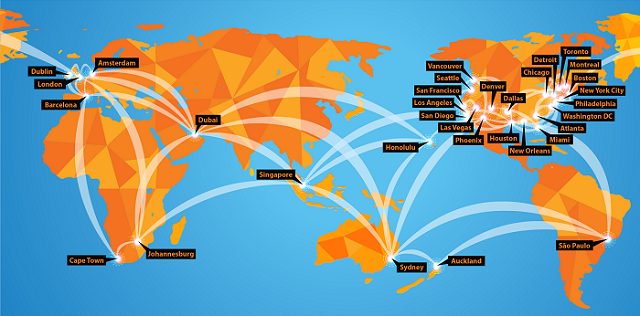
DigiMarCon is the Largest Digital Marketing, Media and Advertising Conference & Exhibition series in the world, with annual events held in all continents (North America, Latin America, Europe, UK, Asia Pacific, Middle East and Africa) in 13 countries (United States, Canada, Australia, New Zealand, United Kingdom, Ireland, Netherlands, Spain, Brazil, Singapore, India, United Arab Emirates and South Africa), across 33 cities (New York, Philadelphia, Boston, Toronto, Vancouver, Montreal, Houston, Dallas, Chicago, Los Angeles, San Francisco, Seattle, Washington DC, New Orleans, Atlanta, Detroit, Miami, Denver, San Diego, Phoenix, Las Vegas, Honolulu, London, Dublin, Amsterdam, Barcelona, Johannesburg, Cape Town, Dubai, Sydney, Auckland, Singapore and Sao Paulo). All DigiMarCon Events can be attended in-person or online. Wherever you are located there is a regional DigiMarCon event nearby you can attend.

DigiMarCon Conferences are held in top luxury 5-star event venues across the world such as; Royal Caribbean Cruise Ships, Olympic Stadiums, Marina Bay Sands Expo & Convention Centre and Wynn, JW Marriott, Marriott Marquis, Hyatt Regency, InterContinental, The Westin, Renaissance, Hilton, Conrad, W, Sheraton, Loews and Sofitel Hotel properties. Discount hotel room rates at each venue hotel means no hassle getting to and from the venue each day.

Building relationships matter! At DigiMarCon Conferences we have more networking breaks on our program than others. On average there are 8 Networking breaks at each event giving delegates ample opportunities in a relaxed atmosphere to meet others over the 2-days at the event; from 1-hour round table networking luncheons to 3-hour dinner receptions. These networking breaks are set in picturesque locations to facilitate memorable experiences while fostering new relationships. Such experiences include enjoying cocktails and the Sunset over the Pacific Ocean on a private Ocean Terrace in Santa Monica, to being on the Sydney Olympic Stadium playing arena at night enjoying cocktails under the lights, to dining at the 360 Revolving Restaurant at the top of the CN Tower in Toronto for a Dinner Reception, enjoying cocktails on a private promenade overlooking Times Square in New York City, or having fun at the Dazzles Night Club onboard the Royal Caribbean Oasis of the Seas for a Farewell Party, etc.
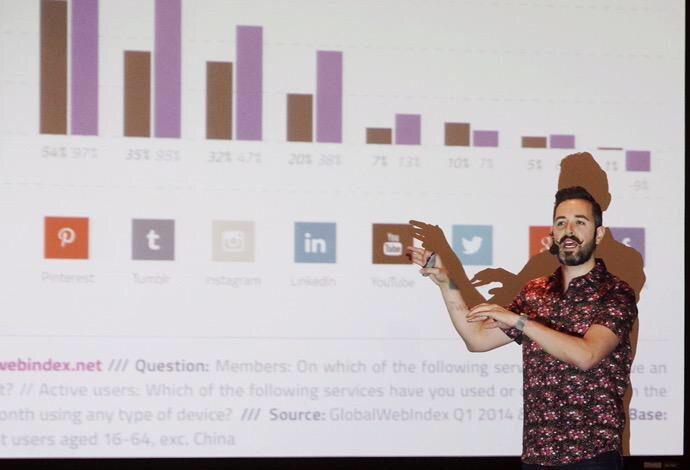
DigiMarCon Keynotes, Panels and Master Classes are facilitated by the foremost thought leaders in the industry, from celebrity social media influencers to CMO’s from the largest Fortune 500 company brands that are disrupting the digital marketing, media and advertising industry, such as Google, Facebook, Microsoft, Amazon, Oracle, Adobe, eBay, Netflix and more. All presentations are pitch-free, and include actionable takeaways, case studies, strategies and tactics, ready to be applied when back in the office.
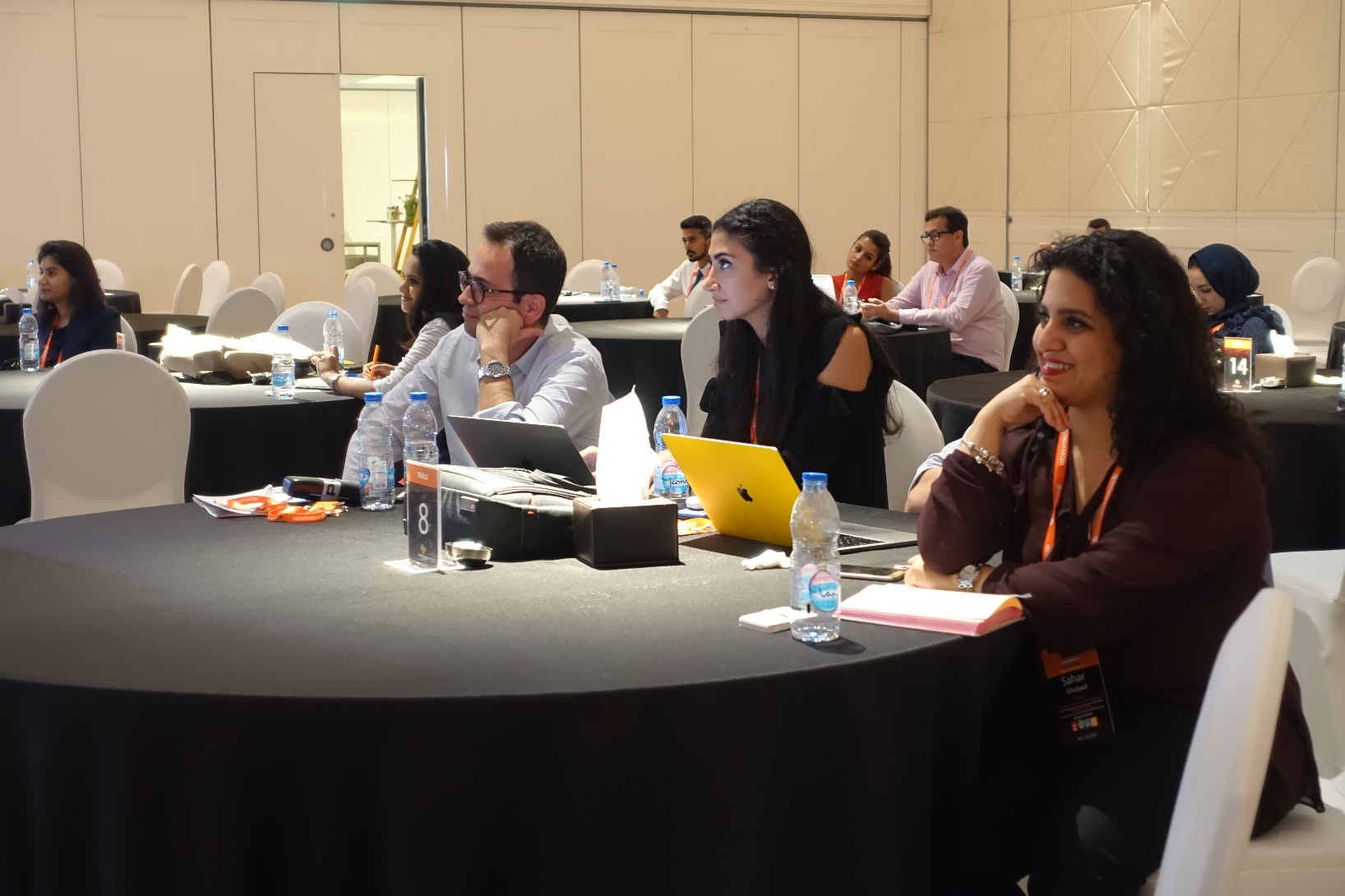
At DigiMarCon Conferences you are never ‘left in the dark’…. literally, in a large room far away from the stage and speakers, crushed in tight theater seating, without even a table, while sitting in the dark. At DigiMarCon all delegates have premium meeting space in luxurious ballroom well-lit spaces, with comfortable seating with table enabling delegates to use their laptop to take notes with ample charging facilities onsite in a comfortable space to learn and thrive. All tables are situated close with direct view of the stage.

DigiMarCon Conferences are affordable to attend, from single-day event passes up to two-day VIP options at a fraction of the cost of other industry events. We offer significant discounts for early bird registrations. Additionally, on top of time-limited discount pass rates, because budgets are tight, we want to make sure all groups have a chance to attend DigiMarCon. For government employees, students, academic, startups, non-profit organizations and teams, we offer generous discounts off the prevailing registration price.
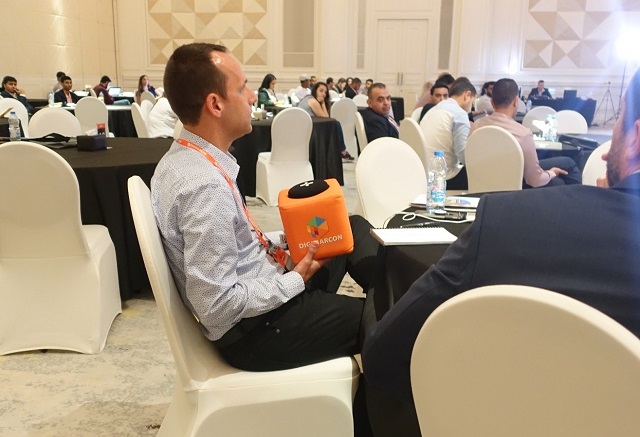
Attend DigiMarCon and you become part of the show! DigiMarCon Conferences tap into the talent of the room, drawing from the knowledge and experience of the professionals in the audience. All DigiMarCon events include regular interactive question and answer sessions with speakers and the audience ideal for collaboration, audience polls, along with ice-breaker and group exercises, steered by charismatic Emcees.
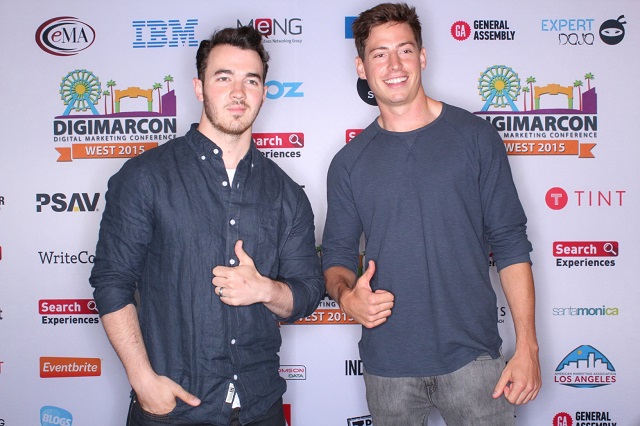
DigiMarCon Conferences put you right up and close with the speakers giving you the opportunity to meet these social media influencers which you follow in person. Speakers are never hidden in private speaker rooms away from the audience, they are in the auditorium sitting right beside you and participating.
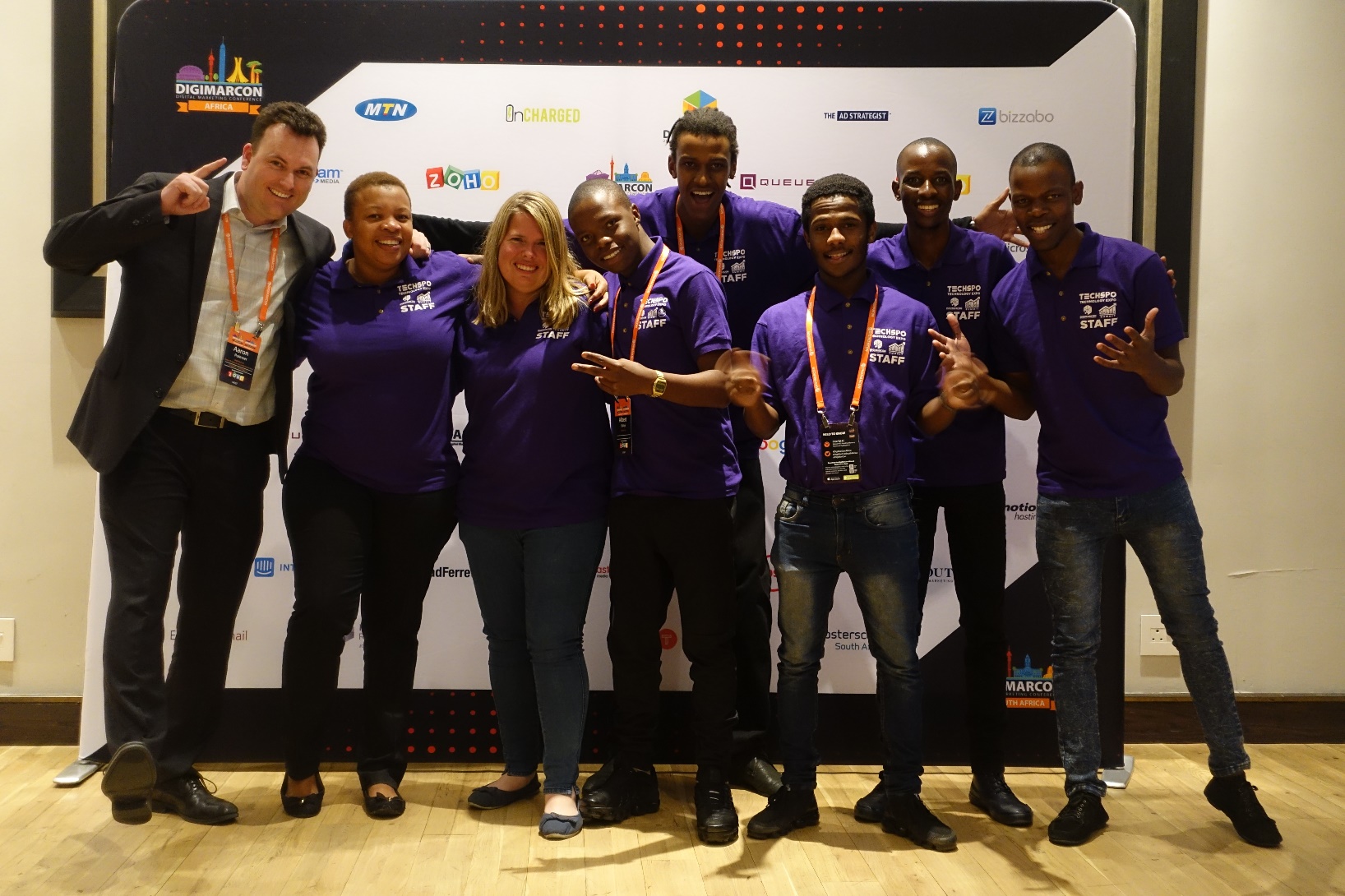
Attending a conference is a well-researched decision. There are many factors to consider such as location, time, venue, cost, speakers, content, etc. At DigiMarCon our results-obsessed Customer Service team are at your service before, during and after the event to help with your needs. It’s at the core of what we do — it drives our business. Offsite, we are ready to assist you via phone, ticket or chat. Onsite at our Conferences, friendly DigiMarCon staff serve as your hosts. They welcome your input and are happy to assist you.

At all DigiMarCon Conferences is the co-located exclusive event TECHSPO Technology Expo, which showcases the new generation of technology and innovation, including; AdTech, MarTech, Internet, Mobile and SaaS technologies. Be inspired, amazed and educated on how these evolving technologies will impact your business for the better. Unlimited Access to TECHSPO Technology Expo is included with all DigiMarCon passes.
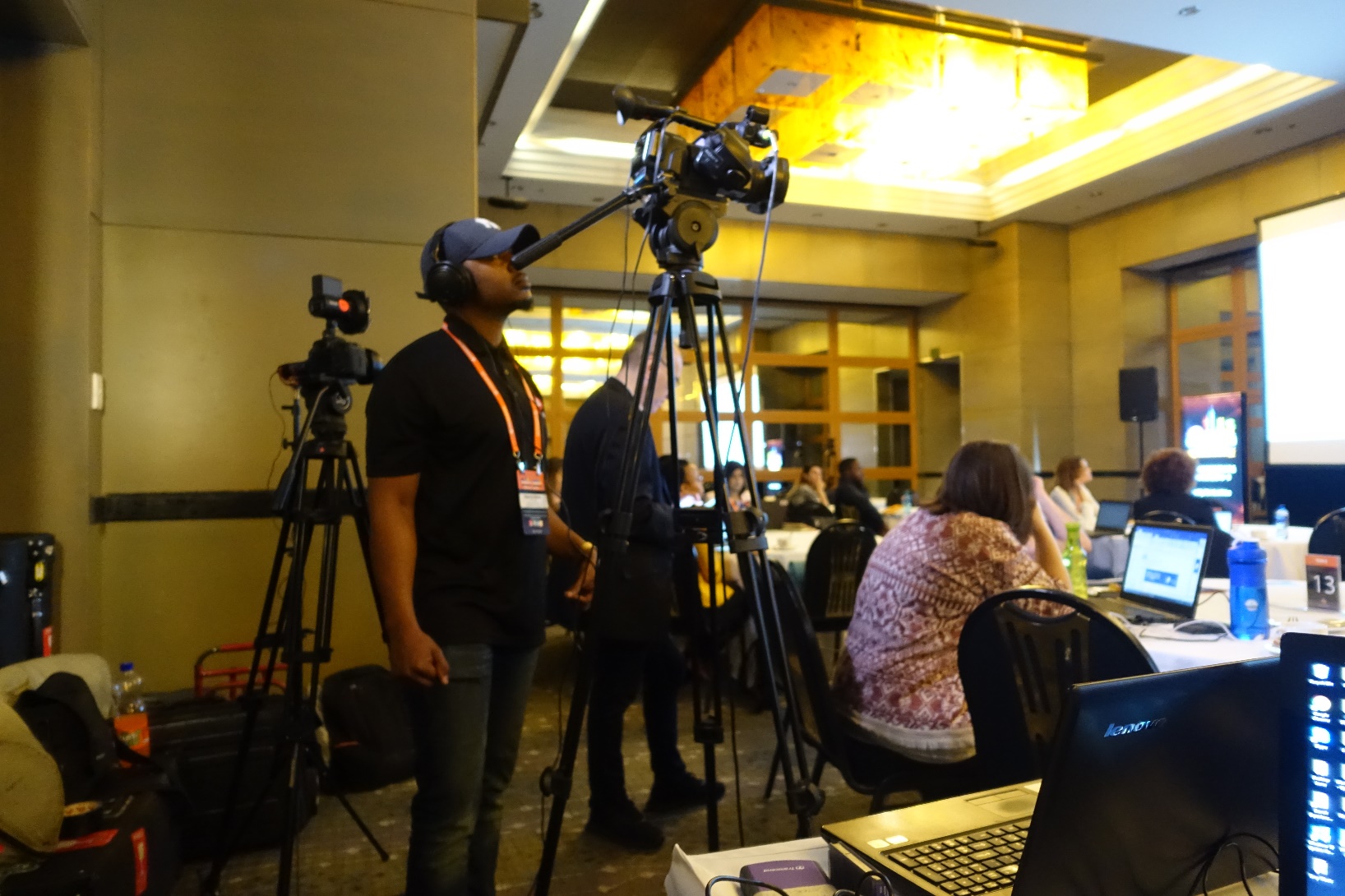
DigiMarCon All Access & VIP Passes include a 12-month on demand access to hundreds of hours of DigiMarCon speaker keynotes, panels and master class presentations from recent DigiMarCon Conferences, including videos, slide decks and key takeaways, available on demand so you can watch what you want, when you want.

Attendees of DigiMarcon Conferences gain membership to an exclusive global Digital Marketing, Media and Advertising Community of over 500,000 worldwide subscribers to our award-winning digital marketing blog and over 100,000 members to the International Association of Digital Marketing Professionals (visit https://iadmp.org). This global community comprises of innovators, senior marketers and branders, entrepreneurs, digital executives and professionals, web & mobile strategists, designers and web project managers, business leaders, business developers, agency executives and their teams and anyone else who operates in the digital community who leverage digital, mobile, and social media marketing. We provide updates to the latest whitepapers and industry reports to keep you updated on trends, innovation and best practice digital marketing.

The events industry has forever changed in a world affected by COVID-19. The health and safety of our guests, staff and community is our highest priority and paramount. The team at DigiMarCon is dedicated to ensuring a great experience at our in-person events, and that includes providing a safe, clean and hygienic environment for our delegates. Some of the key areas we have implemented safe and hygienic measures include;

DigiMarCon has always been industry leaders of the Hybrid Event experience for years (a hybrid event combines a "live" in-person event with a "virtual" online component), no one needs to miss out on attending our events. Each DigiMarCon Conference can be attended in-person (with a Main Conference, All Access or VIP Pass) or online (with a Virtual Pass) giving attendees a choice for the experience they want to have. Attending virtually by viewing a Live Stream or On Demand enables participation by people who might be unable to attend physically due to travel or time zone constraints or through a wish to reduce the carbon footprint of the event. If you would like to meet the speakers, network with fellow marketing professionals at refreshment breaks, luncheons and evening receptions, check out the latest Internet, Mobile, AdTech, MarTech and SaaS technologies providers exhibiting then it is highly recommended to attend DigiMarCon in-person. As the largest Digital Marketing, Media and Advertising Conference series with events in 33 international cities worldwide, across 13 countries, there is bound to be a DigiMarCon Event near you to attend in-person if you can.
DigiMarCon Conference Series is the annual gathering of the most powerful brands and senior agency executives in your region. The Sharpest Minds And The Most Influential Decision Makers - Together for Two Days.
Who Attends Our Conferences
Brands • Agencies • Solution & Service Providers • Media Owners • Publishers • Entrepreneurs • Start-Ups • Investors • Government • Corporates • Institutes of Higher Learning




Your Social Media Strategy Is Becoming Your SEO Strategy: The Rise of Social Search Growth
Did you know that nearly 40% of Gen Z users now prefer TikTok or Instagram over traditional engines when looking for local businesses or product recommendations? This shift marks a massive turning point in digital marketing trends. Discovery is no longer confined to a single search bar on a browser.
Modern audiences treat their favorite apps as primary hubs for information. They rely on community discussions, video reviews, and authentic creator content to make buying decisions. Your brand profile has become a searchable asset that requires the same technical rigor as your website.
We are witnessing a fundamental change in how users find expertise online. This social search growth forces teams to rethink visibility beyond standard keywords. In this article, we will explore how to align your content with these new discovery habits. You will learn how to optimize your presence for better attribution and sustainable long-term success in an evolving landscape.
The Search Landscape Is Moving Beyond Traditional Search Engines
Digital marketing trends are changing fast. Now, social platforms are like search engines. People don’t just look at websites anymore. They use apps to find the latest, most real information.
This change is big. It means brands need to see social media as more than just a place to share. They must view it as a way to help people find what they need.
Why Americans Are Using Social Platforms to Discover Information
Today, people want answers fast and to be sure they’re real. They prefer to see how a product works in action, not just read about it. Social media gives them this by showing them things in a way that feels true.
Also, people trust what others say more than what companies say. When looking for advice, they want to connect with real people. This makes social media a key place for finding trusted information.
How TikTok, Instagram, YouTube, Reddit, and Pinterest Function as Search Engines
Each platform has its own way of helping users find what they need. TikTok and YouTube are great for video tutorials. They’re like big libraries of visual information.
Instagram and Pinterest are all about visuals for things like fashion and home decor. Reddit is a huge place for honest, community-driven advice. Even if you’re not logged in, you might see their content in Google searches, making it easier to find what you need.
The Shift From Keyword Queries to Visual, Conversational, and Community-Led Discovery
How people search is changing. They’re moving from using specific keywords to asking questions naturally. They want answers that feel like they’re from a friend.
This change means brands need a new approach to social media. They should create content that answers questions and builds a community. By doing this, they can stay relevant in a world where finding information is more visual and personal.
What Social Search Growth Means for Modern SEO
Understanding social search growth is key for brands to stay relevant online. Today, people find info in new ways, not just by typing in search bars. They now seek answers in their favorite social apps.
This change means we need to look at visibility differently. Just tracking old metrics isn’t enough anymore. Your audience is now searching for solutions in social apps.
Defining Social Search Growth in Measurable Terms
We track this change through real user behavior. Look for more branded searches, higher profile views, and more traffic from social sites.
These signs show how people interact with your brand beyond search engines. By watching these, businesses can see how social media boosts digital discovery.
How Social Discovery Complements Organic Search Traffic
Social activity boosts organic search traffic, even if it’s not a direct Google ranking factor. When people find your content on social media, they often search for more about it.
This creates a synergistic effect. Social media gets people aware of you, then they search for more. This shows search engines you’re relevant and authoritative.
Why Search Engine Optimization and Social Media Marketing Are Converging
The lines between search engine optimization and social media marketing are blurring. Today, strategies need to work together for a consistent brand message.
By combining these efforts, teams can reach people wherever they are. This unity makes sure your search engine optimization is backed by social insights. It leads to more lasting organic search traffic.
The Data Signals Connecting Social Engagement With Online Visibility
Social media engagement is a key tool for brands to understand what their audience wants. By seeing how people interact with your content, you learn what topics they find interesting. This helps you create a strategy that boosts your online visibility.
Engagement Signals That Reveal Audience Interest
Likes, comments, and shares are like digital votes of confidence from your audience. They show if your content meets their needs. When people engage often, it means your content is relevant.
Active participation often leads to more search interest. By watching these signals, you can spot trends early. This helps you tailor your content to what your audience really wants.
How Shares, Saves, Comments, and Watch Time Extend Content Reach
Actions like saving or sharing your content with friends increase its reach. These actions show algorithms that your content is valuable. This leads to more people seeing your brand.
Watch time and completion rates are key for video platforms. When viewers watch until the end, it means they found the content useful and engaging. This builds your brand’s authority, improving your online visibility.
What Social Media Analytics Can and Cannot Prove About SEO Performance
It’s important to know the difference between correlation and causation in your data. High engagement might mean good search performance, but social media analytics don’t prove it. These metrics are more for understanding content quality and audience response.
Use your social media analytics to spot content gaps or new product ideas. Focus on these insights to make your content more helpful and aligned with user intent.
How Social Platforms Are Changing Keyword and Topic Research
Social platforms have become key places to learn how your audience talks. Traditional tools give broad data but miss the nuanced intent behind searches. By changing your approach, you can find the exact words that drive social search growth.
Finding Real Customer Language in Comments, Captions, and Communities
Insights often hide in comments of viral posts or captions of niche creators. People don’t search for “brand photography services.” They look for “brand photography session with a small business owner in Edinburgh.”
By looking at these natural phrases, you can match your content to your audience’s words. This makes your social media marketing feel real, not forced or too optimized.
Using TikTok and YouTube Autocomplete to Identify Search Demand
TikTok and YouTube are like huge, live search engines. When you type something in their search bars, the suggestions show what users are interested in right now.
These suggestions give a direct window into what’s trending and what people are struggling with. You can make content that answers these questions before others even notice the demand.
Mining Reddit Discussions for Questions Traditional Keyword Tools Miss
Reddit is a treasure trove for deep, qualitative research. Unlike standard keyword databases, Reddit threads have detailed discussions where users ask complex questions.
These threads often point out gaps in information that traditional tools miss. By exploring these communities, you can get ahead by addressing the specific, detailed concerns your customers are talking about.
Building Content for Discovery on Both Social Platforms and Google
Today, your website and social channels are like one big team. They work together to make your brand seen everywhere. This way, your brand stays visible no matter where people look.
Creating Searchable Content With Clear Topics and Audience Intent
Good social media marketing starts with knowing what your audience wants. You need to pick topics that really help them. When your content answers a question, it’s more likely to show up in searches.
Make high-value resources that show you know your stuff. Use the words your customers use to talk about your stuff. This makes your content easy to find and understand.
Balancing Fast Social Formats With Durable Website Content
A strong web presence has both quick social posts and lasting website content. Social media is for fast, short stuff. Your website is for deeper, more lasting info. This mix grabs attention now and keeps attracting visitors later.
See your website as the central hub for your brand’s knowledge. Use social media to get people to visit your website. This way, you use social media’s reach while building your website’s value.
Designing Content Repurposing Systems Without Repeating the Same Message
Great social media marketing means making your content fit each platform. Don’t just copy and paste. Turn a big blog post into a cool video or a series of posts.
Each version should have its own special message. But it should also keep the main idea of the original. This way, you keep people interested without being boring. It helps you reach more people and shows you’re an expert online.
Platform-Specific SEO Strategies for Social Search
To succeed in today’s digital world, you need to adjust your seo strategies for each social platform. The core ideas of relevance and authority are the same, but how you apply them changes a lot. Knowing these differences is key for any brand wanting to be seen more in social searches.
TikTok SEO for Captions, On-Screen Text, and Spoken Keywords
TikTok uses text to figure out what your videos are about. Make sure your captions and on-screen text are clear and include important keywords. Also, don’t forget about spoken keywords in your videos, as TikTok uses audio to understand your content.
Instagram SEO for Profiles, Reels, Alt Text, and Topic Relevance
Your Instagram profile is like a home page that needs to be optimized. Use clear, keyword-rich bios. For posts, use Reels with good captions and hashtags. Adding alt text to your images and carousels makes them easier to find.
YouTube SEO for Titles, Chapters, Descriptions, and Viewer Retention
YouTube is the oldest search engine among social platforms. It rewards creators who give good metadata. Use clear titles and detailed descriptions with your main keywords. Adding video chapters helps both viewers and Google find specific parts of your video. Keeping viewers engaged shows YouTube that your video is valuable.
Reddit SEO for Helpful Discussions, Community Rules, and Expertise
Reddit is different because it values real community interaction over ads. To succeed, give helpful answers in the right subreddits instead of posting ads. Always follow the community rules and aim to build genuine authority. This way, your posts are more likely to get upvoted and seen by others.
By using these specific search engine optimization tips for each platform, your brand can stay visible where your audience is. Being consistent in these efforts will help you build a strong presence that works well in both social and traditional searches.
Making Social Content More Credible, Useful, and Searchable
To truly master the art of discovery, brands must focus on making their social media useful and easy to find. When content offers real value, it boosts your online visibility on social media and search engines. This way, your brand becomes a trusted source for your audience.
Using Original Evidence Instead of Generic Marketing Claims
Today’s users can spot fake marketing talk easily. Instead, successful brands share original evidence to prove their worth. This could be a peek behind the scenes or a real case study. Authentic content builds trust faster than ads.
This method boosts your online visibility by increasing engagement. When you offer unique proof, search algorithms see your content as high-quality and relevant.
Demonstrating Expertise Through Examples, Data, and Expert Commentary
Being an authority means more than just saying you are. You must show your expertise with examples, data, and team insights. This turns your social channels into a knowledge hub, boosting your web presence.
Sharing data-backed insights gives users the info they need to make smart choices. This level of detail helps search systems understand your content’s depth, even if Google shortens it for snippets.
Improving Accessibility With Captions, Transcripts, Alt Text, and Clear Formatting
Accessibility is key to a user-friendly web presence. Adding captions to videos, transcripts for audio, and descriptive alt text for images makes your content accessible to more people. Clear formatting, like bullet points and short paragraphs, helps users quickly scan your content.
These practices give search engines stronger contextual signals about your content’s topic and purpose. When your content is easy to read, your message reaches everyone, no matter how they use your digital assets.
How Social Media Engagement Influences the Customer Journey
The path to conversion now includes many social interactions before a user clicks a link. Today’s consumers rarely follow a straight path. They often jump between platforms and search engines to make sure they’re making the right choice. By understanding this, brands can make their content more relevant to what their audience needs.
Turning Social Discovery Into Website Visits and Branded Searches
A user might first see your brand through a helpful Reel or a detailed Reddit response. Even if they don’t click right away, it starts to make them aware of you. Over time, this social media engagement builds a connection that leads them to search for your brand on Google.
These branded searches are key because they show high intent. When users search for your brand name after seeing your content, it boosts your authority. This turns passive viewers into active seekers, increasing your organic search traffic.
Building Trust Before Users Are Ready to Convert
Trust is key in today’s digital world. Users often need to see you multiple times before they feel ready to buy or sign up. By consistently providing value on social platforms, you show your expertise and reliability without pushing too hard.
This approach helps you build trust with users during the consideration phase. When they do visit your website, they already know your voice and values. This pre-conversion trust makes it easier for them to convert, improving your overall rates.
Using Community Interaction to Reveal New Content and Product Opportunities
Your comment sections and community discussions are full of valuable insights. When users ask questions or share their frustrations, they’re giving you a roadmap for your content strategy. These interactions highlight specific pain points that keyword tools might miss.
By listening to your community, you can spot gaps in your offerings or discover new product features that customers want. Treating these insights as strategic data lets you create content that meets real-world needs. This keeps your organic search traffic relevant and targeted to your audience’s changing interests.
Measuring Social Search Growth Across the Full Marketing Funnel
Measuring social search growth needs a new approach. Just looking at likes or shares isn’t enough. You must see how your content affects real actions.
Using holistic data analysis helps. It shows how social interactions boost your search visibility. This turns your strategy into a data-driven plan.
Core Metrics for Reach, Discovery, Engagement, and Conversion
Start by tracking metrics that show real interest. Look at saves, shares, and profile visits as key signs of discovery. These actions show your content is worth revisiting or sharing.
When checking social media analytics, focus on watch time and comment sentiment. High engagement means your brand is seen as trustworthy. This signals to search engines that your content is reliable.
Tracking Assisted Conversions Beyond Last-Click Attribution
Most marketing models only credit the last touchpoint for a sale. But, a user might find your brand on TikTok, then Google, and buy through email. Assisted conversions show the whole journey a customer takes before buying.
By looking at these paths, you can find out which social content sparks a search. This is key to showing the value of your social efforts over time.
Combining Google Search Console, Google Analytics 4, and Platform Analytics
To get a complete view, combine data from different sources. Use Google Search Console to watch for spikes in branded searches after social campaigns. At the same time, use Google Analytics 4 to see how social traffic acts on your site.
Social media analytics tell you why the traffic happens. Web analytics show what the users do. Together, they tell a full story of your online presence.
Creating a Practical Social-to-SEO Reporting Dashboard
For consistent reporting, use UTM parameters for every social link. These tags help track where each visitor comes from. A good dashboard should show how these links relate to conversions and lead quality.
Your reports should show how social engagement boosts organic search. By showing these trends, you can prove how strategic content distribution improves your search performance.
Common Mistakes That Weaken a Social-Led SEO Strategy
Creating a lasting online presence is hard. It’s easy to get caught up in quick wins instead of long-term success. Many groups struggle to keep up with social media’s fast pace and search engines’ strict rules. Without a plan, efforts can be scattered and ineffective.
Chasing Viral Reach Without Building Searchable Brand Assets
Many focus too much on going viral. While a hit video can bring quick visitors, it doesn’t help much in the long run. Good social media marketing creates lasting content that stays relevant.
Copying Trends That Do Not Match Audience Intent or Business Goals
Brands often copy popular trends without checking if they fit. If a trend doesn’t match what people are looking for, it won’t help much. It’s key to make sure all content aligns with your business goals.
Ignoring Comments, Community Context, and Platform-Specific Expectations
Doing well on social media means respecting the community and platform culture. Treating all channels the same can hurt engagement. Also, posts with direct links can get a big penalty in reach, sometimes up to 50%.
Relying on Vanity Metrics Instead of Business and Search Outcomes
Just looking at likes and shares can hide the real impact. These metrics don’t always show how well you’re doing. Instead, focus on branded demand and website actions to see how social media affects customers.
A Data-Driven Operating Model for Integrated Social and SEO Teams
Combining social and SEO workflows boosts digital growth. When these teams work alone, brands miss chances to engage audiences. By working together, they make sure content meets both short-term engagement and long-term search goals.
Assigning Shared Goals to Social Media and Organic Search Teams
Collaboration starts with unified key performance indicators. Teams should track shared metrics like assisted conversions and branded search volume. This way, social media helps the overall seo strategies succeed.
Being consistent in brand voice and visuals is key. When social profiles and websites match, people recognize the brand. This trust leads to deeper website visits.
Building a Testing Cycle for Topics, Formats, Hooks, and Calls to Action
A testing cycle helps find what works with the audience. By trying different hooks and formats, marketers see what topics spark the most interest. This info guides future content.
Each test should have a clear call to action to lead users to web assets. By seeing which prompts get more clicks, teams can improve their strategy. This process turns data into useful insights.
Using Monthly Performance Reviews to Update SEO Strategies
Monthly reviews help check progress against goals. Teams look at changes in platform behavior and search demand. This lets them quickly adjust seo strategies to stay ahead.
These meetings also highlight content that works well. By looking at assisted conversions, teams show the value of social engagement. Staying up-to-date with digital marketing trends keeps strategies sharp.
Prioritizing Sustainable Web Presence Over Short-Term Platform Volatility
Dependence on social algorithms is risky for growing brands. Viral moments may spike traffic but don’t build lasting authority. A sustainable web presence focuses on creating lasting content.
By focusing on owned channels, brands avoid risks from platform changes. This approach values long-term growth over short-term trends. The goal is a digital ecosystem that thrives despite external changes.
Conclusion
The old days of just using search engines are over. Now, people look to social platforms to find what they need. This change means brands must rethink how they get noticed and build trust.
To succeed, brands need a plan that connects social media and their websites. They should use language that’s easy to find and add value where it matters most. This approach helps businesses meet customers’ needs, no matter where they are.
Being credible and easy to find online is key. Brands that keep up with these changes will stay ahead. By doing so, they make sure they’re seen, relevant, and trusted by everyone they meet online.
Short-Form Video Stills Dominates What You Need to Know
Did you know 81% of consumers now want more short content from brands? This shows that short-form video is king in today’s digital world. What started as a trend has become the main way we share information.
People today want quick, fun videos that fit their fast-paced lives. Attention spans are getting shorter, making short videos a must for brands. It’s not just about fun; it’s about connecting with your audience.
As we move forward, businesses need to keep up with this trend to stay ahead. Learning to use these short videos will be key to your success in 2025. Let’s see how you can use this powerful tool to win hearts in a crowded market.
The Evolution of Online Video Consumption
The way we use digital media has changed a lot in the last ten years. Online video consumption has grown a lot, becoming the main way we use the internet. By 2025, video will make up 82% of all internet traffic, changing how we connect with brands and creators.
From Long-Form Content to Micro-Moments
We’ve moved from watching long programs to focusing on micro-moments. These are short times when we quickly check our devices for info or fun. This change shows we want quick, valuable content without long stories.
Brands that get this are doing well by sharing important messages fast. They make complex ideas simple in short videos. This way, they reach people right when they need it, keeping up with the fast digital world.
The Psychological Appeal of Rapid-Fire Content
Why do we love short, fast videos so much? It’s because they create a dopamine-driven feedback loop. Each time we swipe, we hope to find something new and exciting, keeping us hooked.
These video content trends meet our need for quick satisfaction. A video that grabs our attention and ends quickly feels complete, unlike longer ones. Knowing these psychological tricks is key for brands to stay on top in a competitive market.
Why Short-Form Video Stills Dominates the Digital Landscape
Short-form video is big because it fits our fast lives. We’re surrounded by so much data, and short videos are easy to handle.
Now, brands use short videos to connect with people. They focus on quick, valuable content instead of long stories.
The Role of Algorithmic Personalization
Platforms use smart algorithms to keep us watching for hours. They learn what we like by tracking our actions.
These algorithms make our feeds feel just for us. It’s hard to stop watching because it’s so personal.
Attention Spans and the Need for Instant Gratification
A study by Microsoft found our attention span is just eight seconds. Creators must grab our attention fast.
Short videos meet our need for quick entertainment. They give us immediate satisfaction without taking too much time.
Quick, direct content respects our time and keeps us engaged. This fast delivery and reward cycle drives the digital world.
Key Platforms Driving the Short-Form Revolution
The digital world has changed a lot, making short-form content a big part of our lives. Now, we look at the main apps that have made viral video trends a worldwide hit. These apps have changed how brands and creators reach out to their fans.
TikTok and the Rise of Viral Discovery
TikTok is the main driver of today’s viral video trends. It hit 1 billion users faster than any other platform, showing people love quick, real content. Its special algorithm helps new creators get noticed, no matter their number of followers.
Instagram Reels and the Integration of Social Commerce
Instagram Reels has made it easy to mix fun and shopping. It lets users buy things right from the app, making it easy for brands to turn viewers into customers. This is a big win for companies wanting to grow their sales.
YouTube Shorts and the Power of Existing Ecosystems
YouTube Shorts uses YouTube’s huge user base to its advantage. It adds short videos to the YouTube experience, helping creators find new fans. This setup makes it easy to move from short clips to longer videos, helping channels grow.
Essential Video Marketing Statistics for Modern Brands
Short-form video is changing how we interact with brands. By looking at video marketing statistics, companies can make smart choices. These numbers help prove the value of creative efforts to others.
Conversion Rates and Engagement Metrics
Most digital campaigns aim to turn viewers into loyal customers. 64% of consumers have bought something after seeing a brand’s short video. This shows how powerful video can be in selling.
High social media engagement often means more sales. When people like, share, and comment on your content, they show interest. Successful teams watch these signs closely:
The Impact of Video on Brand Recall
Video content is key for brand memory. Short clips help your brand stand out. When a video is fun and informative, it makes a strong impression.
The table below shows how different videos affect people:
By focusing on these metrics, your team can improve its impact. Keeping an eye on social media engagement helps your strategy stay current. Data-driven choices lead to better brand growth.
Crafting a Winning Short-Form Video Strategy
Mastering short-form video is key for today’s digital marketing strategies. You need to grab attention fast. Viewers decide quickly if they’ll watch or scroll.
Nielsen’s research shows videos with fast cuts in the first three seconds get more views. This fast-paced editing style keeps viewers interested from the start.
Defining Your Brand Voice in Under Sixty Seconds
With less than a minute to impress, your brand voice must be clear. Know your core message before filming.
Your brand’s personality should show right away. Whether you’re playful, authoritative, or educational, be consistent. This builds trust and recognition with your audience.
Balancing Authenticity with High-Production Value
Creators often struggle to balance polished visuals with real content. High-quality visuals are important, but don’t forget your brand’s human element.
People prefer content that feels real and unscripted. It creates a deeper connection. Using these digital marketing strategies helps you look professional while staying relatable.
The best strategy is to focus on storytelling over perfection. Genuine content encourages viewers to engage, share, and remember your brand.
Optimizing Content for Maximum Reach and Engagement
Success in today’s video world needs both technical skill and creative storytelling. Creators must learn video platform optimization to reach the right audience. By using data to make smart changes, you can increase social media engagement and build a loyal fan base.
The Art of the Hook and Retention Tactics
The first three seconds of your video are key. You need to grab the viewer’s attention right away with something interesting or a question. This is even more important with YouTube Shorts, which now gets over 70 billion views daily in 2024.
To keep viewers, keep your video fast-paced and packed with information. Don’t waste time with long intros. Consistency in pacing helps viewers stay until the end, showing the algorithm your video is worth sharing.
Understanding Platform-Specific Algorithm Nuances
Each platform has its own rules for sharing content. TikTok loves quick trends and audio, while Instagram Reels focus on looks and community. Knowing these differences helps you make your content more impactful.
Study how your audience reacts to different formats on each platform. Adjusting your style to fit each platform’s vibe can boost your reach. Strategic adjustments based on platform behavior are key for growth.
Best Practices for Hashtags and Metadata
Metadata connects your content to viewers. Use the right keywords in titles and descriptions for better search results. This is a basic but important part of video platform optimization.
Hashtags should be used carefully to fit your niche. Avoid too many generic tags. Instead, mix broad and specific tags to attract both new and existing viewers.
Tools and Technologies for Efficient Video Production
Creating top-notch video content doesn’t need a big studio or a huge budget. The right software can help you get professional results. This way, you can focus on video platform optimization to reach your audience.
Mobile Editing Apps for Creators on the Go
Today’s smartphones can handle complex video editing tasks. Apps like CapCut and InShot offer easy-to-use interfaces. They let creators edit, trim, and color-grade footage in minutes.
These apps are great for capturing quick moments or behind-the-scenes shots. Using them well is key to successful video platform optimization. It helps creators quickly respond to trending topics.
AI-Powered Tools for Scripting and Captioning
AI tools are making video production faster and cheaper. Platforms like Descript let you edit video by just editing text. This saves a lot of time.
Also, automated captioning tools make your content accessible and engaging, even on mute. This tech is vital for keeping viewers interested across different social channels.
Streamlining Workflows for Consistent Posting
Being consistent is key for any social media success. Use project management software and scheduling tools to streamline your work. This helps avoid burnout.
Having a repeatable workflow keeps your brand relevant in a busy digital world. Combine these efficient steps with smart video platform optimization. This creates a cycle of growth and connecting with your audience.
Navigating Challenges in the Short-Form Space
Being creative in short-form video is just the start. You also need resilience. The chance to grow is huge, but keeping up with viral video trends can be tough. Knowing how to handle this pressure is key to lasting success.
Avoiding Content Burnout and Maintaining Quality
Posting often helps you see what your audience likes and keeps them coming back. But, always coming up with new stuff can burn you out. Here are some tips to stay fresh without losing quality:
Creating a sustainable pace keeps your brand real. Your fans care more about consistency than flawlessness. By not chasing every trend, you can focus on making meaningful content.
Dealing with Platform Policy Changes and Shadowbanning
Platforms change their rules often, affecting your views quickly. These updates can make you worry about being shadowbanned or losing followers. The best approach is to build a community that’s not tied to one app.
Spread your reach by directing people to your website or email list. Keep up with community rules to avoid trouble. If your views drop, check if it’s a platform issue or a trend change. Adapting calmly will help you overcome these challenges.
Measuring Success Through Advanced Video Analytics
Brands can unlock their video content’s full power by looking beyond basic metrics. High view counts might look good, but they don’t show how your audience really interacts with your brand. Recent video marketing statistics show that 66% of marketers find short-form video the most engaging for their audience. This makes measuring your success more important than ever.
Key Performance Indicators Beyond View Counts
To really understand your impact, look at metrics that show real interest. Retention rate is key, as it shows when viewers stay or leave. If they leave quickly, your hook needs work.
Engagement metrics like shares, saves, and comments give a clearer view of how your audience feels. These actions show your content has made a personal impact. By tracking these, you can make your strategy fit with video content trends that focus on real interaction.
Using Data to Iterate and Improve Future Content
Good video analytics guide your creative process. Analyzing top-performing videos helps you spot patterns in pacing, music, and style. This data-driven method cuts out the guesswork in your production.
Try a cycle of testing and learning to improve your content. By comparing different video lengths or topics, you can optimize your strategy for better results. Regularly reviewing your metrics means every piece of content gets better, keeping your brand fresh in a busy digital world.
Conclusion
Short-form video has changed how we see brands. It’s a bridge between quick discovery and lasting loyalty. Companies now mix short, engaging clips with longer stories to connect with viewers.
Today’s digital marketing needs a new way of thinking. Every frame should offer value or pique curiosity. This keeps people coming back for more.
Analytics are key to your creative work. By checking your video stats, you learn what works. This helps you improve your messages and stay current with trends on TikTok and Instagram.
Make video a key part of your growth plan. Try new formats and listen to your metrics. Your brand can lead in this fast digital world.
The Secret Marketing Asset You’re Already Paying For
Ever feel like your marketing budget is endless? You spend a lot on ads, hoping to grow, but it feels empty. It is exhausting to chase growth while ignoring the most powerful resource already sitting in your office.
Your team is more than just employees; they are your brand’s heart. Paid ads can grow your revenue, but your team is a hidden treasure. By changing how you see them, you can make your company’s culture a strong marketing tool.
Authenticity is the new currency of the digital age. When you let your team share their stories, you get employee-generated content that connects deeply. This approach doesn’t need more money. It just needs to value your team more. Let’s see how to tap into this hidden strength and grow your brand from within.
Why Your Team Is Your Most Powerful Marketing Channel
Many companies forget about their most valuable asset: their employees. While big campaigns are important, they can’t match the human touch people want today. Your team members have insights and experiences that are more relatable than any ad.
By letting your staff share their views, you unlock a treasure trove of authentic stories. These stories connect deeply with your audience. They speak to the brand mission every day, adding credibility that money can’t buy.
Using your team’s knowledge is a smart move. It saves time and effort in marketing. Instead of starting from scratch, you showcase the valuable knowledge your team already has. This way, your brand can reach more people without spending too much.
Your employees are the best advocates for your brand. They make your company feel real and personal. By letting them share their stories, you turn your team into a dynamic engine for growth and connection.
Defining Employee-Generated Content and Its Strategic Value
Your brand’s voice comes from the people who work for you every day. By using their unique views, you can make your brand feel both professional and personal. This strategic approach turns your team into a key driver for growth and awareness.
Distinguishing Between User-Generated Content and Internal Contributions
It’s key to know the difference between content from customers and your team. User-generated content comes from outside reviews, while your team’s work gives a real look at your company.
User-generated content is like a review from someone else. On the other hand, employee-generated content shows what’s inside your company. Both are important but serve different marketing roles.
The Psychological Impact of Humanizing Your Brand
People prefer to connect with people, not just logos. Sharing your team’s stories makes your company feel more real. This humanizing effect builds trust and a strong bond with your audience.
When your team shares their stories, they show your company’s integrity and passion. This openness makes your brand feel closer and more relatable. By focusing on employee-generated content, you create a community based on shared experiences.
Building a Culture That Encourages Workplace Content Creation
Changing your company culture begins with letting your team share their professional stories. When they feel free to contribute, workplace content creation becomes part of their job. This change needs leaders to focus on safety and open talk.
Removing the Fear of Public Speaking and Posting
Many team members are scared to share because of fear of being judged or making mistakes. It’s important to tell them that being real is more important than being perfect online. By setting clear, supportive rules, you create a space for trying new things.
Managers should praise early efforts to boost confidence in the team. Seeing peers get praised for their work helps reduce the fear of internal content creation. A supportive place is key to lasting success.
Providing the Right Tools for Staff-Generated Content
Even the most eager employees need a plan to stay on track. Giving them easy-to-use tools like content calendars and approved templates helps. These tools make sure staff-generated content fits your brand while letting them be creative.
Think about having short workshops to show how to use these tools well. When you make the technical parts easy, your team can focus on sharing their knowledge. Giving the right support makes staff-generated content a natural part of their day.
In the end, a great workplace content creation plan is about making things easy. By giving the right help and tools, you let your team be the true voice of your brand.
The Benefits of Employee-Driven Content for Brand Authenticity
Your employees are the key to building trust with your audience. In a world full of ads, people want to hear from real people. By focusing on employee-driven content, you can change how people see your brand.
This change is more than just a new social media plan. It’s about connecting with your community on a deeper level. When employees share their views, they offer the transparency today’s buyers want. This makes your brand unique by showing the real people who work for you every day.
Why Customers Trust Employees More Than Corporate Ads
Today’s shoppers are wary of ads that seem too perfect or too pushy. They know ads aim to sell, but employee-driven content feels like advice from a friend. This change is key to earning lasting loyalty.
When an employee talks about their experience, it’s more believable than a brand account. People feel more at ease with someone who knows the product well. This makes it easier for new people to join your community.
Improving Social Proof Through Real-World Experiences
Social proof is key in marketing, and your team is the best source. By sharing real stories and behind-the-scenes looks, you prove your brand’s promises. This user-generated content is a strong endorsement for new customers.
Showing your team’s success with charts and photos can really grab attention. When you mix data with real stories, you create a story that stands out. Authenticity is priceless today, and your employees are your most valuable asset in earning it.
Strategies for Successful Collaborative Content Development
Your team is key to telling real stories through collaborative content development. By using your staff’s unique knowledge, you turn your brand into a group of relatable experts. This makes your messages fresh, diverse, and close to your audience.
Identifying Internal Subject Matter Experts
Every company has hidden talent waiting to be found. Look for employees who love their job and want to share their unique insights. These people connect complex ideas to what your customers need.
Begin by checking your departments for those who explain things well. Identifying internal subject matter experts is key to a steady flow of great content. Encourage them to share their views on trends or customer issues.
Creating Content Calendars That Include Employee Voices
A good calendar is essential for marketing success. You can stretch your resources by breaking down big ideas into smaller pieces. This collaborative content development keeps your schedule full without overloading your team.
Here are easy ways to add employee voices to your plans:
By mixing these contributions into your workflow, your brand stays lively and relevant. This approach keeps your calendar full and shows off your diverse expertise. It makes your company stand out in a busy market.
Overcoming Common Hurdles in Organizational Content Generation
Successfully navigating organizational content generation needs a balance. Leaders often fear legal risks or a weak brand image if they empower staff. But, with the right approach, these fears can become strengths.
Addressing Legal and Compliance Concerns
Start by setting clear guidelines for workplace content creation. Give your team a simple handbook on what’s okay to share and what’s not. This clarity helps employees who want to contribute but are worried about mistakes.
Regular training is key to keeping compliance in mind. Workshops help address specific issues and show how to handle sensitive topics. When employees understand the reasons behind the rules, they’re more likely to follow them.
Managing Brand Consistency Without Stifling Creativity
Keeping a unified brand voice doesn’t mean every post must sound corporate. Instead, encourage collaborative content development that lets employees share their views while staying true to your values. Offer flexible templates or talking points to boost their confidence.
Trust is essential for a successful program. When you let your team express themselves, they often create more genuine and engaging content. Here are some tips to keep your efforts on track:
By using these strategies, you can manage risks in collaborative content development. This way, your workplace content creation stays safe and effective for your brand’s growth.
Leveraging Internal Content Creation for Recruitment and Retention
Turning your team into brand advocates gives you a big edge in the job market. By focusing on employee-driven content, you show job seekers what it’s really like to work for you. This openness helps them see if your company’s culture fits their own values.
Showcasing Company Culture to Future Employees
Today’s top talent wants more than just a good salary; they want to feel at home. By sharing your team’s stories, you give a real look at your workplace. People trust what your current staff says more than fancy recruitment videos.
Share team achievements, office traditions, or personal growth stories. This builds social proof that your company is a top place to grow a career. It makes your current staff your best recruiters.
Boosting Employee Morale Through Recognition
Creating content does more than just reach outside; it’s a great way to celebrate your team. When you feature team members in your employee-driven content, you show them you value their hard work. This makes them feel proud and connected to your company.
When employees feel appreciated, they’re more likely to stick around. By sharing their successes, you create a culture of gratitude. This positive feedback loop motivates others to contribute, making your employer brand stronger with employee-driven content.
Measuring the ROI of Your Company Content Contribution Efforts
Turning employee enthusiasm into measurable business results is key for any modern brand. Investing in internal content creation means making sure it meets your business goals. By setting up a clear analysis framework, you can show the real value of your team’s contributions to stakeholders.
Tracking Engagement Metrics on Employee Posts
To see how well your company content contribution works, look beyond simple likes. Deeper engagement shows how your audience interacts with your brand. Focus on these key indicators to measure success:
Connecting Content Reach to Lead Generation
The real strength of organizational content generation is in filling your sales pipeline. When employees share real stories, they reach audiences that ads can’t. Use unique tracking links or UTM parameters on all shared posts to track this.
By linking these clicks to your CRM, you can see how company content contribution affects the customer journey. This data helps you improve your strategy, focusing on topics that bring in the most qualified leads. Regularly checking your organizational content generation keeps it a valuable and profitable asset for the future.
Best Practices for Scaling Your Employee Advocacy Program
Turning your workforce into brand advocates is a journey that needs consistency and care. To grow, you must move beyond one-off efforts. A structured framework supports your team, ensuring staff-generated content stays high-quality and aligns with your goals.
Training Programs for Aspiring Brand Ambassadors
A successful program starts with empowering employees through training. Give clear guidelines on sharing professional insights while keeping their unique voice. Workshops on social media best practices help staff feel confident and ready to represent the brand.
Teach team members to spot relevant industry trends. When they see the value of their company content contribution, they’re more likely to post often. Giving access to curated resources and templates helps newcomers.
Incentivizing Participation Without Forcing Engagement
Scaling efforts need a balance between encouragement and freedom. Avoid making posting mandatory, as it can lead to burnout and lower quality. Instead, create a culture where genuine enthusiasm drives posting.
Set up a recognition system to celebrate top contributors. Public shout-outs or internal awards can motivate. By showing the impact of staff-generated content, you make it rewarding, not a chore.
Conclusion
Your team members are your most valuable marketing asset. They bring a real authenticity that paid ads can’t match. By encouraging them to contribute, you turn your team into a strong force for your brand’s growth.
Creating a successful content program takes time and clear communication. You’ve learned about its strategic value, challenges, and how to measure success. It’s time to apply what you’ve learned.
Begin with small steps. Keep your message consistent but let each person’s voice be heard. See how your brand’s reach and reputation grow with your team’s help.
Start talking to your staff today to find the stories they have to share. Your next big marketing campaign could be happening right now. Give your team the chance to share their knowledge and watch your business flourish.