 View Upcoming Digital Marketing, Media and Advertising Conferences & Exhibitions
 Phone:
Posts Tagged "Employee Engagement"



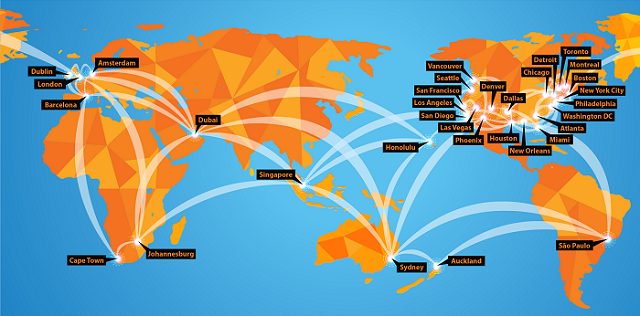
DigiMarCon is the Largest Digital Marketing, Media and Advertising Conference & Exhibition series in the world, with annual events held in all continents (North America, Latin America, Europe, UK, Asia Pacific, Middle East and Africa) in 13 countries (United States, Canada, Australia, New Zealand, United Kingdom, Ireland, Netherlands, Spain, Brazil, Singapore, India, United Arab Emirates and South Africa), across 33 cities (New York, Philadelphia, Boston, Toronto, Vancouver, Montreal, Houston, Dallas, Chicago, Los Angeles, San Francisco, Seattle, Washington DC, New Orleans, Atlanta, Detroit, Miami, Denver, San Diego, Phoenix, Las Vegas, Honolulu, London, Dublin, Amsterdam, Barcelona, Johannesburg, Cape Town, Dubai, Sydney, Auckland, Singapore and Sao Paulo). All DigiMarCon Events can be attended in-person or online. Wherever you are located there is a regional DigiMarCon event nearby you can attend.

DigiMarCon Conferences are held in top luxury 5-star event venues across the world such as; Royal Caribbean Cruise Ships, Olympic Stadiums, Marina Bay Sands Expo & Convention Centre and Wynn, JW Marriott, Marriott Marquis, Hyatt Regency, InterContinental, The Westin, Renaissance, Hilton, Conrad, W, Sheraton, Loews and Sofitel Hotel properties. Discount hotel room rates at each venue hotel means no hassle getting to and from the venue each day.
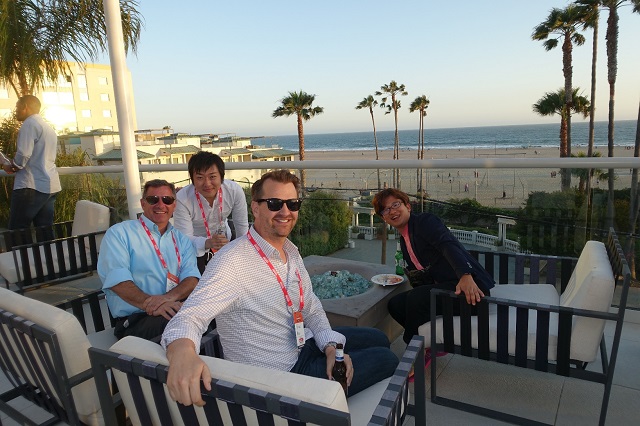
Building relationships matter! At DigiMarCon Conferences we have more networking breaks on our program than others. On average there are 8 Networking breaks at each event giving delegates ample opportunities in a relaxed atmosphere to meet others over the 2-days at the event; from 1-hour round table networking luncheons to 3-hour dinner receptions. These networking breaks are set in picturesque locations to facilitate memorable experiences while fostering new relationships. Such experiences include enjoying cocktails and the Sunset over the Pacific Ocean on a private Ocean Terrace in Santa Monica, to being on the Sydney Olympic Stadium playing arena at night enjoying cocktails under the lights, to dining at the 360 Revolving Restaurant at the top of the CN Tower in Toronto for a Dinner Reception, enjoying cocktails on a private promenade overlooking Times Square in New York City, or having fun at the Dazzles Night Club onboard the Royal Caribbean Oasis of the Seas for a Farewell Party, etc.
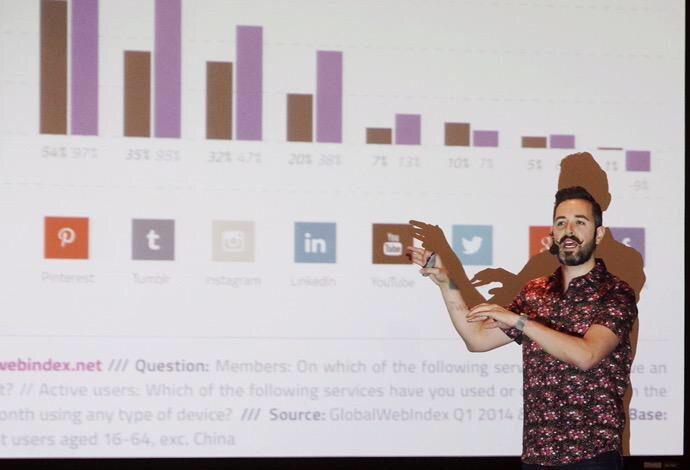
DigiMarCon Keynotes, Panels and Master Classes are facilitated by the foremost thought leaders in the industry, from celebrity social media influencers to CMO’s from the largest Fortune 500 company brands that are disrupting the digital marketing, media and advertising industry, such as Google, Facebook, Microsoft, Amazon, Oracle, Adobe, eBay, Netflix and more. All presentations are pitch-free, and include actionable takeaways, case studies, strategies and tactics, ready to be applied when back in the office.
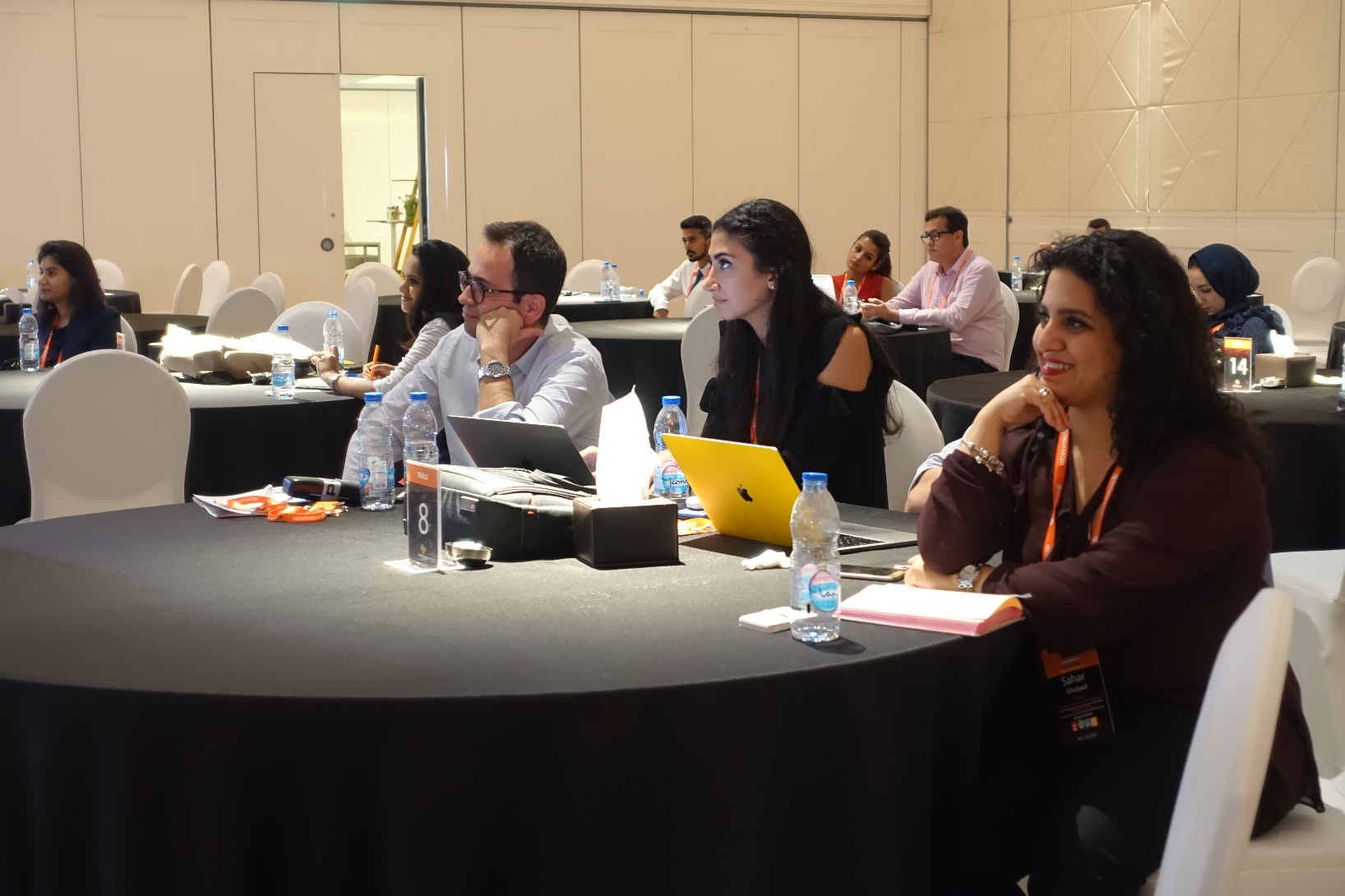
At DigiMarCon Conferences you are never ‘left in the dark’…. literally, in a large room far away from the stage and speakers, crushed in tight theater seating, without even a table, while sitting in the dark. At DigiMarCon all delegates have premium meeting space in luxurious ballroom well-lit spaces, with comfortable seating with table enabling delegates to use their laptop to take notes with ample charging facilities onsite in a comfortable space to learn and thrive. All tables are situated close with direct view of the stage.
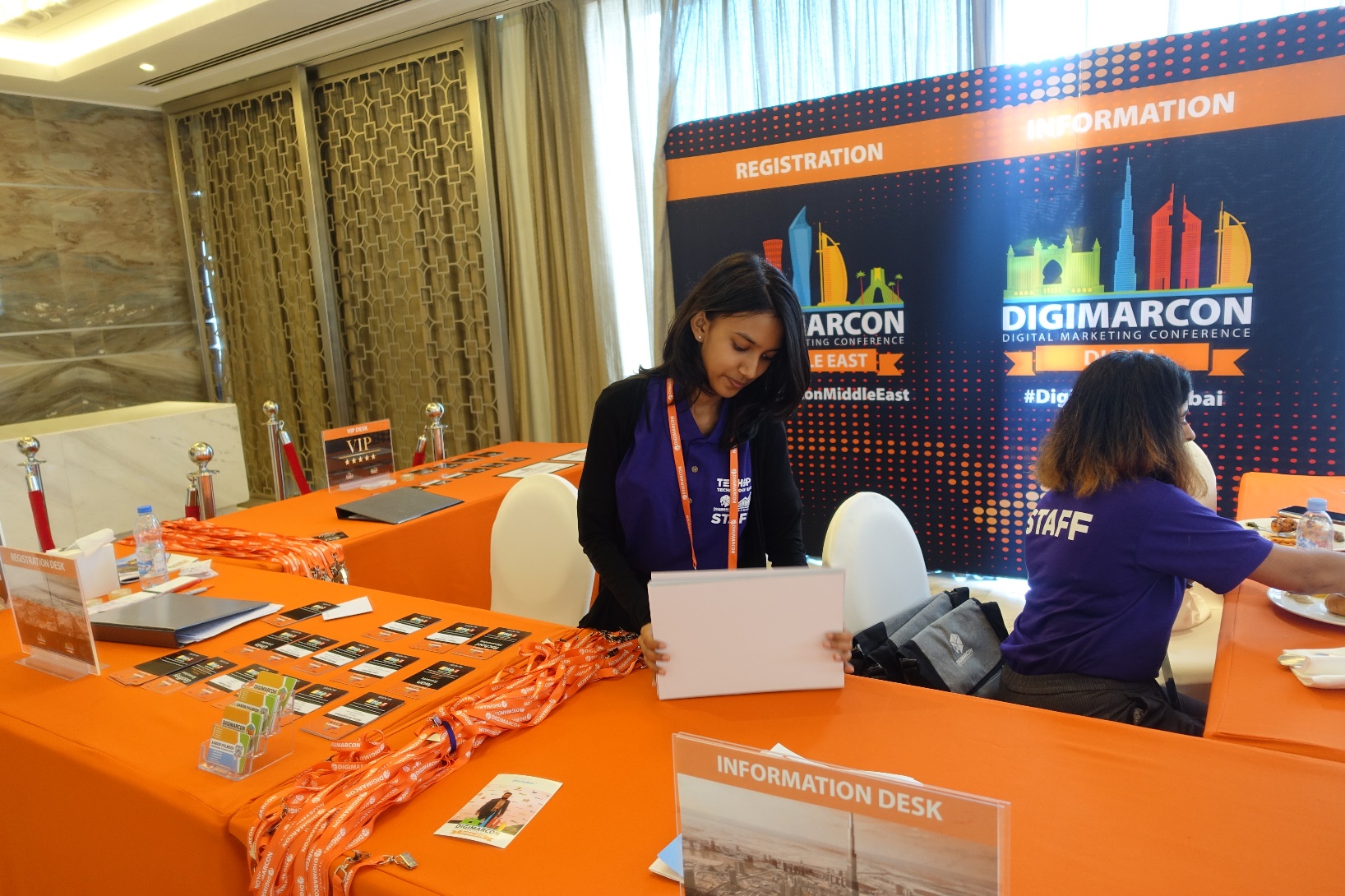
DigiMarCon Conferences are affordable to attend, from single-day event passes up to two-day VIP options at a fraction of the cost of other industry events. We offer significant discounts for early bird registrations. Additionally, on top of time-limited discount pass rates, because budgets are tight, we want to make sure all groups have a chance to attend DigiMarCon. For government employees, students, academic, startups, non-profit organizations and teams, we offer generous discounts off the prevailing registration price.
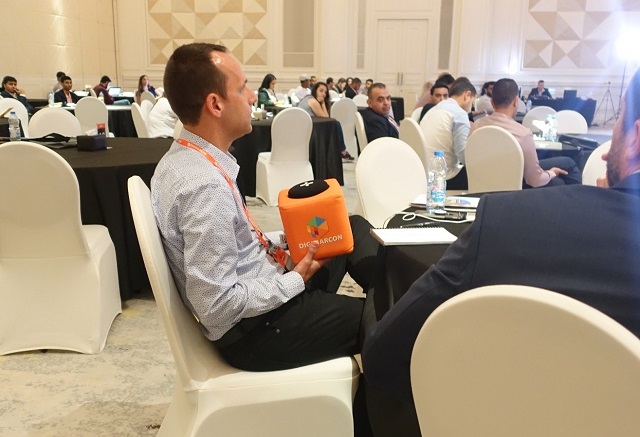
Attend DigiMarCon and you become part of the show! DigiMarCon Conferences tap into the talent of the room, drawing from the knowledge and experience of the professionals in the audience. All DigiMarCon events include regular interactive question and answer sessions with speakers and the audience ideal for collaboration, audience polls, along with ice-breaker and group exercises, steered by charismatic Emcees.
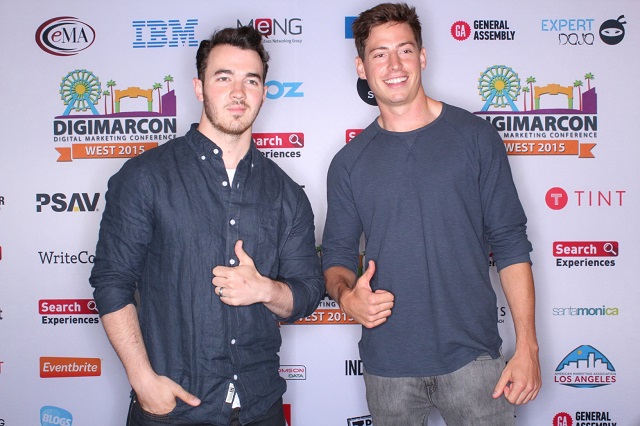
DigiMarCon Conferences put you right up and close with the speakers giving you the opportunity to meet these social media influencers which you follow in person. Speakers are never hidden in private speaker rooms away from the audience, they are in the auditorium sitting right beside you and participating.
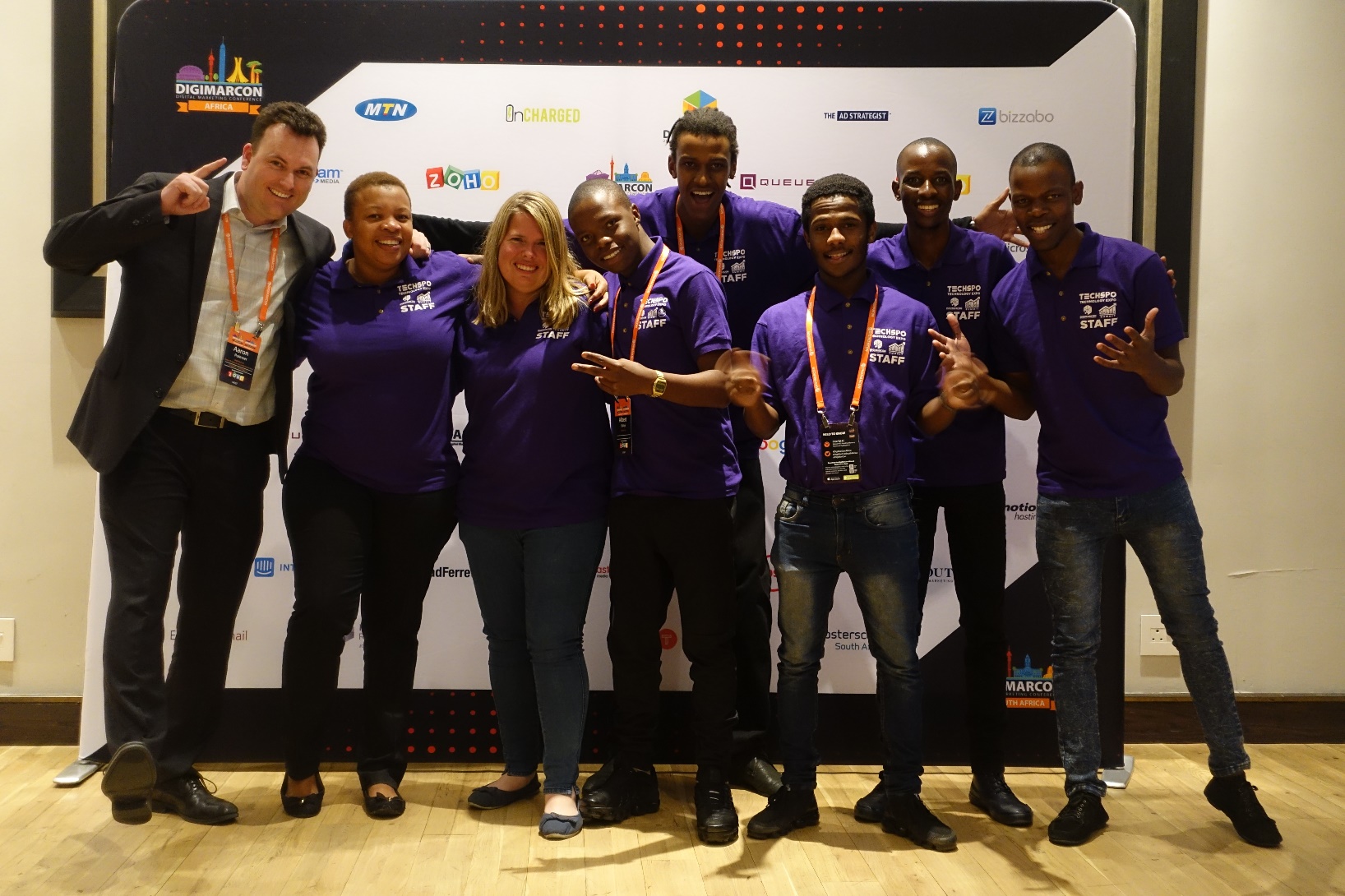
Attending a conference is a well-researched decision. There are many factors to consider such as location, time, venue, cost, speakers, content, etc. At DigiMarCon our results-obsessed Customer Service team are at your service before, during and after the event to help with your needs. It’s at the core of what we do — it drives our business. Offsite, we are ready to assist you via phone, ticket or chat. Onsite at our Conferences, friendly DigiMarCon staff serve as your hosts. They welcome your input and are happy to assist you.
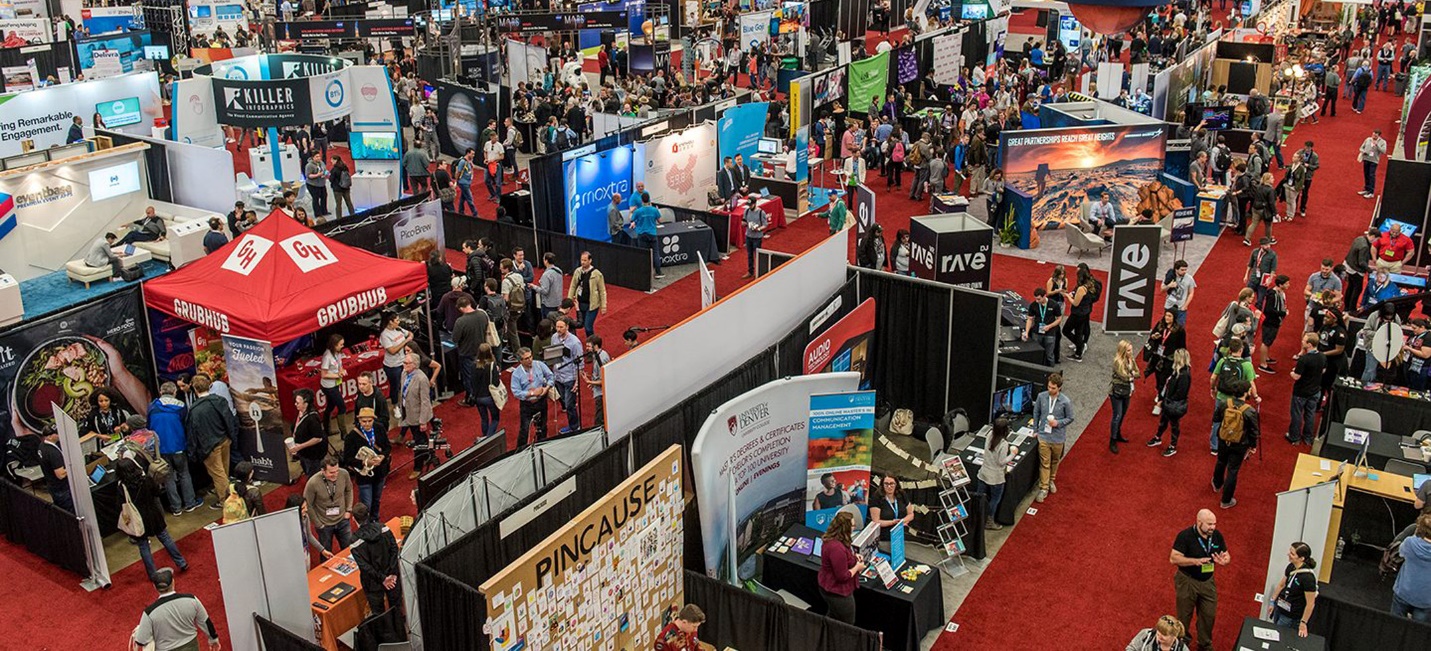
At all DigiMarCon Conferences is the co-located exclusive event TECHSPO Technology Expo, which showcases the new generation of technology and innovation, including; AdTech, MarTech, Internet, Mobile and SaaS technologies. Be inspired, amazed and educated on how these evolving technologies will impact your business for the better. Unlimited Access to TECHSPO Technology Expo is included with all DigiMarCon passes.
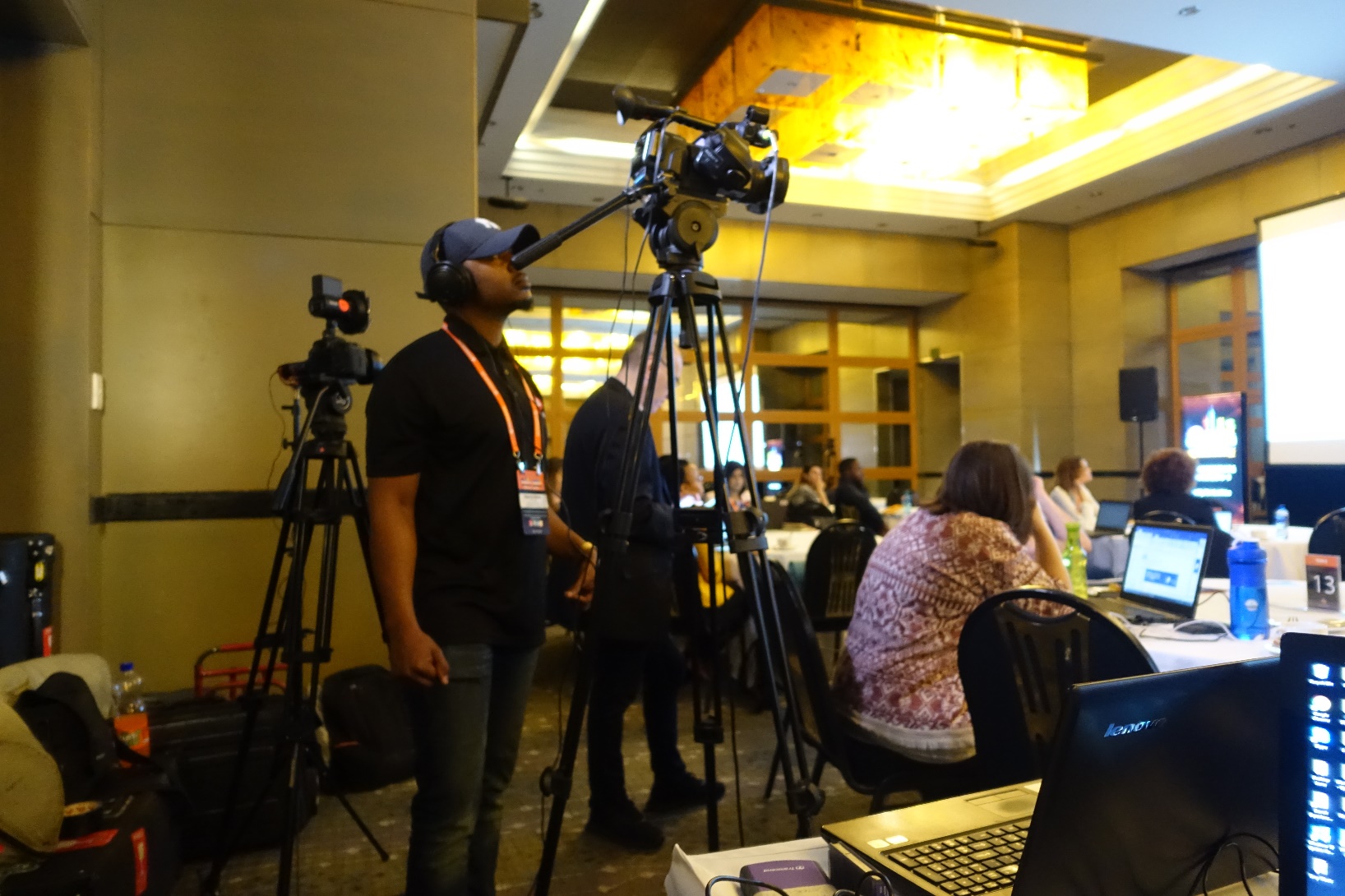
DigiMarCon All Access & VIP Passes include a 12-month on demand access to hundreds of hours of DigiMarCon speaker keynotes, panels and master class presentations from recent DigiMarCon Conferences, including videos, slide decks and key takeaways, available on demand so you can watch what you want, when you want.
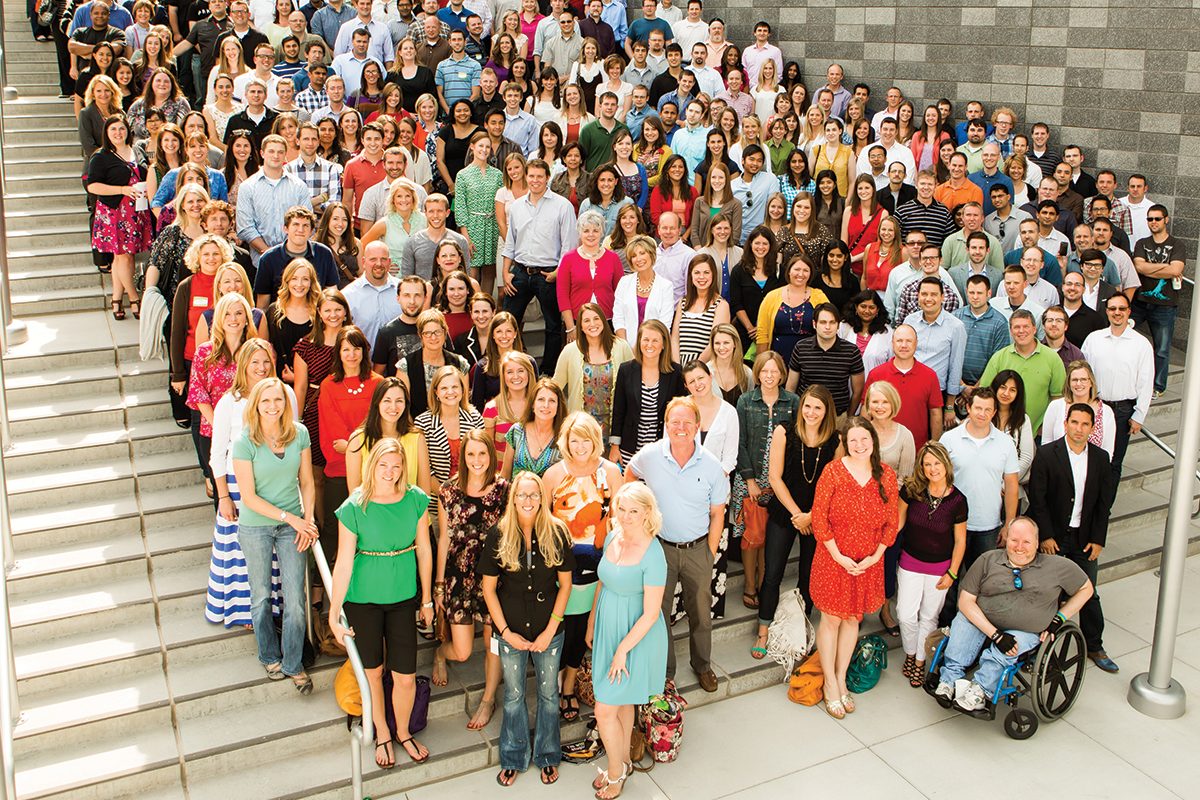
Attendees of DigiMarcon Conferences gain membership to an exclusive global Digital Marketing, Media and Advertising Community of over 500,000 worldwide subscribers to our award-winning digital marketing blog and over 100,000 members to the International Association of Digital Marketing Professionals (visit https://iadmp.org). This global community comprises of innovators, senior marketers and branders, entrepreneurs, digital executives and professionals, web & mobile strategists, designers and web project managers, business leaders, business developers, agency executives and their teams and anyone else who operates in the digital community who leverage digital, mobile, and social media marketing. We provide updates to the latest whitepapers and industry reports to keep you updated on trends, innovation and best practice digital marketing.

The events industry has forever changed in a world affected by COVID-19. The health and safety of our guests, staff and community is our highest priority and paramount. The team at DigiMarCon is dedicated to ensuring a great experience at our in-person events, and that includes providing a safe, clean and hygienic environment for our delegates. Some of the key areas we have implemented safe and hygienic measures include;

DigiMarCon has always been industry leaders of the Hybrid Event experience for years (a hybrid event combines a "live" in-person event with a "virtual" online component), no one needs to miss out on attending our events. Each DigiMarCon Conference can be attended in-person (with a Main Conference, All Access or VIP Pass) or online (with a Virtual Pass) giving attendees a choice for the experience they want to have. Attending virtually by viewing a Live Stream or On Demand enables participation by people who might be unable to attend physically due to travel or time zone constraints or through a wish to reduce the carbon footprint of the event. If you would like to meet the speakers, network with fellow marketing professionals at refreshment breaks, luncheons and evening receptions, check out the latest Internet, Mobile, AdTech, MarTech and SaaS technologies providers exhibiting then it is highly recommended to attend DigiMarCon in-person. As the largest Digital Marketing, Media and Advertising Conference series with events in 33 international cities worldwide, across 13 countries, there is bound to be a DigiMarCon Event near you to attend in-person if you can.
DigiMarCon Conference Series is the annual gathering of the most powerful brands and senior agency executives in your region. The Sharpest Minds And The Most Influential Decision Makers - Together for Two Days.
Who Attends Our Conferences
Brands • Agencies • Solution & Service Providers • Media Owners • Publishers • Entrepreneurs • Start-Ups • Investors • Government • Corporates • Institutes of Higher Learning



The Secret Marketing Asset You’re Already Paying For
Ever feel like your marketing budget is endless? You spend a lot on ads, hoping to grow, but it feels empty. It is exhausting to chase growth while ignoring the most powerful resource already sitting in your office.
Your team is more than just employees; they are your brand’s heart. Paid ads can grow your revenue, but your team is a hidden treasure. By changing how you see them, you can make your company’s culture a strong marketing tool.
Authenticity is the new currency of the digital age. When you let your team share their stories, you get employee-generated content that connects deeply. This approach doesn’t need more money. It just needs to value your team more. Let’s see how to tap into this hidden strength and grow your brand from within.
Why Your Team Is Your Most Powerful Marketing Channel
Many companies forget about their most valuable asset: their employees. While big campaigns are important, they can’t match the human touch people want today. Your team members have insights and experiences that are more relatable than any ad.
By letting your staff share their views, you unlock a treasure trove of authentic stories. These stories connect deeply with your audience. They speak to the brand mission every day, adding credibility that money can’t buy.
Using your team’s knowledge is a smart move. It saves time and effort in marketing. Instead of starting from scratch, you showcase the valuable knowledge your team already has. This way, your brand can reach more people without spending too much.
Your employees are the best advocates for your brand. They make your company feel real and personal. By letting them share their stories, you turn your team into a dynamic engine for growth and connection.
Defining Employee-Generated Content and Its Strategic Value
Your brand’s voice comes from the people who work for you every day. By using their unique views, you can make your brand feel both professional and personal. This strategic approach turns your team into a key driver for growth and awareness.
Distinguishing Between User-Generated Content and Internal Contributions
It’s key to know the difference between content from customers and your team. User-generated content comes from outside reviews, while your team’s work gives a real look at your company.
User-generated content is like a review from someone else. On the other hand, employee-generated content shows what’s inside your company. Both are important but serve different marketing roles.
The Psychological Impact of Humanizing Your Brand
People prefer to connect with people, not just logos. Sharing your team’s stories makes your company feel more real. This humanizing effect builds trust and a strong bond with your audience.
When your team shares their stories, they show your company’s integrity and passion. This openness makes your brand feel closer and more relatable. By focusing on employee-generated content, you create a community based on shared experiences.
Building a Culture That Encourages Workplace Content Creation
Changing your company culture begins with letting your team share their professional stories. When they feel free to contribute, workplace content creation becomes part of their job. This change needs leaders to focus on safety and open talk.
Removing the Fear of Public Speaking and Posting
Many team members are scared to share because of fear of being judged or making mistakes. It’s important to tell them that being real is more important than being perfect online. By setting clear, supportive rules, you create a space for trying new things.
Managers should praise early efforts to boost confidence in the team. Seeing peers get praised for their work helps reduce the fear of internal content creation. A supportive place is key to lasting success.
Providing the Right Tools for Staff-Generated Content
Even the most eager employees need a plan to stay on track. Giving them easy-to-use tools like content calendars and approved templates helps. These tools make sure staff-generated content fits your brand while letting them be creative.
Think about having short workshops to show how to use these tools well. When you make the technical parts easy, your team can focus on sharing their knowledge. Giving the right support makes staff-generated content a natural part of their day.
In the end, a great workplace content creation plan is about making things easy. By giving the right help and tools, you let your team be the true voice of your brand.
The Benefits of Employee-Driven Content for Brand Authenticity
Your employees are the key to building trust with your audience. In a world full of ads, people want to hear from real people. By focusing on employee-driven content, you can change how people see your brand.
This change is more than just a new social media plan. It’s about connecting with your community on a deeper level. When employees share their views, they offer the transparency today’s buyers want. This makes your brand unique by showing the real people who work for you every day.
Why Customers Trust Employees More Than Corporate Ads
Today’s shoppers are wary of ads that seem too perfect or too pushy. They know ads aim to sell, but employee-driven content feels like advice from a friend. This change is key to earning lasting loyalty.
When an employee talks about their experience, it’s more believable than a brand account. People feel more at ease with someone who knows the product well. This makes it easier for new people to join your community.
Improving Social Proof Through Real-World Experiences
Social proof is key in marketing, and your team is the best source. By sharing real stories and behind-the-scenes looks, you prove your brand’s promises. This user-generated content is a strong endorsement for new customers.
Showing your team’s success with charts and photos can really grab attention. When you mix data with real stories, you create a story that stands out. Authenticity is priceless today, and your employees are your most valuable asset in earning it.
Strategies for Successful Collaborative Content Development
Your team is key to telling real stories through collaborative content development. By using your staff’s unique knowledge, you turn your brand into a group of relatable experts. This makes your messages fresh, diverse, and close to your audience.
Identifying Internal Subject Matter Experts
Every company has hidden talent waiting to be found. Look for employees who love their job and want to share their unique insights. These people connect complex ideas to what your customers need.
Begin by checking your departments for those who explain things well. Identifying internal subject matter experts is key to a steady flow of great content. Encourage them to share their views on trends or customer issues.
Creating Content Calendars That Include Employee Voices
A good calendar is essential for marketing success. You can stretch your resources by breaking down big ideas into smaller pieces. This collaborative content development keeps your schedule full without overloading your team.
Here are easy ways to add employee voices to your plans:
By mixing these contributions into your workflow, your brand stays lively and relevant. This approach keeps your calendar full and shows off your diverse expertise. It makes your company stand out in a busy market.
Overcoming Common Hurdles in Organizational Content Generation
Successfully navigating organizational content generation needs a balance. Leaders often fear legal risks or a weak brand image if they empower staff. But, with the right approach, these fears can become strengths.
Addressing Legal and Compliance Concerns
Start by setting clear guidelines for workplace content creation. Give your team a simple handbook on what’s okay to share and what’s not. This clarity helps employees who want to contribute but are worried about mistakes.
Regular training is key to keeping compliance in mind. Workshops help address specific issues and show how to handle sensitive topics. When employees understand the reasons behind the rules, they’re more likely to follow them.
Managing Brand Consistency Without Stifling Creativity
Keeping a unified brand voice doesn’t mean every post must sound corporate. Instead, encourage collaborative content development that lets employees share their views while staying true to your values. Offer flexible templates or talking points to boost their confidence.
Trust is essential for a successful program. When you let your team express themselves, they often create more genuine and engaging content. Here are some tips to keep your efforts on track:
By using these strategies, you can manage risks in collaborative content development. This way, your workplace content creation stays safe and effective for your brand’s growth.
Leveraging Internal Content Creation for Recruitment and Retention
Turning your team into brand advocates gives you a big edge in the job market. By focusing on employee-driven content, you show job seekers what it’s really like to work for you. This openness helps them see if your company’s culture fits their own values.
Showcasing Company Culture to Future Employees
Today’s top talent wants more than just a good salary; they want to feel at home. By sharing your team’s stories, you give a real look at your workplace. People trust what your current staff says more than fancy recruitment videos.
Share team achievements, office traditions, or personal growth stories. This builds social proof that your company is a top place to grow a career. It makes your current staff your best recruiters.
Boosting Employee Morale Through Recognition
Creating content does more than just reach outside; it’s a great way to celebrate your team. When you feature team members in your employee-driven content, you show them you value their hard work. This makes them feel proud and connected to your company.
When employees feel appreciated, they’re more likely to stick around. By sharing their successes, you create a culture of gratitude. This positive feedback loop motivates others to contribute, making your employer brand stronger with employee-driven content.
Measuring the ROI of Your Company Content Contribution Efforts
Turning employee enthusiasm into measurable business results is key for any modern brand. Investing in internal content creation means making sure it meets your business goals. By setting up a clear analysis framework, you can show the real value of your team’s contributions to stakeholders.
Tracking Engagement Metrics on Employee Posts
To see how well your company content contribution works, look beyond simple likes. Deeper engagement shows how your audience interacts with your brand. Focus on these key indicators to measure success:
Connecting Content Reach to Lead Generation
The real strength of organizational content generation is in filling your sales pipeline. When employees share real stories, they reach audiences that ads can’t. Use unique tracking links or UTM parameters on all shared posts to track this.
By linking these clicks to your CRM, you can see how company content contribution affects the customer journey. This data helps you improve your strategy, focusing on topics that bring in the most qualified leads. Regularly checking your organizational content generation keeps it a valuable and profitable asset for the future.
Best Practices for Scaling Your Employee Advocacy Program
Turning your workforce into brand advocates is a journey that needs consistency and care. To grow, you must move beyond one-off efforts. A structured framework supports your team, ensuring staff-generated content stays high-quality and aligns with your goals.
Training Programs for Aspiring Brand Ambassadors
A successful program starts with empowering employees through training. Give clear guidelines on sharing professional insights while keeping their unique voice. Workshops on social media best practices help staff feel confident and ready to represent the brand.
Teach team members to spot relevant industry trends. When they see the value of their company content contribution, they’re more likely to post often. Giving access to curated resources and templates helps newcomers.
Incentivizing Participation Without Forcing Engagement
Scaling efforts need a balance between encouragement and freedom. Avoid making posting mandatory, as it can lead to burnout and lower quality. Instead, create a culture where genuine enthusiasm drives posting.
Set up a recognition system to celebrate top contributors. Public shout-outs or internal awards can motivate. By showing the impact of staff-generated content, you make it rewarding, not a chore.
Conclusion
Your team members are your most valuable marketing asset. They bring a real authenticity that paid ads can’t match. By encouraging them to contribute, you turn your team into a strong force for your brand’s growth.
Creating a successful content program takes time and clear communication. You’ve learned about its strategic value, challenges, and how to measure success. It’s time to apply what you’ve learned.
Begin with small steps. Keep your message consistent but let each person’s voice be heard. See how your brand’s reach and reputation grow with your team’s help.
Start talking to your staff today to find the stories they have to share. Your next big marketing campaign could be happening right now. Give your team the chance to share their knowledge and watch your business flourish.