 View Upcoming Digital Marketing, Media and Advertising Conferences & Exhibitions
 Phone:
Posts Tagged "Generative Engine Optimization"



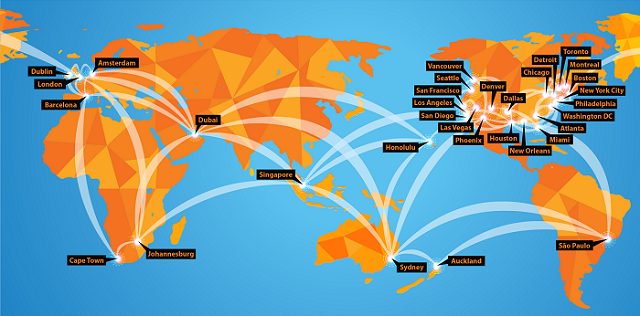
DigiMarCon is the Largest Digital Marketing, Media and Advertising Conference & Exhibition series in the world, with annual events held in all continents (North America, Latin America, Europe, UK, Asia Pacific, Middle East and Africa) in 13 countries (United States, Canada, Australia, New Zealand, United Kingdom, Ireland, Netherlands, Spain, Brazil, Singapore, India, United Arab Emirates and South Africa), across 33 cities (New York, Philadelphia, Boston, Toronto, Vancouver, Montreal, Houston, Dallas, Chicago, Los Angeles, San Francisco, Seattle, Washington DC, New Orleans, Atlanta, Detroit, Miami, Denver, San Diego, Phoenix, Las Vegas, Honolulu, London, Dublin, Amsterdam, Barcelona, Johannesburg, Cape Town, Dubai, Sydney, Auckland, Singapore and Sao Paulo). All DigiMarCon Events can be attended in-person or online. Wherever you are located there is a regional DigiMarCon event nearby you can attend.

DigiMarCon Conferences are held in top luxury 5-star event venues across the world such as; Royal Caribbean Cruise Ships, Olympic Stadiums, Marina Bay Sands Expo & Convention Centre and Wynn, JW Marriott, Marriott Marquis, Hyatt Regency, InterContinental, The Westin, Renaissance, Hilton, Conrad, W, Sheraton, Loews and Sofitel Hotel properties. Discount hotel room rates at each venue hotel means no hassle getting to and from the venue each day.

Building relationships matter! At DigiMarCon Conferences we have more networking breaks on our program than others. On average there are 8 Networking breaks at each event giving delegates ample opportunities in a relaxed atmosphere to meet others over the 2-days at the event; from 1-hour round table networking luncheons to 3-hour dinner receptions. These networking breaks are set in picturesque locations to facilitate memorable experiences while fostering new relationships. Such experiences include enjoying cocktails and the Sunset over the Pacific Ocean on a private Ocean Terrace in Santa Monica, to being on the Sydney Olympic Stadium playing arena at night enjoying cocktails under the lights, to dining at the 360 Revolving Restaurant at the top of the CN Tower in Toronto for a Dinner Reception, enjoying cocktails on a private promenade overlooking Times Square in New York City, or having fun at the Dazzles Night Club onboard the Royal Caribbean Oasis of the Seas for a Farewell Party, etc.
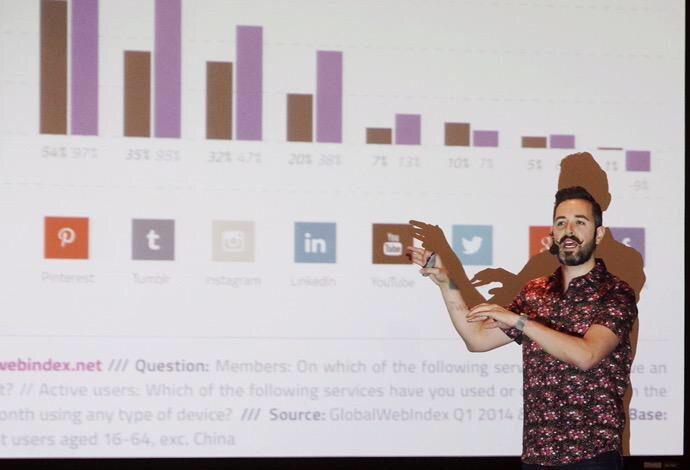
DigiMarCon Keynotes, Panels and Master Classes are facilitated by the foremost thought leaders in the industry, from celebrity social media influencers to CMO’s from the largest Fortune 500 company brands that are disrupting the digital marketing, media and advertising industry, such as Google, Facebook, Microsoft, Amazon, Oracle, Adobe, eBay, Netflix and more. All presentations are pitch-free, and include actionable takeaways, case studies, strategies and tactics, ready to be applied when back in the office.

At DigiMarCon Conferences you are never ‘left in the dark’…. literally, in a large room far away from the stage and speakers, crushed in tight theater seating, without even a table, while sitting in the dark. At DigiMarCon all delegates have premium meeting space in luxurious ballroom well-lit spaces, with comfortable seating with table enabling delegates to use their laptop to take notes with ample charging facilities onsite in a comfortable space to learn and thrive. All tables are situated close with direct view of the stage.

DigiMarCon Conferences are affordable to attend, from single-day event passes up to two-day VIP options at a fraction of the cost of other industry events. We offer significant discounts for early bird registrations. Additionally, on top of time-limited discount pass rates, because budgets are tight, we want to make sure all groups have a chance to attend DigiMarCon. For government employees, students, academic, startups, non-profit organizations and teams, we offer generous discounts off the prevailing registration price.

Attend DigiMarCon and you become part of the show! DigiMarCon Conferences tap into the talent of the room, drawing from the knowledge and experience of the professionals in the audience. All DigiMarCon events include regular interactive question and answer sessions with speakers and the audience ideal for collaboration, audience polls, along with ice-breaker and group exercises, steered by charismatic Emcees.

DigiMarCon Conferences put you right up and close with the speakers giving you the opportunity to meet these social media influencers which you follow in person. Speakers are never hidden in private speaker rooms away from the audience, they are in the auditorium sitting right beside you and participating.

Attending a conference is a well-researched decision. There are many factors to consider such as location, time, venue, cost, speakers, content, etc. At DigiMarCon our results-obsessed Customer Service team are at your service before, during and after the event to help with your needs. It’s at the core of what we do — it drives our business. Offsite, we are ready to assist you via phone, ticket or chat. Onsite at our Conferences, friendly DigiMarCon staff serve as your hosts. They welcome your input and are happy to assist you.

At all DigiMarCon Conferences is the co-located exclusive event TECHSPO Technology Expo, which showcases the new generation of technology and innovation, including; AdTech, MarTech, Internet, Mobile and SaaS technologies. Be inspired, amazed and educated on how these evolving technologies will impact your business for the better. Unlimited Access to TECHSPO Technology Expo is included with all DigiMarCon passes.

DigiMarCon All Access & VIP Passes include a 12-month on demand access to hundreds of hours of DigiMarCon speaker keynotes, panels and master class presentations from recent DigiMarCon Conferences, including videos, slide decks and key takeaways, available on demand so you can watch what you want, when you want.

Attendees of DigiMarcon Conferences gain membership to an exclusive global Digital Marketing, Media and Advertising Community of over 500,000 worldwide subscribers to our award-winning digital marketing blog and over 100,000 members to the International Association of Digital Marketing Professionals (visit https://iadmp.org). This global community comprises of innovators, senior marketers and branders, entrepreneurs, digital executives and professionals, web & mobile strategists, designers and web project managers, business leaders, business developers, agency executives and their teams and anyone else who operates in the digital community who leverage digital, mobile, and social media marketing. We provide updates to the latest whitepapers and industry reports to keep you updated on trends, innovation and best practice digital marketing.

The events industry has forever changed in a world affected by COVID-19. The health and safety of our guests, staff and community is our highest priority and paramount. The team at DigiMarCon is dedicated to ensuring a great experience at our in-person events, and that includes providing a safe, clean and hygienic environment for our delegates. Some of the key areas we have implemented safe and hygienic measures include;

DigiMarCon has always been industry leaders of the Hybrid Event experience for years (a hybrid event combines a "live" in-person event with a "virtual" online component), no one needs to miss out on attending our events. Each DigiMarCon Conference can be attended in-person (with a Main Conference, All Access or VIP Pass) or online (with a Virtual Pass) giving attendees a choice for the experience they want to have. Attending virtually by viewing a Live Stream or On Demand enables participation by people who might be unable to attend physically due to travel or time zone constraints or through a wish to reduce the carbon footprint of the event. If you would like to meet the speakers, network with fellow marketing professionals at refreshment breaks, luncheons and evening receptions, check out the latest Internet, Mobile, AdTech, MarTech and SaaS technologies providers exhibiting then it is highly recommended to attend DigiMarCon in-person. As the largest Digital Marketing, Media and Advertising Conference series with events in 33 international cities worldwide, across 13 countries, there is bound to be a DigiMarCon Event near you to attend in-person if you can.
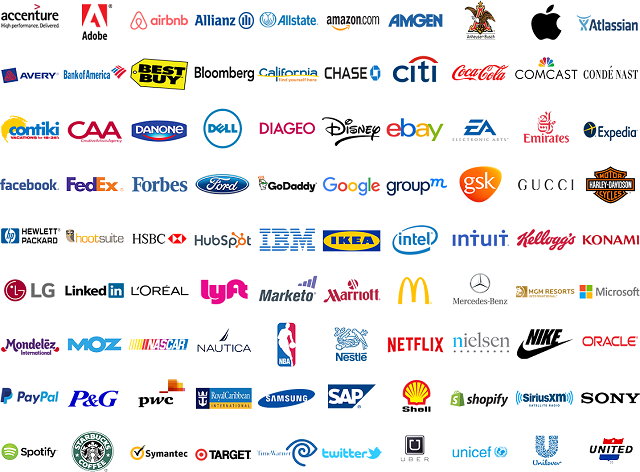
DigiMarCon Conference Series is the annual gathering of the most powerful brands and senior agency executives in your region. The Sharpest Minds And The Most Influential Decision Makers - Together for Two Days.
Who Attends Our Conferences
Brands • Agencies • Solution & Service Providers • Media Owners • Publishers • Entrepreneurs • Start-Ups • Investors • Government • Corporates • Institutes of Higher Learning




SEO Is Not Dead, But AI Search Just Changed the Rules: A Case Study of AI Search and Generative Engine Optimization
Nearly 40% of web traffic now comes from non-traditional discovery methods. This shift marks a major turning point for digital marketers across the United States. Many professionals fear traditional visibility tactics are vanishing, but the reality is more nuanced.
We are seeing a fundamental change in how users find information. Our industry is not disappearing; it is entering an era shaped by artificial intelligence. This case study explores how generative engine optimization reshapes digital discovery.
Brands can thrive by using high-quality, trustworthy data in this modern environment. We examine how ai search changes visibility while keeping user intent central. Understanding these mechanics helps professionals stay competitive in today’s fast-paced digital market.
What Changed When Search Engines Began Answering Instead of Ranking
Search behavior has moved beyond link lists to a dynamic, conversational experience. Users now expect quick solutions instead of many sources they must open and review. This shift leaves the old model, where search engines acted like librarians guiding users toward shelves.
From blue links to AI-generated answers
The rise of ai search has changed how users find information. Instead of showing ten blue links, search engines combine sources into one clear response. Search engines now aim to understand and solve a user’s problem at once, not simply rank pages.
How machine learning and natural language processing reshape discovery
The power of machine learning and natural language processing drives this change. These tools can study complex queries and find the intent behind a user’s words. By reading context and nuance, they pull key facts from the web to build a custom answer.
This process now goes beyond matching keywords. It uses semantic understanding to interpret relationships between ideas. As these systems improve, they can give more accurate, useful answers than link lists.
Why traditional organic traffic is no longer the only success metric
Because the interface changed, our measure of success must change too. Organic traffic still matters, but it is not the only sign of a website’s health or visibility. Today, visibility in AI-generated summaries, brand mentions, and assisted conversions are key success measures.
Content creators must offer value that intelligent systems can cite and trust. By sharing authoritative information, businesses can stay relevant in a system that favors direct answers over traffic volume. Adapting to these metrics is essential for long-term growth in the digital world.
The Case Study: How HubSpot Adapted Its Search Strategy for AI Search
The move to AI-driven discovery forced leaders like HubSpot to rethink their digital marketing foundations. As ai search becomes users’ main way to find information, chasing high-volume keywords alone no longer protects market leadership.
HubSpot’s established SEO model before generative search
HubSpot once used a strong framework built around specific keyword clusters. Its seo strategies aimed to capture traffic by ranking for high-intent terms tied directly to its software solutions.
This model valued the number of organic clicks reaching landing pages. HubSpot created content that answered clear, predictable questions and built a huge resource library. That library dominated search engine results pages for years.
The shift from keyword rankings to comprehensive topic authority
As search engines began giving direct answers, HubSpot focused on comprehensive topic authority. The company saw greater value in becoming the trusted source for a whole subject than in ranking for one keyword.
This approach uses deep, expert-led content that explores a user’s problem, not just its surface query. Interconnected information clusters help HubSpot stay the go-to resource when AI systems combine data to answer complex questions.
How AI-generated answers changed the path from search to conversion
The rise of ai search has changed the traditional conversion funnel. Users now get answers on the results page, so discovery no longer leads through a website in a straight line.
HubSpot adapted by optimizing these new touchpoints, keeping its brand visible even without a click to a traditional page. This shift in digital marketing shows success starts when users ask, not after they reach a specific URL.
AI Search and Generative Engine Optimization: The New Visibility Framework
The digital landscape is shifting as AI Search and Generative Engine Optimization become the new visibility standard. Search engines now use conversational interfaces, changing how brands reach their audiences. This framework requires a deeper understanding of how machines interpret and present data.
What generative engine optimization means in practical terms
At its core, generative engine optimization improves a brand’s chance of appearing in AI-generated answers. It goes beyond keyword placement by using clear, trusted, and structured information. By aligning content with the needs of artificial intelligence, companies can place insights in summary boxes.
This process creates content that machines can easily parse and verify. When a brand provides high-quality, factual data, it becomes a preferred source for AI models. This proactive approach helps maintain visibility in an increasingly automated environment.
How AI systems select, summarize, and cite information
Modern ai search tools use complex algorithms to process vast amounts of data. These systems favor content that gives direct, concise answers to user questions. They assess source credibility through consistent, well-structured information that matches established facts.
After finding relevant data, the system summarizes it into a clear response. Citations credit the original source and help build user trust. This process rewards websites that value clarity and accuracy over keyword density.
The relationship between traditional SEO and generative engine optimization
Some people believe artificial intelligence will replace traditional search engine optimization. In reality, both disciplines support a broader visibility framework. Traditional SEO remains vital because crawlability, site architecture, and user satisfaction guide how machines find and rank content.
Generative engine optimization builds on these foundational practices instead of replacing them. Brands can balance their strategy by keeping a strong technical foundation and supporting AI-driven discovery. This approach keeps content accessible to human readers and the algorithms powering ai search.
How Search Algorithms Evaluate Content in AI-Generated Results
To succeed in an era of AI-driven discovery, content creators must align with advanced language models. Modern search algorithms no longer rely solely on static keyword density to judge value. Instead, they use sophisticated machine learning to assess the quality and usefulness of information for users.
Demonstrating experience, expertise, authoritativeness, and trustworthiness
High-quality content still rests on E-E-A-T principles. Search systems favor sources showing first-hand experience and verifiable expertise. Unique insights help brands prove authority to readers and automated systems.
Trust matters greatly when ai search tools combine information. Clear citations and a transparent editorial process help systems check your claims. Reliable content has a better chance of appearing in generative summaries.
Matching content to conversational and multi-step search intent
Users often ask complex, multi-part questions that need careful answers. Natural language processing helps search engines divide these queries into logical parts. Your content should answer each layer with complete, context-rich responses that anticipate follow-up needs.
Rather than target single keywords, focus on the underlying intent behind a user’s search. This approach keeps pages relevant as the conversation evolves. Effective modern content guides users from a broad question to a specific solution.
Structuring pages so language models can extract accurate answers
Clear structure is essential for machine readability. Semantic HTML, including descriptive headings and bulleted lists, helps search algorithms find core information on your pages. This makes it easier for AI models to extract and present your content as a direct answer.
Avoid burying key facts in long, dense paragraphs. Concise summaries and clear data points provide the clarity automated systems need. A well-structured page guides the AI and highlights your most important insights.
Strengthening factual consistency across a website and external sources
Factual accuracy supports strong ai search performance. Conflicting website information reduces the confidence that natural language processing models have in your brand. Keeping one consistent story across digital assets is critical for long-term success.
External validation from reputable mentions and consistent data points also builds credibility. When multiple sources match your content, they show the system your information is factually sound. This consistency helps modern systems evaluate and rank content for generative results.
What the HubSpot Case Reveals About Modern SEO Strategies
HubSpot’s transition reveals the main pillars of successful search strategies today. The shift toward AI search forces brands to rethink how they capture attention in a crowded digital space. Companies must focus on the intent behind each query instead of outdated tactics.
Replacing high-volume keyword targeting with problem-focused content
Traditional digital marketing chased high-volume keywords to drive traffic. The HubSpot case shows that volume means little when content fails to solve a specific user problem. Modern seo strategies now value depth and usefulness over search frequency.
Content that addresses a user’s pain point helps readers and algorithms. It keeps your brand relevant as search engines evolve and provide direct answers.
Building topic clusters that answer connected user questions
Isolated articles no longer maintain authority. HubSpot’s success highlights the value of building topic clusters that cover each subject from every angle. Answering connected questions creates a complete resource that search systems trust.
This structure helps AI models understand relationships among concepts on your site. It creates a cohesive narrative that guides users through their research journey.
Creating content that serves both search crawlers and human readers
The best content must meet search crawler requirements while engaging human readers. Use clear headings and concise summaries, so machines can extract information easily. At the same time, the quality of the writing must remain high to hold human interest.
Balancing these needs marks a mature search strategy. It makes your site discoverable and helps build long-term brand loyalty.
Improving conversion paths after users discover information through AI
Discovery through AI search begins the customer journey. After users find your content, provide a clear path to conversion. Add actionable next steps directly to answers from AI systems.
Optimized conversion paths keep traffic valuable, even when users do not visit your website. This proactive approach turns passive information seekers into active leads for your business.
Website Optimization for Inclusion in Generative Search Answers
Modern website optimization must use clear language so artificial intelligence systems can understand your content. When these systems crawl your pages, they seek clear signals that show your text’s main message. Better communication with these models can help your site become a primary source for generated answers.
Making important information easy for search systems to interpret
To succeed in ai search, organize content so machines can read it with ease. Use clear headings and structured data to show how topics connect on your page. Concise summaries at article openings help systems find important information quickly.
Avoid hiding main points in long, complex paragraphs. Use bullet points and tables instead, so artificial intelligence can extract data easily. This structure helps your content remain a strong choice for direct answer boxes.
Improving technical performance and crawl accessibility
Technical health supports effective website optimization. If search engines cannot crawl your site efficiently, they cannot index content for generative results. Make sure your site loads quickly and works well on all devices to maintain high visibility.
Use clean code and logical site architecture to help crawlers navigate your pages. A strong technical foundation gives automated systems a reliable environment for gathering accurate information. This consistency helps maintain your authority in a changing digital landscape.
Publishing original evidence that automated systems cannot easily replicate
Generic content rarely stands out in the age of ai search. Provide unique value through proprietary data, firsthand observations, and distinctive expertise. Original research and case studies create a competitive advantage that generic AI models cannot easily copy from other sources.
Share insights that reflect your brand’s specific industry experience. Evidence unavailable elsewhere can establish your site as a trusted authority. This strategy keeps your content useful to human readers and the systems that serve them.
Where Traditional SEO Still Wins—and Where It Must Evolve
Although ai search has changed discovery, a healthy website still needs its core foundations. Generative engines change how users find answers, but the web still demands careful attention. Effective digital strategy now combines modern adaptation with proven technical rigor.
Why technical SEO remains essential to discoverability
Traditional and generative search engines need a clear site map to work properly. Website optimization helps crawlers move through your site without broken paths or slow loading times. If a system cannot access your content, it cannot include it in synthesized answers.
Technical health supports every other effort. Clean code and fast performance give your content a reliable path to indexing. This remains essential for visibility in every search environment.
How backlinks, brand reputation, and online references influence trust
AI systems value accuracy and authority when they create answers. High-quality backlinks and steady brand mentions act as critical trust signals that support your expertise. These references show algorithms that your site offers reliable information.
A strong reputation takes more than technical fixes. It grows when reputable sources cite your work as a primary reference. When your brand becomes an authority, it is far more likely to appear in AI-generated summaries.
Why ranking for commercial queries still supports revenue growth
Generative models increasingly handle informational queries, but commercial intent remains different. People searching for products or services often want direct comparisons and specific brand pages before buying. Ranking for these queries helps attract qualified traffic and generate revenue.
High-intent keywords keep your business visible when users are ready to convert. Clear, useful data on commercial pages helps you capture value that automated summaries may miss. This approach keeps your sales funnel active and measurable.
Which outdated tactics create weak performance in AI search
Many legacy strategies now hurt performance in the age of ai search. Shallow keyword repetition offers users little value, and modern systems can spot it as low quality. Disconnected pages can also weaken site authority when they do not support a broader topic cluster.
Modern search systems favor depth, accuracy, and logical structure over keyword density alone. Leaving these outdated tactics behind is vital for long-term success. Instead, create useful content that fully answers complex questions for your audience.
How to Build an AI-Ready Search Strategy Without Abandoning SEO
Adapting to ai search means improving your tactics, not starting over. Blend proven methods with new approaches for machine learning models. This change helps you stay competitive and meet modern search algorithms‘ demands.
Audit existing content for accuracy, originality, and answer quality
Review your current library to ensure each piece offers unique value. AI systems favor content with clear, factual, and original insights. If pages are thin or outdated, automated summary tools may ignore them.
Map priority topics to user questions and business outcomes
Effective seo strategies require understanding the questions your audience asks. Do not focus only on high-volume keywords; match content to user intent. This keeps your brand relevant when users seek direct answers to complex problems.
Optimize content for citations, conversions, and continued human engagement
To succeed with generative engine optimization, structure your data so machines can cite it. Use clear headings, bullet points, and concise summaries to show AI tools your expertise. Remember, the ultimate goal is to guide users from an AI-generated answer to your website for deeper engagement and conversion.
Establish a measurement process for changing search algorithms
Because search algorithms constantly shift, do not rely on static ranking reports. Implement tracking to monitor how content appears in AI-generated summaries and traditional results. Treat performance as a changing metric, then adjust your generative engine optimization efforts in real time for long-term growth.
Conclusion
Search engines evolve, but their core mission remains: providing value to users. Mastering AI Search and Generative Engine Optimization requires brands to rethink their online presence. Success depends on content that serves automated systems and human curiosity.
Generative engine optimization helps companies stay visible in a landscape shaped by artificial intelligence. It builds deep topic authority instead of chasing simple keyword rankings. Brands like HubSpot show that clear, accurate, and original answers preserve influence.
Modern digital marketing requires technical precision and high-quality information. Keep your website accessible to crawlers while offering insights machines cannot replicate. This balance protects your brand reputation and drives meaningful engagement.
Audit your current assets to ensure they meet new standards for clarity and depth. Answer specific user questions to earn a place in future results. Your commitment to quality will shape long-term growth in this changing digital environment.
Boost Your Business with AI Search & Generative Engine Optimization
The digital world is changing fast, affecting how people find your brand. Now, algorithms look for direct answers, not just links. Staying visible is key for your business to grow.
Soon, automated tools will replace old ways of finding business info by 2030. This change means you need to update your online presence. Proactive adaptation is essential to stay ahead in the US market.
Learning ai search & generative engine optimization keeps your brand in the spotlight. Adapting now will secure your spot in the web’s future. Let’s see how you can lead your field through this new era.
The Evolution of Search: From Keywords to Intent
How we search online is changing a lot. For a long time, we used specific keywords to find what we needed. Now, we focus more on what we really want to find.
AI models are getting better at understanding the intent behind our searches. This means search engine optimization needs to look deeper than just words.
The Shift Toward Conversational Queries
Search is getting more like talking to a friend. Instead of typing “best CRM software,” we ask, “What’s the best CRM for a small marketing team with a limited budget?”
This way of searching lets AI give us answers that really help. In fact, 84% of decision-makers choose based on the first AI suggestion. This shows why search engine optimization needs to keep up with these new, detailed searches.
Why Traditional SEO is Changing
Generative AI is making us rethink how we market online. These tools are getting better at giving us what we need, changing how we find and judge brands.
Almost half of all executives think AI will replace Google for business research by 2030. This means old SEO ways won’t cut it anymore. Companies need to focus on creating high-quality content that AI can trust.
Keeping up with these changes is key for success. By understanding what users really want, companies can stay ahead in a world where conversational search is the norm.
Understanding AI Search & Generative Engine Optimization
The digital world is changing fast, moving towards a smarter way of finding things. Search engines are getting smarter, and businesses need to keep up. They must learn about ai search & generative engine optimization to stay seen.
Defining Generative Engine Optimization
Generative engine optimization is about making content easy for AI to understand and use. It’s different from old ways that just looked at links. This new method focuses on making information clear and useful for AI.
By using this strategy, companies can become authoritative sources for AI summaries. This means they’re not just ranked on a page. They become the main answer for a user’s question. This is a big change in how we see digital presence.
The Role of Artificial Intelligence in Search Results
Today’s search engines use advanced AI to mix information from the web. A key part of this is Retrieval-Augmented Generation (RAG). It helps AI give accurate and current answers to users.
To be good at artificial intelligence optimization, your content needs to be easy for AI to find and check. When your site has high-quality, organized info, you’re more likely to be seen as a reliable source. Keeping up with these new standards is key for any business in today’s search world.
How Generative AI Changes User Behavior
Have you noticed how often you find the answer you need without ever clicking a link? Our interaction with search engines is changing fast. Artificial intelligence is now a big part of our daily lives. Users expect immediate, synthesized information instead of lists of links.
The Rise of Zero-Click Searches
A big trend in search is the zero-click experience. When a search engine gives a detailed AI summary at the top, many users feel their question is answered. They just read the summary and move on without visiting a website.
This change is a challenge for content creators and business owners. While brand visibility is possible through these summaries, the old way of getting traffic is shrinking. You need to focus on providing valuable, concise information that can be featured in these AI summaries.
Adapting to Multi-Step User Journeys
Even if a user stops at the summary, their journey is not over. Most complex searches lead to more questions or deeper research. By understanding these multi-step user journeys, you can make your brand the next stop for users.
Instead of just answering one question, aim to cover the whole topic. When your site offers deeper insights or practical tools that the AI summary can’t, you encourage users to click through. Being relevant means being the go-to authority when users are ready for more than just a summary.
Core Pillars of Modern SEO Techniques
Understanding AI search means looking at your content in a new way. Search engines now look for specific signals to find the most valuable info. Using ai seo strategies is key for brands to stay seen.
Prioritizing E-E-A-T in AI Models
The E-E-A-T framework is key for search engines today. It stands for Experience, Expertise, Authority, and Trust. AI models are trained to spot these signs in answers they give users.
Showing real experience and deep knowledge makes your content stand out. This builds trust and makes your brand a go-to source for AI systems.
Trust isn’t just about keywords. It’s about being a reliable expert in your field. Providing accurate and well-researched info strengthens your online presence. These seo techniques help keep your site at the top of AI searches.
The Importance of Contextual Relevance
AI models also look for contextual relevance. It’s not just about covering a topic. You need to give answers that meet the user’s specific needs.
Contextually rich content makes it easier for machines to find and use your info. Context is the bridge that connects your brand to the right audience. By focusing on these seo techniques, you build a strong strategy for the digital age.
Optimizing Content for Large Language Models
To succeed today, you need to meet both human curiosity and AI needs. Modern website optimization is more than keywords. It’s about making content that machines can understand easily. By matching your content strategy with these needs, your brand stays visible in an automated world.
Writing for Both Humans and Machines
The best content mixes a conversational tone with clear, structured data. Humans like stories and relatable examples, but machines need direct, precise info. Your goal is to make statements that get to the point quickly.
When writing, answer specific questions early. This helps AI models see your content as a top answer for user queries. Keeping this balance is key to successful website optimization today.
Structuring Content for AI Summarization
AI models need clear hierarchies to understand information. Use logical headings, bulleted lists, and concise summaries. This makes it easier for search engines to summarize your content accurately.
Stay away from complex sentences that confuse algorithms. Use simple, clear sentences to share your main points. By focusing on logical flow and clean formatting, you boost your website optimization. This increases your chances of being seen as a primary source by AI engines.
Technical SEO for AI-Driven Search Engines
Creating a site that AI can understand is key today. While great content is important, your site’s tech is what lets AI find and use your info. Good search engine optimization means focusing on how machines see your site.
Improving Crawlability for AI Bots
An experienced seo specialist must make your site easy to navigate. AI bots need a clear site structure to find your content. A clean sitemap and a well-set robots.txt file help them.
Stay away from complex JavaScript that might stop bots from seeing your text. When your site is easy to crawl, your data is more likely to show up in AI summaries. Making your site accessible to machines is as important as to people.
Speed and Performance in the AI Era
Fast loading times are now a must for google search optimization. AI prefers quick, reliable data. Slow servers can make you less competitive.
A good seo specialist keeps an eye on Core Web Vitals for a smooth user experience. Optimizing images and cutting down on code can make your site faster. This technical work keeps your brand at the top of google search optimization.
A fast website is good for both users and AI systems. By focusing on these tech areas, you boost your search engine optimization game. Consistency in tech upkeep will help as search tech gets better.
Leveraging Structured Data for Better Visibility
To thrive in the AI era, your website must speak a language machines can grasp. While humans love design, search engines need clear signals to understand your site. Good website optimization means showing search engines what your site is about.
Schema Markup as a Communication Tool
Schema markup is like a special language for AI. It tells search engines what your content is about. By adding this code, you give a structured roadmap for search engines to index your site right.
Schema helps AI understand your site better. It makes your content stand out in a busy online world. It’s a key step in website optimization.
Helping AI Understand Your Business Entities
AI needs to know about your business, like products and services. Without clear tags, your business might not show up in searches. Structured data connects your brand to the right people.
By clearly defining your business, AI can show your services in search results. This strategic approach to data helps your business shine. It’s a smart way to boost your website optimization and stay ahead.
Building Authority in the Age of AI
Trust is now key for businesses to succeed with AI search engines. AI looks for sources that show consistent and verifiable expertise. Your online presence must be seen as reliable by both people and AI.
The Value of First-Party Data
Using your own insights is a great way to stand out. First-party data lets you share proprietary research that’s unique. This makes your brand a go-to source for AI models.
By focusing on your own data, you offer more than general advice. You provide a expert-led perspective. AI values this unique content because it adds depth to their answers.
Establishing Brand Trust Through Citations
Getting mentioned by others is key for AI to see you as credible. When well-known sources talk about your brand, AI takes notice. These mentions show AI that your brand is trustworthy.
Good public relations and media coverage are vital. Being featured in top publications or cited by experts strengthens your online presence. These mentions tell AI that your brand is reliable.
It’s better to aim for quality mentions over quantity. A few mentions from respected sources mean more than many low-quality ones. By consistently getting recognized, your brand stays a top-tier authority for AI search engines.
Measuring Success in a Generative Search World
How do you know if your content is winning when search engines provide the answers directly? The digital landscape is changing fast. The old metrics for success are no longer enough. You need a new way to measure success in google search optimization that fits how users interact with AI.
Moving Beyond Traditional Ranking Metrics
Old metrics like click-through rates don’t tell the whole story in an AI world. Instead, focus on visibility within AI-generated summaries. If your brand is a top source in these answers, you’ve hit a high-value spot.
Quality of leads is key to success. Look at if users from AI answers are more likely to convert. By improving your ai seo to match user intent, you’ll see better returns.
Tracking Brand Mentions and Sentiment
In the generative search era, your brand’s reputation matters as much as rankings. Watch how often your business is mentioned in AI summaries. This shows your authority and relevance. Use tools to track these mentions and keep your brand trusted.
Sentiment analysis is also vital for growth. Knowing how users see your brand in search results helps you tweak your message. By regularly checking these data points, you’ll excel in google search optimization and stay ahead in ai seo.
Common Pitfalls to Avoid in AI Optimization
Many businesses make a big mistake by focusing too much on algorithms. They chase quick rankings but often end up getting penalized in the long run. True artificial intelligence optimization means focusing on real value, not just tricks.
Over-Optimizing for Keywords
Creating too much content for every search term is a common error. It can get you in trouble with Google’s rules. Instead, aim to make comprehensive content that answers real questions.
Today’s seo techniques mean writing for your readers first. Stuffing keywords into sentences makes your content seem fake. This hurts your brand’s credibility with your audience.
Ignoring the User Experience
Search engines now check how users interact with your site. If your site is messy or slow, users will leave fast. This tells AI models your content doesn’t meet their needs.
Good artificial intelligence optimization is about more than just text. It’s about the whole user experience. By improving your seo techniques to focus on speed, clarity, and usefulness, you’ll stay ahead of updates.
Future-Proofing Your Digital Strategy
Creating a strong digital strategy means looking ahead to tomorrow’s changes. The search world is always changing, and sticking to old ways can leave you behind. By focusing on key principles, you can make a plan that lasts.
An experienced seo specialist knows that ranking is just part of the job. The real goal is to offer real value to users. This way, your brand can handle the ups and downs of search engine changes better.
Staying Agile with Search Engine Updates
New technologies like browser agents are changing how we use the web. These tools help users by fetching info and doing tasks for them. To stay ahead, your team needs to keep up with these changes and be ready to change your strategy.
Being agile doesn’t mean following every new trend. It’s about keeping an eye on big changes and testing how your site does under new conditions. Being ready lets you update your site before your competitors even know there’s a change.
Investing in Long-Term Content Quality
Even as algorithms change, the need for top-notch content stays the same. Working on a consistent brand voice and clear mission builds trust with users and search engines. This way, your message stays relevant, no matter how search changes.
Putting your focus on long-term value helps avoid the trap of chasing quick wins. A skilled seo specialist will always suggest making content that fully answers complex questions. By being seen as a trusted source, you’ll stay strong in the future of search.
Conclusion
The digital world is always changing, thanks to artificial intelligence. Now, finding information online is different. To succeed, you must learn about generative engine optimization.
Being clear, structured, and authoritative is key for your online presence. These qualities make search models see your brand as trustworthy. By focusing on these, your business can grow in the changing AI world.
Creating a strong generative engine optimization plan means focusing on quality and what users want. Check your content and technical setup to meet today’s standards. Even small changes can make a big difference in your search rankings over time.
It’s time to improve your digital presence. Your brand should be the main topic in every important conversation. Start making your content better today to stay ahead in the future of search.
The New Rules of Search in the AI Era
Have you ever wondered if finding information online is changing? For over two decades, we used simple blue links to explore the web.
Now, that’s changing fast. We’re moving from basic keyword searches to AI-driven conversations that give us answers right away.
This change is the biggest in search tech in over 25 years. As AI takes over the search results, businesses need to change how they show up.
Using Generative Engine Optimization is key for brands to stay seen. It’s about going beyond old search engine optimization to get found by today’s search tools.
Getting these new rules is the first step to mastering digital discovery’s future. Are you ready to keep up with the tech?
The Paradigm Shift from Traditional Search to Generative Engines
The digital world is changing fast as search engines become more powerful. For years, we typed short phrases to get a list of links. Now, we have conversational interfaces that give us direct answers.
This change moves us from simple keyword searches to a more natural way of finding things. We don’t have to guess what to type anymore. Instead, we can talk to technology in a way that feels natural and highly efficient.
Understanding the Evolution of Search Intent
Search intent has grown more complex with AI’s help. People are now looking for exploratory and problem-solving inquiries more than ever. This shift has led to a huge increase in search volume.
Today, users want systems to understand their questions’ context. They’re no longer happy with generic pages. Instead, they want precise, actionable information that meets their needs right away.
How Large Language Models Redefine Information Retrieval
Large language models have changed how we search online. They process lots of data to answer specific questions. This technology has quickly gained popularity, with AI modes reaching over one billion users in just a year.
This change means we need a new way to think about online visibility and content. Because these models focus on semantic understanding, creators must aim for depth and authority. Success in this new world depends on providing value that AI can easily understand and verify for users.
The Core Principles of Generative Engine Optimization
Generative Engine Optimization is changing how we make content and find things online. Search engines are getting smarter and now look for answers, not just links. This means brands need to rethink how they show up online.
Moving Beyond Traditional Keyword Analysis
For a long time, marketers used keyword analysis to plan their content. But now, it’s not enough. Algorithms look at what users really want, not just the words they type.
Using old methods can make content seem fake or not meet user needs. True optimization means understanding how AI processes information. This way, creators can make content that feels natural and answers questions.
Prioritizing Contextual Relevance and Authority
In today’s AI world, being relevant is key. Search engines check if your content answers complex questions well. This means giving comprehensive, high-quality information is more important than ranking for a single word.
Being seen as an authority is also vital. When you offer in-depth, well-organized insights, you’re more likely to be included in AI summaries. This keeps your content highly relevant as search tech gets smarter and more like talking to people.
Decoding the Modern SEO Algorithm
The move to generative engines has changed how we see search visibility. Google is now using Gemini 3.5 Flash as its default model in AI mode. This change means the old seo algorithm is becoming more dynamic. It now focuses on deep knowledge over simple signals.
How Machine Learning Influences Ranking Factors
Today’s search engines use machine learning to understand web data. They look at patterns, not just keywords, to find valuable content. This lets them guess what users want with great accuracy.
Thanks to machine learning, search engines can give quick, detailed answers to complex questions. Brands need to understand that ranking is now about giving useful, high-quality info. It’s about meeting the needs of an AI-first world.
The Role of Natural Language Processing in Content Interpretation
Natural language processing is key to this change. It lets computers understand human speech in a detailed way. This tech helps the seo algorithm get the context, tone, and intent behind words. It connects raw data to answers that feel human.
Good natural language processing makes sure content is judged on its usefulness and relevance. When your content shows clear authority and structure, these models can highlight it. Learning to interpret content well is vital for staying ahead in today’s digital world.
The Impact of AI-Driven SEO on Content Strategy
To succeed today, you need both human creativity and machine logic. Search platforms keep changing, so your content strategy must too. It must meet human curiosity and satisfy AI algorithms. This is the heart of Generative Engine Optimization.
Creating Content for Both Humans and AI Models
Your content must be easy for AI to understand. Structure your info to highlight key points and keep it logical. Clarity is key for clear answers that machines can share with users.
With an ai-driven seo strategy, your data becomes accessible and valuable. Focus on giving direct, quality answers to common questions. This makes AI see your content as trustworthy.
Balancing Technical Precision with Conversational Tone
Keeping your brand voice consistent is vital for loyalty. Yet, you must also meet AI’s technical needs. Aim for a natural writing style that machines can understand.
Use clear headings and short, informative paragraphs. Conversational language keeps humans interested. Precise terms ensure your content is indexed well. These steps are key to Generative Engine Optimization success. A good ai-driven seo strategy connects with humans and meets AI demands.
Advanced Techniques for On-Page SEO in the AI Era
To stand out in today’s AI world, you need content that machines can read easily. Search engines are now like smart platforms, so old SEO methods won’t cut it. Brands that focus on clear, organized content will attract more visitors in this digital maze.
Optimizing for Answer Engines and Featured Snippets
Today’s search engines use natural language processing to understand what we’re looking for and give us answers. To get featured snippets, your content should be short, clear, and right to the point. Make your paragraphs easy to follow so AI sees your site as a trusted source.
By guessing what users want, you can make content that AI can summarize. This way, your brand stays visible, even if users don’t visit your site. Use a friendly tone but keep the facts straight to succeed in this no-click world.
Structuring Data for Better Machine Readability
Search engines also look at structured data to create special UI elements. Organize your info into neat tables, lists, and simulations for machines to get. Give clean, semantic data so search engines can show visual tools right in the results.
With good schema markup, AI can show your content in a smart way. This technical detail lets AI make cool visual tools, like charts or comparison grids, that meet user needs. These advanced on-page seo strategies keep your info easy to find and useful in a world of automation.
The Critical Role of Metadata Tagging and Schema
In today’s world, metadata tagging is key. It connects human-readable content with data that machines can understand. Search engines now use advanced models to find answers for users, not just match keywords.
Enhancing Semantic Understanding Through Structured Data
Structured data helps AI models understand information better. By using schema markup, you give clear context about your content. This includes things like who wrote it, when it was published, or what it’s about.
When search engines get how different data points relate, they can show your content better. Robust schema implementation makes your site a trusted source for AI. This technical step is now essential for being seen online.
Why Metadata Remains Vital for AI Crawlers
Rules are changing how search data is handled. For example, the European Commission is looking into Google’s compliance with new laws. These rules make transparency and fair access to search data more important.
Metadata tagging is a main way for site owners to control how their info is seen. AI crawlers prefer data that’s well-organized because it’s easier to process. Keeping your metadata clean and accurate helps your brand stay visible in a world where search is automated.
Building Topical Authority in a Generative Landscape
Building topical authority is key in today’s ai-driven seo world. Generative engines now lead the way in finding information. They look for sources that offer deep, detailed knowledge, not just bits and pieces.
By making your brand a go-to expert, you boost your chances of being seen as a trustworthy source. This is important for AI-generated summaries.
Developing Comprehensive Content Clusters
Showing your expertise is best done through content clusters. This means having a main “pillar” page that covers a wide topic. Then, you have other articles that focus on specific sub-topics.
This setup helps search engines see how wide and deep your knowledge is. It’s like creating a map of your site’s expertise.
By linking these articles, you build a cohesive knowledge graph. This makes it simpler for crawlers to understand your site’s depth. It also helps users and AI models find detailed answers to complex questions.
Your site becomes a go-to resource for your niche. It’s like having a treasure trove of information.
Establishing Trust Signals for AI Verification
Generative engines need trust signals to confirm the accuracy of the info they share. To excel in ai-driven seo, your content must show transparency and factual precision. This means using credible sources, keeping info up-to-date, and showing clear author expertise.
AI models check for patterns of consistency on your site to verify your authority. By keeping high quality across all cluster pages, you send strong signals of trust. Building this trust is vital for being seen as a top source by modern generative engines.
The Intersection of User Experience and AI Search
User experience is key to how AI understands and ranks your content. Today’s search models look at how people interact with your pages. They use this to figure out what’s valuable.
By focusing on what visitors need, you help AI learn about your content’s quality. This is critical for staying visible in a world where search is automated.
How Engagement Metrics Influence Generative Outputs
AI watches engagement metrics to see if a page meets a user’s needs. High time on page and deep interaction show your content is relevant and trustworthy.
When users spend more time on your site, it means your content is detailed. Consistent high engagement boosts the chance your data will be used in AI responses.
Designing for Accessibility and Clarity
Clear communication is key for both humans and AI. Designing for accessibility makes your content easy to understand. This boosts your on-page seo performance.
Clear headings, short paragraphs, and logical structures help AI understand your content’s structure. Precise metadata tagging also helps AI categorize your content correctly. This ensures it shows up in the right search results.
By focusing on these areas, you create a seamless experience for all. Good metadata tagging and on-page seo are now essential for a strong online presence.
Navigating the Challenges of AI Hallucinations and Accuracy
Today, over 60% of U.S. adults use AI tools for their daily searches. This shift means speed and accuracy are often at odds. As AI processes huge amounts of data, the chance of hallucinations—wrong but confident info—grows. This is a big problem for businesses.
Ensuring Fact-Based Content Optimization
To stay relevant, brands must focus on rigorous content optimization with facts. Use primary research, official stats, and peer-reviewed data. This gives AI a solid source of truth, reducing the chance of errors.
Good content optimization means using structured, high-quality data. Clear, simple info helps AI get your message right. Consistency in your messages builds trust with users and algorithms.
Managing Brand Reputation in AI-Generated Summaries
Keeping your brand’s reputation safe is key when AI tools summarize your content. If AI gets it wrong, it can hurt your trust with customers. Watch how your info is used in summaries to catch and fix mistakes early.
A solid content optimization plan includes clear, concise summaries on your site. This helps AI understand your brand’s value correctly. Being proactive keeps your reputation strong as search habits change.
Tools and Technologies for Modern Search Optimization
To stay ahead in search, you need more than just a gut feeling. You need precise technology. As the digital world gets more complex, marketers must use advanced software to stay competitive. These tools help them see changes in how we find and view information.
Leveraging AI Analytics for Performance Tracking
Today’s platforms use machine learning to give deeper insights into user behavior. They analyze huge amounts of data to show how the seo algorithm reacts to content changes. This helps teams make proactive adjustments instead of just guessing.
Good search engine optimization now means tracking more than just rankings. Advanced analytics dashboards spot patterns in how search engines see your site’s authority. Using these insights keeps your content in line with changing machine expectations.
Adapting to Real-Time Search Engine Updates
The search world is always changing, with updates happening more often. To stay seen, brands need to be quick to adapt. Automated tools help teams spot changes in traffic or indexing right away.
Keeping your strategy sharp is key to success in today’s SEO world. By using performance data to improve your strategy, you can adjust fast when the seo algorithm changes. Using machine learning-based alerts keeps your online presence strong against new industry trends.
Future-Proofing Your Digital Presence
Digital presence is changing fast, as search engines get smarter. Using old keyword analysis won’t cut it anymore. Brands need a new way to stay online.
Anticipating the Next Wave of Search Innovation
The future of search will have autonomous agents that help users. These agents don’t just give links; they solve problems instantly. Proactive brands are now focusing on high-quality, easy-to-read data for these agents.
By focusing on what users want, you can keep up with search’s future. This means understanding how machines learn and what they value. Be ready for users’ needs before they even search.
Adapting to the Integration of Multimodal Search
Search is moving beyond text to include images, videos, and more. This change means you need a wider content optimization plan. If your media isn’t well-tagged, you’ll lose out to others.
Today’s search engines look at your content’s visuals and sounds to see if it’s relevant. Make sure your video transcripts, image descriptions, and file metadata are detailed. This multimodal approach helps your brand show up in searches, no matter how users look for things.
The aim is to go beyond old keyword analysis and see your digital assets as a whole. Good content optimization today means always testing and updating. By getting ready for these changes, you’ll keep your brand relevant in a smarter search world.
Conclusion
The move towards generative search is changing how we find information. Brands that adjust now will lead the market soon. To succeed, focus on being accurate and having deep knowledge in your field.
Google and OpenAI are making machines better at understanding what we want. Your online presence needs to keep up with these changes. Make sure your answers are clear and meet both human and machine standards.
See these tech updates as a chance to be creative. By focusing on clear and trustworthy content, you can connect better with your audience. The key to growing is to keep providing valuable information.
Begin improving your content strategy today to stay ahead. Keep working on these new skills to keep your brand seen and relevant. The time of generative engines is now, and it favors those who are ready.
Why Ranking on Google Isn’t Enough Anymore
Have you ever wondered why your site sits at the top of the results, yet your sales remain flat? Many business owners chase a high google ranking as the ultimate goal. They believe that visibility is the same as success.
However, the digital landscape has shifted. Simply attracting organic traffic is no longer a guarantee of growth. With AI-driven results changing how users find answers, the old model of vanity metrics is failing.
You need to move beyond just a google ranking to focus on actual revenue. It is time to align your content with what users truly need. By prioritizing intent over simple clicks, you can turn your organic traffic into loyal customers.
The Changing Landscape of Search
Gone are the days when a simple list of links was the ultimate goal for every website owner. The digital environment is shifting, and the way users interact with information has become far more complex than it was just a few years ago. Improving your google ranking now requires a deeper understanding of how technology interprets human intent.
From Ten Blue Links to Conversational Answers
Search engines have moved beyond providing a static list of websites. Today, they act as intelligent assistants that synthesize information to provide direct, conversational responses. This evolution means that users often get the solution they need without ever clicking through to a specific page.
Modern search engine algorithms prioritize clarity and context over simple keyword matching. By leveraging large language models, these systems can now understand the nuance behind a query. This shift forces creators to focus on providing high-quality, authoritative content that answers questions comprehensively.
The Shift Toward Zero-Click Searches
The rise of zero-click searches represents a fundamental change in user behavior. When a user finds their answer directly on the results page, they have no immediate reason to visit an external site. This phenomenon is becoming the new standard for many informational queries.
To maintain a strong google ranking, businesses must adapt their strategy to remain visible within these snippets. It is no longer enough to simply exist in the index; you must provide value that the machine can easily extract and display. Understanding how search engine algorithms process data is now essential for long-term success in this competitive space.
Understanding Generative Engine Optimization
As search technology evolves, businesses must embrace the principles of generative engine optimization to stay visible. This emerging field represents a major shift in how we approach digital visibility. It moves us away from static rankings and toward a dynamic, AI-driven ecosystem.
Defining the Core Principles of GEO
At its heart, this approach focuses on providing comprehensive, accurate, and context-rich information. Unlike older methods, it prioritizes the quality of the answer over the mere presence of a keyword. Modern search engine algorithms now favor content that demonstrates deep expertise and clear structure.
The core principles rely on three main pillars: authority, relevance, and machine readability. By ensuring that your content is easy for AI to parse, you increase the likelihood of being cited in a generated summary. This requires a shift in mindset from chasing clicks to providing valuable, authoritative insights.
How Generative AI Changes User Intent
Generative AI has fundamentally altered how people search for information. Users no longer just type short phrases; they ask complex, conversational questions. This change forces brands to anticipate the nuance behind every query.
AI models look for the intent behind the words rather than just matching strings of text. They aim to synthesize information from multiple sources to provide a direct answer. Consequently, your content must address the underlying needs of the user, not just the surface-level topic.
The Difference Between Traditional SEO and GEO
While traditional methods focused on ranking for specific terms, modern seo techniques focus on becoming the definitive source of truth. Traditional strategies often relied on backlink volume and keyword density to climb the results page. In contrast, GEO prioritizes the semantic value of your content.
By mastering these new seo techniques, you position your brand to thrive in an environment where the answer is more important than the link. Adapting now ensures that your business remains a primary resource in the eyes of intelligent search systems.
Why Traditional SEO Metrics Are Losing Their Edge
Modern search engines are evolving, and the old rulebook for visibility is being rewritten in real-time. Many businesses are discovering that their legacy strategies no longer drive the same level of organic traffic they once did. As search technology shifts toward understanding context rather than just matching strings, relying on outdated KPIs can actually hinder your growth.
To stay competitive, brands must embrace generative engine optimization. This approach moves beyond simple counting and focuses on how well your content answers complex user queries. By shifting your focus, you can better align your efforts with the way modern AI systems process information.
The Decline of Keyword Density
For years, stuffing keywords into a page was a standard practice for website optimization. Today, search algorithms are far more sophisticated and prioritize semantic meaning over repetition. If your content feels forced or unnatural, it will likely fail to rank well in modern search environments.
Instead of focusing on specific keyword counts, you should prioritize topical authority. Creating comprehensive content that covers a subject from multiple angles is far more effective. This shift ensures that your pages remain relevant even as search intent changes.
Why Backlink Volume No Longer Guarantees Visibility
While backlinks remain a signal of trust, their sheer volume is no longer the primary driver of success. AI-driven systems now weigh the quality and relevance of a link much more heavily than the total number of incoming connections. A single link from a highly authoritative, niche-specific source often outweighs dozens of low-quality backlinks.
Focusing on building genuine relationships and providing unique value is the best way to earn these high-value links. When your content is truly useful, it naturally attracts the kind of attention that search engines reward. This strategy is essential for maintaining long-term visibility in a crowded digital space.
The Diminishing Returns of Standard Meta Tags
Standard meta tags, such as title tags and meta descriptions, were once the cornerstone of SEO. While they still play a role in click-through rates, they are becoming less critical for determining how a page is indexed. AI models now frequently generate their own summaries based on the actual content of your page.
This means that website optimization must prioritize the clarity and structure of your on-page text. By ensuring your content is easy for machines to parse, you increase the chances of being featured in AI-generated answers. Moving toward this intent-focused measurement strategy will help you secure better results in the long run.
The Rise of AI-Driven Search Experiences
AI-driven search experiences are fundamentally changing how users interact with the web. Instead of just browsing through a list of links, people now expect immediate, synthesized answers to their complex questions. This shift requires a new approach to generative engine optimization to ensure your brand remains visible in this evolving environment.
How Google Search Generative Experience Impacts Traffic
The introduction of Google’s Search Generative Experience (SGE) has altered the traditional search funnel. Many users now find the information they need directly within the search results page, which can lead to a decrease in click-through rates for some websites. However, this change also presents an opportunity to capture high-intent traffic by providing the precise data that AI models prioritize.
The Role of Large Language Models in Information Retrieval
Large Language Models (LLMs) act as the engine behind these new search capabilities. They process vast amounts of data to summarize topics, compare products, and answer nuanced queries in real-time. By understanding how these models interpret information, businesses can refine their content creation processes to align with machine-readable formats.
Adapting to AI-Generated Summaries
Adapting to AI-generated summaries does not mean your website will become obsolete. Instead, it requires a shift in focus toward high-value content creation that offers unique insights that AI cannot easily replicate. By embracing generative engine optimization, you can position your brand as an authoritative voice that AI models are more likely to cite as a primary source.
Staying present in this landscape means moving beyond basic keyword targeting. You must focus on building a reputation for quality that resonates with both human readers and the algorithms that serve them.
Adapting Your Content Strategy for Modern Search
Success in the current search environment demands a focus on both human expertise and machine clarity. As search engines evolve, your seo strategies must shift from simple keyword matching to providing genuine value. Modern seo techniques require a deeper understanding of how algorithms interpret information today.
Prioritizing High-Quality, Expert-Led Content
The foundation of any successful digital presence is content that demonstrates real-world experience. Users and AI models alike prioritize information that comes from a place of authority. When you engage in content creation, ensure your pieces reflect unique insights that cannot be easily replicated by automated tools.
Focus on answering complex questions with depth and nuance. By highlighting first-hand knowledge, you build trust with your audience. This approach ensures your brand remains a reliable source in an era of abundant information.
Structuring Data for Machine Readability
While human readers appreciate clear writing, search engines need structured signals to understand your content. Implementing schema markup is a vital part of website optimization that helps machines categorize your data accurately. This technical layer allows AI to parse your information more effectively.
Use JSON-LD to provide context about your authors, products, or services. When you make your data machine-readable, you increase the chances of your content appearing in rich snippets and AI-generated summaries. Clarity is the key to ensuring your site remains discoverable.
Focusing on Entity-Based Optimization
Modern search is moving toward understanding entities rather than just strings of text. Entity-based optimization involves connecting your content to broader concepts and topics within a knowledge graph. By establishing your brand as an authority on specific subjects, you signal your relevance to search engines.
Map out the relationships between your core topics to create a comprehensive content ecosystem. This method strengthens your overall website optimization efforts by showing the depth of your expertise. Consistent content creation around these entities helps search engines recognize your site as a primary resource. By refining these seo strategies and adopting advanced seo techniques, you position your brand for long-term visibility.
Building Authority Beyond Blue Links
True authority is earned by creating a consistent footprint that spans multiple platforms and communities. Relying solely on your website is no longer enough to satisfy modern search algorithms. Effective seo strategies now require a holistic approach to how your brand appears across the entire digital ecosystem.
Establishing Brand Presence Across Multiple Platforms
Search engines look for signals of expertise and trust across the web. When your brand maintains a consistent voice on LinkedIn, YouTube, and industry-specific forums, you provide clear evidence of your authority. This cross-platform consistency is a vital part of modern content creation.
By showing up where your audience lives, you signal to AI systems that your brand is a legitimate entity. This multi-channel approach helps search engines verify your credibility beyond simple keyword matching. Consistency is the key to building long-term recognition in an AI-driven world.
The Importance of First-Party Data and Community Engagement
Direct relationships with your audience provide insights that third-party tools simply cannot match. Collecting first-party data allows you to understand user intent on a deeper level. These seo techniques help you tailor your messaging to meet the specific needs of your community.
Engaging with your followers in comments, newsletters, and private groups fosters genuine loyalty. When users actively participate in your brand’s ecosystem, they create a stronger reputation that search engines naturally favor. This community-first mindset is essential for sustainable growth.
Leveraging Social Signals and Brand Mentions
Mentions across social media and reputable industry publications act as digital votes of confidence. These signals tell search engines that your brand is being discussed and valued by real people. Integrating these social signals into your broader seo techniques can significantly boost your visibility.
High-quality content creation that encourages sharing and discussion is the best way to earn these mentions. When your brand becomes a topic of conversation, you move beyond the limitations of traditional search. Building a recognizable brand is the ultimate way to future-proof your online presence.
Technical SEO in the Age of Large Language Models
Mastering technical SEO is no longer just about rankings; it is about machine readability. As search engine algorithms evolve to prioritize AI-generated summaries, your site must be built to communicate clearly with automated crawlers. A solid technical foundation ensures that your content remains accessible and relevant in a rapidly changing digital environment.
Optimizing for Crawlability and Indexing
To stay ahead, you must ensure that AI bots can navigate your site without friction. Efficient website optimization starts with a clean site architecture that allows crawlers to find your most valuable pages quickly. By minimizing broken links and managing your crawl budget, you help search engines index your content more effectively.
Implementing clear XML sitemaps and robots.txt files remains a fundamental part of modern seo strategies. These tools act as a roadmap for bots, guiding them toward the information that matters most. When your site is easy to crawl, you increase the chances of your data being included in AI-driven search results.
The Role of Schema Markup in AI Contextualization
Schema markup is the bridge between your content and machine understanding. By providing structured data, you give AI models the contextual clues they need to interpret your information accurately. This process is essential for ensuring your brand appears correctly in conversational search answers.
Using specific schema types helps define your entities, products, and services in a way that algorithms can parse instantly. This level of detail allows search engines to present your content as a direct answer to user queries. It is a vital component of advanced seo strategies that focus on entity-based visibility.
Improving Site Speed and Core Web Vitals for AI Bots
While speed is often discussed in terms of user experience, it is equally important for machine efficiency. Fast-loading pages allow bots to process more content in less time, which improves your overall website optimization score. Prioritizing Core Web Vitals ensures that your site meets the high performance standards expected by modern search engine algorithms.
Focusing on these technical metrics creates a reliable environment for both users and AI systems. When your site performs well, you demonstrate authority and reliability to the systems that power today’s search experiences. Consistency in performance is the key to maintaining a competitive edge in an AI-dominated landscape.
Measuring Success in a Post-Ranking World
Success in the era of AI-driven search is about much more than just a spot on a results page. While a high google ranking was once the ultimate goal, the modern landscape demands a more sophisticated approach to performance evaluation. Relying on outdated vanity metrics can leave you blind to the actual value your content provides to users.
Moving Beyond Organic Traffic Metrics
Many teams still obsess over raw organic traffic numbers, but these figures often fail to tell the whole story. In a world where AI summaries provide instant answers, a click is no longer the only sign of success. You should focus on deeper engagement signals that prove your content is truly helpful.
Tracking Brand Sentiment and Direct Search Volume
True authority in digital marketing is now measured by how often people search for your brand by name. When users bypass search engines to find you directly, it proves you have built a lasting connection. This shift highlights the importance of brand equity over simple keyword visibility.
Monitoring sentiment is equally vital for your long-term strategy. You must understand how your audience perceives your brand across various platforms. Positive mentions and community discussions act as powerful indicators that your authority is growing, regardless of your current google ranking.
Analyzing Conversion Rates from AI-Driven Referrals
The final piece of the puzzle involves tracking how AI-generated summaries influence your bottom line. You need to identify which traffic sources are actually driving revenue rather than just passive views. By analyzing conversion rates, you can better understand the ROI of your digital marketing efforts in this new environment.
Focusing on these specific metrics allows you to pivot your strategy with confidence. Instead of chasing a single organic traffic milestone, you can build a sustainable presence that thrives in an AI-first world. This data-driven mindset ensures your business remains resilient as search technology continues to evolve.
Conclusion
The future of search is not about tricking algorithms or gaming the system. It is about becoming a genuinely useful resource that remains impossible to ignore.
Businesses that focus on building deep authority and providing clear, expert-led answers will thrive in this new era. This shift represents a major evolution in digital marketing that rewards brands for their actual value rather than their technical shortcuts.
You can ensure your brand remains a trusted source by embracing these modern strategies. Start building your authority today to secure your place in the future of search.
Your commitment to quality will define your success in the changing landscape of digital marketing. Take the lead now to stay ahead of the curve.