 View Upcoming Digital Marketing, Media and Advertising Conferences & Exhibitions
 Phone:
Posts Tagged "Influencer Marketing"



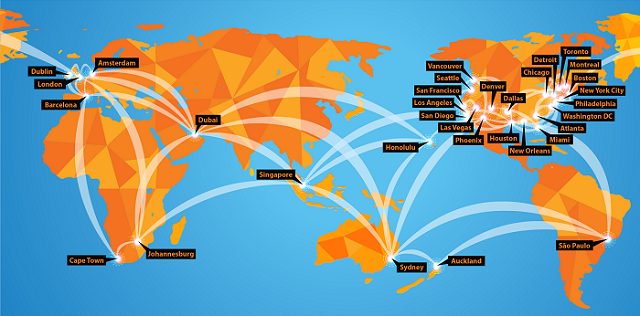
DigiMarCon is the Largest Digital Marketing, Media and Advertising Conference & Exhibition series in the world, with annual events held in all continents (North America, Latin America, Europe, UK, Asia Pacific, Middle East and Africa) in 13 countries (United States, Canada, Australia, New Zealand, United Kingdom, Ireland, Netherlands, Spain, Brazil, Singapore, India, United Arab Emirates and South Africa), across 33 cities (New York, Philadelphia, Boston, Toronto, Vancouver, Montreal, Houston, Dallas, Chicago, Los Angeles, San Francisco, Seattle, Washington DC, New Orleans, Atlanta, Detroit, Miami, Denver, San Diego, Phoenix, Las Vegas, Honolulu, London, Dublin, Amsterdam, Barcelona, Johannesburg, Cape Town, Dubai, Sydney, Auckland, Singapore and Sao Paulo). All DigiMarCon Events can be attended in-person or online. Wherever you are located there is a regional DigiMarCon event nearby you can attend.

DigiMarCon Conferences are held in top luxury 5-star event venues across the world such as; Royal Caribbean Cruise Ships, Olympic Stadiums, Marina Bay Sands Expo & Convention Centre and Wynn, JW Marriott, Marriott Marquis, Hyatt Regency, InterContinental, The Westin, Renaissance, Hilton, Conrad, W, Sheraton, Loews and Sofitel Hotel properties. Discount hotel room rates at each venue hotel means no hassle getting to and from the venue each day.

Building relationships matter! At DigiMarCon Conferences we have more networking breaks on our program than others. On average there are 8 Networking breaks at each event giving delegates ample opportunities in a relaxed atmosphere to meet others over the 2-days at the event; from 1-hour round table networking luncheons to 3-hour dinner receptions. These networking breaks are set in picturesque locations to facilitate memorable experiences while fostering new relationships. Such experiences include enjoying cocktails and the Sunset over the Pacific Ocean on a private Ocean Terrace in Santa Monica, to being on the Sydney Olympic Stadium playing arena at night enjoying cocktails under the lights, to dining at the 360 Revolving Restaurant at the top of the CN Tower in Toronto for a Dinner Reception, enjoying cocktails on a private promenade overlooking Times Square in New York City, or having fun at the Dazzles Night Club onboard the Royal Caribbean Oasis of the Seas for a Farewell Party, etc.
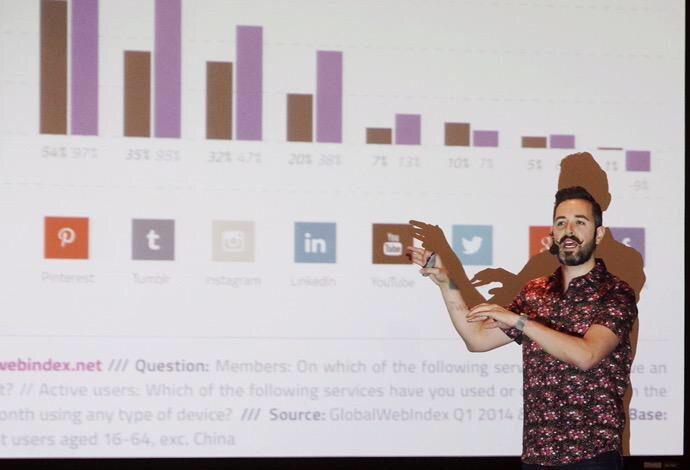
DigiMarCon Keynotes, Panels and Master Classes are facilitated by the foremost thought leaders in the industry, from celebrity social media influencers to CMO’s from the largest Fortune 500 company brands that are disrupting the digital marketing, media and advertising industry, such as Google, Facebook, Microsoft, Amazon, Oracle, Adobe, eBay, Netflix and more. All presentations are pitch-free, and include actionable takeaways, case studies, strategies and tactics, ready to be applied when back in the office.
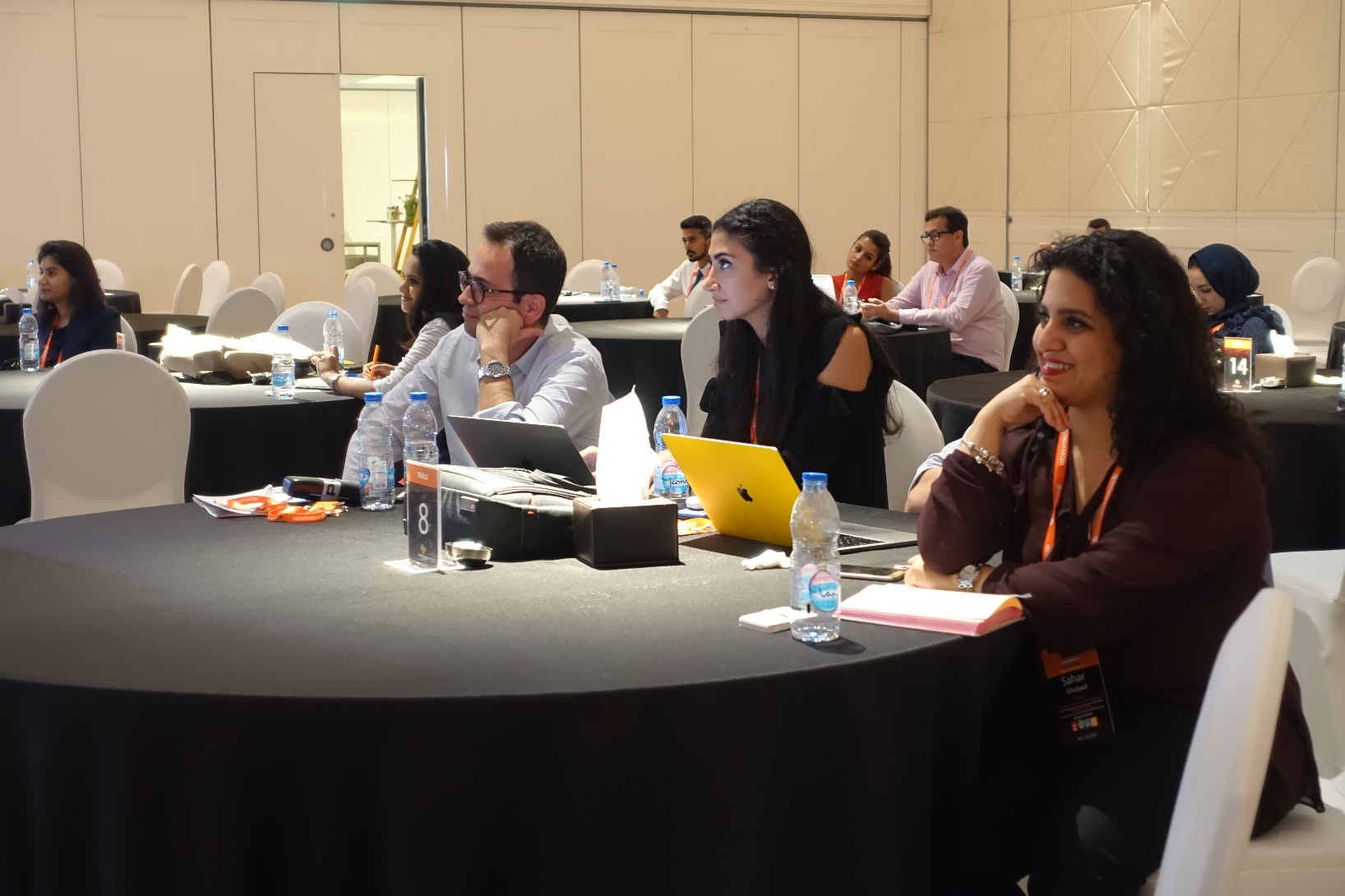
At DigiMarCon Conferences you are never ‘left in the dark’…. literally, in a large room far away from the stage and speakers, crushed in tight theater seating, without even a table, while sitting in the dark. At DigiMarCon all delegates have premium meeting space in luxurious ballroom well-lit spaces, with comfortable seating with table enabling delegates to use their laptop to take notes with ample charging facilities onsite in a comfortable space to learn and thrive. All tables are situated close with direct view of the stage.

DigiMarCon Conferences are affordable to attend, from single-day event passes up to two-day VIP options at a fraction of the cost of other industry events. We offer significant discounts for early bird registrations. Additionally, on top of time-limited discount pass rates, because budgets are tight, we want to make sure all groups have a chance to attend DigiMarCon. For government employees, students, academic, startups, non-profit organizations and teams, we offer generous discounts off the prevailing registration price.
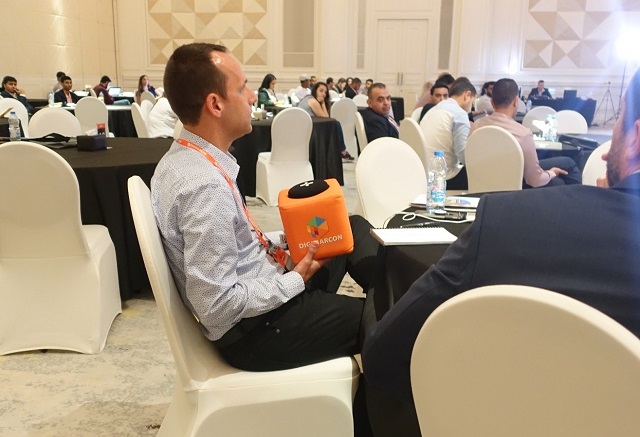
Attend DigiMarCon and you become part of the show! DigiMarCon Conferences tap into the talent of the room, drawing from the knowledge and experience of the professionals in the audience. All DigiMarCon events include regular interactive question and answer sessions with speakers and the audience ideal for collaboration, audience polls, along with ice-breaker and group exercises, steered by charismatic Emcees.
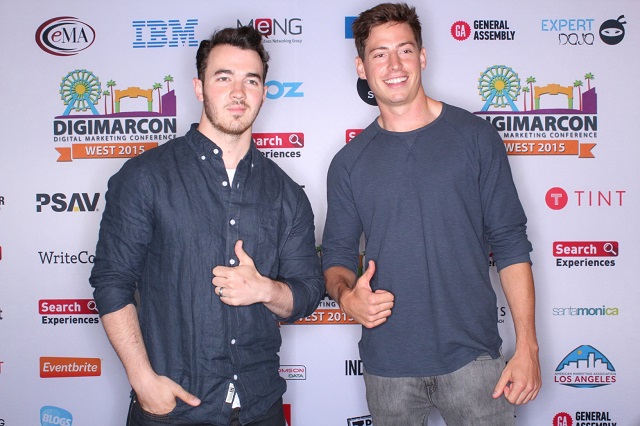
DigiMarCon Conferences put you right up and close with the speakers giving you the opportunity to meet these social media influencers which you follow in person. Speakers are never hidden in private speaker rooms away from the audience, they are in the auditorium sitting right beside you and participating.
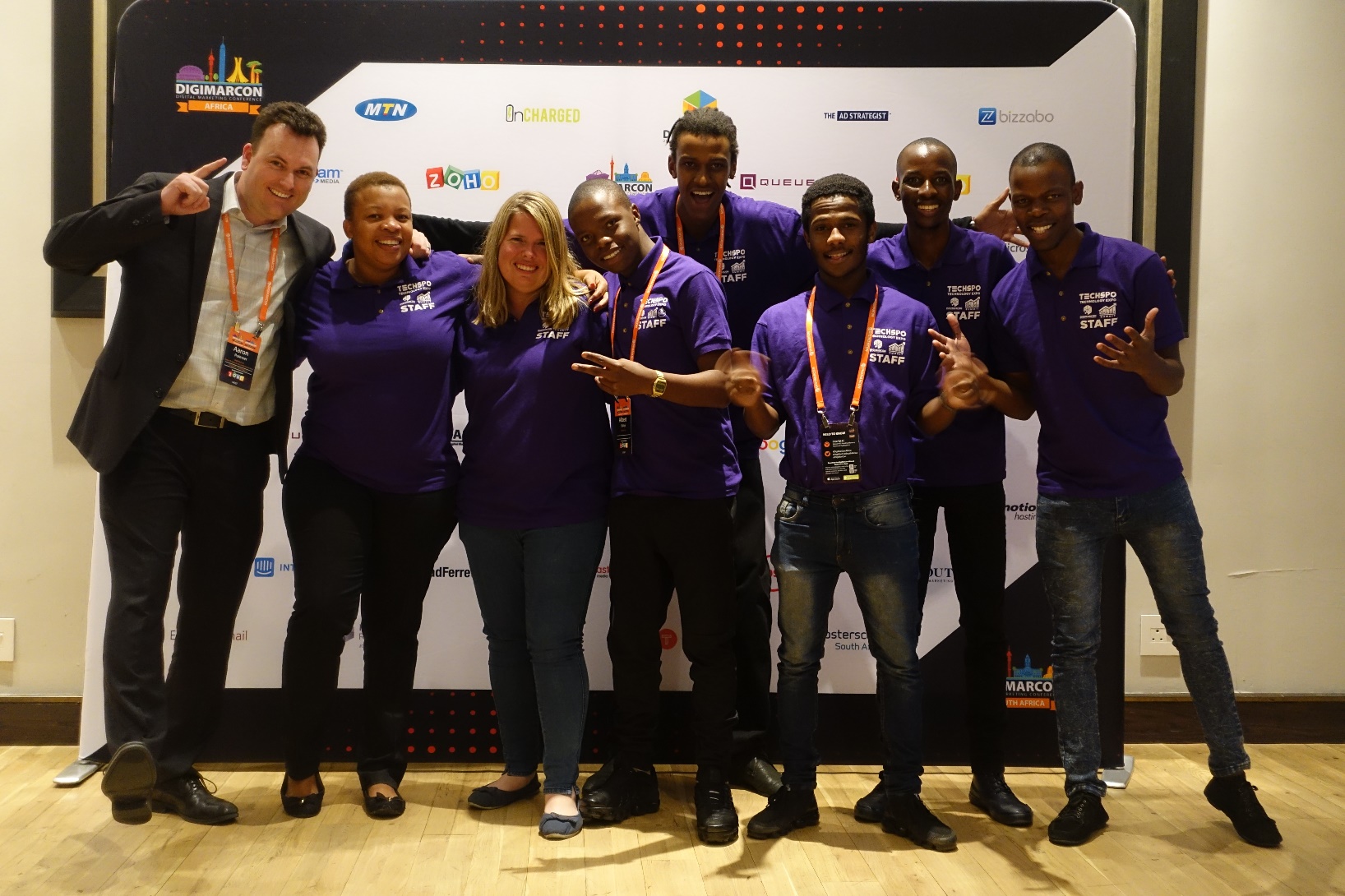
Attending a conference is a well-researched decision. There are many factors to consider such as location, time, venue, cost, speakers, content, etc. At DigiMarCon our results-obsessed Customer Service team are at your service before, during and after the event to help with your needs. It’s at the core of what we do — it drives our business. Offsite, we are ready to assist you via phone, ticket or chat. Onsite at our Conferences, friendly DigiMarCon staff serve as your hosts. They welcome your input and are happy to assist you.
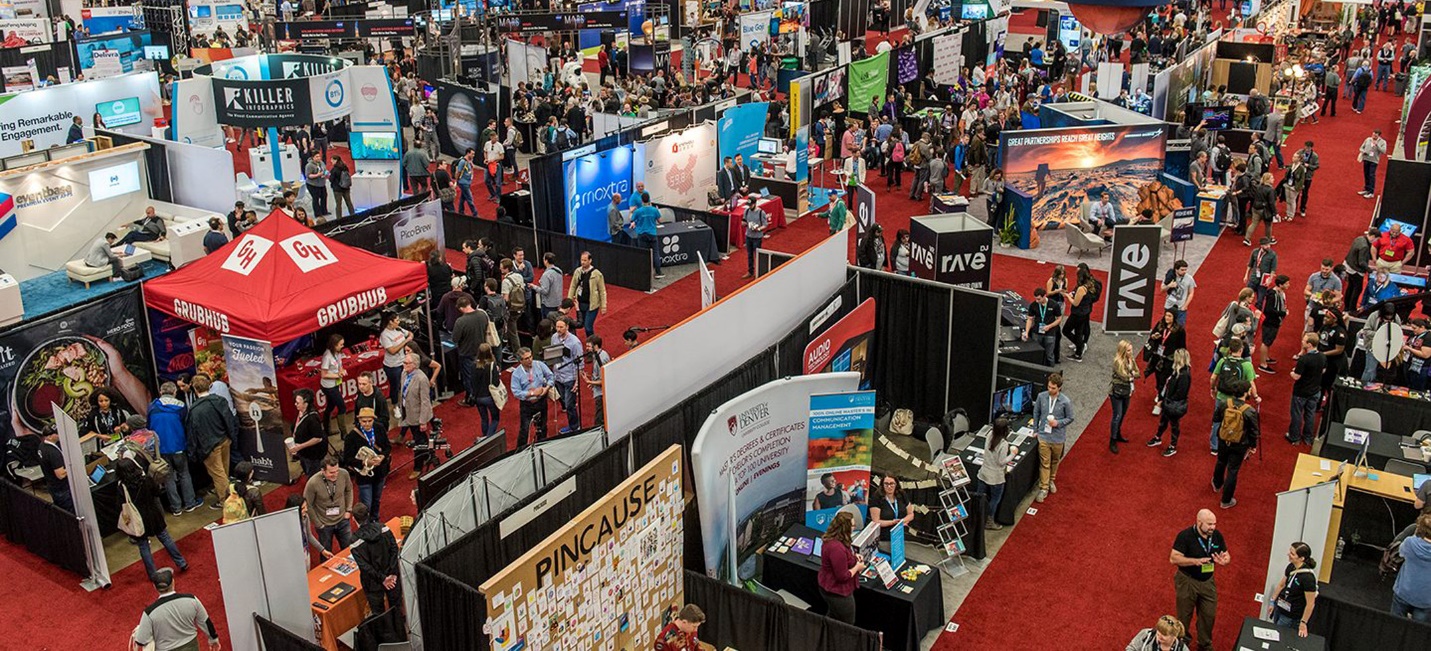
At all DigiMarCon Conferences is the co-located exclusive event TECHSPO Technology Expo, which showcases the new generation of technology and innovation, including; AdTech, MarTech, Internet, Mobile and SaaS technologies. Be inspired, amazed and educated on how these evolving technologies will impact your business for the better. Unlimited Access to TECHSPO Technology Expo is included with all DigiMarCon passes.
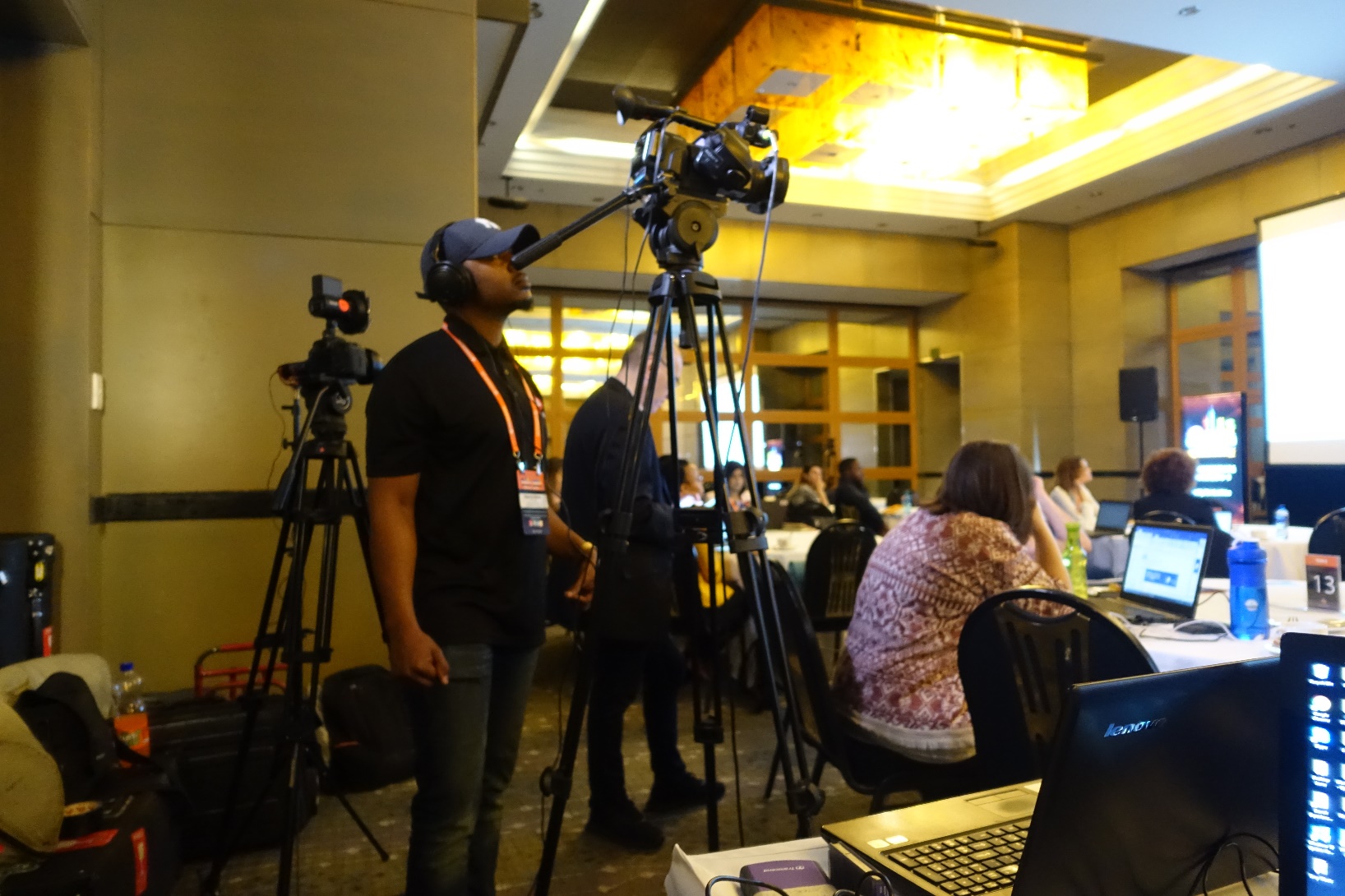
DigiMarCon All Access & VIP Passes include a 12-month on demand access to hundreds of hours of DigiMarCon speaker keynotes, panels and master class presentations from recent DigiMarCon Conferences, including videos, slide decks and key takeaways, available on demand so you can watch what you want, when you want.

Attendees of DigiMarcon Conferences gain membership to an exclusive global Digital Marketing, Media and Advertising Community of over 500,000 worldwide subscribers to our award-winning digital marketing blog and over 100,000 members to the International Association of Digital Marketing Professionals (visit https://iadmp.org). This global community comprises of innovators, senior marketers and branders, entrepreneurs, digital executives and professionals, web & mobile strategists, designers and web project managers, business leaders, business developers, agency executives and their teams and anyone else who operates in the digital community who leverage digital, mobile, and social media marketing. We provide updates to the latest whitepapers and industry reports to keep you updated on trends, innovation and best practice digital marketing.

The events industry has forever changed in a world affected by COVID-19. The health and safety of our guests, staff and community is our highest priority and paramount. The team at DigiMarCon is dedicated to ensuring a great experience at our in-person events, and that includes providing a safe, clean and hygienic environment for our delegates. Some of the key areas we have implemented safe and hygienic measures include;

DigiMarCon has always been industry leaders of the Hybrid Event experience for years (a hybrid event combines a "live" in-person event with a "virtual" online component), no one needs to miss out on attending our events. Each DigiMarCon Conference can be attended in-person (with a Main Conference, All Access or VIP Pass) or online (with a Virtual Pass) giving attendees a choice for the experience they want to have. Attending virtually by viewing a Live Stream or On Demand enables participation by people who might be unable to attend physically due to travel or time zone constraints or through a wish to reduce the carbon footprint of the event. If you would like to meet the speakers, network with fellow marketing professionals at refreshment breaks, luncheons and evening receptions, check out the latest Internet, Mobile, AdTech, MarTech and SaaS technologies providers exhibiting then it is highly recommended to attend DigiMarCon in-person. As the largest Digital Marketing, Media and Advertising Conference series with events in 33 international cities worldwide, across 13 countries, there is bound to be a DigiMarCon Event near you to attend in-person if you can.
DigiMarCon Conference Series is the annual gathering of the most powerful brands and senior agency executives in your region. The Sharpest Minds And The Most Influential Decision Makers - Together for Two Days.
Who Attends Our Conferences
Brands • Agencies • Solution & Service Providers • Media Owners • Publishers • Entrepreneurs • Start-Ups • Investors • Government • Corporates • Institutes of Higher Learning




AI Influencers Drive Real Revenue?! But There’s a Catch…
An AI persona can attract attention, but attention turns into revenue only when a brand or audience has a reason to pay. Revenue Making AI describes a business use of artificial intelligence, not a promise of income. A virtual influencer is a fictional or computer-generated persona presented as an influencer. You can build a persona, produce content for brands, or use affiliate links and owned products. Each path asks you to solve a real audience or business need.
People may enjoy polished images and video, but views alone do not pay for the work. A useful offer, a clear fit with the audience, and steady human oversight matter more. You must guide the persona, check its claims, and keep its voice consistent. You also need to know who benefits when it recommends a product. That work turns a creative opportunity into a business people can trust.
Think of the AI as help with making and shaping material. You still need to decide what to publish, who it serves, and how the business will earn. Treat the AI as part of the production process, not as the business model itself.
How Revenue Making AI Influencers Earn
An AI influencer earns when a brand pays for access to its audience, a viewer buys through its recommendation, or a customer pays for an owned offer. Those are different paths, and each needs a clear way to deliver value. Revenue-making AI online usually means using AI to make, promote, or deliver something people pay for.
YouTube advertising can pay when a channel meets platform eligibility rules and reaches viewers. Income depends on audience reach, so a new channel should not count on ads alone. A sponsorship is a negotiated promotion from a brand, often paid through a flat fee for agreed work.
Affiliate links track qualifying sales. You must apply to programs, choose useful products, place suitable links, and explain your relationship with the seller. A sale may earn a commission, but the link does not remove the work of earning trust.
Paid content can include gated articles, online courses, or other material offered for a fee. Subscriptions can bring repeat income, but locking away too much can frustrate readers and lower engagement. Keep some useful content open so people can judge its value first.
Producing branded content for a client is a service, not income from an audience you own. The client pays for a defined deliverable, while you handle planning, production, and review. That model can work before you have a large following.
People asking how to make money with AI online often mean using a tool to support a paid offer. The tool itself does not create customers or revenue. Pick one primary revenue path first, since each asks you to build a different relationship with the audience.
How Can Virtual Influencers Sell?
A virtual influencer can sell through a brand partnership, an affiliate recommendation, or an offer of its own, but a large following does not guarantee any of them. Audience fit matters more than a headline count. Brands pay for a defined promotion, with clear deliverables, audience fit, and an approval process.
Brand partnerships and sponsored content
A sponsorship sets out what the persona will publish and when. The brand should approve claims, product details, and final creative before posting. Good social media marketing also checks that the audience has a reason to care about the product.
These examples show how reach and engagement can differ:
A Liquid I.V. video featuring Lil Miquela generated €75K in earned media value, or EMV. EMV estimates the cost of similar traditional media; it is not her reported income.
Affiliate links and owned products
Affiliate links track sales that follow a recommendation, while disclosure helps viewers understand the relationship. A persona can also promote products or services it owns. Choose an offer the audience genuinely needs, then measure clicks and sales. Evaluate audience fit and the offer’s results, not follower count or EMV alone.
What Tools and Costs Does an AI Influencer Need?
A useful free test is one complete sample post, from persona image or video through editing and export, before paying for more production capacity. Test the whole workflow, not just image quality. Credits, watermarks, video length, and model-based costs can limit a free test.
Google Flow offers 50 daily credits without a subscription; unused credits expire each day, and generation costs vary by model. Google Flow’s daily credits can help you test, but they do not guarantee enough output for a full campaign.
HeyGen’s free-plan listings conflict: one allows three videos monthly, up to one minute each; another allows three monthly, up to three minutes at 720p with a watermark. The free plan lists more than 1,100 stock presenters and 175 languages and dialects. Its Creator plan costs $24 monthly when billed annually.
Wireflow Starter costs $24 monthly for 1,600 credits, while Professional costs $45 for 4,300 credits. Video generation requires a paid plan. Confirm HeyGen’s current plan limits before you budget, since the listed video lengths do not match.
Free plans for testing a production workflow
A free revenue-making AI generator or app can help you create drafts, but it cannot generate revenue on its own. Check these points before using an output in a client project:
Paid production, rate benchmarks and usage rights
In 2026, Instagram feed-post benchmarks range from $50-$200 for nano influencers to $10,000-$50,000+ for mega creators. TikTok video benchmarks run from $50-$300 for nano to $25,000-$100,000+ for mega creators.
Instagram Reel benchmarks range from $100-$500 for nano creators to $25,000-$100,000+ for mega creators. Reels typically cost 1.5x-3x more than feed posts. Usage rights, paid amplification, and exclusivity can raise a quote.
TikTok rates can also reflect average views, posting consistency, past brand results, usage rights, and paid-ad access. These creator rates are reference points, not guaranteed prices for a virtual influencer. Check the current plan details and the rights for the specific output before you promise a client a deliverable.
How Can You Make Money With AI With No Experience?
With no client history, start by selling a small outcome you can demonstrate, not by promising a fully automated influencer business. Build on a skill you already have, such as writing, design, video editing, or social media planning. A paying customer needs a reviewed deliverable, not an unedited AI output.
You could offer short-form scripts that you draft and edit, or a content calendar for one small brand. Keep the service narrow enough to explain in a sentence. ChatGPT and Gemini can help with ideas and first drafts, while you check facts, shape the tone, and make the work fit the customer’s needs.
Make two or three portfolio samples before pitching. Use a made-up brief or a public product, and label sample work clearly. The samples should show the final result, not just prompts or raw machine output.
To make money with AI with no experience, create samples, pitch a specific service to likely buyers, and improve from client feedback. You do not need to claim skills you lack. You do need to communicate clearly, meet a deadline, and fix errors when they appear.
A first customer may prefer one finished post over a vague promise to grow a whole account. Ask what problem needs solving, then show how your sample addresses it. Make your first offer specific enough that a customer can judge the result before committing to a larger project.
How Do You Launch an AI Influencer Business?
A practical launch begins with one audience and one offer, not a plan to publish everywhere at once. Keep the first test small so you can learn from a real response. Choose one problem, one format, and one deliverable before you build a larger process.
Instagram and TikTok are possible places to publish, but you do not need both for a pilot. Use a consistent persona brief for each image, video, or reel. Agree on who reviews the work and who approves it before publication.
Define the persona and audience
Pick a niche and name the audience need your persona will address. Set its voice, visual rules, and publishing format in a short brief. For example, a home-cooking persona might share quick meal ideas for students with limited time.
Keep that brief with the production files, so a team can check each asset against it. Decide how often you can make good content without rushing. Check each tool’s commercial-use terms before selling generated material.
Make a pilot offer and find a first customer
Prepare sample assets and define exactly what the customer receives. State the number and type of posts, the review steps, and any usage rights. Ask for client approval before publishing work that features its brand or products.
Approach a small group of relevant prospects with a sample tied to a real need. A free revenue-making AI generator or free AI money-making app may help make sample assets. Neither replaces validation, customer outreach, or quality control.
Do not scale production just because a tool can generate more images or video. Watch how a potential customer responds to the sample and what changes they request. Ask a potential customer to assess the sample against a real need before you scale production.
Will AI-Generated Influencer Content Be Monetized?
AI-generated influencer videos can be monetized, but the platforms judge the finished content and its value, not just the tool used to make it. Originality still counts. AI use is not a blanket ban, but generic, repeated work can fail monetization review.
YouTube requires monetized content to be original and authentic, not mass-produced, generic, repetitive, or manipulative. The platform renamed its “repetitious content” policy “inauthentic content” in a July 15, 2025 update. That update clarified that repetitive or mass-produced material is not eligible.
YouTube’s originality rule allows similar formats when each video brings meaningful change and viewer value. A series can use one structure, but each episode needs fresh insight, useful teaching, or another clear reason to watch.
YouTube originality and monetization rules
Updated YouTube guidance took effect July 16, 2026, and clarified existing rules rather than banning AI-generated videos. Generic template videos, emotional manipulation, and AI personas discussing sensitive topics can raise monetization risks.
A recurring character can still work if each video offers more than a swapped headline or script. Check facts and add a clear point of view. A tool-made clip without original insight may look like mass-produced content.
TikTok labels and audience trust
TikTok requires an AI-generated-content label when material could realistically mislead viewers. The label helps people understand how a video was made. It does not replace honest claims or a good reason to watch.
TikTok monetization also depends heavily on engagement metrics. Clear storytelling and useful information can help viewers stay, respond, or share. A label alone cannot make weak content perform.
Will AI content be monetized? Yes, if it is original, valuable, and follows the platform’s rules; approval is never automatic. Sensitive-topic personas and manipulative presentation carry added risk. Before publishing, check the platform’s current rules and review the video for originality, accuracy, disclosure, and viewer value.
What Revenue Metrics and Risks Should You Track?
A project’s revenue report should show what the audience did, not just how many views or likes the persona received. Track actions and costs, including qualified reach, clicks, conversions, customer revenue, and production costs. EMV estimates media value; it is not revenue earned by the creator.
In 2025, the top 10% of creators received 62% of creator payments. The average creator earned $11.4K per campaign, while the median earned $3K. Those payments are uneven, so they are not a personal earnings forecast.
US creator ad spending was estimated at $29.5 billion for 2024, with $37 billion projected for 2025. That covers brand-directed sponsored and amplified content, not affiliate or subscription income. The global influencer marketing market estimate was $32.55 billion for 2025, separate from individual creator pay.
In 2026, 87.49% of surveyed marketers expected budgets to rise, while 79% of enterprise marketers struggled to measure ROI. Another survey found 65.9% expected payback within one month. Compare each campaign’s attributable sales or leads with its production and usage-rights costs before repeating it.
Conclusion
A virtual influencer is worth building only when its content serves a defined audience and a business purpose. AI can reduce production friction, but human review keeps the work useful and accurate. The offer must solve something real, not simply fill a feed.
You do not need a large team or a complete content system to test an idea. You need a clear niche, a strong sample, and a way to hear from people who might pay. Treat early feedback as evidence, not as a promise of future sales.
Choose one niche, create one pilot asset, and ask a likely customer whether it solves a real problem. If the answer is no, adjust the offer before spending more on tools or production. Start with one pilot, then invest further only when a real audience or customer shows interest.
From Employees to Influencers: How Creator-Led Brands Are Changing the Marketing Game
A marketing team can publish polished posts regularly and still struggle to sound close to the people it wants to reach. A Creator & Employee-Led Brand gives employees a public role beyond sharing company-made messages. Social media rewards content that feels relevant, yet teams need a steady supply without making every post sound like an ad.
Employees can bring deep expertise, real views of daily work, and useful stories about products and services. Their knowledge can help a brand speak to its audience in a more human way. The approach also gives marketing teams new voices to work with, while keeping content tied to real work.
At its core, the creator and employee-led model lets staff help make the stories a company shares.
What Is a Creator & Employee-Led Brand?
A creator and employee-led brand gives staff a defined role in making the stories audiences see, not just distributing corporate posts. Employee-generated content, or EGC, is original content made by employees about their work, expertise, workplace, or products.
EGC gives employees a creative role, while employee advocacy shares company-made material through employees’ own networks. An employee advocacy program can help a company distribute posts, but EGC asks employees to help create the message itself.
In marketing, EGC means employee-authored or employee-fronted material, rather than simply republishing company posts. A creator brand, in this context, builds part of its identity and audience connection through creator voices.
Employee branding uses employees’ voices and actions to represent a company. Employer branding shapes how people see the company as a place to work. The terms describe related but different goals.
The 3 7 27 rule of branding and the 5 C’s of branding have no single accepted definition. Treat neither as a fixed measure of EGC success. The model’s value comes from what employees add, which helps explain why audiences may respond to their voices.
Why Does Employee Content Earn Attention and Trust?
A customer choosing between a polished product claim and a useful explanation from someone who works with the product may want the explanation. Employee content can feel credible because employees know the work and can explain it in their own words.
Edelman’s 2025 Trust Barometer found that 63% of people trust brand employees to give accurate brand information. That compares with 59% for journalists, 58% for CEOs, and 58% for influencers.
Employees often know the questions customers ask and the steps behind a product or service. A logo-led post can state a claim, while an employee can add context from direct experience.
Employee advocacy can help a message travel farther, but EGC adds the employee’s own point of view. That difference matters when a post needs to explain a detail, not just repeat a slogan.
A UGC creator is an outside creator who makes user-generated content for a brand. External creators can offer a fresh view, while employee creators bring direct work and product knowledge.
More brands are using real employee voices and expertise on social media. That is a current branding trend, not a promise of higher engagement. L’Oréal’s employee advocacy program generated 33 million organic impressions in 18 months. Those results show the reach employee voices can support, and lead to the formats that fit their strengths.
What Content Can Employees Create?
A product designer showing a packaging decision can tell a different story from a front-line employee helping someone choose a product. Useful formats start with what employees know and see firsthand.
Give each post a clear purpose, such as showing a process, answering a common question, or helping someone make a choice. That focus helps the employee’s knowledge come through without turning every post into a sales pitch.
Show the work and people behind the product
A day-in-the-life video can show how a team handles real work, from opening a store to testing a new product. Workplace culture stories can show how people work together through specific moments, not broad claims about company values.
Behind-the-scenes content can also explain a product or service process. Glossier has shared a story about packaging development, letting audiences see the thought and work behind a design choice.
Turn employee expertise into practical advice
Employees can make short explainers, product tips, and recommendations based on what they know. A useful tip might answer a question customers ask often or explain which product suits a certain need.
BIG W team members have shared product expertise, giving shoppers guidance from people who know the items. Employee recommendations work best when they explain the reason for a choice instead of making a broad claim.
Bring challenges, takeovers, and store experiences online
A relevant social media challenge can invite employees to share a simple idea. Fitness teams might try a 30-day challenge, while beauty staff might show “3 looks with 1 product.” Choose challenges that fit the brand and audience, rather than chasing every trend.
Employee takeovers can show a workday or workplace culture from one person’s view. One Agency Media has used a culture takeover to bring that kind of employee perspective to social media.
Stores can also take familiar in-person help online. Best Buy or Sephora employees can share product knowledge in short videos or posts, helping shoppers learn before they visit. Once the formats are clear, company examples show how to support creators.
What Can Brands Learn From Employee Creator Examples?
A strong employee creator program can start by noticing the staff members who already make useful content. Different starting points can lead to different forms of support.
The transferable lesson is to give participants a clear role and support, not to copy another company’s format. An employee creator program can build on existing interest or teach new skills to people who want to take part.
Starbucks builds on employees already creating
Starbucks launched its Green Apron Creators employee content program in 2024. It later built a TikTok Creator Network with briefs, distribution, and compensation for selected employee creators.
Starbucks employees post on social media at roughly three times the rate of employees at similar-sized chains. Employees Bridget Baron and Rashelle Habati have each generated millions of views, showing how individual voices can draw attention.
Dell gives technical employees a way to participate
Dell’s Social Media University created a certification path for employees who use social media professionally. The company has trained thousands of champions through the program.
That approach can help technical employees share what they know without asking them to become full-time personalities. Training gives people a way to contribute that fits their role and comfort level.
Gap brings employees into a wider creator ecosystem
Gap had an established creator, affiliate, and social advocacy ecosystem before expanding it to employees in July 2026. Before that expansion, its public-facing creator program had generated nearly 30,000 unique posts and reached 154 million users.
Other companies chose different entry points. Reebok used an employee hashtag approach, while United Airlines supported an employee who was already documenting work.
Starbucks offers compensation to selected employee creators. Pay and terms for external influencer campaigns depend on each campaign and agreement. The useful lesson is to set a clear role and offer real support, then shape a program that fits your team.
Those examples lead to a practical structure any company team can adapt.
How Do You Build an Employee Creator Program?
A Slack channel and a request to “post about this if you can” do not give employees enough support to create consistently. A clear program gives people guidance, choice, and a reason to take part.
Make participation voluntary, and agree on the brief, compensation, and usage rights before anyone posts. That gives employees and the company a shared view of the work.
Set a clear brief and train creators
A brief should name the audience, goal, key information, format, deadline, disclosure, and usage plan. Keep it specific enough to guide content creation, but leave room for the employee’s own voice.
Training can cover strong openings, storytelling, video basics, platform habits, and ways to explain expertise in plain language. Later’s creator research found that 53% of creators consider clear briefs critical, while 10% feel they have creative freedom with branded content.
Agree on compensation, rights, and guardrails
Offer fair compensation for time and deliverables. Paid work time or development opportunities can also add value, but employees should know what the company expects before they join.
Put usage rights in writing, including where and how long the company may use content. Set rules for confidentiality, customer privacy, ownership, and disclosures. Explain what happens to published content if an employee leaves.
The FTC treats employment as a material connection. Employees endorsing their employer’s products should clearly disclose that relationship, and listing the employer in a profile may not be enough.
Do not use a public company hashtag as a private submission system. Outsiders can use it too, so it cannot reliably mark employee submissions.
Use this short checklist before the first post:
With responsibilities and safeguards in place, decide how to tell whether the program delivers value.
How Do You Measure Impact and Connect It to Employer Branding?
Counting posts can show that a program is active, but it cannot show whether the content reached the right people or supported a business goal. Measure outcomes as well as activity.
Separate program health, content performance, audience quality, and business impact. Employees can have up to 10 times as many LinkedIn followers as company pages, and employee-shared content can earn twice the click-through rate of company posts.
Track each group for a different reason:
UTMs, CRM campaign membership, and creator-specific landing pages can help connect B2B activity to pipeline. The employee advocacy software market is projected to reach $1.18 billion by 2035, but market growth alone does not show whether a program works for your company.
Versions of the four P’s of employer branding vary, with no single standard set. Focus on the company’s people, workplace experience, and public reputation instead of presenting an unsupported formula.
Employer branding trends for 2026 include showing real employee perspectives and making workplace culture more transparent. No company has the best employer branding for every goal; the right benchmark depends on the roles and candidates you need to reach.
Use measures that match your goals, then carry that discipline into the next step.
Conclusion
Employee-led content becomes sustainable when the people making it are treated as contributors, not as another distribution channel. Employees need a clear reason to join, room to sound like themselves, and support that fits the work.
Start with a small voluntary group already comfortable sharing its expertise. Give that group a clear brief, agree on the first goal, and settle usage rights before anyone creates content.
Invite a few employees to help shape one focused pilot.
Creator-Led Marketing vs Traditional Advertising Explained.
Did you know over 70% of younger people trust content creators more than big brands? This shows a big change in how companies reach their audience now.
The old days of expensive commercials are disappearing. Today, people want authenticity and real connections, not scripted ads.
For businesses, understanding creator-led marketing vs traditional advertising is now a must. It’s a big change in the digital world that decides if a brand will survive.
Old ways can’t keep up with fast social media trends. By working with creators, brands can connect with communities that already trust them. Staying relevant means moving away from old strategies and meeting people where they are online.
The Evolution of Modern Advertising Landscapes
Today, the power in advertising has moved from big companies to individuals. People want to connect with brands on a personal level. This change is key for companies using social media marketing to reach their audience.
Shifting Consumer Trust in the Digital Age
Trust is now the most valuable thing online. People don’t trust ads that seem far from their lives. They look to content creators for real connections and honesty.
When someone you know recommends a product, it feels like advice from a friend. This is the heart of social media marketing. Brands use these real connections to win over skeptical viewers.
The Decline of Passive Media Consumption
Long commercial breaks are a thing of the past. Today, people want interactive content that adds value or fun. This change has made brands rethink how they talk to their audience.
Good campaigns focus on getting people involved, not just seen. By working with content creators, brands start conversations. This keeps people engaged and interested in the brand’s story.
Defining Creator-Led Marketing and Its Core Philosophy
Creator-led marketing is a new way of marketing that focuses on partnerships. It moves away from old-school ads to real collaborations. This method makes brands talk to people in a way that feels right and true.
The Role of Authenticity in Brand Storytelling
Being real is key in today’s digital world. When a brand lets a creator be themselves, the content hits home. Trust is earned when it feels like a friend’s advice, not a sales pitch.
Good brand collaboration means the creator fits the product into their story. This keeps the story true to the creator’s brand. People love content that’s honest and open.
How Content Creators Bridge the Gap Between Brand and Audience
Content creators are key in connecting big brands with their audience. They know what their community likes and talks about. They make brand messages into stories that people want to watch.
This approach makes a stronger connection between the brand and the viewer. With creator-led marketing, brands become more relatable and loyal fans grow. This brand collaboration turns viewers into active fans of the brand’s story.
The Mechanics of Traditional Advertising Models
Understanding traditional advertising shows why brands are changing their ways. For a long time, companies focused on being seen by as many people as possible. They thought that if enough people saw their ads, they would buy more.
Broadcast Media and the Reach-First Strategy
The reach-first strategy aimed for the biggest audiences. Brands wanted to be everywhere, like on TV during popular shows or on huge billboards in cities. They wanted to be seen by everyone, not just specific groups.
Big TV and radio stations controlled who got to advertise. Advertisers paid a lot to reach millions of homes at once. This way, brands could send the same message everywhere in the country.
The Limitations of Interruptive Marketing Tactics
Today’s people are better at ignoring ads. Traditional advertising often interrupts what people are doing. This makes them less interested in ads, a problem called ad fatigue.
Because of this, ads don’t have the same effect as they used to. If ads feel like a bother, not a benefit, people don’t pay attention. So, just being seen isn’t enough anymore in today’s digital world.
Key Differences in Creator-Led Marketing vs Traditional Advertising
Looking at creator-led marketing vs traditional advertising, we see a big difference. The power balance shifts from the brand to the content creator. This change makes how brands talk to the public very different.
Control and Creative Freedom in Campaigns
In traditional advertising, brands control everything. This makes sure the brand looks the same everywhere. But, it can make the content feel fake or too promotional.
Authenticity often gets lost for the sake of looking perfect.
On the other hand, creator-led marketing lets creators put their own spin on a brand’s message. This makes the content feel more real and relatable. It builds trust and connection with the audience.
Measuring Success: Engagement Metrics vs Impressions
How success is measured has changed too. Traditional advertising used to look at how many people saw an ad. But, this doesn’t always mean they cared about the message.
Creator-led marketing looks at things like comments and shares. These show if people are really interested and engaged. It’s about building lasting connections, not just numbers.
The Economic Impact of Brand Partnerships
Brand partnerships are changing how companies spend their money. The digital economy is growing, and old spending ways don’t work as well anymore. Now, businesses are using new, creator-led strategies to get better results.
Budget Allocation: Production Costs vs Creator Fees
In the past, traditional advertising was very expensive. It included big studio productions, expensive equipment, and large crews. These costs took up most of the budget before the content was even seen by people.
Now, brands are spending more on creator fees. This way, they can reach specific groups of people more directly. Working with creators saves money on production costs. It makes it easier to use money wisely.
Here are some key benefits of choosing creator fees over traditional production:
Long-Term ROI and Customer Lifetime Value
Investing in brand partnerships is about building lasting value. When a brand works with a creator regularly, people start to trust the brand more. This trust is a key factor in long-term success.
Customer Lifetime Value (LTV) goes up when people feel connected to a brand. Unlike traditional advertising, creator-led content builds a community. This loyalty leads to more repeat business and higher advocacy, making every dollar spent worth it for the long run.
Psychological Drivers Behind Influencer Marketing Success
Modern influencer marketing works because it meets our basic needs for connection and validation. It’s different from old-school ads, which feel distant. Instead, it’s like sharing with friends.
The Power of Parasocial Relationships
A parasocial relationship is when we feel close to a content creator, even if it’s one-sided. Watching their daily life makes us feel like we really know them. This closeness builds trust, something big brands often struggle with.
When a creator promotes a product, it feels like a personal recommendation from a friend. This is key to influencer marketing’s success. It helps avoid the skepticism we have towards ads.
Social Proof and Peer-to-Peer Recommendations
We’re social beings who follow others when making choices. Social proof shows we’re more likely to do something if others we admire do it too. When a creator uses a product, it’s like they’re giving us tangible evidence it’s worth it.
Peer-to-peer recommendations are more powerful than corporate ads for several reasons:
By tapping into these psychological triggers, brands can connect more deeply with their audience. The success of influencer marketing depends on creating real connections in our digital world.
Navigating Challenges in Creator-Led Campaigns
Modern partnerships need a balance between brand control and creator freedom. Creator-led marketing gives brands a special connection to their audience. But, it also means they must handle risks differently.
Brands need to let go of strict control while keeping their identity strong.
Maintaining Brand Safety and Alignment
Keeping brand safety is key for companies in influencer marketing. Setting clear rules is the first step to keep content in line with values. These rules should cover tone, topics to avoid, and visual standards, not every word.
Brands should check a creator’s past work to make sure it fits their mission. Talking openly helps avoid misunderstandings. This way, the content feels real to the creator and safe for the brand.
Managing Creative Risks and Unpredictable Outcomes
Creator-led marketing is full of surprises, which can be scary for traditional advertisers. Creators love to be spontaneous, which can lead to unexpected content. But, this unfiltered quality is what makes their content engaging.
Brands should see partnerships as long-term relationships, not just one-time deals. Trust leads to a more open creative process. When brands accept a partner’s unique voice, they often find the benefits of influencer marketing are worth the risks.
The Role of Data and Analytics in Modern Strategy
Data-driven decision-making is key to modern marketing success. Brands now use advanced metrics to make sure every dollar spent is worth it. This approach ensures measurable value.
By studying consumer behavior, companies can understand their audience better. This knowledge helps content creators make content that feels personal and relevant. Precision is the new standard for digital outreach.
Leveraging Audience Insights for Targeted Content
Brands can now focus on specific audiences, thanks to deep insights. Sharing demographic data with content creators leads to more engaging content. This approach ensures content resonates with specific communities.
Data shows when and where an audience is most active. By posting at these times, brands boost their chances of being seen. Authenticity remains vital, but data helps make it more effective.
Comparing Performance Tracking Tools
It’s important to go beyond simple impressions to measure ROI. Modern tools track the entire customer journey, from first click to final purchase. These tools show which content creators are driving sales, not just views.
Choosing the right software is critical for campaign success. Look for these key features:
Using these tools, brands can improve their strategies on the fly. This ensures marketing budgets are spent wisely. Data is the bridge between creative vision and success.
Integrating Traditional and Creator-Led Approaches
Today, brands find that mixing old-school ads with new digital content works best. This mix lets them reach lots of people and build real connections on social media marketing. It’s a smart way to stay seen and feel real to your audience.
Creating a Hybrid Marketing Ecosystem
For a hybrid ecosystem, creator content is key, not just an add-on. Brand collaboration helps reach special groups that ads can’t. This way, your brand story is both real and consistent everywhere.
To make this work, marketers need to match their big messages with their partners’ unique voices. Consistency is key from TV ads to social media posts. Keeping your brand’s voice the same helps your message stick, no matter where it’s seen.
Case Studies of Successful Multi-Channel Campaigns
Many big names have nailed this mix. For example, sports brands use TV ads and team up with hundreds of creators for social media marketing. This keeps their brand in everyone’s mind, from casual fans to die-hards.
Beauty brands also use print ads for awareness and then dive into brand collaboration online. These efforts show that creator content is essential. By tracking both wide reach and specific actions, they get better results.
Future Trends in Digital Marketing and Creator Economies
The creator economy is on the brink of a big change. New ideas are coming fast, making old strategies outdated. To stay ahead, brands need to adopt emerging digital marketing trends that focus on real connections, not just reaching many people.
The Rise of Micro-Influencers and Niche Communities
The days of seeking huge follower counts are over. Brands now see the value in smaller, more engaged groups. Micro-influencers are more trusted because their content feels real and close to home. They create communities around specific interests, which are valuable to advertisers.
Successful brand partnerships are moving towards these niche areas. When a brand teams up with a creator who speaks to a specific group, the results are better. Here are some perks of working with smaller creator communities:
Technological Advancements Shaping Content Delivery
Technology is changing how we make and share content online. AI-assisted editing tools let creators make top-notch videos quickly. This means great content reaches the right people at the right time.
Also, automated platforms help brands grow their influencer marketing without losing the personal touch. By using data, companies can guess which content will work best. Keeping up with these digital marketing trends is essential for any brand wanting to succeed in today’s diverse media world.
Conclusion
Modern advertising needs a new way of thinking to stay relevant. Brands that focus on connecting with people build strong loyalty. This change is here to stay, changing how companies talk to their customers.
Being real is key for any successful ad today. When businesses work with creators, they gain trust that ads can’t match. These partnerships help brands talk directly to specific groups with care.
Keeping up with digital marketing trends is essential for success. Companies that adapt will find new ways to connect with their audience. Using these strategies helps your message stand out in a busy online world.
Look at your current strategy to see where creator-led efforts fit in. Even small changes can greatly improve customer loyalty. Start building deeper connections with your audience now to keep your brand ahead in the digital marketing world.