 View Upcoming Digital Marketing, Media and Advertising Conferences & Exhibitions
 Phone:
Posts Tagged "Interactive Technology"




DigiMarCon is the Largest Digital Marketing, Media and Advertising Conference & Exhibition series in the world, with annual events held in all continents (North America, Latin America, Europe, UK, Asia Pacific, Middle East and Africa) in 13 countries (United States, Canada, Australia, New Zealand, United Kingdom, Ireland, Netherlands, Spain, Brazil, Singapore, India, United Arab Emirates and South Africa), across 33 cities (New York, Philadelphia, Boston, Toronto, Vancouver, Montreal, Houston, Dallas, Chicago, Los Angeles, San Francisco, Seattle, Washington DC, New Orleans, Atlanta, Detroit, Miami, Denver, San Diego, Phoenix, Las Vegas, Honolulu, London, Dublin, Amsterdam, Barcelona, Johannesburg, Cape Town, Dubai, Sydney, Auckland, Singapore and Sao Paulo). All DigiMarCon Events can be attended in-person or online. Wherever you are located there is a regional DigiMarCon event nearby you can attend.

DigiMarCon Conferences are held in top luxury 5-star event venues across the world such as; Royal Caribbean Cruise Ships, Olympic Stadiums, Marina Bay Sands Expo & Convention Centre and Wynn, JW Marriott, Marriott Marquis, Hyatt Regency, InterContinental, The Westin, Renaissance, Hilton, Conrad, W, Sheraton, Loews and Sofitel Hotel properties. Discount hotel room rates at each venue hotel means no hassle getting to and from the venue each day.

Building relationships matter! At DigiMarCon Conferences we have more networking breaks on our program than others. On average there are 8 Networking breaks at each event giving delegates ample opportunities in a relaxed atmosphere to meet others over the 2-days at the event; from 1-hour round table networking luncheons to 3-hour dinner receptions. These networking breaks are set in picturesque locations to facilitate memorable experiences while fostering new relationships. Such experiences include enjoying cocktails and the Sunset over the Pacific Ocean on a private Ocean Terrace in Santa Monica, to being on the Sydney Olympic Stadium playing arena at night enjoying cocktails under the lights, to dining at the 360 Revolving Restaurant at the top of the CN Tower in Toronto for a Dinner Reception, enjoying cocktails on a private promenade overlooking Times Square in New York City, or having fun at the Dazzles Night Club onboard the Royal Caribbean Oasis of the Seas for a Farewell Party, etc.
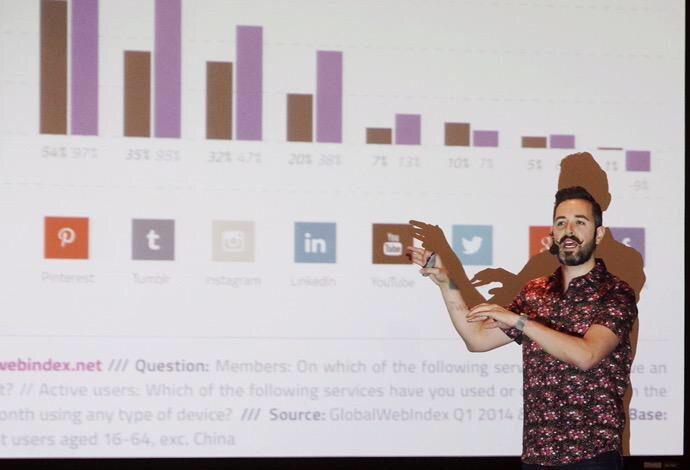
DigiMarCon Keynotes, Panels and Master Classes are facilitated by the foremost thought leaders in the industry, from celebrity social media influencers to CMO’s from the largest Fortune 500 company brands that are disrupting the digital marketing, media and advertising industry, such as Google, Facebook, Microsoft, Amazon, Oracle, Adobe, eBay, Netflix and more. All presentations are pitch-free, and include actionable takeaways, case studies, strategies and tactics, ready to be applied when back in the office.

At DigiMarCon Conferences you are never ‘left in the dark’…. literally, in a large room far away from the stage and speakers, crushed in tight theater seating, without even a table, while sitting in the dark. At DigiMarCon all delegates have premium meeting space in luxurious ballroom well-lit spaces, with comfortable seating with table enabling delegates to use their laptop to take notes with ample charging facilities onsite in a comfortable space to learn and thrive. All tables are situated close with direct view of the stage.

DigiMarCon Conferences are affordable to attend, from single-day event passes up to two-day VIP options at a fraction of the cost of other industry events. We offer significant discounts for early bird registrations. Additionally, on top of time-limited discount pass rates, because budgets are tight, we want to make sure all groups have a chance to attend DigiMarCon. For government employees, students, academic, startups, non-profit organizations and teams, we offer generous discounts off the prevailing registration price.
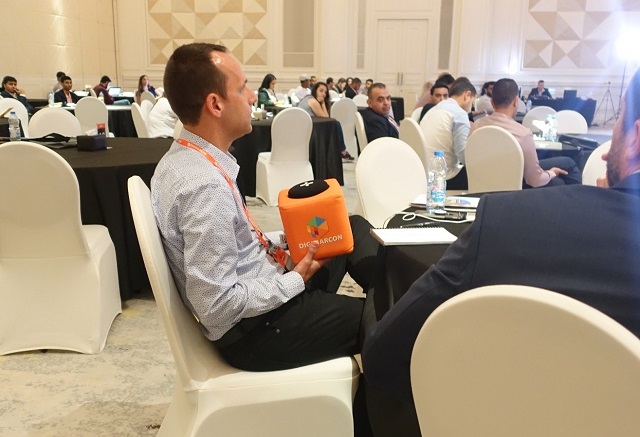
Attend DigiMarCon and you become part of the show! DigiMarCon Conferences tap into the talent of the room, drawing from the knowledge and experience of the professionals in the audience. All DigiMarCon events include regular interactive question and answer sessions with speakers and the audience ideal for collaboration, audience polls, along with ice-breaker and group exercises, steered by charismatic Emcees.

DigiMarCon Conferences put you right up and close with the speakers giving you the opportunity to meet these social media influencers which you follow in person. Speakers are never hidden in private speaker rooms away from the audience, they are in the auditorium sitting right beside you and participating.
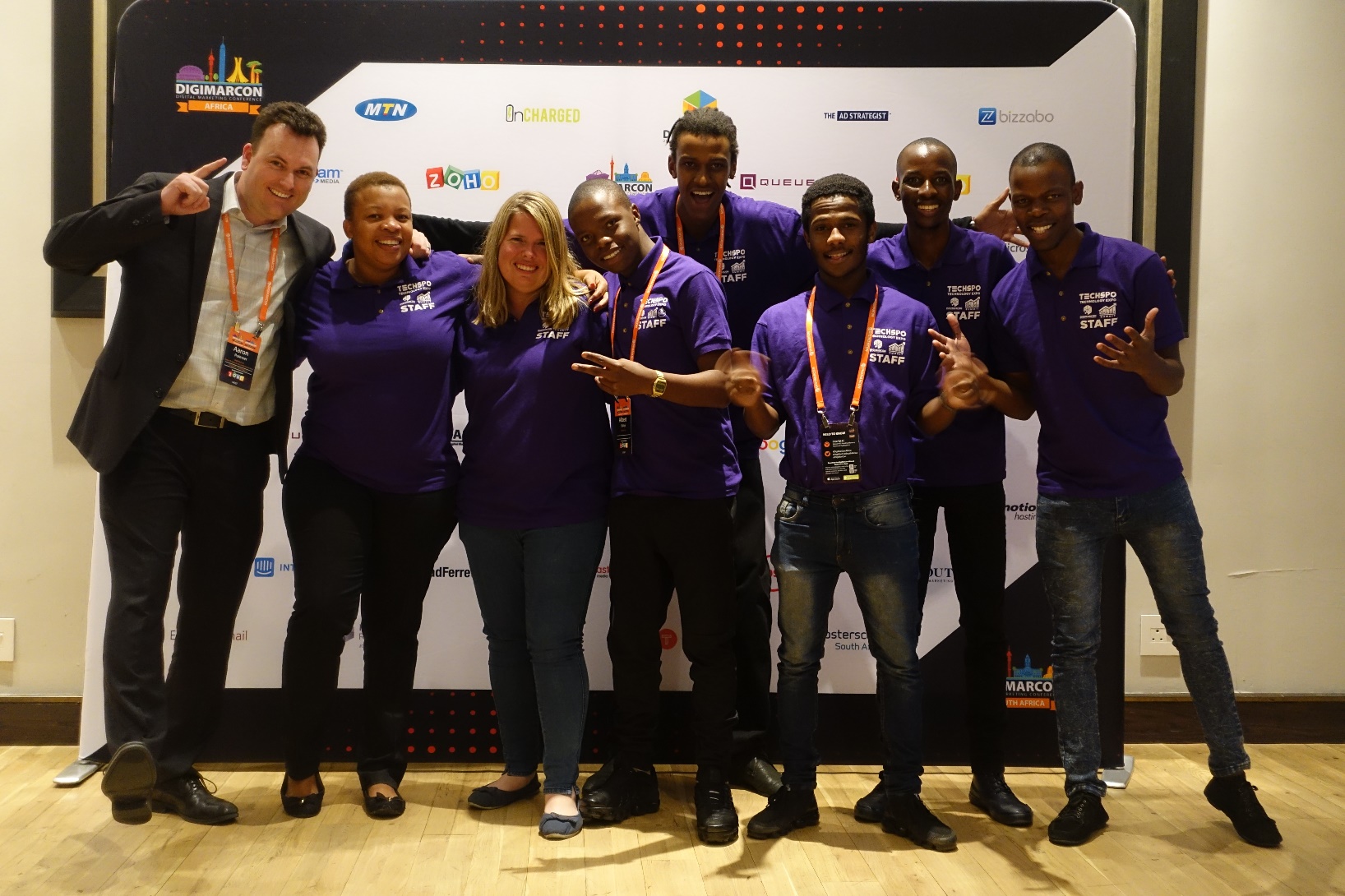
Attending a conference is a well-researched decision. There are many factors to consider such as location, time, venue, cost, speakers, content, etc. At DigiMarCon our results-obsessed Customer Service team are at your service before, during and after the event to help with your needs. It’s at the core of what we do — it drives our business. Offsite, we are ready to assist you via phone, ticket or chat. Onsite at our Conferences, friendly DigiMarCon staff serve as your hosts. They welcome your input and are happy to assist you.

At all DigiMarCon Conferences is the co-located exclusive event TECHSPO Technology Expo, which showcases the new generation of technology and innovation, including; AdTech, MarTech, Internet, Mobile and SaaS technologies. Be inspired, amazed and educated on how these evolving technologies will impact your business for the better. Unlimited Access to TECHSPO Technology Expo is included with all DigiMarCon passes.
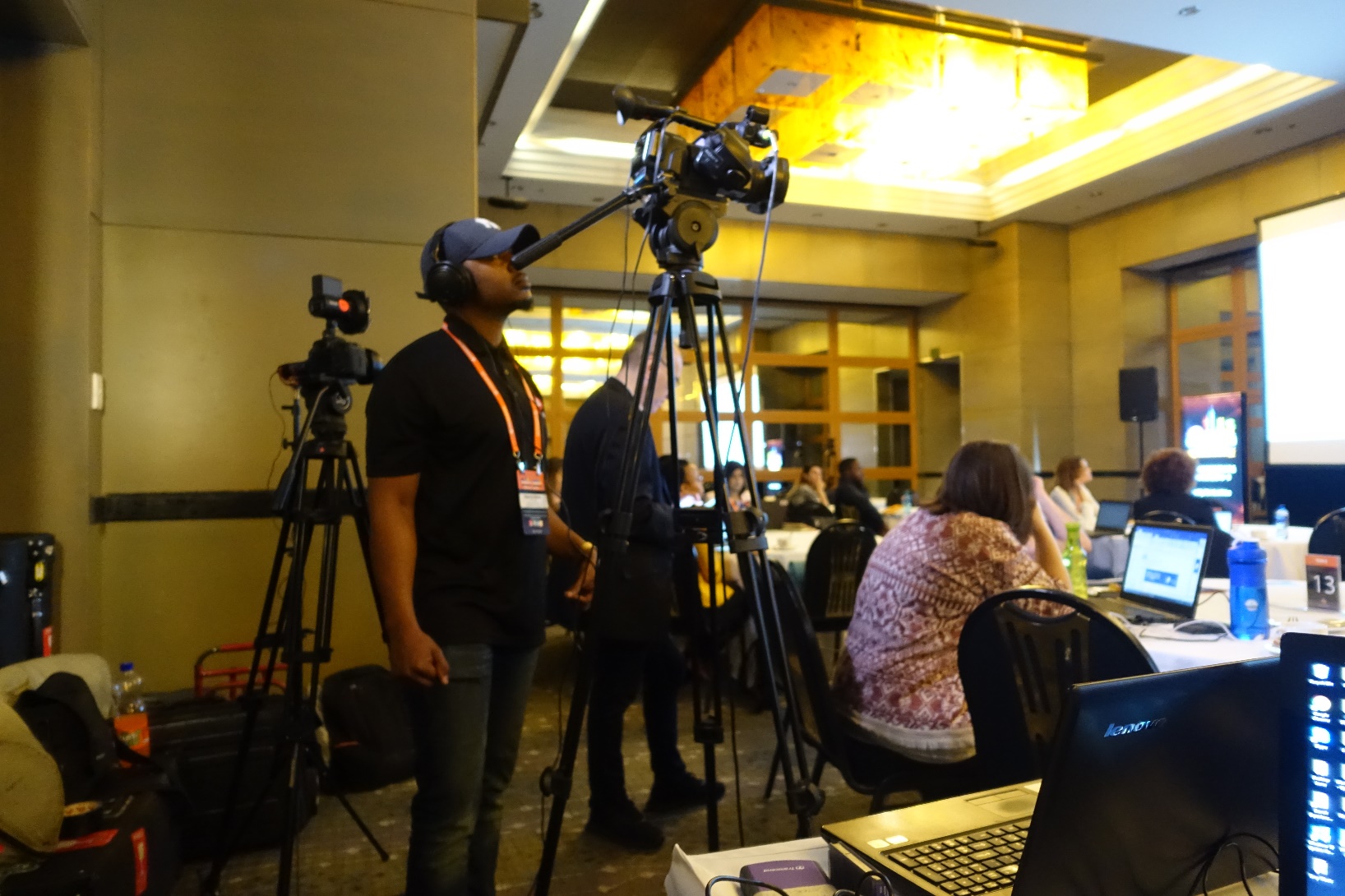
DigiMarCon All Access & VIP Passes include a 12-month on demand access to hundreds of hours of DigiMarCon speaker keynotes, panels and master class presentations from recent DigiMarCon Conferences, including videos, slide decks and key takeaways, available on demand so you can watch what you want, when you want.

Attendees of DigiMarcon Conferences gain membership to an exclusive global Digital Marketing, Media and Advertising Community of over 500,000 worldwide subscribers to our award-winning digital marketing blog and over 100,000 members to the International Association of Digital Marketing Professionals (visit https://iadmp.org). This global community comprises of innovators, senior marketers and branders, entrepreneurs, digital executives and professionals, web & mobile strategists, designers and web project managers, business leaders, business developers, agency executives and their teams and anyone else who operates in the digital community who leverage digital, mobile, and social media marketing. We provide updates to the latest whitepapers and industry reports to keep you updated on trends, innovation and best practice digital marketing.

The events industry has forever changed in a world affected by COVID-19. The health and safety of our guests, staff and community is our highest priority and paramount. The team at DigiMarCon is dedicated to ensuring a great experience at our in-person events, and that includes providing a safe, clean and hygienic environment for our delegates. Some of the key areas we have implemented safe and hygienic measures include;
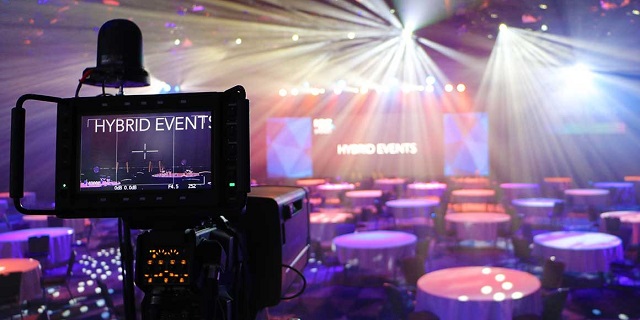
DigiMarCon has always been industry leaders of the Hybrid Event experience for years (a hybrid event combines a "live" in-person event with a "virtual" online component), no one needs to miss out on attending our events. Each DigiMarCon Conference can be attended in-person (with a Main Conference, All Access or VIP Pass) or online (with a Virtual Pass) giving attendees a choice for the experience they want to have. Attending virtually by viewing a Live Stream or On Demand enables participation by people who might be unable to attend physically due to travel or time zone constraints or through a wish to reduce the carbon footprint of the event. If you would like to meet the speakers, network with fellow marketing professionals at refreshment breaks, luncheons and evening receptions, check out the latest Internet, Mobile, AdTech, MarTech and SaaS technologies providers exhibiting then it is highly recommended to attend DigiMarCon in-person. As the largest Digital Marketing, Media and Advertising Conference series with events in 33 international cities worldwide, across 13 countries, there is bound to be a DigiMarCon Event near you to attend in-person if you can.
DigiMarCon Conference Series is the annual gathering of the most powerful brands and senior agency executives in your region. The Sharpest Minds And The Most Influential Decision Makers - Together for Two Days.
Who Attends Our Conferences
Brands • Agencies • Solution & Service Providers • Media Owners • Publishers • Entrepreneurs • Start-Ups • Investors • Government • Corporates • Institutes of Higher Learning




How Immersive Technology Is Changing Customer Engagement: The Rise of Interactive and Immersive Technology
Have you ever felt like a passive observer while browsing your favorite online store? The digital landscape is shifting beneath our feet, as brands move from static pages to vibrant, virtual worlds. This evolution marks a major change in how brands build user engagement today.
Extended reality includes augmented, virtual, and mixed reality. It now connects physical products with digital experiences. These tools go beyond gaming, becoming part of daily routines while helping companies build deeper audience connections.
Younger consumers grew up navigating complex virtual environments and now expect more from shopping. They expect interactive and immersive technology to create a participatory experience, not just a simple transaction. As expectations rise, businesses must adapt to remain relevant in a fast-paced, digital-first economy.
Why Customer Engagement Is Moving Beyond Passive Digital Experiences
Modern user engagement now favors active experiences that reflect real social life. People want to shape brand stories and interact with their surroundings, not watch content. This shift in digital experiences moves beyond the one-way models of the early internet.
From One-Way Brand Messaging to Participatory Experiences
Social gaming platforms have changed how younger people view online interaction. Research from Deloitte reports that 40% of Gen Z and millennials now socialize more in video games than physical spaces. This shows that meaningful connection often grows in interactive spaces, not static feeds.
Brands must create spaces where users can take part, not simply watch. With participatory experiences, companies can build a stronger sense of community. This change helps brands stay relevant in a crowded digital market.
Why Attention, Emotion, and Agency Matter More Than Reach Alone
Marketing success once depended on total reach. Now, the quality of user engagement depends on the attention and emotion a brand earns. When customers can make choices that shape their experience, they are more likely to build lasting brand ties.
Emotional resonance grows from active involvement. When users explore virtual spaces or customize products in real time, they help create value. Focusing on control instead of simple impressions builds long-term loyalty in a digital-first world.
Interactive and Immersive Technology as a New Engagement Strategy
The customer interaction landscape is changing through new technologies. Brands are leaving flat, static interfaces for interactive and immersive technology that invites users into a more active relationship. This shift changes how companies communicate their value to modern audiences.
Defining Interactive and Immersive Technology in the Customer Journey
This technology uses spatial interfaces, 3D objects, and digital avatars that respond to user input in real time. These tools let customers manipulate products or explore environments with agency once impossible. Businesses create meaningful digital experiences that feel intuitive and natural.
Users can interact with a high-fidelity 3D model from every angle, rather than simply view a product. This detail builds confidence and reduces uncertainty often linked to online shopping. When customers control their exploration, their connection to the brand grows stronger.
How Immersive Content Extends Engagement Across Digital and Physical Channels
The true power of immersive content is its ability to unite separate touchpoints in one cohesive narrative. It connects a brand’s website, mobile applications, and physical retail locations. This continuity keeps the customer journey fluid, wherever the interaction begins.
A customer might explore a virtual showroom on their laptop, then visit a physical store to complete a purchase. The digital environment acts as a bridge, adding context and information that improves the physical visit. Consistency creates a seamless transition that keeps customers engaged throughout the buying cycle.
The Case for Treating Immersion as a Business Strategy Rather Than a Gimmick
Many organizations first viewed these tools as temporary marketing stunts, but opinions have changed. Companies like Infinite Reality show that browser-based virtual worlds can serve as robust platforms for long-term growth. When used well, digital experiences become a core pillar of a company’s operational strategy.
Using immersion as a strategic asset helps businesses solve complex problems, including remote training and global product launches. Immersion is no longer about tech novelty; it is about the tangible value it gives users. By choosing utility and relevance, brands can make immersive content deliver lasting results instead of becoming a forgotten trend.
How Virtual Reality Creates Deeper Forms of Customer Connection
Modern businesses use virtual reality to turn passive browsing into active exploration. Without a traditional storefront’s limits, brands offer customers a sense of presence that online shopping once lacked.
Virtual Product Demonstrations That Let Customers Experience Before They Buy
Customers often hesitate to purchase high-ticket items without seeing them in person. Virtual reality lets users inspect products from every angle in a simulated environment.
Shoppers can test features, change colors, or operate complex machinery before buying. This hands-on interaction significantly reduces buyer anxiety and builds confidence in the final decision.
Virtual Showrooms, Events, and Training Environments
The Nissan virtual showroom at GITEX Global 2024 showed how automotive brands can place users in high-end, interactive spaces worldwide.
These digital spaces let brands host exclusive events and provide full training without physical venue costs. Virtual reality supports storytelling, letting customers walk through a brand’s history or explore future concepts in a controlled, engaging setting.
Where Virtual Reality Delivers Genuine Value—and Where It Creates Friction
While the benefits are clear, implementing this technology requires balance. Virtual reality works best for clear customer problems: visualizing large purchases or learning complex processes.
However, brands must watch for friction. High-end equipment requirements, motion discomfort, and accessibility barriers can alienate some audiences. Successful adoption depends on intuitive, lightweight, inclusive experiences for all users.
How Augmented Reality Brings Digital Experiences Into the Real World
Unlike fully simulated environments, augmented reality connects digital data with physical reality. It places helpful information over the user’s surroundings, blending virtual and real elements. By improving the environment instead of replacing it, companies provide immediate value to consumers.
Virtual Try-Ons and Product Visualization in Everyday Shopping
Retailers use augmented reality to help customers see products in their homes or on their bodies. This tool has increased sales, with some brands reporting a 94% conversion increase. Seeing a product’s scale and fit before buying leads to a 66% reduction in returns.
This saves businesses and customers significant time.
Location-Based Experiences That Connect Context With Brand Messaging
Beyond product placement, augmented reality supports location-based stories that match the user’s surroundings. Brands can trigger content through geographic coordinates and deliver personalized messages when and where they matter most. This approach turns physical spaces into interactive touchpoints that strengthen brand engagement.
Why Augmented Reality Often Has a Lower Adoption Barrier Than Virtual Reality
A key strength of augmented reality is its accessibility. It usually requires only a standard smartphone. Users need no expensive headsets or specialized hardware, so entry is easier than with fully immersive virtual environments.
This ease matters to younger people, with 92% of Gen Z strongly interested in these tools for daily shopping. By using devices customers already own, brands can build deeper connections without technical problems.
Interactive Design Is Reshaping the Path From Discovery to Purchase
Buying journeys are changing as new design standards replace old digital habits. Brands now move from flat pages to lively spaces that invite people to take part. With interactive design, companies guide users through a personal, clear digital journey.
Replacing Static Product Pages With Guided Exploration
Static images may miss product details and leave customers with questions. Modern platforms use immersive, three-dimensional models for full rotation and close inspection. Shoppers can study texture, parts, and size in ways that resemble an in-store visit.
Guided exploration connects digital browsing with physical reality. A more comprehensive view of the item greatly reduces doubt that can lead to cart abandonment.
Interactive Configurators, Quizzes, and Simulations That Support Decision-Making
Interactive configurators and simulations make complex buying choices easier. For example, furniture retailers let shoppers place a customized sofa in their living room using virtual reality principles. This helps users see how the product fits their space before committing to a purchase.
Interactive quizzes also work like digital consultants. They ask focused questions, narrow the choices, and match recommendations to each user’s needs. These tools turn an overwhelming search into a streamlined, confident decision.
Using Choice and Feedback to Make Digital Experiences Feel More Relevant
An interface works best when it responds well to user input. After a customer chooses, the system should give useful feedback and update the experience at once. This response makes the interactive design feel personal, not like a generic template.
With virtual reality, brands can build a feedback loop that rewards curiosity. This approach increases engagement and strengthens brand affinity. When users control discovery, they are much more likely to finish with a purchase.
Immersive Experiences Are Raising Customer Expectations
Technology has changed what users expect from brands. As digital experiences grow more advanced, customers reject static pages and one-way communication. They want spaces that respond to their needs in real time.
This change appears in platforms like the UCI Track Champions League. In this virtual environment, audiences control their viewing experience. They can switch camera angles, view live race data, and socialize with fans in one shared space.
Personalization Through Real-Time Behavior and Customer Intent
Modern interactive design lets brands shape content as users behave. Companies can track intent and highlight products or information that match each user’s goals. This response makes the journey feel personal instead of generic.
When a system understands a customer’s needs, it removes extra steps. This creates a sense of fluidity that keeps users engaged longer. It turns a standard visit into a curated experience built for them.
How Seamless Transitions Across Devices Build Trust and Continuity
Trust grows when a brand offers a consistent experience on every device. A customer may start on a mobile phone and move to a desktop without noticing the change. High-quality immersive content carries progress, preferences, and data across devices.
If users must restart their journey or re-enter information, immersion quickly disappears. Continuity across platforms keeps users connected to the brand ecosystem. This reliability supports lasting customer loyalty.
The Risk of Designing Spectacle Without Solving a Customer Problem
High-tech visuals may attract attention, but brands must not choose flash over function. Sophisticated digital experiences offer little value without solving a real customer need. A beautiful virtual space without useful features soon feels like a hollow gimmick.
Every part of interactive design should support a clear business outcome or user goal. If technology does not make tasks easier or more enjoyable, it may harm the customer journey. Brands must focus on substance so their investments produce measurable results.
The Role of Data, Artificial Intelligence, and Technological Innovation
As businesses expand digital interaction, data and artificial intelligence play a more important role. These technologies help create spaces that feel alive, intuitive, and personal. Advanced analytics can turn static digital spaces into active, responsive ecosystems.
How Behavioral Data Can Make Immersive Experiences More Responsive
Behavioral data guides modern digital experiences. By tracking how users move through virtual spaces, companies can adjust content in real time to match intent. This high level of responsiveness makes each journey feel tailored, not generic.
When users interact with augmented reality features, systems capture small clues about their preferences. These insights help platforms suggest products or share useful information when needed. As a result, the experience becomes more efficient and satisfying for customers.
Artificial Intelligence as a Tool for Personalization and Conversational Interaction
Artificial intelligence drives meaningful engagement within virtual worlds. For example, the AI-powered avatar in the Nissan virtual showroom guides visitors through vehicle features with natural, conversational ease. This human-like interaction connects digital convenience with physical-world service.
Beyond simple chat, AI algorithms analyze vast datasets to provide adaptive recommendations. By understanding the context of a user’s visit, these systems can change the environment and highlight features matching the customer’s unique goals. This personalization turns standard browsing into a curated discovery process.
Balancing Technological Innovation With Consent, Privacy, and Data Minimization
While technological innovation offers great potential, it must support user privacy. Brands must explain clearly how they collect and use data within immersive environments. Data minimization ensures that companies gather only essential information, building long-term trust.
Respecting user consent is not just a legal requirement; it is a key part of brand integrity. When customers feel secure, they are more likely to engage deeply with augmented reality and other advanced tools. Ultimately, successful companies will treat user data with the same care as their physical products.
Accessibility and Inclusion Must Shape the Future of Immersive Content
An inclusive digital future starts with accessibility in the first line of code. When brands create immersive content, they may treat usability as an afterthought. True innovation builds these experiences for every user from the start.
By using inclusive design early, companies keep digital environments welcoming to everyone. This plan also prevents costly retrofitting later in development.
Designing for Customers With Visual, Auditory, Motor, and Cognitive Disabilities
Accessible experiences must meet many user needs. For users with visual impairments, developers should provide high-contrast interfaces, screen reader support, and clear audio descriptions. Thoughtful design keeps navigation clear without visual cues.
Users with motor disabilities benefit from keyboard-only navigation and customizable motion controls. Simpler interfaces help people with cognitive disabilities process information more easily. Universal design is more than a legal requirement; it shows quality digital craftsmanship.
Providing Non-Immersive Alternatives Without Creating Second-Class Experiences
Not every user wants or can use a fully virtual environment. Brands should offer equivalent non-immersive paths with the same core value as their augmented reality counterparts. These options should stay robust and feature-rich, not stripped-down versions.
When users choose a standard web interface over a 3D simulation, they should still enjoy a smooth, engaging journey. Consistency across platforms helps maintain brand trust. Valuing every method equally shows commitment to the entire customer base.
Accounting for Device Access, Connectivity, Age, and Digital Confidence
Technology barriers can limit adoption of new digital tools. High-end hardware can exclude users with older devices or limited internet bandwidth. Browser-based solutions help by making immersive content available on standard smartphones and tablets.
Designers must consider different levels of digital confidence across age groups. User-friendly interfaces with simple gestures help everyone explore new digital spaces comfortably. Accessibility connects advanced technology with the daily needs of a diverse global audience.
Measuring Whether Immersive Technology Actually Improves Engagement
To measure immersive content, look beyond surface engagement. Many businesses track only clicks or views, but these rarely show the full impact of interactive design. Real success comes when technology solves a customer problem, not when it creates digital spectacle.
Moving Beyond Impressions to Interaction Quality and Customer Intent
Impressions can mislead because they do not show genuine interest. Focus on interaction quality, such as time spent using a 3D product model or exploring a virtual space. These actions signal intent, showing customers actively weigh a purchase instead of browsing.
Metrics for Conversion, Retention, Satisfaction, and Brand Affinity
Good measurement tracks how immersive tools affect business results. For example, virtual try-on features often raise conversion rates by easing fit and style concerns. Also track retention rates to see whether experiences bring repeat visits, while confidence can raise satisfaction and brand affinity.
Combining Quantitative Analytics With Qualitative Customer Feedback
Numbers show performance, but they cannot explain why users behave as they do. Quantitative data may reveal a drop-off point, but it cannot show whether frustration or confusion caused the exit. Pair analytics with qualitative feedback to find hidden friction points and unmet needs.
This broad approach keeps your user engagement strategy grounded in reality. Customer feedback helps you refine your tools over time. The goal is a smooth journey where technology serves users, not the reverse.
What Brands Should Consider Before Investing in Immersive Customer Experiences
Investing in new digital tools requires a clear plan, not simply a response to trends. The global market for technological innovation is projected to reach $936 billion, increasing pressure to adopt new formats. Success, however, depends on matching your goals with the right digital infrastructure.
Matching the Technology to the Customer Problem and Business Objective
Not every brand needs a high-end virtual reality headset experience to succeed. You must first identify the specific customer problem you want to solve. For instance, reducing product returns may work better with a simple 3D web-based configurator than a complex, fully immersive environment.
Choosing the right interactive and immersive technology depends on your budget and your audience’s technical comfort. Some brands benefit from self-service platforms, while others need full-service support to manage their complex digital assets. Prioritize the experience’s usefulness over the medium’s novelty.
Building a Scalable Content and Technology Roadmap
A successful strategy treats technological innovation as a long-term commitment, not a one-off campaign. Start by building a roadmap that supports steady, step-by-step growth. This lets your initial investment evolve as customer data and technical capabilities expand.
Scalability also means keeping your content compatible across various devices. Whether customers use mobile browsers or high-end virtual reality gear, the experience should remain consistent and functional. A modular content approach will save time and resources as your efforts grow.
Preparing Teams to Maintain, Moderate, and Improve Immersive Experiences
Launching an experience is only the first step in a much larger process. Your internal teams must be ready to maintain and moderate these digital spaces, keeping them safe and relevant. This includes monitoring user behavior and updating content based on real-time feedback.
Effective interactive and immersive technology requires ongoing human oversight to thrive. Training your staff to manage these environments helps your brand maintain a high standard of quality. The goal is a sustainable ecosystem that provides genuine value to customers over time.
Conclusion
The future of digital interaction depends on how brands connect physical reality with virtual possibility. Companies that build user engagement through choice and emotional connection will lead their industries. This shift changes how people use products and services.
The immersive technology market is expected to reach $936 billion by 2030. This growth shows the huge scale of technological innovation reshaping the global economy.
Brands like IKEA and Nike show how virtual tools can solve real customer problems. Their success comes from usefulness, not mere spectacle.
Strategic leaders must value accessibility and responsible data practices to build lasting trust. Each investment should improve the customer journey through meaningful interaction.
By balancing creative ambition with measurable outcomes, businesses create experiences that last beyond the screen. The path forward requires quality, inclusivity, and a deep understanding of human intent in a digital world.