 View Upcoming Digital Marketing, Media and Advertising Conferences & Exhibitions
 Phone:

Posts Tagged "Live customer support"



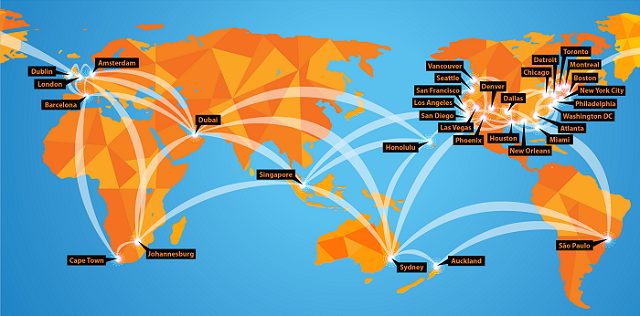
DigiMarCon is the Largest Digital Marketing, Media and Advertising Conference & Exhibition series in the world, with annual events held in all continents (North America, Latin America, Europe, UK, Asia Pacific, Middle East and Africa) in 13 countries (United States, Canada, Australia, New Zealand, United Kingdom, Ireland, Netherlands, Spain, Brazil, Singapore, India, United Arab Emirates and South Africa), across 33 cities (New York, Philadelphia, Boston, Toronto, Vancouver, Montreal, Houston, Dallas, Chicago, Los Angeles, San Francisco, Seattle, Washington DC, New Orleans, Atlanta, Detroit, Miami, Denver, San Diego, Phoenix, Las Vegas, Honolulu, London, Dublin, Amsterdam, Barcelona, Johannesburg, Cape Town, Dubai, Sydney, Auckland, Singapore and Sao Paulo). All DigiMarCon Events can be attended in-person or online. Wherever you are located there is a regional DigiMarCon event nearby you can attend.

DigiMarCon Conferences are held in top luxury 5-star event venues across the world such as; Royal Caribbean Cruise Ships, Olympic Stadiums, Marina Bay Sands Expo & Convention Centre and Wynn, JW Marriott, Marriott Marquis, Hyatt Regency, InterContinental, The Westin, Renaissance, Hilton, Conrad, W, Sheraton, Loews and Sofitel Hotel properties. Discount hotel room rates at each venue hotel means no hassle getting to and from the venue each day.

Building relationships matter! At DigiMarCon Conferences we have more networking breaks on our program than others. On average there are 8 Networking breaks at each event giving delegates ample opportunities in a relaxed atmosphere to meet others over the 2-days at the event; from 1-hour round table networking luncheons to 3-hour dinner receptions. These networking breaks are set in picturesque locations to facilitate memorable experiences while fostering new relationships. Such experiences include enjoying cocktails and the Sunset over the Pacific Ocean on a private Ocean Terrace in Santa Monica, to being on the Sydney Olympic Stadium playing arena at night enjoying cocktails under the lights, to dining at the 360 Revolving Restaurant at the top of the CN Tower in Toronto for a Dinner Reception, enjoying cocktails on a private promenade overlooking Times Square in New York City, or having fun at the Dazzles Night Club onboard the Royal Caribbean Oasis of the Seas for a Farewell Party, etc.
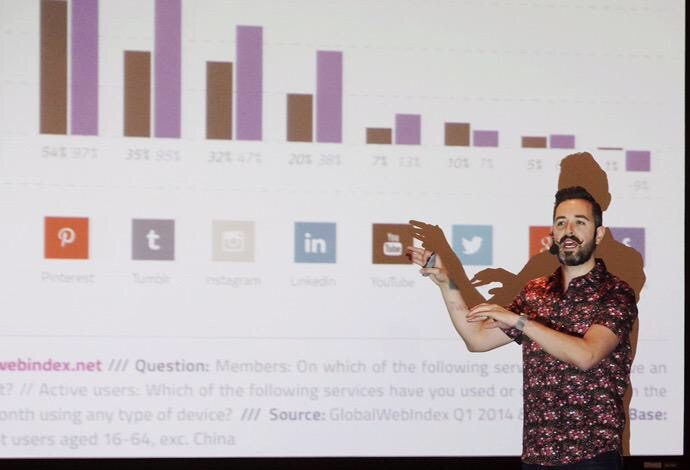
DigiMarCon Keynotes, Panels and Master Classes are facilitated by the foremost thought leaders in the industry, from celebrity social media influencers to CMO’s from the largest Fortune 500 company brands that are disrupting the digital marketing, media and advertising industry, such as Google, Facebook, Microsoft, Amazon, Oracle, Adobe, eBay, Netflix and more. All presentations are pitch-free, and include actionable takeaways, case studies, strategies and tactics, ready to be applied when back in the office.
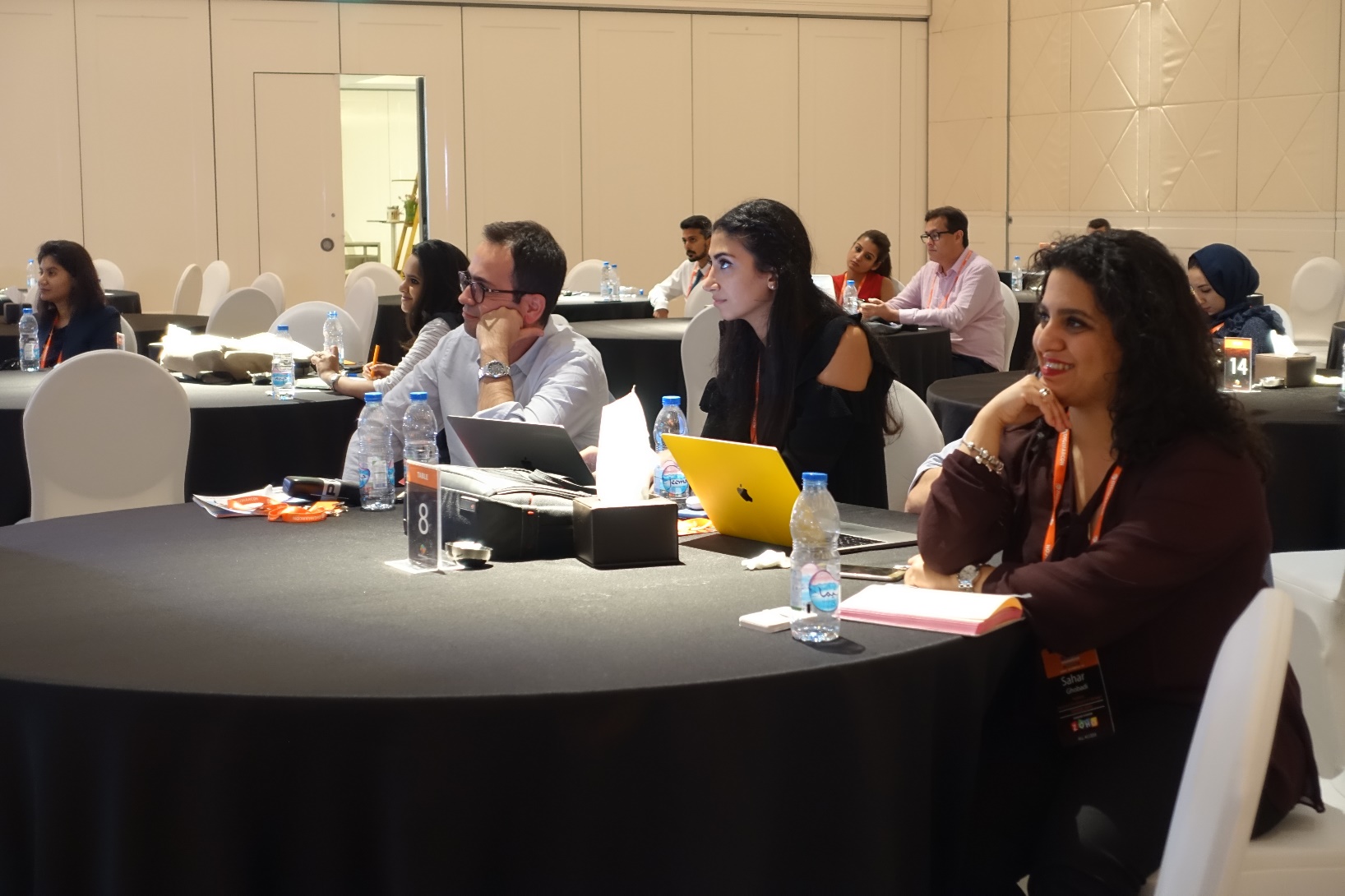
At DigiMarCon Conferences you are never ‘left in the dark’…. literally, in a large room far away from the stage and speakers, crushed in tight theater seating, without even a table, while sitting in the dark. At DigiMarCon all delegates have premium meeting space in luxurious ballroom well-lit spaces, with comfortable seating with table enabling delegates to use their laptop to take notes with ample charging facilities onsite in a comfortable space to learn and thrive. All tables are situated close with direct view of the stage.
DigiMarCon Conferences are affordable to attend, from single-day event passes up to two-day VIP options at a fraction of the cost of other industry events. We offer significant discounts for early bird registrations. Additionally, on top of time-limited discount pass rates, because budgets are tight, we want to make sure all groups have a chance to attend DigiMarCon. For government employees, students, academic, startups, non-profit organizations and teams, we offer generous discounts off the prevailing registration price.
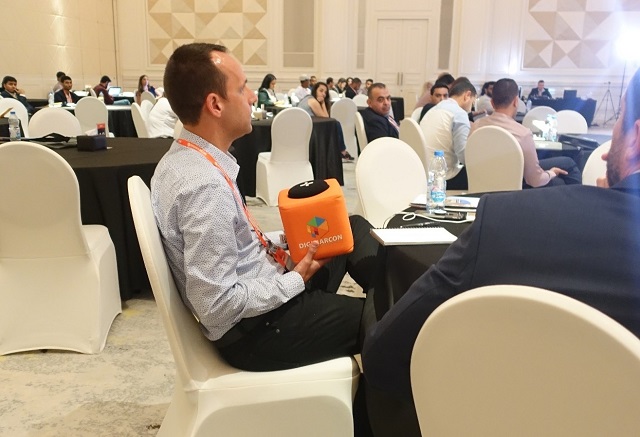
Attend DigiMarCon and you become part of the show! DigiMarCon Conferences tap into the talent of the room, drawing from the knowledge and experience of the professionals in the audience. All DigiMarCon events include regular interactive question and answer sessions with speakers and the audience ideal for collaboration, audience polls, along with ice-breaker and group exercises, steered by charismatic Emcees.

DigiMarCon Conferences put you right up and close with the speakers giving you the opportunity to meet these social media influencers which you follow in person. Speakers are never hidden in private speaker rooms away from the audience, they are in the auditorium sitting right beside you and participating.
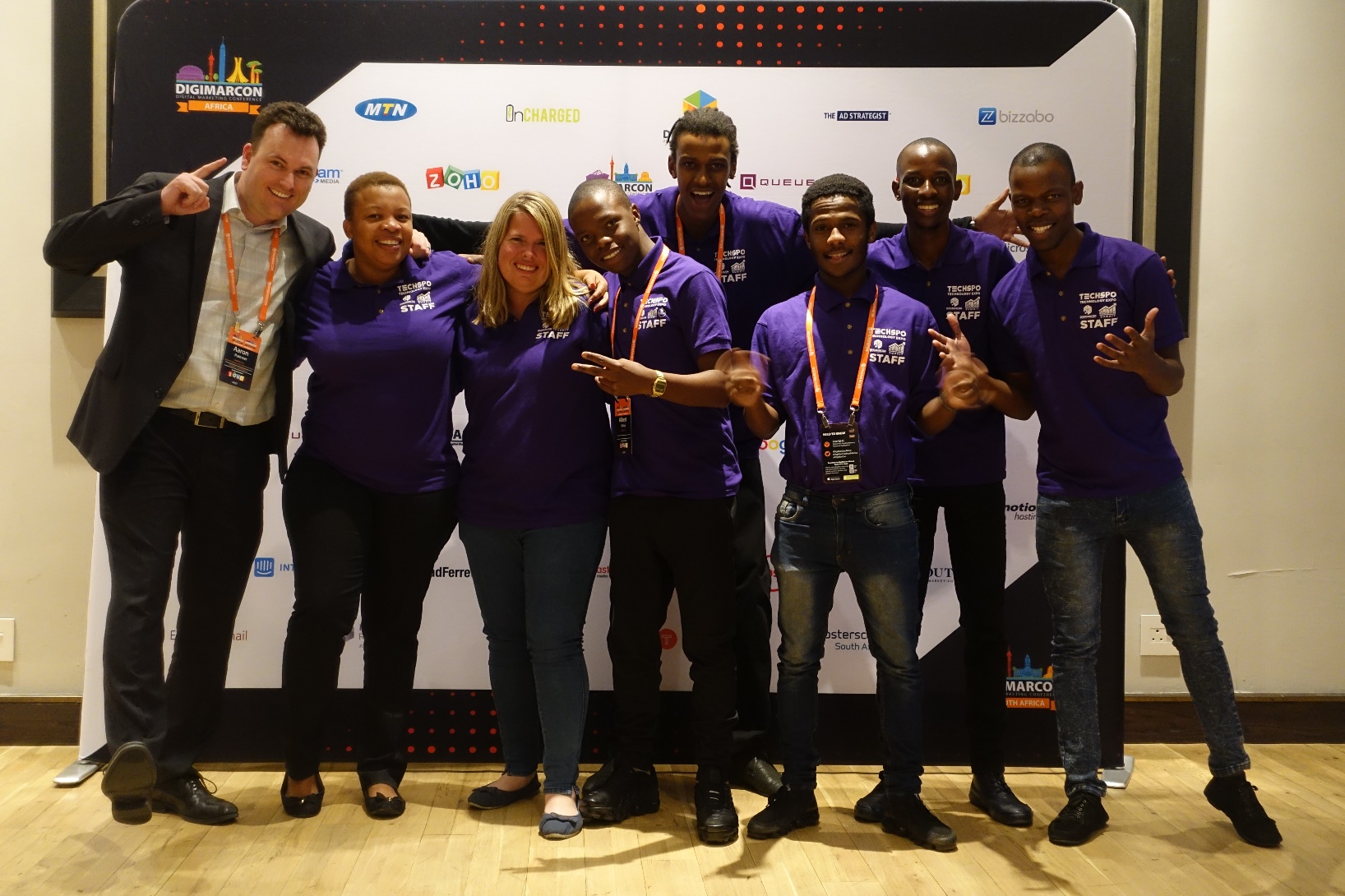
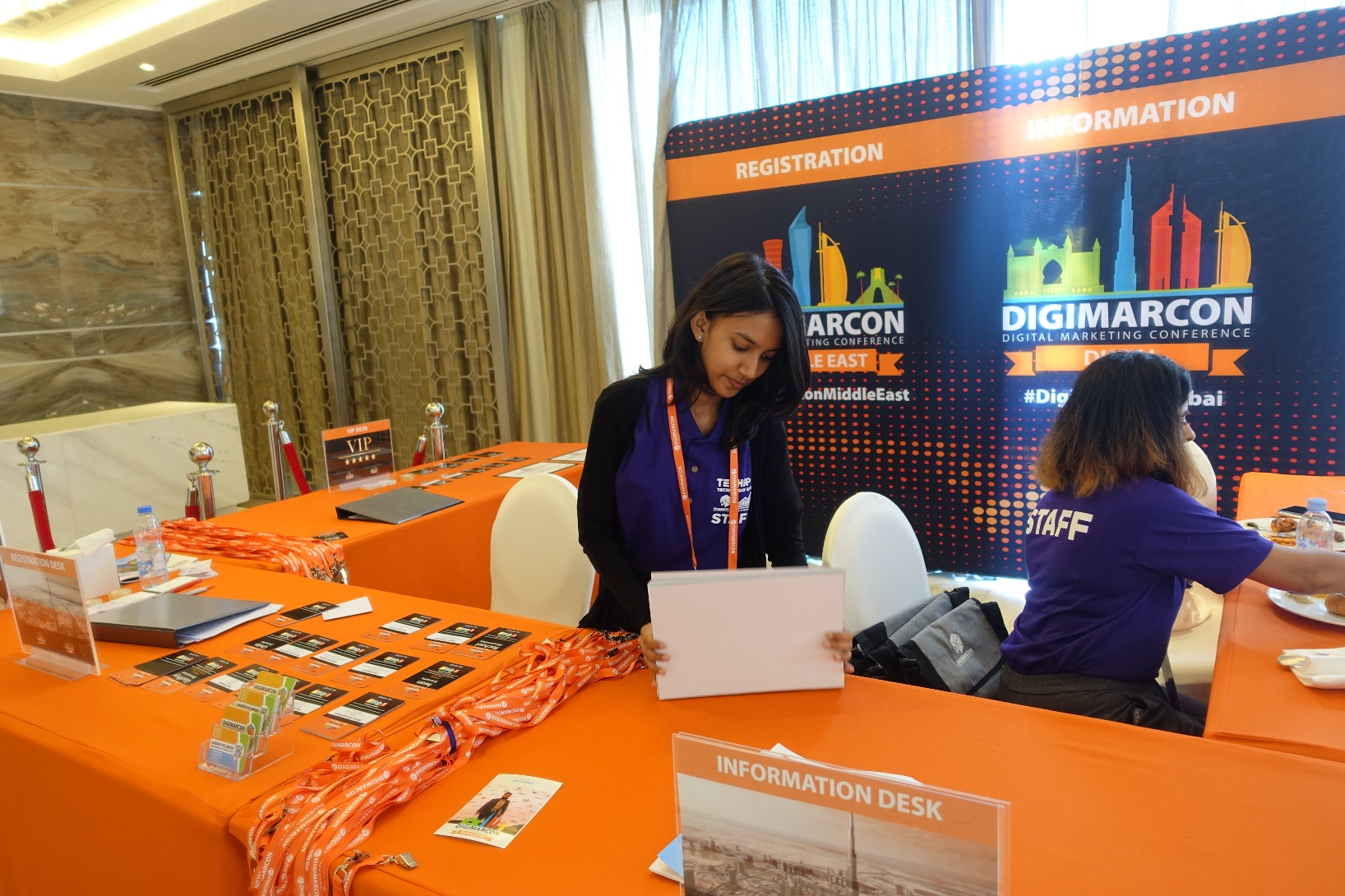
Attending a conference is a well-researched decision. There are many factors to consider such as location, time, venue, cost, speakers, content, etc. At DigiMarCon our results-obsessed Customer Service team are at your service before, during and after the event to help with your needs. It’s at the core of what we do — it drives our business. Offsite, we are ready to assist you via phone, ticket or chat. Onsite at our Conferences, friendly DigiMarCon staff serve as your hosts. They welcome your input and are happy to assist you.

At all DigiMarCon Conferences is the co-located exclusive event TECHSPO Technology Expo, which showcases the new generation of technology and innovation, including; AdTech, MarTech, Internet, Mobile and SaaS technologies. Be inspired, amazed and educated on how these evolving technologies will impact your business for the better. Unlimited Access to TECHSPO Technology Expo is included with all DigiMarCon passes.
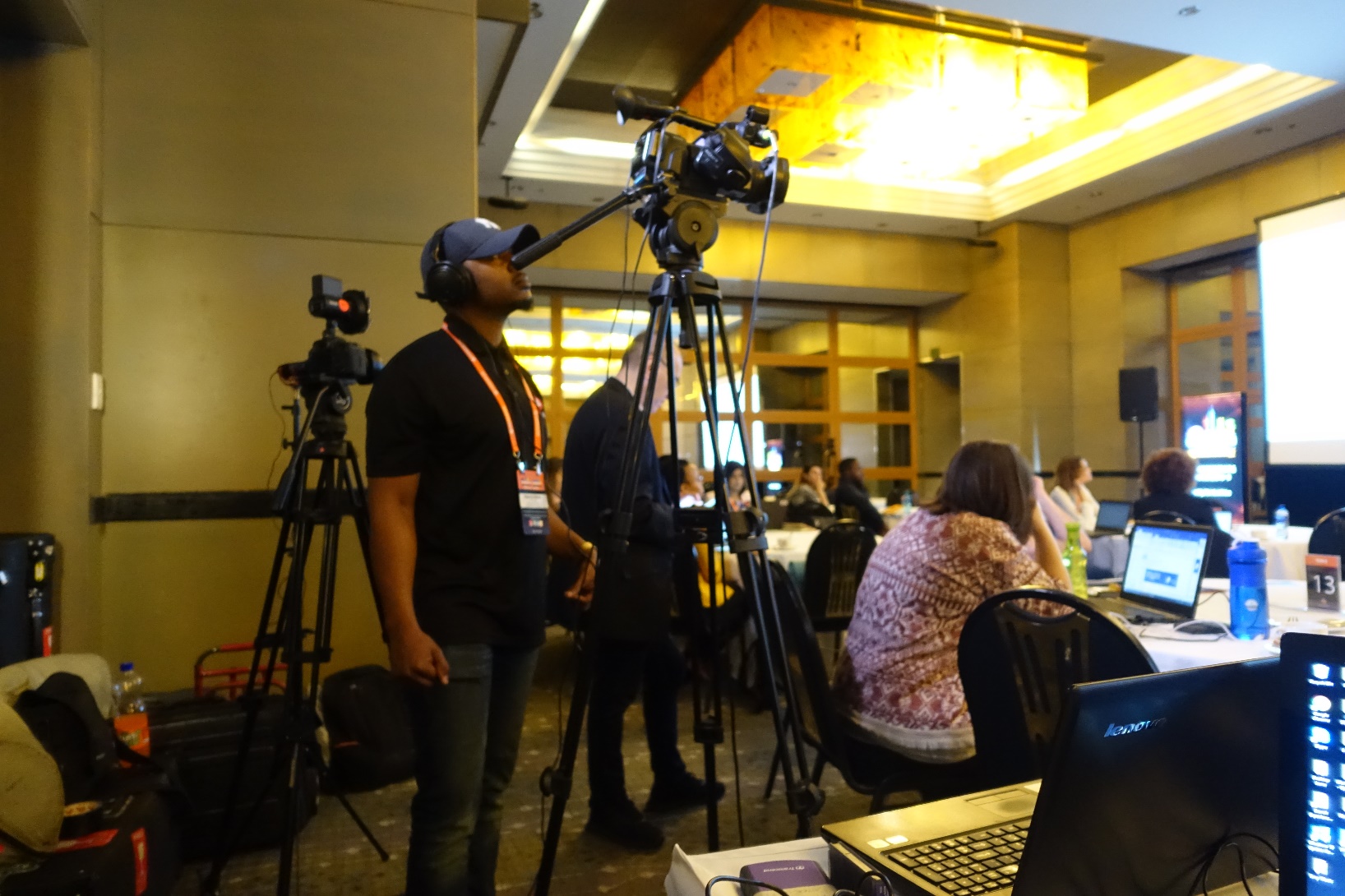
DigiMarCon All Access & VIP Passes include a 12-month on demand access to hundreds of hours of DigiMarCon speaker keynotes, panels and master class presentations from recent DigiMarCon Conferences, including videos, slide decks and key takeaways, available on demand so you can watch what you want, when you want.
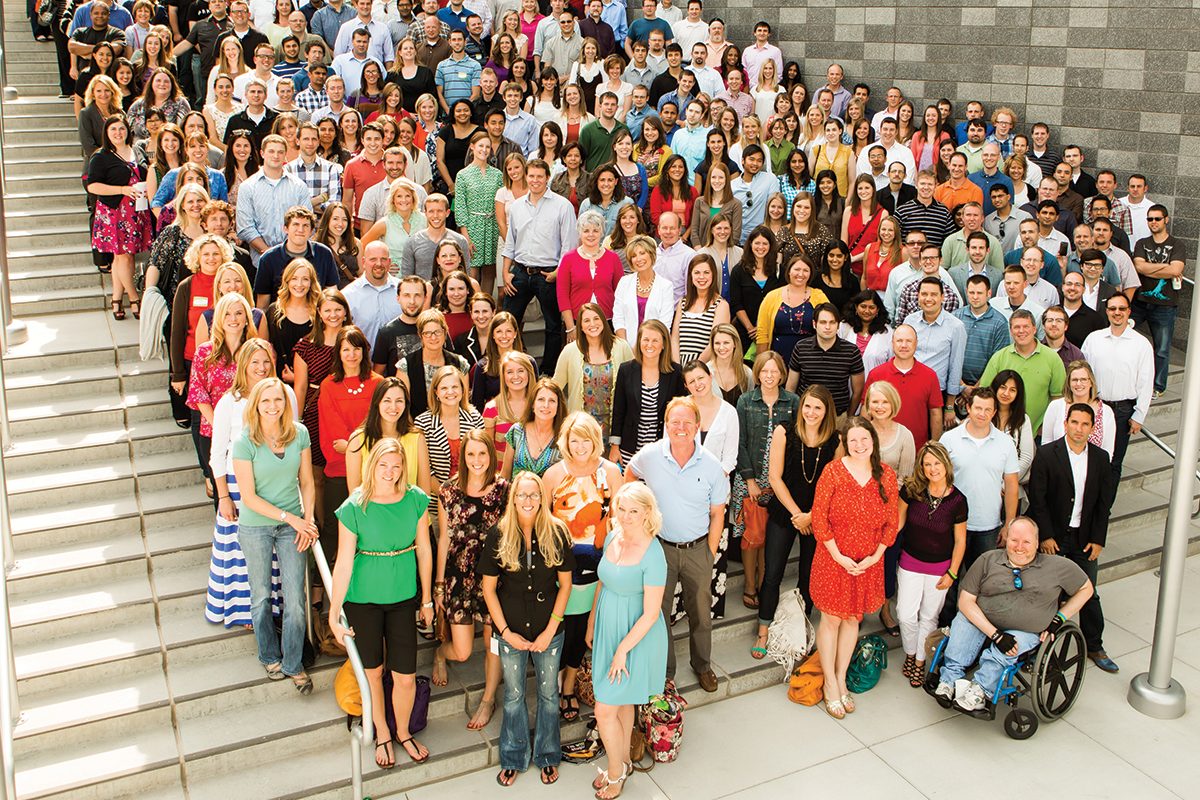
Attendees of DigiMarcon Conferences gain membership to an exclusive global Digital Marketing, Media and Advertising Community of over 500,000 worldwide subscribers to our award-winning digital marketing blog and over 100,000 members to the International Association of Digital Marketing Professionals (visit https://iadmp.org). This global community comprises of innovators, senior marketers and branders, entrepreneurs, digital executives and professionals, web & mobile strategists, designers and web project managers, business leaders, business developers, agency executives and their teams and anyone else who operates in the digital community who leverage digital, mobile, and social media marketing. We provide updates to the latest whitepapers and industry reports to keep you updated on trends, innovation and best practice digital marketing.

The events industry has forever changed in a world affected by COVID-19. The health and safety of our guests, staff and community is our highest priority and paramount. The team at DigiMarCon is dedicated to ensuring a great experience at our in-person events, and that includes providing a safe, clean and hygienic environment for our delegates. Some of the key areas we have implemented safe and hygienic measures include;

DigiMarCon has always been industry leaders of the Hybrid Event experience for years (a hybrid event combines a "live" in-person event with a "virtual" online component), no one needs to miss out on attending our events. Each DigiMarCon Conference can be attended in-person (with a Main Conference, All Access or VIP Pass) or online (with a Virtual Pass) giving attendees a choice for the experience they want to have. Attending virtually by viewing a Live Stream or On Demand enables participation by people who might be unable to attend physically due to travel or time zone constraints or through a wish to reduce the carbon footprint of the event. If you would like to meet the speakers, network with fellow marketing professionals at refreshment breaks, luncheons and evening receptions, check out the latest Internet, Mobile, AdTech, MarTech and SaaS technologies providers exhibiting then it is highly recommended to attend DigiMarCon in-person. As the largest Digital Marketing, Media and Advertising Conference series with events in 33 international cities worldwide, across 13 countries, there is bound to be a DigiMarCon Event near you to attend in-person if you can.
DigiMarCon Conference Series is the annual gathering of the most powerful brands and senior agency executives in your region. The Sharpest Minds And The Most Influential Decision Makers - Together for Two Days.
Who Attends Our Conferences
Brands • Agencies • Solution & Service Providers • Media Owners • Publishers • Entrepreneurs • Start-Ups • Investors • Government • Corporates • Institutes of Higher Learning




The Automation Backlash: Why Customers Are Demanding Human Interaction Again
A fast automated reply can still leave a customer with the same problem and less confidence in the company. The Over-Automation Backlash reflects a mismatch between speed and a complete, trustworthy experience. Customers want technology to save time, but not at the cost of clear answers or a way to get help.
That tension reaches beyond customer support. Workers may welcome tools that help with a task and still worry about job security, lost judgment, or who benefits from the change. Business leaders face a similar test: systems that handle more requests can still fail people when they hide their limits.
This article looks at what customers need, how automation affects work, and what companies can do to keep trust. The useful question is where automation helps people and where a human still needs to make the difference.
What Is Driving the Over-Automation Backlash?
Resistance often starts when a system makes a consequential choice that a person cannot question or understand. Loss of control can matter as much as a poor result, especially when artificial intelligence shapes access to a service or job.
People tend to resist automation when it removes choice, hides how decisions happen, or repeats a broken process at scale. Automation bias, or giving an automated answer more weight than it deserves, can make weak systems seem more reliable than they are.
That problem grows when companies scale a flawed workflow instead of fixing it. An unclear rule can affect many customers at once, while low-quality AI content can spread errors through support messages, forms, or internal tools.
Opaque systems also make it hard to challenge a result. A customer may not know why an account was flagged, and a worker may not know how a tool shaped a task or review.
These concerns do not mean people reject every use of technology. Assistive systems can sort information, draft routine replies, or help a human agent respond faster. They support judgment when a person can review the result and correct it.
Among U.S. adults who had not used AI, 83% said they would rather deal with a person, and 70% distrusted information AI provides. Those views show why trust and familiarity matter, but they do not prove that every system will fail.
Useful AI can still appeal to people who distrust AI in other settings. A tool that helps with a clear task leaves more room for human choice than one that makes an unexplained decision.
A useful test is whether the system gives people more control over the outcome or less.
Why Are Customers Asking for Humans in Customer Support?
Customers may try self-service first, but that does not mean they want to be trapped there. They value resolution and choice, and a fast reply matters only if it helps solve the problem.
Self-service already plays a large role: 44% of consumers always try it first, and another 50% sometimes do. Yet 75% said a fast AI-driven response had still left them frustrated, while 68% said full resolution mattered most in support.
Customers value resolution, understanding, and a real choice
Customers are not simply choosing between all-human and all-automated service. Nearly three-quarters would use a chatbot for a quick fix, and 80% of people who had succeeded with chatbots or voicebots preferred them sometimes or more often.
But the option to reach a person still matters. In a 2025 customer experience study, 79% strongly preferred a human over an AI agent, and 89% said companies should always offer a human option. Only 8% preferred AI over people.
Customers also see a difference in how people handle complex needs. Sixty-one percent said human agents understood their needs better, 53% said they gave fuller explanations, and 52% said they were less likely to cause frustration.
Nearly 90% reported reduced loyalty when human support was removed. Almost 65% did not mind using AI when it seemed to understand their needs. A complete resolution mattered most to 68% of U.S. consumers.
Loops and failed handoffs turn automation into friction
Automation becomes a burden when customers repeat details, get stuck in a loop, or cannot reach a human agent. Only 7% said they rarely or never had to repeat themselves when switching channels.
Common chatbot frustrations include:
More than 80% expected bots to escalate when needed, but only 38% said that happened. In one study, 78% said switching from AI to a human agent was important, and a majority favored human-first support paths.
Live phone support remained a preferred channel for 67%, followed by live chat at 51% and email at 47%. Another survey found 62% preferred human interaction over digital support, while 34% said AI support made things harder.
A support path works only when a customer can reach a person without starting the explanation over.
Where Does Human Judgment Matter Most?
People are more comfortable letting AI handle a simple order than asking it to guide a medical or investment decision. The stakes matter more than the system’s speed, and high-consequence decisions need human oversight and a clear way to challenge the result.
In a 2025 customer experience study, 65% of consumers said they would be happy to use AI for ordering food and drinks, and 59% for returning an item. These tasks usually have a clear goal and a direct way to fix a mistake.
Medical and investment advice raise different risks. In the same study, 69% would feel uncomfortable using AI for medical advice, and 68% for investment advice. A wrong suggestion could affect health or savings, not just convenience.
Task limits also matter. An AI agent may handle a defined request well, but a customer might leave out a key detail or describe an unusual situation. Human judgment helps interpret those gaps and weigh the result against the person’s needs.
People also question whether automated answers are accurate. Eighty-four percent believed human agents were more accurate than AI. That belief makes review and a clear appeal path important, even when a system handles the first step.
Companies can use automation for routine services while keeping a human in decisions that need context, care, or a meaningful chance to correct an error. A system’s ability to perform a task does not settle who should own the result.
The higher the consequence of a mistake, the stronger the case for a human to review or own the decision.
How Does Over-Automation Affect Workers and Trust?
Many people are open to AI helping them work, while remaining wary of a future that removes their role or voice. Augmentation is different from replacement, and the difference shapes how workers view new technologies.
Workers are more likely to accept automation when it helps them do a job rather than quietly removes the job. A 2026 survey on 940 occupations found support for automating roughly 30% of jobs with current AI abilities, and 58% in a more advanced AI scenario.
Automation can assist work without replacing the worker
The same survey found 94% favored using current AI to augment human work. Nearly 96% favored augmentation with more advanced AI. Those numbers show openness to tools that aid labor, not blanket support for machines taking over every task.
Still, respondents were ambivalent or morally opposed to automating nearly 42% of professions. About 12% drew strong moral opposition. The difference suggests that some jobs carry responsibilities people do not want delegated to a model.
Displacement concerns follow who benefits and who bears the cost
Workers often judge automation by its effects on pay, job security, and control. If a company gains from lower costs while workers absorb lost hours or roles, progress can feel unfair.
A 2018 article described U.S. views from that period: 58% of Americans saw AI, robotics, and automation as a greater threat to their jobs than immigration and outsourcing. Seventy-three percent expected AI to eliminate more jobs than it created, and 63% expected these technologies to increase inequality.
That same article reported that 80% of Swedes expressed positive views about robots and AI in a 2017 survey. These figures describe views at the time, not current opinion. They show that public trust can vary across places and periods.
Perceived company motives matter, too. In a 2025 customer experience study, 81% believed companies used AI mainly to save money rather than improve service. Workers may make a similar judgment when automation cuts roles without a clear benefit to staff.
Judgment and accountability weaken when people cannot challenge a system
Heavy reliance on a model can also weaken skills. If workers stop practicing a task, they may find it harder to spot an error when the system fails. An opaque decision can leave them responsible for an outcome they could not review.
Blaming a model does not answer who made the choice to use it or who can fix its errors. Workers need to know where their judgment still counts and who owns a final decision.
Workers are more likely to trust a change when they can see how it affects their work and who remains accountable.
How Can Companies Automate Without Losing Trust?
A trustworthy automated service tells customers what they are speaking to and gives them a clear way to reach a person. Clarity and access help people act when automation cannot solve the request.
Companies need to disclose AI use, preserve human escalation, and assign people to review failures. A 2025 study found 14% of consumers would lose trust if an AI agent did not clearly disclose that it was AI. Only 54% said they could confidently tell when they were using an AI chatbot.
Make disclosure and human escalation easy to find
Disclosure should appear before a customer shares sensitive details or relies on an answer. Human escalation means transferring a customer from an automated system to a human agent when the system cannot resolve the issue.
As of June 2026, more than a dozen U.S. states had enacted laws governing AI systems that simulate human conversation. More than 100 chatbot-related bills had been introduced across more than 35 states and Congress.
State rules vary in coverage and enforcement. Common requirements include disclosing AI interactions, protecting minors, and responding to expressions of self-harm. Companies need to track the rules that apply where they operate, rather than assume one policy covers every state.
Repair the workflow before scaling automation
Fast replies do not prove that a service works. In August 2026, median AI first-response time was seven seconds, compared with 14 minutes for a human first response.
At workspaces running an AI Agent, 40% of conversations closed without a human seeing them, compared with 11% at teams without one. Yet one in three conversations across the market went unanswered, compared with 16% at AI Agent teams.
Conversations handled only by humans made up 16% of activity at teams with AI Agents, down from 45% sixteen months earlier. The figures show why reply speed and actual service quality need separate checks.
Companies can take four practical steps before expanding an automated workflow:
Match the tool to the task and keep people accountable
Tools work best when their strengths fit the operation. Intercom Fin focuses on in-app product support and chat, while voice support is not its strength.
Zendesk AI is designed for large Zendesk operations and ticket workflows. Gorgias AI Agent focuses on Shopify questions about orders, returns, and products. Genesys Cloud CX chatbots suit contact centers with routing, queues, and agent tools.
These examples are not interchangeable. Operators should name a human team responsible for exceptions, review, and customer outcomes. At teams using AI Agents, 44% of conversations closed without a human at one-agent teams, compared with 39% at teams of two to five agents and 30% at teams of six to 15.
Before expanding an AI workflow, assign a named team to review its unresolved cases and correct the process that produced them.
Conclusion
The goal is not less technology, but technology that leaves people better served and better able to act. Speed can save time, but it cannot stand in for a solved problem or a fair decision.
Human judgment still matters when a task is unclear, the stakes are high, or an automated answer needs review. Customers and workers should be able to question an outcome and reach someone who can take responsibility for it.
Companies can start by reviewing one automated customer journey, identifying where it fails to resolve the need, and making the human route clear.