 View Upcoming Digital Marketing, Media and Advertising Conferences & Exhibitions
 Phone:
Posts Tagged "Marketing technology"


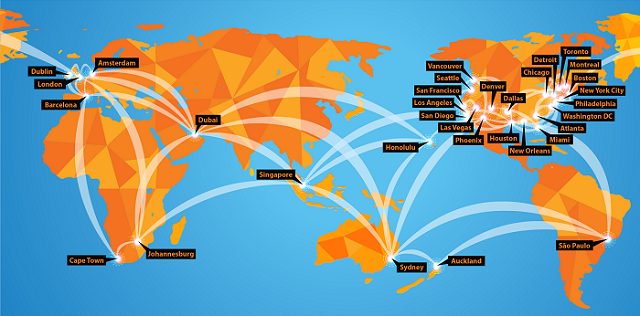
DigiMarCon is the Largest Digital Marketing, Media and Advertising Conference & Exhibition series in the world, with annual events held in all continents (North America, Latin America, Europe, UK, Asia Pacific, Middle East and Africa) in 13 countries (United States, Canada, Australia, New Zealand, United Kingdom, Ireland, Netherlands, Spain, Brazil, Singapore, India, United Arab Emirates and South Africa), across 33 cities (New York, Philadelphia, Boston, Toronto, Vancouver, Montreal, Houston, Dallas, Chicago, Los Angeles, San Francisco, Seattle, Washington DC, New Orleans, Atlanta, Detroit, Miami, Denver, San Diego, Phoenix, Las Vegas, Honolulu, London, Dublin, Amsterdam, Barcelona, Johannesburg, Cape Town, Dubai, Sydney, Auckland, Singapore and Sao Paulo). All DigiMarCon Events can be attended in-person or online. Wherever you are located there is a regional DigiMarCon event nearby you can attend.

DigiMarCon Conferences are held in top luxury 5-star event venues across the world such as; Royal Caribbean Cruise Ships, Olympic Stadiums, Marina Bay Sands Expo & Convention Centre and Wynn, JW Marriott, Marriott Marquis, Hyatt Regency, InterContinental, The Westin, Renaissance, Hilton, Conrad, W, Sheraton, Loews and Sofitel Hotel properties. Discount hotel room rates at each venue hotel means no hassle getting to and from the venue each day.
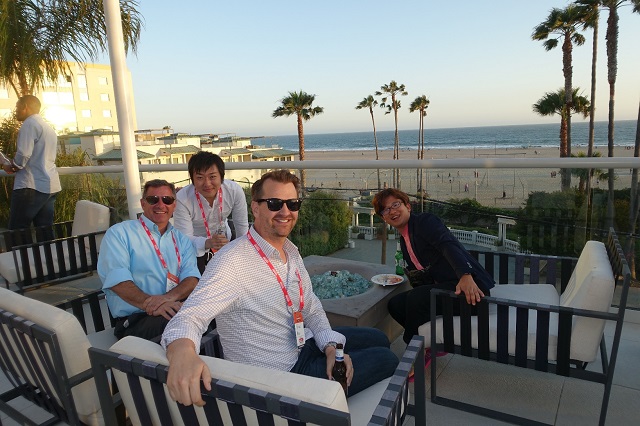
Building relationships matter! At DigiMarCon Conferences we have more networking breaks on our program than others. On average there are 8 Networking breaks at each event giving delegates ample opportunities in a relaxed atmosphere to meet others over the 2-days at the event; from 1-hour round table networking luncheons to 3-hour dinner receptions. These networking breaks are set in picturesque locations to facilitate memorable experiences while fostering new relationships. Such experiences include enjoying cocktails and the Sunset over the Pacific Ocean on a private Ocean Terrace in Santa Monica, to being on the Sydney Olympic Stadium playing arena at night enjoying cocktails under the lights, to dining at the 360 Revolving Restaurant at the top of the CN Tower in Toronto for a Dinner Reception, enjoying cocktails on a private promenade overlooking Times Square in New York City, or having fun at the Dazzles Night Club onboard the Royal Caribbean Oasis of the Seas for a Farewell Party, etc.
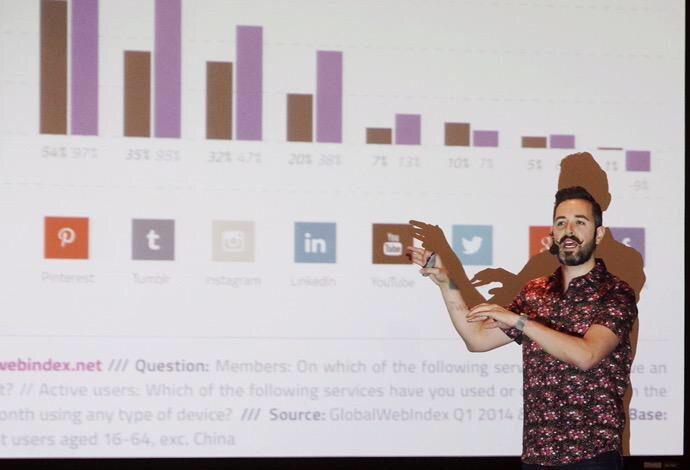
DigiMarCon Keynotes, Panels and Master Classes are facilitated by the foremost thought leaders in the industry, from celebrity social media influencers to CMO’s from the largest Fortune 500 company brands that are disrupting the digital marketing, media and advertising industry, such as Google, Facebook, Microsoft, Amazon, Oracle, Adobe, eBay, Netflix and more. All presentations are pitch-free, and include actionable takeaways, case studies, strategies and tactics, ready to be applied when back in the office.
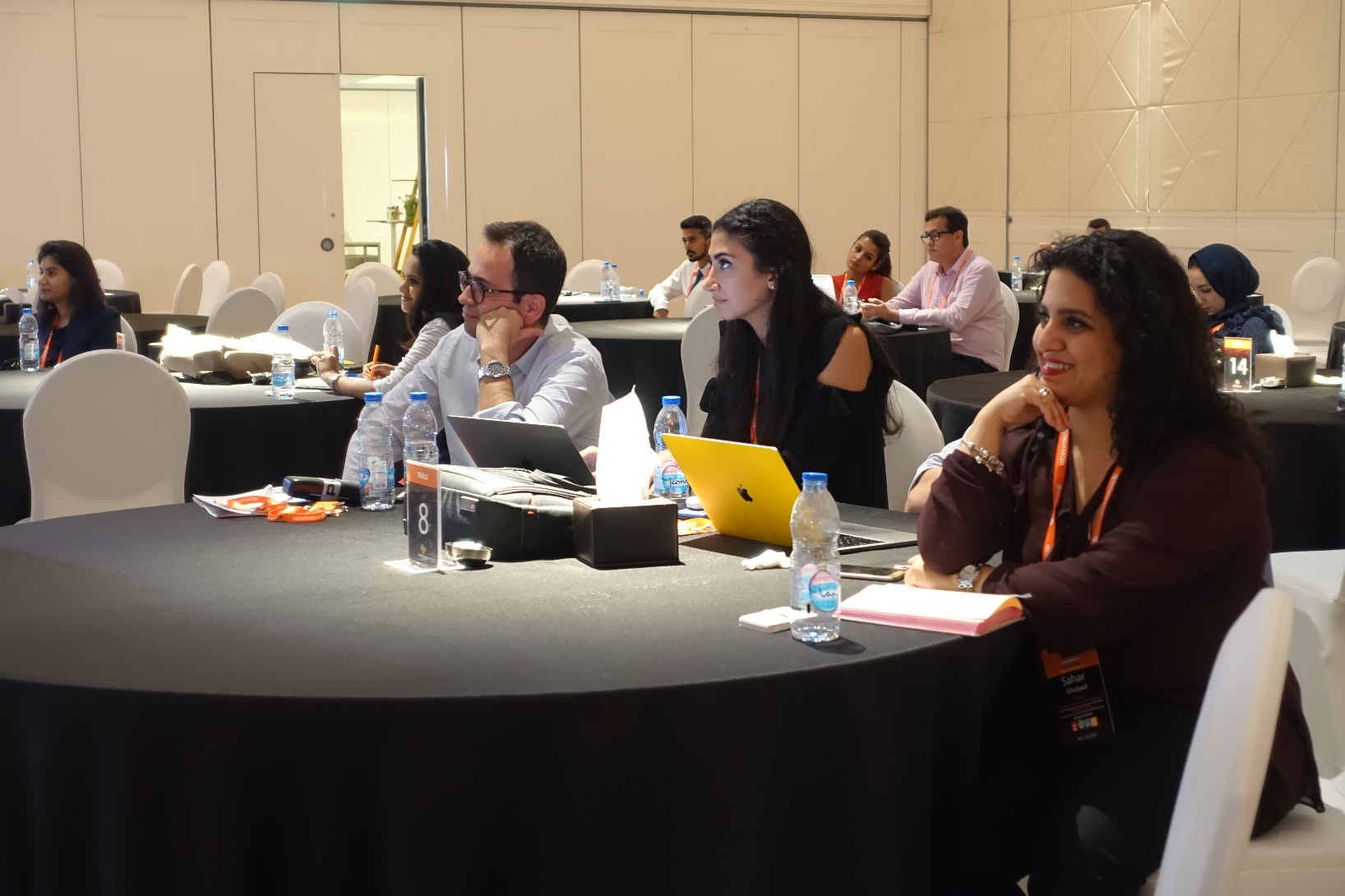
At DigiMarCon Conferences you are never ‘left in the dark’…. literally, in a large room far away from the stage and speakers, crushed in tight theater seating, without even a table, while sitting in the dark. At DigiMarCon all delegates have premium meeting space in luxurious ballroom well-lit spaces, with comfortable seating with table enabling delegates to use their laptop to take notes with ample charging facilities onsite in a comfortable space to learn and thrive. All tables are situated close with direct view of the stage.
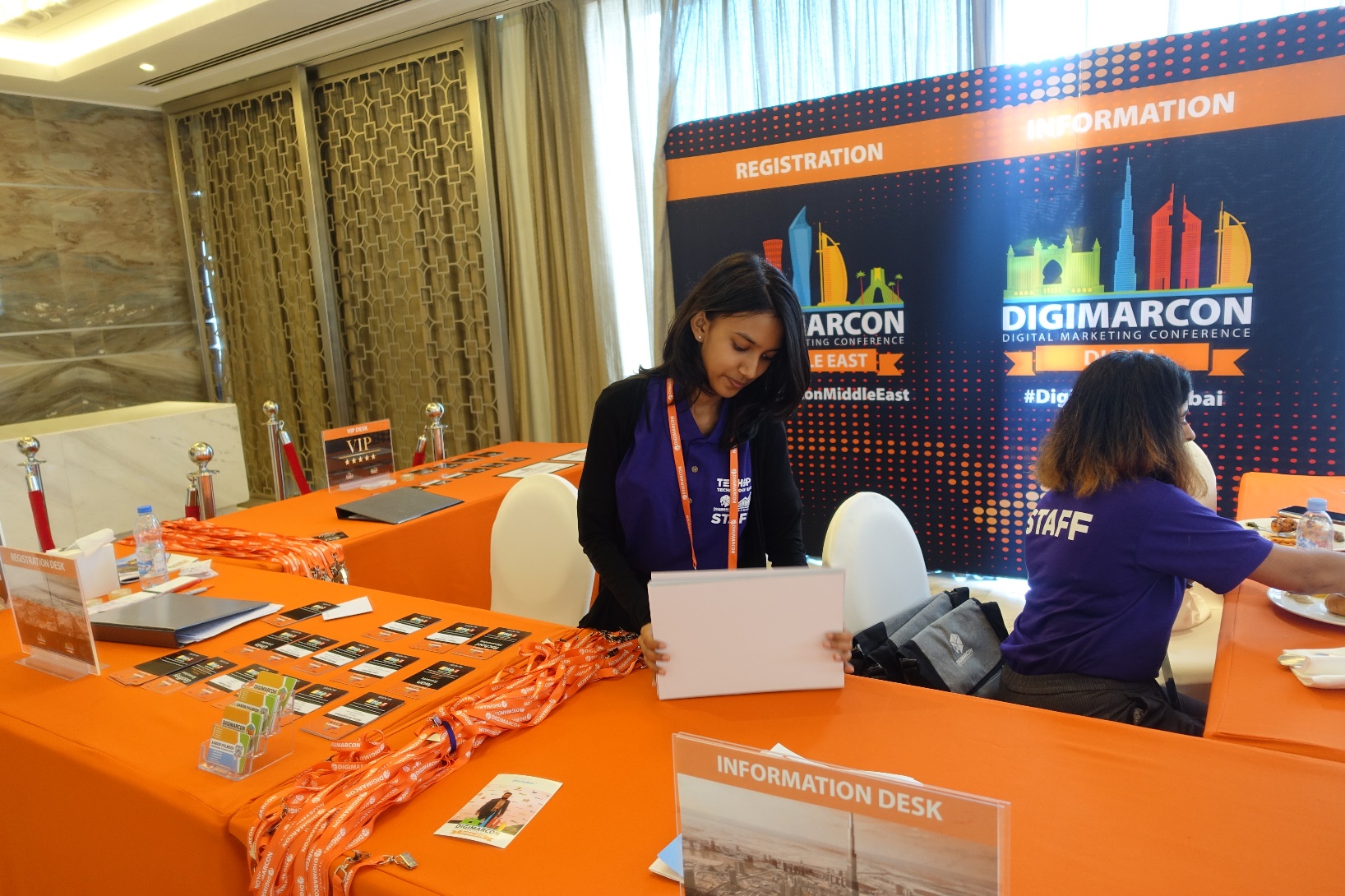
DigiMarCon Conferences are affordable to attend, from single-day event passes up to two-day VIP options at a fraction of the cost of other industry events. We offer significant discounts for early bird registrations. Additionally, on top of time-limited discount pass rates, because budgets are tight, we want to make sure all groups have a chance to attend DigiMarCon. For government employees, students, academic, startups, non-profit organizations and teams, we offer generous discounts off the prevailing registration price.
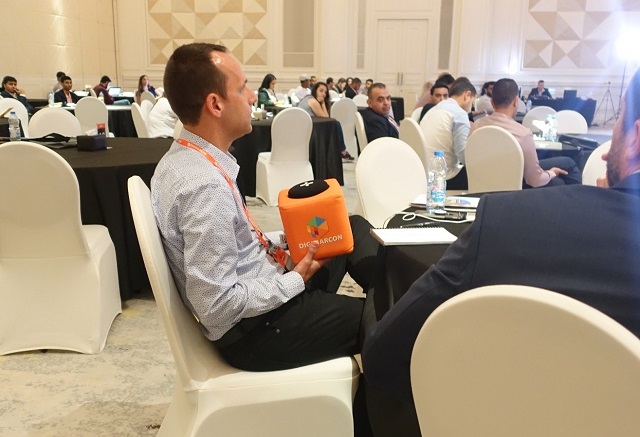
Attend DigiMarCon and you become part of the show! DigiMarCon Conferences tap into the talent of the room, drawing from the knowledge and experience of the professionals in the audience. All DigiMarCon events include regular interactive question and answer sessions with speakers and the audience ideal for collaboration, audience polls, along with ice-breaker and group exercises, steered by charismatic Emcees.
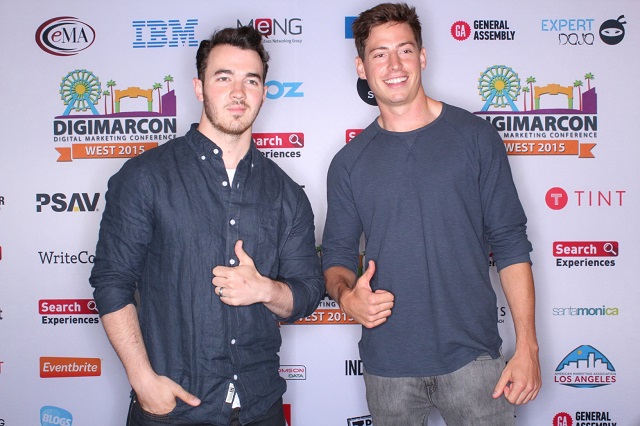
DigiMarCon Conferences put you right up and close with the speakers giving you the opportunity to meet these social media influencers which you follow in person. Speakers are never hidden in private speaker rooms away from the audience, they are in the auditorium sitting right beside you and participating.
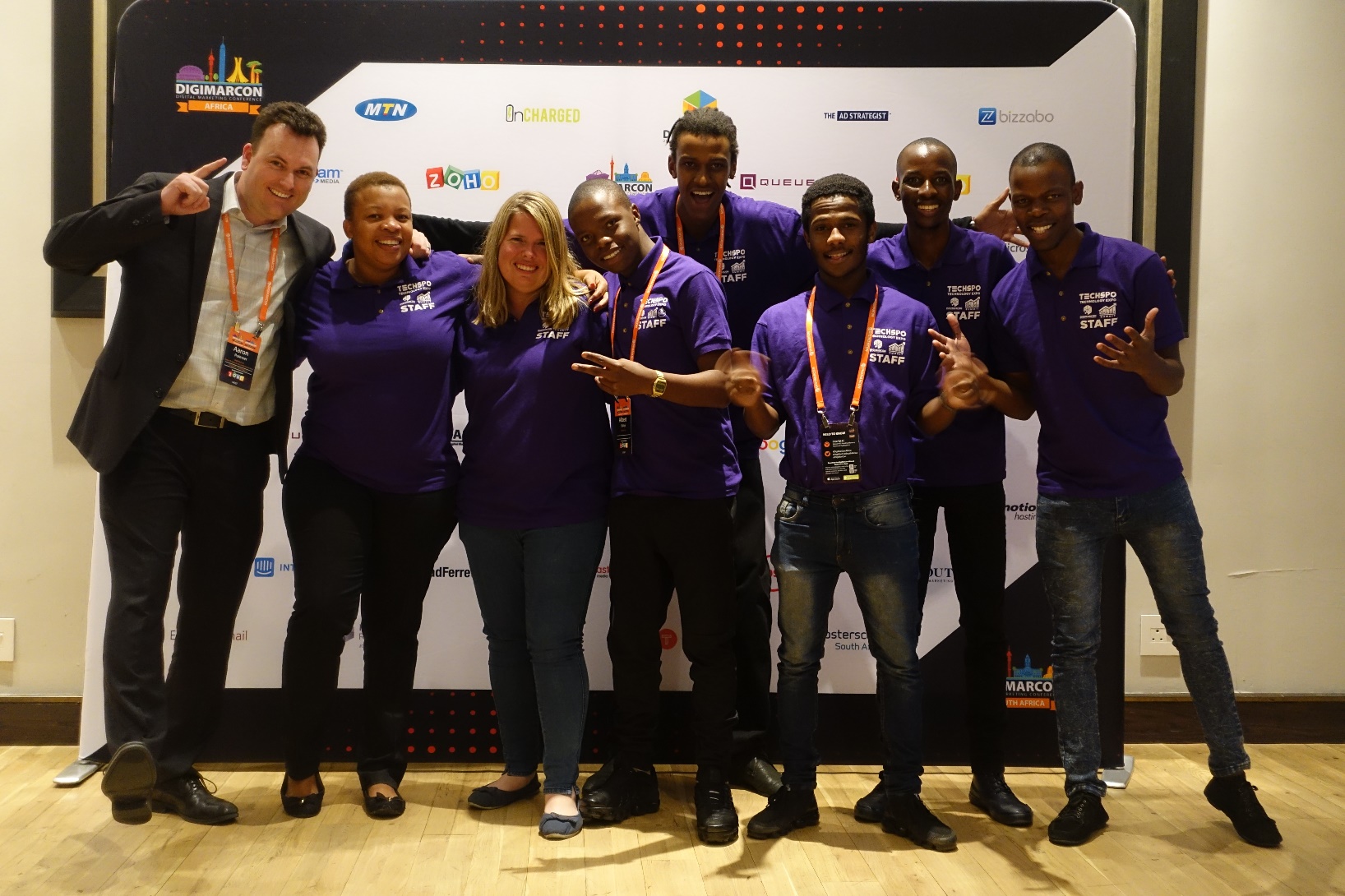
Attending a conference is a well-researched decision. There are many factors to consider such as location, time, venue, cost, speakers, content, etc. At DigiMarCon our results-obsessed Customer Service team are at your service before, during and after the event to help with your needs. It’s at the core of what we do — it drives our business. Offsite, we are ready to assist you via phone, ticket or chat. Onsite at our Conferences, friendly DigiMarCon staff serve as your hosts. They welcome your input and are happy to assist you.
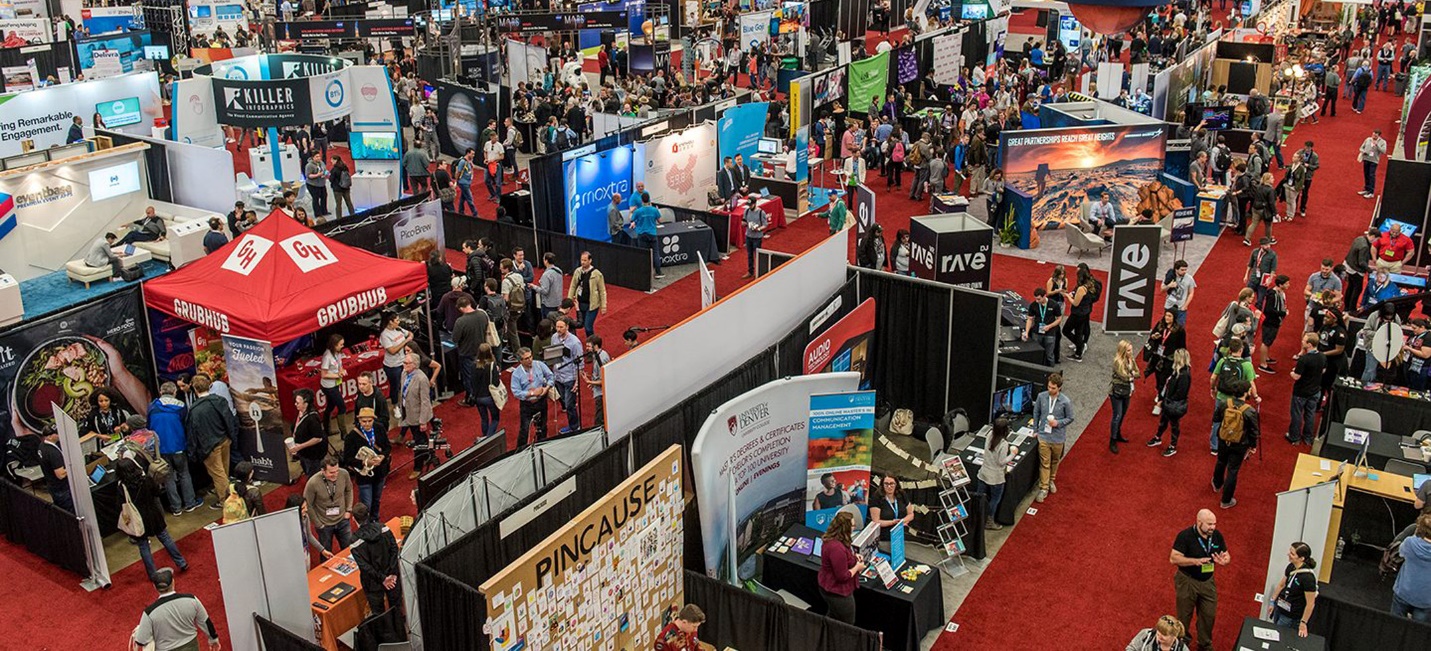
At all DigiMarCon Conferences is the co-located exclusive event TECHSPO Technology Expo, which showcases the new generation of technology and innovation, including; AdTech, MarTech, Internet, Mobile and SaaS technologies. Be inspired, amazed and educated on how these evolving technologies will impact your business for the better. Unlimited Access to TECHSPO Technology Expo is included with all DigiMarCon passes.
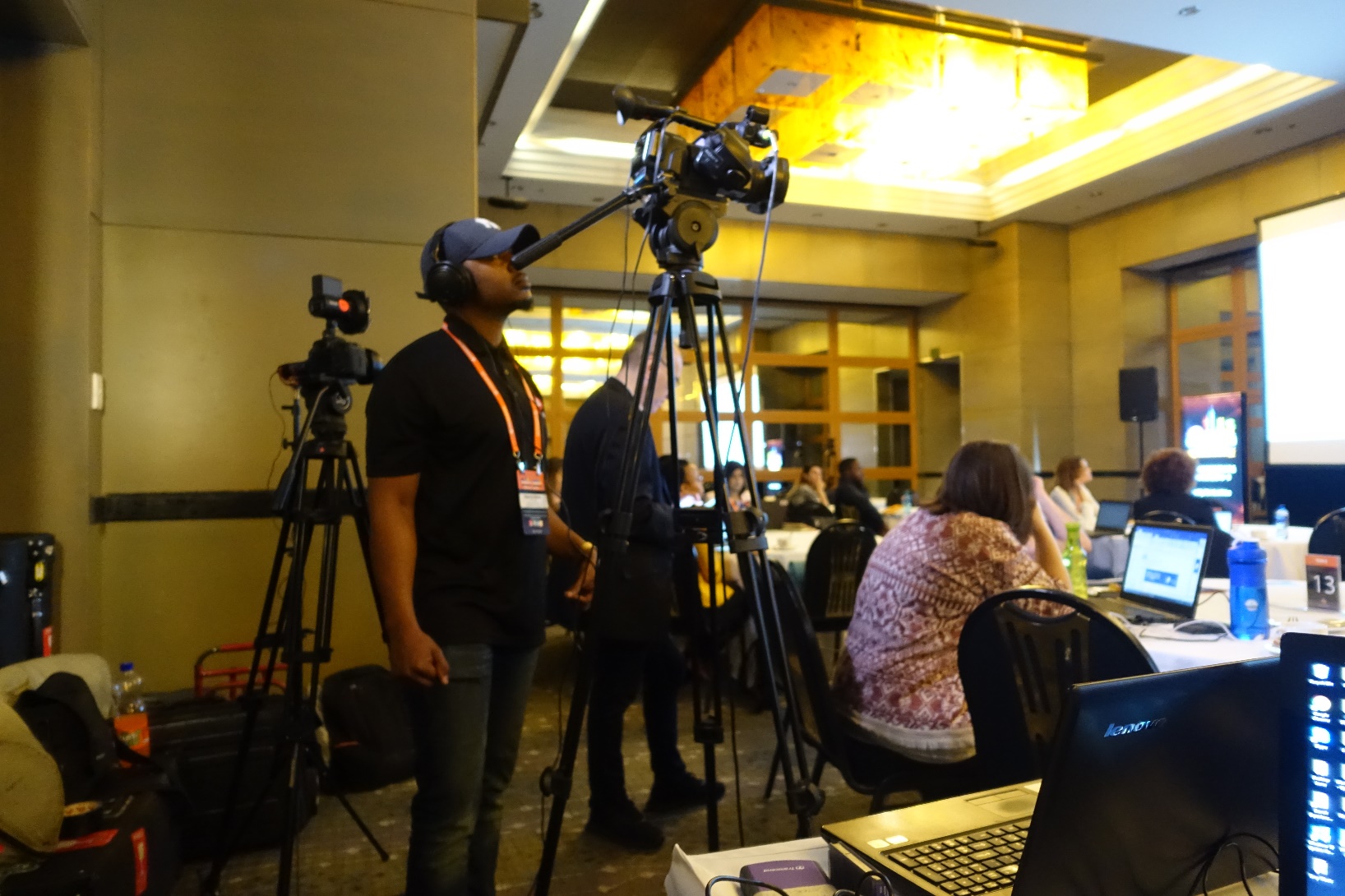
DigiMarCon All Access & VIP Passes include a 12-month on demand access to hundreds of hours of DigiMarCon speaker keynotes, panels and master class presentations from recent DigiMarCon Conferences, including videos, slide decks and key takeaways, available on demand so you can watch what you want, when you want.
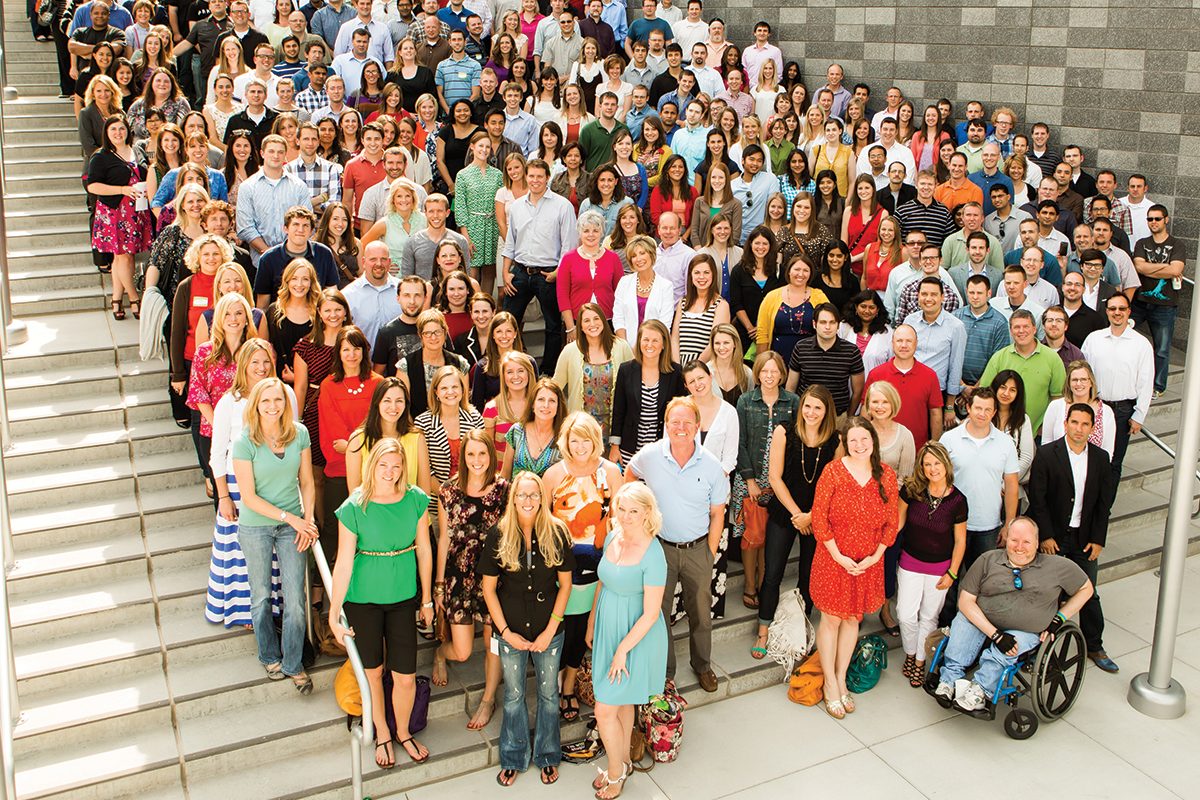
Attendees of DigiMarcon Conferences gain membership to an exclusive global Digital Marketing, Media and Advertising Community of over 500,000 worldwide subscribers to our award-winning digital marketing blog and over 100,000 members to the International Association of Digital Marketing Professionals (visit https://iadmp.org). This global community comprises of innovators, senior marketers and branders, entrepreneurs, digital executives and professionals, web & mobile strategists, designers and web project managers, business leaders, business developers, agency executives and their teams and anyone else who operates in the digital community who leverage digital, mobile, and social media marketing. We provide updates to the latest whitepapers and industry reports to keep you updated on trends, innovation and best practice digital marketing.

The events industry has forever changed in a world affected by COVID-19. The health and safety of our guests, staff and community is our highest priority and paramount. The team at DigiMarCon is dedicated to ensuring a great experience at our in-person events, and that includes providing a safe, clean and hygienic environment for our delegates. Some of the key areas we have implemented safe and hygienic measures include;
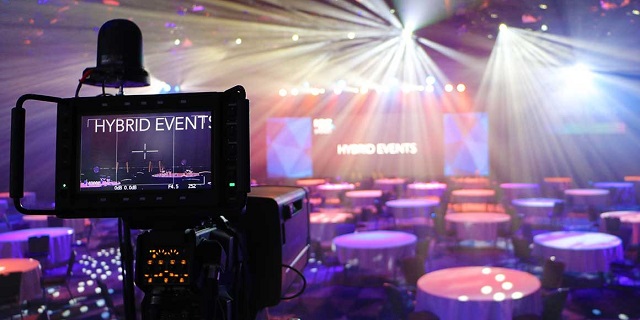
DigiMarCon has always been industry leaders of the Hybrid Event experience for years (a hybrid event combines a "live" in-person event with a "virtual" online component), no one needs to miss out on attending our events. Each DigiMarCon Conference can be attended in-person (with a Main Conference, All Access or VIP Pass) or online (with a Virtual Pass) giving attendees a choice for the experience they want to have. Attending virtually by viewing a Live Stream or On Demand enables participation by people who might be unable to attend physically due to travel or time zone constraints or through a wish to reduce the carbon footprint of the event. If you would like to meet the speakers, network with fellow marketing professionals at refreshment breaks, luncheons and evening receptions, check out the latest Internet, Mobile, AdTech, MarTech and SaaS technologies providers exhibiting then it is highly recommended to attend DigiMarCon in-person. As the largest Digital Marketing, Media and Advertising Conference series with events in 33 international cities worldwide, across 13 countries, there is bound to be a DigiMarCon Event near you to attend in-person if you can.
DigiMarCon Conference Series is the annual gathering of the most powerful brands and senior agency executives in your region. The Sharpest Minds And The Most Influential Decision Makers - Together for Two Days.
Who Attends Our Conferences
Brands • Agencies • Solution & Service Providers • Media Owners • Publishers • Entrepreneurs • Start-Ups • Investors • Government • Corporates • Institutes of Higher Learning




Top Trends and Topics to Watch at Digital Marketing World 2026
Marketing teams choosing a 2026 event need to weigh practical learning, useful connections, and the time and travel a conference requires. Digital Marketing World 2026 refers here to DigiMarCon World 2026, an event you can assess against your team’s goals. The decision is not only about the program. It also involves audience fit, travel, the in-person format, and whether registration makes sense for your budget and schedule.
This page helps you weigh those factors and plan questions to answer before committing. Start by naming the skill, business challenge, or relationship you want to develop. Then consider how the event’s format and location fit your work and travel plans. A clear learning goal makes the choice easier to judge. If you attend, that goal can also help you choose sessions and make better use of time with other marketers. A clear idea of your learning goal will make the event details easier to evaluate.
What Is Digital Marketing World 2026?
Digital Marketing World 2026 is an in-person digital marketing, media, and advertising conference and exhibition in Las Vegas. It is part of DigiMarCon, a conference and exhibition series for industry professionals, business leaders, and marketing teams. In person means you should plan for travel rather than assume you can join this event online.
The event runs November 4-6, 2026, at the Luxor Hotel & Casino in Las Vegas, Nevada. Its listed venue address is 3900 South Las Vegas Boulevard, Las Vegas, NV 89119. That location gives you a concrete starting point for comparing flights, hotels, and local travel.
The name can cause confusion: Digital Marketing World Forum is a separate conference brand, not another name for DigiMarCon World. Check the organizer and event title when comparing schedules or making travel plans. A similar name does not mean the same program, venue, or registration terms.
DigiMarCon brings conference sessions and an exhibition together. That setup may suit you if you want both industry learning and time to explore marketing-related technology. The event’s in-person listing also means your planning should include the practical needs of a Las Vegas visit.
You can use the location to judge whether a three-day trip fits your calendar. Check your travel time, overnight needs, and work commitments before making a decision. Use the Luxor Hotel & Casino address, 3900 South Las Vegas Boulevard, to check your own travel route.
What Topics Can Attendees Expect?
The broad program spans digital, mobile, and social media marketing, with a co-located expo focused on marketing and related technologies. DigiMarCon describes its series around those fields, while the specific World agenda is the best way to assess sessions. Do not treat broad series themes as a confirmed session-by-session program.
DigiMarCon passes include access to TECHSPO Technology Expo, the co-located technology showcase. TECHSPO features AdTech, MarTech, internet, mobile, and SaaS technologies. That gives you another reason to check whether the event matches your interest in tools, content systems, or new marketing technologies.
The conference scope can help you decide whether the event belongs on your shortlist. You might be seeking learning on campaign planning, media, or customer engagement. The expo may add value if you want to see how technology firms present products and services to marketers.
Still, broad themes do not tell you which sessions will run, who will lead them, or when they will happen. Look at the World agenda at https://digimarconworld.com/agenda-2026/ and compare named sessions with your work priorities. Agenda details matter more than a general topic label.
Pay attention to session titles and timing as the listing develops. A specific skill or topic may appear in one session, not across the whole event. Check the World agenda for named sessions before choosing the event around a specific skill or topic.
Which 2026 Trends Should Marketing Teams Watch?
In 2026, marketers need to plan for AI-assisted execution and a discovery journey that stretches beyond traditional search results. Human judgment still matters when automation shapes messages, choices, and customer interactions. Use automation for repeatable work, then review the output before it reaches customers.
AI-assisted workflows and automation
Deloitte Digital describes AI as an emerging operating system for marketing. It advises teams to pair machine intelligence with human creativity. That balance can speed up routine tasks without handing every decision to software.
For example, teams can automate email-copy development and versioning, then test paid-ad creative in a planned workflow. These tasks are useful when people still set the brief, audience, and quality bar. Keep a reviewer responsible for checking claims, tone, and fit.
Trust, discovery, and channel choices
Generative engine optimization (GEO) is the practice of improving a brand’s information and content so AI-powered search systems can understand, surface, and cite it. It belongs in a wider view of search and discovery, not as a replacement for useful information or a clear brand voice.
AI-generated content, deepfakes, misinformation, and privacy concerns make trust, brand, and purpose important business assets. Audiences may find brands through AI-driven search, retail media, creator ecosystems, and niche communities. Fragmented attention makes a single-channel plan harder to rely on.
Choose three “must win” channels for each audience segment, then adapt one narrative to each platform. Keep the core idea consistent while changing how you present it. Keep a human review step for automated work that can affect customer trust.
Who Will Get the Most Value From Attending?
The event is most useful to people who can connect a marketing challenge to a specific skill, decision, or relationship they want to develop. A clear work goal helps you judge whether the audience and learning setting suit you. Choose the peers and ideas you want before you decide to attend.
In-house marketers and business leaders
DigiMarCon serves brands, corporations, government groups, entrepreneurs, start-ups, investors, and higher-learning institutions. In-house marketers and leaders can use an event to compare approaches to customer growth, media choices, and team needs.
The seven common types of digital marketing are search engine optimization, paid search, social media, content marketing, email marketing, affiliate marketing, and mobile marketing. These areas often overlap in real jobs. One campaign may involve search, content, and email at once.
As an in-house attendee, you might aim to find ideas that fit your business, then discuss how to test them with your team. A marketing leader could focus on budget choices or ways to improve customer experience. Bring one question tied to a current business need.
Agencies, specialists, and technology providers
Agencies, solution and service providers, media owners, publishers, and specialists may seek new methods, partner contacts, or a clearer view of client needs. The community can also help you compare how other teams handle similar work.
Technology providers may want to hear how marketers assess products and services. A practical goal could be learning what buyers need from a tool, then discussing that need with potential customers. Good networking starts with a real question, not a sales pitch.
Think about the experience you want to gain and the type of peer who could help. Choose one work problem and one type of peer you want to meet before judging whether the audience fits.
How Do You Do Digital Marketing in 2026?
Start with the customer and the outcome the business needs, then choose channels that can credibly move people toward that outcome. One clear outcome makes it easier to choose strategies and judge results. Build the plan around a customer need and a business measure.
Set a customer-centered direction
A simple planning framework uses five Cs: customers, company, competitors, collaborators, and context. Customers are the people you serve. Company means your strengths and limits, while competitors show the choices customers can make.
Collaborators include partners who help deliver the offer. Context covers outside forces, such as technology, culture, or market conditions. Looking at all five can help you avoid choosing a tactic before you know what problem it should solve.
Choose a practical mix of strategies
Six common strategy areas are search, content, paid media, social and creator marketing, email, and conversion optimization. You do not need to use every area at once. Match the mix to how your audience learns, compares, and acts.
For example, a team seeking sign-ups may pair useful content with search and a focused email follow-up. Another business may need paid media to reach new people, then conversion work to make its offer clearer. The right mix follows the goal, not a trend list.
Effective digital marketing joins a consistent message to channels your audience uses. Measure the customer action that matters, such as a qualified lead or completed order. Tie every campaign to one clear customer action and a measure that reflects the business goal.
How Can Beginners Start in Digital Marketing?
A beginner can make progress by learning one channel well enough to plan, publish, and evaluate a small campaign. Start with practice, not a long list of tools or tactics. Choose one audience, one goal, and one channel before expanding.
Build a focused foundation
Begin by learning how one channel works and what a useful result looks like. Google Search, Instagram, and email are examples you can study and practice. Pick the one that fits your interests or a real business need.
Learn the basic steps: who the channel reaches, what content works there, and how people respond. For Google Search, you could study how clear pages answer common questions. For Instagram, you might practice a short visual post for a defined audience.
Run a small, measurable campaign
Set a simple goal, such as getting people to read a page or join an email list. Create one small piece of content for that action. Publish or test it, then review the response against your goal.
Keep the first effort low-risk. You can practice with a small project for a local business, a school group, or a personal site. Avoid changing several things at once, or you may not know which choice affected the outcome.
Review what people did, what they ignored, and what you would change next time. This process builds skills in planning, publishing, and learning from data. Keep the first project narrow enough that you can explain what changed and why.
Which Digital Marketing Tools Support the Work?
The right tool is the one that helps your team answer a real marketing question and act on the result. Start with the task, not a brand name. Choose tools based on team skills, current systems, privacy needs, and the question you need answered.
Measurement and search tools
Google Analytics 4 is an example of a tool for measuring website activity. It can help teams review how people use a site and what actions they take. Analytics only helps when the team knows what it wants to learn.
Google Search Console helps diagnose search visibility and site performance in Google Search. Search tools can show where pages appear and which queries bring people to them. They can guide useful updates, but they do not replace clear content.
Content, campaign, and customer tools
Adobe Experience Platform and HubSpot are examples of platforms used across marketing operations and customer management. CRM systems, or customer relationship management systems, help teams organize customer records and work. Automation features can support repeatable customer workflows.
Semrush is an example of a service used for search work. Teams may also use tools to plan content and manage campaigns. Fit matters more than feature count when a product has to work with your process.
Before adding a tool, name the task it must support and the data it will handle. Check how it fits your team’s skills, existing systems, and privacy requirements. Test a tool against one required workflow before building a wider stack around it.
How Do You Buy Digital Marketing World 2026 Tickets?
Use the official registration page to check the current pass choices and terms before completing a purchase. Pass details can differ, so compare what each option includes. Confirm the selected pass’s format, inclusions, and checkout conditions on the registration page before paying.
Open the registration page at https://digimarconworld.com/register/ to view available passes and checkout terms. The event information page is https://digimarconworld.com. Check the pass name, current price, included access, and any terms shown during checkout.
The listing for DigiMarCon World 2026 describes the event as in-person. DigiMarCon’s event series also describes both in-person and online attendance options, but that general series detail does not confirm an online option for this event. Do not assume the series offers apply to every conference.
DigiMarCon All Access and VIP passes include 12-month on-demand library access to presentations from recent DigiMarCon conferences. That is a series benefit, not a promise that every World pass includes library access. Check the exact inclusion tied to the pass you select.
Read the checkout terms before paying, including the selected pass and any conditions displayed there. A pass’s name alone may not explain its access or benefits. Confirm the selected pass’s format, inclusions, and checkout conditions on the registration page before paying.
What Should You Know About the Venue and Schedule?
The listed schedule is 9 AM-5 PM, so plan your Las Vegas days around the confirmed session timetable rather than an assumed start or finish. Check the daily details before booking activities. The listing says “2 days 8 hours” alongside a Wednesday-to-Friday date range.
Event hours and time planning
Use the stated hours as a planning guide, not a reason to assume every date has a full program. The listing’s duration and date range do not make each session day clear. Check the organizer’s current agenda for the exact days and times.
Leave room for travel between your hotel and the venue, along with meals and any work commitments. A session timetable can affect when you need to arrive and how late you can leave. Avoid booking activities that depend on an unconfirmed finish time.
Preparing for an in-person venue
An in-person Las Vegas visit needs more planning than a virtual session. Review your hotel arrangements and travel time, then confirm the final agenda before you go. Check whether your pass includes access to the parts of the event you plan to attend.
Think through the full day, not only the session hours. You may need time for check-in, moving around the venue, and meeting other attendees. Keep confirmation details easy to find on your phone or in your travel folder.
The listing describes the event duration as “2 days 8 hours,” even though its dates run Wednesday through Friday. Use the current agenda to confirm session days and timings. Recheck the published agenda and your travel arrangements before setting any nonrefundable plans.
Which Digital Marketing Conferences Are Worth Comparing in 2026?
The best conference for you is the one whose program and format match your work, not simply the one with the biggest speaker or exhibitor count. Fit beats scale when you need learning you can use. Compare goals, location, format, and budget before choosing.
Compare events by your main goal
Start with the skill or business need you want to address. A large event may offer many sessions, but its size does not show whether those sessions match your role. Check the program and how much travel the event requires.
Compare the cost and time commitment with what you expect to gain. An event closer to home may be easier to attend, while another may offer a more focused subject mix. Your work goals should guide that trade-off.
Consider the Digital Marketing World Forum separately
Digital Marketing World Forum, or DMWF, is a separate event series from DigiMarCon. Its similar name does not make it another version of DigiMarCon World. Check each event’s own program and registration details.
The London event is listed for May 6-7, 2026, at ExCeL London, with 10 tracks, 2,500+ attendees, 120+ speakers, and 130+ exhibition booths. DMWF North America is listed for September 9-10, 2026, at Javits Center in New York.
DMWF North America lists 1,500+ senior marketing professionals, 80+ speakers, six conference topics, and 60+ exhibitors. These figures describe event scale, not the value of each session to you. Compare the published session mix and travel commitment before treating two events as interchangeable.
How Does Digital Summit 2026 Compare?
Digital Summit Atlanta offers a 2026 regional option, while Digital Summit Chicago’s listed event date is in April 2027. Check the city when comparing these programs. Chicago is not listed for 2026.
Digital Summit Atlanta 2026
Atlanta is scheduled for October 6-7, 2026. Its listed topics include Brand Trust & Safety, Customer Intelligence & Experience, Creativity, Differentiation & Cultural Relevance, Next-Gen Operations & Infrastructure, and Brand Visibility.
Those areas may interest you if your work centers on brand, customer experience, operations, or visibility. The speaker list includes Jay Schwedelson of SubjectLine.com and GURU Media Hub, and Melissa Proctor, chief marketing officer of the Atlanta Hawks and State Farm Arena.
Other listed speakers include Ty Heath, LinkedIn’s global director of thought leadership and GTM strategy, and Kate James of The Coca-Cola Company. Atlanta’s listed programming topics also include brand trust and customer intelligence.
Is Digital Summit Chicago scheduled for 2026?
No. Digital Summit Chicago is listed for April 19-20, 2027, at the Marriott Marquis Chicago. Its listed topic categories match Atlanta’s, including brand trust, customer experience, operations, and visibility.
The two city programs may appeal to marketers seeking practical ideas for brands and customers. Still, topic labels do not tell you which speakers or sessions will appear in each city. Read the city-specific schedule before you make plans.
Speaker names can help you judge fit, but they should not replace checking the session details. Lists may change, and a featured speaker may not cover your priority topic. Check the city-specific agenda before choosing a Digital Summit event for a particular speaker or session.
What Can Marketing Leaders Learn From ANA Conferences?
ANA’s 2026 conference options separate practical digital and social topics from a broader main-stage marketing leadership program. Choose by learning style: working marketers may want practical channel topics, while senior leaders may prefer brand perspectives. These are two distinct events with different program aims.
Digital, social, and creator marketing
The 2026 ANA Digital & Social Media Conference covered streaming, commerce, agency management, AI, and creator marketing. It estimated attendance of 300+ marketing and advertising leaders. Those topics can help you explore how media and content work across changing channels.
Listed speakers included Mary Ann Belliveau, president of the Americas at Snap Inc., and Lauren Boros, vice president of streaming solutions at Disney Advertising. Jason Goldberg of Publicis Groupe and Alissa Sheely of DoorDash were also listed.
Sheila Marmon, founder and CEO of Mirror Digital, and Eric Warddrip, vice president of brand partnerships at Linqia, were among the listed speakers. Their roles point to the event’s attention to creators, partnerships, and digital media.
Brand leadership and main-stage perspectives
The ANA Masters of Marketing Conference is scheduled for October 20-23, 2026, at Rosen Shingle Creek in Orlando, Florida. Its listed address is 9939 Universal Blvd., Orlando, FL 32819. The event centers on main-stage brand leadership.
Listed speakers include Marc S. Pritchard of Procter & Gamble, Manolo Arroyo of Coca-Cola, Leslie Berland of Verizon, and Julia Goldin of The LEGO Group. Katharine McPhee is listed for an exclusive performance. In-person capacity is limited, and the hotel waitlist for Rosen Shingle Creek and nearby Rosen Plaza is closed.
These limits can affect your plans, especially if you need a room near the venue. Check current capacity and lodging arrangements before committing to the Orlando event.
Which Other 2026 Events Match Specific Goals?
Different goals point to different events, from invite-only executive discussions to hands-on AI experience sessions and conversion marketing. Match the event to the work you want to improve. Dates, prices, and access terms apply only to each named event.
Leadership, digital marketing, and AI learning
The CMO Summit’s New York City event is listed for March 11, 2026. Its agenda covers marketing strategies and trends, and it is described as free and invite-only. That format may suit eligible executives seeking a focused discussion.
DigiMarCon America is listed as an online event for April 1-3, 2026, covering digital, mobile, and social media marketing. Registration is listed from $206. Its online format may work for people who want to avoid travel.
Adobe Summit is listed for April 20-22, 2026, in Las Vegas and online. Its main agenda is AI-powered digital experiences, with more than 200 sessions and hands-on labs across 12 tracks. Registration is listed from $2,195.
Conversion and performance marketing
LeadsCon is listed for April 22-24, 2026, in Las Vegas, with conversion marketing as its main agenda. Registration is listed at $1,749 USD. It may suit teams focused on improving how prospects become customers.
The event types differ in audience, subject, and format. An invite-only summit is not a substitute for a broad conference, and online access is not the same as an in-person expo. Compare each program with the outcome you want.
These prices and terms belong to the named events, not DigiMarCon World. Verify each event’s current admission terms directly before comparing its cost with another conference.
How Can Teams Turn Conference Ideas Into Measurable Growth?
A conference insight becomes useful when a team gives it an owner, a test, and a result to measure. Make the idea testable before work begins. Agree on one shared ROI model that the CFO supports.
Agree on measurement before launch
A shared return on investment (ROI) model helps teams judge spending by the same rules. Set the measure before launching a new idea, so the team knows what result would justify more work. Keep the measure tied to a business goal.
Turn one useful session idea into a simple plan: name an owner, define a test, choose a measure, and set a review date. Make the test small enough to learn from without disrupting other work. Record what you expect to change.
Rework teams and workflows around the result
Deloitte Digital recommends reviewing the bottom 20% of spending each quarter. Decide whether to improve or stop each item, rather than letting weak spending continue by default. Use the agreed ROI model for that review.
A marketing team may also need fluid roles, embedded technology, and AI-augmented workflows. These changes can help teams respond to results and move work through a clear process. Automation still needs owners who can check quality and risk.
After the test, compare the result with the measure you chose. Share what worked, what failed, and what the team will do next. Set a review date before launching the test so the team can act on the result rather than let the idea stall.
What Should You Plan for After 2026?
Plan the next conference cycle around the work you want to improve, not just a list of dates. Track the details as organizers confirm them. Keep confirmed event facts separate from tentative plans.
Track the next event cycle
For digital marketing conferences in 2027, keep a simple record of announcement dates, locations, formats, and budgets as organizers share them. A calendar reminder can prompt you to check for new details. Do not treat an early rumor as a confirmed event.
Compare each new option with your team’s goals and travel needs. Note whether the event is in person or online, and mark what remains unconfirmed. That helps you avoid planning around a date or venue that may change.
Turn new contacts into useful follow-up
After an event, organize follow-up around three workstreams: people, ideas, and experiments. For people, record why each contact matters and the next step you agreed on. For ideas, note the session or discussion that sparked them.
For experiments, write down what you will test and who will own it. A CRM such as HubSpot can track contact follow-up, while Google Calendar can hold meetings and reminders. Use the system your team already checks.
Send a brief follow-up while the conversation is still fresh. Include the agreed action, not a vague promise to stay in touch. Record one agreed next step for every important contact while the conversation is still fresh.
Conclusion
DigiMarCon World 2026 is worth considering when its in-person format and learning scope align with a clear goal for your team. Start with that goal, then judge whether the travel and program fit your needs. The event is in Las Vegas, so make room for an in-person visit.
Use the agenda to check session information and the registration page to review current pass details. That gives you a practical way to compare the event with your work priorities before committing. Review the agenda and current pass details at https://digimarconworld.com/register/ before making your attendance decision.
AI Is Making Marketing Easier—But Some Marketers Struggling with AI-Powered Efficiency
Recent reports show that 80% of businesses use AI in marketing. Yet, nearly half of these teams feel overwhelmed by the fast changes. This tech aims to change how we do research, create, and improve campaigns. But, the journey feels like a big challenge.
The real benefit of marketing automation is doing repetitive tasks. This frees up time for more important strategy work. But, many struggle to use these tools every day. Remember, these systems boost your creative ideas, not replace them.
To boost marketer productivity, you need a new way of thinking. See these tools as allies, not enemies. By using ai-powered efficiency, you can link technical skills with strategic thinking. This is the first step to mastering today’s digital world.
Why AI-Powered Efficiency Is Reshaping Modern Marketing
The promise of artificial intelligence efficiency is changing how brands reach their audiences. Marketing teams are moving from manual tasks to systems that learn and adapt quickly. This change lets them focus on big-picture strategy, not daily details.
How artificial intelligence efficiency is changing everyday marketing work
Tools now handle complex tasks like research and segmentation, making daily work easier. Marketers no longer spend hours sorting through data. Instead, they use smart platforms to find patterns and trends fast.
This transformation helps teams create more accurate campaign plans. They base these plans on real behavior, not guesses. This way, every campaign is relevant and up-to-date.
Where automation optimization creates the greatest time savings
The biggest productivity gains come from tasks that involve lots of data. Activities like performance reports, routine emails, and content scheduling are perfect for automation optimization. By letting machines do these tasks, teams save hours each week.
This saved time is great for creative work and building the brand. When machines handle data, humans can focus on what really connects with people. This balance is key to a top marketing team.
Why easier tools do not automatically produce better marketing
Technology makes tasks simpler, but it doesn’t replace the need for clear goals. Just using a new tool doesn’t mean success if the strategy is weak. Ai-powered efficiency works only if the human team behind it is sharp.
Marketers with experience need to guide whether the tools’ outputs meet brand goals. They ensure automated content is right and fits the brand. The best results come from a mix of human insight and machine speed.
The Marketing Tasks AI Handles Best Today
Today, top marketing teams use advanced software to make their work easier. They let smart systems handle the boring tasks. This lets them focus on big ideas and creativity.
This move towards automation optimization helps them do more without losing quality. It’s a win-win for everyone.
Generating and adapting content for multiple channels
Creating the same message for different places can be a big job. Tools like Blaze make it easy. They turn long content into social media posts, newsletters, and blogs in seconds.
This machine learning productivity keeps the brand’s voice consistent. It also saves a lot of time on writing.
Analyzing customer data and identifying audience patterns
Platforms like HubSpot are great at sorting through lots of user data. They find trends that might be missed. This helps marketers create personalized experiences for many people.
Using machine learning productivity, teams can guess what customers want before they ask. It’s like having a crystal ball.
Automating campaign workflows, reporting, and routine communications
Platforms like Mailchimp and ActiveCampaign handle the tech side of email marketing. They send out personalized messages based on what users do. This makes sure no one is left out.
Thanks to automation optimization, marketers can keep up with reports and regular updates with little help. It’s like having a super-efficient assistant.
These tools really help people do their best work. By taking care of the easy stuff, professionals can use their critical judgment on important tasks. This mix of speed and insight is the future of marketing.
Why Some Marketers Are Struggling to Use AI
AI tools are now easier to get, but using them well is hard for many teams. True digital transformation excellence isn’t just about buying new software. It’s about changing how you work and plan for the future.
Limited training and uncertainty about where to begin
Many feel lost with all the new AI tools out there. Without clear guidance, teams find it hard to know which tasks to automate. This uncertainty can cause them to hesitate, missing out on the benefits.
Disconnected data, outdated systems, and weak technology infrastructure
Good data-driven improvement needs clean, shared data. But, many companies are stuck with old systems that don’t work with new AI. This makes it hard to use machine learning for real insights or better customer service.
Unclear ownership of AI tools across marketing teams
Who’s in charge of AI is often unclear. Without clear ownership, teams use AI in different ways. This can lead to underutilized tools that don’t help the company much.
Pressure to adopt AI without a defined business objective
Leaders want to keep up with the competition by using AI fast. But, using tech just for the sake of it doesn’t lead to digital transformation excellence. Without a clear goal, teams focus on the wrong things, not real data-driven improvement.
AI-Powered Efficiency Depends on Better Marketing Processes
Many teams jump into new tools without checking their daily work flow. True operational excellence starts with knowing how work moves through your team. Without this, you might just make old habits digital, not fix them.
Auditing repetitive work before introducing automation
Start by auditing your tasks. Find out which ones take up a lot of time but don’t add much value. By focusing on automation optimization, you can free up your team to do more creative work.
After documenting these tasks, you’ll see where tech can help. Smart technology streamlining is about removing barriers, not replacing people. Often, some tasks just need to go away.
Mapping customer journeys to identify useful AI applications
Good marketing meets customers where they are. By mapping touchpoints, you find where AI can add personalized value. This makes sure your tech matches customer needs, not just trends.
Knowing the journey lets you use tools like content delivery or predictive analytics at the right time. This avoids the trap of using AI just for novelty. Instead, you create a seamless experience that’s both human-centric and technologically advanced.
Creating standardized inputs, approval steps, and campaign briefs
Consistency is key for any marketing team. Standardized briefs give AI the context it needs for quality outputs. Clear inputs mean better results, less revisions, and less back-and-forth.
Setting up formal approval steps keeps your brand voice consistent. This lets your team use smart technology streamlining confidently. A structured environment means faster decisions and quality your audience expects.
How Data Quality Limits Artificial Intelligence Efficiency
Even the most advanced algorithms struggle with bad data. Many teams focus on new software, but the real problem is the data. Without good data, even top models can’t give accurate results.
Incomplete customer profiles and inconsistent tracking
Marketing platforms often have “data silos” where info is stuck. When customer profiles are missing, AI can’t guess what they’ll do next. Inconsistent tracking makes it hard to see the whole picture of how users interact.
If your tracking doesn’t match up, AI can’t find important patterns. This makes it hard to understand your audience. So, the tools’ output often doesn’t hit the mark.
Privacy, consent, and responsible use of consumer information
True data-driven improvement means following ethical rules and being open. With laws like GDPR and CCPA getting stricter, marketers must get clear consent for data. Responsible data management is key for keeping consumer trust.
Using wrong data can hurt your reputation and lead to fines. Focus on clean, allowed data to keep your automation working well. Being open about data use can also boost your brand.
Connecting CRM, analytics, advertising, and content platforms
To boost artificial intelligence efficiency, connect your main systems. Linking CRM with analytics, ads, and content platforms makes a complete system. This lets AI learn from a full view of the customer journey.
When these systems talk to each other well, insights get much better. Unified data streams help target better and deliver more relevant content. Overcoming these tech hurdles can unlock your marketing’s full power.
Where Human Judgment Matters in AI-Assisted Marketing
Modern marketing is all about finding the right mix of tech and human touch. Cognitive computing enhancement helps teams handle big data, but it can’t replace the creative spark that builds brand loyalty. Marketers need to oversee every campaign to make sure tech enhances, not harms, the brand.
Protecting brand voice, originality, and emotional relevance
AI uses past data, leading to generic content. To stand out, teams must add human creativity to every piece. Protecting your brand voice means knowing your company’s unique personality.
Without human touch, marketing can blend in with others. Emotional connections come from understanding people, not just data. Only humans can truly grasp the human experience.
Reviewing AI-generated claims for accuracy and compliance
Automation can sometimes produce wrong or outdated info, harming your reputation. Human oversight is key to checking every claim. This keeps your messages accurate and up-to-date.
Legal rules are also critical. AI doesn’t get the nuances of laws or privacy rules. A human must check that content meets all legal standards.
Using human insight to interpret audience needs and cultural context
Data shows what people do, but not why. Marketers must use AI marketing ethics to understand these trends in cultural context. This avoids insensitive or off-putting messages.
By mixing AI insights with human empathy, brands can make campaigns that feel real and timely. This blend keeps marketing grounded in reality while using today’s tech.
Practical Ways Marketing Teams Can Improve AI Adoption
A successful AI adoption strategy starts with small steps that show quick results. Instead of changing everything at once, focus on areas where AI can make a big difference. This way, you avoid burnout and keep your team excited about using new tools.
Start with one measurable workflow instead of adopting every tool
Begin by picking a single task that takes up a lot of time. For example, work on making social media captions or summarizing meeting notes. This lets you get good at automation optimization without feeling too much pressure. You can then see how well you’re doing by looking at how much time you save or how much more you produce.
Train marketers to write effective prompts and evaluate outputs
How well a tool works depends on how well it’s told what to do. Training should focus on teaching staff to write good prompts. This means they can get accurate and brand-aligned results from the technology. Also, marketers need to check every output to make sure it’s up to quality standards before it’s shared.
Develop shared guidelines for acceptable AI use
It’s important to have clear rules for using smart technology in your organization. These rules should say which tasks are okay to automate and which need a human touch to keep the brand safe. This way, you can use AI adoption strategy to boost creativity while keeping everything private and secure. This approach helps automation optimization grow your business without risking it, leading to smart technology streamlining that supports your long-term goals.
Measuring Whether AI Creates Real Marketing Improvement
To really see if AI helps in marketing, we need to look beyond just saving time. Saving hours is important, but it’s only part of the story. Leaders should focus on how AI affects their profits.
Comparing time saved with output quality and campaign performance
Being efficient doesn’t mean much if the results don’t connect with people. AI can make creating content faster, but it must be good quality. Teams should check if speed means better results or just more clutter.
Good marketing checks both speed and success. If a campaign is quicker but doesn’t sell as well, it needs work. Quality checks are key to making sure content is effective.
Tracking conversion rates, customer engagement, and cost efficiency
Real success comes from AI helping to make more money. AI can predict which customers are most likely to buy. This helps teams spend their money wisely.
Looking at costs and customer value gives a clear view of success. AI helps with data, so marketers can improve their plans. This makes growth more sustainable.
Separating genuine productivity gains from superficial activity
It’s easy to confuse lots of activity with real progress. Making lots of ads doesn’t mean they’ll all work well. Managers need to tell real progress from just doing a lot.
True AI benefits show in better choices and more profit. Focusing on results, not just how fast things are done, ensures AI adds real value. The aim is to boost human creativity, not just speed things up.
The Risks of Treating AI as a Replacement for Marketers
To achieve digital transformation excellence, we must balance technology and human insight. Automation can speed up tasks, but it can’t replace human judgment in strategy and creativity. This imbalance creates big risks for operations.
Declining trust caused by generic or inaccurate content
Brands that only use AI for messages risk creating content that feels fake. People can tell when messages lack a personal touch. This can hurt brand loyalty, as customers seek real connections over mass-produced content.
Also, AI mistakes can harm a brand’s trustworthiness. It’s key to use responsible AI to keep content accurate and true to the brand’s voice.
Bias, hallucinations, copyright concerns, and compliance exposure
AI marketing risks include biases and false claims. These can hurt a company’s reputation. Without careful human checks, teams face big legal risks.
Copyright issues are also a big worry. Without checking AI content, teams might break copyright laws. Keeping humans involved is the best way to avoid these problems.
Skill erosion when teams stop developing strategic and creative abilities
Too much AI use can weaken marketing team skills. When new staff don’t do basic tasks, they miss learning opportunities. This creates a gap in knowledge and skills for future leaders.
Creative thinking is unique to humans. Over-reliance on AI can make teams less innovative. True innovation comes from combining human creativity with AI.
What Successful AI Adoption Looks Like in U.S. Marketing Teams
The world of U.S. marketing teams is changing fast. They’re moving from just trying out AI to using it in big ways. Now, top teams see AI tools as key parts of their growth plans. This change is leading to more focused and lasting marketing efforts.
Small businesses using AI to compete with larger organizations
Small companies are using machine learning productivity to stand out. They’re using smart technology streamlining to do more with less. This lets them spend more time on creative ideas and connecting with customers.
Enterprise teams combining automation with specialized human expertise
Big companies are doing things differently. They use AI to handle big data, but they also count on specialized human expertise to understand it. This mix keeps their messages real and on point, even as they reach people all over the world.
Leaders making digital transformation excellence an operating discipline
True digital transformation excellence is ongoing, not just a one-time thing. Leaders who succeed make sure AI is part of their daily work. They set up clear rules, train their teams, and keep improving. This way, they stay quick and adaptable in a fast-changing world.
Conclusion
To really get the most out of AI, you need more than just new software. You must have clean data, clear processes, and a team that knows how to use AI for business goals.
Marketing leaders should see AI as a tool to help, not replace, human talent. When teams use AI for research and personalization, they connect better with their audience.
A good marketing plan balances speed and accountability. By focusing on results, you make sure AI helps your brand grow and gain trust.
Begin your digital journey by checking your workflows for real impact. Try new tools to improve your work while keeping your values in every campaign. Your success starts with using these technologies wisely, led by humans.