 View Upcoming Digital Marketing, Media and Advertising Conferences & Exhibitions
 Phone:
Posts Tagged "Marketing trends"



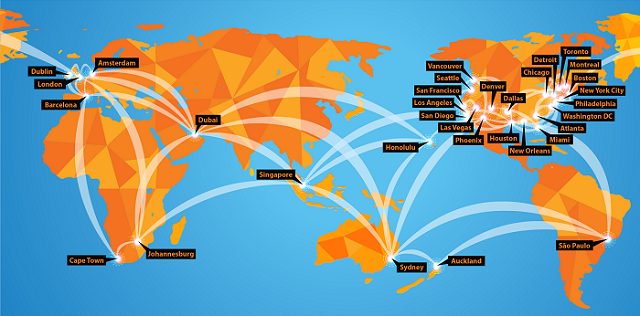
DigiMarCon is the Largest Digital Marketing, Media and Advertising Conference & Exhibition series in the world, with annual events held in all continents (North America, Latin America, Europe, UK, Asia Pacific, Middle East and Africa) in 13 countries (United States, Canada, Australia, New Zealand, United Kingdom, Ireland, Netherlands, Spain, Brazil, Singapore, India, United Arab Emirates and South Africa), across 33 cities (New York, Philadelphia, Boston, Toronto, Vancouver, Montreal, Houston, Dallas, Chicago, Los Angeles, San Francisco, Seattle, Washington DC, New Orleans, Atlanta, Detroit, Miami, Denver, San Diego, Phoenix, Las Vegas, Honolulu, London, Dublin, Amsterdam, Barcelona, Johannesburg, Cape Town, Dubai, Sydney, Auckland, Singapore and Sao Paulo). All DigiMarCon Events can be attended in-person or online. Wherever you are located there is a regional DigiMarCon event nearby you can attend.

DigiMarCon Conferences are held in top luxury 5-star event venues across the world such as; Royal Caribbean Cruise Ships, Olympic Stadiums, Marina Bay Sands Expo & Convention Centre and Wynn, JW Marriott, Marriott Marquis, Hyatt Regency, InterContinental, The Westin, Renaissance, Hilton, Conrad, W, Sheraton, Loews and Sofitel Hotel properties. Discount hotel room rates at each venue hotel means no hassle getting to and from the venue each day.

Building relationships matter! At DigiMarCon Conferences we have more networking breaks on our program than others. On average there are 8 Networking breaks at each event giving delegates ample opportunities in a relaxed atmosphere to meet others over the 2-days at the event; from 1-hour round table networking luncheons to 3-hour dinner receptions. These networking breaks are set in picturesque locations to facilitate memorable experiences while fostering new relationships. Such experiences include enjoying cocktails and the Sunset over the Pacific Ocean on a private Ocean Terrace in Santa Monica, to being on the Sydney Olympic Stadium playing arena at night enjoying cocktails under the lights, to dining at the 360 Revolving Restaurant at the top of the CN Tower in Toronto for a Dinner Reception, enjoying cocktails on a private promenade overlooking Times Square in New York City, or having fun at the Dazzles Night Club onboard the Royal Caribbean Oasis of the Seas for a Farewell Party, etc.
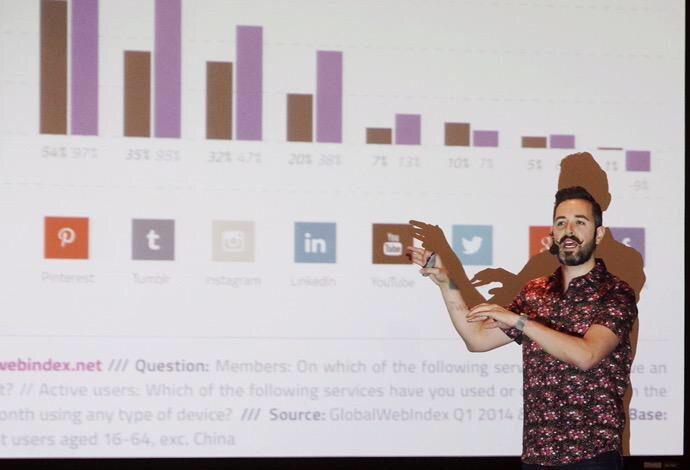
DigiMarCon Keynotes, Panels and Master Classes are facilitated by the foremost thought leaders in the industry, from celebrity social media influencers to CMO’s from the largest Fortune 500 company brands that are disrupting the digital marketing, media and advertising industry, such as Google, Facebook, Microsoft, Amazon, Oracle, Adobe, eBay, Netflix and more. All presentations are pitch-free, and include actionable takeaways, case studies, strategies and tactics, ready to be applied when back in the office.
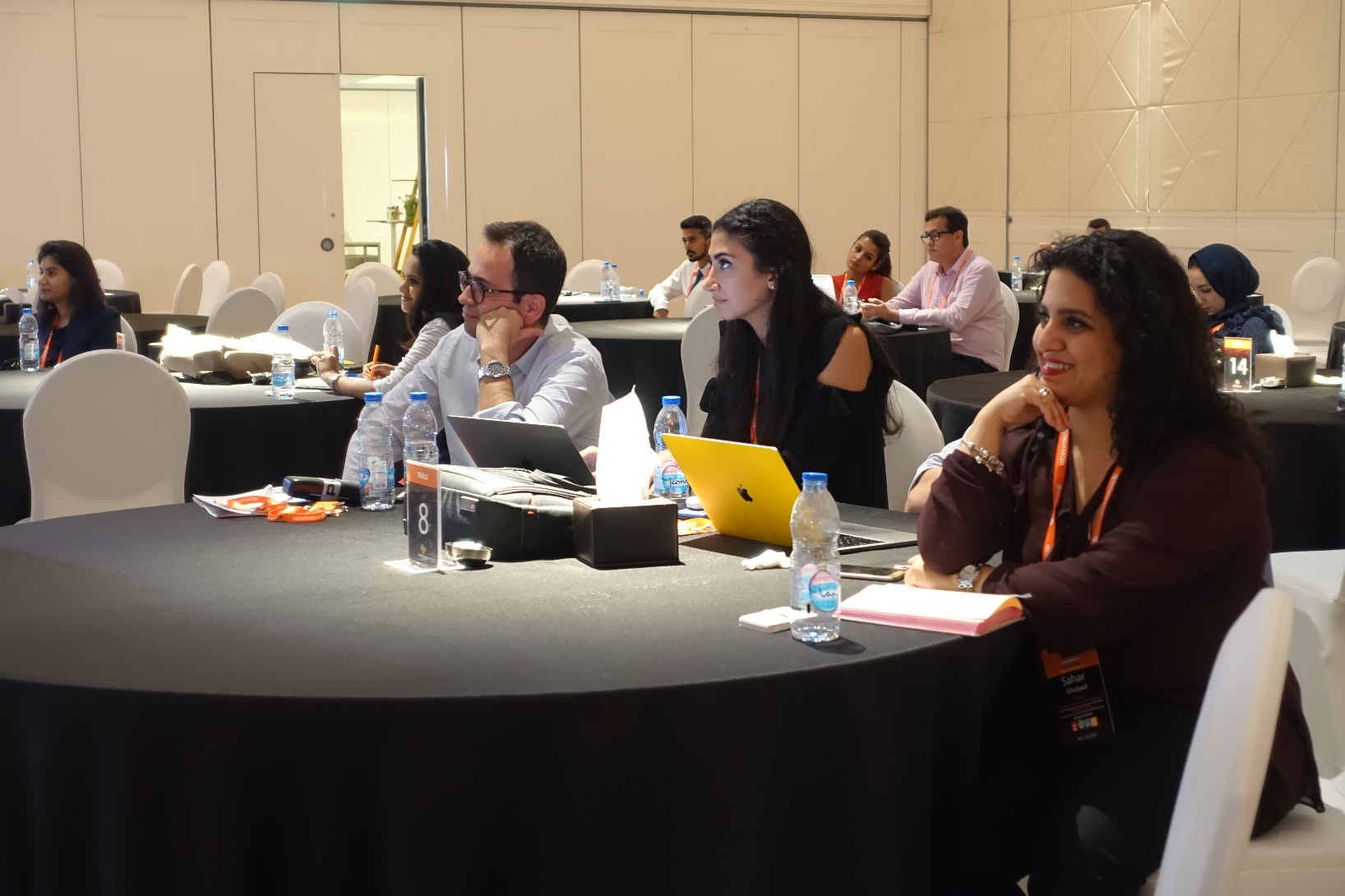
At DigiMarCon Conferences you are never ‘left in the dark’…. literally, in a large room far away from the stage and speakers, crushed in tight theater seating, without even a table, while sitting in the dark. At DigiMarCon all delegates have premium meeting space in luxurious ballroom well-lit spaces, with comfortable seating with table enabling delegates to use their laptop to take notes with ample charging facilities onsite in a comfortable space to learn and thrive. All tables are situated close with direct view of the stage.

DigiMarCon Conferences are affordable to attend, from single-day event passes up to two-day VIP options at a fraction of the cost of other industry events. We offer significant discounts for early bird registrations. Additionally, on top of time-limited discount pass rates, because budgets are tight, we want to make sure all groups have a chance to attend DigiMarCon. For government employees, students, academic, startups, non-profit organizations and teams, we offer generous discounts off the prevailing registration price.
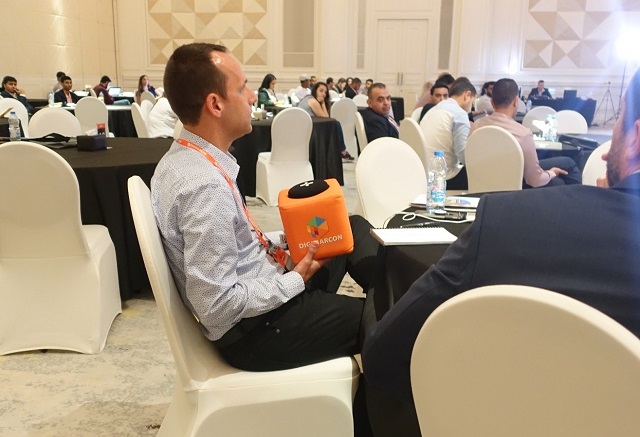
Attend DigiMarCon and you become part of the show! DigiMarCon Conferences tap into the talent of the room, drawing from the knowledge and experience of the professionals in the audience. All DigiMarCon events include regular interactive question and answer sessions with speakers and the audience ideal for collaboration, audience polls, along with ice-breaker and group exercises, steered by charismatic Emcees.
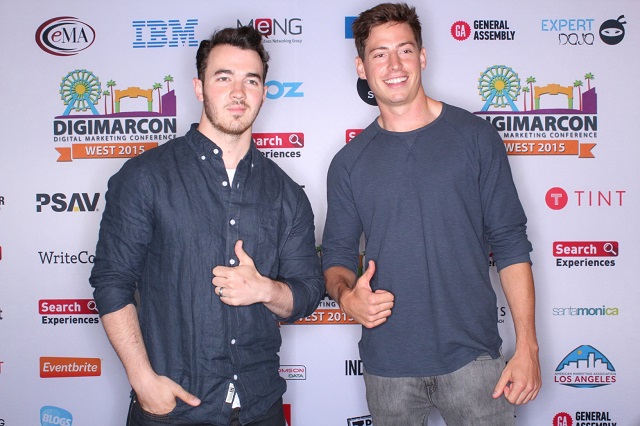
DigiMarCon Conferences put you right up and close with the speakers giving you the opportunity to meet these social media influencers which you follow in person. Speakers are never hidden in private speaker rooms away from the audience, they are in the auditorium sitting right beside you and participating.
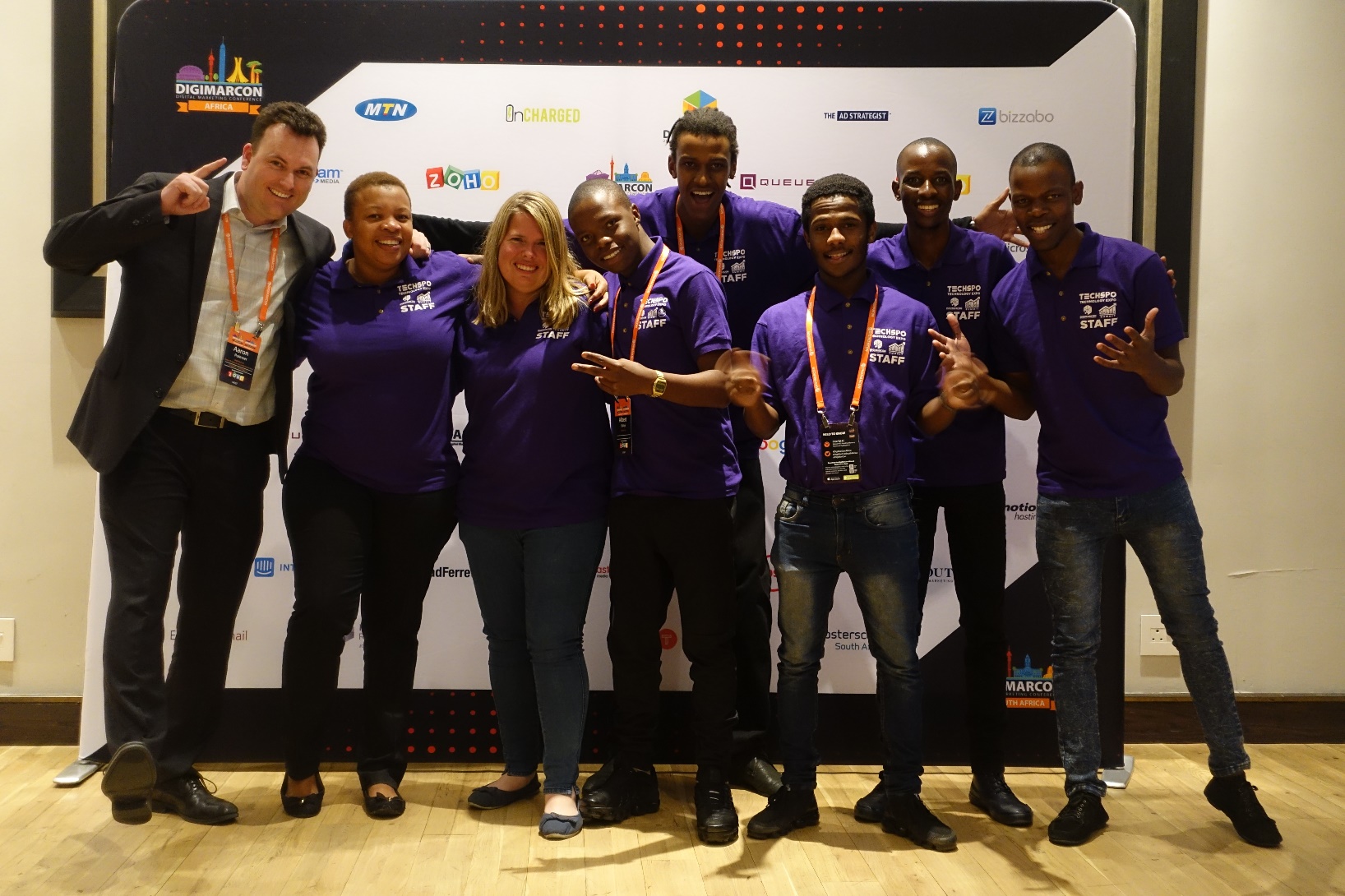
Attending a conference is a well-researched decision. There are many factors to consider such as location, time, venue, cost, speakers, content, etc. At DigiMarCon our results-obsessed Customer Service team are at your service before, during and after the event to help with your needs. It’s at the core of what we do — it drives our business. Offsite, we are ready to assist you via phone, ticket or chat. Onsite at our Conferences, friendly DigiMarCon staff serve as your hosts. They welcome your input and are happy to assist you.

At all DigiMarCon Conferences is the co-located exclusive event TECHSPO Technology Expo, which showcases the new generation of technology and innovation, including; AdTech, MarTech, Internet, Mobile and SaaS technologies. Be inspired, amazed and educated on how these evolving technologies will impact your business for the better. Unlimited Access to TECHSPO Technology Expo is included with all DigiMarCon passes.
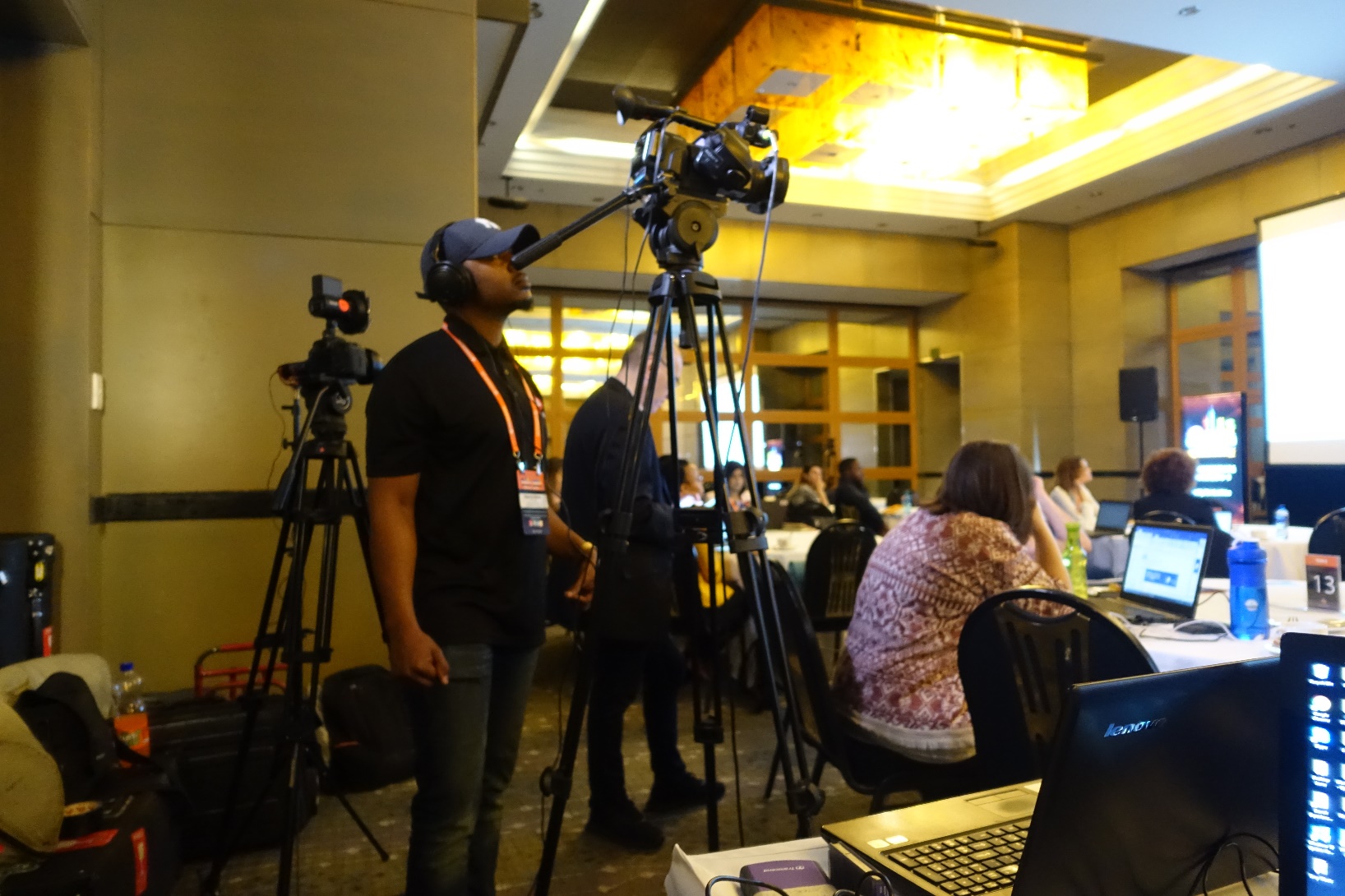
DigiMarCon All Access & VIP Passes include a 12-month on demand access to hundreds of hours of DigiMarCon speaker keynotes, panels and master class presentations from recent DigiMarCon Conferences, including videos, slide decks and key takeaways, available on demand so you can watch what you want, when you want.

Attendees of DigiMarcon Conferences gain membership to an exclusive global Digital Marketing, Media and Advertising Community of over 500,000 worldwide subscribers to our award-winning digital marketing blog and over 100,000 members to the International Association of Digital Marketing Professionals (visit https://iadmp.org). This global community comprises of innovators, senior marketers and branders, entrepreneurs, digital executives and professionals, web & mobile strategists, designers and web project managers, business leaders, business developers, agency executives and their teams and anyone else who operates in the digital community who leverage digital, mobile, and social media marketing. We provide updates to the latest whitepapers and industry reports to keep you updated on trends, innovation and best practice digital marketing.

The events industry has forever changed in a world affected by COVID-19. The health and safety of our guests, staff and community is our highest priority and paramount. The team at DigiMarCon is dedicated to ensuring a great experience at our in-person events, and that includes providing a safe, clean and hygienic environment for our delegates. Some of the key areas we have implemented safe and hygienic measures include;

DigiMarCon has always been industry leaders of the Hybrid Event experience for years (a hybrid event combines a "live" in-person event with a "virtual" online component), no one needs to miss out on attending our events. Each DigiMarCon Conference can be attended in-person (with a Main Conference, All Access or VIP Pass) or online (with a Virtual Pass) giving attendees a choice for the experience they want to have. Attending virtually by viewing a Live Stream or On Demand enables participation by people who might be unable to attend physically due to travel or time zone constraints or through a wish to reduce the carbon footprint of the event. If you would like to meet the speakers, network with fellow marketing professionals at refreshment breaks, luncheons and evening receptions, check out the latest Internet, Mobile, AdTech, MarTech and SaaS technologies providers exhibiting then it is highly recommended to attend DigiMarCon in-person. As the largest Digital Marketing, Media and Advertising Conference series with events in 33 international cities worldwide, across 13 countries, there is bound to be a DigiMarCon Event near you to attend in-person if you can.
DigiMarCon Conference Series is the annual gathering of the most powerful brands and senior agency executives in your region. The Sharpest Minds And The Most Influential Decision Makers - Together for Two Days.
Who Attends Our Conferences
Brands • Agencies • Solution & Service Providers • Media Owners • Publishers • Entrepreneurs • Start-Ups • Investors • Government • Corporates • Institutes of Higher Learning




Creator-Led Marketing vs Traditional Advertising Explained.
Did you know over 70% of younger people trust content creators more than big brands? This shows a big change in how companies reach their audience now.
The old days of expensive commercials are disappearing. Today, people want authenticity and real connections, not scripted ads.
For businesses, understanding creator-led marketing vs traditional advertising is now a must. It’s a big change in the digital world that decides if a brand will survive.
Old ways can’t keep up with fast social media trends. By working with creators, brands can connect with communities that already trust them. Staying relevant means moving away from old strategies and meeting people where they are online.
The Evolution of Modern Advertising Landscapes
Today, the power in advertising has moved from big companies to individuals. People want to connect with brands on a personal level. This change is key for companies using social media marketing to reach their audience.
Shifting Consumer Trust in the Digital Age
Trust is now the most valuable thing online. People don’t trust ads that seem far from their lives. They look to content creators for real connections and honesty.
When someone you know recommends a product, it feels like advice from a friend. This is the heart of social media marketing. Brands use these real connections to win over skeptical viewers.
The Decline of Passive Media Consumption
Long commercial breaks are a thing of the past. Today, people want interactive content that adds value or fun. This change has made brands rethink how they talk to their audience.
Good campaigns focus on getting people involved, not just seen. By working with content creators, brands start conversations. This keeps people engaged and interested in the brand’s story.
Defining Creator-Led Marketing and Its Core Philosophy
Creator-led marketing is a new way of marketing that focuses on partnerships. It moves away from old-school ads to real collaborations. This method makes brands talk to people in a way that feels right and true.
The Role of Authenticity in Brand Storytelling
Being real is key in today’s digital world. When a brand lets a creator be themselves, the content hits home. Trust is earned when it feels like a friend’s advice, not a sales pitch.
Good brand collaboration means the creator fits the product into their story. This keeps the story true to the creator’s brand. People love content that’s honest and open.
How Content Creators Bridge the Gap Between Brand and Audience
Content creators are key in connecting big brands with their audience. They know what their community likes and talks about. They make brand messages into stories that people want to watch.
This approach makes a stronger connection between the brand and the viewer. With creator-led marketing, brands become more relatable and loyal fans grow. This brand collaboration turns viewers into active fans of the brand’s story.
The Mechanics of Traditional Advertising Models
Understanding traditional advertising shows why brands are changing their ways. For a long time, companies focused on being seen by as many people as possible. They thought that if enough people saw their ads, they would buy more.
Broadcast Media and the Reach-First Strategy
The reach-first strategy aimed for the biggest audiences. Brands wanted to be everywhere, like on TV during popular shows or on huge billboards in cities. They wanted to be seen by everyone, not just specific groups.
Big TV and radio stations controlled who got to advertise. Advertisers paid a lot to reach millions of homes at once. This way, brands could send the same message everywhere in the country.
The Limitations of Interruptive Marketing Tactics
Today’s people are better at ignoring ads. Traditional advertising often interrupts what people are doing. This makes them less interested in ads, a problem called ad fatigue.
Because of this, ads don’t have the same effect as they used to. If ads feel like a bother, not a benefit, people don’t pay attention. So, just being seen isn’t enough anymore in today’s digital world.
Key Differences in Creator-Led Marketing vs Traditional Advertising
Looking at creator-led marketing vs traditional advertising, we see a big difference. The power balance shifts from the brand to the content creator. This change makes how brands talk to the public very different.
Control and Creative Freedom in Campaigns
In traditional advertising, brands control everything. This makes sure the brand looks the same everywhere. But, it can make the content feel fake or too promotional.
Authenticity often gets lost for the sake of looking perfect.
On the other hand, creator-led marketing lets creators put their own spin on a brand’s message. This makes the content feel more real and relatable. It builds trust and connection with the audience.
Measuring Success: Engagement Metrics vs Impressions
How success is measured has changed too. Traditional advertising used to look at how many people saw an ad. But, this doesn’t always mean they cared about the message.
Creator-led marketing looks at things like comments and shares. These show if people are really interested and engaged. It’s about building lasting connections, not just numbers.
The Economic Impact of Brand Partnerships
Brand partnerships are changing how companies spend their money. The digital economy is growing, and old spending ways don’t work as well anymore. Now, businesses are using new, creator-led strategies to get better results.
Budget Allocation: Production Costs vs Creator Fees
In the past, traditional advertising was very expensive. It included big studio productions, expensive equipment, and large crews. These costs took up most of the budget before the content was even seen by people.
Now, brands are spending more on creator fees. This way, they can reach specific groups of people more directly. Working with creators saves money on production costs. It makes it easier to use money wisely.
Here are some key benefits of choosing creator fees over traditional production:
Long-Term ROI and Customer Lifetime Value
Investing in brand partnerships is about building lasting value. When a brand works with a creator regularly, people start to trust the brand more. This trust is a key factor in long-term success.
Customer Lifetime Value (LTV) goes up when people feel connected to a brand. Unlike traditional advertising, creator-led content builds a community. This loyalty leads to more repeat business and higher advocacy, making every dollar spent worth it for the long run.
Psychological Drivers Behind Influencer Marketing Success
Modern influencer marketing works because it meets our basic needs for connection and validation. It’s different from old-school ads, which feel distant. Instead, it’s like sharing with friends.
The Power of Parasocial Relationships
A parasocial relationship is when we feel close to a content creator, even if it’s one-sided. Watching their daily life makes us feel like we really know them. This closeness builds trust, something big brands often struggle with.
When a creator promotes a product, it feels like a personal recommendation from a friend. This is key to influencer marketing’s success. It helps avoid the skepticism we have towards ads.
Social Proof and Peer-to-Peer Recommendations
We’re social beings who follow others when making choices. Social proof shows we’re more likely to do something if others we admire do it too. When a creator uses a product, it’s like they’re giving us tangible evidence it’s worth it.
Peer-to-peer recommendations are more powerful than corporate ads for several reasons:
By tapping into these psychological triggers, brands can connect more deeply with their audience. The success of influencer marketing depends on creating real connections in our digital world.
Navigating Challenges in Creator-Led Campaigns
Modern partnerships need a balance between brand control and creator freedom. Creator-led marketing gives brands a special connection to their audience. But, it also means they must handle risks differently.
Brands need to let go of strict control while keeping their identity strong.
Maintaining Brand Safety and Alignment
Keeping brand safety is key for companies in influencer marketing. Setting clear rules is the first step to keep content in line with values. These rules should cover tone, topics to avoid, and visual standards, not every word.
Brands should check a creator’s past work to make sure it fits their mission. Talking openly helps avoid misunderstandings. This way, the content feels real to the creator and safe for the brand.
Managing Creative Risks and Unpredictable Outcomes
Creator-led marketing is full of surprises, which can be scary for traditional advertisers. Creators love to be spontaneous, which can lead to unexpected content. But, this unfiltered quality is what makes their content engaging.
Brands should see partnerships as long-term relationships, not just one-time deals. Trust leads to a more open creative process. When brands accept a partner’s unique voice, they often find the benefits of influencer marketing are worth the risks.
The Role of Data and Analytics in Modern Strategy
Data-driven decision-making is key to modern marketing success. Brands now use advanced metrics to make sure every dollar spent is worth it. This approach ensures measurable value.
By studying consumer behavior, companies can understand their audience better. This knowledge helps content creators make content that feels personal and relevant. Precision is the new standard for digital outreach.
Leveraging Audience Insights for Targeted Content
Brands can now focus on specific audiences, thanks to deep insights. Sharing demographic data with content creators leads to more engaging content. This approach ensures content resonates with specific communities.
Data shows when and where an audience is most active. By posting at these times, brands boost their chances of being seen. Authenticity remains vital, but data helps make it more effective.
Comparing Performance Tracking Tools
It’s important to go beyond simple impressions to measure ROI. Modern tools track the entire customer journey, from first click to final purchase. These tools show which content creators are driving sales, not just views.
Choosing the right software is critical for campaign success. Look for these key features:
Using these tools, brands can improve their strategies on the fly. This ensures marketing budgets are spent wisely. Data is the bridge between creative vision and success.
Integrating Traditional and Creator-Led Approaches
Today, brands find that mixing old-school ads with new digital content works best. This mix lets them reach lots of people and build real connections on social media marketing. It’s a smart way to stay seen and feel real to your audience.
Creating a Hybrid Marketing Ecosystem
For a hybrid ecosystem, creator content is key, not just an add-on. Brand collaboration helps reach special groups that ads can’t. This way, your brand story is both real and consistent everywhere.
To make this work, marketers need to match their big messages with their partners’ unique voices. Consistency is key from TV ads to social media posts. Keeping your brand’s voice the same helps your message stick, no matter where it’s seen.
Case Studies of Successful Multi-Channel Campaigns
Many big names have nailed this mix. For example, sports brands use TV ads and team up with hundreds of creators for social media marketing. This keeps their brand in everyone’s mind, from casual fans to die-hards.
Beauty brands also use print ads for awareness and then dive into brand collaboration online. These efforts show that creator content is essential. By tracking both wide reach and specific actions, they get better results.
Future Trends in Digital Marketing and Creator Economies
The creator economy is on the brink of a big change. New ideas are coming fast, making old strategies outdated. To stay ahead, brands need to adopt emerging digital marketing trends that focus on real connections, not just reaching many people.
The Rise of Micro-Influencers and Niche Communities
The days of seeking huge follower counts are over. Brands now see the value in smaller, more engaged groups. Micro-influencers are more trusted because their content feels real and close to home. They create communities around specific interests, which are valuable to advertisers.
Successful brand partnerships are moving towards these niche areas. When a brand teams up with a creator who speaks to a specific group, the results are better. Here are some perks of working with smaller creator communities:
Technological Advancements Shaping Content Delivery
Technology is changing how we make and share content online. AI-assisted editing tools let creators make top-notch videos quickly. This means great content reaches the right people at the right time.
Also, automated platforms help brands grow their influencer marketing without losing the personal touch. By using data, companies can guess which content will work best. Keeping up with these digital marketing trends is essential for any brand wanting to succeed in today’s diverse media world.
Conclusion
Modern advertising needs a new way of thinking to stay relevant. Brands that focus on connecting with people build strong loyalty. This change is here to stay, changing how companies talk to their customers.
Being real is key for any successful ad today. When businesses work with creators, they gain trust that ads can’t match. These partnerships help brands talk directly to specific groups with care.
Keeping up with digital marketing trends is essential for success. Companies that adapt will find new ways to connect with their audience. Using these strategies helps your message stand out in a busy online world.
Look at your current strategy to see where creator-led efforts fit in. Even small changes can greatly improve customer loyalty. Start building deeper connections with your audience now to keep your brand ahead in the digital marketing world.
Short-Form Video Is Becoming the Main Marketing Channel.
Did you know over 70% of consumers now prefer watching quick clips to learn about a product? This shift shows that short-form video is becoming the main marketing channel for brands in the United States.
Digital media has changed a lot. What was once a casual way to share trends has become a powerful tool for business growth. Platforms like TikTok and Instagram Reels have changed how people interact with companies.
Today, viewers want content that feels real, fast, and engaging. Traditional advertising methods often struggle to keep pace with these changes. Brands that don’t adapt risk losing touch with younger, mobile-first audiences.
To succeed, you need more than just posting clips. You need a strategic approach to storytelling that values the viewer’s time. We’ll look at how to master these strategies to make a lasting impact in the digital world.
The Evolution of Digital Consumption Habits
Mobile technology has changed how we use digital content. People now prefer quick, visual experiences over long texts. This shift means brands must rethink their social media video content strategies.
The Shift Toward Mobile-First Content
Smartphones are now the main way we get information and entertainment in the US. Users expect quick access to quality media anytime, anywhere. This mobile-first environment means businesses must focus on fast, vertical formats that grab attention fast.
Old-school desktop marketing often misses the mark with today’s fast-paced audience. By creating mobile-optimized social media video content, companies can reach users where they spend most of their time. This change is not just a trend; it’s essential for staying relevant online.
Why Attention Spans Favor Micro-Content
Today’s viewers love quick, impactful content. 85% of 16-24-year-olds watch short videos weekly, while only 45% of those 55 and older do. This significant demographic gap shows why young people want short, engaging clips.
Short social media video content lets brands share messages quickly before viewers lose interest. By making complex ideas simple and short, marketers can get more engagement than ever. Efficiency and clarity are now key to successful digital communication.
Short-Form Video Is Becoming the Main Marketing Channel
Today, short-form video is becoming the main marketing channel for businesses of all sizes. This change shows how people now interact with brands online. Companies that use this format see more engagement than those with static images or long text.
Defining the Current Landscape of Video Marketing
The world today is all about fast consumption and quick delivery. Modern video marketing trends focus on being real and useful right away. People want content that’s quick, entertaining, or helpful within seconds.
This change makes marketers think differently. By being brief, brands can grab attention in a busy digital world. Strategic agility is key for any marketing team to stay current.
Comparing Short-Form Performance Against Traditional Media
Looking at video marketing statistics, short-form content is a strong discovery tool. For example, 77% of viewers who see clips on social media end up watching the whole show. This shows short clips are more than just teasers; they’re essential gateways to deeper engagement.
Traditional media finds it hard to keep up without social snippets. By using these short previews, creators can turn casual browsing into dedicated viewership. Ultimately, turning a quick scroll into a loyal audience is what makes campaigns successful.
Key Statistics Driving the Video Marketing Revolution
Short-form video has taken over today’s ads. Brands using video marketing statistics to guide them keep viewers longer than static images. This helps them understand how to grab attention today.
Engagement Rates Across Major Platforms
The digital world is filled with more content than ever, known as the clip economy. Kick, for example, saw 1,737 creators make over 309,000 videos in a month. This keeps brands seen in busy social feeds.
High engagement isn’t just luck. It comes from telling stories quickly and often. Creators who focus on making lots of relevant content grab mobile users’ attention. This shows that consistent content delivery is key to staying ahead online.
Conversion Metrics and ROI Analysis
Video’s real value is in driving business results. Video marketing statistics show short-form content boosts action. Real, fast videos help people feel sure about buying.
Putting money into making lots of videos can really pay off. By tracking what works, marketers can make better ads. This way, every dollar helps grow the brand over time.
Strategic Advantages of Short-Form Video Content
Using raw, social media video content is now key for digital engagement. Today, people want real connections with brands, not just polished ads. This shift helps companies build trust and community.
Building Brand Authenticity Through Raw Footage
Younger people are very aware of fake marketing. A big number of 16-24-year-olds watch short videos daily. This shows how important human-centric storytelling is for staying relevant.
Founders can share their personal stories to connect with people. By showing real behind-the-scenes moments, you make viewers feel part of your journey. This authentic approach turns viewers into loyal supporters.
The Role of Virality in Organic Reach
High-quality social media video content can go viral easily. Unlike traditional ads, short videos don’t need big budgets to spread. A great video can reach many without any paid ads.
Brands that create spontaneous content grow fast. By joining trends and challenges, you can reach more people worldwide. This way, even small businesses can compete with big ones by focusing on meaningful interaction.
Optimizing Video Production for Maximum Impact
Today’s video content creation is all about being quick and real. You don’t need expensive equipment to make great videos. Treat your smartphone like a pro camera and film like you’re second nature.
Essential Equipment for High-Quality Mobile Production
You don’t need a big studio to make professional videos. A few smart buys can make a big difference. Here are the must-haves for top-notch marketing video production:
Editing Techniques That Retain Viewer Interest
After you film, editing is key to keeping viewers. Fast cuts and smooth transitions keep them interested. But remember, authenticity is your best friend. Don’t overdo it to avoid feeling fake.
Use native app features like text overlays, trending audio, and interactive stickers. These tools help turn raw footage into engaging video content creation. Keep your edits sharp and your story clear to make every second count.
Navigating Platform-Specific Best Practices
Understanding each platform’s unique features is key to successful video marketing. Your brand’s message stays the same, but how you share it must fit each app’s style. Using smart video advertising tips helps you reach your audience where they are most active.
Mastering TikTok for Brand Awareness
TikTok is all about raw, creative content that feels real to users. Studies show 50% of young viewers are swayed by trending clips or sounds. This shows how important it is to join in on trends to get noticed.
Brands should use text overlays and captions to make their videos more accessible. Authenticity is your greatest asset here, so skip the overly polished ads. Instead, create content that encourages people to join in and interact.
Leveraging Instagram Reels for Product Discovery
Instagram Reels is great for telling stories and showing off products. The look of your video matters a lot here, as it attracts a style-conscious audience. Good visuals and clear calls to action can turn viewers into loyal customers.
Using Instagram’s shopping features can link inspiration to purchase. Tagging products in your videos makes it easy for users to check out your catalog. These video advertising tips make your content useful, not just entertaining.
YouTube Shorts as a Search Engine Optimization Tool
YouTube Shorts is special because it’s part of the world’s second-largest search engine. Using video seo best practices here can boost your reach over time. Your videos stay discoverable through search long after they’re first posted.
To get the most out of this, make sure your titles and descriptions include the right keywords. Consistency is vital for building a library of content that answers user questions. Treating your Shorts as a search asset can bring lasting traffic to your brand.
Integrating Video into Your Broader Digital Marketing Strategy
A successful digital marketing strategy now depends on using video everywhere. Brands should not just try video out once. They should make it a key part of how they talk to customers. This way, every piece of content has a clear role in the buyer’s journey.
Aligning Video Content with the Sales Funnel
To really make an impact, align your videos with the sales funnel. At the start, use educational or entertaining videos to get people to know your brand. It’s interesting to note that 70% of young viewers prefer short clips over full versions. This shows how powerful short content can be.
In the middle, your digital marketing strategy should aim to build trust. Use customer stories, behind-the-scenes looks, or product demos to solve problems. By the end, your videos should push for sales, like special offers or clear calls to action.
Cross-Channel Distribution Tactics
Being consistent is key when sharing content on different platforms. Your main message should stay the same, but adjust the tone and style for each platform. For example, a TikTok hit might need tweaking for LinkedIn or Instagram Reels.
Good distribution means using your best content where people are most active. Cross-channel synergy helps keep your brand story consistent while fitting each platform’s vibe. By sharing widely, you reach both your fans and new people effectively.
Video SEO Best Practices for Discoverability
In 2025, getting noticed is more than just being creative. It’s about using data to grab attention. Creators need to dive deep into platform culture every day. Some say spending at least eight hours a day on mobile is key to staying current.
Keyword Research for Video Titles and Descriptions
Discoverability starts with knowing what your audience searches for. Do thorough research to find the right keywords for your video. Strategic placement of these keywords in your title and description helps search algorithms find your content.
Don’t overdo it with irrelevant keywords. This can hurt your ranking. Instead, write natural, descriptive sentences that give context. By following these video seo best practices, your content is more likely to show up in search results.
The Role of Hashtags and Trending Audio
Hashtags are important for connecting your video to wider conversations. Use a mix of popular and specific tags to reach more people. Consistency in your tagging is key for growth.
Using trending audio also signals to algorithms that your content is fresh and engaging. Pairing your video with popular sounds can make it more likely to go viral. Staying on top of trends helps you use them before they get too common.
Common Pitfalls in Video Marketing and How to Avoid Them
Success in video marketing often depends on what you avoid. Many focus on expensive looks, but the best creators tell real stories. For example, a livestreamer got over 2.2 billion views in a month with short clips. This shows that being real and frequent can beat fancy ads.
Over-Producing Content and Losing Authenticity
Brands often make the mistake of making content that feels fake. When a video seems too perfect, people might reject it. Authenticity is key online, and people can tell when a brand is trying too hard.
To keep trust, make your marketing video production about people, not just products. Keep your content real and open. A simple, honest video can connect more than a fancy commercial.
Ignoring Data Analytics and Audience Feedback
Not watching how people react to your content is a big mistake. Without a digital marketing strategy that uses feedback, you’re lost. Data shows what works and what doesn’t.
To avoid these mistakes, follow these tips:
Good marketing video production mixes creativity with data analysis. Avoid overdoing it and listen to your audience. This way, your content stays relevant and powerful.
Future Trends in Short-Form Video Advertising
TikTok’s revenue has skyrocketed 10x in recent years. This shows a big change in how companies spend their money. Now, short-form video is key in video marketing trends. Brands that don’t keep up will fall behind in the digital world.
The Rise of Shoppable Video Experiences
Advertisers are moving towards making it easy to buy things right in the app. Shoppable video lets users buy products without leaving their feed. This makes it a top video advertising tip for boosting sales.
Artificial Intelligence in Video Content Creation
Artificial intelligence is changing video content creation fast. AI does tasks like writing scripts and editing footage quickly. It helps teams make more content without losing authenticity.
Brands need to use gamification and co-creation to stay ahead. By letting viewers help create content, companies build loyalty. Those who use these new tools will lead the market soon.
Conclusion
Short-form video has become the main way we talk online. Brands that tell stories well and move fast will grab people’s attention. This change is here to stay, changing how we see digital content.
To succeed, companies need to make content that fits each platform. They must keep up with the clip economy to stand out. Using real, raw footage helps win the hearts of younger viewers.
New tools like shoppable videos and AI will change marketing even more. Businesses that use these tools will get ahead. Start updating your video plans now to stay ahead in this digital world.
What changes will your team make to your videos this quarter? Talk about the best platforms for your industry. Connecting with your audience through these channels helps your business grow and discover new things.