 View Upcoming Digital Marketing, Media and Advertising Conferences & Exhibitions
 Phone:
Posts Tagged "Personalization Strategies"



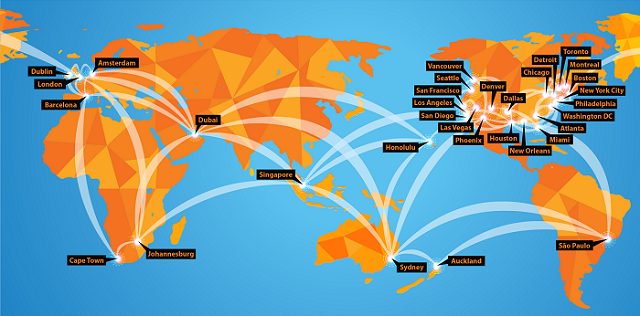
DigiMarCon is the Largest Digital Marketing, Media and Advertising Conference & Exhibition series in the world, with annual events held in all continents (North America, Latin America, Europe, UK, Asia Pacific, Middle East and Africa) in 13 countries (United States, Canada, Australia, New Zealand, United Kingdom, Ireland, Netherlands, Spain, Brazil, Singapore, India, United Arab Emirates and South Africa), across 33 cities (New York, Philadelphia, Boston, Toronto, Vancouver, Montreal, Houston, Dallas, Chicago, Los Angeles, San Francisco, Seattle, Washington DC, New Orleans, Atlanta, Detroit, Miami, Denver, San Diego, Phoenix, Las Vegas, Honolulu, London, Dublin, Amsterdam, Barcelona, Johannesburg, Cape Town, Dubai, Sydney, Auckland, Singapore and Sao Paulo). All DigiMarCon Events can be attended in-person or online. Wherever you are located there is a regional DigiMarCon event nearby you can attend.

DigiMarCon Conferences are held in top luxury 5-star event venues across the world such as; Royal Caribbean Cruise Ships, Olympic Stadiums, Marina Bay Sands Expo & Convention Centre and Wynn, JW Marriott, Marriott Marquis, Hyatt Regency, InterContinental, The Westin, Renaissance, Hilton, Conrad, W, Sheraton, Loews and Sofitel Hotel properties. Discount hotel room rates at each venue hotel means no hassle getting to and from the venue each day.

Building relationships matter! At DigiMarCon Conferences we have more networking breaks on our program than others. On average there are 8 Networking breaks at each event giving delegates ample opportunities in a relaxed atmosphere to meet others over the 2-days at the event; from 1-hour round table networking luncheons to 3-hour dinner receptions. These networking breaks are set in picturesque locations to facilitate memorable experiences while fostering new relationships. Such experiences include enjoying cocktails and the Sunset over the Pacific Ocean on a private Ocean Terrace in Santa Monica, to being on the Sydney Olympic Stadium playing arena at night enjoying cocktails under the lights, to dining at the 360 Revolving Restaurant at the top of the CN Tower in Toronto for a Dinner Reception, enjoying cocktails on a private promenade overlooking Times Square in New York City, or having fun at the Dazzles Night Club onboard the Royal Caribbean Oasis of the Seas for a Farewell Party, etc.
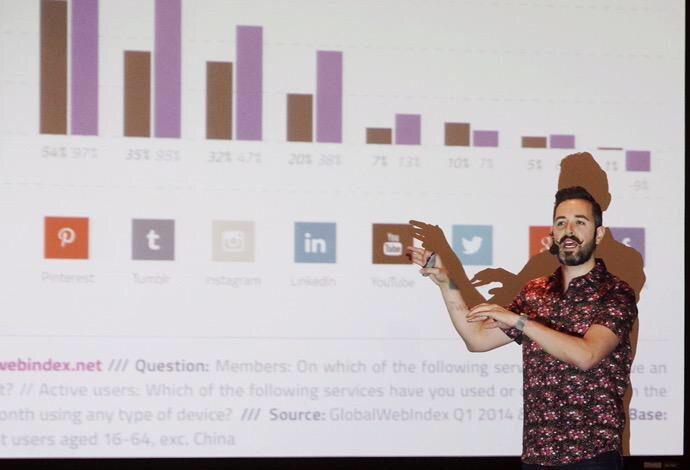
DigiMarCon Keynotes, Panels and Master Classes are facilitated by the foremost thought leaders in the industry, from celebrity social media influencers to CMO’s from the largest Fortune 500 company brands that are disrupting the digital marketing, media and advertising industry, such as Google, Facebook, Microsoft, Amazon, Oracle, Adobe, eBay, Netflix and more. All presentations are pitch-free, and include actionable takeaways, case studies, strategies and tactics, ready to be applied when back in the office.

At DigiMarCon Conferences you are never ‘left in the dark’…. literally, in a large room far away from the stage and speakers, crushed in tight theater seating, without even a table, while sitting in the dark. At DigiMarCon all delegates have premium meeting space in luxurious ballroom well-lit spaces, with comfortable seating with table enabling delegates to use their laptop to take notes with ample charging facilities onsite in a comfortable space to learn and thrive. All tables are situated close with direct view of the stage.

DigiMarCon Conferences are affordable to attend, from single-day event passes up to two-day VIP options at a fraction of the cost of other industry events. We offer significant discounts for early bird registrations. Additionally, on top of time-limited discount pass rates, because budgets are tight, we want to make sure all groups have a chance to attend DigiMarCon. For government employees, students, academic, startups, non-profit organizations and teams, we offer generous discounts off the prevailing registration price.

Attend DigiMarCon and you become part of the show! DigiMarCon Conferences tap into the talent of the room, drawing from the knowledge and experience of the professionals in the audience. All DigiMarCon events include regular interactive question and answer sessions with speakers and the audience ideal for collaboration, audience polls, along with ice-breaker and group exercises, steered by charismatic Emcees.

DigiMarCon Conferences put you right up and close with the speakers giving you the opportunity to meet these social media influencers which you follow in person. Speakers are never hidden in private speaker rooms away from the audience, they are in the auditorium sitting right beside you and participating.
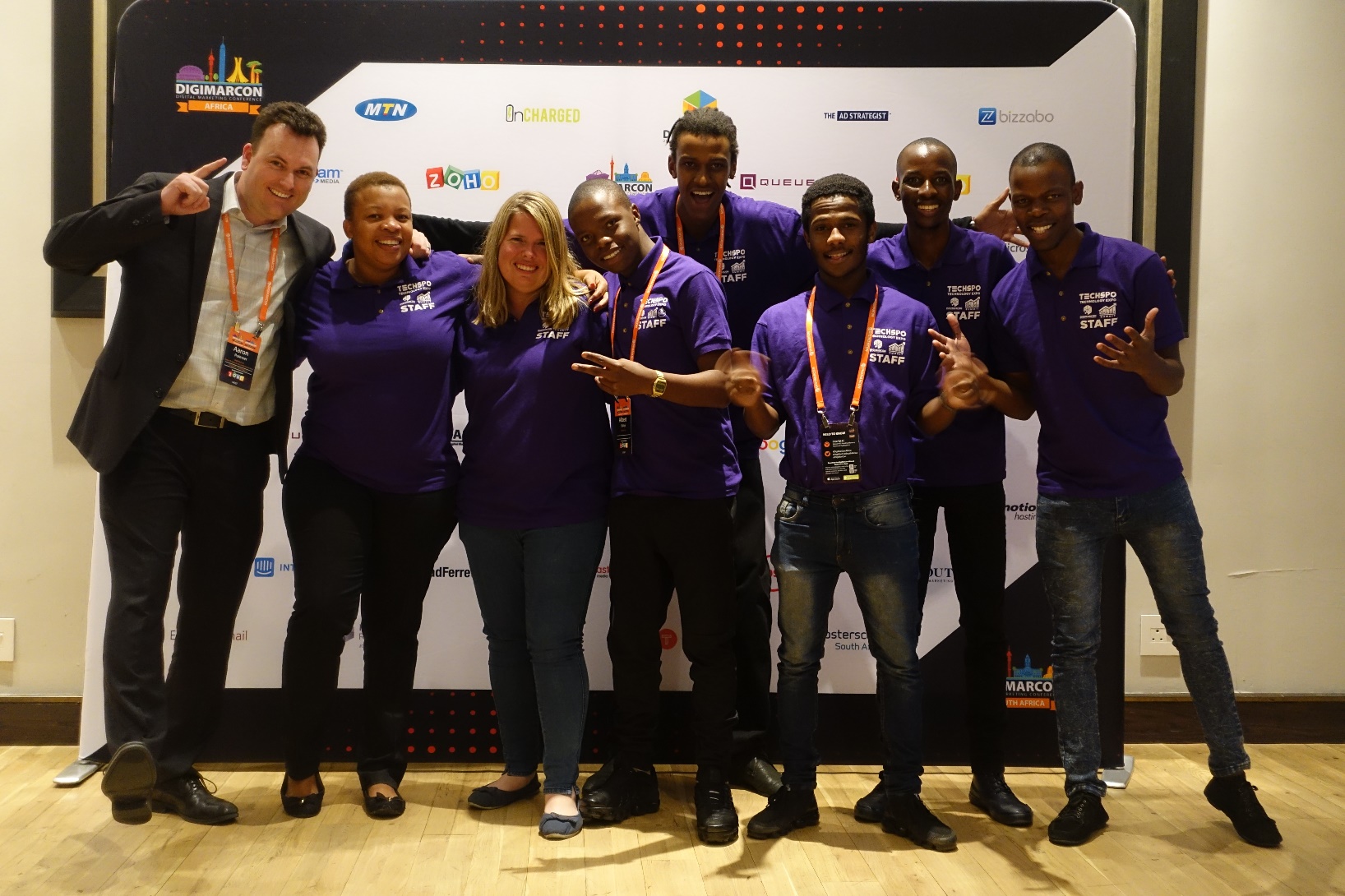
Attending a conference is a well-researched decision. There are many factors to consider such as location, time, venue, cost, speakers, content, etc. At DigiMarCon our results-obsessed Customer Service team are at your service before, during and after the event to help with your needs. It’s at the core of what we do — it drives our business. Offsite, we are ready to assist you via phone, ticket or chat. Onsite at our Conferences, friendly DigiMarCon staff serve as your hosts. They welcome your input and are happy to assist you.

At all DigiMarCon Conferences is the co-located exclusive event TECHSPO Technology Expo, which showcases the new generation of technology and innovation, including; AdTech, MarTech, Internet, Mobile and SaaS technologies. Be inspired, amazed and educated on how these evolving technologies will impact your business for the better. Unlimited Access to TECHSPO Technology Expo is included with all DigiMarCon passes.
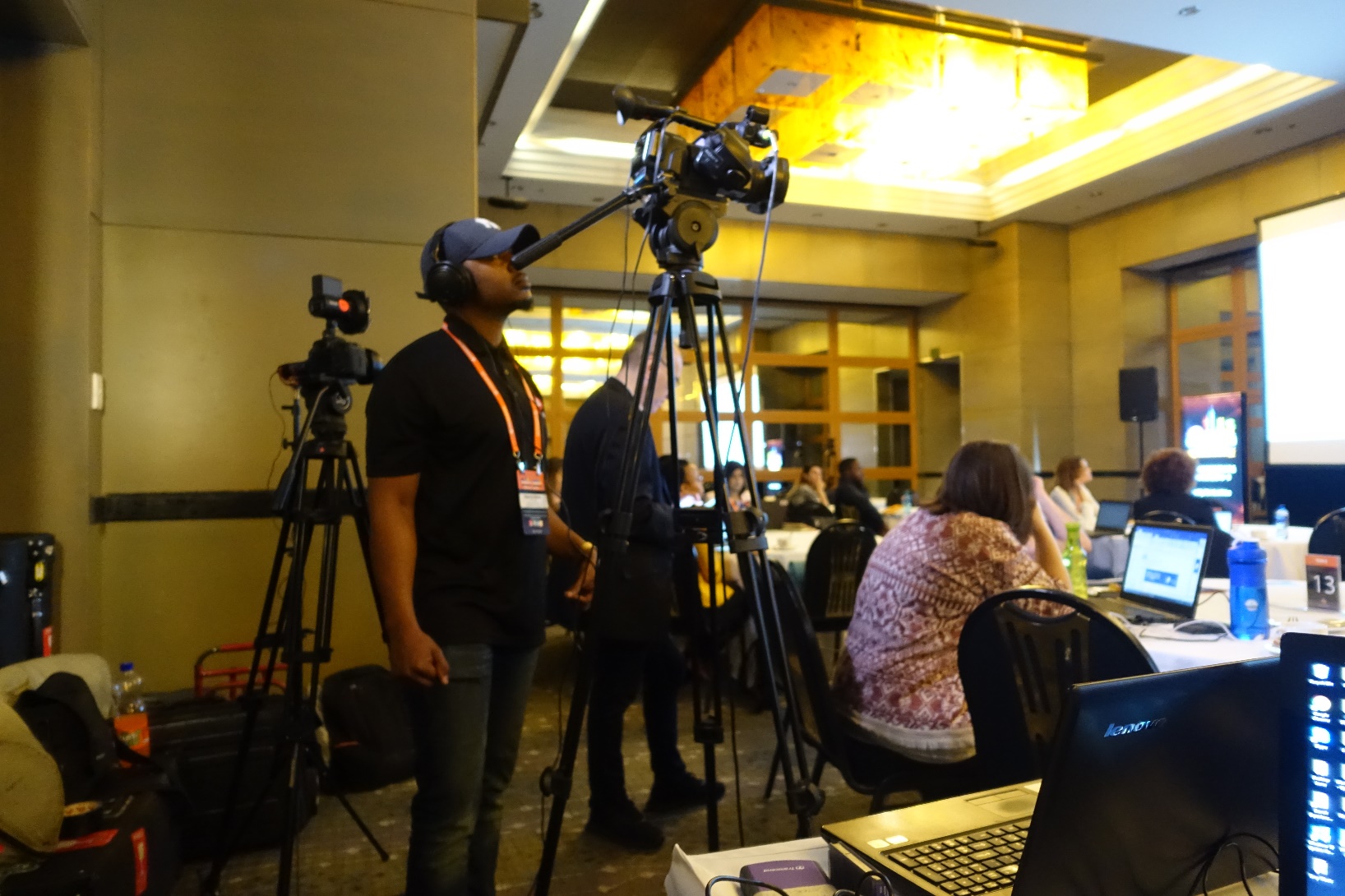
DigiMarCon All Access & VIP Passes include a 12-month on demand access to hundreds of hours of DigiMarCon speaker keynotes, panels and master class presentations from recent DigiMarCon Conferences, including videos, slide decks and key takeaways, available on demand so you can watch what you want, when you want.
Attendees of DigiMarcon Conferences gain membership to an exclusive global Digital Marketing, Media and Advertising Community of over 500,000 worldwide subscribers to our award-winning digital marketing blog and over 100,000 members to the International Association of Digital Marketing Professionals (visit https://iadmp.org). This global community comprises of innovators, senior marketers and branders, entrepreneurs, digital executives and professionals, web & mobile strategists, designers and web project managers, business leaders, business developers, agency executives and their teams and anyone else who operates in the digital community who leverage digital, mobile, and social media marketing. We provide updates to the latest whitepapers and industry reports to keep you updated on trends, innovation and best practice digital marketing.

The events industry has forever changed in a world affected by COVID-19. The health and safety of our guests, staff and community is our highest priority and paramount. The team at DigiMarCon is dedicated to ensuring a great experience at our in-person events, and that includes providing a safe, clean and hygienic environment for our delegates. Some of the key areas we have implemented safe and hygienic measures include;

DigiMarCon has always been industry leaders of the Hybrid Event experience for years (a hybrid event combines a "live" in-person event with a "virtual" online component), no one needs to miss out on attending our events. Each DigiMarCon Conference can be attended in-person (with a Main Conference, All Access or VIP Pass) or online (with a Virtual Pass) giving attendees a choice for the experience they want to have. Attending virtually by viewing a Live Stream or On Demand enables participation by people who might be unable to attend physically due to travel or time zone constraints or through a wish to reduce the carbon footprint of the event. If you would like to meet the speakers, network with fellow marketing professionals at refreshment breaks, luncheons and evening receptions, check out the latest Internet, Mobile, AdTech, MarTech and SaaS technologies providers exhibiting then it is highly recommended to attend DigiMarCon in-person. As the largest Digital Marketing, Media and Advertising Conference series with events in 33 international cities worldwide, across 13 countries, there is bound to be a DigiMarCon Event near you to attend in-person if you can.
DigiMarCon Conference Series is the annual gathering of the most powerful brands and senior agency executives in your region. The Sharpest Minds And The Most Influential Decision Makers - Together for Two Days.
Who Attends Our Conferences
Brands • Agencies • Solution & Service Providers • Media Owners • Publishers • Entrepreneurs • Start-Ups • Investors • Government • Corporates • Institutes of Higher Learning




Why Every Marketing Team Needs an AI Strategy Now
Did you know that generative technology could add a staggering USD 4.4 trillion to the global economy every year? This huge number shows a big change in how businesses work and compete today.
For today’s teams, moving to an AI-First Marketing approach is essential. Companies that don’t use these tools will fall behind. Their competitors will automate tasks and understand customers better.
The quick growth of artificial intelligence in marketing helps teams be more creative and handle routine tasks better. By using these smart systems, your team can focus on big plans, not just data work. Staying competitive means starting to use these smart tools now for growth and success.
The Paradigm Shift Toward AI-First Marketing
A big change is happening in marketing departments worldwide. McKinsey’s data shows AI adoption has grown to 72% by 2024. This fast growth shows that artificial intelligence in marketing is now a key part of doing business.
Defining the AI-First Mindset
Getting into an AI-First Marketing mindset means a big change. Instead of seeing tech as just a tool, teams see it as the foundational infrastructure of their business. This way, every campaign is built on smart data processing.
Leaders who adopt this mindset focus on building systems that learn. By using artificial intelligence in marketing at the core, companies get better over time. This is key to staying ahead in a busy digital world.
Moving Beyond Traditional Marketing Models
Old models often rely on manual work, which slows down and limits campaigns. With AI-First Marketing, teams can leave behind boring, repetitive tasks. This lets human experts focus on high-level strategy and creative thinking.
Now, smart systems handle big tasks like data analysis and spreading content. This change doesn’t replace marketers; it empowers the team to do more with less. By automating routine tasks, companies can use their top talent for growth.
Core Components of a Modern AI Marketing Strategy
A strong ai marketing strategy has three key parts. These parts are crucial for lasting success. Without them, technology investments often don’t meet expectations. By focusing on data, alignment, and ethics, teams can build a solid future.
Data Infrastructure and Quality Management
The quality of your data is what makes or breaks your AI. If your data is messy or wrong, your AI won’t work right. Clean, structured data is what powers good machine learning models.
To stay ahead, companies need to focus on these data practices:
Aligning AI Goals with Business Objectives
Technology should always serve a purpose. Over 70% of top executives say having the best AI is key to winning. But, this only works if AI goals match business goals.
Your ai marketing strategy needs to define success clearly. Whether it’s boosting sales or keeping customers, AI should help achieve these goals. Strategic alignment makes sure your money goes to what really matters, not just to try new things.
Establishing Ethical AI Guidelines
As brands use more advanced tools, keeping customer trust is crucial. Having clear ethical rules is key to protecting your brand and following data laws. Being open about how you use customer data is now a must.
Teams should be proactive about ethics by focusing on these areas:
Leveraging Machine Learning in Digital Marketing
The use of machine learning in digital marketing has changed how companies understand consumer data. It lets teams see patterns in data that humans can’t. This helps brands be proactive instead of just reacting.
Predictive Analytics for Customer Behavior
Predictive analytics is key for leveraging ai for marketing success. It uses past data to forecast what customers might want next. This way, marketers can send messages when they’re most relevant.
Automating Personalization at Scale
Today’s customers want experiences that feel made just for them. Machine learning helps brands personalize content for each user. Dynamic content delivery keeps marketing efforts effective and personal.
Optimizing Ad Spend with Algorithmic Bidding
Managing ad budgets manually is hard in today’s fast world. Algorithmic bidding adjusts bids in real-time for better results. By leveraging ai for marketing success, companies can get more value from their ads.
These tools give businesses a big advantage in a competitive market. They turn data into insights that help improve operations. Using these tools is now essential for leading in any industry.
Essential AI-Powered Marketing Tools for Teams
The right digital tools can change how your team works every day. AI-powered marketing tools help make complex tasks easier. They let teams focus on big ideas, not just the details.
Generative AI for Content Creation
Generative AI has changed how brands make content. Tools like Jasper or Copy.ai can write blog posts and social media fast. This saves time and money, keeping quality high.
These tools also let teams try out different ideas quickly. You can test various styles to see what works best. This quick testing is a big plus of ai-powered marketing tools.
Customer Relationship Management with AI Integration
Today’s CRM systems, like Salesforce or HubSpot, use AI to handle routine tasks. They automate data entry and lead scoring. This keeps your customer info current and lets your team focus on real connections.
AI CRMs also predict customer behavior. They show which leads are most likely to buy. Automating these tasks reduces mistakes and keeps your marketing smooth.
Advanced Analytics and Reporting Platforms
Good data analysis is key to making smart decisions. Tools like Tableau or Google Analytics 4 use AI to find hidden trends. These ai-powered marketing tools help marketers see how their efforts pay off.
These tools make complex data easy to understand. Teams can make better choices based on solid data. You don’t have to guess which strategies work best. Instead, you have exact, up-to-the-minute insights to guide you.
Key Benefits of AI in Marketing
Today, businesses see the benefits of AI in marketing go beyond just automating tasks. They can now make complex workflows smoother and their outreach efforts more precise.
Enhanced Efficiency and Productivity
Artificial intelligence quickly changes how we work. It takes over tasks that used to take up a lot of time. Marketing teams used to spend hours on things like data entry and simple list sorting.
Now, AI does these tasks for them. This means marketers can focus on more important things. They can work on high-value strategic initiatives and creative solutions. This leads to better results for the brand.
Improved Customer Experience and Engagement
The benefits of AI in marketing are also seen in how brands talk to their audience. AI helps send messages that really speak to each customer’s preferences.
AI can also spot customers who might leave before they do. This lets teams send special offers to keep them. This approach builds long-term loyalty and boosts engagement.
Data-Driven Decision Making
AI also gives leaders the insights they need to make quick, smart choices. They can look at real-time data instead of old reports. This means they can make decisions based on what’s happening now.
This way, marketing budgets go to the best places. By using the benefits of AI in marketing, companies can stand out in a busy digital world.
Implementing AI in Marketing Campaigns
To implement AI in marketing campaigns well, you need to know your current setup. Before buying new tools, set your goals and find what slows your team down. A solid ai marketing strategy guides you, making sure new tech fits your business needs.
Auditing Current Marketing Workflows
Start by checking your current processes. Look for tasks that take too much time, like entering data manually or scheduling content. By finding these tasks, you can see where AI can help most.
Focus on these areas during your audit:
Selecting the Right AI Technology Stack
After finding your needs, pick the right ai-powered marketing tools. Don’t try every new tool out there. Instead, choose ones that fit well with what you already use.
Look for tools that grow with you and support your goals. Whether it’s for predicting trends or creating content, aim for a unified system. A scattered set of tools can cause data problems and waste resources.
Training Teams for AI Collaboration
AI works best when people use it well. You need a team that sees AI as a collaborative partner, not a replacement. Invest in training that makes AI tools easy to understand and useful.
Let your team try new ways of working in a safe space. By promoting continuous learning, you help your team use AI to solve problems creatively. This approach keeps your team adaptable and competitive in a world where automation is growing.
Overcoming Challenges in AI Adoption
The benefits of artificial intelligence are clear, but the journey to full integration is not easy. Organizations face a complex mix of regulatory rules and internal hurdles. A proactive approach is key to implementing ai in marketing campaigns well and keeping public trust.
Addressing Data Privacy and Security Concerns
One big challenge is using customer data for AI models without breaking privacy laws. Companies must keep their data practices open and safe. Protecting consumer information is crucial for a brand’s reputation.
Teams should use strong encryption and anonymization to protect data. Clear rules help businesses use machine learning in digital marketing safely. Following laws like GDPR or CCPA is essential for any marketing team today.
Managing the Skills Gap in Marketing Departments
Technology changes fast, and teams often struggle to keep up. Many lack the skills to handle advanced AI tools. Companies tackle this by:
Creating a culture of learning helps teams adapt faster. When staff feels confident with new tools, the team works better.
Ensuring Human Oversight in Automated Processes
Automation is fast, but it can’t replace human judgment. Human oversight is vital to avoid mistakes and keep content true to the brand. Without humans, automated content might feel wrong or off-brand.
Regular checks on automated processes keep quality high. By keeping humans at the heart of machine learning in digital marketing, brands stay true. This balance is crucial for implementing ai in marketing campaigns for the long haul.
The Future of AI in Marketing
Looking ahead, the future of AI in marketing will change how businesses reach out to people. Technology is becoming more than just a tool for making things easier. It’s becoming the heart of how brands plan their strategies. Companies that get on board will lead the way in a new digital world.
The Evolution of Hyper-Personalization
Hyper-personalization is evolving beyond just using someone’s name in emails. It now means guessing what customers want based on their actions and current data. Brands can make every interaction fit each person’s needs perfectly.
This level of detail makes marketing feel useful, not annoying. People want brands to know their personal stories. Companies that get this right will see more sales and loyal customers.
Emerging Trends in Artificial Intelligence
New trends are changing how brands talk to their audience online. These changes make automated systems seem more alive and responsive than ever.
Preparing for Long-Term Competitive Advantage
To succeed, companies need to invest in a strong AI foundation now. By using AI for marketing success, they can get a lasting advantage. This means using advanced tech while keeping a human touch in brand experiences.
Leaders should aim for long-term growth, not just quick wins. The future of AI in marketing is for those who see tech as a creative partner. When humans and machines work together, the possibilities are endless.
Conclusion
Marketing teams now face a critical juncture where technology meets human creativity. This marks a shift from manual work to strategic planning in digital engagement.
The main perks of AI in marketing are better efficiency, deeper customer insights, and more personalized efforts. Brands like Salesforce and HubSpot can now offer value at an unmatched speed.
Successful companies see AI as a partner in creativity, not a replacement for human insight. This approach keeps brand messages real while using AI’s speed.
The future of AI in marketing goes to those who focus on ethical use and learning. Teams that get good at AI today will stay ahead in their fields.
Begin checking your workflows to see where AI can boost your work. Your path to a smarter, data-driven strategy starts with one step towards integration.
How Behavioral Marketing Can Improve Customer Engagement
Ever felt like a brand just doesn’t get you? You search for new shoes, but ads for things you’ve bought or don’t want flood your screen.
This experience is not just annoying; it makes us feel like mere data points. In fact, 82% of consumers have felt let down by companies due to messages that don’t match their interests or poor service.
Many businesses stick to old, transactional models, missing the mark. To bridge this gap, they’re embracing behavioral marketing to build stronger connections with their audience.
By examining how people interact with their sites, companies can move beyond generic ads. Behavioral marketing lets you tailor your approach to your customers’ actual needs. It’s time to stop guessing and start delivering experiences that truly connect.
The Fundamentals of Behavioral Marketing
Behavioral marketing shifts from guessing to observing what customers do. It uses real-time data to grasp the unique needs of each visitor. This method moves beyond broad assumptions.
By examining specific interactions, brands can ditch generic messages. This ensures every interaction feels personal and relevant to the user.
Defining Behavioral Marketing in the Modern Era
Behavioral marketing uses digital footprints to craft personalized experiences. Companies employ cookies to gather vital data like IP addresses and browsing history. This data helps them understand what users seek in real-time.
By tracking these patterns, marketers can serve highly relevant content. This content aligns with the user’s current interests.
Why Behavioral Data Outperforms Demographic Data
Demographic data offers a narrow view based on age, location, or gender. It’s useful for broad targeting but misses the nuanced intent behind a purchase.
Behavioral data, on the other hand, focuses on actual actions. These actions are stronger indicators of future buying habits. By focusing on what users do, companies can target those most likely to convert with greater precision.
This foundational knowledge is key for brands aiming to boost engagement. Aligning your strategy with actual user behavior leads to more efficient and profitable growth.
Core Principles of Consumer Behavior Analysis
Understanding consumer behavior analysis is key for brands to uncover the true intentions behind user actions. It moves beyond static profiles, giving a clearer view of what drives engagement or disengagement.
This shift focuses on what the customer does, not just who they are. It lays the groundwork for behavioral marketing that truly connects with users.
Identifying Patterns in Online User Activity
Every digital interaction leaves a trail that reveals user intent. Metrics like visit frequency, session depth, and specific product browsing are critical indicators of interest.
When a user returns to your site multiple times in a day, it often signals high purchase intent. On the other hand, a sudden drop in session depth might show a visitor is having trouble finding what they need.
Tracking these patterns helps marketers see if a customer is getting closer or leaving. Real-time data monitoring lets teams act quickly to prevent lost sales.
Psychological Triggers That Drive Purchasing Decisions
The ultimate goal of behavioral marketing is to understand the “why” behind user actions. By identifying patterns, you can tailor your messaging to match the psychological triggers that lead to a purchase.
For example, scarcity or social proof can be very effective when used at the right time. By analyzing consumer behavior analysis data, brands can meet these needs proactively, not just react to them.
This approach changes the brand-buyer relationship. It makes the experience seamless, intuitive, and highly personalized for each user.
Leveraging Data-Driven Marketing Strategies for Growth
Data-driven marketing strategies are now essential for companies looking to grow efficiently. They must go beyond just collecting data. Instead, they need to create a unified platform for all customer interactions.
Integrating Multi-Channel Data Sources
Connecting customer data across marketing, sales, service, and commerce is a key focus for today’s businesses. In fact, 29% of companies see this integration as their biggest hurdle. When these channels are separate, brands often provide disjointed experiences. These experiences often fall short of what consumers expect.
Centralizing data allows companies to gain a comprehensive view of the user journey. This approach enables more effective behavioral marketing. Teams can track how a customer moves from inquiry to repeat purchase. By breaking down these silos, every interaction becomes more relevant and timely.
Turning Raw Metrics into Actionable Insights
Raw data is just noise until it’s turned into a clear growth roadmap. Successful teams use behavioral marketing to spot patterns that signal future purchases. By analyzing these patterns, businesses can send proactive outreach that feels personal, not intrusive.
The aim is to turn complex metrics into sustainable revenue growth. When your data-driven marketing strategies align with user behavior, you reduce barriers and boost loyalty. This process transforms static numbers into a powerful tool for lasting success.
The Role of Customer Journey Mapping in Engagement
Effective behavioral marketing hinges on tracking and optimizing the entire customer lifecycle. By mapping out every interaction, companies gain insight into user motivations. This shift allows teams to focus on the human aspect of digital interactions, moving beyond mere metrics.
Visualizing the Path from Awareness to Advocacy
The journey starts when a prospect first discovers your brand and extends beyond the initial purchase. Customer journey mapping reveals this progression as a continuous loop, not a straight line. Visualizing these stages uncovers where users need more information or encouragement.
True advocacy happens when customers feel understood and valued at every stage. Aligning your content with these phases ensures your messaging stays relevant. This approach transforms casual browsers into loyal brand advocates who promote your services.
Identifying Friction Points in the User Experience
Even top marketing strategies falter with a poor user experience. Studies indicate that 75% of consumers are deterred by disorganized experiences, like being shuffled between teams for a single issue. These hurdles erode trust and push users toward competitors.
To boost engagement, auditing touchpoints is key to finding where users lose interest or face delays. Whether it’s slow support or a confusing checkout, these hurdles must be cleared. Streamlining these interactions is vital for a seamless experience that keeps customers coming back.
Implementing Effective User Segmentation Techniques
Success in behavioral marketing relies on segmenting users by their actions, not just demographics. This move away from static lists allows for dynamic user segmentation. It enables brands to offer content that feels personal and timely. This approach ensures every interaction adds value to the customer experience.
Segmenting by Purchase History and Frequency
Segmenting customers by their buying history offers a clear path for future engagement. Analyzing purchase frequency helps tailor messages to each user’s lifecycle stage. Data reveals that 31% of consumers value personalized shopping experiences, leading to loyalty.
By focusing on purchase frequency, you can identify one-time buyers versus loyal customers. This consumer profiling allows for targeted re-engagement offers and exclusive rewards. Such precision maximizes your marketing budget’s impact.
Behavioral Clustering for High-Value Customers
Advanced user segmentation uses behavioral clustering to pinpoint your most valuable users. This method groups individuals based on complex patterns, like product browsing and feature interactions. By identifying these clusters, you can craft highly relevant campaigns that meet their unique needs.
Behavioral marketing excels when top-tier customers receive specialized attention. Instead of generic messages, offer them early access to new products or personalized recommendations. This approach boosts immediate sales and builds long-term advocacy among your most critical audience segments.
Utilizing Predictive Analytics to Anticipate Needs
Modern engagement aims to guess what a customer wants before they look for it. By using predictive analytics, brands can move from simple observation to meaningful action. This shift keeps companies relevant in a digital world filled with competition.
Forecasting Future Buying Intentions
Data reveals that 78% of businesses see AI as key to keeping customers. Yet, many face challenges in optimizing in real-time. Advanced models spot subtle signs, like a drop in session frequency or browsing pattern changes, to predict when customers might leave. Identifying these patterns lets teams act before a customer decides to go.
These insights guide future interactions. Knowing a user’s intent allows for personalized approaches. This behavioral marketing keeps your brand at the forefront of the consumer’s mind.
Automating Proactive Outreach Campaigns
Scaling operations requires moving from manual to intelligent, automated engagement. Automation tools send personalized messages when certain behaviors are met. This ensures timely and relevant communication at each stage.
Using predictive analytics for these campaigns boosts customer lifetime value. Proactive outreach turns disconnected events into a unified journey. Adopting this behavioral marketing fosters loyalty and trust with your audience.
Best Practices for Personalized Marketing Campaigns
Statistics reveal that 58% of consumers find most marketing emails irrelevant, leading to low engagement. To address this, brands must adopt personalized marketing strategies focusing on individual needs over mass audiences. By moving from generic templates to tailored content, companies can build stronger connections with their audience.
Crafting Relevant Content for Specific User Personas
Creating effective content demands a deep dive into a customer’s history, not just their latest purchase. Analyzing their entire journey allows for messages that are genuinely helpful, not intrusive. This method ensures every interaction enhances the user’s experience.
By applying behavioral marketing, you can craft messages that resonate with specific user interests and challenges. Instead of a one-size-fits-all approach, segment your audience based on their unique interactions. This personal touch transforms generic outreach into a highly relevant conversation, fostering long-term loyalty.
Timing Your Communications for Maximum Impact
Timing is as important as content when aiming to grab a user’s attention. Each customer has a unique rhythm for engagement, and messages sent during their peak activity windows boost conversion chances. Consistency in tracking these patterns enables automated outreach at the user’s most receptive moments.
Using personalized marketing tools helps pinpoint these optimal times for each individual. Aligning your messaging with users’ natural habits reduces friction and enhances campaign success. Integrating these behavioral marketing insights keeps your brand relevant without adding to digital noise.
Ethical Considerations in Targeted Advertising
Brands face a significant challenge in balancing effective outreach with user privacy. As digital landscapes evolve, how companies handle consumer information shapes their market reputation. Implementing targeted advertising demands a commitment to high ethical standards, prioritizing the user experience above all else.
Maintaining Transparency in Data Collection
Modern data gathering relies on consent management platforms. These tools ensure behavioral marketing activities align with user preferences and strict privacy regulations like GDPR. By clearly explaining data collection and its purpose, companies demystify digital tracking.
Transparency is the cornerstone of a healthy digital ecosystem. When users grasp the value exchange, they’re more likely to engage with personalized content. Clear opt-in and opt-out choices empower individuals to manage their digital footprint.
Building Trust Through Responsible Data Usage
Ethical data usage is more than a legal requirement; it’s a significant competitive advantage in a crowded marketplace. Brands that respect consumer information build deeper, more meaningful relationships. This transforms passive observers into loyal brand advocates over time.
Ultimately, behavioral marketing must be grounded in integrity to thrive. By prioritizing user privacy, businesses can avoid intrusive practices while delivering relevant experiences. This trust is the key to long-term growth in an increasingly privacy-conscious world.
Conclusion
Digital success hinges on transforming raw data into meaningful human experiences. Brands like Amazon and Netflix show that anticipating user needs before they ask adds immense value. This shift towards behavioral marketing helps companies go beyond simple transactions.
You now have the tools to forge lasting, profitable relationships with your audience. Unified data sets and real-time segmentation lay the groundwork for this evolution. By focusing on the quality of every interaction, your business gains a unique advantage in the digital world.
Embracing a strategy based on behavioral marketing ensures your outreach remains relevant and timely. Trust grows when users feel understood, not just targeted. Begin refining your approach today to secure long-term loyalty and sustainable growth. Your customers are eagerly waiting for a brand that truly listens to their needs.
FAQ
Why is behavioral marketing considered a vital tool for modern brands like Netflix and Amazon?
How does behavioral data differ from traditional demographic data in consumer profiling?
What specific insights can be gained through detailed consumer behavior analysis?
Why is a unified data foundation necessary for effective personalized marketing?
How does customer journey mapping help identify friction points in the user experience?
What are the advantages of using behavioral clustering for user segmentation?
How can predictive analytics prevent customer churn?
What are the best practices for timing communications in personalized marketing campaigns?
How does maintaining transparency in targeted advertising build long-term consumer trust?