 View Upcoming Digital Marketing, Media and Advertising Conferences & Exhibitions
 Phone:
Posts Tagged "Personalized Marketing"



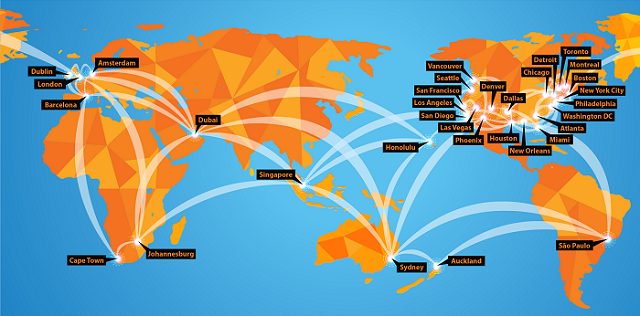
DigiMarCon is the Largest Digital Marketing, Media and Advertising Conference & Exhibition series in the world, with annual events held in all continents (North America, Latin America, Europe, UK, Asia Pacific, Middle East and Africa) in 13 countries (United States, Canada, Australia, New Zealand, United Kingdom, Ireland, Netherlands, Spain, Brazil, Singapore, India, United Arab Emirates and South Africa), across 33 cities (New York, Philadelphia, Boston, Toronto, Vancouver, Montreal, Houston, Dallas, Chicago, Los Angeles, San Francisco, Seattle, Washington DC, New Orleans, Atlanta, Detroit, Miami, Denver, San Diego, Phoenix, Las Vegas, Honolulu, London, Dublin, Amsterdam, Barcelona, Johannesburg, Cape Town, Dubai, Sydney, Auckland, Singapore and Sao Paulo). All DigiMarCon Events can be attended in-person or online. Wherever you are located there is a regional DigiMarCon event nearby you can attend.

DigiMarCon Conferences are held in top luxury 5-star event venues across the world such as; Royal Caribbean Cruise Ships, Olympic Stadiums, Marina Bay Sands Expo & Convention Centre and Wynn, JW Marriott, Marriott Marquis, Hyatt Regency, InterContinental, The Westin, Renaissance, Hilton, Conrad, W, Sheraton, Loews and Sofitel Hotel properties. Discount hotel room rates at each venue hotel means no hassle getting to and from the venue each day.

Building relationships matter! At DigiMarCon Conferences we have more networking breaks on our program than others. On average there are 8 Networking breaks at each event giving delegates ample opportunities in a relaxed atmosphere to meet others over the 2-days at the event; from 1-hour round table networking luncheons to 3-hour dinner receptions. These networking breaks are set in picturesque locations to facilitate memorable experiences while fostering new relationships. Such experiences include enjoying cocktails and the Sunset over the Pacific Ocean on a private Ocean Terrace in Santa Monica, to being on the Sydney Olympic Stadium playing arena at night enjoying cocktails under the lights, to dining at the 360 Revolving Restaurant at the top of the CN Tower in Toronto for a Dinner Reception, enjoying cocktails on a private promenade overlooking Times Square in New York City, or having fun at the Dazzles Night Club onboard the Royal Caribbean Oasis of the Seas for a Farewell Party, etc.
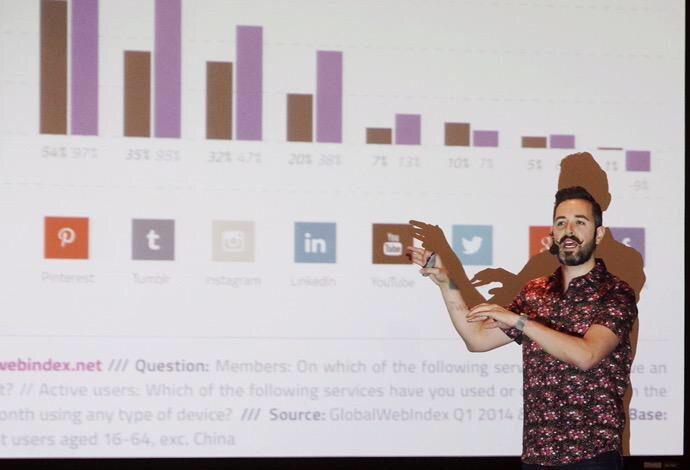
DigiMarCon Keynotes, Panels and Master Classes are facilitated by the foremost thought leaders in the industry, from celebrity social media influencers to CMO’s from the largest Fortune 500 company brands that are disrupting the digital marketing, media and advertising industry, such as Google, Facebook, Microsoft, Amazon, Oracle, Adobe, eBay, Netflix and more. All presentations are pitch-free, and include actionable takeaways, case studies, strategies and tactics, ready to be applied when back in the office.
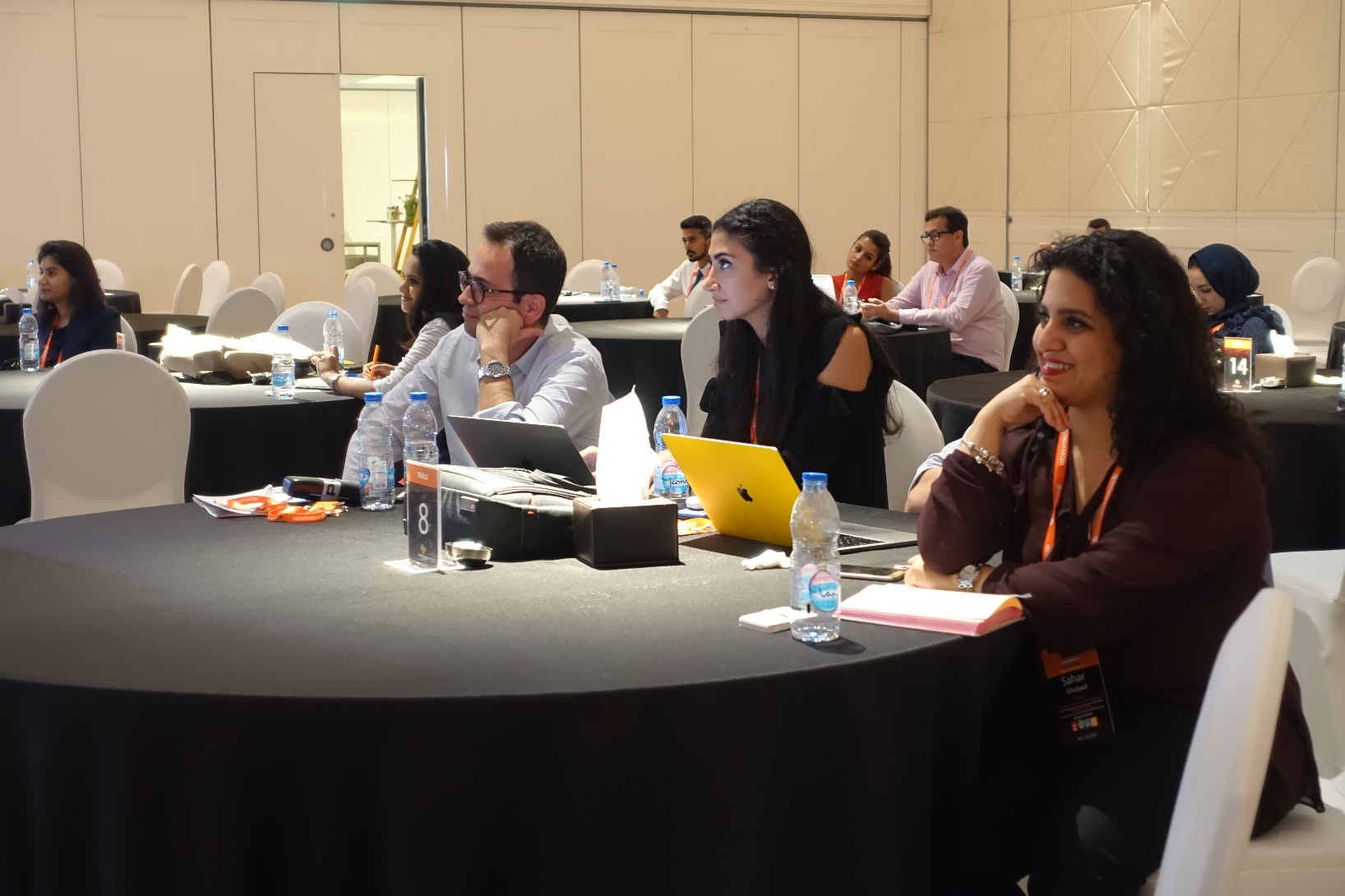
At DigiMarCon Conferences you are never ‘left in the dark’…. literally, in a large room far away from the stage and speakers, crushed in tight theater seating, without even a table, while sitting in the dark. At DigiMarCon all delegates have premium meeting space in luxurious ballroom well-lit spaces, with comfortable seating with table enabling delegates to use their laptop to take notes with ample charging facilities onsite in a comfortable space to learn and thrive. All tables are situated close with direct view of the stage.

DigiMarCon Conferences are affordable to attend, from single-day event passes up to two-day VIP options at a fraction of the cost of other industry events. We offer significant discounts for early bird registrations. Additionally, on top of time-limited discount pass rates, because budgets are tight, we want to make sure all groups have a chance to attend DigiMarCon. For government employees, students, academic, startups, non-profit organizations and teams, we offer generous discounts off the prevailing registration price.
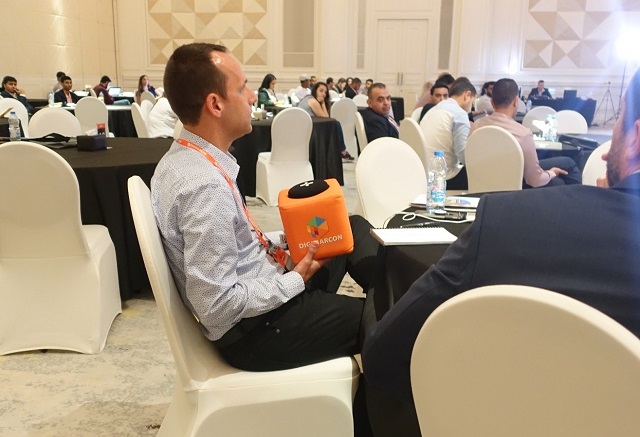
Attend DigiMarCon and you become part of the show! DigiMarCon Conferences tap into the talent of the room, drawing from the knowledge and experience of the professionals in the audience. All DigiMarCon events include regular interactive question and answer sessions with speakers and the audience ideal for collaboration, audience polls, along with ice-breaker and group exercises, steered by charismatic Emcees.

DigiMarCon Conferences put you right up and close with the speakers giving you the opportunity to meet these social media influencers which you follow in person. Speakers are never hidden in private speaker rooms away from the audience, they are in the auditorium sitting right beside you and participating.
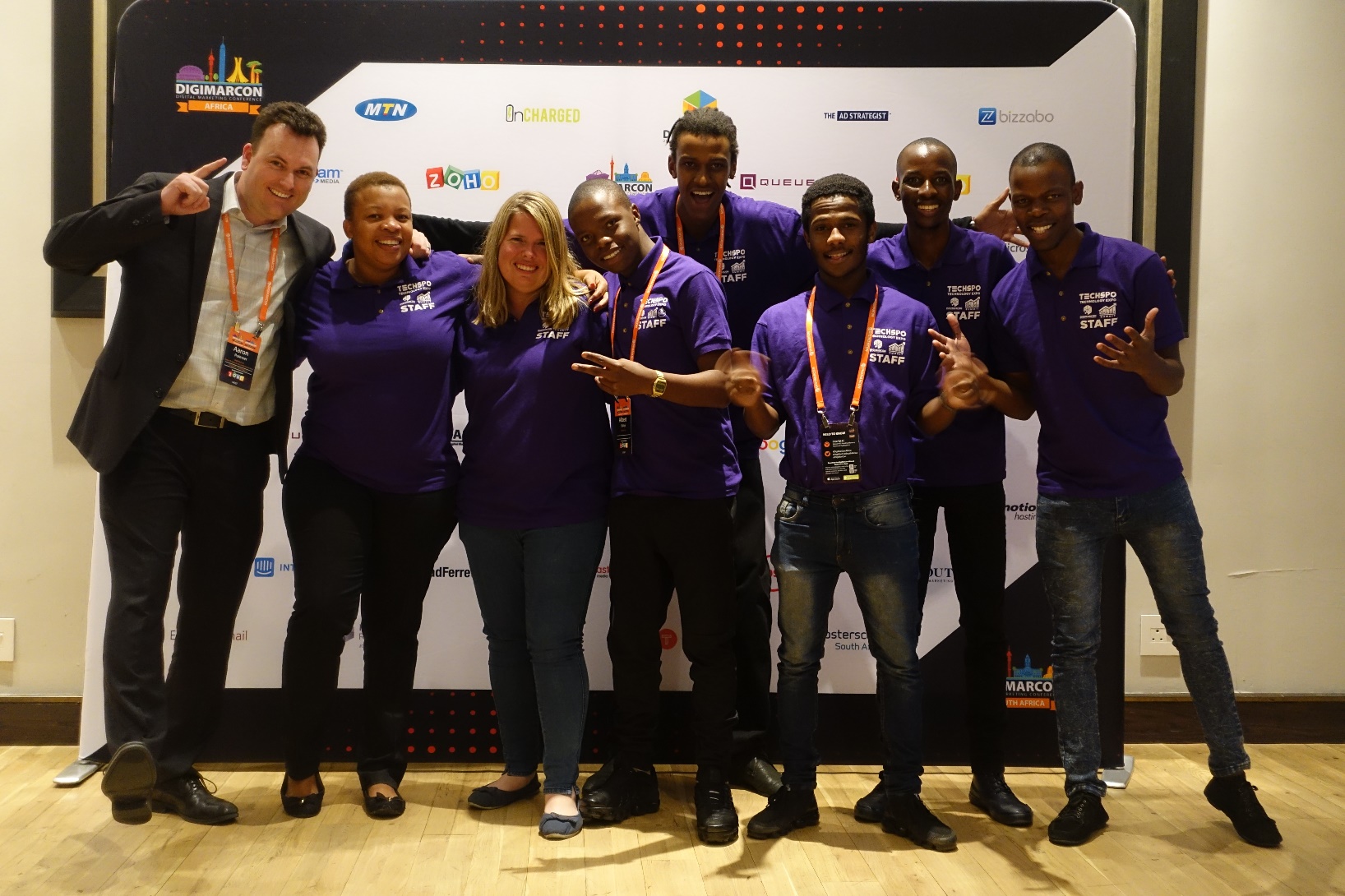
Attending a conference is a well-researched decision. There are many factors to consider such as location, time, venue, cost, speakers, content, etc. At DigiMarCon our results-obsessed Customer Service team are at your service before, during and after the event to help with your needs. It’s at the core of what we do — it drives our business. Offsite, we are ready to assist you via phone, ticket or chat. Onsite at our Conferences, friendly DigiMarCon staff serve as your hosts. They welcome your input and are happy to assist you.

At all DigiMarCon Conferences is the co-located exclusive event TECHSPO Technology Expo, which showcases the new generation of technology and innovation, including; AdTech, MarTech, Internet, Mobile and SaaS technologies. Be inspired, amazed and educated on how these evolving technologies will impact your business for the better. Unlimited Access to TECHSPO Technology Expo is included with all DigiMarCon passes.
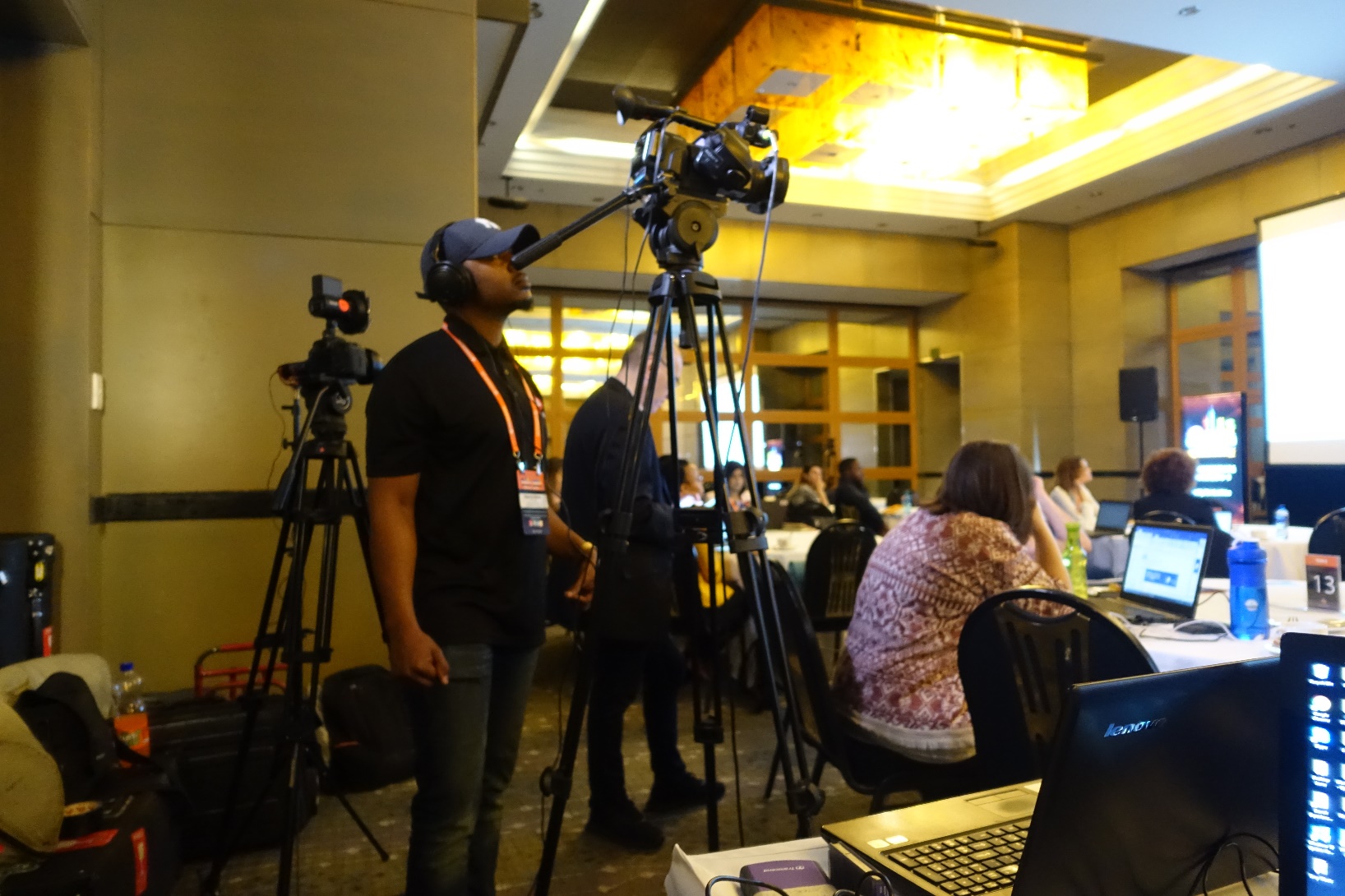
DigiMarCon All Access & VIP Passes include a 12-month on demand access to hundreds of hours of DigiMarCon speaker keynotes, panels and master class presentations from recent DigiMarCon Conferences, including videos, slide decks and key takeaways, available on demand so you can watch what you want, when you want.

Attendees of DigiMarcon Conferences gain membership to an exclusive global Digital Marketing, Media and Advertising Community of over 500,000 worldwide subscribers to our award-winning digital marketing blog and over 100,000 members to the International Association of Digital Marketing Professionals (visit https://iadmp.org). This global community comprises of innovators, senior marketers and branders, entrepreneurs, digital executives and professionals, web & mobile strategists, designers and web project managers, business leaders, business developers, agency executives and their teams and anyone else who operates in the digital community who leverage digital, mobile, and social media marketing. We provide updates to the latest whitepapers and industry reports to keep you updated on trends, innovation and best practice digital marketing.

The events industry has forever changed in a world affected by COVID-19. The health and safety of our guests, staff and community is our highest priority and paramount. The team at DigiMarCon is dedicated to ensuring a great experience at our in-person events, and that includes providing a safe, clean and hygienic environment for our delegates. Some of the key areas we have implemented safe and hygienic measures include;

DigiMarCon has always been industry leaders of the Hybrid Event experience for years (a hybrid event combines a "live" in-person event with a "virtual" online component), no one needs to miss out on attending our events. Each DigiMarCon Conference can be attended in-person (with a Main Conference, All Access or VIP Pass) or online (with a Virtual Pass) giving attendees a choice for the experience they want to have. Attending virtually by viewing a Live Stream or On Demand enables participation by people who might be unable to attend physically due to travel or time zone constraints or through a wish to reduce the carbon footprint of the event. If you would like to meet the speakers, network with fellow marketing professionals at refreshment breaks, luncheons and evening receptions, check out the latest Internet, Mobile, AdTech, MarTech and SaaS technologies providers exhibiting then it is highly recommended to attend DigiMarCon in-person. As the largest Digital Marketing, Media and Advertising Conference series with events in 33 international cities worldwide, across 13 countries, there is bound to be a DigiMarCon Event near you to attend in-person if you can.
DigiMarCon Conference Series is the annual gathering of the most powerful brands and senior agency executives in your region. The Sharpest Minds And The Most Influential Decision Makers - Together for Two Days.
Who Attends Our Conferences
Brands • Agencies • Solution & Service Providers • Media Owners • Publishers • Entrepreneurs • Start-Ups • Investors • Government • Corporates • Institutes of Higher Learning



How Zero-Party Data Is Reshaping Digital Marketing.
We’ve all felt the unease of being followed by ads online. For years, the internet used hidden tracking that made us feel exposed. Now, things are changing for the better.
Businesses in the U.S. are moving away from sneaky tracking. They’re choosing a path of transparency and mutual respect. This lets them build real loyalty by asking customers what they want.
Zero-Party Data is at the center of this change. It lets brands give the personalized experiences we all want. Using Zero-Party Data is key to success in today’s privacy-focused world. It builds trust for everyone.
Defining Zero-Party Data in the Modern Ecosystem
At the heart of modern marketing is a special type of information. Users choose to share this directly with a brand. This idea, called Zero-Party Data, was first mentioned by Forrester Research. It’s about information a customer gives willingly.
This data is different from other types because it’s given directly. When a customer shares their likes or plans to buy, they’re telling the brand how to treat them.
Zero-Party Data is a part of first-party data. But it’s special because brands don’t have to guess what users want. It’s given directly.
By using this direct input, companies can really understand what customers want. This proactive sharing leads to experiences that are both personal and respectful.
Using Zero-Party Data also helps brands avoid tracking that feels invasive. It builds a relationship based on trust. Customers feel in control of their journey with the company.
The Shift from Third-Party Cookies to Zero-Party Data
The end of third-party cookies is a big chance for brands to connect directly with their audience. For years, marketers used tracking pixels and cookies to follow users. But now, big browsers are blocking these tools to protect user privacy.
Changes in laws and updates like Apple’s App Tracking Transparency have made old tracking methods less useful. This technical shift forces companies to abandon outdated habits and find new ways to engage their customers. So, many businesses are focusing on Zero-Party Data to stay ahead.
This method is different because it uses information customers share willingly. By asking for preferences directly, companies can offer personalized experiences without breaking privacy rules. This method often works with first-party data, which is collected when customers interact directly with a company’s website or app.
Switching to Zero-Party Data helps brands take back control of their marketing. It shifts focus from spying to meaningful, consent-based communication. While first-party data is important, zero-party data gives deeper insights into what customers want and need.
Why Zero-Party Data Is Reshaping Digital Marketing Strategies
Using Zero-Party Data changes how companies talk to their audience. It focuses on info customers choose to share. This way, brands can trust their audience more and understand what they like better.
When customers share their interests, brands can offer more relevant experiences. This makes interactions feel more genuine and helpful. It’s a big step away from feeling like you’re being watched.
Switching to Zero-Party Data makes marketing more accurate and effective. It’s better than guessing what people want. This way, every message is exactly what someone needs to hear.
Using Zero-Party Data helps brands make their marketing better. They see more people buying from them and staying loyal. It’s a smart move that makes talking to customers more meaningful.
Distinguishing Zero-Party Data from First-Party Data
Zero-Party Data and first-party data are both important but different. Knowing the difference helps brands improve their online strategies. It lets them connect better with their audience.
First-party data comes from your audience directly through your own sites. It includes things like website visits and past purchases. It shows what a customer has done on your site.
Zero-Party Data, on the other hand, is data customers share on purpose. This could be their preferences or interests. It’s a special part of your first-party data because users choose to share it.
The big difference is the intent behind the data. First-party data is often guessed from actions. Zero-party data is given by the user. Knowing this helps marketers use their data better, making every piece count in the customer’s journey.
Ethical Data Practices and the Importance of Consent
In today’s digital world, data privacy is key to a brand’s reputation. Companies that focus on ethical data practices stand out in a crowded market. They show respect for their users by handling data carefully.
Global laws like the GDPR and CCPA require clear data use. These rules make sure companies are responsible for consumer data. Following these laws is not just about avoiding fines; it’s about protecting your audience.
Getting clear data consent is the best way to build trust with customers. By asking for permission, you give users control over their online presence. This transparency builds lasting confidence in your brand.
Adopting ethical data practices goes beyond just following rules. It creates a culture where data privacy is a shared value. This ensures that consumer data is collected legally and with respect.
Putting data consent first changes how people see your business. When customers feel safe and informed, they’re more willing to share data. By choosing transparency, you build a sustainable future for your marketing.
Effective Data Collection Methods for Modern Brands
Collecting data is now about starting a conversation, not just tracking. Modern brands are moving from passive observation to active engagement. This way, they gather consumer data more accurately by asking users about their interests.
Interactive surveys are key in this shift. They help businesses get valuable customer insights while keeping privacy in mind. When customers feel they’re part of a dialogue, they share more honestly.
It’s vital to follow ethical data practices for lasting success. Brands must be transparent in every interaction. When users know why their info is needed, they’re more willing to share.
Preference centers are another strong tool for managing data consent. They let customers pick what content they want. This approach builds trust and respect between brands and users.
Progressive profiling is the last piece of this strategy. It collects small bits of info over time instead of asking for everything at once. This keeps consumer data fresh and relevant. By focusing on ethical data practices and clear data consent, companies can build a win-win situation for everyone.
Enhancing Customer Interactions Through Personalization
The key to turning a generic brand into a loyal customer is personalized marketing. Companies start treating each user as an individual with unique needs. They use first-party data and direct insights to craft messages that really connect.
Progressive profiling is a key tool in this effort. It collects small pieces of info over time instead of asking for a lot upfront. This builds a detailed Customer-360 view that grows with the user. So, customer interactions become smoother and more helpful.
When a brand knows what you like, it can send content that matches your interests. This makes every email, product suggestion, or ad feel like it’s made just for you. This level of care leads to deeper engagement and satisfaction online.
The aim is to make experiences that value the user’s time and attention. By using first-party data well, businesses can meet needs before they’re even asked. This approach to personalized marketing turns basic customer interactions into strong, lasting bonds.
Overcoming Challenges in Consumer Data Acquisition
Getting high-quality consumer data is tough for brands today. They struggle to get useful insights while keeping data privacy in mind. This problem often comes from systems that don’t work together well.
Keeping data consistent across all platforms is a big technical challenge. When data is split up in different places, it’s hard to keep it accurate. Centralizing information is the best way to fix this and have one true source for the whole company.
By making data easier to store and access, brands can protect data privacy better. This also makes their outreach more effective. So, every interaction with customers is based on the latest and most accurate information.
This leads to more meaningful customer interactions that keep customers coming back. In the end, the aim is to have a strong system that helps the business grow and follow rules. When brands focus on clean consumer data, they lower the chance of mistakes and gain more trust from their audience. Investing in these systems is key for any brand wanting to improve its customer interactions in a competitive world.
Leveraging Zero-Party Data for Predictive Analytics
Companies can guess less and know more by using zero-party data. This method relies on what customers choose to share. It turns this shared info into a strong tool for predicting what they might do next.
When businesses mix this shared data with their own first-party data, they get a full picture of the customer. This mix leads to better guesses about what customers might buy and how long they’ll stay. Because the data comes straight from the user, it’s cleaner and more reliable than guessed data.
Marketers can fine-tune their personalized marketing with these exact insights. Instead of sending out broad messages, they can send messages that really speak to what their audience likes. This way, they focus on interactions that truly matter to the customer.
Improving your data collection methods is key to keeping your predictions sharp. As you get better at gathering accurate data, you’ll be able to predict trends more accurately. This move toward openness and direct talk gives you a sustainable advantage in the digital world.
Building Long-Term Brand Loyalty Through Transparency
In today’s digital world, transparency is key. It’s about how brands handle our personal info. Being open about data privacy shows they care more about honesty than making a quick buck. This change in how they talk to us makes them more relatable.
Letting users control their data consent is a big step. When people feel they have a say in what info they share, they’re more likely to get involved with a brand. This makes their relationship with the brand more than just a transaction; it becomes a meaningful partnership.
Using ethical data practices can really set a brand apart. Brands that protect user info tend to keep their customers longer and build stronger bonds. Showing integrity makes being compliant a key part of their identity.
Quality customer interactions start with trust built through clear talk. When a brand shows it can be trusted with our personal info, it gets to offer more tailored experiences. This builds a cycle of trust and value, leading to lasting loyalty.
Conclusion
The digital world is changing fast, making direct connections with customers key. Brands that adapt and move away from old tracking methods stand out. They succeed by putting data privacy at the heart of their business.
Putting data consent first helps companies connect genuinely with people. When customers feel they control their data, they share better insights. This leads to personal experiences that keep customers coming back.
For today’s businesses, using data ethically is essential. Companies like Sephora and Nike show how being open builds a strong brand. By focusing on the user, they pave the way for success in a world that values privacy.
It’s time to check how you collect data now. Make sure your goals match what customers want. This way, your brand stays relevant and trusted. Begin building a future where every touchpoint adds value to the customer’s journey.