 View Upcoming Digital Marketing, Media and Advertising Conferences & Exhibitions
 Phone:
Posts Tagged "Social commerce technology"



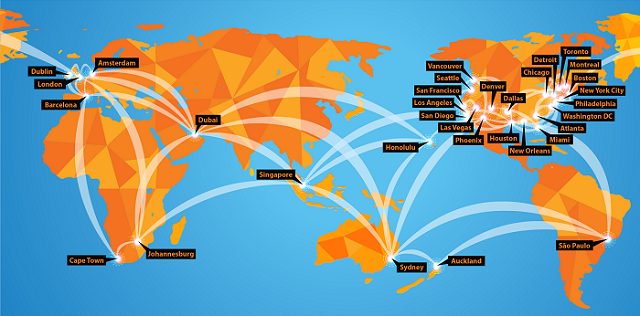
DigiMarCon is the Largest Digital Marketing, Media and Advertising Conference & Exhibition series in the world, with annual events held in all continents (North America, Latin America, Europe, UK, Asia Pacific, Middle East and Africa) in 13 countries (United States, Canada, Australia, New Zealand, United Kingdom, Ireland, Netherlands, Spain, Brazil, Singapore, India, United Arab Emirates and South Africa), across 33 cities (New York, Philadelphia, Boston, Toronto, Vancouver, Montreal, Houston, Dallas, Chicago, Los Angeles, San Francisco, Seattle, Washington DC, New Orleans, Atlanta, Detroit, Miami, Denver, San Diego, Phoenix, Las Vegas, Honolulu, London, Dublin, Amsterdam, Barcelona, Johannesburg, Cape Town, Dubai, Sydney, Auckland, Singapore and Sao Paulo). All DigiMarCon Events can be attended in-person or online. Wherever you are located there is a regional DigiMarCon event nearby you can attend.

DigiMarCon Conferences are held in top luxury 5-star event venues across the world such as; Royal Caribbean Cruise Ships, Olympic Stadiums, Marina Bay Sands Expo & Convention Centre and Wynn, JW Marriott, Marriott Marquis, Hyatt Regency, InterContinental, The Westin, Renaissance, Hilton, Conrad, W, Sheraton, Loews and Sofitel Hotel properties. Discount hotel room rates at each venue hotel means no hassle getting to and from the venue each day.

Building relationships matter! At DigiMarCon Conferences we have more networking breaks on our program than others. On average there are 8 Networking breaks at each event giving delegates ample opportunities in a relaxed atmosphere to meet others over the 2-days at the event; from 1-hour round table networking luncheons to 3-hour dinner receptions. These networking breaks are set in picturesque locations to facilitate memorable experiences while fostering new relationships. Such experiences include enjoying cocktails and the Sunset over the Pacific Ocean on a private Ocean Terrace in Santa Monica, to being on the Sydney Olympic Stadium playing arena at night enjoying cocktails under the lights, to dining at the 360 Revolving Restaurant at the top of the CN Tower in Toronto for a Dinner Reception, enjoying cocktails on a private promenade overlooking Times Square in New York City, or having fun at the Dazzles Night Club onboard the Royal Caribbean Oasis of the Seas for a Farewell Party, etc.
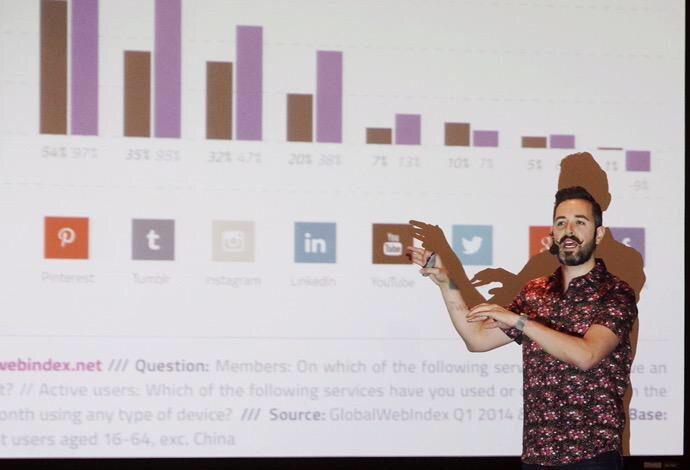
DigiMarCon Keynotes, Panels and Master Classes are facilitated by the foremost thought leaders in the industry, from celebrity social media influencers to CMO’s from the largest Fortune 500 company brands that are disrupting the digital marketing, media and advertising industry, such as Google, Facebook, Microsoft, Amazon, Oracle, Adobe, eBay, Netflix and more. All presentations are pitch-free, and include actionable takeaways, case studies, strategies and tactics, ready to be applied when back in the office.

At DigiMarCon Conferences you are never ‘left in the dark’…. literally, in a large room far away from the stage and speakers, crushed in tight theater seating, without even a table, while sitting in the dark. At DigiMarCon all delegates have premium meeting space in luxurious ballroom well-lit spaces, with comfortable seating with table enabling delegates to use their laptop to take notes with ample charging facilities onsite in a comfortable space to learn and thrive. All tables are situated close with direct view of the stage.

DigiMarCon Conferences are affordable to attend, from single-day event passes up to two-day VIP options at a fraction of the cost of other industry events. We offer significant discounts for early bird registrations. Additionally, on top of time-limited discount pass rates, because budgets are tight, we want to make sure all groups have a chance to attend DigiMarCon. For government employees, students, academic, startups, non-profit organizations and teams, we offer generous discounts off the prevailing registration price.

Attend DigiMarCon and you become part of the show! DigiMarCon Conferences tap into the talent of the room, drawing from the knowledge and experience of the professionals in the audience. All DigiMarCon events include regular interactive question and answer sessions with speakers and the audience ideal for collaboration, audience polls, along with ice-breaker and group exercises, steered by charismatic Emcees.

DigiMarCon Conferences put you right up and close with the speakers giving you the opportunity to meet these social media influencers which you follow in person. Speakers are never hidden in private speaker rooms away from the audience, they are in the auditorium sitting right beside you and participating.

Attending a conference is a well-researched decision. There are many factors to consider such as location, time, venue, cost, speakers, content, etc. At DigiMarCon our results-obsessed Customer Service team are at your service before, during and after the event to help with your needs. It’s at the core of what we do — it drives our business. Offsite, we are ready to assist you via phone, ticket or chat. Onsite at our Conferences, friendly DigiMarCon staff serve as your hosts. They welcome your input and are happy to assist you.

At all DigiMarCon Conferences is the co-located exclusive event TECHSPO Technology Expo, which showcases the new generation of technology and innovation, including; AdTech, MarTech, Internet, Mobile and SaaS technologies. Be inspired, amazed and educated on how these evolving technologies will impact your business for the better. Unlimited Access to TECHSPO Technology Expo is included with all DigiMarCon passes.

DigiMarCon All Access & VIP Passes include a 12-month on demand access to hundreds of hours of DigiMarCon speaker keynotes, panels and master class presentations from recent DigiMarCon Conferences, including videos, slide decks and key takeaways, available on demand so you can watch what you want, when you want.

Attendees of DigiMarcon Conferences gain membership to an exclusive global Digital Marketing, Media and Advertising Community of over 500,000 worldwide subscribers to our award-winning digital marketing blog and over 100,000 members to the International Association of Digital Marketing Professionals (visit https://iadmp.org). This global community comprises of innovators, senior marketers and branders, entrepreneurs, digital executives and professionals, web & mobile strategists, designers and web project managers, business leaders, business developers, agency executives and their teams and anyone else who operates in the digital community who leverage digital, mobile, and social media marketing. We provide updates to the latest whitepapers and industry reports to keep you updated on trends, innovation and best practice digital marketing.

The events industry has forever changed in a world affected by COVID-19. The health and safety of our guests, staff and community is our highest priority and paramount. The team at DigiMarCon is dedicated to ensuring a great experience at our in-person events, and that includes providing a safe, clean and hygienic environment for our delegates. Some of the key areas we have implemented safe and hygienic measures include;

DigiMarCon has always been industry leaders of the Hybrid Event experience for years (a hybrid event combines a "live" in-person event with a "virtual" online component), no one needs to miss out on attending our events. Each DigiMarCon Conference can be attended in-person (with a Main Conference, All Access or VIP Pass) or online (with a Virtual Pass) giving attendees a choice for the experience they want to have. Attending virtually by viewing a Live Stream or On Demand enables participation by people who might be unable to attend physically due to travel or time zone constraints or through a wish to reduce the carbon footprint of the event. If you would like to meet the speakers, network with fellow marketing professionals at refreshment breaks, luncheons and evening receptions, check out the latest Internet, Mobile, AdTech, MarTech and SaaS technologies providers exhibiting then it is highly recommended to attend DigiMarCon in-person. As the largest Digital Marketing, Media and Advertising Conference series with events in 33 international cities worldwide, across 13 countries, there is bound to be a DigiMarCon Event near you to attend in-person if you can.
DigiMarCon Conference Series is the annual gathering of the most powerful brands and senior agency executives in your region. The Sharpest Minds And The Most Influential Decision Makers - Together for Two Days.
Who Attends Our Conferences
Brands • Agencies • Solution & Service Providers • Media Owners • Publishers • Entrepreneurs • Start-Ups • Investors • Government • Corporates • Institutes of Higher Learning




Making Social Media More Shoppable for Modern Consumers: Social Commerce and Shoppable Content
Have you ever scrolled through your feed, found a product you loved, and wished you could buy it instantly? You are not alone. Today, the line between discovery and checkout is disappearing. Brands that embrace Social Commerce and Shoppable Content see a massive 14.1% average revenue increase.
This shift changes how we interact with our favorite labels. It turns passive browsing into an active buying journey. By building community, brands create spaces where users feel inspired, not sold to.
Modern retailers like Sephora show that adding social commerce directly to the user experience builds loyalty. Authentic shoppable content and smooth checkout tools remove friction. This strategy turns casual followers into dedicated customers who value convenience above all else.
Framing the Case Study: Why Social Shopping Has Become a Retail Priority
The line between browsing a social feed and making a purchase is fading in today’s digital landscape. What began as a place for brand awareness is now a powerful sales channel. Retailers see social commerce as essential, not experimental, for business success.
Traditional social media advertising mainly sent shoppers to outside websites. Today, brands can guide the entire buying journey inside the app. With better digital marketing strategies, companies reach customers where they spend time.
How Discovery, Consideration, and Purchase Are Converging on Social Platforms
Many consumers discover products through organic content or influencer recommendations, not search engines. They then consider products through video demonstrations and peer reviews. Purchases happen in the same environment, creating a unified shopping experience that feels natural and easy.
Why Modern Consumers Expect Faster Paths From Content to Checkout
Today’s shoppers value convenience above almost everything else. When users see items they love, they expect to buy them with a few taps. Delays or clunky mobile sites can cause abandoned carts and lost revenue, while a frictionless path to purchase builds loyalty.
Questions the Case Study Will Examine
To understand this shift, we must study how trust and performance work together in social spaces. This case study explores how brands build authentic connections while meeting high commercial standards. It examines how to balance fast checkout with a secure, informative shopping environment.
Social Commerce and Shoppable Content in the Modern Buying Journey
Social commerce changes how people find and buy products online. It moves beyond paid media, which sends shoppers to outside websites to complete purchases. Instead, it brings the full retail experience into the user’s browsing space.
With Social Commerce and Shoppable Content, brands create a smooth path from discovery to checkout. This change meets modern shoppers’ need for speed and convenience.
Defining Social Commerce Beyond Social Media Advertising
Many people confuse social media advertising with true social commerce. Advertising sends shoppers to a store, while social commerce lets them browse, compare, and buy inside the app. This native experience separates it from standard digital marketing.
Here, the social platform becomes the storefront. It turns passive scrolling into active shopping and helps brands reach people when they discover products.
How Shoppable Content Connects Inspiration With Product Selection
Shoppable content connects visual inspiration with final product selection. When users see products in videos or images, they can interact with them and learn more. This instant access to information builds confidence in their choices.
Product tags inside creative assets remove guesswork for shoppers. They make the move from a trend to a specific item smooth and easy.
The Role of E-Commerce Integration in Reducing Purchase Friction
Effective e-commerce integration supports a successful social commerce strategy. By syncing inventory and checkout with social platforms, companies reduce the steps needed to buy products. This simpler process helps prevent cart abandonment.
A short, simple purchase path can increase conversion rates. Strong e-commerce integration keeps product details, prices, and availability accurate. That reliable experience builds long-term customer trust.
Sephora as a Case Study in Connected Social Retail
By combining community content with robust commerce tools, Sephora is reshaping modern beauty retail. The brand goes beyond simple ads by creating one ecosystem where discovery and purchases share space. This model shows the power of social commerce in today’s market.
Why Sephora Provides a Relevant U.S. Retail Example
Sephora makes an ideal case study because it combines high-touch service with digital convenience. It maintains a massive U.S. footprint while dominating online beauty conversations. Its ability to scale personal experiences for millions of users gives other retailers a useful blueprint.
Most importantly, Sephora does not treat social media as a separate silo. It treats social media as an extension of its physical stores. This connected retail strategy makes moving from a feed to checkout smooth and easy.
Sephora’s Integration of Community, Content, and Commerce
Sephora uses its Beauty Insider community to foster deep loyalty and authentic engagement. By asking users to share their looks and reviews, it creates a self-sustaining cycle of social proof. This community-led content powers social commerce because shoppers often trust peer recommendations over traditional ads.
Content is not just for show; it guides shoppers toward product choices. Each tutorial or trend video includes direct links to featured items. This reduces friction and lets customers act on inspiration right away.
How Sephora’s Beauty Advisor Model Supports Social Discovery
Sephora connects digital and human interaction through its Beauty Advisor model. These experts provide the credibility consumers want when exploring complex beauty categories. By using influencer marketing solutions, Sephora brings this expertise to social platforms, where creators serve as digital advisors.
Data shows that 57% of creator followers have purchased or recommended a brand after a partnership. Sephora taps into this trend by aligning its advisors with trusted creators who share authentic product demonstrations. This strategy ensures that influencer marketing solutions deliver not just reach, but actual, measurable conversion.
Mapping the Consumer Path From Social Discovery to Purchase
The path to purchase has changed as social platforms become storefronts for many shoppers. Today, social commerce connects casual discovery with final conversion in one smooth user flow. Brands that manage this shift well turn passive scrolling into active buying.
Capturing Attention With Demonstrations, Trends, and Social Proof
Interest often starts with lively content that shows a product in action. Short videos with trending challenges or real demonstrations show a product’s value at once. Social proof, including user-generated content and viral testimonials, helps brands gain attention in crowded feeds.
Moving Consumers From Inspiration to Product Evaluation
When a user shows interest, brands must provide details for careful evaluation. Strong visuals and clear product descriptions connect early inspiration with a possible purchase. By showing essential product information inside the social interface, brands keep shoppers engaged without sending them away.
Supporting Confident Decisions With Reviews and Creator Expertise
Confidence is the last hurdle before a transaction. Honest reviews and advice from trusted creators can ease doubts about quality or fit. When shoppers see expert validation beside peer feedback, they feel safer buying through social commerce channels.
Completing the Transaction Without Breaking the Mobile Shopping Experience
The final step should feel simple to support high conversion rates. A strong mobile shopping experience moves shoppers from content to checkout with few taps. Native payment tools keep the mobile shopping experience intuitive, fast, and secure for every customer.
Choosing Platforms and Building the E-Commerce Connection
Market success depends on how well products fit into the social feeds consumers already enjoy. Brands should assess each platform’s power to build interest and guide shoppers smoothly to checkout. A focused plan can use Social Commerce and Shoppable Content to increase sales.
Using Instagram Reels, Stories, and Product Tags for Visual Merchandising
Instagram works as a digital showroom where strong visuals spark consumer interest. Reels and Stories can show products in real-life settings and highlight their features. Product tags help users move from inspiration to product details with one tap.
Applying TikTok Shop to Demonstration-Led Product Discovery
TikTok helps users discover products through honest, creator-led demonstrations. Its raw content builds trust and encourages viewers to explore products right away. TikTok Shop shortens the buying path and turns viral excitement into online retailing success.
Connecting Pinterest Content With High-Intent Online Retailing
Pinterest acts as a search engine for ideas, making it useful for brands with interested audiences. Users often visit while planning future purchases, creating chances for lasting engagement. Linking pins to product pages reaches shoppers already in a buying mindset.
Aligning Social Channels With Shopify and Retailer Commerce Systems
A smooth experience needs strong e-commerce integration to keep inventory aligned across channels. Platforms like Shopify let brands manage product catalogs and prices in one place. This setup keeps your social selling efforts consistent, accurate, and ready to grow.
Strong e-commerce integration supports a modern retail strategy. When social channels connect with backend systems, brands reduce problems and improve the customer journey. This connection builds trust and supports steady growth in competitive online retailing.
Designing Shoppable Content That Earns Attention and Trust
The success of Social Commerce and Shoppable Content depends on how well a brand adds value to the user experience. Modern consumers are savvy, so they quickly skip posts that feel like hard sales pitches. Brands must create content that feels native to the platform and offers clear paths to purchase.
Matching Content Formats to Different Stages of Purchase Intent
Different formats serve different roles in the buyer’s journey. Short-form videos build awareness, while detailed carousel posts or live streams help users closer to a decision. Matching the format to the user’s mindset helps shoppable content feel helpful, not intrusive.
Top-of-funnel content should inspire discovery. As users enter consideration, content should offer specific details. This alignment ensures every touchpoint adds value to the consumer experience.
Balancing Product Education With Entertainment
The best strategy blends education with entertainment, often called “edutainment.” When a brand teaches users to solve a problem, it builds long-term trust. This makes the product recommendation feel natural, not like a forced advertisement.
Entertainment keeps audiences engaged, while education gives context for a purchase. Together, these elements make the brand a helpful resource. This balance protects a positive brand identity in a crowded digital space.
Using Product Demonstrations to Resolve Consumer Objections
Product demonstrations help overcome hesitation. Showing a product in action answers questions about size, texture, or utility before customers ask. This transparency supports effective Social Commerce and Shoppable Content.
Visual proof connects digital discovery with physical reality. A creator or brand representative can demonstrate a product and provide the social proof needed to move a hesitant shopper toward checkout. This lowers return risk and increases overall customer satisfaction.
Making Shoppable Posts Accessible, Authentic, and Easy to Understand
Accessibility means more than technical compliance; it helps every user engage with your brand. Clear, concise captions and high-quality visuals help everyone understand your message. Authenticity remains vital for building a loyal community.
When your shoppable content feels genuine, users are more likely to trust the recommendation. Avoid overly polished, corporate-style ads that feel disconnected from the platform. Instead, create content that feels like a conversation between friends, making shopping seamless and rewarding.
Applying Influencer Marketing Solutions to Social Commerce
Modern brands now see creators as strategic partners, not just tools for brand awareness. With strong influencer marketing solutions, companies can move past vanity metrics and drive measurable sales. This shift requires closer attention to how creators shape the full path to purchase.
Selecting Creators Based on Audience Fit Rather Than Follower Count
Effective campaigns value audience fit over follower counts. Brands should choose creators whose followers engage often and show real interest in specific product categories. Authenticity builds trust and directly increases the chance of conversion.
Comparing Sephora’s Beauty Insider Community With Glossier’s Community-Led Model
Sephora uses its Beauty Insider Community to give members space for honest product advice and experiences. This model turns customers into advocates who offer social proof to potential buyers. By contrast, Glossier built its identity through a community-led model that treats each follower as a possible co-creator.
Both strategies show how community engagement drives product discovery. By adding these lessons to social media advertising, brands can build a clear story for their target audience.
Structuring Creator Partnerships Around Demonstration and Conversion
Successful partnerships show products in action instead of placing them in static posts. Clear, step-by-step demonstrations help answer consumer concerns before checkout. This educational approach helps high-intent shoppers see how products perform in real-world situations.
Repurposing High-Performing Creator Content Across Paid and Organic Channels
Brands should reuse their best creator content across wider marketing efforts. High-performing videos can support social media advertising, expand reach, and improve return on ad spend. Used well, these influencer marketing solutions keep authentic content driving sales after the first post goes live.
Optimizing the Mobile Shopping Experience for Conversion
Turning social media scrollers into loyal customers requires a seamless mobile shopping experience. After a user clicks a product in a feed, the store should open quickly and clearly. Delays or technical problems often cause cart abandonment.
Reducing Taps Between a Social Post and Checkout
Every extra tap can discourage a buyer. Brands should shorten the path from discovery to the final purchase screen. Integrated platform checkouts or deep links to a pre-filled cart can improve the user journey.
In fast social commerce, Efficiency is the key to success. Fewer interactions keep customers focused on the product, not website mechanics.
Creating Product Pages That Match the Promise of the Content
The product page should naturally extend the social content that sparked interest. If a video shows a specific lipstick shade or unique clothing fit, the landing page should highlight both details. Consistency builds trust and helps customers feel confident about their purchase.
Do not send users to a generic homepage where they must search for the item. Use dedicated landing pages that match the original post’s visual style and message. This alignment supports effective conversion rate optimization.
Improving Conversion Rate Optimization With Clear Calls to Action
A strong call to action (CTA) guides users toward the next step. Whether it says “Shop the Look” or “Add to Bag,” the button must stand out and remain easy to tap. Clarity is essential when designing these elements for mobile devices.
Use high-contrast colors and smart placement to make CTAs stand out. Focusing on conversion rate optimization can turn passive engagement into measurable revenue. Keep checkout language simple and direct to prevent confusion.
Testing Landing Pages, Offers, and Checkout Flows
Continuous testing shows what drives your audience to buy. Try different landing page layouts, promotional offers, and checkout sequences. Even small changes to button placement or form fields can greatly affect your bottom line.
Always check how your mobile shopping experience performs under different traffic conditions. Analyze test data to refine your strategy and keep social commerce profitable and scalable.
Measuring Social Commerce Performance With Meaningful Data
Turning social engagement into revenue requires a clear way to study results. Brands must improve their digital marketing strategies to capture the value of each interaction. Data-driven insights can turn social platforms into strong sales channels.
Separating Reach Metrics From Commercial Outcomes
Many businesses focus too much on vanity metrics, such as likes, shares, and follower counts. These numbers show brand awareness, but they rarely connect directly to financial success. True performance appears when passive viewing becomes active shopping.
To see the full picture, separate top-of-funnel awareness from bottom-of-funnel revenue. Commercial outcomes show whether social efforts support company growth, not just visibility.
Tracking Click-Through Rate, Add-to-Cart Rate, and Conversion Rate
The path to purchase includes clear, measurable actions. A high click-through rate shows interest, while the add-to-cart rate signals strong product intent. These metrics show where potential customers leave.
Effective conversion rate optimization depends on studying these detailed data points. Understanding friction in your mobile checkout flow helps you improve the shopping experience.
Measuring Assisted Conversions Across Multiple Social Touchpoints
Modern consumers rarely buy after one interaction. They may discover a product on one platform, research it on another, and buy through a third channel. Tracking assisted conversions reveals the full value of your social ecosystem.
Mapping these touchpoints shows how content formats work together to drive sales. This broad view prevents you from undervaluing social channels that inspire discovery instead of final checkout.
Using Experimentation to Improve Digital Marketing Strategies
Careful testing improves digital marketing strategies and drives lasting growth in social retail. Run A/B tests on creative assets, landing pages, and calls to action to refine your approach. This process helps leading brands gain results, such as the 14.1% revenue difference in social-first retail models.
Experimentation helps you test assumptions before increasing your budget. Treating each campaign as a learning opportunity builds a stronger, more profitable commerce strategy. Continuous improvement marks a brand that masters social selling.
Managing Trust, Fulfillment, and Customer Experience at Scale
Scaling social commerce takes more than viral content. It needs a strong operating system. As brands shift from campaigns to full-scale online retailing, they must protect consumer trust. Success means matching your digital store to the strict standards of traditional e-commerce.
Disclosing Sponsored Content and Protecting Consumer Confidence
Transparency builds long-term brand loyalty. When creators or influencers promote products, they must clearly disclose paid partnerships. This legal duty is also a vital trust signal. Honest labels build confidence, while unlabeled sponsored posts can quickly harm your hard-earned credibility.
Preventing Out-of-Stock Products and Misleading Promotions
Nothing slows sales faster than a “sold out” notice after a customer clicks a high-intent social post. Real-time inventory syncing ensures your social commerce efforts match actual stock levels. Promotional claims must stay accurate, since changing prices or availability frustrates shoppers.
Coordinating Social Selling With Fulfillment and Returns
The path from discovery to delivery should feel seamless. Brands must connect social platforms with backend logistics, so orders are processed, tracked, and fulfilled as quickly as website purchases. A clear, user-friendly return policy gives customers confidence to buy through a social platform.
Responding to Public Questions, Reviews, and Service Complaints
Social channels are conversational, so they often handle customer service questions. Brands must treat public comments and reviews as critical touchpoints for engagement. Prompt replies show that your online retailing operation stays reliable, attentive, and committed to customer care.
Key Lessons for Brands Making Social Media More Shoppable
Successful brands treat social platforms as key parts of their retail stores. They use more than ads to build stronger audience connections. This approach helps businesses compete in social commerce.
Connect Content Strategy to a Complete Commerce Journey
Each post can open the sales funnel. Brands should connect every media piece to a clear, useful action. Consistency across the entire journey turns casual viewers into loyal customers.
Use Community and Creators to Add Credibility to Product Discovery
Trust is digital marketing’s most valuable currency. Authentic voices and community feedback can prove product value better than traditional ads. Creator partnerships give consumers social proof and move them from curiosity to confidence.
Prioritize Frictionless Mobile Experiences Over Isolated Platform Features
Brands should keep the path to purchase short to prevent cart abandonment. Modern online retailing needs mobile interfaces that feel intuitive, fast, and secure. Platform features alone cannot replace a mobile experience built for speed and ease.
Build Measurement Systems That Reveal Incremental Revenue
Data-driven decisions support effective social commerce. Brands need strong tracking to separate vanity metrics from real sales growth. Focusing on Social Commerce and Shoppable Content shows how efforts support overall online retailing success and long-term profits.
Conclusion
Social commerce is now a key part of the modern retail journey, not just a digital trend. Successful brands connect inspiration with action through smooth paths for customers.
Effective shoppable content combines honest stories with community trust. When Sephora or Glossier pair creator expertise with easy checkout tools, they remove barriers to sales. This approach turns passive browsing into active participation.
Success depends on measuring incremental revenue, not only vanity metrics. Brands must track how social touchpoints support the bottom line over time. By improving the path from discovery to purchase, businesses can build lasting loyalty in a crowded digital marketplace.
The future of retail belongs to brands that create a frictionless experience. Keep testing new formats and listening to your audience to stay ahead. Your ability to adapt will shape growth in this changing landscape.