 View Upcoming Digital Marketing, Media and Advertising Conferences & Exhibitions
 Phone:
Posts Tagged "Social Media Strategy"



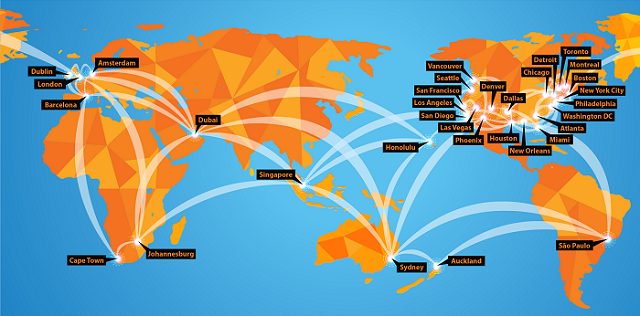
DigiMarCon is the Largest Digital Marketing, Media and Advertising Conference & Exhibition series in the world, with annual events held in all continents (North America, Latin America, Europe, UK, Asia Pacific, Middle East and Africa) in 13 countries (United States, Canada, Australia, New Zealand, United Kingdom, Ireland, Netherlands, Spain, Brazil, Singapore, India, United Arab Emirates and South Africa), across 33 cities (New York, Philadelphia, Boston, Toronto, Vancouver, Montreal, Houston, Dallas, Chicago, Los Angeles, San Francisco, Seattle, Washington DC, New Orleans, Atlanta, Detroit, Miami, Denver, San Diego, Phoenix, Las Vegas, Honolulu, London, Dublin, Amsterdam, Barcelona, Johannesburg, Cape Town, Dubai, Sydney, Auckland, Singapore and Sao Paulo). All DigiMarCon Events can be attended in-person or online. Wherever you are located there is a regional DigiMarCon event nearby you can attend.

DigiMarCon Conferences are held in top luxury 5-star event venues across the world such as; Royal Caribbean Cruise Ships, Olympic Stadiums, Marina Bay Sands Expo & Convention Centre and Wynn, JW Marriott, Marriott Marquis, Hyatt Regency, InterContinental, The Westin, Renaissance, Hilton, Conrad, W, Sheraton, Loews and Sofitel Hotel properties. Discount hotel room rates at each venue hotel means no hassle getting to and from the venue each day.

Building relationships matter! At DigiMarCon Conferences we have more networking breaks on our program than others. On average there are 8 Networking breaks at each event giving delegates ample opportunities in a relaxed atmosphere to meet others over the 2-days at the event; from 1-hour round table networking luncheons to 3-hour dinner receptions. These networking breaks are set in picturesque locations to facilitate memorable experiences while fostering new relationships. Such experiences include enjoying cocktails and the Sunset over the Pacific Ocean on a private Ocean Terrace in Santa Monica, to being on the Sydney Olympic Stadium playing arena at night enjoying cocktails under the lights, to dining at the 360 Revolving Restaurant at the top of the CN Tower in Toronto for a Dinner Reception, enjoying cocktails on a private promenade overlooking Times Square in New York City, or having fun at the Dazzles Night Club onboard the Royal Caribbean Oasis of the Seas for a Farewell Party, etc.
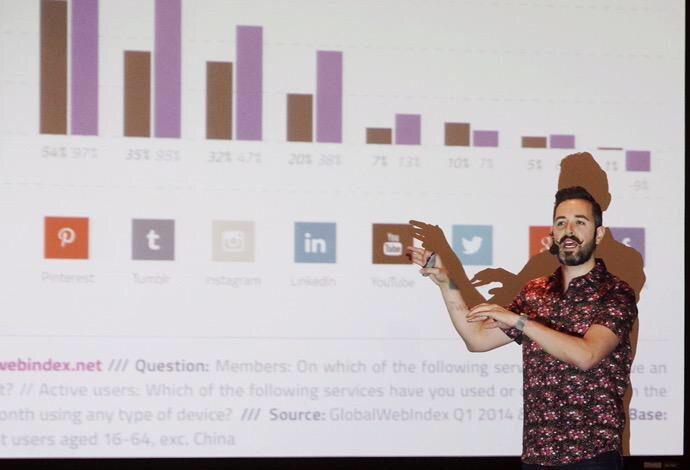
DigiMarCon Keynotes, Panels and Master Classes are facilitated by the foremost thought leaders in the industry, from celebrity social media influencers to CMO’s from the largest Fortune 500 company brands that are disrupting the digital marketing, media and advertising industry, such as Google, Facebook, Microsoft, Amazon, Oracle, Adobe, eBay, Netflix and more. All presentations are pitch-free, and include actionable takeaways, case studies, strategies and tactics, ready to be applied when back in the office.

At DigiMarCon Conferences you are never ‘left in the dark’…. literally, in a large room far away from the stage and speakers, crushed in tight theater seating, without even a table, while sitting in the dark. At DigiMarCon all delegates have premium meeting space in luxurious ballroom well-lit spaces, with comfortable seating with table enabling delegates to use their laptop to take notes with ample charging facilities onsite in a comfortable space to learn and thrive. All tables are situated close with direct view of the stage.

DigiMarCon Conferences are affordable to attend, from single-day event passes up to two-day VIP options at a fraction of the cost of other industry events. We offer significant discounts for early bird registrations. Additionally, on top of time-limited discount pass rates, because budgets are tight, we want to make sure all groups have a chance to attend DigiMarCon. For government employees, students, academic, startups, non-profit organizations and teams, we offer generous discounts off the prevailing registration price.

Attend DigiMarCon and you become part of the show! DigiMarCon Conferences tap into the talent of the room, drawing from the knowledge and experience of the professionals in the audience. All DigiMarCon events include regular interactive question and answer sessions with speakers and the audience ideal for collaboration, audience polls, along with ice-breaker and group exercises, steered by charismatic Emcees.

DigiMarCon Conferences put you right up and close with the speakers giving you the opportunity to meet these social media influencers which you follow in person. Speakers are never hidden in private speaker rooms away from the audience, they are in the auditorium sitting right beside you and participating.

Attending a conference is a well-researched decision. There are many factors to consider such as location, time, venue, cost, speakers, content, etc. At DigiMarCon our results-obsessed Customer Service team are at your service before, during and after the event to help with your needs. It’s at the core of what we do — it drives our business. Offsite, we are ready to assist you via phone, ticket or chat. Onsite at our Conferences, friendly DigiMarCon staff serve as your hosts. They welcome your input and are happy to assist you.

At all DigiMarCon Conferences is the co-located exclusive event TECHSPO Technology Expo, which showcases the new generation of technology and innovation, including; AdTech, MarTech, Internet, Mobile and SaaS technologies. Be inspired, amazed and educated on how these evolving technologies will impact your business for the better. Unlimited Access to TECHSPO Technology Expo is included with all DigiMarCon passes.

DigiMarCon All Access & VIP Passes include a 12-month on demand access to hundreds of hours of DigiMarCon speaker keynotes, panels and master class presentations from recent DigiMarCon Conferences, including videos, slide decks and key takeaways, available on demand so you can watch what you want, when you want.

Attendees of DigiMarcon Conferences gain membership to an exclusive global Digital Marketing, Media and Advertising Community of over 500,000 worldwide subscribers to our award-winning digital marketing blog and over 100,000 members to the International Association of Digital Marketing Professionals (visit https://iadmp.org). This global community comprises of innovators, senior marketers and branders, entrepreneurs, digital executives and professionals, web & mobile strategists, designers and web project managers, business leaders, business developers, agency executives and their teams and anyone else who operates in the digital community who leverage digital, mobile, and social media marketing. We provide updates to the latest whitepapers and industry reports to keep you updated on trends, innovation and best practice digital marketing.

The events industry has forever changed in a world affected by COVID-19. The health and safety of our guests, staff and community is our highest priority and paramount. The team at DigiMarCon is dedicated to ensuring a great experience at our in-person events, and that includes providing a safe, clean and hygienic environment for our delegates. Some of the key areas we have implemented safe and hygienic measures include;

DigiMarCon has always been industry leaders of the Hybrid Event experience for years (a hybrid event combines a "live" in-person event with a "virtual" online component), no one needs to miss out on attending our events. Each DigiMarCon Conference can be attended in-person (with a Main Conference, All Access or VIP Pass) or online (with a Virtual Pass) giving attendees a choice for the experience they want to have. Attending virtually by viewing a Live Stream or On Demand enables participation by people who might be unable to attend physically due to travel or time zone constraints or through a wish to reduce the carbon footprint of the event. If you would like to meet the speakers, network with fellow marketing professionals at refreshment breaks, luncheons and evening receptions, check out the latest Internet, Mobile, AdTech, MarTech and SaaS technologies providers exhibiting then it is highly recommended to attend DigiMarCon in-person. As the largest Digital Marketing, Media and Advertising Conference series with events in 33 international cities worldwide, across 13 countries, there is bound to be a DigiMarCon Event near you to attend in-person if you can.

DigiMarCon Conference Series is the annual gathering of the most powerful brands and senior agency executives in your region. The Sharpest Minds And The Most Influential Decision Makers - Together for Two Days.
Who Attends Our Conferences
Brands • Agencies • Solution & Service Providers • Media Owners • Publishers • Entrepreneurs • Start-Ups • Investors • Government • Corporates • Institutes of Higher Learning




Your Follower Count Doesn’t Matter Anymore—Your Community Does: The Rise of Community Building
Did you know over 70% of social media users ignore accounts that just post without talking back? The days of focusing only on getting lots of followers are over. Vanity metrics like total likes or follower counts often hide a lack of real connection.
True influence comes from how you treat your audience. It’s about the quality of your replies, saves, and shares, not just how many people see your posts. Genuine engagement is the heartbeat of your online presence.
By focusing on community building, you can turn passive viewers into loyal supporters. Prioritizing building relationships creates a strong foundation of trust. This lasts much longer than any fleeting trend. This shift keeps your brand relevant and impactful in a crowded online world.
Why Follower Count Has Become a Weak Measure of Influence
The old days of measuring success by follower count are fading fast. For years, brands and creators saw these numbers as the ultimate sign of success. But, having many followers doesn’t always mean you have meaningful community engagement or real influence.
Many accounts have thousands of followers who never interact. This shows the gap between a vanity metric and a real, active community.
The difference between audience size and active participation
Audience size is just a count of people who clicked a button once. It doesn’t show if they care about your content anymore or even remember following you. True influence comes from how deeply people interact, not just how many follow you.
By focusing on active participation, you look at those who comment, share, and join discussions. These people give you feedback and loyalty, keeping your brand alive. Relying only on size can be misleading.
How algorithmic feeds reduce the value of passive followers
Today’s social media doesn’t show your content to every follower. Algorithmic feeds pick content based on how likely it is to engage users. If your followers don’t interact, the algorithm will stop showing your posts.
Having many followers can actually hurt you if they’re not active. Your content gets lost because the platform thinks it’s not interesting. A smaller, more active group is often better for getting noticed than a big, silent one.
Why reach, impressions, and engagement rate can tell conflicting stories
It’s common to see high reach and impressions but low community engagement. Reach shows how many saw your post, and impressions count how many times it was shown. But, these can be skewed by viral trends or ads that don’t build real connections.
Engagement rate is better, but it can be misleading if it only counts likes. You need to look at the quality of the conversation to see if you’re building a community. When these metrics don’t match, choose the one that shows genuine human connection over automated likes.
What Current Data Reveals About the Shift Toward Community
Today’s digital world is changing from broadcasting to building real connections. People are no longer content with just scrolling. They want to be heard and feel part of something meaningful. This shift is key for online community development as brands adapt to these new needs.
Social media usage trends and the move from broadcasting to belonging
Studies show people spend more time in private groups than on public feeds. The old way of broadcasting to many is fading. Now, active participation drives digital community growth.
Research signals linking trust, relevance, and repeated interaction
Today, engagement means more than just a quick like. Trust and relevance are what matter most online. When people keep coming back, it shows the content is valuable to them.
This pattern of interaction leads to lasting loyalty. By focusing on consistent relevance, companies can build strong connections. These connections are more important than just being seen.
How platform reports and industry surveys define meaningful engagement
Big platforms are now focusing on meaningful interactions. Surveys show that comments, shares, and saves are more important than just views. These signs help find spaces where authentic human connection thrives.
Companies that aim for these metrics grow their digital community better. By looking at conversation quality and depth, leaders can meet their members’ real needs. This approach makes every interaction count, not just for show.
Community Building Creates More Durable Digital Relationships
When you focus on meaningful interaction, you turn a passive audience into a lively, loyal community. This change moves from just collecting numbers to building relationships that last. By valuing quality over quantity, creators can create spaces where everyone feels seen and valued.
How shared identity turns individual followers into connected members
A shared identity holds a group together. When people see their values or goals in a creator’s mission, they become active participants. This feeling of belonging is key to community building.
Members with a common purpose support each other more. They move from just watching content to being part of a shared experience. This shift is vital for creating a community that feels like a home, not just a billboard.
The role of trust, reciprocity, and consistent participation
Trust is the key in the digital world. Think of a creator with fewer than 10,000 followers but gets great brand deals. This is because their audience trusts them deeply.
This trust comes from reciprocity, where the creator gives value and the community responds with loyalty. Consistent participation from both sides strengthens this bond. When members feel their input counts, they stay committed for a long time.
Why smaller communities can produce stronger social cohesion
Big audiences often lack intimacy, making the experience less rich. Smaller groups, on the other hand, have higher social cohesion. This is because everyone gets a chance to be heard, leading to deeper connections.
Keeping a community focused ensures interactions stay meaningful. This social cohesion makes the group strong against changes. Community building is about making a space where the whole is greater than the sum of its parts.
Which Metrics Actually Measure Community Health
True community health is about deep connections, not just a big follower list. When you focus on real metrics, you see your community’s true pulse. Meaningful growth is about keeping people engaged over time, not just getting more followers.
Retention and returning-member rates
How often members come back is a key sign of a healthy community. High retention rates mean your space offers consistent value. If people visit daily or weekly, you’ve built a habit-forming space.
Tracking returning members shows if your content hits home with your audience. A steady flow of repeat visitors means your community is a place people want to be, not just a quick glance.
Conversation quality, response depth, and member-to-member interaction
Quality community engagement is about meaningful conversations. Look for discussions where members offer thoughtful responses. When people start discussing instead of just reading, they’re building real connections.
Deep interaction happens when members support each other without needing a host’s push. This shows a community with its own culture and support system.
Contribution rates for posts, events, projects, and collaborative networks
Active community involvement is shown by how much members contribute. When people join events or help with projects, they show real commitment. This turns passive observers into active participants.
Also, watch how often members start their own collaborative networks. Whether it’s organizing meetups or starting creative projects, these efforts keep the community moving. By encouraging these collaborative networks, you keep your group vibrant and self-sustaining.
How Platform Changes Are Redirecting Digital Community Growth
Online connections are changing fast, thanks to new rules on social media. The old way of sharing content with many people isn’t working as well anymore. Now, creators and brands must find new ways to grow their digital communities.
Why discovery-based platforms are less reliable than owned community spaces
Platforms that focus on going viral don’t always help you connect deeply with people. Your reach can change quickly because of algorithms. Owned spaces, like private forums or websites, are better for lasting connections.
Switching to private areas lets you control how people experience your content. This move is key for fostering connections that aren’t affected by platform changes. You’re not stuck with a system that decides who sees your posts.
The growing importance of newsletters, private groups, and member platforms
Newsletters and private groups are now key for building strong relationships. They let you have deeper, focused talks that public feeds can’t match. These places are where people feel safe to share and join in without the noise of the world.
Member platforms create spaces for regular, meaningful interactions. By making a place for members to meet, you help them go from just following to actively participating. This is essential for fostering connections that turn followers into true community members.
How recommendation algorithms affect visibility, dependency, and social cohesion
Algorithms can make you feel like you need to post all the time to be seen. This pressure can hurt social cohesion because people don’t really talk to each other. When you’re only interacting because of an algorithm, your relationships can feel shallow.
Real social cohesion happens when people can connect freely. Relying too much on algorithms can push people apart, not bring them together. By focusing on direct, community-driven interactions, you can build a stronger, more connected online space.
Designing an Online Community That Members Want to Revisit
To keep members coming back, treat them as participants, not followers. Community building is about the experience, not just the number of people. Designing with purpose turns a digital space into a daily priority for its users.
Define a specific purpose instead of collecting general-interest followers
Trying to appeal to everyone can make your space feel empty. Focus on a singular, compelling mission that meets a specific need or interest. When members know why they’re there, they engage more deeply.
Clarity is key in community building. By focusing on one thing, you attract people who really care. This leads to better interactions, not just more members.
Create clear norms that support psychological safety and constructive disagreement
True online community development means a safe space for everyone. Set clear rules for respectful dialogue, even when opinions differ. When members feel heard, they’re more likely to keep contributing.
Psychological safety is essential for a healthy group. Clear conflict resolution rules prevent toxicity and keep disagreements productive. This helps your members grow together, not apart.
Build recurring rituals through events, prompts, and shared projects
Consistency keeps a community alive. Use weekly prompts or monthly events to keep members coming back. These rituals build anticipation and a sense of belonging.
Involve your community in shared projects to deepen their involvement. This turns passive observers into active contributors. It strengthens member bonds and creates a sense of shared ownership.
Turning Engagement Into Genuine Community Involvement
True community involvement means members actively shape the conversation. Many digital spaces fail because they focus on passive metrics like likes. To grow, encourage your audience to share their ideas and projects.
Move members from viewing content to making meaningful contributions
Start deeper community engagement by using open-ended prompts. Instead of just reacting, ask members to share their experiences or solve problems together. This turns a one-way broadcast into a collaborative dialogue.
When members feel their input is valued, they invest more time. Encouraging users to post their own content or ask questions makes them feel like owners. This is key for long-term growth.
Use recognition, peer support, and feedback loops to reinforce participation
Positive reinforcement is key for fostering connections. Acknowledge members’ contributions publicly. This shows that quality participation is valued and expected.
Feedback loops keep the momentum going. Respond to member suggestions or show how their input changed a project. This proves the community is alive and listens.
Design inclusive pathways for new, occasional, and highly active members
Members participate at different levels, and that’s okay. Create clear pathways for everyone to engage in their own way. Fostering connections means meeting people where they are.
New members start by reading or using low-effort reactions. Occasional members can join specific discussions or polls. Your most active members can lead or mentor, keeping community engagement inclusive for all.
Community Building Requires Inclusion, Accessibility, and Trust
True social cohesion happens when everyone feels safe, seen, and respected online. When people feel their efforts are valued and their privacy is kept, they stick around longer.
How moderation practices influence participation and retention
Good moderation is key to a healthy online community. It’s not just about kicking out troublemakers. It’s about creating a space where everyone can talk without fear of being attacked.
When rules are fair and consistent, people feel secure. This psychological safety lets them share ideas freely. This makes the community more lively and keeps people coming back.
Addressing accessibility, language, time-zone, and technology barriers
An inclusive space must meet the needs of all its members. If your platform only works for those with fast internet or certain devices, you’re missing out on important voices.
Think about making content in different languages or providing text versions of videos. Also, host events at times that work for everyone, no matter where they are. This way, everyone feels included and valued.
Protecting member privacy while collecting useful behavioral data
People are more likely to join in when they trust you with their personal info. Being open about how you use data is key.
Explain why you track certain things and how it helps the community. When you focus on member privacy, you build trust. This trust is essential for a community to grow and thrive.
Why Strong Communities Create Value Beyond Social Media Metrics
When you focus on community involvement, you build a strong brand loyalty. This loyalty is hard to get with just marketing. Businesses that make real connections create trust. This trust helps your audience stay loyal, even when things change.
Connections between community participation and customer loyalty
Loyalty doesn’t come from one ad or a discount. It grows when people feel valued in a community they helped create. By building relationships that last, companies turn buyers into passionate supporters who spread the word.
How member insight improves products, services, and content decisions
Active communities are like a focus group for your business. Listening to feedback helps you make better products and content. This way, you create solutions that solve real problems for your members.
Members who feel like partners give honest feedback. This feedback helps shape your products. It saves time and resources by avoiding mistakes.
Measuring business outcomes without reducing relationships to transactions
True digital community growth is about quality, not just size. Look at repeat behavior and how members support each other. These signs show your brand is important to your customers.
By building collaborative networks, you see every interaction as a chance to grow. This approach creates a lasting business model. It’s based on human connection, not just numbers.
Conclusion
True digital success comes from strong connections, not just a big follower count. Brands like Patagonia and Discord show that caring about people makes a real difference. It’s more valuable to have real conversations than just counting followers.
Building a community means changing how you think. Stop just sending messages to a big crowd. Start making places where everyone feels heard and important. This turns casual fans into true supporters of your cause.
Focus on building trust and being active online. This way, your online presence stays strong even when things change. Investing in the people behind the screens builds a lasting network that supports you through ups and downs.
Begin by thinking about how you talk to your audience now. Ask if you’re really listening or just shouting for attention. By focusing on your community, you’ll build a lasting influence.
Short-Form Video Is Becoming the Main Marketing Channel.
Did you know over 70% of consumers now prefer watching quick clips to learn about a product? This shift shows that short-form video is becoming the main marketing channel for brands in the United States.
Digital media has changed a lot. What was once a casual way to share trends has become a powerful tool for business growth. Platforms like TikTok and Instagram Reels have changed how people interact with companies.
Today, viewers want content that feels real, fast, and engaging. Traditional advertising methods often struggle to keep pace with these changes. Brands that don’t adapt risk losing touch with younger, mobile-first audiences.
To succeed, you need more than just posting clips. You need a strategic approach to storytelling that values the viewer’s time. We’ll look at how to master these strategies to make a lasting impact in the digital world.
The Evolution of Digital Consumption Habits
Mobile technology has changed how we use digital content. People now prefer quick, visual experiences over long texts. This shift means brands must rethink their social media video content strategies.
The Shift Toward Mobile-First Content
Smartphones are now the main way we get information and entertainment in the US. Users expect quick access to quality media anytime, anywhere. This mobile-first environment means businesses must focus on fast, vertical formats that grab attention fast.
Old-school desktop marketing often misses the mark with today’s fast-paced audience. By creating mobile-optimized social media video content, companies can reach users where they spend most of their time. This change is not just a trend; it’s essential for staying relevant online.
Why Attention Spans Favor Micro-Content
Today’s viewers love quick, impactful content. 85% of 16-24-year-olds watch short videos weekly, while only 45% of those 55 and older do. This significant demographic gap shows why young people want short, engaging clips.
Short social media video content lets brands share messages quickly before viewers lose interest. By making complex ideas simple and short, marketers can get more engagement than ever. Efficiency and clarity are now key to successful digital communication.
Short-Form Video Is Becoming the Main Marketing Channel
Today, short-form video is becoming the main marketing channel for businesses of all sizes. This change shows how people now interact with brands online. Companies that use this format see more engagement than those with static images or long text.
Defining the Current Landscape of Video Marketing
The world today is all about fast consumption and quick delivery. Modern video marketing trends focus on being real and useful right away. People want content that’s quick, entertaining, or helpful within seconds.
This change makes marketers think differently. By being brief, brands can grab attention in a busy digital world. Strategic agility is key for any marketing team to stay current.
Comparing Short-Form Performance Against Traditional Media
Looking at video marketing statistics, short-form content is a strong discovery tool. For example, 77% of viewers who see clips on social media end up watching the whole show. This shows short clips are more than just teasers; they’re essential gateways to deeper engagement.
Traditional media finds it hard to keep up without social snippets. By using these short previews, creators can turn casual browsing into dedicated viewership. Ultimately, turning a quick scroll into a loyal audience is what makes campaigns successful.
Key Statistics Driving the Video Marketing Revolution
Short-form video has taken over today’s ads. Brands using video marketing statistics to guide them keep viewers longer than static images. This helps them understand how to grab attention today.
Engagement Rates Across Major Platforms
The digital world is filled with more content than ever, known as the clip economy. Kick, for example, saw 1,737 creators make over 309,000 videos in a month. This keeps brands seen in busy social feeds.
High engagement isn’t just luck. It comes from telling stories quickly and often. Creators who focus on making lots of relevant content grab mobile users’ attention. This shows that consistent content delivery is key to staying ahead online.
Conversion Metrics and ROI Analysis
Video’s real value is in driving business results. Video marketing statistics show short-form content boosts action. Real, fast videos help people feel sure about buying.
Putting money into making lots of videos can really pay off. By tracking what works, marketers can make better ads. This way, every dollar helps grow the brand over time.
Strategic Advantages of Short-Form Video Content
Using raw, social media video content is now key for digital engagement. Today, people want real connections with brands, not just polished ads. This shift helps companies build trust and community.
Building Brand Authenticity Through Raw Footage
Younger people are very aware of fake marketing. A big number of 16-24-year-olds watch short videos daily. This shows how important human-centric storytelling is for staying relevant.
Founders can share their personal stories to connect with people. By showing real behind-the-scenes moments, you make viewers feel part of your journey. This authentic approach turns viewers into loyal supporters.
The Role of Virality in Organic Reach
High-quality social media video content can go viral easily. Unlike traditional ads, short videos don’t need big budgets to spread. A great video can reach many without any paid ads.
Brands that create spontaneous content grow fast. By joining trends and challenges, you can reach more people worldwide. This way, even small businesses can compete with big ones by focusing on meaningful interaction.
Optimizing Video Production for Maximum Impact
Today’s video content creation is all about being quick and real. You don’t need expensive equipment to make great videos. Treat your smartphone like a pro camera and film like you’re second nature.
Essential Equipment for High-Quality Mobile Production
You don’t need a big studio to make professional videos. A few smart buys can make a big difference. Here are the must-haves for top-notch marketing video production:
Editing Techniques That Retain Viewer Interest
After you film, editing is key to keeping viewers. Fast cuts and smooth transitions keep them interested. But remember, authenticity is your best friend. Don’t overdo it to avoid feeling fake.
Use native app features like text overlays, trending audio, and interactive stickers. These tools help turn raw footage into engaging video content creation. Keep your edits sharp and your story clear to make every second count.
Navigating Platform-Specific Best Practices
Understanding each platform’s unique features is key to successful video marketing. Your brand’s message stays the same, but how you share it must fit each app’s style. Using smart video advertising tips helps you reach your audience where they are most active.
Mastering TikTok for Brand Awareness
TikTok is all about raw, creative content that feels real to users. Studies show 50% of young viewers are swayed by trending clips or sounds. This shows how important it is to join in on trends to get noticed.
Brands should use text overlays and captions to make their videos more accessible. Authenticity is your greatest asset here, so skip the overly polished ads. Instead, create content that encourages people to join in and interact.
Leveraging Instagram Reels for Product Discovery
Instagram Reels is great for telling stories and showing off products. The look of your video matters a lot here, as it attracts a style-conscious audience. Good visuals and clear calls to action can turn viewers into loyal customers.
Using Instagram’s shopping features can link inspiration to purchase. Tagging products in your videos makes it easy for users to check out your catalog. These video advertising tips make your content useful, not just entertaining.
YouTube Shorts as a Search Engine Optimization Tool
YouTube Shorts is special because it’s part of the world’s second-largest search engine. Using video seo best practices here can boost your reach over time. Your videos stay discoverable through search long after they’re first posted.
To get the most out of this, make sure your titles and descriptions include the right keywords. Consistency is vital for building a library of content that answers user questions. Treating your Shorts as a search asset can bring lasting traffic to your brand.
Integrating Video into Your Broader Digital Marketing Strategy
A successful digital marketing strategy now depends on using video everywhere. Brands should not just try video out once. They should make it a key part of how they talk to customers. This way, every piece of content has a clear role in the buyer’s journey.
Aligning Video Content with the Sales Funnel
To really make an impact, align your videos with the sales funnel. At the start, use educational or entertaining videos to get people to know your brand. It’s interesting to note that 70% of young viewers prefer short clips over full versions. This shows how powerful short content can be.
In the middle, your digital marketing strategy should aim to build trust. Use customer stories, behind-the-scenes looks, or product demos to solve problems. By the end, your videos should push for sales, like special offers or clear calls to action.
Cross-Channel Distribution Tactics
Being consistent is key when sharing content on different platforms. Your main message should stay the same, but adjust the tone and style for each platform. For example, a TikTok hit might need tweaking for LinkedIn or Instagram Reels.
Good distribution means using your best content where people are most active. Cross-channel synergy helps keep your brand story consistent while fitting each platform’s vibe. By sharing widely, you reach both your fans and new people effectively.
Video SEO Best Practices for Discoverability
In 2025, getting noticed is more than just being creative. It’s about using data to grab attention. Creators need to dive deep into platform culture every day. Some say spending at least eight hours a day on mobile is key to staying current.
Keyword Research for Video Titles and Descriptions
Discoverability starts with knowing what your audience searches for. Do thorough research to find the right keywords for your video. Strategic placement of these keywords in your title and description helps search algorithms find your content.
Don’t overdo it with irrelevant keywords. This can hurt your ranking. Instead, write natural, descriptive sentences that give context. By following these video seo best practices, your content is more likely to show up in search results.
The Role of Hashtags and Trending Audio
Hashtags are important for connecting your video to wider conversations. Use a mix of popular and specific tags to reach more people. Consistency in your tagging is key for growth.
Using trending audio also signals to algorithms that your content is fresh and engaging. Pairing your video with popular sounds can make it more likely to go viral. Staying on top of trends helps you use them before they get too common.
Common Pitfalls in Video Marketing and How to Avoid Them
Success in video marketing often depends on what you avoid. Many focus on expensive looks, but the best creators tell real stories. For example, a livestreamer got over 2.2 billion views in a month with short clips. This shows that being real and frequent can beat fancy ads.
Over-Producing Content and Losing Authenticity
Brands often make the mistake of making content that feels fake. When a video seems too perfect, people might reject it. Authenticity is key online, and people can tell when a brand is trying too hard.
To keep trust, make your marketing video production about people, not just products. Keep your content real and open. A simple, honest video can connect more than a fancy commercial.
Ignoring Data Analytics and Audience Feedback
Not watching how people react to your content is a big mistake. Without a digital marketing strategy that uses feedback, you’re lost. Data shows what works and what doesn’t.
To avoid these mistakes, follow these tips:
Good marketing video production mixes creativity with data analysis. Avoid overdoing it and listen to your audience. This way, your content stays relevant and powerful.
Future Trends in Short-Form Video Advertising
TikTok’s revenue has skyrocketed 10x in recent years. This shows a big change in how companies spend their money. Now, short-form video is key in video marketing trends. Brands that don’t keep up will fall behind in the digital world.
The Rise of Shoppable Video Experiences
Advertisers are moving towards making it easy to buy things right in the app. Shoppable video lets users buy products without leaving their feed. This makes it a top video advertising tip for boosting sales.
Artificial Intelligence in Video Content Creation
Artificial intelligence is changing video content creation fast. AI does tasks like writing scripts and editing footage quickly. It helps teams make more content without losing authenticity.
Brands need to use gamification and co-creation to stay ahead. By letting viewers help create content, companies build loyalty. Those who use these new tools will lead the market soon.
Conclusion
Short-form video has become the main way we talk online. Brands that tell stories well and move fast will grab people’s attention. This change is here to stay, changing how we see digital content.
To succeed, companies need to make content that fits each platform. They must keep up with the clip economy to stand out. Using real, raw footage helps win the hearts of younger viewers.
New tools like shoppable videos and AI will change marketing even more. Businesses that use these tools will get ahead. Start updating your video plans now to stay ahead in this digital world.
What changes will your team make to your videos this quarter? Talk about the best platforms for your industry. Connecting with your audience through these channels helps your business grow and discover new things.