 View Upcoming Digital Marketing, Media and Advertising Conferences & Exhibitions
 Phone:
Posts Tagged "Technology in Retail"



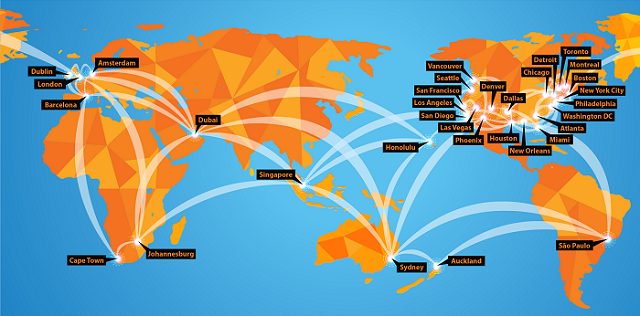
DigiMarCon is the Largest Digital Marketing, Media and Advertising Conference & Exhibition series in the world, with annual events held in all continents (North America, Latin America, Europe, UK, Asia Pacific, Middle East and Africa) in 13 countries (United States, Canada, Australia, New Zealand, United Kingdom, Ireland, Netherlands, Spain, Brazil, Singapore, India, United Arab Emirates and South Africa), across 33 cities (New York, Philadelphia, Boston, Toronto, Vancouver, Montreal, Houston, Dallas, Chicago, Los Angeles, San Francisco, Seattle, Washington DC, New Orleans, Atlanta, Detroit, Miami, Denver, San Diego, Phoenix, Las Vegas, Honolulu, London, Dublin, Amsterdam, Barcelona, Johannesburg, Cape Town, Dubai, Sydney, Auckland, Singapore and Sao Paulo). All DigiMarCon Events can be attended in-person or online. Wherever you are located there is a regional DigiMarCon event nearby you can attend.

DigiMarCon Conferences are held in top luxury 5-star event venues across the world such as; Royal Caribbean Cruise Ships, Olympic Stadiums, Marina Bay Sands Expo & Convention Centre and Wynn, JW Marriott, Marriott Marquis, Hyatt Regency, InterContinental, The Westin, Renaissance, Hilton, Conrad, W, Sheraton, Loews and Sofitel Hotel properties. Discount hotel room rates at each venue hotel means no hassle getting to and from the venue each day.

Building relationships matter! At DigiMarCon Conferences we have more networking breaks on our program than others. On average there are 8 Networking breaks at each event giving delegates ample opportunities in a relaxed atmosphere to meet others over the 2-days at the event; from 1-hour round table networking luncheons to 3-hour dinner receptions. These networking breaks are set in picturesque locations to facilitate memorable experiences while fostering new relationships. Such experiences include enjoying cocktails and the Sunset over the Pacific Ocean on a private Ocean Terrace in Santa Monica, to being on the Sydney Olympic Stadium playing arena at night enjoying cocktails under the lights, to dining at the 360 Revolving Restaurant at the top of the CN Tower in Toronto for a Dinner Reception, enjoying cocktails on a private promenade overlooking Times Square in New York City, or having fun at the Dazzles Night Club onboard the Royal Caribbean Oasis of the Seas for a Farewell Party, etc.
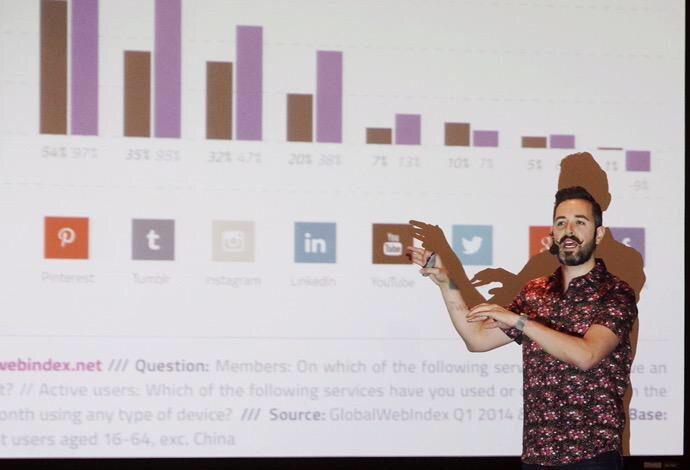
DigiMarCon Keynotes, Panels and Master Classes are facilitated by the foremost thought leaders in the industry, from celebrity social media influencers to CMO’s from the largest Fortune 500 company brands that are disrupting the digital marketing, media and advertising industry, such as Google, Facebook, Microsoft, Amazon, Oracle, Adobe, eBay, Netflix and more. All presentations are pitch-free, and include actionable takeaways, case studies, strategies and tactics, ready to be applied when back in the office.

At DigiMarCon Conferences you are never ‘left in the dark’…. literally, in a large room far away from the stage and speakers, crushed in tight theater seating, without even a table, while sitting in the dark. At DigiMarCon all delegates have premium meeting space in luxurious ballroom well-lit spaces, with comfortable seating with table enabling delegates to use their laptop to take notes with ample charging facilities onsite in a comfortable space to learn and thrive. All tables are situated close with direct view of the stage.

DigiMarCon Conferences are affordable to attend, from single-day event passes up to two-day VIP options at a fraction of the cost of other industry events. We offer significant discounts for early bird registrations. Additionally, on top of time-limited discount pass rates, because budgets are tight, we want to make sure all groups have a chance to attend DigiMarCon. For government employees, students, academic, startups, non-profit organizations and teams, we offer generous discounts off the prevailing registration price.

Attend DigiMarCon and you become part of the show! DigiMarCon Conferences tap into the talent of the room, drawing from the knowledge and experience of the professionals in the audience. All DigiMarCon events include regular interactive question and answer sessions with speakers and the audience ideal for collaboration, audience polls, along with ice-breaker and group exercises, steered by charismatic Emcees.

DigiMarCon Conferences put you right up and close with the speakers giving you the opportunity to meet these social media influencers which you follow in person. Speakers are never hidden in private speaker rooms away from the audience, they are in the auditorium sitting right beside you and participating.
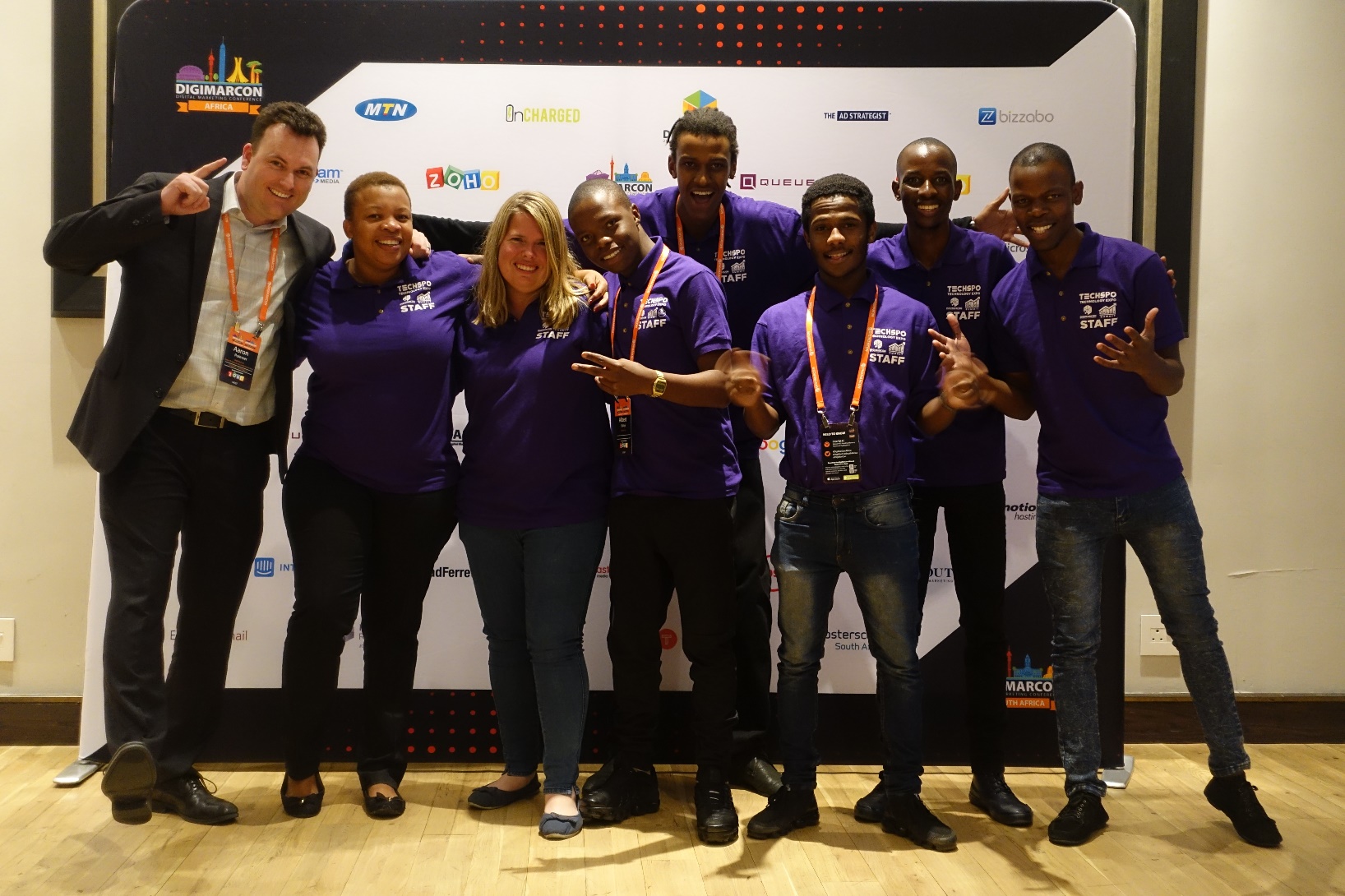
Attending a conference is a well-researched decision. There are many factors to consider such as location, time, venue, cost, speakers, content, etc. At DigiMarCon our results-obsessed Customer Service team are at your service before, during and after the event to help with your needs. It’s at the core of what we do — it drives our business. Offsite, we are ready to assist you via phone, ticket or chat. Onsite at our Conferences, friendly DigiMarCon staff serve as your hosts. They welcome your input and are happy to assist you.

At all DigiMarCon Conferences is the co-located exclusive event TECHSPO Technology Expo, which showcases the new generation of technology and innovation, including; AdTech, MarTech, Internet, Mobile and SaaS technologies. Be inspired, amazed and educated on how these evolving technologies will impact your business for the better. Unlimited Access to TECHSPO Technology Expo is included with all DigiMarCon passes.

DigiMarCon All Access & VIP Passes include a 12-month on demand access to hundreds of hours of DigiMarCon speaker keynotes, panels and master class presentations from recent DigiMarCon Conferences, including videos, slide decks and key takeaways, available on demand so you can watch what you want, when you want.
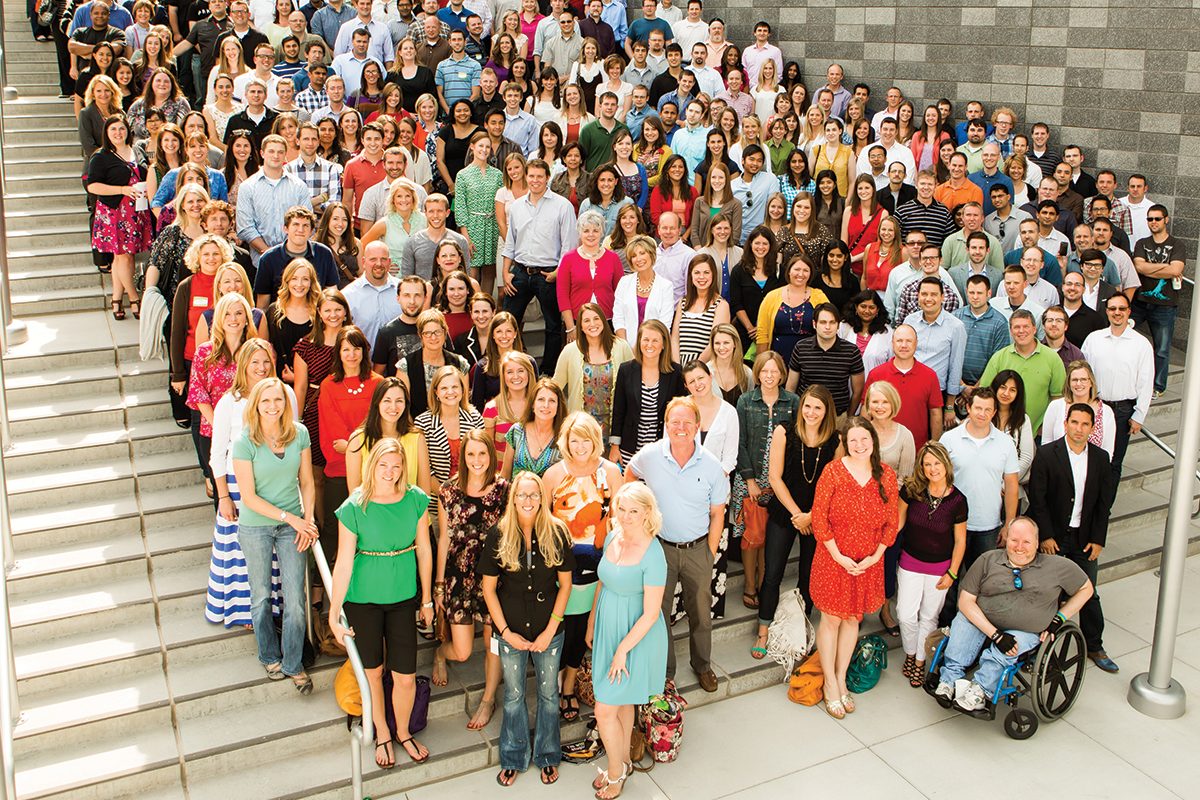
Attendees of DigiMarcon Conferences gain membership to an exclusive global Digital Marketing, Media and Advertising Community of over 500,000 worldwide subscribers to our award-winning digital marketing blog and over 100,000 members to the International Association of Digital Marketing Professionals (visit https://iadmp.org). This global community comprises of innovators, senior marketers and branders, entrepreneurs, digital executives and professionals, web & mobile strategists, designers and web project managers, business leaders, business developers, agency executives and their teams and anyone else who operates in the digital community who leverage digital, mobile, and social media marketing. We provide updates to the latest whitepapers and industry reports to keep you updated on trends, innovation and best practice digital marketing.

The events industry has forever changed in a world affected by COVID-19. The health and safety of our guests, staff and community is our highest priority and paramount. The team at DigiMarCon is dedicated to ensuring a great experience at our in-person events, and that includes providing a safe, clean and hygienic environment for our delegates. Some of the key areas we have implemented safe and hygienic measures include;

DigiMarCon has always been industry leaders of the Hybrid Event experience for years (a hybrid event combines a "live" in-person event with a "virtual" online component), no one needs to miss out on attending our events. Each DigiMarCon Conference can be attended in-person (with a Main Conference, All Access or VIP Pass) or online (with a Virtual Pass) giving attendees a choice for the experience they want to have. Attending virtually by viewing a Live Stream or On Demand enables participation by people who might be unable to attend physically due to travel or time zone constraints or through a wish to reduce the carbon footprint of the event. If you would like to meet the speakers, network with fellow marketing professionals at refreshment breaks, luncheons and evening receptions, check out the latest Internet, Mobile, AdTech, MarTech and SaaS technologies providers exhibiting then it is highly recommended to attend DigiMarCon in-person. As the largest Digital Marketing, Media and Advertising Conference series with events in 33 international cities worldwide, across 13 countries, there is bound to be a DigiMarCon Event near you to attend in-person if you can.
DigiMarCon Conference Series is the annual gathering of the most powerful brands and senior agency executives in your region. The Sharpest Minds And The Most Influential Decision Makers - Together for Two Days.
Who Attends Our Conferences
Brands • Agencies • Solution & Service Providers • Media Owners • Publishers • Entrepreneurs • Start-Ups • Investors • Government • Corporates • Institutes of Higher Learning




Scroll, Tap, Buy: The New Social Commerce Customer Journey
Recently, 27% of consumers completed a purchase directly through a feed-based platform. This surprising figure reveals a major change in how people discover and buy products. The traditional path to purchase is no longer a long, winding road.
Instead, buying has become a compressed journey from discovery to payment in a single mobile moment. This evolution is reshaping digital marketing for brands everywhere.
Modern online shopping now thrives on zero-planning purchases and rapid decision-making. With integrated payment tools, businesses can capture interest as soon as users stop scrolling. This social commerce model shows that the most effective sales often occur when customers least expect them.
The Shift From Search-Led Shopping to Social Commerce
Social commerce has turned the digital marketplace into a continuous, scrollable storefront that fits in your pocket. For years, consumers used search engines to find products, but that behavior is changing rapidly. Today, product discovery is becoming an integrated part of daily digital life.
Why Discovery Now Happens Inside Social Feeds
Modern consumers no longer wait to search for products when specific needs arise. Instead, algorithmically curated feeds present items that match their predicted interests. This shift is especially clear among younger demographics: social shopping participation reaches 48% for Gen Z and 37% for Millennials.
By blending entertainment with commerce, brands meet users where they already spend time. This evolution in social media marketing makes discovery passive rather than active. Users find products while scrolling, so the experience feels organic and highly personalized.
How Mobile Behavior Shortens the Path to Purchase
Mobile devices have fundamentally changed how consumers approach online shopping. Consumers now expect a seamless path from viewing an item to completing a transaction within their favorite app. This convenience drives the current digital marketing landscape.
When the path to purchase becomes shorter, conversion becomes significantly more likely. By removing friction between apps or browsers, companies capture impulse buys that might otherwise disappear. This streamlined approach helps brands remain relevant in a mobile-first world.
The Retail Industry Forces Accelerating the Change
The retail industry faces intense pressure to adapt to new consumer expectations. Traditional e-commerce sites no longer provide a competitive edge in a crowded market. Brands must prioritize social-first strategies to keep pace with changing habits.
Competition drives innovation and forces companies to invest heavily in integrated checkout experiences. As more platforms offer native purchasing tools, expectations for instant gratification continue to grow. Ultimately, successful brands will treat social platforms as primary storefronts, not merely advertising channels.
Case Study Scope: Following a Customer From Scroll to Sale
By tracking movement from discovery to checkout, we can uncover successful social selling strategies. The modern retail industry is transforming as the traditional path to purchase becomes rapid digital interactions.
The Customer Journey Used for the Analysis
Our analysis focuses on four stages: discovery, consideration, conversion, and post-purchase engagement. We account for modern shopping, where 73% of social purchases involve zero prior planning. Furthermore, data shows that 83% of these orders occur within 48 hours of initial discovery.
What Nike, Sephora, and Walmart Reveal About Social Selling
These three brands show how an e-commerce platform adapts to social environments. Nike builds brand desire through visual storytelling that captures attention instantly. Sephora leverages community-driven content, turning browsers into buyers, while Walmart brings convenience to the social feed for an online business.
Metrics for Evaluating Discovery, Consideration, and Conversion
To measure success, we look beyond vanity metrics like likes or shares. We prioritize customer engagement data that directly correlates to revenue, such as click-through rates on shoppable posts and conversion speed. By evaluating these touchpoints, we can determine which strategies move users from passive scrolling to completed sales.
Stage One: How Social Media Creates Product Discovery
Today, product discovery is less a deliberate search than an accidental encounter on social media. Consumers navigate a landscape where brands meet them where they spend their time. This shift has transformed social media marketing, turning passive scrolling into active shopping.
Short-Form Video as the New Digital Storefront
Short-form video is now the primary window for viewing new products. These brief clips show items in action, often replacing static images on traditional e-commerce sites. Through visual storytelling, brands capture interest within seconds and use social commerce to drive immediate engagement.
Creator Recommendations and the Transfer of Consumer Trust
Trust is the currency of today’s digital economy. When a creator endorses a product, they transfer established credibility to the brand. This process lowers the barrier for new customers. This form of social selling depends on authentic human connection, not polished corporate advertising.
Data shows a 200% year-over-year growth in agentic product-discovery channels, proving users prefer peer-led advice. By leveraging these relationships, companies reach niche audiences already primed to purchase.
Shoppable Posts, Livestreams, and Algorithmic Product Exposure
Platforms like TikTok have mastered placing products directly within the user experience. Through livestreams, the Shop tab, and intelligent search features, the platform places relevant items at the right moment. The algorithm acts as a personal shopper, curating feeds around individual interests and past behaviors.
This seamless integration of social media marketing tools creates a frictionless path from discovery to consideration. As social selling evolves, converting algorithmic exposure into tangible sales will define winners in competitive retail.
Stage Two: Turning Attention Into Active Consideration
When users stop to examine a product, they ask, “Is this worth my money?” A catchy video may grab attention, but it rarely offers enough information to complete a purchase. This stage of online shopping asks brands to turn curiosity into clear buying intent.
What Customers Need After Stopping the Scroll
After the scroll stops, shoppers begin evaluating the product. They seek reassurance that it will meet their specific needs. Without clear, accessible information, a potential buyer will likely move to the next post.
Reviews, Comments, Demonstrations, and Social Proof
To move prospects forward, brands must offer tangible evidence of quality. Customer engagement through detailed reviews and authentic comments gives buyers confidence. Product demonstrations reveal how an item works and reduce the mystery surrounding digital purchases.
Social proof drives this stage of the journey. When shoppers see others interacting with a brand, they feel more comfortable committing. This shared validation builds the trust needed to complete a transaction.
How Sephora Uses Community Content to Reduce Purchase Uncertainty
Sephora excels by placing user-generated content directly within the shopping experience. Real photos and honest community feedback show how products perform on different skin types. This strategy lowers the barrier to purchase because customer engagement offers shoppers a reliable source of truth.
Stage Three: The Tap-to-Buy Checkout Experience
Modern shoppers expect a smooth path from discovery to purchase without leaving their favorite apps. This final stage reduces the time between interest and ownership. Keeping users in a familiar setting can raise conversion rates through social commerce.
How In-App Checkout Removes E-Commerce Friction
Traditional methods often sent users to an external e-commerce platform to complete purchases. Slow loading times and login requirements often caused abandoned carts. In-app checkout keeps users in place as they complete online shopping.
Platforms like TikTok Shop pioneered this model by combining browsing, payment, and order tracking in one interface. This streamlined approach preserves momentum from discovery instead of losing it to technical hurdles. A direct path to purchase makes customers more likely to complete transactions.
Payment Methods, Shipping Details, and Mobile Usability
Successful mobile transactions use saved information to reduce effort. With digital wallets and stored shipping addresses, an e-commerce platform can reduce checkout to a few taps. This convenience helps capture impulse buys during browsing.
Mobile usability supports the entire experience. Without optimization for small screens, online shopping quickly becomes frustrating. Brands must make checkout forms intuitive and limit manual entry to maintain high conversion rates.
Walmart’s Social Shopping Model and the Role of Convenience
Walmart has used embedded “Buy Direct” experiences to connect social content with retail. By prioritizing frictionless access, it lets customers buy items immediately after seeing them in a video. This strategy shows that convenience drives modern social commerce success.
By keeping customers within the content, Walmart sustains engagement with its brand ecosystem. This model shows that making it effortless to buy removes the greatest barrier to entry. Ultimately, purchases should feel like a natural extension of the social experience.
Why Customer Engagement Determines Social Commerce Performance
High-performing social commerce depends on meaningful customer engagement. Vanity metrics, including views and likes, show reach but rarely create lasting loyalty or steady revenue. Successful brands prioritize active participation over passive attention.
From Passive Reactions to Two-Way Brand Conversations
Successful companies treat social channels as digital storefronts with the door always open. Effective social media marketing listens to the community and answers in real time. Through dialogue, brands turn a product post into a collaborative experience that earns trust.
When brands ask questions or host polls, audiences join the product journey. Moving from broadcasting to conversation keeps a brand relevant in a crowded feed. Visibility matters, but being heard by the right people matters more.
How Brands Respond to Comments, Complaints, and Purchase Questions
Responsiveness anchors modern social selling. Customers use comment sections to ask about sizing, shipping, or product features before purchasing. A prompt, useful reply can determine whether a sale succeeds or disappears.
Brands acting as the merchant-of-record hold a distinct advantage. They control the full service experience and can resolve complaints directly within the platform. Transparency and speed show customers that the company values them beyond the initial transaction.
Personalization Without Making Customers Feel Tracked
True customer engagement balances personalization with privacy. Customers welcome recommendations matching their interests, yet may distrust brands that seem to know too much about private browsing habits. The goal is to offer relevant content without invasive surveillance.
By using first-party data from direct interactions, brands can offer tailored suggestions that feel helpful rather than creepy. This approach to social selling respects the user’s boundaries while preserving the effectiveness of social media marketing. When customers feel understood instead of monitored, they are more likely to return for future purchases.
The Business Model Behind a High-Converting Social Commerce Funnel
The lasting power of social selling lies in linking audience engagement with back-end operations. Viral content captures attention, but the long-term viability of an online business depends on connecting discovery with final delivery.
How Content, Merchandising, and E-Commerce Operations Connect
A high-converting funnel needs a unified e-commerce platform that synchronizes product catalogs with social feeds. When content and merchandising work together, brands can keep video-featured items available for purchase. This integration matters to the modern retail industry, where speed and accuracy shape the customer experience.
The Role of Creators, Affiliates, and Brand-Owned Channels
Creators and affiliates drive most traffic, but they must work within a structured ecosystem. With native integrations, brands can track performance across channels while preserving focus on core metrics. As the retail industry evolves, we expect deeper technical ties, including the full native integration for TikTok Shop arriving in January 2027.
Inventory, Fulfillment, Returns, and Customer Service Requirements
Reliable operations support every successful online business. A robust e-commerce platform must update inventory in real time, preventing overselling during high-traffic social campaigns. Clear return policies and responsive customer service also help preserve trust after the initial sale.
Ultimately, companies should create a frictionless path from the first tap to final delivery. By choosing the right e-commerce platform, they can automate complex tasks and focus on scaling their social selling efforts effectively.
Social Commerce Strategies That Move Customers Through the Funnel
Turning passive scrollers into active buyers is the central goal of a well-structured social commerce strategy. Since 73% of social purchases involve zero prior planning, your digital marketing team must create a fast, credible path from attention to action. Because 83% occur within 48 hours, that path must support quick decisions. Success in social media marketing depends on aligning content with consumers’ immediate needs.
Matching Content to Discovery, Consideration, and Purchase Intent
During discovery, use visual appeal and entertainment to stop the scroll. During consideration, provide detailed information that justifies continued interest. At purchase intent, offer a frictionless checkout experience that removes remaining hesitation.
Mapping specific content types to these stages creates a seamless journey. This approach keeps your social commerce efforts aligned with the user’s current mindset. Effective digital marketing requires constant testing to identify the best formats for each funnel stage.
Building Trust With Demonstrations Instead of Promotional Claims
Modern consumers often distrust traditional advertising. Rather than making loud promotional claims, use authentic product demonstrations to show the item in action. This strategy is a cornerstone of effective social selling.
When creators or brand accounts show how a product solves a real problem, they build genuine trust. That transparency lowers the buyer’s perceived risk. Clear, honest evidence persuades buyers more effectively than generic marketing copy.
Using Limited-Time Offers Without Damaging Brand Credibility
Urgency is a powerful tool in social selling, but use it with caution. Constant discounting can train your audience to wait for sales, damaging long-term profit margins. Instead, present limited-time offers as exclusive opportunities for your most engaged community members.
When using scarcity, ensure it feels authentic rather than manufactured. A well-timed, transparent offer can speed the purchase decision without weakening your brand identity. Always prioritize long-term customer relationships over short-term spikes in volume.
Measuring the New Customer Journey With Better Data
Measuring the true impact of social media marketing requires granular, revenue-focused analytics. Vanity metrics, such as likes or shares, can hide a campaign’s financial health. Brands should prioritize data that shows real customer engagement and lasting loyalty.
Attribution Challenges Across Social Platforms and E-Commerce Platforms
A major digital marketing challenge is fragmented data between social channels and the final point of sale. When users discover products on social apps but buy through a separate e-commerce platform, tracking their path becomes difficult. Unified data strategies can bridge these gaps and give proper credit to every touchpoint.
Without integrated tracking, businesses often underestimate social discovery’s role in the sales funnel. Advanced tools can map the journey from the first tap to final checkout. This visibility helps teams optimize ad spend and improve the overall e-commerce platform experience.
Metrics That Matter Beyond Likes and Follower Growth
Companies should focus on commercially meaningful indicators to understand performance. Metrics such as assisted conversions, checkout completion rates, and contribution margins offer a clearer view of success. These figures show whether content drives profitable growth instead of temporary attention.
Repeat purchase rates also indicate a healthy strategy. By studying how often customers return after an initial social-led purchase, brands can refine outreach. This approach keeps digital marketing efforts sustainable and focused on high-value outcomes.
Connecting Social Engagement to Revenue and Customer Lifetime Value
The ultimate goal is linking social interactions directly to Customer Lifetime Value (CLV). Treating social media as a revenue driver helps brands predict future audience earnings. This connection supports precise personalization without compromising user privacy.
By aligning customer engagement with revenue data, brands can identify content formats that produce the highest returns. This data-driven mindset turns social channels from awareness tools into engines for long-term profitability. Consistency in measurement remains essential for scaling these efforts effectively.
Risks, Limitations, and Lessons From the Case Study
Building a brand on rented land demands a clear view of its risks. The retail industry uses social channels widely, but every online business must follow each platform’s rules.
Platform Dependence and Changes to Algorithms or Policies
Heavy reliance on one social platform leaves brands exposed to sudden policy shifts. The upcoming January 2027 rollout of TikTok Shop’s native integration will force brands to adapt backend operations quickly.
The expected Q1 2027 UCP rollout will likely change data flows between social feeds and merchant dashboards. Staying agile is the only way to survive these inevitable technical updates.
Privacy, Disclosure, and Consumer Protection Responsibilities
Transparency remains a cornerstone of trust in the modern retail industry. Brands must strictly follow disclosure requirements when working with creators to remain compliant with federal regulations.
Failure to protect user data or provide clear disclosures can bring severe legal consequences. Consumer protection is more than a legal box to check; it supports long-term brand reputation.
Why Convenience Alone Cannot Replace Product Quality
The ease of online shopping can conceal supply-chain problems. A seamless checkout experience may drive initial sales, but it cannot offset poor product quality or slow shipping times.
Customers expect the same service, regardless of where they discover a product. Fulfillment and returns support must match the efficiency of social discovery to encourage repeat business.
Conclusion
Modern shopping habits show that discovery and purchase now form one fluid motion. Social commerce compresses the traditional funnel by combining entertainment with immediate transactions. This shift reshapes how brands connect with audiences each day.
Data shows that 27% of consumers made a purchase through social platforms during the last three months. This trend signals a lasting transformation across the retail industry. Success demands credible product evidence, convenient payment options, and dependable fulfillment.
Strong customer engagement remains the primary driver of long-term growth. Brands that value authentic interactions build lasting loyalty while simplifying checkout. Each touchpoint can turn a casual scroll into a completed sale.
The landscape continues to evolve as technology improves the mobile experience. Companies that master this integrated model will lead the market. Start refining your strategy today, and meet shoppers exactly where they spend their time.