 View Upcoming Digital Marketing, Media and Advertising Conferences & Exhibitions
 Phone:
Posts Tagged "Video Content Creation"



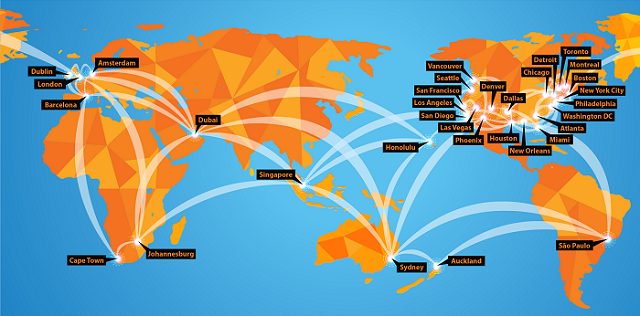
DigiMarCon is the Largest Digital Marketing, Media and Advertising Conference & Exhibition series in the world, with annual events held in all continents (North America, Latin America, Europe, UK, Asia Pacific, Middle East and Africa) in 13 countries (United States, Canada, Australia, New Zealand, United Kingdom, Ireland, Netherlands, Spain, Brazil, Singapore, India, United Arab Emirates and South Africa), across 33 cities (New York, Philadelphia, Boston, Toronto, Vancouver, Montreal, Houston, Dallas, Chicago, Los Angeles, San Francisco, Seattle, Washington DC, New Orleans, Atlanta, Detroit, Miami, Denver, San Diego, Phoenix, Las Vegas, Honolulu, London, Dublin, Amsterdam, Barcelona, Johannesburg, Cape Town, Dubai, Sydney, Auckland, Singapore and Sao Paulo). All DigiMarCon Events can be attended in-person or online. Wherever you are located there is a regional DigiMarCon event nearby you can attend.

DigiMarCon Conferences are held in top luxury 5-star event venues across the world such as; Royal Caribbean Cruise Ships, Olympic Stadiums, Marina Bay Sands Expo & Convention Centre and Wynn, JW Marriott, Marriott Marquis, Hyatt Regency, InterContinental, The Westin, Renaissance, Hilton, Conrad, W, Sheraton, Loews and Sofitel Hotel properties. Discount hotel room rates at each venue hotel means no hassle getting to and from the venue each day.

Building relationships matter! At DigiMarCon Conferences we have more networking breaks on our program than others. On average there are 8 Networking breaks at each event giving delegates ample opportunities in a relaxed atmosphere to meet others over the 2-days at the event; from 1-hour round table networking luncheons to 3-hour dinner receptions. These networking breaks are set in picturesque locations to facilitate memorable experiences while fostering new relationships. Such experiences include enjoying cocktails and the Sunset over the Pacific Ocean on a private Ocean Terrace in Santa Monica, to being on the Sydney Olympic Stadium playing arena at night enjoying cocktails under the lights, to dining at the 360 Revolving Restaurant at the top of the CN Tower in Toronto for a Dinner Reception, enjoying cocktails on a private promenade overlooking Times Square in New York City, or having fun at the Dazzles Night Club onboard the Royal Caribbean Oasis of the Seas for a Farewell Party, etc.
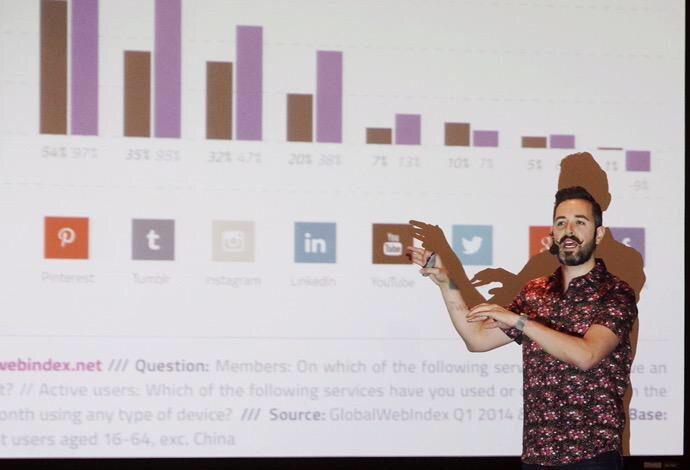
DigiMarCon Keynotes, Panels and Master Classes are facilitated by the foremost thought leaders in the industry, from celebrity social media influencers to CMO’s from the largest Fortune 500 company brands that are disrupting the digital marketing, media and advertising industry, such as Google, Facebook, Microsoft, Amazon, Oracle, Adobe, eBay, Netflix and more. All presentations are pitch-free, and include actionable takeaways, case studies, strategies and tactics, ready to be applied when back in the office.
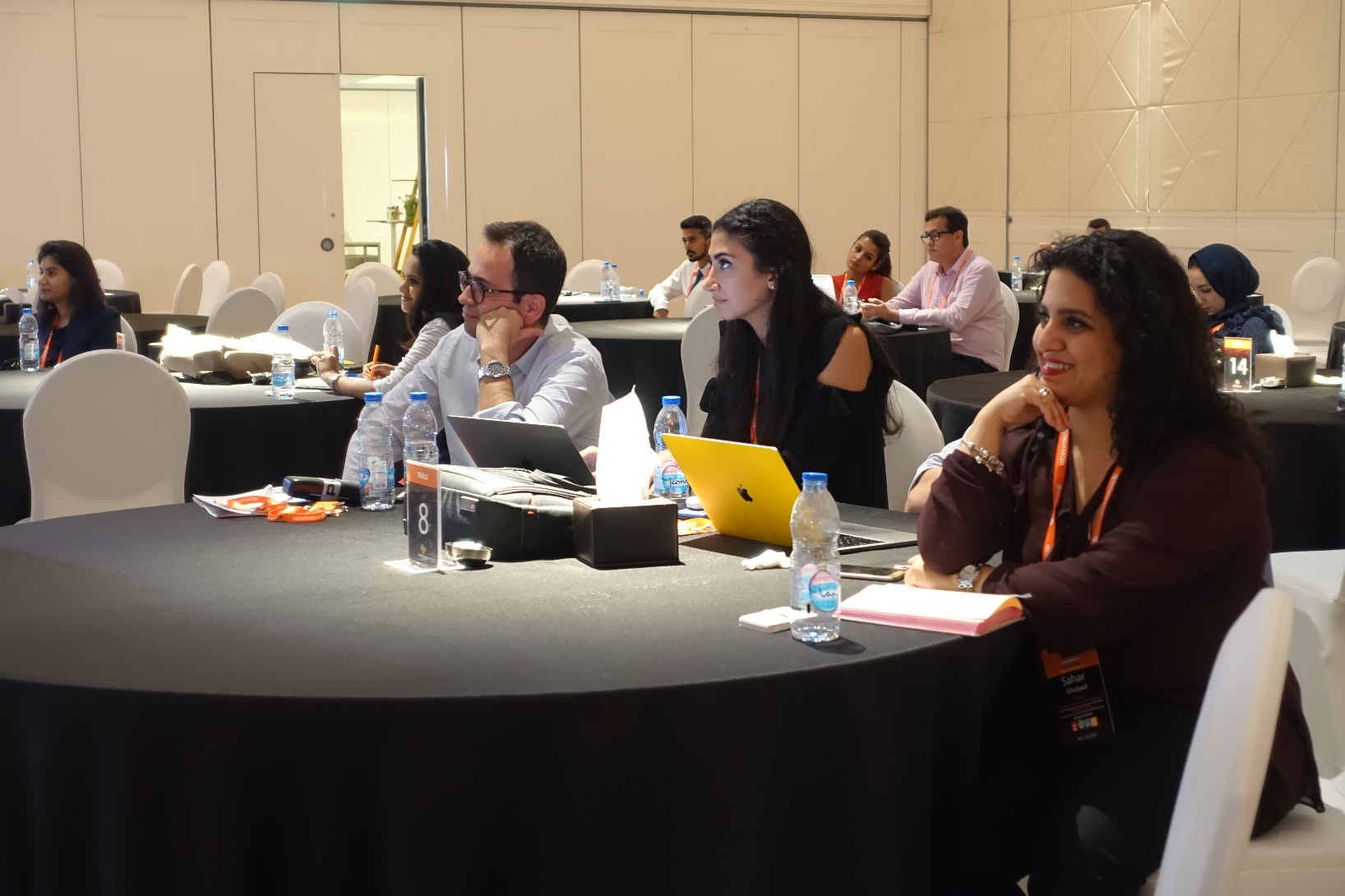
At DigiMarCon Conferences you are never ‘left in the dark’…. literally, in a large room far away from the stage and speakers, crushed in tight theater seating, without even a table, while sitting in the dark. At DigiMarCon all delegates have premium meeting space in luxurious ballroom well-lit spaces, with comfortable seating with table enabling delegates to use their laptop to take notes with ample charging facilities onsite in a comfortable space to learn and thrive. All tables are situated close with direct view of the stage.

DigiMarCon Conferences are affordable to attend, from single-day event passes up to two-day VIP options at a fraction of the cost of other industry events. We offer significant discounts for early bird registrations. Additionally, on top of time-limited discount pass rates, because budgets are tight, we want to make sure all groups have a chance to attend DigiMarCon. For government employees, students, academic, startups, non-profit organizations and teams, we offer generous discounts off the prevailing registration price.

Attend DigiMarCon and you become part of the show! DigiMarCon Conferences tap into the talent of the room, drawing from the knowledge and experience of the professionals in the audience. All DigiMarCon events include regular interactive question and answer sessions with speakers and the audience ideal for collaboration, audience polls, along with ice-breaker and group exercises, steered by charismatic Emcees.
DigiMarCon Conferences put you right up and close with the speakers giving you the opportunity to meet these social media influencers which you follow in person. Speakers are never hidden in private speaker rooms away from the audience, they are in the auditorium sitting right beside you and participating.
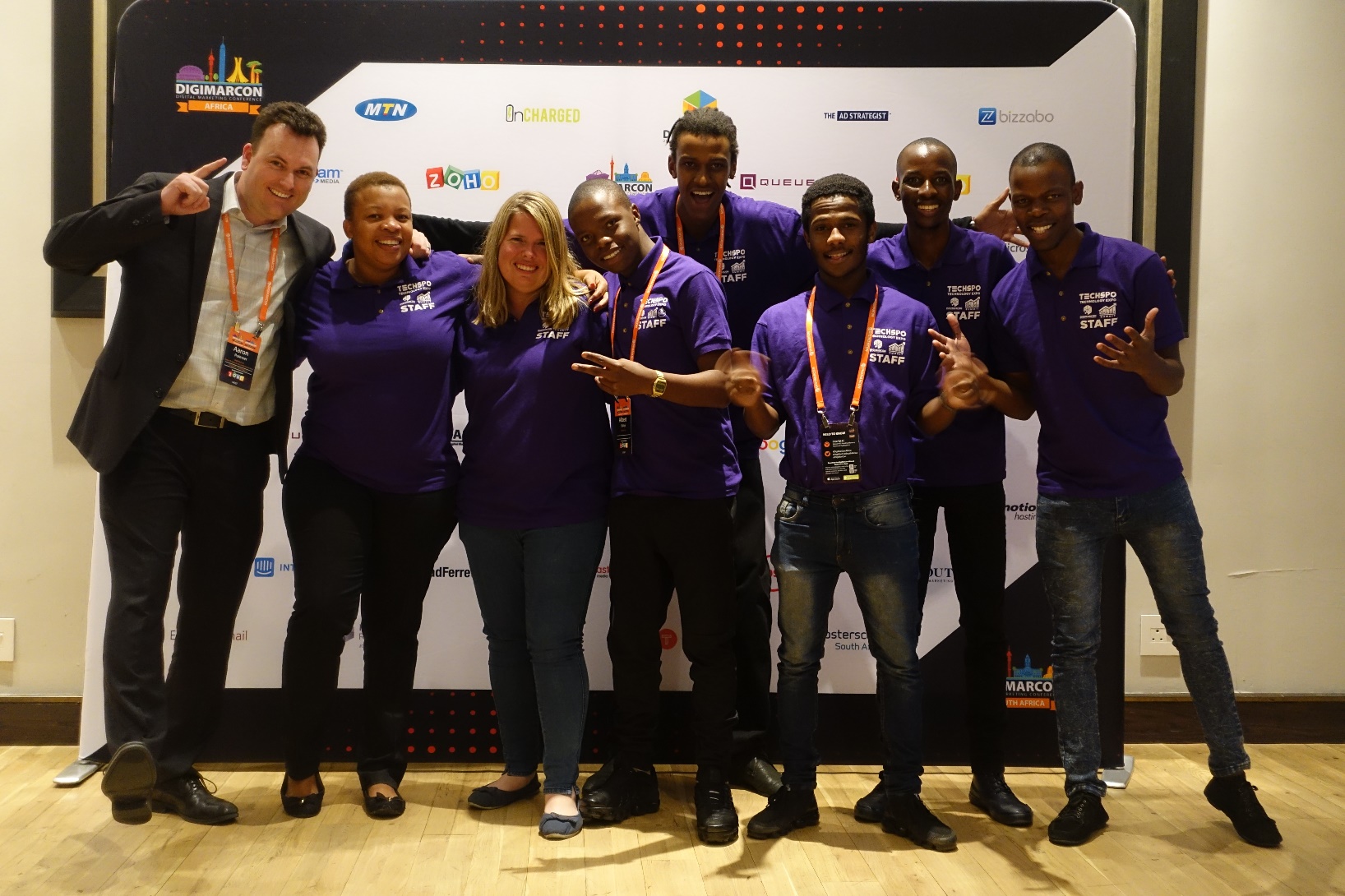
Attending a conference is a well-researched decision. There are many factors to consider such as location, time, venue, cost, speakers, content, etc. At DigiMarCon our results-obsessed Customer Service team are at your service before, during and after the event to help with your needs. It’s at the core of what we do — it drives our business. Offsite, we are ready to assist you via phone, ticket or chat. Onsite at our Conferences, friendly DigiMarCon staff serve as your hosts. They welcome your input and are happy to assist you.

At all DigiMarCon Conferences is the co-located exclusive event TECHSPO Technology Expo, which showcases the new generation of technology and innovation, including; AdTech, MarTech, Internet, Mobile and SaaS technologies. Be inspired, amazed and educated on how these evolving technologies will impact your business for the better. Unlimited Access to TECHSPO Technology Expo is included with all DigiMarCon passes.
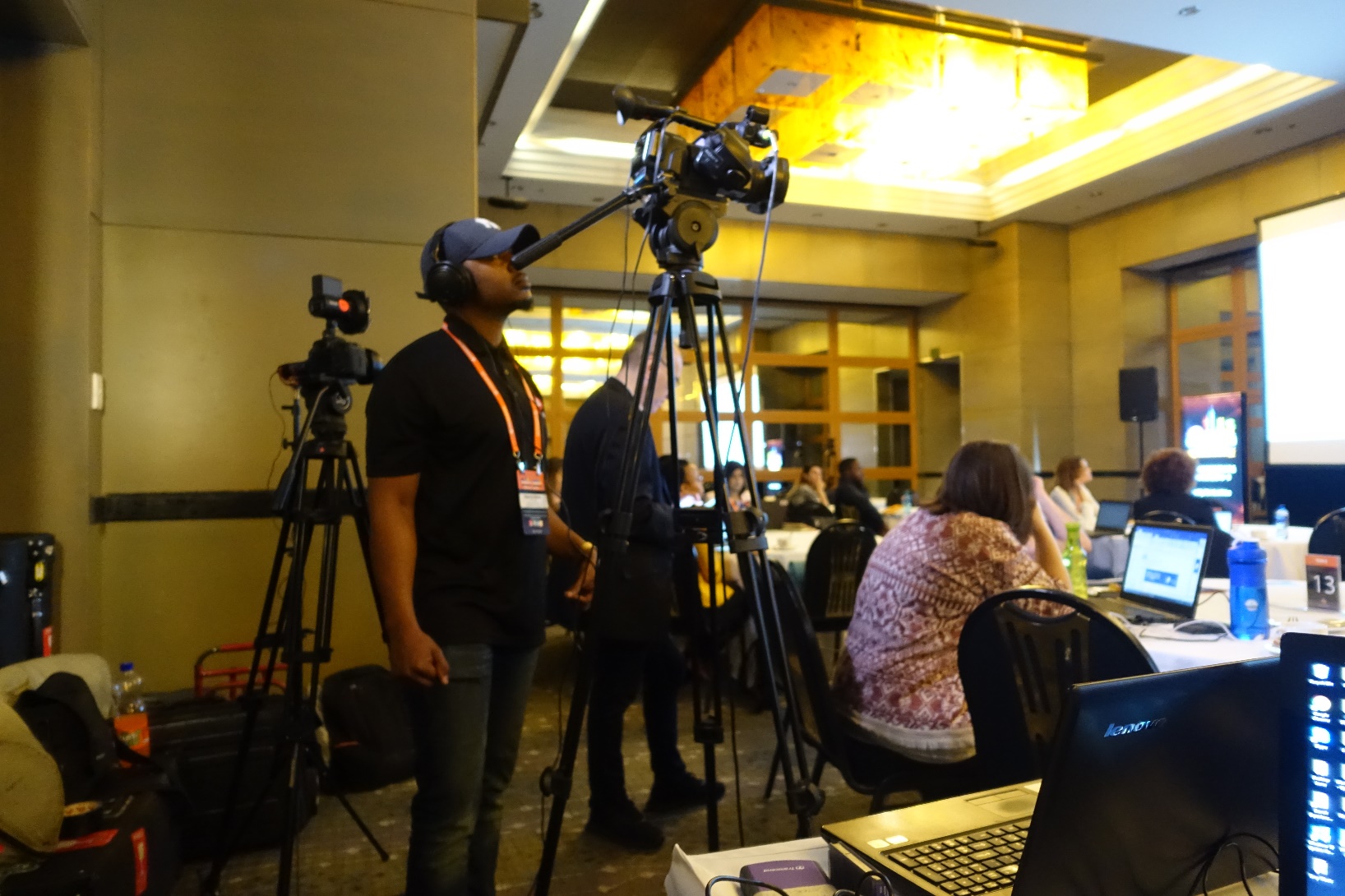
DigiMarCon All Access & VIP Passes include a 12-month on demand access to hundreds of hours of DigiMarCon speaker keynotes, panels and master class presentations from recent DigiMarCon Conferences, including videos, slide decks and key takeaways, available on demand so you can watch what you want, when you want.

Attendees of DigiMarcon Conferences gain membership to an exclusive global Digital Marketing, Media and Advertising Community of over 500,000 worldwide subscribers to our award-winning digital marketing blog and over 100,000 members to the International Association of Digital Marketing Professionals (visit https://iadmp.org). This global community comprises of innovators, senior marketers and branders, entrepreneurs, digital executives and professionals, web & mobile strategists, designers and web project managers, business leaders, business developers, agency executives and their teams and anyone else who operates in the digital community who leverage digital, mobile, and social media marketing. We provide updates to the latest whitepapers and industry reports to keep you updated on trends, innovation and best practice digital marketing.

The events industry has forever changed in a world affected by COVID-19. The health and safety of our guests, staff and community is our highest priority and paramount. The team at DigiMarCon is dedicated to ensuring a great experience at our in-person events, and that includes providing a safe, clean and hygienic environment for our delegates. Some of the key areas we have implemented safe and hygienic measures include;

DigiMarCon has always been industry leaders of the Hybrid Event experience for years (a hybrid event combines a "live" in-person event with a "virtual" online component), no one needs to miss out on attending our events. Each DigiMarCon Conference can be attended in-person (with a Main Conference, All Access or VIP Pass) or online (with a Virtual Pass) giving attendees a choice for the experience they want to have. Attending virtually by viewing a Live Stream or On Demand enables participation by people who might be unable to attend physically due to travel or time zone constraints or through a wish to reduce the carbon footprint of the event. If you would like to meet the speakers, network with fellow marketing professionals at refreshment breaks, luncheons and evening receptions, check out the latest Internet, Mobile, AdTech, MarTech and SaaS technologies providers exhibiting then it is highly recommended to attend DigiMarCon in-person. As the largest Digital Marketing, Media and Advertising Conference series with events in 33 international cities worldwide, across 13 countries, there is bound to be a DigiMarCon Event near you to attend in-person if you can.
DigiMarCon Conference Series is the annual gathering of the most powerful brands and senior agency executives in your region. The Sharpest Minds And The Most Influential Decision Makers - Together for Two Days.
Who Attends Our Conferences
Brands • Agencies • Solution & Service Providers • Media Owners • Publishers • Entrepreneurs • Start-Ups • Investors • Government • Corporates • Institutes of Higher Learning




The Short-Form Video Advantage: Short-Form Video Marketing
Brands now face a major shift in how they explain value and build trust with audiences. Modern digital storytelling goes beyond static images and needs fresh ways to capture brief attention. With concise clips, companies can join culture instead of watching from the sidelines.
This format succeeds because 72% of consumers prefer watching clips when learning about new offerings. Yet success takes more than chasing viral trends. You need a cohesive video marketing strategy that values intent over volume.
When you improve your short-form video marketing, you can connect with customers and drive real business outcomes.
Key Takeaways:
Why Short-Form Video Marketing Has Become a Strategic Advantage
Today, successful companies treat short-form video marketing as a core business skill, not a passing test. More than 50% of social media marketers now use this format in their daily work. This broad use shows short-form content is no longer a trend; it drives modern digital growth.
The shift from passive viewing to active participation
The digital world has moved far beyond passive viewing. Audiences expect to interact with content through comments, shares, and direct replies. When viewers join a brand story, they become active community members instead of spectators.
This shift helps brands build stronger connections through feedback and two-way conversations. Companies can turn casual viewers into loyal advocates by encouraging interaction. Active participation is the heartbeat of a healthy social presence.
Why attention is not the same as trust
Capturing a viewer’s attention matters, but it starts a much longer journey. Many brands mistake high view counts for success, but attention is not the same as trust. True influence needs a clear viewpoint, relevance, and proof of value.
Trust grows when a brand shares content that solves problems or offers useful insight. To improve your video ROI, build a reputation that lasts beyond each video. Reliability connects a quick click with a lasting customer relationship.
The case for treating short-form video as a business capability
Many organizations fail because they treat each video as a separate campaign, not a repeatable process. Building team skills for short-form video marketing lets you use data and improve creative work over time. This method supports sustainable video ROI.
A repeatable production workflow reduces the stress of constant content creation. It helps you scale your work while keeping quality high. Investing in internal expertise turns video from a risky gamble into a reliable business engine.
The Attention Economy Rewards Relevance, Not Just Brevity
Your audience decides within a heartbeat whether your content deserves their time. In the crowded attention economy, a short video alone cannot ensure success. Give viewers value at once, so your message connects before they swipe away.
How the first seconds determine whether viewers stay
The opening moments of your content guide audience retention. Research shows a 13% increase in breakthrough metrics when videos share their core message within three seconds. Effective video hooks stop the scroll and invite viewers into your story.
A strong start shows viewers that you respect their time. Clarity in the first frames prevents confusion and builds momentum, keeping people watching until the end.
Why context, emotion, and clarity matter more than expensive production
Many creators wrongly think high-end cameras and complex effects drive engagement. In reality, context and emotional relevance often beat polished, corporate-style production. Viewers connect with authentic stories that address their needs or feelings.
Using accessible language and a clear, relatable message creates a stronger bond than fancy transitions. Human, grounded content becomes more memorable to your target audience.
The difference between earning attention and interrupting a feed
The difference between forcing your way into a feed and earning focus is clear. Interruption uses loud, exaggerated tactics that cause quick exits and low satisfaction. Earning attention means understanding what your audience finds useful or entertaining.
Aligning content with viewer interests turns your presence from a nuisance into a welcome part of their day. This approach builds long-term loyalty and keeps your brand relevant in a fast-paced digital world.
Short-Form Video Changes the Shape of a Strong Content Strategy
A structured approach turns random uploads into a strong business asset. A clear video content strategy guides creative work toward your wider business goals. By following intent instead of trends, you can build a library of assets that works around the clock.
Building content around audience questions and recurring needs
The most effective way to start is by listening to your customers. Your educational video content should answer common questions, pain points, and curiosities brought to support or sales teams.
Create quick tutorials that solve specific problems or behind-the-scenes clips that explain your product. When you offer genuine value through these answers, your brand becomes a helpful authority in your industry.
Balancing educational, entertaining, inspirational, and promotional videos
A healthy feed mixes content types, keeping viewers engaged without making them feel constantly sold to. Balance your educational video content with lighter, inspirational moments that show your brand personality.
Treat promotional videos as one step in a journey, not the only step. Mix customer stories and product showcases with helpful tips to create a balanced ecosystem. This approach nurtures potential buyers at every stage.
Turning one core idea into a repeatable series
Consistency is often the biggest challenge for busy marketing teams. Instead of reinventing each post, use content repurposing to maximize your output. Take one core concept and break it into a multi-part series that brings audiences back.
This approach lets you explore a topic in depth while keeping a format viewers recognize. Repeatable series save time and build a loyal community that knows what to expect from your channel.
Platform Culture Should Influence the Video, Not Dictate the Brand
Digital work requires understanding that platform culture is a tool, not a master. While chasing viral trends feels tempting, your brand must remain the consistent anchor for your audience. Successful creators adapt their core message to each channel without losing their unique identity.
What TikTok marketing gets right about discovery and participation
TikTok changed how users find new content through its easy discovery engine. Effective tiktok marketing invites audiences to join instead of watching alone. Challenges, comments, and cultural behaviors help brands build an organic, genuinely human community.
How YouTube Shorts supports searchable, evergreen reach
Unlike platforms built only around short trends, YouTube is the world’s second-largest search engine. Using youtube shorts keeps content discoverable long after its initial upload date. This format reaches a massive share of consumers, supporting evergreen growth and long-term brand authority.
Adapting social media video for Instagram Reels and other feeds
When you share social media video across channels, respect each feed’s expectations. A vast majority of users engage with video weekly, so Instagram Reels needs visual pacing and clear intent. Developing a platform-specific video strategy makes your message feel native, whether viewers seek inspiration or quick information.
Your goal is to connect business objectives with users’ viewing habits. By carefully adapting your production style, you can keep a cohesive brand presence while thriving in diverse digital spaces.
Better Video Production Tips Start With the Viewer’s Experience
Effective video content starts with the viewer’s experience. When you focus on your audience, your video production tips become clearer and more useful. You do not need a large budget; you need a careful plan that values clarity and comfort over technical perfection.
Using strong framing, readable captions, and clean audio
Great mobile video production starts with strong framing. Center your subject and use enough light to show important details. Clean audio matters as much as visual quality because viewers skip muffled or distorted content.
Video accessibility is essential for modern content creation. Add readable captions so your message reaches people with hearing loss or limited privacy. These simple steps show respect for your audience’s time and effort.
Designing for silent viewing and small screens
Many users watch content while traveling, often with the sound off. For silent viewing, your visuals must tell the story alone. Use text overlays to show key points and keep the message clear without audio.
Your content will likely appear on a small smartphone screen. Avoid busy backgrounds and tiny text that viewers cannot read quickly. Simplicity is your best friend when working with a mobile device.
Making editing serve comprehension rather than spectacle
Effective editing should help viewers understand your message. Avoid flashy transitions and complex effects that distract from the main idea. Use edits to remove fluff and maintain a steady pace.
Your goal is to make the content easy to understand within seconds. Focus on video accessibility and clear storytelling to build audience trust. Careful mobile video production can beat a costly project without clear focus.
Authenticity Is a Creative Discipline, Not an Excuse for Sloppiness
True authenticity in video marketing is a deliberate creative choice, not a lack of effort. It requires a clear understanding of your brand voice and a commitment to giving viewers real value. With purpose, you can turn simple clips into meaningful connections.
Why polished imperfection can outperform corporate perfection
Modern audiences often reject overly produced, sterile advertisements. They prefer content that feels human, relatable, and honest. Polished imperfection shows that real people who care make up your company.
This approach does not mean ignoring basic video production tips. Even a casual behind-the-scenes video needs clear audio and steady framing. The goal is to remove the corporate mask while keeping quality high and respecting the viewer’s time.
Showing expertise through specificity, experience, and useful detail
Build trust by sharing specific knowledge that solves real audience problems. Instead of making vague claims, focus on the nuances of your industry. Sharing a unique tip or project lesson shows authority without a high-budget production.
Customer testimonials and case studies provide strong social proof. These videos let your audience see your organization’s personality in action. Real experiences strengthen your authentic video marketing strategy and build lasting loyalty.
Protecting credibility when using humor, trends, or vulnerability
Using TikTok marketing can help you reach new people, but it must fit your core identity. Not every viral trend suits your business. If a trend feels forced or conflicts with your values, skip it.
Humor and vulnerability can help, but clear boundaries protect your professional reputation. Keep your content consistent with your established brand voice. With video production tips, you can frame your message well, stay playful, and remain a respected expert in your field.
Video Optimization Should Connect Viewer Behavior to Business Outcomes
Effective video optimization connects casual viewing with meaningful business results. It makes value, relevance, and next steps clear to audiences and discovery algorithms. This helps your social media video efforts work harder for your brand.
Writing captions and titles that clarify the value of watching
Titles and captions are the main hook for potential viewers. Avoid generic labels, and state what viewers will gain. A strong title makes a promise, while the caption adds context and keeps viewers engaged.
Treat these elements as your digital storefront. Clear communication of the value of watching can make users stop scrolling. This mindset can improve your overall video SEO performance.
Using keywords, descriptions, hashtags, and cover frames strategically
Metadata elements, including descriptions and hashtags, help platforms categorize your content. They cannot guarantee viral reach, but they help the right people find your work. Use relevant keywords naturally to show search systems your video’s topic.
Do not overlook a compelling cover frame. It is often the first thing users see, so it should show your video’s core message. A well-designed cover frame can significantly boost click-through rates in social media video feeds.
Designing calls to action that match the viewer’s level of intent
The final step guides viewers toward a specific goal. Your calls to action should match the user’s current interest level. For someone discovering your brand, asking them to follow or save often works best.
For viewers who have already engaged with your content, introduce more direct calls to action. This may send them to an information-request form or a specific product page. Matching the request to viewer intent turns passive interest into measurable business outcomes through better video SEO.
What Video Analytics Can Reveal That Vanity Metrics Cannot
Data-driven brands use video analytics to guide creative choices. Vanity metrics, such as total views, may feel good but rarely show business impact. Deeper insights turn raw data into decisions linking viewer behavior to business results.
Reading retention curves to find moments of confusion or interest
Most effective content improves through studying audience retention. A retention curve maps where viewers lose interest or re-watch a segment. A sharp early drop may mean your hook fails to deliver its promise.
Conversely, graph spikes often show high-value moments or genuine curiosity. Finding these patterns helps improve transitions and explanations, keeping your message clear. This video optimization process removes fluff and highlights what keeps viewers engaged.
Comparing reach with watch quality and audience fit
Look beyond reach to understand the true quality of your views. Data shows that 89% of video marketers report solid ROI, while 83% say video helps generate leads. These results rarely happen by accident; they come from matching content with the right audience.
Compare reach with completion rates to understand your engagement metrics. High reach and low completion suggest a mismatch between your headline and content. Focusing on watch quality ensures videos drive important business actions, not just views.
Using comments and shares as qualitative evidence
Numbers tell only half the story, so listen to your audience. Comments and shares provide qualitative evidence about viewers’ emotions and concerns. These interactions often include questions or wording that can guide future video optimization.
Treating your comment section as a feedback loop helps build a real connection with your community. Addressing these insights shows you listen and builds trust over time. Combining data with human feedback keeps your content strategy relevant and effective.
Video Promotion Strategies Should Extend the Life of Good Ideas
A sustainable video content strategy extends the life of your most successful concepts. Rather than chase new ideas, maximize content that already connects with your audience. Treat your library as modular assets to stay present without exhausting your creative team.
Repurposing high-performing concepts across formats and channels
Effective content repurposing helps you reach audiences on their preferred platforms. For instance, adapt a successful TikTok trend into YouTube Shorts. Adjust the pacing and add context for that platform’s search-focused audience. Likewise, slice a long-form interview or webinar into focused clips highlighting specific insights.
This approach keeps your best ideas from staying in one feed. Tailor each format to its setting to keep engagement high across every channel. This is the core of a smart social media video approach.
Using collaborations, employee voices, and customer stories
Adding diverse perspectives can refresh your existing messaging. Collaborating with industry partners or influencers can introduce your brand to new, relevant audiences. Featuring employee voices adds a human touch and builds trust better than polished corporate messaging.
Customer stories also help validate your claims. Real experiences provide social proof for your broader video promotion strategies. These authentic narratives often outperform scripted content because they feel relatable and honest.
Combining organic distribution with paid amplification carefully
Organic reach helps you test which ideas truly connect with your community. After finding high-performing social media video content, use paid amplification to scale its results. This sequence ensures you spend money only on assets that have proven their value.
Ensure your conversion paths are clear before investing in paid ads. Align your content repurposing with specific business goals to turn views into measurable growth. This disciplined approach keeps your brand relevant and efficient across YouTube Shorts and other formats.
The Biggest Strategic Mistakes Brands Make With Short-Form Video
Short-form video marketing is powerful, but it needs more than frequent posts. Teams make common content marketing mistakes when they value volume over business value. Without a clear strategy, your work can cause burnout instead of growth.
Publishing frequently without learning from performance
Consistency matters, but daily posts without feedback can lead to stagnation. Treat every upload as a data point that guides your next move. Without new hooks or formats, you add noise to a crowded feed.
Confusing trends with a durable point of view
Chasing every viral audio clip or filter can weaken your brand identity. Trends may bring brief visibility, but they rarely build lasting audience trust. Focus on your unique expertise so your content stays relevant after trends fade.
Measuring success only through views and follower growth
Vanity metrics can hide your audience’s true intent. Use video analytics to examine retention rates and qualified traffic. Knowing how viewers engage with your content matters more than counting people who scrolled past your video.
Expecting one viral video to solve a weak customer journey
One hit video cannot fix a broken sales funnel or confusing website. Effective video promotion strategies should guide viewers toward a clear goal, such as newsletter signup or product-page visits. Do not rely on luck to handle work your overall marketing architecture should manage.
Conclusion
Short-form video marketing works best as a strategic capability. It joins audience insight, creative clarity, platform skills, and measurable action into one system.
By 2025, videos made up more than 80% of internet traffic. Over 50% of social media marketers used these formats to reach their goals.
Your video strategy should earn attention through genuine relevance. Build trust with specific ideas instead of broad, empty claims. Optimize each clip for the viewer’s experience.
Use data to learn from behavior, not vanity metrics that offer little real insight.
Durable brand growth comes from a steady system of useful content. Digital storytelling works best when every frame provides value. Do not chase one unpredictable viral moment.
Build a content library that serves your audience and supports your long-term business goals.