View Upcoming Digital Marketing, Media and Advertising Conferences & Exhibitions
 Phone:

DigiMarCon Events 2025: Unlock Digital Marketing Success
The digital marketing world is changing fast, with over 4.6 billion people online globally. Keeping up with these changes is key to success. DigiMarCon Events2025 is a major event that will share the latest trends and strategies.
This top conference series aims to help you succeed in digital marketing. It focuses on new tech and creative strategies. At digital marketing conferences like DigiMarCon Events2025, you can boost your brand’s online image and stay ahead in a fast-paced market.
Key Takeaways
- Insights into the latest digital marketing trends and techniques
- Opportunities to network with industry professionals
- Strategies for elevating your brand’s online presence
- Access to cutting-edge technology and innovative marketing strategies
- Expert insights from leading digital marketing professionals
Introduction to DigiMarCon Events2025
DigiMarCon Events 2025 is set to be a key event for the latest in digital marketing. It’s a top tech conference series. It brings together leaders and professionals to share knowledge.
What is DigiMarCon?
DigiMarCon is a well-known series of conferences on digital marketing. It’s a place where industry leaders share their insights. It’s known for industry events of the highest quality, with keynotes, panel discussions, and workshops.
- Keynotes from industry leaders
- Panel discussions on current trends
- Workshops for hands-on experience
Importance of Digital Marketing Conferences
Digital marketing conferences like DigiMarCon are key for marketers’ growth. They keep professionals updated and offer a chance to network. These events are vital for learning from the best and making connections.
- Stay updated on the latest trends
- Network with industry peers
- Learn from industry experts
Overview of the 2025 Event Series
The DigiMarCon Events 2025 will be even more impactful. It features a selection of sessions and speakers. It’s designed for the evolving needs of digital marketing professionals, focusing on the future of digital marketing.
By attending DigiMarCon Events 2025, professionals will learn about new trends, network, and gain from industry experts. It’s a significant event in the digital marketing calendar.
Key Highlights of DigiMarCon2025
DigiMarCon2025 is set to change the digital marketing world. It will bring together top leaders, new tech, and fresh strategies. This event is a must-see for anyone in digital marketing.

Featured Speakers and Industry Leaders
The event will feature featured speakers and industry leaders. They are experts in digital marketing. They will share their knowledge and experiences.
- Renowned experts in digital marketing trends
- Innovators in cutting-edge technology
- Leaders in shaping industry strategies
Agenda Overview
The agenda for DigiMarCon2025 covers many digital marketing topics. It includes virtual conferences and online seminars. The sessions are designed to educate and inspire.
- Keynote sessions on the latest industry trends
- Panel discussions on innovative marketing strategies
- Workshops on practical applications of digital marketing tools
Workshops and Networking Opportunities
DigiMarCon2025 offers workshops and networking opportunities. Attendees can learn hands-on and meet others in the field. This can lead to new collaborations and business chances.
By going to DigiMarCon2025, you can improve your skills and meet new people. It’s perfect for those interested in virtual conferences, online seminars, or new tech events.
Locations and Dates for DigiMarCon2025
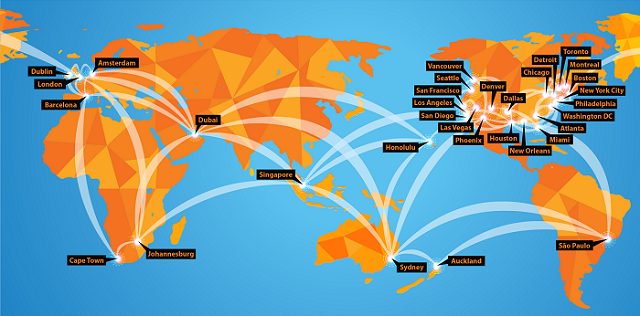
DigiMarCon2025 is happening in many places around the world. This makes it easier for people to attend. You can pick a location that fits your schedule and likes.
Major Cities Hosting the Events
DigiMarCon2025 will be in big cities like New York, London, Tokyo, and Sydney. These cities are key for digital marketing. They offer great insights and chances to meet others.
- New York: A global center for marketing and advertising.
- London: Known for its vibrant digital marketing scene.
- Tokyo: At the forefront of technological advancements.
- Sydney: A growing hub for digital marketing in the Asia-Pacific region.
Event Dates and Schedules
The dates for DigiMarCon2025 are set to help you get the most out of your time. The events will be held on different days in each city. This lets you plan your visit easily.
- New York: March 15-16, 2025.
- London: April 20-21, 2025.
- Tokyo: May 25-26, 2025.
- Sydney: June 10-11, 2025.
How to Choose the Right Location
When picking a location for DigiMarCon2025, think about accessibility, networking, and the event experience. DigiMarCon2025 wants to reach more people by hosting in many places.
Choose a location that matches your career goals and what you like. This way, you’ll get the most out of your time at the event.
Registration and Ticketing Information
Registration for DigiMarCon Events 2025 is now open. We offer various ticketing options to meet different needs. Whether you’re attending alone or with a team, our registration is easy and straightforward.
Early Bird Registration Discounts
We’re offering early bird registration discounts for those who sign up before the deadline. This is a chance for digital marketing pros to save on tech conferences and online seminars. Early registration ensures you get a spot at a top digital marketing conference of the year.
Group Rates and Corporate Packages
Businesses and teams can find great deals at DigiMarCon Events 2025. We have group rates and corporate packages for companies sending multiple people. These deals help businesses keep up with digital trends.

Cancellation and Refund Policies
We have a clear cancellation and refund policy for unexpected situations. Make sure to read the terms and conditions before signing up for DigiMarCon Events 2025. Our policy is fair and clear, helping you make the right choice.
DigiMarCon Events 2025 offers flexible registration to reach more people. It’s a great place to learn from experts and network with others. Our event is perfect for boosting your digital marketing skills.
What to Expect at DigiMarCon2025
DigiMarCon2025 is a top event for digital marketing pros. It helps you keep up with the fast-changing digital world. You’ll get valuable insights and practical tips.
Trends and Insights
The conference will talk about the future of digital marketing. You’ll learn about new trends and tech. Leaders will share how to use these for business growth.
“The key to success in digital marketing lies in understanding the evolving consumer behavior and adapting strategies.” – Industry Expert
You’ll dive deep into new tech and strategies. They’re changing the marketing world.
Case Studies and Success Stories
Real-life stories and successes will be a big part of the conference. You’ll get practical knowledge and ideas for your marketing.
- Learn from industry leaders’ experiences
- See innovative strategies that work
- Find out how to tackle digital marketing challenges
Interactive Sessions and Networking
DigiMarCon2025 has interactive sessions and lots of networking. These are for sharing ideas and connecting with others.
At DigiMarCon2025, you’ll learn about the latest trends. You’ll also meet other digital marketing pros and experts. It’s a virtual conference that’s a must for growing your business with new tech.
Conclusion: Why Attend DigiMarCon2025?
DigiMarCon events2025 are a great chance for digital marketing pros to grow their careers. They can learn about the newest trends and methods in the field. This knowledge helps them stay ahead in their work.
Building Industry Connections
At DigiMarCon2025, you can meet other professionals and leaders in the field. This is a chance to make connections that could open up new business doors. These digital marketing conferences are perfect for networking and sharing ideas.
Staying Ahead of the Curve
Learning from experts at DigiMarCon2025 can give you insights into the latest digital marketing strategies. This knowledge can help you improve your marketing and help your business succeed.
In short, DigiMarCon2025 is a key event for digital marketing pros. It’s a chance to grow your network, improve your skills, and keep up with industry trends. Don’t miss out on these marketing events. Register now and unlock your digital marketing potential.
FAQ
What is DigiMarCon Events2025, and what can attendees expect from the conference?
DigiMarCon Events2025 is a top conference for digital marketing. It shares the newest trends and methods. You’ll learn a lot, meet experts, and see the latest tech and strategies.
Who are the featured speakers at DigiMarCon Events2025?
You’ll hear from top digital marketing leaders and experts. It’s a chance to learn from the best.
What are the key highlights of the DigiMarCon2025 agenda?
The agenda covers many topics. You’ll learn about new digital marketing trends, strategies for growing your brand, and workshops on specific skills.
Where will DigiMarCon Events2025 be held, and what are the event dates?
The event will take place in major cities worldwide. There are multiple dates to fit everyone’s schedule.
How can attendees register for DigiMarCon Events2025, and are there any discounts available?
You can register online. Early bird discounts are available for advance bookings. There are also group rates and packages for businesses.
What kind of networking opportunities will be available at DigiMarCon Events2025?
There will be many chances to network. You’ll find interactive sessions, workshops, and breaks. It’s a great way to meet experts and peers.
Will there be virtual conference options available for those who cannot attend in person?
Yes, there are virtual options. You can watch online seminars and live streams. It’s for those who can’t make it in person.

Personalization & Privacy: Navigating the Digital Age
In today’s digital world, companies struggle to balance personalization with data protection and online security. As people use more digital services, they want experiences that feel made just for them. But they also worry more about privacy.
The big challenge is using customer data to make things more personal. Yet, we must also respect users’ privacy and follow data protection rules.
To tackle this tricky situation, businesses need to find ways to make things more personal. They also need to make sure they have strong online security in place.
Key Takeaways
- Balancing personalization with data protection is crucial.
- Businesses must adopt robust online security measures.
- Leveraging customer data responsibly is key.
- Personalization enhances customer experiences.
- Data protection and online security are paramount.
The Dual Nature of Digital Personalization
Digital personalization has two sides. It makes users happier and services more efficient, but it also risks their data. On one side, it makes experiences better by matching them to what users like. This makes interactions more fun and relevant.
Enhanced User Satisfaction
This way, users feel understood, which builds a stronger bond with the service or brand. For example, recommendation algorithms on streaming sites suggest movies based on what you’ve watched. This boosts how much users enjoy their time.
Improved Service Efficiency
On the other side, digital personalization makes services better. By looking at user data, services can guess what you need and make things easier. This makes services more straightforward and friendly to use.
But, collecting and using personal data is risky. The more data gathered, the bigger the chance of data breaches. This puts personal information security at risk.
Surveillance Capitalism
Also, using user data leads to surveillance capitalism. Here, data is treated like a product, often without enough confidentiality assurance. This can hurt trust and privacy.
In summary, digital personalization has many good points but also some downsides. It’s important to find a balance that keeps user customization and security in check.
Understanding the Value Exchange: Data for Services
The digital world works on a simple trade: users get tailored experiences for their data. This deal is key to how online services work. It makes our digital lives more convenient and relevant.
Convenience and Relevance
Users get personalized services that make their online time better. By sharing some data, they get a more streamlined and relevant online space.
Personalized Recommendations
One big plus of this deal is getting personalized recommendations. This makes our online time more fun and engaging.
- Enhanced user engagement
- Improved customer insights
- Revenue optimization through targeted advertising
- Better privacy settings for users
Both users and service providers win when they understand this trade well. It keeps the balance between online security and a tailored user experience.
The Evolution of Personalization & Privacy
Exploring the digital world requires a balance between personalization and privacy. This balance has changed over time. It has moved from simple tracking to advanced behavioral analytics.
First-Generation Tracking Methods
At first, personalization used basic tracking techniques like cookies and IP addresses. These methods were not very good at creating truly tailored experiences.
Modern Behavioral Analytics
The introduction of advanced behavioral analytics changed personalization. It lets businesses understand complex user behaviors. This has made personalization much more precise.
As personalization has grown, so has concern for privacy. Users now pay more attention to how their data is used. This has led to a growing demand for privacy.
Demand for Transparency
There’s a big push for greater transparency in how data is used. Businesses are being asked to be more open and user-focused in their data practices.
The journey of personalization and privacy is ongoing. It’s shaped by new tech and what users want. As we look ahead, data protection and user customization will keep playing key roles.
Key Data Protection Regulations Shaping the Landscape
Digital landscapes are changing fast. Key data protection rules are setting new limits on personalization and privacy. Keeping confidentiality assurance and online security top for digital businesses.
Core Principles and Rights
At the core of these rules are key principles. They focus on being open, getting consent, and the right to move data. These rules give people control over their personal information security, making sure it’s used right.
Compliance Challenges
Even with clear rules, businesses face big challenges. They need to understand the rules well and keep up with changes.

In the U.S., states like California and Virginia are leading the way. They’ve made their own data protection laws, showing others what to do.
Federal Regulatory Outlook
The federal government is working on a big data protection plan. They want a single rule for everyone. This will make it easier for businesses to follow the rules and keep things secure.
Healthcare Data Protection
Healthcare data gets extra protection under HIPAA. Keeping health info safe is key. Healthcare providers must use strong security to protect patient data.
Financial Information Safeguards
Financial info also gets special protection, like under the Gramm-Leach-Bliley Act. Banks and other financial places must keep customer info safe to keep trust and follow the law.
In short, data protection rules are very important for the digital world. By following these rules, businesses can keep personal information security strong and keep their customers’ trust.
Ethical Data Collection Practices
Digital landscapes are changing fast. Businesses now focus on collecting data ethically. They aim to offer personalized services while protecting user privacy.
To find this balance, companies use several strategies. Clear privacy policies are key. They tell users how their data is used and collected.
Clear Privacy Policies
Clear privacy policies build trust. They show users how data is handled.
Data Usage Explanations
Explaining how data is used helps users. It shows how their info helps create a customized user experience.
Companies should avoid “dark patterns.” These are manipulative designs. Instead, they should make privacy settings easy to use. This lets users control their data.
Consent Management Platforms
Consent management platforms help manage user consent. They ensure companies follow data protection rules.
Data Minimization Principles
Data minimization means collecting only necessary data. This reduces the chance of data breaches.
Purpose Limitation Strategies
Purpose limitation means using data only for its intended purpose. This boosts user privacy and trust.
By following these ethical data practices, businesses can meet data protection rules. They also build trust with their users.
- Implement transparent data practices
- Provide clear explanations of data usage
- Avoid manipulative design patterns
- Use consent management platforms
- Adopt data minimization and purpose limitation strategies
Building Privacy-Centric Personalization Strategies
Digital landscapes are changing fast. Businesses now focus on privacy-centric personalization. The goal is to balance user experience with data protection. This balance is key to success.
Proactive Prevention Measures
Protecting user data is essential. This means regular security audits and penetration testing. These steps help find and fix vulnerabilities early.
End-to-End Security
End-to-end security is crucial. It keeps data safe while it’s moving and when it’s stored. Encryption is a big part of this.
Data masking helps keep data safe. It hides sensitive information. This way, businesses can still analyze data without risking user privacy.
- Dynamic data masking
- Static data masking
- On-the-fly data masking
Aggregation Approaches
Aggregation approaches mix data to hide individual identities. This way, businesses can learn from data without risking privacy.
On-Device Analysis
On-device analysis is a privacy-focused method. It processes data on the user’s device. This reduces the need for data sharing and storage.
Decentralized Data Models
Decentralized data models, like blockchain, are secure and open. They give users control over their data. This builds trust and keeps information safe.
By using these strategies, businesses can create privacy-centric personalization. This approach meets regulations and builds trust with customers.
Consumer Strategies for Managing Personal Privacy
Managing personal privacy is more important than ever. With more digital services, protecting personal info is key.
Browser Privacy Controls
Using browser privacy controls is a good start. Modern browsers have features like tracking protection. For example, “Do Not Track” stops websites from tracking you.
App Permissions Management
It’s important to manage app permissions. Check what permissions apps ask for and only allow what’s needed. This helps prevent data misuse.
Using Virtual Private Networks (VPNs) and encrypted communications is also vital. VPNs are great for public Wi-Fi networks.
Privacy-Focused Browsers
Choosing privacy-focused browsers is another smart move. Browsers like Tor or Brave block trackers and ads, offering better privacy.
Recognizing Data Collection Signals
Knowing data collection signals is crucial. Understanding when and how data is collected helps you make better online choices.
Evaluating Privacy Policies
Lastly, evaluating privacy policies is essential. Read and understand the privacy policies of services you use. Look for clear info on data use and protection.
By using these strategies, you can greatly improve your online privacy. It’s all about being proactive and informed in the digital world.
Technologies Enabling Secure Personalization
New technologies are making it easier to personalize services securely. This is key in today’s digital world. People want services tailored to them but also want their data kept safe.

Technologies like differential privacy and homomorphic encryption are being used to keep data safe. Differential privacy makes sure data can’t be linked to a single user. Homomorphic encryption lets data be processed without being decrypted, keeping it safe.
Implementation Challenges
But, using these technologies is not easy. Companies face technical hurdles and must make sure their systems work with new security measures. They also need experts to set up and manage these systems.
Statistical Protection Methods
Methods like data anonymization and aggregation are crucial for protecting data. They help businesses get insights without revealing who the data belongs to.
Real-World Applications
Many companies are using these technologies to improve personalization. For example, some use blockchain for secure user profiles. Others use AI-driven analytics for personalized suggestions without risking data security.
Self-Sovereign Identity
The idea of self-sovereign identity is becoming more popular. It lets users control their data. This way, they can choose who sees their information, improving privacy and security.
Consent Tracking
Good consent tracking is key to respecting user choices. Tools that make it easy to manage consent help companies follow data rules and gain customer trust.
By using these technologies, businesses can offer personalized services while keeping data safe. As the digital world keeps changing, the need for secure personalization will grow. This will lead to more innovation in keeping data protected.
Building Consumer Trust Through Privacy Practices
In today’s digital world, it’s key for businesses to earn consumer trust. They must focus on confidentiality assurance to keep customers loyal over time.
Layered Notice Approaches
Using layered notice approaches is a smart move. It gives users clear info on how data is collected and used. This helps users make smart choices about their data, boosting trust and transparency.
Visual Privacy Indicators
Visual privacy indicators are also vital. They show users how a company handles their data through simple visuals. This makes it easier for users to grasp how their data is used.
Privacy certifications are important too. They show a company’s dedication to privacy. Getting recognized certifications proves a business follows top privacy standards.
Transparency Reports
Sharing transparency reports helps keep trust alive. These reports detail how data is collected and used. They help build trust and accountability.
Incident Response Planning
Having a solid incident response plan is crucial. It helps protect customer data. With a good plan, businesses can quickly handle data breaches and reduce harm to customers.
Customer Communication Strategies
Good customer communication strategies are essential. Companies need to talk clearly and openly about data practices. This ensures users feel informed and in charge of their data.
By using these strategies, businesses can create strong bonds with their customers. These bonds are built on trust, openness, and a focus on Personalization & Privacy.
Case Studies: Successful Personalization with Privacy
Studies show that you can personalize without losing privacy. Many companies have found ways to do this. They use strong data protection while still offering personalization.
App Tracking Transparency
App Tracking Transparency is a great example. It lets users control their data across apps. This builds user trust and follows new privacy rules.
On-Device Intelligence
On-Device Intelligence is another smart move. It uses AI right on the user’s device. This cuts down on data sharing, making things safer.
Some companies let users search without tracking them. This keeps privacy safe while still offering a good search experience.
Profitable Privacy Protection
It’s also good for business to focus on privacy. Companies that protect user data gain more trust and loyalty. This can lead to more profits over time.
Preference-Based Suggestions
Preference-Based Suggestions are another way to personalize. They use what users like, not what they do. This way, companies can offer a good experience while keeping privacy settings safe.
User Control Features
Having User Control Features is key. It lets users manage their privacy. This builds trust and makes sure personalization meets user needs.
These examples show that you can personalize well while keeping privacy and data protection in mind. It’s all about finding the right balance.
Future Trends in Personalization & Privacy
Future trends in personalization and privacy will be shaped by what consumers want. They want customized experiences and confidentiality assurance. As technology gets better, businesses are finding ways to meet these needs.
Intentional Data Sharing
People are now more careful about the data they share. They want to know how it will be used and what they get in return. This change is making companies focus more on privacy.
Value-Based Exchanges
The idea of value-based exchanges is becoming popular. It means people get something useful in return for their data. This new way of doing things is changing how businesses and customers interact.
With AI making personalization better, there’s a need for algorithmic transparency and bias prevention measures. Companies are using new tech to make sure their algorithms are fair and accountable.
User-Controlled Digital Identity & Cross-Platform Privacy Management
New trends include user-controlled digital identity and cross-platform privacy management tools. These tools help people manage their privacy on different platforms and services.
In conclusion, the future of Personalization & Privacy is about finding a balance. It’s about giving users what they want while keeping their information safe. By following these trends, businesses can earn their customers’ trust and stay competitive.
Conclusion: Striking the Right Balance
The digital age brings a challenge: balancing personalization with strong privacy. Data protection and user customization are now linked. They are key to a successful digital strategy.
Businesses can build trust by focusing on online security and personal information security. This leads to customized user experiences that respect privacy. It also boosts engagement and loyalty.
The future of Personalization & Privacy is about using technologies that balance these areas. Companies that focus on privacy do well in a changing data protection world.
Getting the balance right between personalization and privacy is crucial. It benefits both businesses and users. This way, we can have a digital world that is both personalized and safe.
FAQ
What is the importance of balancing personalization and privacy in the digital age?
Balancing personalization and privacy is key. It lets businesses use customer data for better experiences. At the same time, it respects user privacy, building trust and following data protection rules.
How does digital personalization impact user satisfaction and service efficiency?
Digital personalization makes users happier by giving them content that matters. It also makes services better by making interactions smoother. This is why it’s great for businesses wanting to improve customer experience.
What are the drawbacks of digital personalization, particular concerning data vulnerability and surveillance capitalism?
The downsides include data risks, as personalized info can get stolen. There’s also surveillance capitalism, where data is used for profit without clear consent or openness.
How do data protection regulations shape the digital landscape?
Laws like GDPR and CCPA set rules for data use. They guide how businesses handle user data, pushing the digital world towards more privacy.
What are some ethical data collection practices that businesses can adopt?
Good practices include clear privacy policies and explaining how data is used. Avoiding tricks and getting consent right are also key. These steps help build trust with users.
How can businesses build privacy-centric personalization strategies?
Businesses can focus on security, data protection, and privacy. Using secure methods and keeping data safe are important. This ensures personalization doesn’t harm privacy.
What consumer strategies can help manage personal privacy online?
Users can protect their privacy by using browser controls and managing app permissions. VPNs and encrypted chats help too. Being informed about data collection and checking privacy policies is also important.
What technologies enable secure personalization?
Technologies like differential privacy and homomorphic encryption keep data safe. Self-sovereign identity and consent tracking also boost privacy. These tools protect user data during personalization.
How can businesses build consumer trust through privacy practices?
Trust is built by being open about data use and showing privacy efforts. Visual indicators and certifications help. Transparency reports and good customer communication are also key.
What are some successful case studies of personalization with privacy?
Companies have shown it’s possible to personalize without sacrificing privacy. They’ve used app tracking, on-device intelligence, and more. These examples prove personalization and privacy can go hand in hand.
What future trends are expected in personalization and privacy?
The future looks bright with trends like intentional data sharing and value exchanges. Algorithmic transparency and bias prevention are also on the horizon. These changes aim to improve both personalization and privacy.

Paid Search Marketing: Elevate Your Online Presence
In today’s digital world, businesses look for ways to stand out online. Paid Search Marketing is a key tool for this.
With PPC Advertising, companies can get more eyes on their brand. This leads to more website visitors and higher sales. A smart SEM Strategy is essential for success.
Key Takeaways
- Elevate your online presence with Paid Search Marketing
- Increase visibility and drive website traffic
- Boost conversions with effective PPC Advertising
- Develop a well-crafted SEM Strategy
- Stay competitive in the digital landscape
What is Paid Search Marketing?
Businesses use Paid Search Marketing to find customers who are looking for what they offer on search engines. This digital ad method helps companies show up on search engine results pages (SERPs). It boosts their visibility and reach.
Paid Search Marketing includes Search Engine Marketing (SEM). Companies create and bid on ads that show up on search engines like Google, Bing, or Yahoo. Ads are shown based on what users search for.
- Keyword research and bidding: Advertisers pick keywords and bid to show their ads.
- Ad creation: Businesses make ads that grab attention and include target keywords.
- Auction dynamics: Search engines use algorithms to pick ads based on bid, relevance, and landing page quality.
- Ad display: Ads appear on SERPs, often above or below organic results.
Knowing these steps is key for good Paid Search Marketing. By using Keyword Bidding and making great ads, businesses can get better ad spots and more clicks.
To get the most from Paid Search Campaigns, keep an eye on ad performance. Adjust bids, ad copy, and targeting to get the best return on investment.
Benefits of Paid Search Marketing
Paid Search Marketing is key for businesses wanting to grow online. It gives immediate visibility that SEO can’t match. Paid search ads can start bringing traffic to your site fast, unlike SEO which takes months.
This quick start is great for new businesses or those introducing new products. It helps them quickly make an impact. Plus, Paid Search Marketing is cost-effective. Businesses can set budgets that fit their finances. This targeted approach means your ads reach the right people, boosting chances of sales.
Paid Search Optimization helps improve ad campaigns. It means tweaking keywords, ad text, and bids to get more bang for your buck. Good Google Ads Management is essential. It helps businesses use the platform’s tools to make smart choices.
Another big plus is being able to track ad performance well. Ad Performance Tracking lets businesses see how their ads are doing in real-time. This makes it easier to spot and fix problems. With these insights, businesses can make their ads work better, making sure their marketing is both smart and successful.
- Immediate visibility and increased traffic
- Cost-effective advertising solutions
- Targeted advertising for higher conversions
- Real-time Ad Performance Tracking for campaign optimization
Paid Search Marketing is a powerful tool for businesses to grow online. It’s perfect for launching new products or boosting your brand’s visibility. Paid Search Marketing is flexible and effective, helping businesses thrive.
Setting Goals for Paid Search Campaigns
Before starting Paid Search Marketing, it’s key to set clear goals that match your business strategy. You need to define Key Performance Indicators (KPIs) to measure success. Your goals might be to increase traffic, get more leads, or boost sales.
Your SEM Strategy must match your business goals. This ensures your ads help achieve the company’s bigger aims. Here’s how to do it:
- Know your target audience and what they need.
- Find out what drives conversions for your business.
- Set clear, measurable goals for your Paid Search Marketing campaigns.
- Make sure your PPC Advertising fits with your marketing plan.
Setting good goals for Paid Search Marketing helps focus your ads. This leads to better ROI and business growth.
To improve goal-setting, use data and analytics. Look at past campaign data, industry standards, and trends. This helps craft a smarter SEM Strategy that gets results.
In short, setting clear goals is vital for Paid Search Marketing success. Align your goals with your business strategy and use data to guide you. This way, you’ll get the most out of your ads and grow your business.
Choosing the Right Platforms for Advertising
When it comes to Paid Search Campaigns, picking the right platform is key. It’s vital for the success of your Google Ads Management strategy.
The Paid Search Marketing world has many players. Each has its own strengths and weaknesses. Google Ads is the top choice, with a huge reach and advanced targeting.
Microsoft Advertising is great for targeting specific groups. Social media sites like Facebook and LinkedIn also offer paid search ads in different settings.
When deciding, think about a few things:
- Target audience: Know who your perfect customer is.
- Ad format options: Look at the ad types you can make on each platform.
- Keyword Bidding strategies: Learn how each platform handles Keyword Bidding and control levels.
- Budget requirements: Check the minimum budget needed for each platform.
By considering these points, you can pick the best platforms for your ads. This way, you can make your Paid Search Campaigns work harder for you.
Crafting Effective Ad Copy
Effective ad copy is key to a successful Paid Search Marketing strategy. It drives conversions and sales. To make compelling ad copy, you need to know your audience well and tailor your message to them.
A strong headline is vital. It catches the eye of potential customers and makes them want to read more. Your headline should be clear, concise, and relevant. It should also include relevant keywords to help people find your ad.
A good call-to-action (CTA) is also key. It tells users what to do next. Your CTA should be prominent, actionable, and persuasive. Use words that encourage people to take action.
A/B testing is important for improving your ad copy. It lets you see which versions work best. By testing different headlines, CTAs, and descriptions, you can make your ad copy more effective.
To make your ad copy even better, try these tips:
- Use social proof, like customer testimonials, to build trust.
- Add relevant keywords to make your ad more visible and relevant.
- Use emotional triggers, like scarcity or urgency, to boost conversions.
By using these strategies and always testing and improving your ad copy, you can greatly enhance your Paid Search Optimization. This will lead to better results from your PPC Advertising campaigns.
Ad Performance Tracking is also vital. It helps you see how well your ad copy is working. This way, you can make smart choices to improve your campaigns.
Keyword Research Strategies
A solid keyword research plan is key to a successful Paid Search Marketing campaign. It digs deep to find the keywords your audience uses to look for what you offer.
Start by using keyword research tools on the market. These tools help find the best keywords. They also show search volume, competition, and bid prices for Keyword Bidding.
Looking at your competitors’ keyword tactics can be very helpful. It lets you tweak your SEM Strategy to keep up with the competition.
Understanding Long-Tail and Short-Tail Keywords
Knowing the difference between long-tail and short-tail keywords is important. Short-tail keywords are broad and popular, but also very competitive. Long-tail keywords are specific and less competitive, making them a better choice for Paid Search Marketing.
- Short-tail keywords: Broad terms with high search volume.
- Long-tail keywords: Specific phrases with lower search volume and less competition.
- Example: “Digital marketing” (short-tail) vs. “digital marketing services for small businesses” (long-tail).
Mixing both short-tail and long-tail keywords in your strategy is smart. It attracts a wide audience while targeting specific groups.
In summary, a strong keyword research plan is crucial for Paid Search Marketing success. Use the right tools, study competitors, and grasp keyword types to boost your campaign’s visibility and ROI.
Budgeting for Paid Search Marketing
Knowing how to spend your budget is crucial for Paid Search Marketing success. A good budget helps you get the most value while avoiding waste.
Start by thinking about your business goals, what others in your field spend, and the cost of keywords. Make sure your bidding fits your budget. This way, you won’t spend too much on keywords that don’t bring in customers. Keep an eye on your Ad Performance Tracking to see if your ads are worth the cost.
Here are some important things to think about when budgeting for Paid Search Campaigns:
- Daily Budget Caps: Daily limits can stop you from spending too much and let you manage your budget better.
- Keyword Cost: Knowing how much your keywords cost is key for smart budgeting.
- Conversion Value: Knowing how much each conversion is worth helps you see if your ads are profitable.
- Google Ads Management: Using Google Ads’ budget tools can help you spend your money wisely.
Good budgeting for Paid Search Marketing means planning, watching your ads, and making changes. By checking your Ad Performance Tracking often, you can find ways to do better and adjust your budget.
To make your budget work even better, try these tips:
- Check and change your keyword bids often to match your budget and goals.
- Use negative keywords to avoid spending on searches that aren’t right for you.
- Watch how your ads do on different devices and adjust your budget based on that.
With a smart and data-based budget, you can make your Paid Search Campaigns more effective. This will help you get a better return on your investment.
Creating Compelling Landing Pages
To boost conversions, businesses need to focus on landing pages that speak to their audience. A well-made landing page is key to turning visitors into customers.Key Elements of a High-Converting Landing PageA clear headline is crucial, as it tells visitors what they’ll get. The copy should grab their attention, addressing their needs and problems. A clear call-to-action (CTA) is also important, guiding visitors to take the next step.
Mobile Optimizationis now a must, as most people use mobile devices to access websites. A mobile-friendly landing page is essential. This means using responsive design, compressing images, and keeping load times short.
Fast load times are also key, as slow pages can lead to visitors leaving quickly. To speed up pages, businesses can optimize images, use browser caching, and reduce heavy scripts.
When making landing pages, businesses should think about theirSEM Strategy. Make sure the landing page matches the ad copy and messaging. This makes PPC Advertising more effective, leading to better results from Paid Search Optimization.
By following these tips, businesses can make landing pages that boost conversions and improve ROI.
Tracking and Analytics for Campaigns
To make Paid Search Marketing better, knowing about tracking and analytics is key. By looking at data, you learn a lot about how your campaign is doing. You can spot what needs work and make smart choices.
Key Components of Tracking and Analytics
Tracking and analytics for Paid Search Marketing include a few important parts. These are:
- Conversion tracking
- Click-through rate (CTR) analysis
- Cost per conversion analysis
- Keyword bidding strategy optimization
Conversion tracking lets you see what users do after clicking on your ads. It shows how well your campaigns are working. CTR analysis helps you see if your ad copy is hitting the mark with your audience.

Understanding the cost per conversion is key to knowing if your campaigns are worth it. By tweaking your keyword bids, you can get your ads to show up better and spend less.
Many tools help track how well your Paid Search Marketing campaigns are doing. Google Analytics and Google Ads are top choices. They give you detailed reports on how your campaigns are performing, helping you fine-tune your plans.
Interpreting Results
It’s crucial to understand your tracking and analytics results well. This lets you spot trends, use what works, and fix what doesn’t. Regular checks and tweaks are essential to stay ahead in Paid Search Marketing.
By using the insights from tracking and analytics, you can keep making your Paid Search Marketing campaigns better. This boosts their success and your return on investment (ROI).
Continuous Optimization Techniques
To succeed in Paid Search Marketing, continuous optimization techniques are key. You need to keep improving your SEM Strategy. This means targeting the most relevant and cost-effective terms.
Boosting your ad quality score is crucial for Paid Search Optimization. A higher score can mean lower costs and better ad spots. This makes your campaigns more effective.
It’s important to regularly review your campaign’s performance. This helps you find areas to improve and make the needed changes. You should analyze your Google Ads Management data to optimize your campaigns.
Key Strategies for Continuous Optimization
- Regularly adjust your keywords and bids to stay competitive.
- Improve your ad quality score through relevant ad copy and landing pages.
- Use data from your campaigns to inform your optimization decisions.
By using these continuous optimization techniques, your Paid Search Marketing campaigns will keep performing well. This will help drive conversions and revenue.
Trends Shaping the Future of Paid Search Marketing
The world of Paid Search Marketing is always changing. New tech and how people use the internet are big reasons why. To succeed in PPC Advertising and Search Engine Marketing, you must keep up with these changes.
Voice search is becoming more popular. More people are using voice assistants to search online. Advertisers need to adjust their strategies to show up in voice searches.
Artificial intelligence is making paid search ads smarter. It helps target ads better and make them more personal. This means ads can connect with people in a more meaningful way.
Keeping up with the latest in Paid Search Marketing is key. This way, advertisers can grab new chances and stay ahead in the fast-paced world of Search Engine Marketing.
FAQ
What is Paid Search Marketing, and how does it work?
Paid Search Marketing is a digital ad method where businesses pay for ads on search engines. It targets specific keywords and demographics. This way, businesses reach people searching for what they offer.
How do I choose the right keywords for my Paid Search Marketing campaign?
To pick the right keywords, find out what your audience searches for. Use keyword research tools and look at your competitors. Also, consider both long-tail and short-tail keywords for a strong strategy.
What is the importance of ad copy in Paid Search Marketing?
Ad copy is key to a successful Paid Search Marketing campaign. A catchy headline and clear call-to-action can draw in customers. Testing different versions of your ad copy is also crucial for better performance.
How do I budget for Paid Search Marketing, and what factors should I consider?
Budgeting for Paid Search Marketing means looking at your goals and industry costs. Set a realistic budget and match your bidding strategy to it. Always check your Return on Investment (ROI) to see if your ads are worth it.
What are the key elements of a high-converting landing page?
A great landing page has a clear headline, engaging copy, and a strong call-to-action. It must work well on mobile devices and load quickly. This ensures a good user experience and more conversions.
How do I track and analyze the performance of my Paid Search Marketing campaign?
Use tools like Google Ads and Microsoft Advertising to track your campaign. Analyzing data helps you understand how your campaign is doing. This way, you can make smart changes to improve it.
What are some continuous optimization techniques for Paid Search Marketing?
To keep improving your Paid Search Marketing, regularly update your keywords and bids. Work on your ad quality score and do performance reviews often. These steps help you stay competitive and keep your campaigns successful.
What are the emerging trends shaping the future of Paid Search Marketing?
Trends like voice search, artificial intelligence, and better targeting are changing Paid Search Marketing. Keeping up with these trends can help you get the most out of your ads and increase your ROI.

Employee-Generated Content: Amplify Your Brand’s Voice
In today’s digital world, brands are always looking for new ways to reach their audience. One great way is through Employee-Generated Content (EGC). Here, employees share their experiences and insights, becoming brand ambassadors.
EGC makes a brand more relatable and trustworthy. It lets brands show their human side. This way, potential customers feel more connected to the brand.
This method is all about employee advocacy and employee engagement. It builds a culture where employees care about the brand’s success.
Key Takeaways
- Employee-Generated Content humanizes a brand.
- EGC fosters trust and credibility.
- It encourages employee advocacy.
- Boosts employee engagement.
- Creates a more relatable brand image.
What is Employee-Generated Content?
In today’s digital world, employee-generated content (EGC) is a key tool for brands. It’s any content made and shared by employees on different platforms. This can be blog posts, social media posts, videos, and more.
EGC is more than just making content. It’s about using employees’ unique views to spread a brand’s message. There are many types of EGC, like behind-the-scenes stories, product reviews, and industry insights. Companies can make a wide range of content that speaks to different people.
There are many good things about EGC for brands. Some main benefits are:
- Increased Authenticity: Content from employees is often seen as more real and reliable than content made by the brand itself.
- Improved Employee Engagement: When employees make content, it can make them more involved and excited.
- Enhanced Brand Awareness: EGC can help a brand reach more people by using employees’ personal connections.
By using EGC in their marketing, brands can make their content more interesting and varied. This helps build a stronger brand and makes the workplace more connected and engaged.
Harnessing the Power of Employee Voices
Employee stories are key to building trust with customers. When employees share their experiences, it makes the brand more relatable. This approach connects with people on a personal level.
Workforce storytelling is a great way to create engaging content. It shows the company’s culture and values. This makes the brand more appealing to customers and potential employees alike.
Employee influencers shape the brand’s story. They share both good and tough times, giving a real look at working with the company. Their stories can reach many people, boosting the brand’s image.
Creating an employee content strategy means encouraging employees to share their stories. This can be done through social media takeovers, employee spotlights, or rewarding content from employees.
Using employee voices makes a brand more authentic and engaging. It builds trust with customers and helps create a positive work culture. This makes it easier to attract and keep the best talent.
Strategies to Encourage Employee Participation
To build a culture of employee-generated content, companies need to encourage their team. They must create a supportive space where everyone feels valued and wants to contribute.
One good way to get employees involved is by giving them clear guidelines and training. They should know what kind of content is wanted, where to share it, and why it matters. Training sessions can help employees learn to make engaging content, like writing, making videos, or designing graphics.
To make content creation fun, companies can:
- Host contests or challenges to reward employees for their work
- Build a community through internal social media groups or forums
- Thank and reward those who make great content
Incentives are key to motivating employees. They can be money or recognition, like being featured on the company’s official channels.
Also, letting employees help decide what content to create can really boost their interest. Regular feedback and open communication are vital. They help understand what employees want and need, making content creation better for everyone.
- Have a clear content strategy that matches company goals and employee interests
- Give employees the tools and resources they need
- Keep track of how well employee-generated content is doing
By using these strategies, companies can create a culture of active participation. This will improve employee advocacy and internal content creation efforts.
Platforms for Sharing Employee-Generated Content
To make the most of Employee-Generated Content, it’s key to know the different places to share it. Each platform has its own benefits and challenges.
Social media is a top choice for sharing EGC. It lets you reach many people and start conversations. For example, employees can post their stories on their personal profiles with a company hashtag. This boosts the brand’s voice and builds a community.
Internal tools are also crucial for EGC. Use intranets, newsletters, and internal social networks to share employee wins. This lifts morale and encourages everyone to get involved.
Company websites and blogs are also key for EGC. By sharing employee stories and testimonials, you add a personal touch. This shows your commitment to your team and can attract new customers and employees.
Best Practices for Maximizing EGC Platforms
- Content Curation: Pick EGC that fits your brand’s message and quality.
- Employee Advocacy: Get employees to share EGC on their personal networks.
- Engagement: Talk back to EGC on different platforms to keep the conversation going.
- Monitoring: Keep an eye on how EGC does on different platforms to see what works best.
By smartly using these platforms and following best practices, companies can share Employee-Generated Content well. This strengthens their brand and creates a more involved and active culture.
Case Studies: Success Stories
Employee-generated content has a big impact on brand visibility and engagement. Many companies have seen great results by using employee influencers and storytelling. This has greatly improved their marketing.
Dell’s “Dell Technologies Social Advocate Program” is a great example. It let employees share brand messages on social media. This led to a big increase in brand reach and engagement. Dell used employee voices to make their brand more relatable and trustworthy.
Dell Technologies’ success with employee-generated content shows how brands can boost their marketing through workforce storytelling.
Adobe also had a success story. They started an employee advocacy program. It let staff share company news on their personal social media. This grew Adobe’s brand reach and built a sense of community among employees.
These stories show how employee-generated content can improve brand marketing. By tracking the impact, companies can make their strategies better. This helps them engage their audience and achieve business goals.
The secret to great employee-generated content is empowering employees to share their real experiences and stories. This creates a more authentic brand narrative.
As more brands use employee content strategies, it’s important to track metrics and learn from others. This helps companies keep improving their marketing. They stay competitive in a fast-changing market.
Overcoming Common Challenges
Companies face hurdles when they start using employee-generated content. One big challenge is getting employees to share content.
To solve this, companies can offer incentive programs. For example, rewarding employees for their contributions can create a culture of engagement.
- Develop clear guidelines on the type of content that is encouraged.
- Provide training on content creation to boost confidence.
- Use internal champions to promote the program.
Ensuring quality and consistency is another big challenge. Brands can tackle this by having a strong review process and clear content standards.
- Implement a content calendar to plan and organize content in advance.
- Use a mix of content types to keep the audience engaged.
- Monitor engagement metrics to refine content strategies.
Managing negative feedback is also key. Companies should have a plan to handle criticism well. This can help build trust and transparency.

Many brands have successfully tackled these challenges. For example, IBM and Adobe have great employee advocacy programs. These programs not only encourage sharing but also ensure the content is good and relevant.
By understanding these challenges and finding ways to overcome them, brands can use employee-generated content well. This can improve their marketing and increase employee engagement.
Legal and Ethical Considerations
Companies are using more employee-generated content (EGC) for marketing. But, they face many legal and ethical issues. This content can be powerful for brands, but it also has risks.
Getting employee consent is key. Companies need to know they can use what employees create. They should have clear rules on how to use, share, and change this content.
Keeping privacy and confidentiality is also vital. Employees might share private info without meaning to. Businesses must protect this info and teach employees what’s okay to share.
Following laws and rules is crucial. This includes copyright, labor laws, and specific industry rules. Companies must know about the Copyright Act and make sure they’re not breaking it.
- Make clear rules for EGC
- Train employees on legal and ethical stuff
- Keep policies up to date with new laws and standards
By tackling these issues, companies can use EGC safely. This not only keeps the business safe but also builds trust and follows rules among employees.
Integrating Employee Content with Marketing Strategies
To get the most out of employee-generated content (EGC), it’s key to blend it with marketing plans. This mix makes sure employee posts match brand goals. It boosts brand awareness and gets customers more involved.
Aligning employee-generated content with marketing objectives is a big part of this. Businesses can tell a story that speaks to their audience by doing this. Here’s how:
- Find the main themes and messages in marketing campaigns
- Ask employees to make content about these themes
- Show off employee content on different marketing channels
Another important step is collaborating across departments. Marketing, HR, and internal comms teams need to work together. They should:
- Make a single content plan
- Set rules for employee content
- Watch how EGC affects marketing goals
Measuring the impact of employee content on brand awareness is key. Track likes, shares, and comments on various platforms. Also, use analytics to see how EGC boosts website visits and sales.
Here’s an example of how EGC can boost marketing: A company asks employees to share their innovation stories on social media. This leads to more engagement and visibility, showing the strength of workforce storytelling.
In summary, mixing employee content with marketing plans is a strong way to make a brand’s voice louder and wider. By matching employee posts with brand goals and working together, companies can craft a compelling story that connects with their audience.
Future Trends in Employee-Generated Content
Looking ahead, employee-generated content (EGC) will play a bigger role in marketing. The digital world is changing fast. This means brands need new ways to use their employees’ voices.
The growth of video content is a big trend in EGC. More people are watching videos on YouTube, TikTok, and Instagram Reels. Employees are making videos that show off their company’s culture and what they offer. This is becoming a key part of employee-generated marketing.

There’s also a big push for increasing diversity and inclusion in EGC. Companies want to show off the different experiences and views of their employees. This makes their workplace more welcoming and attracts more people. It’s about making content that shows the variety of their employees’ backgrounds and opinions.
Using new tech is another big trend in EGC. AI, VR, and AR are opening up new ways for employees to make cool content. For example, VR can let people take virtual tours of company places. AR can show off products in new ways. This makes the content more fun and memorable, helping with a strong employee content strategy.
To keep up, brands need to change their EGC plans. They should invest in tech, training, and resources for their employees. By doing this, companies can connect better with their audience and succeed in business.
Conclusion: Embracing Employee-Generated Content
Employee-Generated Content is a strong tool for making a brand’s voice louder and engaging employees more. It uses the power of employee advocacy to boost marketing efforts. This makes a business’s marketing strategy more vibrant and effective.
To get the most out of Employee-Generated Content, it should be part of the overall marketing plan. Keeping up with new trends in this area is also key. As employee engagement becomes more important for success, using Employee-Generated Content can help businesses lead the way.
By following the strategies in this article, companies can fully use Employee-Generated Content. This leads to a more real and engaging brand voice.
FAQ
What is Employee-Generated Content (EGC) and how does it differ from user-generated content?
Employee-Generated Content is made by a company’s employees. It shows their experiences and views. It’s different from user-generated content, which comes from customers or others outside the company.
How can Employee-Generated Content benefit my brand’s marketing strategy?
EGC makes your brand seem more real and personal. It builds trust and shows off your company’s culture. This makes your brand more appealing to both customers and potential employees.
What types of content can employees generate for EGC?
Employees can make many kinds of content. This includes blog posts, social media, videos, and podcasts. The type of content depends on your company’s goals and what your employees are good at.
How can I encourage employee participation in EGC?
To get employees involved, create a supportive space. Give them clear rules and training. Make it fun and rewarding to contribute.
What are some common challenges faced by brands when implementing EGC, and how can they be overcome?
Brands might struggle with getting employees to share, keeping content good, and dealing with bad feedback. To solve these, set clear rules, offer help, and promote openness.
How can I measure the success of my EGC strategy?
Track things like how much people engage with your content and if it brings in new leads. See how EGC affects your marketing overall. Then, adjust your plan as needed.
What are some best practices for integrating EGC with overall marketing strategies?
Make sure EGC fits with your brand goals. Work together with different teams. Use EGC to boost your brand’s image. Involve employees in making content and guide them well.
How can I ensure compliance with relevant laws and regulations when implementing EGC?
Get permission from employees, protect their privacy, and follow laws like data protection. Teach employees about these rules. Give them clear guidelines and training.

Elevate Your Brand with PR & Cause Marketing
In today’s competitive marketplace, brands are looking for new ways to stand out. They want to connect with their audience on a deeper level. One effective strategy is using PR & Cause Marketing. It boosts brand reputation and helps social causes.
By adding social impact branding to marketing, brands can win loyal customers. This approach makes a brand stand out from others. It also helps the business grow.
Key Takeaways
- PR & Cause Marketing elevates brand reputation and contributes to social good.
- Social impact branding helps create a loyal customer base.
- Integrating social impact into marketing efforts drives business growth.
- Brands can differentiate themselves through PR & Cause Marketing.
- A positive brand image is fostered through this approach.
Understanding PR and Cause Marketing
PR and cause marketing can boost a brand’s image. But, it needs a deep understanding of these strategies. Brands must first learn the basics of PR and cause marketing.
PR, or Public Relations, helps manage information between a brand and the public. It keeps the brand’s image positive. In nonprofit PR strategies, brands work with nonprofits for mutual benefits. This leads to impactful campaigns that connect with people.
Cause marketing is when a brand supports a social cause. It improves the brand’s image and helps society. To create cause marketing campaign ideas, brands need creativity and a clear understanding of their values and the cause.
Brands should think about their audience’s values when making campaigns. Aligning the campaign with the brand’s mission builds a real connection. This improves the brand’s image and helps society.
Knowing PR and cause marketing well is key for brands wanting to make a difference. By using nonprofit PR strategies and creative campaigns, brands can gain trust, improve their reputation, and engage more people.
The Benefits of Cause Marketing for Brands
Cause marketing is key for brands wanting a strong social identity. By using charity PR tactics and corporate social responsibility initiatives, brands show they care. This makes them more appealing to customers and boosts their reputation.
One big plus of cause marketing is building trust with customers. When a brand supports social causes, it looks real and reliable. This can make customers stick with the brand, as they feel it shares their values.
Also, cause marketing can make a brand look better. By backing social causes, brands seem responsible and caring. This draws in customers and the best employees, who want to work for a brand with a heart.
In the end, adding cause marketing to a brand’s PR plan can lead to growth. Through corporate social responsibility initiatives, brands can win loyal customers and leave a lasting mark.
How to Integrate Cause Marketing into Your PR Strategy
To blend cause marketing with your PR, align your brand with a social cause. This step is key for a story that connects with your audience and boosts your brand’s image.
Working with public relations for nonprofit organizations is a smart choice. It helps you reach more people and make a bigger difference. This partnership also makes your brand look good for caring about social issues.
Creating cause-related marketing campaigns needs careful thought. Pick a cause that fits your brand and speaks to your audience. Your campaign should clearly show your brand’s dedication to the cause.
Here are the main steps to mix cause marketing into your PR plan:
- Find a cause that matches your brand’s values.
- Team up with a nonprofit to boost your efforts.
- Make a story that shows your brand’s commitment.
- Use media to share your cause marketing message.
- Get your audience involved with interactive campaigns and stories.
By taking these steps and staying true to your message, you can make a cause marketing campaign that improves your brand’s image. It also helps make a positive change in society.
Examples of Successful Cause Marketing Campaigns
Looking at successful cause marketing campaigns can teach businesses a lot. Many brands have made big differences with their efforts. This shows how powerful this approach can be.
Dove’s Real Beauty Campaign is a great example. Dove aimed to boost self-esteem and challenge old beauty standards. They worked with educators and told powerful stories. This created a huge movement that touched millions.
This campaign didn’t just help Dove’s image. It also changed how people see beauty.
TOMS’ One for One model is another success story. TOMS donates a pair of shoes for every pair sold. This not only helps those in need but also builds a loyal customer base for TOMS.
The simplicity of TOMS’ message was key to their success.
Cause marketing campaigns like these show how business and social responsibility can work together. By using PR & Cause Marketing well, brands can meet their goals and help society.
- They improve brand image and customer loyalty.
- They lead to business success through new marketing ideas.
- They help society by tackling big issues.
By learning from these examples, businesses can create their own successful cause marketing campaign ideas. It’s about finding the right cause, making a strong message, and using the right channels to reach people.
Measuring the Success of Your Campaign
Measuring a Cause Marketing campaign’s success means looking at key performance indicators. These should match the campaign’s goals, like corporate social responsibility initiatives and nonprofit PR strategies.
To really understand how well the campaign did, consider these metrics:
- Engagement rates on social media platforms
- Increase in brand awareness and customer loyalty
- Funds raised or donated to the cause
- Media coverage and press mentions
It’s important to use the right tools and methods for analysis. This might include:
- Using social media analytics tools to track engagement
- Doing surveys to see how people view the brand
- Watching media coverage with press clipping services
By looking at these metrics and using the right tools, businesses can learn a lot. They can make data-driven decisions to improve their campaigns.
It’s also key to compare the campaign’s results to its goals. This helps in making changes to do better next time.
Crafting Your Cause Marketing Message
Effective cause marketing starts with a clear message. This message shows your brand’s commitment to social responsibility. Social impact branding is about telling a story that connects with your audience and inspires them to act. By using charity PR tactics, you can make your brand more visible and help make a difference.

To make a strong cause marketing message, you must know your audience and what they care about. You need to find the right cause for your brand. Then, create a story that matches your brand’s values and mission. Good storytelling and branding can make your message powerful and drive change.
Here are some key elements to consider when crafting your cause marketing message:
- Clearly define your brand’s purpose and mission
- Identify the causes that resonate with your audience
- Develop a narrative that highlights your brand’s commitment to social responsibility
- Use compelling visuals and storytelling techniques to engage your audience
By focusing on these elements and using social impact branding and charity PR tactics, you can craft a message that connects with your audience. This message will inspire them to take action.
Collaborating with Nonprofits and Charities
Cause marketing works best when brands team up with nonprofits. This partnership uses public relations for nonprofit organizations to make a big difference.
First, brands need to find nonprofits that match their values and goals. This is key for a campaign to be real and effective.
After finding the right partners, it’s important to make a deal that works for both. This means talking clearly about what each side expects and what they’ll get. Public relations strategies help show the partnership in a good light to everyone.
Good teamwork means checking in and tweaking the plan as needed. Brands and nonprofits should work together to see how the campaign is doing. This way, they can make it better and build a strong partnership.
Together, brands and nonprofits can do great things. They can get more people to know about the brand, make customers more engaged, and help society in meaningful ways.
- Identify nonprofits that align with your brand values.
- Establish clear, mutually beneficial agreements.
- Leverage public relations to promote the partnership.
- Monitor and adjust the campaign as necessary.
Engaging Employees Through Cause Marketing
Companies can build a culture of social responsibility by involving employees in PR and cause marketing. This approach boosts the company’s image and improves job satisfaction. It also strengthens teamwork.
When employees join in corporate social responsibility initiatives, they feel more connected to the company. This can make them more productive and loyal. They are more likely to stay with a company that cares about the community.
Cause marketing can be many things, like volunteer days or fundraising. For example, companies can host charity events or donation drives. This encourages employees to help out and supports a positive company culture.
To really engage employees, it’s key to share the company’s PR & Cause Marketing plans. Involve them in making decisions. Use updates, team meetings, and campaigns to show the company’s dedication to social responsibility.
- Encourage employee participation in cause marketing initiatives.
- Recognize and reward employees who contribute to these efforts.
- Foster a culture that values social responsibility and teamwork.
This way, companies can make a workplace that’s both productive and rewarding. Employees are more likely to be engaged, motivated, and committed to the company’s mission and values.
Potential Challenges in Cause Marketing
Cause marketing has many benefits, but it also comes with challenges. One big issue is keeping messages authentic. Today’s consumers can spot fake or shallow support for social causes.
Inauthentic Messaging can hurt a brand’s reputation. To stay true, brands must make sure their cause marketing is real. This means careful planning and execution. They need to develop PR strategies that speak to their audience.

Another problem is not keeping promises. Brands must follow through on their commitments. This could be donating, volunteering, or using sustainable practices. Effective cause marketing campaign ideas often involve working with nonprofits. Brands need to be open about their goals and results.
To face these challenges, brands can use several strategies:
- Do deep research to find causes that match their values and appeal to their audience.
- Set clear, measurable goals for their cause marketing campaigns.
- Work with nonprofits and charities to boost their impact and trustworthiness.
- Share openly about their efforts and progress.
By knowing the challenges of cause marketing and using strategies to beat them, brands can make stronger connections with their audience. This can improve their reputation and lead to long-term success.
Future Trends in PR and Cause Marketing
PR and Cause Marketing are always changing. Social media is key in making Cause Marketing efforts bigger. Brands must also be open and honest in what they say.
Using social impact branding and charity PR tactics helps brands stay current and responsible. This way, they can build a good image and succeed in the long run.
The future of PR and Cause Marketing is about real connections and making a difference. As things change, brands need to keep up and get creative. They should use data to guide their actions and make a bigger impact.
FAQ
What is PR & Cause Marketing, and how can it benefit my brand?
PR & Cause Marketing combines public relations and marketing for good. It boosts your brand’s image and helps society. By adding social impact to your marketing, you gain loyal customers and stand out from others.
How do I choose the right cause to partner with for my Cause Marketing campaign?
Pick a cause that matches your brand’s values and appeals to your audience. It’s important to find organizations that fit your goals for a successful partnership.
What are some effective metrics for measuring the success of a Cause Marketing campaign?
Use metrics like brand awareness, customer engagement, and social media to gauge success. Also, track sales, loyalty, and the campaign’s social impact.
How can I ensure authenticity in my Cause Marketing efforts?
Be true to your cause and open about your involvement. Avoid pretending to be something you’re not. Your actions should match your words.
Can Cause Marketing really impact employee engagement and company culture?
Yes, it can. Cause Marketing makes employees feel connected and valued. It helps build a sense of purpose in your company.
What are some common pitfalls to avoid in Cause Marketing?
Don’t fake your message or promise too much. Be clear about your role in the cause. Learn from others and stay true to your values.
How can social media amplify my Cause Marketing efforts?
Social media boosts your visibility and reaches more people. It starts conversations and encourages others to support your cause. Use it to make a bigger impact.

Is DigiMarCon West Worth Attending? A Complete Breakdown
The digital marketing world is always changing. People are looking for new ideas and places to meet others. Many are curious about DigiMarCon West and if it’s worth going to.
DigiMarCon West is getting a lot of attention. It’s seen as a top event for industry leaders and new ideas. But what makes it special, and how can it help your career?
Key Takeaways
- An overview of DigiMarCon West and its significance in the digital marketing landscape.
- Insights into the conference’s agenda and key speakers.
- An analysis of the potential benefits for digital marketing professionals.
- Expectations for the 2025 event and its relevance to current industry trends.
- Guidance on how to maximize the experience at DigiMarCon West.
The Growing Buzz Around DigiMarCon West2025
DigiMarCon West 2025 is coming, and the excitement is building among marketers. It’s a key event in the digital marketing world. Let’s see what makes it special and how it has grown over time.
What Makes DigiMarCon West Stand Out in the Conference Landscape
DigiMarCon West is known for its focus on digital marketing trends and new strategies. It’s a standout in California’s marketing scene. The event offers actionable insights and networking opportunities that attendees find valuable.
The Evolution of DigiMarCon West Through the Years
DigiMarCon West has seen many changes since it started. Let’s look at some of the key milestones.
Notable Changes Since Its Inception
Over time, DigiMarCon West has broadened its topics. It now covers AI-driven marketing strategies and data analytics. These changes show how the industry has evolved.
Growth in Attendance and Reputation
The event has grown in popularity, becoming a premier marketing event on the West Coast. Its increasing attendance shows its importance and value to those who attend.

What DigiMarCon West Promises in2025
DigiMarCon West 2025 is set to be a top marketing event of the year. It promises to bring together the latest in digital marketing.
DigiMarCon West has always led in digital marketing innovation. This year, it’s expected to be just as groundbreaking.
Core Themes and Digital Marketing Focus Areas
The main topics at DigiMarCon West 2025 include the newest trends and tech in digital marketing. This includes artificial intelligence, data analytics, and social media marketing.
- Advanced SEO strategies
- Influencer marketing trends
- Emerging technologies in digital advertising
New Additions to the 2025 Program
DigiMarCon West 2025 will have new features to improve the experience for attendees.
Emerging Technology Showcases
One highlight is the Emerging Technology Showcases. Here, you can see the newest digital marketing tech.
Interactive Elements and Innovations
The conference will also have interactive parts. This includes workshops and roundtable discussions. They’re designed to encourage engagement and sharing of knowledge.

In summary, DigiMarCon West 2025 is going to be an exciting event. It will offer insights into digital marketing’s future and chances to network with industry pros. As shown in our digimarcon west 2025 review, it’s a key event for anyone wanting to stay current in digital marketing.
Should I Attend DigiMarCon West? Key Considerations
There are many marketing conferences every year. It’s important to think if DigiMarCon West fits your goals. Here are some key things to consider.
Ideal Attendee Profiles: Who Benefits Most
DigiMarCon West is for many in digital marketing. It’s great for:
- Marketing managers to learn new trends and strategies
- Digital entrepreneurs to grow their network and knowledge
- E-commerce folks to boost their online presence
These people will get useful tips and advice from experts.
When DigiMarCon West Might Not Be the Right Fit
DigiMarCon West is full of info and chances to meet people. But it’s not for everyone. Look elsewhere if:
- You need very specific topics not covered at the event
- Your company doesn’t do digital marketing
- You want more practical, technical training
It’s key to match what you need with what the event offers.
Career Stage Considerations for Attendees
Your career level affects what you get from DigiMarCon West. For example:
- Newbies get basic knowledge and meet others in the field
- Mid-level marketers keep up with trends and best ways to do things
- Top execs get strategic insights and meet other leaders
Going to DigiMarCon West should match your career goals and current needs.
Breaking Down the Cost: Ticket Options and Value Analysis
DigiMarCon West has different ticket levels, each with its own perks. It’s important for attendees to know what they’re getting to choose wisely.
Ticket Tiers and What Each Package Includes
The conference has various ticket tiers for different needs. The Basic Ticket lets you into keynote sessions and the exhibition hall. The Premium Ticket includes workshops and a networking lounge. The Elite Ticket has all premium perks plus a mentorship session with industry leaders.
Early Bird Discounts and Group Rates
Early bird discounts are available for those who register on time. Group rates are also there for teams of five or more. This makes it cheaper for companies to send more people.
ROI Comparison with Other Marketing Conferences
When looking at DigiMarCon West’s cost, compare it to other marketing events. It’s known for high-quality speakers and actionable insights. This could mean a better return on investment for attendees.
In summary, DigiMarCon West offers various tickets for different budgets and interests. By weighing the costs and benefits, attendees can decide if it’s the right choice for them in the best marketing conferences 2025.
Keynote Speakers at DigiMarCon West2025
DigiMarCon West 2025 will have a great lineup of keynote speakers. They are leaders in digital marketing, sharing the latest trends and tech. Attendees will get valuable knowledge to boost their marketing plans.
Industry Leaders on the Main Stage
The conference will have a variety of keynote speakers. Experts in AI, social media, and data analytics will share their insights.
Speaker Backgrounds and Achievements
The speakers at DigiMarCon West 2025 have big achievements. Jane Doe, a top expert in digital marketing analytics, has helped big brands improve their marketing. John Smith, a leader in AI-driven marketing, has brought new solutions to the industry.
Topic Relevance to Current Marketing Trends
The topics covered by the speakers are very relevant today. Sessions will talk about AI’s impact on digital marketing, social media’s future, and the need for data-driven decisions. These topics aim to give attendees useful insights and practical knowledge.
Previous Years’ Speaker Highlights and Insights
In past years, DigiMarCon West has had speakers share groundbreaking insights. For example, a keynote on digital advertising’s evolution gave attendees a deeper understanding. These insights have made DigiMarCon West a key resource for marketing pros.
Workshop Quality and Educational Value
DigiMarCon West’s workshops are made for professionals at all career levels. They focus on top-notch educational content. This helps attendees improve their skills in a practical setting.
Hands-on Learning Opportunities
The workshops at DigiMarCon West provide interactive learning experiences. This lets participants dive into the material. It boosts understanding and lets them use their new skills in real life.
- Practical exercises tailored to current marketing challenges
- Expert guidance from industry professionals
- Opportunities for feedback and questions
Skill Level Targeting: Beginner to Advanced
DigiMarCon West’s workshops are for everyone, from newbies to experts. The content is accessible yet challenging. This means everyone can learn something new.
- Beginner sessions focus on foundational knowledge
- Intermediate workshops build on existing skills
- Advanced sessions provide cutting-edge strategies and insights
Practical Takeaways from Previous Workshops
Previous attendees loved the workshops for their real-world value. Many have used what they learned in their marketing efforts.
Actionable Strategies Participants Implemented
Some key takeaways from past workshops include:
- Enhanced social media marketing strategies
- Improved SEO techniques
- Effective data analysis and interpretation methods
By going to DigiMarCon West, professionals can pick up useful insights and skills. These can be used right away, making it a top best marketing conferences 2025.
Networking Opportunities at DigiMarCon West
DigiMarCon West is all about networking. It’s a place where you can make new business connections and work together. The conference brings together digital marketing experts and leaders.
Structured Networking Events and Activities
DigiMarCon West has many networking events. You’ll find keynote sessions, panel discussions, and workshops. These are set up to help you meet others and make connections.
There are also breaks for networking. This is when you can talk to others in a casual setting.
Industry-Specific Meetups and Roundtables
The conference has meetups and roundtables for different areas of digital marketing. These sessions let you dive into topics you’re interested in. You can share ideas and work with others who have similar interests.
Success Stories from Past Connections
Many people have found success after attending DigiMarCon West. They’ve formed partnerships and found new business opportunities. The networking at DigiMarCon West is very valuable.
By going to DigiMarCon West 2025, you can grow your network. You’ll learn from industry leaders and might find new chances in digital marketing.
The DigiMarCon West Attendee Experience
The DigiMarCon West attendee experience is both informative and engaging. It gives a full view of the digital marketing world. From the venue to the digital resources, everything is made to give attendees a valuable and memorable time.
Venue Facilities and Accommodations
The venue for DigiMarCon West is chosen with care. It has comfortable seating, top-notch presentation facilities, and lots of places for networking. Also, there are special rates for nearby hotels, making travel planning easier.
Conference Schedule and Time Management
The conference schedule at DigiMarCon West is packed with variety. With many sessions and workshops across different tracks, attendees can plan their day well. This way, they can focus on what interests them most.
Conference App and Digital Resources
DigiMarCon West has a special app for all event info. Attendees can find session details, speaker info, and networking spots. The app also lets attendees give feedback and connect with others in real time.
Virtual Components for Remote Participants
For those who can’t be there in person, DigiMarCon West has virtual options. There’s live streaming of key sessions and virtual lounges for networking. This way, everyone can join in, no matter where they are.
Testimonials and Reviews from Past Attendees
DigiMarCon West’s success is shown in the feedback from its attendees. It gives us a peek into how the event has made an impact. The testimonials and reviews from past attendees show that DigiMarCon West is a big name in digital marketing conferences.
What Marketing Professionals Are Saying
Marketing pros who went to DigiMarCon West say it was great. They liked the insightful sessions and the chance to network.
“DigiMarCon West exceeded my expectations with its comprehensive coverage of the latest digital marketing trends,”
said Sarah Johnson, a marketing manager at a leading tech firm. Her words show the conference’s ability to share useful and practical content.
Critical Feedback and Areas for Improvement
Even with mostly positive feedback, some attendees have ideas for bettering the event. They want more hands-on workshops and speakers from different backgrounds. Addressing these concerns could make DigiMarCon West even more useful for marketing pros.
Year-over-Year Satisfaction Trends
Looking at year-over-year trends, DigiMarCon West keeps getting better. It’s clear the organizers are working hard to meet the digital marketing community’s needs. As one attendee said,
“Each year, DigiMarCon West seems to get better, with more relevant topics and engaging speakers.”
By looking at both the good and the bad, people can decide if DigiMarCon West fits their career goals and expectations.
Comparing DigiMarCon West to Other Marketing Conferences in California
DigiMarCon West is special because it mixes deep insights with great networking chances. California is full of marketing events, each with its own highlights. They all cater to different needs and interests.
DigiMarCon West vs. Other Regional Events
DigiMarCon West is different from other marketing events in California. It focuses on the newest digital marketing trends and strategies. This lets attendees learn more about things like social media, SEO, and data analytics.
- Targeted Content: DigiMarCon West has sessions made just for digital marketers. They give useful insights and practical tips.
- Industry-Specific Networking: The event helps people with similar jobs and interests connect. This leads to real partnerships.
Unique Selling Points in the Conference Landscape
DigiMarCon West is known for its full program. It includes workshops, keynote speeches, and panel discussions by top experts. There are also hands-on learning chances, so you can use what you learn right away.
Specialized Content Compared to Broader Marketing Events
While big marketing conferences give a wide view of the industry, DigiMarCon West dives deep. It helps you understand marketing challenges and chances better. This makes it great for those who want to get better at specific marketing skills.
In short, DigiMarCon West is a top choice among marketing events in California. It offers unique knowledge and networking chances. It’s set to be one of the best marketing conferences 2025.
Conclusion: Is DigiMarCon West Worth Your Time and Investment?
DigiMarCon West is a top digital marketing conference. It offers insights, networking, and learning. You’ve seen how it provides quality content and focuses on the latest trends.
So, should you go to DigiMarCon West? If you’re in digital marketing, it’s a great choice. It helps you stay updated, meet new people, and learn new skills. It’s good for marketers at any level.
To get the most out of it, sign up early for discounts. Also, keep up with news and speaker updates by subscribing to the newsletter. Going to DigiMarCon West will boost your marketing skills and keep you ahead in the digital world.
FAQ
What is DigiMarCon West, and what does it focus on?
DigiMarCon West is a top digital marketing conference in California. It covers the newest trends, tech, and strategies. It’s a place where pros, leaders, and innovators share their knowledge.
Who should attend DigiMarCon West2025?
Anyone in digital marketing, business leaders, and tech decision-makers should go. It’s great for keeping up with marketing trends, networking, and learning from experts.
What can attendees expect from the workshops at DigiMarCon West?
Workshops at DigiMarCon West are hands-on and for all skill levels. You’ll learn practical skills and strategies to use in your marketing.
How does DigiMarCon West facilitate networking among attendees?
DigiMarCon West has many networking chances. There are events, meetups, and roundtables. These help you make connections and find collaborations.
What are the ticket options for DigiMarCon West2025, and what do they include?
DigiMarCon West has different ticket levels. Each offers access to sessions, workshops, and networking. You might get to see keynote speakers, special workshops, and digital resources.
Are there any discounts available for DigiMarCon West tickets?
Yes, there are early bird discounts for advance ticket buys. Group rates are also available for teams and organizations.
How does DigiMarCon West compare to other marketing conferences in California?
DigiMarCon West is unique in California. It focuses on digital marketing trends and tech. It offers keynotes, workshops, and networking for marketing pros.
What provisions are made for remote participants at DigiMarCon West?
DigiMarCon West has virtual parts for remote attendees. This way, everyone can still join in and network digitally.
Can I expect a significant return on investment (ROI) from attending DigiMarCon West?
Many have seen a big ROI from DigiMarCon West. It offers insights, networking, and expert access. You’ll get valuable info to boost your marketing.

DigiMarCon East 2025 – The Must-Attend Digital Marketing Conference in New York City
Staying ahead in the digital world is key for marketers. Thousands of industry leaders will meet at DigiMarCon East2025. It’s happening on July 7-8, 2025, at the New York Marriott at the Brooklyn Bridge Hotel.
This event is a place for sharing knowledge and making connections. It’s a chance to learn and grow in the digital marketing field.
At DigiMarCon East2025, you’ll learn about the latest advancements in digital marketing. You’ll hear about new technologies and strategies. It’s a chance to see what the future holds for digital marketing.
Key Takeaways
- Learn from industry experts about the latest digital marketing trends.
- Network with thousands of professionals and thought leaders.
- Discover new technologies and strategies to enhance your marketing efforts.
- Gain insights into the future of digital marketing.
- Explore new opportunities for business growth and collaboration.
DigiMarCon East2025: The Most Attended Digital Marketing Event in New York
DigiMarCon East 2025 is set to change the game for digital marketing events. It’s a top event that draws in the best talent. It also showcases the newest trends and tech.
A Brief Overview of DigiMarCon’s Legacy
DigiMarCon is a top spot for digital marketing pros. It has consistently delivered high-quality content. Attendees get valuable insights into the digital world.
What Makes the 2025 Edition Special
The 2025 edition is going to be big. Renowned industry experts will share the latest. You’ll learn about new tech and strategies.
The Impact on Your Digital Marketing Strategy
Going to DigiMarCon East 2025 can really help your strategy. You’ll get practical insights to boost your digital marketing. It’s a unique opportunity to stay ahead and grow your business.

Key Event Details: When and Where
DigiMarCon East 2025 is set to change the digital marketing world. We’re excited to share the event details. This year’s conference will be filled with insightful sessions and chances to network.
Dates and Schedule Highlights: July 7-8, 2025
The event will happen on July 7-8, 2025 at the New York Marriott at the Brooklyn Bridge. You’ll find a packed schedule with keynote speakers, panel discussions, and networking opportunities. It’s going to be a two-day event that keeps you engaged.
Venue Information: New York Marriott at the Brooklyn Bridge
The venue is at 333 Adams Street, Brooklyn, New York, 11201, USA. It’s in the heart of Brooklyn, a tech hub in New York City. The New York Marriott at the Brooklyn Bridge has modern amenities and is easy to get to. It’s the perfect spot for DigiMarCon East 2025.

Brooklyn: The Emerging Tech Hub of NYC
Brooklyn is becoming a big tech hub, making it a great place for DigiMarCon East 2025. It’s known for its innovative spirit. Here, you’ll find a mix of technology, creativity, and networking chances.
Top Industry Speakers and Thought Leaders
This year’s DigiMarCon East conference is a must-see. It features a lineup of top industry experts and thought leaders. It’s a premier digital marketing event that brings together professionals and innovators.
Keynote Speakers to Watch For
The conference will have keynote speakers known for their digital marketing work. These industry pioneers will share the latest trends and innovations. They’ll give attendees valuable knowledge to improve their marketing strategies.
Industry Experts and Their Specializations
A variety of industry experts will be there, each with their own digital marketing specialty. You’ll find SEO specialists to social media strategists. Their expertise will meet different interests and professional needs.
Exclusive Q&A Opportunities
DigiMarCon East 2025 offers exclusive Q&A sessions with the speakers. Attendees can ask questions and get actionable insights for their work.
One-on-One Mentoring Sessions
There are also one-on-one mentoring sessions. These sessions offer tailored guidance and support. They help professionals deal with digital marketing’s complexities.
Panel Discussions with Industry Giants
The conference will have panel discussions with industry giants. These sessions are for collaborative learning and idea exchange. They’ll cover topics like marketing technologies, strategic planning, and execution.
DigiMarCon East 2025 is a must-attend marketing conference. It brings together a diverse and accomplished group of speakers. It’s perfect for anyone wanting to stay ahead in digital marketing.
Cutting-Edge Topics and Sessions
DigiMarCon East 2025 is a major event in digital marketing. It will cover the latest trends and technologies. Attendees will learn about the newest industry developments.
Digital Marketing Trends for 2025-2026
The conference will focus on the latest digital marketing trends. It will help attendees stay ahead in a fast-changing world. Key trends will be explored in depth, showing what’s coming next for digital marketers.
AI and Machine Learning in Marketing Automation
AI and machine learning in marketing automation will be a key topic. Experts will share how these technologies improve marketing strategies and increase ROI.
Content Strategy Masterclasses
Content strategy is vital in digital marketing. DigiMarCon East 2025’s masterclasses will help attendees improve their skills. They will learn about creating engaging content and measuring its success.
Data Privacy and Compliance Updates
Data privacy and compliance are crucial today. The conference will cover GDPR and American privacy laws. It will also discuss ethical data collection strategies.
GDPR and American Privacy Regulations
Understanding GDPR and other privacy laws is key for digital marketers. DigiMarCon East 2025 will provide detailed information on these complex topics. Attendees will leave well-informed.
Ethical Data Collection Strategies
Ethical data collection is vital. The conference will explore effective and compliant data collection strategies.
DigiMarCon East 2025 will be a must-attend for digital marketing professionals. It will keep you updated on trends and help you improve your skills.
Networking Opportunities That Transform Careers
DigiMarCon East 2025 is a top event in New York. It offers great chances to network. You can meet people who think like you, potential partners, and leaders in the field. This opens doors to new collaborations and ideas.
Structured Networking Events
DigiMarCon East 2025 has structured networking events. These are set up to help you make real connections. They bring together people from all parts of the digital marketing world. This makes for a rich and interesting networking experience.
Industry-Specific Meetups
The conference has industry-specific meetups. They let you focus on what you’re really interested in. Here, you can share what you know, talk about problems, and find new chances in your field.
Digital Matchmaking for Business Partnerships
Digital matchmaking is a big part of DigiMarCon East 2025. It helps businesses find the right partners. This service connects companies with people who can help them grow.
Using these networking chances, you can really improve your career. You’ll also keep up with the latest in digital marketing. And you’ll help shape the future of the industry.
Hands-On Workshops and Interactive Learning
At DigiMarCon East 2025, attendees will dive into interactive learning sessions. This conference is a top spot for digital marketing pros to boost their skills and catch up on the latest trends.
Technical Skills Development
The workshops at DigiMarCon East 2025 focus on technical skills development. You’ll learn about data analytics, SEO, and social media marketing. Industry experts will lead you through hands-on exercises and share real-world examples.
Strategy Implementation Workshops
The conference also has strategy implementation workshops. These sessions teach you how to create winning digital marketing campaigns. You’ll learn to use new tools and technologies to grow your business and refine your marketing plans.
Certification Opportunities
DigiMarCon East 2025 offers certification opportunities to boost your career. You can earn certifications in:
Google Analytics and Ads Certification Prep
Get ready for Google Analytics and Ads certification with special workshops. They cover the exam material in detail.
Social Media Platform Certifications
Improve your social media marketing skills with certification programs. These programs prove your ability to manage and optimize social media campaigns.
DigiMarCon East 2025 combines hands-on learning with certification chances. It’s a great place for digital marketing pros to grow their careers at this industry conference.
Exhibition Floor: Discover Innovative Marketing Solutions
The DigiMarCon East 2025 exhibition floor is a hub for innovative marketing solutions. It brings together the latest products and services in the industry.
Attendees can expect to find a wide range of marketing technologies and solutions. From AI-powered tools to data analytics platforms, there’s something for everyone.
Featured Technology Vendors
The exhibition floor will feature a range of featured technology vendors. They will showcase their latest products and services. This gives attendees a chance to discover new solutions and connect with potential partners.
Product Demonstrations and Trials
Attendees can experience hands-on product demonstrations and trials. This allows them to gain a deeper understanding of the latest marketing technologies and their applications.
Exclusive Conference Discounts on Marketing Tools
To make the most of their visit, attendees can take advantage of exclusive conference discounts on marketing tools and services. This makes it easier to implement new solutions and drive business growth.
Registration Options and Packages
DigiMarCon East 2025 registration details are here. We offer various options to enhance your experience. Whether you’re a seasoned marketer or just starting, our packages fit different needs and budgets.
Early Bird Specials and Group Discounts
Don’t miss out on our early bird specials. Discounts are available for groups. It’s a great chance for teams to attend together.
This saves costs and encourages teamwork. It also helps in sharing knowledge among team members.
VIP Access Benefits
Upgrade to our VIP access package for a better experience. It includes priority entry, exclusive networking opportunities, and a dedicated support team. This premium package maximizes your time at DigiMarCon East 2025.
Virtual Attendance Options
Can’t make it in person? Our virtual attendance options are for you. You get live streaming of keynotes and sessions, plus interactive Q&A opportunities. This way, everyone can enjoy the conference, no matter where they are.
Accommodation and Travel Tips
Plan your stay and travel to DigiMarCon East 2025 carefully. The event will be at the New York Marriott at the Brooklyn Bridge. This place offers comfort and easy access.
Hotel Booking Information at New York Marriott
Book your room on the New York Marriott at the Brooklyn Bridge website. Booking early helps get the best rates and rooms.
Transportation to Brooklyn Bridge Area
New York City has many ways to get around. For the industry conference, use the subway or taxis. The Brooklyn Bridge area is easy to get to.
Exploring Brooklyn During Your Stay
Brooklyn is full of life and things to see. You can try local food, visit cultural spots, and see beautiful views. Enjoy Brooklyn while attending this digital event.
Past Attendee Success Stories
DigiMarCon East is a key event in digital marketing. Past attendees have seen big career wins and business growth. The event’s wide range of topics and networking chances have helped a lot.
Career Advancements Post-DigiMarCon
Many have moved up in their careers after DigiMarCon East. They’ve used what they learned to get promotions or new jobs. The event’s focus on new marketing ideas and tech has helped them succeed.
Business Growth Testimonials
Businesses have grown thanks to DigiMarCon East too. Testimonials show how the event helps with marketing and finding new partners.
ROI Case Studies from Previous Conferences
The value of DigiMarCon East is clear in past case studies. Attendees have seen real results from using what they learned. Many have seen big returns on their investment quickly.
Preparing for Maximum Conference Value
DigiMarCon East 2025 is the top digital marketing event in New York. To get the most out of it, you need to plan well. Here are some tips and insights to help you.
Pre-Conference Planning Tips
Before DigiMarCon East 2025, check out the conference program. Schedule meetings with other attendees. This way, you can pick the sessions you want to see and make the most of your time.
Research the speakers and exhibitors too. Look for potential connections and areas of interest.
Essential Items to Bring
Bring important items to DigiMarCon East 2025. Make sure your phone is fully charged. Bring a notebook, pen, and business cards.
Consider a portable charger since you’ll use your devices a lot. Don’t forget to pack comfortable shoes for all the walking.
Post-Conference Implementation Strategy
After DigiMarCon East 2025, have a plan to use what you learned. Share your insights with colleagues. Develop new marketing strategies or explore new tools.
Having a plan ensures the benefits of the conference last long after it’s over.
Maintaining Professional Connections
Keep in touch with the people you meet at DigiMarCon East 2025. Follow up with emails or LinkedIn. Schedule meetings to keep the conversations going.
By doing this, you can grow a strong network in the digital marketing world.
Conclusion: Why DigiMarCon East2025 Is Your Gateway to Digital Marketing Excellence
DigiMarCon East 2025 is set to be a major digital marketing event this year. It will bring together experts, thought leaders, and professionals in New York City. The conference will cover the latest trends, technologies, and strategies in digital marketing.
By going to DigiMarCon East 2025, you’ll learn a lot about AI and machine learning, content strategy, and data privacy. You’ll also get to network with others, learn by doing, and see new marketing solutions.
DigiMarCon East 2025 has a long history of sharing knowledge. It’s the marketing conference that can help your business grow. Make sure to get your ticket and stay ahead in the digital world.
FAQ
What is DigiMarCon East2025, and what can attendees expect from the event?
DigiMarCon East2025 is a top digital marketing conference. It will be held on July 7-8, 2025, in New York City. You can learn about new digital marketing trends, meet experts, and see what the future holds.
Who are the key speakers and thought leaders at DigiMarCon East2025?
The event will have famous industry experts and leaders. They will talk about digital marketing trends, AI, and data privacy. You’ll hear from keynote speakers and join panel discussions.
What are the registration options and packages available for DigiMarCon East2025?
There are many ways to register for DigiMarCon East2025. You can get early bird deals, group discounts, and VIP perks. There’s also a virtual option. Pick what fits your budget and needs.
What networking opportunities are available at DigiMarCon East2025?
You’ll find many chances to network at DigiMarCon East2025. There are events, meetups, and digital matchmaking. It’s a great way to meet new people and find business partners.
Are there any hands-on learning experiences or workshops at DigiMarCon East2025?
Yes, there are workshops and interactive sessions. You can learn new skills, get certified in Google Analytics, and more. It’s a hands-on way to learn.
What is the venue for DigiMarCon East2025, and how can attendees book their accommodations?
The event will be at the New York Marriott at the Brooklyn Bridge Hotel. You can book your room directly. The event will also help with travel and tips for exploring Brooklyn.
What are the benefits of attending DigiMarCon East2025, and what results can attendees expect?
Attending DigiMarCon East2025 can help you grow your career and business. Past attendees have seen big improvements. You’ll hear success stories and see how others have benefited.

DigiMarCon 2025: Elevate Your Digital Marketing Strategies
The digital marketing world is changing fast, with over 4.6 billion people online. This brings both chances and hurdles for marketers. To keep up, you need the newest ideas, trends, and tech.
DigiMarCon2025 is the top event for digital marketing. It gathers experts and thought leaders to share their knowledge. By going, you can learn about SEO strategies and online marketing trends. This helps you stay ahead in the digital world.
Key Takeaways
- Insights into the latest digital marketing trends and innovations
- Opportunities to network with industry peers and thought leaders
- Expert knowledge on SEO strategies and marketing automation solutions
- Access to the latest technologies shaping the future of digital marketing
- Strategies to elevate your digital marketing efforts and stay competitive
Overview of DigiMarCon2025
Get ready for DigiMarCon2025, where the future of digital marketing unfolds. This premier event is designed to elevate your digital marketing strategies. It brings together industry leaders, innovators, and professionals.
What is DigiMarCon?
DigiMarCon2025 is a comprehensive digital marketing conference. It covers various aspects of online marketing trends and technology innovation. The event will feature keynote speakers, interactive workshops, and panel discussions.
These will provide attendees with a holistic understanding of the latest trends and technologies. The conference aims to foster a collaborative environment. Professionals can share insights, experiences, and ideas.
By attending DigiMarCon2025, professionals can gain valuable insights into emerging technologies. They will understand how to leverage these advancements to drive business growth.
Key Dates and Location
DigiMarCon2025 is scheduled to take place on March 12-13, 2025, at the San Francisco Convention Center. The event will span two days. This offers attendees a chance to engage with industry experts and network with peers.
- Date: March 12-13, 2025
- Location: San Francisco Convention Center
- Duration: 2 days
Who Should Attend?
DigiMarCon2025 is ideal for digital marketing professionals, business leaders, and technology-focused decision-makers. It’s for those seeking industry insights. Whether you’re looking to stay updated on the latest online marketing trends or seeking to innovate your marketing strategies, this conference is a must-attend.
The event will cater to a diverse range of interests and professional levels. It offers something for everyone. Some of the key attendees include:
- Digital marketing managers
- Business owners and CEOs
- Marketing strategists
- Technology innovators
Innovative Speakers and Sessions
DigiMarCon2025 will showcase the latest in digital marketing. It will feature innovative speakers and comprehensive sessions. The event aims to educate and engage attendees, giving them the knowledge to stay ahead in the digital world.
Featured Keynote Speakers
The conference will have renowned industry experts as keynote speakers. These industry experts will share insights on the latest marketing automation solutions and SEO strategies. Attendees will gain valuable knowledge.
- Experts will discuss the future of digital marketing and how to leverage the latest trends.
- Keynote speakers will share case studies and success stories, offering practical advice.
- Attendees will have the opportunity to ask questions and engage in discussions.
Interactive Workshops
Interactive workshops are a highlight of DigiMarCon2025. They offer hands-on experience in specific areas of digital marketing. These workshops are engaging and informative, focusing on SEO strategies and marketing automation solutions.
“The best way to get started is to quit talking and begin doing.” – This quote emphasizes the importance of practical experience, which is exactly what the interactive workshops at DigiMarCon2025 aim to provide.
- Workshops will cover a range of topics, from social media marketing to data-driven decision making.
- Attendees will have the chance to work on real-world projects and receive feedback from industry experts.
- The interactive format ensures that attendees are actively engaged and can apply their learning immediately.
Panel Discussions
Panel discussions will bring together industry experts to discuss the challenges and opportunities in the digital marketing landscape. These sessions will provide a platform for experts to share their insights and engage in debates on the latest trends and technologies.
- Panel discussions will cover topics such as the impact of emerging technologies on marketing.
- Experts will share their perspectives on the future of digital marketing and how businesses can adapt.
- Attendees will benefit from the diverse viewpoints and experiences shared during these discussions.
Networking Opportunities at DigiMarCon2025
DigiMarCon2025 is known for its networking opportunities. It connects digital marketing pros with top industry leaders and experts.
The event has special networking events and receptions. These are great for sharing experiences and making lasting connections. They’re designed to bring together peers and industry leaders.
Meet Industry Leaders
At DigiMarCon2025, you can meet industry experts who are leading the way in digital marketing. You’ll get to hear from them through keynote sessions, workshops, and one-on-one meetings. This is a chance to learn from the best and get advice on the digital marketing world.
- Connect with renowned experts in digital marketing
- Participate in interactive workshops and sessions
- Engage in meaningful conversations with industry leaders
Networking Events and Receptions
The conference has a variety of networking events and receptions. These are perfect for making connections among attendees. They offer a chance to talk about industry trends and share what works best.
By going to DigiMarCon2025, you can grow your professional network. You’ll also stay up-to-date with the latest in the industry. This can give you an edge in the competitive world of digital marketing.
Latest Digital Marketing Trends
To stay ahead in digital marketing, you need to know the latest trends. This includes new technologies and social media strategies. Businesses must keep up to stay competitive.
Emerging Technologies in Marketing
Technology plays a huge role in digital marketing. Marketing automation solutions change how businesses talk to customers, making experiences personal. AI and machine learning help predict what customers want, improve campaigns, and boost engagement.
Chatbots are becoming more common, offering quick customer support. They help businesses manage customer service better. Also, data analytics help marketers make smart choices based on facts, not guesses.

Social Media Strategies for 2025
Social media is key for digital marketers. In 2025, expect more personalized and interactive content. Platforms will add new features to keep users engaged. Businesses must be quick to adjust their social media plans.
Social commerce is growing, letting businesses sell directly on social media. This mix of e-commerce and social media opens new ways to connect with customers.
Data-Driven Decision Making
In today’s digital marketing world, making decisions based on data is essential. Data analytics help businesses understand their customers better. They can then improve their marketing and see how well it works.
- Using data to understand customer behavior and preferences.
- Applying insights to optimize marketing campaigns.
- Measuring the ROI of marketing efforts.
By following these trends and using new technologies, businesses can lead the way. They ensure their digital marketing stays effective and up-to-date.
Exhibitor Opportunities
Exhibiting at DigiMarCon2025 is a smart choice for companies wanting to meet industry experts and potential clients. It’s a chance to show off your products and services to a focused audience.
The exhibition area at DigiMarCon2025 is made for deep talks between exhibitors and attendees. By being an exhibitor, companies can:
- Demonstrate their solutions to a highly engaged audience.
- Build brand awareness among digital marketing professionals.
- Network with industry leaders and potential clients.
How to Become an Exhibitor
It’s easy to become an exhibitor at DigiMarCon2025. Companies interested can visit the conference website to:
- Review the available exhibition packages.
- Select their preferred booth location.
- Complete the online registration form.
Benefits of Exhibiting
Exhibiting at DigiMarCon2025 has many perks, including:
- Increased visibility for your brand among a targeted audience.
- Opportunities to generate leads through direct interactions with potential clients.
- Access to industry insights through the conference’s educational sessions.
By exhibiting at DigiMarCon2025, companies can lead the digital marketing industry. They can use the conference’s fame to boost credibility and grow their business.
FAQs about DigiMarCon2025
We’ve put together a list of frequently asked questions for DigiMarCon2025. This is for both seasoned and first-time attendees. It’s designed to help you get the most out of the event.
Registration Details
Registering for DigiMarCon2025 is easy. Early bird discounts are available for early registration. Just visit our website, fill out the form, and follow the payment steps.
What to expect during registration:
- Confirmation email with event details
- Access to exclusive pre-event content
- Priority entry to the venue
As
“The key to a successful digital marketing strategy is staying ahead of the curve,”
an expert said. Registering early saves money and prepares you for the conference.
Accommodation Options
DigiMarCon2025 has partnered with local hotels for discounted rates. Use the promo code when booking to get the discount.
Recommended accommodations:
- Luxury hotels near the venue
- Budget-friendly options with shuttle services
- Nearby Airbnb options for a more homely experience

Health and Safety Protocols
Attendee health and safety are our main concerns. DigiMarCon2025 will follow local health guidelines. We’ll have mandatory mask-wearing and sanitization stations everywhere.
What we’re doing to ensure your safety:
- Regular cleaning and disinfection of the venue
- Social distancing markers and guidelines
- On-site medical assistance
We aim to create a safe and healthy environment. This way, DigiMarCon2025 will be a productive and enjoyable experience for everyone.
Conclusion: Make Your Mark at DigiMarCon2025
DigiMarCon2025 is set to be a major event for digital marketing pros. It will cover the newest online marketing trends and marketing automation solutions. By going, you can get ahead in the fast-changing digital world.
Stay Ahead of the Curve
The event will have fresh speakers, hands-on workshops, and panel talks. These will explore the latest trends and tech in the industry. You’ll get to meet top leaders and learn from their success, preparing you for digital marketing’s challenges.
Take the Next Step
To join DigiMarCon2025, sign up now. Be part of a group that’s making digital marketing’s future. This event is key for anyone wanting to boost their digital marketing plans.
FAQ
What is DigiMarCon2025 and what can I expect from the conference?
DigiMarCon2025 is a top event for marketing pros. It’s a chance to boost your digital marketing skills. You’ll learn about new trends, meet others in your field, and see the latest tech in digital marketing.
Who are the target attendees for DigiMarCon2025?
It’s for anyone in digital marketing, business leaders, and tech decision-makers. They all want to learn from the latest industry insights.
What are the key features of DigiMarCon2025?
The event will have keynote talks, workshops, and panel discussions. You’ll get a full view of digital marketing trends and tech, like SEO, online marketing, and automation.
How can I network at DigiMarCon2025?
There will be special networking events and receptions. It’s a great chance to meet others, share stories, and make connections with industry leaders.
What are the benefits of exhibiting at DigiMarCon2025?
Exhibiting lets companies meet experts, show off their solutions, and find new clients. It’s a way to show off your skills and grow your brand.
What kind of information will be covered in the conference sessions?
Sessions will dive into the newest digital marketing trends. You’ll learn about marketing tech, social media, and using data to make decisions. It’s all about staying up-to-date with online marketing and automation.
How do I register for DigiMarCon2025?
You can find all the registration info on the conference website. It will guide you through the sign-up process.
What accommodation options are available near the venue?
The website has details on places to stay near the venue. You can pick from a variety of options to fit your needs.
What health and safety protocols are in place at DigiMarCon2025?
The organizers have put in place safety measures for a healthy event. You can find more info on the website.

Effective Podcast & Webinar Marketing Techniques
In today’s digital world, businesses are always looking for new ways to connect with their audience. Podcast and webinar marketing are key tools for growth and leadership. They help businesses share their knowledge and build trust.
These mediums let companies share their expertise and connect with people. This guide will show you how to make your podcast and webinar marketing campaigns stand out.
Key Takeaways
- Understanding the importance of podcast and webinar marketing in digital marketing
- Identifying the key elements of a successful podcast and webinar marketing strategy
- Learning how to create engaging content for podcasts and webinars
- Discovering ways to measure and optimize podcast and webinar marketing performance
- Exploring the role of technology in enhancing podcast and webinar marketing efforts
The Digital Content Revolution: Understanding the Power of Audio and Visual Content
The way we get information is changing fast. Podcasts and webinars are becoming more popular. This change is making digital marketing more interesting for businesses.
The Growing Influence of Podcasts in Modern Marketing
Podcasts are now a key tool in marketing. They let businesses talk directly to specific groups. People can listen whenever they want, which is great for building brand awareness and loyalty.
To get podcasts noticed, companies can use social media, work with influencers, and make their content easy to find.
Why Webinars Have Become Essential Business Tools
Webinars are crucial for businesses to teach, show off products, and be seen as leaders. They let businesses talk to people live, building trust. Good webinar promotion strategies include making content interesting, using email to remind people, and promoting on social media.
Key Benefits of Incorporating Both in Your Marketing Mix
Using podcasts and webinars together can really help a business. It lets them reach more people with different types of content. It also makes them seem more trustworthy.
By mixing these, businesses can meet different needs and grow. For podcast growth tips, keep making good content, talk to your listeners, and promote across platforms.
Podcast & Webinar Marketing: A Comprehensive Strategy Guide
A successful podcast and webinar marketing campaign starts with knowing your audience and setting clear goals. You need a detailed strategy that matches your business goals.
Defining Your Content Marketing Goals
Setting clear content marketing goals is key to a successful strategy. You must decide what you want to achieve with your digital content.
Short-term vs. Long-term Objectives
It’s important to know the difference between short-term and long-term objectives. Short-term goals might be to increase website traffic or boost podcast episode engagement. Long-term goals could be to build a loyal audience or become a thought leader in your field.
Aligning with Overall Business Strategy
Your podcast and webinar marketing goals should match your business strategy. For example, if you’re launching a new product, your goals could be to create awareness and generate leads. This can be done through webinar marketing techniques and podcast advertising methods.
Identifying Your Target Audience
Understanding your target audience is vital for creating content they’ll love. You need to analyze demographics, preferences, and behaviors to tailor your content well.
Measuring Success: Key Performance Indicators
To see if your podcast and webinar marketing is working, track important KPIs. These could be engagement rates, lead generation, or conversion rates. By watching these KPIs, you can make your strategy better to improve webinar visibility and campaign success.
Creating Compelling Podcast Content That Attracts Listeners
Making a great podcast means knowing your audience well and speaking clearly. You need to work on your unique voice, plan your content, and make sure it sounds professional.
Developing Your Unique Podcast Voice and Style
Your podcast’s voice and style set it apart. To find your unique voice, remember these tips:
- Be authentic: Share your real passion and knowledge.
- Know your audience: Tailor your content to what they like.
- Consistency is key: Keep the same tone in every episode.
Content Planning and Episode Structuring
Planning and structuring your episodes well keeps listeners coming back. Here are some podcast growth tips:
- Plan your episodes ahead with a content calendar.
- Start with a hook, then share the main info, and end with a memorable wrap-up.
- Use stories to make your content more engaging and relatable.
Equipment and Production Quality Considerations
Good equipment helps, but it’s not everything. Think about these points:
Essential vs. Premium Equipment Options
Good microphones and headphones are key, but you don’t need the most expensive ones to start. Focus on the content first, and upgrade as you grow.
Post-Production Best Practices
Post-production is where you polish your podcast. Use tools like Audacity or Adobe Audition to fix errors, add music, and make it sound professional.
By focusing on these areas, you can make a podcast that draws in and keeps listeners. This will help your podcast grow and meet your marketing goals.
Designing Engaging Webinars That Convert
Creating webinars that engage and convert needs careful planning. It also requires interactive content and a professional setup. Businesses must focus on several key factors to design effective webinars.
Webinar Format Selection Based on Business Goals
Choosing the right webinar format is key. It depends on your business goals. For example, a demo day is great for showing off new products. On the other hand, a training session is better for teaching about complex services.
Creating Interactive and Valuable Presentations
Webinars must offer valuable and interactive content to keep attendees engaged. This can be done through:
- Live polls to gather feedback
- Q&A sessions to answer questions
- Interactive demos to show product features
Engagement Techniques During Live Sessions
Presenters can use various techniques to keep the audience engaged. Techniques include storytelling, humor, and encouraging participation through chat boxes or live polls.
Visual Design Elements That Enhance Retention
Visual design is crucial for keeping the audience’s attention. Key elements include:
- Clear and concise slides
- Relevant images and graphics
- Consistent branding
Technical Setup for Professional Webinar Delivery
A professional technical setup is vital for delivering quality webinars. This includes investing in good audio and video equipment. It also means choosing a reliable webinar platform and rehearsing thoroughly before the event.
Podcast Distribution Strategies for Maximum Reach
To grow your podcast audience, you need to spread your content far and wide. A smart distribution plan helps your podcast reach more listeners. This boosts its impact and helps meet your marketing goals.
Choosing the Right Hosting Platform
Picking a reliable hosting platform is the first step. Anchor, Buzzsprout, and Libsyn are popular choices. Look at storage, bandwidth, support, and ease of use. A good host makes your podcast easy to find and tracks your success.
Optimizing for Major Podcast Directories
To reach more people, list your podcast in big directories like Apple Podcasts, Spotify, and Google Podcasts. Make sure your podcast’s details are catchy and accurate. This helps listeners find you when they search for topics you cover.
Cross-Platform Promotion Techniques
Spread the word about your podcast on different platforms. This way, you can reach more of your target audience.
Social Media Promotion Tactics
Use social media to promote your podcast. Share interesting clips, behind-the-scenes peeks, and episode summaries. Talk back to your listeners and build a community around your podcast.
Email Newsletter Integration
Add your podcast to your email newsletters. Summarize each episode and include a link to listen. This way, you can reach subscribers who might not find your podcast on directories.
By using these strategies, you can grow your podcast audience. Effective distribution and promotion are key to success in the digital world.
Effective Podcast Advertising Methods That Drive Growth
Podcasters can use many ways to make their show more visible and get new listeners. Good advertising is key for a podcast’s growth. It helps the podcast reach more people and meet its marketing goals.
Paid Promotion Channels for Podcasts
Paid promotion channels are a direct way to find new listeners. Popular platforms include:
- Social media advertising (Facebook, Instagram, Twitter)
- Google Ads targeting specific demographics and interests
- Native advertising on popular podcast platforms
These channels help podcasters target their ads well. This makes it more likely to find listeners who are interested.
Cross-Promotion with Complementary Shows
Cross-promotion means working with other podcasters to reach more people. Benefits include:
- Access to an established audience
- Opportunities for guest appearances and interviews
- Enhanced credibility through association with other reputable shows
Leveraging Influencer Marketing for Podcast Growth
Influencer marketing can greatly increase a podcast’s visibility. To use it well:
Finding the Right Influencer Partners
Look for influencers whose audience fits your podcast’s niche. Key considerations include:
- Relevance of their content to your podcast
- Engagement levels of their audience
- Previous collaborations or endorsements
Measuring Influencer Campaign Success
To see how well influencer campaigns work, track certain metrics. These include:
- Increase in podcast subscriptions
- Engagement on promotional content
- Traffic to your podcast’s website or landing page
Looking at these metrics helps improve future influencer partnerships.

Webinar Promotion Tactics That Drive Registration
Effective webinar marketing techniques are key to getting more people to sign up. A good plan can really help your webinar succeed.
Pre-Webinar Marketing Timeline
Having a plan for before your webinar is important. It should include when to start promoting, send reminders, and use social media.
- 4-6 weeks before the webinar: Launch registration and start promoting through email and social media.
- 2-3 weeks before: Intensify promotional efforts, including influencer partnerships and paid advertising.
- 1 week before: Send out final reminders and highlight the benefits of attending the webinar.
Email Marketing Sequences That Convert
Email marketing is crucial for turning interest into sign-ups. Good subject lines and a segmented list can boost your success.
Subject Line Optimization
Good subject lines are key to getting more people to open your emails. Use action-oriented language and show the value of your webinar.
Segmentation Strategies for Higher Conversion
Segmenting your email list helps you send more targeted messages. This makes your emails more relevant and effective.
Leveraging Social Media for Webinar Promotion
Social media is a great way to promote your webinar. Use platforms like LinkedIn, Twitter, and Facebook to reach your audience and apply webinar promotion strategies.
SEO Strategies to Improve Podcast and Webinar Visibility
To get more people to listen to your podcasts and watch your webinars, you need good SEO. By making your audio and video better for search engines, you can reach more people.
Podcast SEO: Show Notes and Transcript Optimization
It’s key to make your podcast show notes and transcripts better for search engines. Use the right keywords in your show notes and give a detailed summary of each episode. Transcribing your podcasts helps search engines understand your content better.
When writing show notes, aim for engaging summaries that make people want to listen. Keep your writing clear and to the point. Don’t repeat the same content in every episode.
Webinar SEO: Landing Page and Registration Optimization
For webinars, it’s important to make your landing page and registration process better. Your landing page should have clear and compelling copy and the right keywords. Use descriptive titles and meta descriptions to rank higher in search results.
Your registration pages should be easy to use with a simple sign-up process. Use clear calls-to-action to get more people to register.
Keyword Research for Audio and Video Content
Keyword research is crucial for SEO, including for podcasts and webinars. Find the terms and phrases your audience is looking for and use them in your content.
Tools for Finding Relevant Keywords
Use tools like Google Keyword Planner, Ahrefs, or SEMrush to find good keywords. These tools help you find popular search terms and specific keywords that can bring more traffic to your content.
Implementation Best Practices
When using SEO for your podcasts and webinars, always prioritize quality content. Use keywords naturally and avoid overusing them. Keep your content fresh and check your analytics to improve your SEO.
Building and Nurturing Your Digital Content Audience
To make your digital content more effective, focus on growing and caring for your audience. Create a community around your podcasts and webinars. Engage with your listeners and attendees, and use feedback to enhance your content.
Community Building Strategies
Building a community around your digital content is possible through social media groups, forums, and live events. Encourage your audience to interact with each other. This helps them feel like they belong.
Listener and Attendee Engagement Techniques
Engage with your audience by replying to comments and asking for feedback. Create content that interests them. This builds a loyal fan base.
Leveraging Reviews, Ratings, and Testimonials
Positive reviews and ratings can greatly increase your content’s visibility. Ask your audience to leave feedback and share testimonials on your platforms.
Soliciting Feedback Effectively
To get feedback, use surveys, email campaigns, and social media polls. Ask specific questions to get useful insights.
Responding to Negative Feedback
Quickly respond to negative feedback, addressing concerns. Show your audience that you value their input. This builds trust and improves your content.

Measuring and Optimizing Your Digital Content Performance
Understanding how to measure and optimize your digital content is key. You need the right tools and techniques to analyze your podcasts and webinars well.
Analytics Tools for Podcasts and Webinars
To track your digital content’s performance, use analytics tools made for podcasts and webinars. For podcasts, tools like Apple Podcasts Analytics and Spotify for Podcasters give insights into listener behavior. For webinars, platforms like GoToWebinar and Zoom offer analytics on attendee engagement.
Interpreting Key Metrics and Making Data-Driven Decisions
It’s important to understand your analytics data. For podcasts, look at listener numbers and engagement rates. For webinars, focus on attendance and conversion rates. This helps you make better decisions to boost your content’s performance.
A/B Testing Strategies for Continuous Improvement
A/B testing is a great way to improve your digital content. It helps you find out what your audience likes best.
What Elements to Test
- Content format and structure
- Title and description variations
- Promotion channels and timing
- Call-to-action (CTA) effectiveness
How to Implement Testing Cycles
To start A/B testing, pick what you want to test. Make different versions and test them on different parts of your audience. Then, see which one does better and use that info for future content.
By always measuring and improving your digital content, you can make your strategy better. This will help you grow and get better results.
Conclusion: Integrating Podcasts and Webinars into Your Overall Marketing Strategy
Podcast & Webinar Marketing is a great way to boost your digital marketing. It lets businesses reach people in different ways. This makes your marketing plan stronger and more engaging.
Good webinar marketing techniques are interactive and valuable. They keep people interested. Podcasts also offer a chance to share stories and knowledge with listeners.
To get the most out of Podcast & Webinar Marketing, track your results. Use analytics to see what works and what doesn’t. This helps you make your marketing better and grow your business.
Adding podcasts and webinars to your marketing can expand your audience. It also helps build your brand and increase sales. As digital marketing changes, using these tools will keep you competitive.
FAQ
What are the most effective ways to promote a podcast?
To promote a podcast well, use social media, email newsletters, and team up with influencers. Also, make sure your podcast is listed in major directories. This helps more people find and listen to your podcast.
How can I improve the visibility of my webinars?
Boost your webinar’s visibility by using SEO. Make your landing page and registration process keyword-friendly. Also, use social media and email marketing to get more people to sign up.
What are the key benefits of incorporating both podcasts and webinars into my marketing mix?
Using podcasts and webinars together adds variety to your content. It lets you reach more people through different formats. Plus, it keeps your audience engaged with both audio and visual content.
How do I measure the success of my podcast and webinar marketing efforts?
Track important metrics like listenership and engagement. Use analytics tools for podcasts and webinars to get these insights. This helps you make informed decisions to improve your marketing.
What are some effective podcast advertising methods?
Good podcast ads come from paid channels, teaming up with other shows, and influencer marketing. Choose the right influencers and track your ad success to grow your audience.
How can I create engaging webinar content that converts?
Make your webinars engaging by choosing the right format and making them interactive. Ensure a smooth technical setup. Use live engagement and visuals to keep your audience interested.
What are the best practices for SEO in podcasting and webinar marketing?
For SEO, optimize your podcast’s show notes and transcripts. For webinars, focus on your landing pages and registration process. Use keyword research to boost your visibility in search results.
How can I build and nurture my digital content audience?
Grow your audience by building a community and engaging with them. Use reviews and testimonials to your advantage. Always listen to feedback and respond to criticism to improve.
What analytics tools are available for measuring podcast and webinar performance?
Many tools track podcast and webinar performance. They provide insights into listenership and engagement. Use these tools to understand your content’s impact and make better decisions.
How can I optimize my digital content performance continuously?
Keep improving by testing different elements of your content. Use A/B testing to see what works best. This helps refine your content and boost its performance over time.

Navigating Personalization & Privacy in Digital Experiences
Digital worlds are changing fast. Finding a balance between a personalized experience and privacy is key.
Marketers, tech experts, and users are all figuring this out. Digital personalization has added value, but it also brings up big privacy issues.
Finding the right balance is essential. This article dives into Personalization & Privacy. It offers tips on making digital experiences fun while keeping user privacy in mind.
Key Takeaways
- Understanding the evolution of digital personalization.
- The importance of balancing personalized experiences with user privacy.
- Strategies for respecting user boundaries in digital marketing.
- Insights into creating engaging digital experiences.
- The role of technology in shaping personalization and privacy.
The Evolution of Digital Personalization
The digital world has changed a lot in personalization. It has moved from simple targeting to complex AI-driven experiences. This change has made user experiences better and helped businesses succeed.
From Basic Targeting to AI-Driven Experiences
At first, digital personalization was just about targeting based on user demographics. But now, with AI and machine learning, it’s much more advanced. AI-driven experiences can analyze lots of user data to make interactions very personal.
The Rise of Data-Driven Decision Making
Data-driven decision-making has also grown a lot. Businesses use user data to make better choices. This helps them personalize digital interactions better. It’s key in today’s digital world.
How Personalization Shapes Modern Digital Interactions
Personalization is key in today’s digital world. It makes user experiences better, which increases engagement and loyalty. So, businesses keep finding new ways to personalize their digital offerings.
Good personalization strategies help both businesses and users. As technology keeps getting better, personalization will play an even bigger role in digital interactions.
Understanding the Value of Personalization
Personalization is key in digital experiences, offering big benefits for users and businesses. It makes content and interactions fit each user’s preferences. This boosts the user experience a lot.
Enhanced User Experience Benefits
Personalized digital experiences make users more engaged and happy. When content matches their interests, users spend more time and interact more. This leads to better loyalty and more sales.
- Increased user engagement through relevant content
- Improved customer satisfaction due to tailored experiences
- Enhanced brand loyalty resulting from meaningful interactions
Business Advantages of Personalized Content
For businesses, personalization is a big win. Using data on user behavior, companies can make marketing that hits the mark. This builds better customer relationships and boosts sales.
- Targeted marketing efforts lead to higher conversion rates
- Improved customer insights enable more effective product development
- Increased revenue through personalized product recommendations
Case Studies: Successful Personalization Strategies
Many businesses have seen great success with personalization. For example, an e-commerce site boosted sales with a recommendation engine. A streaming service also kept users coming back with personalized content.
These stories show how personalization can change digital experiences and help businesses grow. By using user preferences, companies can make their interactions more engaging and effective.
The Privacy Paradox in Digital Spaces
The digital world faces a paradox. The more we get personalized experiences, the more we worry about privacy. This balance between personalization and privacy is a big issue today.
Defining the Privacy-Personalization Tension
Personalization needs our data, which makes us worry about privacy. As we become more careful with our data, companies must find a way to keep our trust.
Consumer Attitudes Toward Data Collection
People are now more aware of their online data. They want more control over their privacy settings and consent. This change means companies need to be open about how they use our data.

The Trust Factor in Digital Relationships
Trust is key in this situation. Companies must be clear about their data use and give users control over their privacy settings and consent management. This way, they can build a trustworthy online space.
To solve the privacy paradox, we need a balance. This balance comes from being open about data use, having strong privacy controls, and using data ethically.
Data Collection Methods for Personalization
Effective personalization in digital experiences relies on advanced data collection methods. These methods help businesses understand user behavior, preferences, and needs. This understanding leads to more tailored and engaging interactions.
Explicit vs. Implicit Data Collection
Data collection for personalization falls into two categories: explicit and implicit. Explicit data collection gets information directly from users, like through forms or surveys. On the other hand, implicit data collection tracks user actions, such as browsing history and purchases.
Cookies, Tracking Pixels, and Digital Fingerprinting
Implicit data collection often uses cookies, tracking pixels, and digital fingerprinting. Cookies save user data on devices. Tracking pixels are small images that track website behavior. Digital fingerprinting collects device and browser info to identify users.
Cross-Device Tracking Technologies
Cross-device tracking technologies collect data across multiple devices. This gives a full view of user behavior. It includes:
- Identifying users across different devices
- Tracking user behavior across platforms
Mobile App Tracking
Mobile app tracking collects data from users interacting with mobile apps. This data includes in-app behavior, location, and device details.
Connected TV and IoT Data Collection
The growth of Connected TV and IoT devices has expanded data collection. It includes viewing habits and smart device interactions. This data helps create more personalized experiences on various platforms.
By using these data collection methods, businesses can improve their personalization strategies. This leads to more engaging and relevant user experiences.
Navigating Personalization & Privacy Regulations
The mix of personalization and privacy is getting more rules, affecting businesses everywhere. Governments and rules makers are tackling data privacy worries. Companies need to change how they personalize to follow new laws.
GDPR and Its Global Impact
The General Data Protection Regulation (GDPR) has changed how we handle data. It’s a big deal, with big fines for not following it. Companies all over must follow GDPR rules for data from EU people.
CCPA and American Privacy Frameworks
In the U.S., the California Consumer Privacy Act (CCPA) is a big deal. It lets people control their data more, like GDPR. Businesses must figure out how to follow these rules in different places.
Emerging Regulations and Future Compliance
Rules are always changing, and businesses need to keep up. New rules will likely make things clearer, like getting clear consent and protecting data better. Companies should get ready to change their ways to keep up with these updates.
Things to think about for businesses include:
- Understanding the global impact of regulations like GDPR
- Complying with regional laws such as CCPA
- Preparing for emerging regulations through flexible data management practices
By handling these rules well, businesses can keep personalizing while protecting privacy. This builds trust and follows the rules in our fast-changing digital world.
User Control and Consent Management
Effective user control and consent management are key to balancing personalization and privacy. As users learn more about their digital rights, businesses must adapt. They need to offer clear and easy-to-use consent systems.
Designing Effective Consent Mechanisms
To design good consent mechanisms, clear communication about data use is essential. Users should have real choices. This can be done by:
- Using simple, easy-to-understand language
- Offering detailed options for data sharing
- Keeping users informed about data practices
Preference Centers and Privacy Settings
Preference centers and privacy settings let users control their data. Companies like Apple and Google have made these tools easy to use. They let users decide how much data to share.
The Role of Transparency in Building Trust
Being open about data practices is vital for trust. Companies must explain how they handle user data. Important points include:
- Clear policies on data collection
- Regular checks to ensure compliance
- Allowing users to see their data
By focusing on user control, consent, and transparency, businesses can build trust. They can also offer a more personalized digital experience.
Personalized Marketing in a Privacy-Conscious Era
Personalized marketing is changing due to growing privacy worries. As people learn more about their online rights, companies must change how they market. They need to focus on both making things personal and keeping privacy in mind.
Shifting from Third-Party to First-Party Data
The decline of third-party cookies is making marketers use first-party data more. This means getting data straight from customers through websites, subscriptions, and feedback. It helps build trust with customers.
Building Customer Relationships Through Relevant Content
Creating relevant and engaging content is key for strong customer ties. Marketers can do this by making personalized content that speaks to their audience. This makes users happy and keeps their privacy safe. It also makes customers more likely to share their data.
Measuring Success Without Compromising Privacy
To see if personalized marketing works without hurting privacy, businesses use privacy-friendly metrics. They look at things like how long people stay on their site or how many click on links. This way, they can be effective and still respect privacy.
By using these methods, companies can handle personalized marketing in a way that respects privacy. This helps them build better, more trustworthy relationships with their customers.
Ethical Approaches to Data Usage
Businesses now rely more on data-driven strategies. It’s key to use data ethically to keep user trust and follow rules. Good consent management and data protection are at the heart of this, making sure data is used right.
Data minimization is a big part of using data ethically. It means only collecting data needed for a specific task. This lowers the chance of data breaches and misuse. It also makes managing data easier and helps follow rules better.
Data Minimization Principles
To follow data minimization, you need to know the data’s whole life cycle. Businesses should figure out what data they really need. Then, they should stop collecting data they don’t need. This makes data protection better and data handling simpler.
Purpose Limitation and Data Retention
Setting clear rules for data use and how long to keep it is key. Businesses should say why they collect data and not use it for other things without asking. Data should be kept only as long as needed for its purpose.
Ethical AI and Algorithm Transparency
Ethical AI and clear algorithms are also important. Businesses should explain how their algorithms work and make sure they’re fair. They should check AI systems often for fairness and share how they work with users. This builds trust and shows they care about ethical data use.
By following these ethical data use steps, businesses can meet rules and build trust with users. Good consent management and data protection are key to this.
Privacy-Preserving Personalization Technologies
The search for personalized marketing has sparked new tech that values user privacy. Companies aim to offer custom experiences while dealing with the Personalization & Privacy challenges.

Edge Computing and On-Device Processing
Edge computing is a key player in this field. It handles data right on your device, cutting down on data sharing. This keeps your info safe while still giving you a personalized experience.
Federated Learning Approaches
Federated learning is another big name. It trains AI models using data from many devices, keeping your info private. This method boosts privacy and makes personalized models more accurate.
Differential Privacy Implementation
Differential privacy makes sure data analysis doesn’t hurt your privacy. It adds noise to data or uses other ways to keep your info safe. This way, companies can learn from data without sharing your secrets.
Anonymization vs. Pseudonymization
It’s important to know the difference between anonymization and pseudonymization. Anonymization hides your identity, while pseudonymization uses fake names. Both protect your privacy, but in different ways.
Aggregated Data Analysis
Aggregated data analysis looks at data in groups, so you can’t tell who’s who. This is great for marketing, as it lets companies understand you without knowing your name.
Using these privacy-preserving personalization technologies, companies can offer you what you want while keeping your info safe. As the digital world grows, these tools will play a bigger role.
The Future of Personalization in a Privacy-First World
Digital experiences are changing fast. The balance between personalization and privacy is key. We need private and secure online interactions, driving new personalization strategies.
Post-Cookie Personalization Approaches are being developed. They aim to replace cookie-based tracking. New tech is coming that lets us personalize without third-party cookies.
Post-Cookie Personalization Approaches
These methods use server-side tracking and federated learning. Server-side tracking is more secure and accurate. Federated learning trains AI on decentralized data.
Zero-Party Data Strategies
Zero-party data comes from users directly. It’s collected through interactive experiences and preference centers. This builds trust and gives businesses insights into what users like.
Contextual Targeting Renaissance
Contextual targeting is coming back. It focuses on user context, not cookies. This way, businesses can share relevant content without invading privacy.
Preparing for a More Private Digital Ecosystem
To succeed in a privacy-first world, businesses need a few things:
- Invest in privacy-preserving tech
- Be open about data practices
- Focus on using only what’s needed
By using these strategies, businesses can offer personalized experiences that respect privacy. This builds stronger customer relationships.
Conclusion: Striking the Right Balance
Finding the right balance between personalization and privacy is a big challenge in the digital world. Businesses face a complex mix of data privacy rules and what users want. They need to make experiences that are personal but also respect users’ privacy settings.
Companies can use new technologies to make digital experiences better while keeping user privacy in mind. This balance is hard to keep but is crucial for success in the digital world.
Success comes from knowing what users need, being open about data privacy, and valuing users’ privacy settings. As the digital world keeps changing, companies that focus on both personalization and privacy will do well in the long run.
FAQ
What is the main challenge in balancing personalization and privacy?
The main challenge is to make digital experiences personal while keeping user privacy safe. This must be done while following new rules.
How does personalization benefit businesses?
Personalization makes user experiences better, boosts engagement, and raises customer happiness. It also helps businesses make more money by targeting their marketing.
What are the key data collection methods used for personalization?
To personalize, businesses use several methods. These include getting data directly from users, using cookies and tracking pixels, and tracking across devices.
How do regulations like GDPR and CCPA impact personalization?
Laws like GDPR and CCPA change how businesses use user data. They make businesses adjust their personalization plans to follow these new rules.
What is the role of transparency in building trust with users?
Being open about how data is used helps build trust. Giving users control over their privacy settings and consent options is key.
How can businesses measure the success of personalized marketing efforts without compromising privacy?
Success can be measured by using data from the business itself. Creating content that matters and analyzing data in a way that respects privacy are good ways to do this.
What are some emerging technologies that enable privacy-preserving personalization?
New tech like edge computing and on-device processing help keep user data safe. Federated learning and differential privacy also play a role in personalizing without invading privacy.
How will the future of personalization be shaped by the need for greater privacy?
The future of personalization will focus on new ways to target users without cookies. Zero-party data and contextual targeting will be key, as businesses adapt to a more private online world.

Paid Search Marketing: Unlock Your Online Potential
In today’s digital world, businesses are always looking for ways to reach more people. Paid Search Marketing is a key strategy. It helps companies show up more online and get more customers.
Using digital advertising platforms, businesses can make ads that speak to their audience. This boosts brand awareness and brings in real results. It’s a must-have for businesses wanting to succeed online.
Key Takeaways
- Paid Search Marketing is a vital component of digital advertising.
- It enables businesses to increase online visibility and drive conversions.
- Targeted campaigns can be created to resonate with the target audience.
- Measurable results make it an indispensable tool for businesses.
- Digital advertising platforms offer a range of benefits for businesses.
Understanding Paid Search Marketing
Paid search marketing is key in today’s digital world. It helps businesses find customers who are looking for what they offer.
The Fundamentals of Pay-Per-Click Advertising
Pay-Per-Click (PPC) advertising is a big part of paid search marketing. Advertisers pay each time someone clicks on their ad. PPC advertising works well because it targets people who are actively searching for something.
How the Auction System Works
The auction system is at the heart of PPC advertising. When someone searches for a keyword, an auction happens. Advertisers who have bid on that keyword compete. The highest bidder, along with other factors like Quality Score, decides where the ad will show up.
Cost Structures in PPC
It’s important to understand the costs in PPC to manage budgets well. Advertisers need to think about Cost Per Click (CPC), the cost of each click, and their overall budget.
How Paid Search Differs from Organic Search
Paid search and organic search are different ways to show up on search engine results pages. Organic search aims to rank higher naturally by optimizing website content. Paid search, on the other hand, involves paying for ad spots. Paid search gives quick visibility and can be very targeted.
The Evolution of Search Engine Marketing
Search Engine Marketing (SEM) has changed a lot over time. It started with simple text ads and now includes advanced targeting and ad formats. Today, SEM includes PPC, Shopping Ads, and Display Ads.
The Benefits of Paid Search Marketing for Businesses
Paid search marketing offers many benefits for businesses. It provides quick visibility, precise targeting, and measurable ROI. A good pay-per-click strategy can greatly improve a business’s online presence and bring in more targeted traffic.
Immediate Visibility and Traffic Generation
Paid search marketing lets businesses quickly appear on search engine results pages (SERPs). Unlike organic search, which takes months, paid search can start bringing traffic in hours. This fast visibility is key for businesses wanting to grab their audience’s attention quickly.
Key benefits of immediate visibility include:
- Increased brand awareness
- Higher click-through rates
- Improved conversion rates
Precise Targeting Capabilities
Paid search marketing offers precise targeting. Businesses can use various options to ensure their ads reach the right people at the right time.
Geographic Targeting
Businesses can target users by location. This is great for local businesses or those focused on a specific region.
Demographic Targeting
Demographic targeting lets businesses target users by age, gender, and interests. This allows for very tailored marketing campaigns.
Device Targeting
With more people using mobile devices, device targeting is key. Businesses can make sure their ads work well on desktops, tablets, or mobiles, giving a smooth experience everywhere.
Measurable ROI and Performance Tracking
Paid search marketing also lets businesses measure ROI precisely. They can track ad performance, from click-through rates to conversion rates.
Key metrics to track include:
- Cost per click (CPC)
- Conversion rate
- Return on ad spend (ROAS)
By looking at these metrics, businesses can improve their paid search strategies. This leads to better ROI and more effective campaigns.
Major Paid Search Platforms and Their Unique Features
Businesses want to make their mark online. Knowing the top paid search platforms is key. A few big names stand out, each with special features for advertisers.
Google Ads: The Industry Leader
Google Ads is the top choice for paid search. It has unmatched reach and targeting. Its success comes from its huge network and new features.
Search Network Campaigns
Google Ads’ Search Network lets you target users searching for specific keywords. It’s great for businesses wanting to catch users ready to buy.
Display Network Opportunities
Google Ads’ Display Network is huge for visual ads. It shows ads on millions of websites and apps. It’s perfect for increasing brand awareness and reaching more people.

Microsoft Advertising (Bing Ads)
Microsoft Advertising, once Bing Ads, is a big deal too. It targets specific groups well. It’s good for reaching certain demographics.
Amazon Advertising for E-commerce
Amazon Advertising is a must for online shops. It lets you advertise to Amazon users. This boosts sales and gets your products seen more.
Other Emerging Platforms
New players are joining the paid search scene. Social media and niche networks offer new ways to target and reach people.
In short, knowing each platform’s strengths is vital for a good digital ad plan. Using these platforms well can improve your online presence, drive traffic, and increase sales.
Building a Successful Paid Search Marketing Strategy
Creating a winning Paid Search Marketing strategy needs a few key steps. You must have clear goals, know your audience, and understand your competitors. This approach helps boost your online presence and increase conversions.
Setting Clear Campaign Objectives
It’s important to set specific goals for your Paid Search Marketing campaign. These goals should match your business aims, like more website visits, leads, or sales. Having clear goals helps focus your campaign and measure its success.
Understanding Your Target Audience
Knowing who your audience is is crucial in Paid Search Marketing. You need to find out their demographics, interests, and behaviors. Targeting your ads well ensures they reach people who are likely to buy.
Competitive Analysis and Benchmarking
Doing a competitive analysis helps you see where you stand in the market. It shows you how to beat your rivals. By comparing yourself to others, you can make your campaign better.
Budget Planning and Allocation
Planning your budget is key in Paid Search Marketing. You need to decide how much to spend and where. A good budget plan means your campaigns have enough money to work well and make a profit.
Daily vs. Lifetime Budgets
When setting your budget, you have to choose between daily and lifetime budgets. Daily budgets control your daily spending, while lifetime budgets set a total cap for the campaign. Choosing the right budget depends on your campaign’s goals and how long it will run.
Seasonal Budget Adjustments
Seasonal changes can affect your Paid Search Marketing. Adjusting your budget with the seasons can help you make more money during busy times and save during slow times.
By using these steps in your Paid Search Marketing strategy, you can make a strong campaign that gets results. Always keep an eye on your campaign and make changes as needed to keep it successful.
Keyword Research and Selection for PPC Campaigns
Effective keyword research is key to a successful PPC campaign. It helps businesses find their target audience with ease. By picking the right keywords, advertisers can boost their campaign’s visibility and ROI.
Identifying High-Value Keywords
Finding high-value keywords requires a deep dive into audience behavior and industry trends. Tools like Google Keyword Planner and SEMrush are great for this. They offer insights into search volume, competition, and costs.
- Analyze search volume and trends
- Assess competition and suggested bid prices
- Identify long-tail keywords for specificity
Understanding Keyword Match Types
Keyword match types show how closely a search must match a keyword to show an ad. Knowing these types is key for better campaign optimization.
Broad Match
Broad match keywords have the widest reach. They can show ads for searches with misspellings, synonyms, and related terms.
Phrase Match
Phrase match keywords strike a balance between reach and specificity. They show ads for searches with the keyword phrase, possibly with more words.
Exact Match
Exact match keywords are the most specific. They only show ads for searches that closely match the keyword.
Negative Keywords and Their Importance
Negative keywords are vital for avoiding irrelevant searches. This saves budget and boosts campaign efficiency. Regularly check search terms reports to find potential negative keywords.
Tools for Effective Keyword Research
Many tools help with keyword research, including Google Keyword Planner, Ahrefs, and SEMrush. These tools offer insights into keyword performance, competition, and opportunities.
- Google Keyword Planner for initial keyword ideas and search volume data
- Ahrefs for competitor analysis and keyword suggestions
- SEMrush for technical SEO audits and keyword strategy optimization
Creating Compelling Ad Copy and Landing Pages
In the world of online ads, standing out is key. You need more than just the right keywords. Your ad copy must grab attention, and your landing pages must meet expectations. A good pay-per-click strategy means making ads that draw people in and landing pages that convert.
Writing High-Converting Ad Headlines
Creating headlines that work means knowing what your audience likes. Use action words and include keywords to get more clicks.
Crafting Persuasive Ad Descriptions
Ad descriptions should keep the interest alive. Here’s what to include:
- Strong Calls-to-Action: Tell users what to do next.
- Unique Selling Propositions: Show what makes your product or service special.
Including Strong Calls-to-Action
A good call-to-action (CTA) is key to getting people to act. Use CTAs like “Sign Up Now” or “Get Started Today” to guide users.
Highlighting Unique Selling Propositions
Your ad should clearly state what’s unique about your offer. This could be a special deal, a unique feature, or better service.
Designing Landing Pages That Convert
Landing pages should aim for one thing: conversion. Make sure your landing page matches your ad, is easy to use, and has a clear call-to-action.

A/B Testing for Continuous Improvement
A/B testing is vital for making your ads and landing pages better. By trying different versions, you can see what works best and boost your conversion rates.
By focusing on these areas, businesses can make their online ads more effective. This leads to higher conversion rates and better returns on investment.
Advanced Paid Search Marketing Techniques
Advanced paid search marketing is key to boosting ROI and beating competitors online. As the digital world changes, marketers need smart strategies to make their campaigns better.
Remarketing and Audience Targeting
Remarketing helps businesses reach out to users who’ve shown interest before. This can lead to more sales. By focusing on specific groups, ads can speak directly to potential buyers. Effective remarketing strategies use data on user behavior, like what they’ve looked at or added to cart.
Ad Extensions to Enhance Performance
Ad extensions add extra details to ads, making them more visible and appealing. They help improve ad performance and get more people to take action.
Sitelink Extensions
Sitelink extensions link to specific pages on a website. This makes it easier for users to find what they’re looking for, boosting click rates.
Callout Extensions
Callout extensions highlight special offers or benefits. They make ads more attractive to potential customers.
Structured Snippet Extensions
Structured snippet extensions give more context by showing specific details about a business. This could be product categories or services.
Dynamic Search Ads and Automated Bidding
Dynamic search ads create ad headlines and landing pages based on website content. This covers more search queries. Automated bidding, like Google Ads’ Smart Bidding, uses AI to set bids for each auction. This maximizes ROI.
Automated bidding cuts down on manual work while boosting campaign performance. It uses past data and current signals to adjust bids as needed.
Local PPC Strategies for Brick-and-Mortar Businesses
Local PPC is vital for businesses with physical stores. It attracts nearby customers. By targeting local keywords and using geo-targeting, stores can get more foot traffic and sales.
- Target location-specific keywords to attract local search traffic.
- Use geo-targeting to ensure ads are shown to users in specific geographic areas.
- Optimize Google My Business listings to improve local search visibility.
By using these advanced techniques, businesses can improve their online ads, increase conversions, and stay ahead in the digital world.
Measuring and Analyzing Your Paid Search Performance
It’s key to measure and analyze Paid Search campaigns well to hit marketing goals. To boost your SEM, knowing how to measure performance right is crucial.
Essential PPC Metrics to Track
To see if your Paid Search Marketing is working, watch key performance indicators (KPIs). These metrics show how well your campaigns are doing and where you can get better.
Click-Through Rate (CTR)
CTR shows how many people click on your ad after seeing it. A high CTR means your ad is catching the eye of your audience.
Cost Per Click (CPC)
CPC is the cost of each ad click. Keeping an eye on CPC is key to a profitable campaign, as it affects your budget.
Conversion Rate
The conversion rate shows how many people do what you want after clicking your ad. This metric is key to seeing if your landing pages and ad targeting are working.
Cost Per Acquisition (CPA)
CPA is the total cost of getting one customer. It’s important for checking if your Paid Search campaigns are worth it.
Setting Up Conversion Tracking
To really measure how your campaigns are doing, you need to set up conversion tracking. This means putting a tracking code on your website to watch valuable user actions.
Using Analytics to Inform Strategy
Analytics tools give you deep insights into your Paid Search performance. By looking at user behavior data, you can make smart choices to better your campaigns and ROI.
Attribution Models for Paid Search
Attribution models help you see how different touches lead to conversions. Picking the right attribution model is key to accurately measuring your Paid Search impact.
By measuring and analyzing your Paid Search well, you can fine-tune your marketing strategy. This will lead to better campaign results and reaching your business goals.
Common Paid Search Marketing Mistakes to Avoid
Effective Paid Search Marketing means avoiding common pitfalls. These mistakes can hurt even the best campaigns. By knowing and avoiding these errors, businesses can boost their PPC advertising and get better results in search engine marketing.
Neglecting Campaign Structure
A good campaign structure is key for PPC success. Without it, you might face confusion, waste, and budget issues. Make sure your campaigns are well-organized, with clear ad groups and focused keywords.
Ignoring Quality Score Factors
Quality Score is vital for your PPC campaign’s success. If you ignore its factors like ad relevance and click-through rate, you’ll pay more and rank lower. Keep an eye on these and work to improve them to keep your Quality Score high.
Inadequate Budget Management
Managing your budget well is crucial for PPC success. If you don’t allocate enough, your campaigns might stop too soon or miss big chances. Check your budget often and adjust it to keep your campaigns running well.
Failing to Optimize for Mobile Users
More people use mobile devices now, so ignoring mobile users can hurt your campaign. Make sure your ads and landing pages work well on mobile. Also, use mobile-specific bids to get the best return on investment.
Overlooking Competitor Activities
It’s important to watch what your competitors do in search engine marketing. If you ignore their moves, you might fall behind. Keep up with their strategies and adjust yours to stay ahead.
By avoiding these mistakes, businesses can greatly improve their PPC advertising. This leads to more success in their search engine marketing efforts.
Conclusion: Maximizing Your Paid Search Marketing Investment
Paid Search Marketing is a strong tool for businesses to boost their online presence. It helps by understanding how pay-per-click ads work and using big search platforms. This way, businesses can get more people to see and visit their sites right away.
To get the most out of Paid Search Marketing, keep improving your ads. Check your keywords, ad text, and landing pages often. Make sure they match your goals and speak to your audience.
Running successful online ads needs constant care and improvement. Keep learning about the latest in Paid Search Marketing. This helps businesses get more value from their ads and see better results online.
FAQ
What is Paid Search Marketing, and how does it differ from organic search?
Paid Search Marketing means creating online ads that you pay for each click. It’s different from organic search, which uses SEO to rank higher. With Paid Search, businesses can bid on keywords to show their ads more often.
How do I determine the most effective keywords for my PPC campaign?
Use tools like Google Keyword Planner, SEMrush, or Ahrefs to find good keywords. These tools show search volume, competition, and cost. Knowing about keyword match types helps target better.
What is the importance of Quality Score in Google Ads, and how can I improve it?
Quality Score measures your ads, keywords, and landing pages. A high score means lower costs and better ad spots. Improve it by making ads relevant, using the right keywords, and having a good landing page.
How can I optimize my Paid Search campaigns for better ROI?
Check your keyword, ad, and landing page performance often. Use precise targeting and ad extensions to boost your ads. This makes your campaigns more effective.
What are some common mistakes to avoid in Paid Search Marketing?
Don’t ignore campaign structure, Quality Score, budget, mobile optimization, or competitor analysis. Keep an eye on your campaigns to avoid these mistakes and improve your results.
How do I measure the success of my Paid Search Marketing campaigns?
Track important metrics like CTR, CPC, conversion rate, and CPA. Use analytics tools to guide your strategy. This helps optimize your campaigns for better results.
Mobile Marketing: Strategies for Success
In today’s digital world, reaching customers on-the-go is key for businesses to keep up. So, effective mobile marketing strategies are now a top focus.
Most people use their smartphones to find information. Businesses need to change their marketing to meet this new trend. This article will look at the best mobile marketing strategies for success in the fast-changing digital world.
Key Takeaways
- Understanding the importance of mobile marketing in today’s digital landscape
- Identifying effective strategies for reaching and engaging with target audiences
- Leveraging mobile marketing to drive business success
- Staying ahead of the competition with the latest mobile marketing trends
- Optimizing marketing approaches for maximum ROI
The Current State of Mobile Marketing in 2023
The world of mobile marketing is changing fast in 2023. New tech and how people act are leading the way. Businesses must update their marketing to reach people on their phones.
Key Statistics and Market Trends
Mobile devices are taking over the digital world. Mobile ads are getting more common, with lots of money spent on them. More people are shopping on their phones, too. Here are some important numbers:
- Most people use the internet on their phones.
- Mobile ads are growing fast, thanks to better targeting.
- Mobile apps offer new ways for businesses to connect with customers.
Why Mobile-First Is No Longer Optional
Nowadays, focusing on mobile is a must, not just a choice. Most people use their phones to find info. So, businesses need to focus on mobile marketing to keep up.
A mobile-first approach helps companies reach their audience better. It makes the user experience better and boosts sales through mobile advertising. This way, businesses can lead the mobile market.
Understanding Mobile Consumer Behavior
It’s key for businesses to get how people use mobile devices today. With mobiles being a big part of our lives, marketers need to know how we use them. This helps them make good plans.
Mobile Usage Patterns in the United States
In the US, people are using mobiles more than ever. Americans spend about 3 hours and 45 minutes on their mobiles every day. They use them for social media, games, and shopping online. Marketers should know this to make their ads better.
The Mobile Customer Journey
The mobile customer journey has many steps, from first seeing a product to after buying it. Personalization is very important here. People want experiences that fit their likes and habits. Knowing the journey helps businesses make customers happier and more loyal.
Micro-Moments and Purchase Decisions
Micro-moments are short times when people decide to buy something. These moments, like wanting to know something or buy something, are key. Marketers can reach people at these times to make their ads more effective.
By understanding how people use mobiles, businesses can make plans that really speak to their audience. This leads to more people engaging and buying from them.
Fundamental Mobile Marketing Strategies
In today’s world, having a strong mobile marketing plan is key for businesses to keep up. People use their phones for everything from info to shopping. So, companies need to adjust their marketing to reach their audience effectively.
Creating a Mobile-First Content Strategy
A mobile-first content plan means making content easy to read on small screens. This means short messages, small images, and websites that work on all devices. By focusing on mobile, businesses can make their content better and get more people involved.
- Optimize content for smaller screens
- Use concise and clear messaging
- Ensure responsive web design
Cross-Channel Integration Techniques
Cross-channel integration means working together on different platforms for a smooth experience. This includes linking social media, email, and in-app messages. It helps businesses keep customers engaged and loyal.
- Integrate social media campaigns with email marketing
- Use in-app messaging to complement other marketing channels
- Monitor customer interactions across all channels
Personalization in Mobile Experiences
Personalization is essential for good mobile marketing. Tailoring content and offers to each user boosts conversion rates. This is done by using data on what users like and do.
Data Collection Methods
Good personalization starts with the right data. This data comes from user sign-ups, cookies, and tracking app and website behavior. With this data, businesses can make targeted ads.
Implementation Approaches
To personalize, use the data to make unique experiences. This means personalized suggestions, special deals, and custom content. These steps help improve user experience and increase sales.

Mobile App Marketing Essentials
Mobile apps are everywhere in our digital world. For businesses, marketing these apps is key to growing. A good plan is needed to attract and keep users in a crowded market.
App Store Optimization Techniques
App Store Optimization (ASO) is vital for mobile app marketing. It makes an app’s listing on stores more visible and appealing. This includes using the right keywords, creating catchy icons, and getting good reviews.
User Acquisition Campaigns
Getting users is crucial for mobile app marketing. Campaigns use social media, influencer partnerships, and targeted ads. Data helps improve these efforts to reach the right people and boost downloads.
Retention and Engagement Tactics
Keeping users is as important as getting them. Tactics like personalization and updates keep users interested. This makes the app more enjoyable and keeps users coming back.
Push Notification Strategies
Push notifications are great for bringing users back. They should be timely, relevant, and personal. Avoiding too many notifications keeps users happy.
In-App Messaging Best Practices
In-app messaging talks directly to users when they’re using the app. It should be clear, relevant, and useful. This approach boosts engagement and helps with sales.
SMS Marketing in the Modern Mobile Landscape
In today’s world, SMS marketing is key for businesses to reach their audience. Almost everyone has a mobile phone, making SMS a direct way to connect with customers.
Building Compliant SMS Campaigns
Businesses must follow rules like the TCPA in the US to succeed in SMS marketing. They need to get clear consent from people before sending messages. Clear opt-in processes and easy opt-out mechanisms are vital for staying compliant and gaining customer trust.
It’s also important to be open about what messages customers will get and how often. This builds trust and keeps customers happy.
SMS Automation and Personalization
SMS automation lets businesses send messages at the right time without manual effort. By using customer data, they can make personalized SMS campaigns. These messages address customers by name and talk about their specific interactions.
Automation also helps send messages based on what customers do, like reminders for abandoned carts or appointments.
Timing and Frequency Considerations
The right time and frequency for SMS messages matter a lot. Businesses should think about the time of day and day of the week to get better results. This helps increase open rates and engagement.
Measuring SMS Campaign Performance
To see how well SMS marketing works, businesses should look at important metrics. These include delivery rates, open rates, and conversion rates. By analyzing these, businesses can make their SMS strategies better and improve future campaigns.
Location-Based Marketing Strategies
The rise of mobile devices has made location-based marketing key for businesses. It helps them connect with their audience in real-time. By using location data, companies can send targeted messages, improving engagement and sales.
Geofencing Implementation Guide
Geofencing is a marketing technique that uses virtual boundaries around specific areas. Businesses should pick key locations for their audience, like near competitors or busy spots. By setting up geofences, they can send messages or offers when customers are nearby.
Beacon Technology Applications
Beacon technology sends messages to smartphones near small Bluetooth devices. It’s great for retail, making shopping better and boosting in-store sales. Businesses can send personalized offers based on a customer’s location.

Geo-Targeted Ad Campaigns
Geo-targeted ads aim ads at users based on their location. This can be through social media, search engines, or mobile apps. Targeting ads to specific areas makes messages more relevant and increases the chance of reaching the right audience.
Privacy Considerations
Businesses must think about privacy when using location-based marketing. They need to get clear consent for location data and follow laws like GDPR and CCPA.
Performance Metrics
To see how well location-based marketing works, businesses should track important metrics. These include click-through rates, conversion rates, and return on ad spend (ROAS). By analyzing these, they can improve their strategies and campaigns.
Mobile Website Optimization for Conversion
Mobile devices now rule the internet. Making sure your website works well on them is essential. A mobile-friendly site is key for a great user experience and more sales.
Mobile-First Design Principles
Designing for small screens first is called mobile-first. It makes content and navigation simpler. Use responsive design, easy menus, and clear calls-to-action.
Page Speed Optimization Techniques
Fast page loading is crucial for mobile users and search rankings. Improve speed by optimizing images, using browser caching, and reducing CSS and JavaScript. Google PageSpeed Insights can spot areas for betterment.
Mobile SEO Best Practices
Mobile SEO is important for mobile visibility. Use themes that work well on mobile, optimize for voice search, and make content easy to read on small screens.
Technical SEO for Mobile
Technical SEO for mobile means optimizing site structure and coding for mobile. Use schema markup, optimize images, and ensure the site is secure (HTTPS).
Content Optimization for Mobile Search
Optimize content for mobile search by making it easy to read on small screens. Use short paragraphs, optimize headings, and match content to mobile user needs.
By following these tips, businesses can boost their mobile site’s performance. This leads to a better user experience and more sales.
Effective Mobile Advertising Formats
Mobile devices are now a big part of our lives. This makes mobile ads key for any marketing plan. With many ad formats out there, picking the right ones is important for good results.
In-App Advertising Strategies
In-app ads are a great way to connect with people. They use in-app ad formats like banners and videos. This way, ads fit right into the apps people love.
Social Media Mobile Ad Formats
Social media is a big deal for mobile ads. It has many ad types, like sponsored content and carousel ads. This lets businesses try different ads to see what works best.
Video and Interactive Mobile Ads
Video and interactive ads are getting more attention. They make ads more fun and engaging. Adding interactive elements like games can make ads stand out.
When checking how ads do, look at things like clicks and sales. This helps businesses see which ads work best. They can then use their money better.
Budget Allocation Guidelines
To get the most from mobile ads, spend more on ads that do well. Start with more budget for top ads. Keep trying new ads to see if they can do better.
Measuring and Analyzing Mobile Marketing Success
Mobile marketing is always changing, and it’s key for businesses to measure its success. Marketers need to focus on important metrics and use the right tools to analyze their efforts.
Essential Mobile Marketing Metrics
Businesses should track app downloads, in-app engagement, and conversion rates to see how well their campaigns are doing. They should also look at customer lifetime value (CLV) and return on ad spend (ROAS). These metrics help marketers understand what’s working and make smart choices.
Attribution Models for Mobile Campaigns
Attribution modeling is vital in mobile marketing. It shows how different parts of a campaign lead to sales. There are models like last-click, first-click, and multi-touch attribution. Choosing the right one helps businesses see the real impact of their mobile marketing.
Analytics Tools and Platforms
Many analytics tools and platforms help marketers measure their mobile marketing. Google Analytics, Firebase, and Adjust are popular choices. They offer insights into how users behave and how well campaigns perform.
Setting Up Proper Tracking
To measure accurately, businesses need to set up tracking correctly. This means adding tracking codes, setting up conversion events, and choosing the right attribution models.
Reporting and Dashboard Creation
Creating reports and dashboards is crucial for analysis and decision-making. By showing key metrics and data, marketers can spot areas for improvement. This helps them fine-tune their mobile marketing plans.
Emerging Trends Shaping the Future of Mobile Marketing
Several key trends are set to change the mobile marketing world. The mobile marketing field is on the verge of a big change. This is thanks to new tech and how people behave.
Augmented Reality Applications
Augmented Reality (AR) is getting more popular in mobile marketing. It lets brands create cool experiences for customers. For example, AR can let customers see how products look on them without trying them on.
Voice Search Optimization
Voice assistants like Siri and Google Assistant are changing how we search. Mobile marketers must make their content easy to find with voice search. They use natural language and specific keywords to do this.
5G Impact on Mobile Experiences
The arrival of 5G networks will change mobile experiences a lot. It will make data speeds faster and lower latency. This means businesses can offer better experiences, like high-definition video and immersive AR.
AI and Machine Learning Integration
AI and machine learning are being used more in mobile marketing. They help make customer experiences more personal and improve marketing campaigns. AI tools help businesses understand what customers like and want.
Privacy-First Mobile Marketing
With more people worried about their data, mobile marketing must focus on privacy. Businesses need to be open about how they use data. They must also protect customer information.
By keeping up with these trends, businesses can succeed in the changing mobile marketing world.
Conclusion: Building an Integrated Mobile Marketing Strategy
Creating a solid mobile marketing strategy is key for businesses to keep up in today’s digital world. It helps make sure customers have a smooth experience everywhere they interact with your brand.
A good mobile marketing plan means knowing what your customers want, using the best marketing tools, and checking how well your campaigns work. This article talked about making content just for mobile, using SMS, and making your website work well on phones.
To make a strong marketing plan, think about how mobile fits into your bigger goals. This way, you can get more people involved, increase sales, and grow your revenue. Keeping up with new mobile trends and tech is also vital for lasting success.
By using these strategies and keeping your focus on your audience, you can build a powerful mobile marketing plan. This plan will help you achieve your business goals and get real results.
FAQ
What is the importance of mobile marketing in today’s digital landscape?
Mobile marketing is key today because it lets businesses connect with people on their phones. Most people use phones to find info, so mobile marketing helps businesses reach them quickly and personally.
How can businesses optimize their mobile website for conversion?
To boost mobile website conversions, businesses should focus on design and speed. They should make sure their site works well on phones, loads fast, and is easy to use. This makes for a better user experience.
What are the benefits of using SMS marketing in mobile marketing campaigns?
SMS marketing is great because it gets high open rates and boosts engagement. It also helps in converting more customers. By creating smart SMS campaigns, businesses can reach and engage their audience well.
How can businesses leverage location-based marketing to reach their target audience?
To use location-based marketing, businesses can set up geofences and use beacons. They can also target ads based on where people are. This helps attract more customers and increase sales.
What are the key metrics to measure the success of mobile marketing campaigns?
Important metrics for mobile marketing success include click-through rates and conversion rates. Businesses can use analytics to understand how well their campaigns are doing. This helps them make better decisions.
How can businesses stay ahead of the curve in mobile marketing?
To stay ahead, businesses should watch for new trends like augmented reality and voice search. They should also use AI and focus on privacy. This keeps them competitive in the fast-changing mobile marketing world.

Discover the Power of Growth Hacking
In the fast-changing world of digital marketing, businesses look for new ways to grow. Growth Hacking is a key strategy. It uses creative, data-based methods for quick growth.
Companies that use Growth Hacking can make their marketing better. They can also get more customers and make more sales. This method is all about trying new things, analyzing results, and improving over time.
Key Takeaways
- Understand the basics of Growth Hacking and its role in digital marketing.
- Learn how to use data to grow your business.
- Find ways to get customers more involved and increase sales.
- See why trying new things and analyzing results are crucial in Growth Hacking.
- Find out how to use Growth Hacking in your company.
What is Growth Hacking?
Growth hacking is a key strategy for startups and businesses to grow fast in the digital world. It uses creative, data-driven marketing to get more users and increase sales.
The Origin and Evolution of Growth Hacking
Sean Ellis coined the term “growth hacking” in 2010. It’s about using marketing to grow quickly. At first, it was for startups to find new ways to get noticed.
Now, growth hacking includes data analysis, experimentation, and product development. It’s a big part of digital marketing today.
Technology and how people behave have changed growth hacking. New tools and methods help businesses grow fast.
How Growth Hacking Differs from Traditional Marketing
Growth hacking is different from traditional marketing. It aims for quick, measurable results. Growth hackers use data-driven approaches to find the best ways to get and keep users.
They focus on key metrics and performance indicators. This lets them quickly improve their strategies to get the best return on investment. This makes growth hacking unique compared to traditional marketing.
Why Growth Hacking Matters for Modern Businesses
In today’s fast-paced digital world, businesses are always looking for new ways to stay ahead. Growth hacking is a key strategy that helps companies grow fast. It uses creative, data-driven, and sometimes unconventional marketing methods.
By focusing on user acquisition and keeping users, businesses can gain a big advantage. They try different marketing channels, see what works, and keep improving.
The Competitive Advantage of Growth-Focused Strategies
Growth hacking gives businesses a competitive edge. It lets them quickly adapt to market changes. By making decisions based on data and always trying new things, companies can find new chances and stay ahead.
- Rapid experimentation across marketing channels
- Data analysis to inform strategic decisions
- Iterative optimization of marketing campaigns
Growth Hacking for Startups vs. Established Companies
Growth hacking is not just for startups. Big companies can also use it to innovate and reach new markets. Startups use it to grow fast, while big companies use it to stay fresh and expand.
For example, SEO optimization is a key part of growth hacking. It helps all kinds of businesses. By making their online presence better, companies can get more visitors, improve their rankings, and increase sales.
The Growth Hacker’s Mindset
To succeed in growth hacking, you need a specific mindset. It focuses on data-driven decisions and quick changes. This mindset is not just about knowing the tools and tactics. It’s also about embracing a culture of constant testing and learning.
Key elements of this mindset include:
- Embracing uncertainty and viewing failures as opportunities for growth
- Being open to new ideas and willing to challenge conventional wisdom
- Focusing on conversion rate optimization through A/B testing and other experimentation techniques
Data-Driven Decision Making
A growth hacker relies heavily on data to make informed decisions. They collect and analyze data from various sources. Then, they use insights to guide their growth strategies.
Experimentation and Rapid Iteration
Experimentation is at the heart of growth hacking. It involves designing and executing experiments to test hypotheses. Then, they quickly change based on the results.
Cross-Functional Skill Development
Growth hackers often need to wear multiple hats. They require a diverse skill set that spans marketing, product development, and data analysis. Developing these cross-functional skills is crucial for success in growth hacking.

The Growth Hacking Process Framework
A solid growth hacking framework is key for growing your business. It acts as a guide, helping you find and use growth chances. This framework is like a roadmap for your business’s growth journey.
Setting Clear Growth Objectives
Starting with clear growth goals is essential. These goals should be specific, measurable, achievable, relevant, and time-bound (SMART). This gives your growth hacking efforts a clear direction. For example, a startup might want to grow its user base by 20% in a quarter. They could do this with a strong social media strategy and content marketing plans.
Identifying Your North Star Metric
Finding your North Star Metric is crucial. It’s the key metric that shows your product’s value to customers. For instance, a SaaS company might focus on daily active users as its North Star Metric.
Implementing the AARRR Funnel
The AARRR funnel shows how users move from awareness to loyalty. It has five stages: Acquisition, Activation, Retention, Referral, and Revenue.
Acquisition Strategies
Good acquisition strategies use social media, content marketing, and ads to attract new users. The aim is to reach many people and bring them to your product.
Activation Techniques
Activation makes sure new users have a good first experience. This includes easy onboarding, interactive tutorials, and personalized messages to keep them engaged.
Retention, Referral, and Revenue Tactics
Retention keeps users coming back with updates, loyalty programs, and email marketing automation. Referral tactics offer incentives for users to bring in others. Revenue strategies make money from your users through different pricing and sales methods.
By using these parts of the growth hacking framework, businesses can grow fast and sustainably.
User Acquisition Strategies That Drive Growth
To grow fast, businesses need new ways to get users. Getting users is key to growing, and it takes smart strategies for your audience.
Content Marketing Tactics for Rapid Growth
Content marketing is a top tool for getting users. It helps by making content that people find valuable and interesting.
Viral and Referral Marketing Techniques
Viral and referral marketing boost your user base. They work by rewarding referrals and making content that people want to share.
SEO Optimization for Sustainable Traffic
SEO is vital for keeping traffic coming. It’s about making your site better for search engines and creating content that draws in readers.
Using these strategies together helps businesses grow. Whether it’s through content, viral marketing, or SEO, the goal is to keep improving and giving value to users.
Conversion Rate Optimization Techniques
To stay ahead online, mastering conversion rate optimization is key. It’s about making more website visitors take the action you want. This means boosting the percentage of people who complete a desired action.
Landing Page Optimization Essentials
Landing page optimization is vital for CRO. It’s about creating pages that match specific audience needs or campaigns. Important parts include clear headlines, compelling visuals, and prominent calls-to-action (CTAs).
It’s also important that these pages work well on mobile devices. They should be easy to use and understand.
The Art and Science of A/B Testing
A/B testing, or split testing, compares two web page versions to see which one works better. It’s a way to use data to boost conversion rates.
What to Test First
When starting A/B testing, pick elements that could greatly improve conversion rates. Common things to test are headlines, CTAs, and page layouts.
Interpreting Test Results
Understanding A/B test results is crucial. You need to know if the results are real and not just chance. Also, the sample size must be big enough to make conclusions.
User Experience Improvements That Convert
Improving user experience (UX) is essential for better conversion rates. This means making navigation easier, pages load faster, and content is engaging. Some important UX improvements include:
- Streamlining forms and checkout processes
- Enhancing mobile responsiveness
- Using clear and concise language in content
By using these techniques, businesses can greatly improve their online performance. They can reach their marketing goals more effectively.
Retention and Engagement Hacks
User retention is key to success in today’s digital world. It’s not just a number; it’s a vital part of growing your business. Keeping users engaged is essential for long-term success and profit.
To keep users coming back, you need a mix of strategies. One effective way is to use email marketing automation. It helps personalize the user experience and grow your leads.
Email Marketing Automation Strategies
Email marketing automation sends messages that really speak to your audience. It automates routine emails, boosting engagement and cutting down on lost users. You can send welcome emails, reminders for abandoned carts, and personalized product tips.
In-App Messaging and Notification Optimization
In-app messages and push notifications are great for getting users back on board. To make them work best, focus on the message, when you send it, and how often. Segment your users to send messages that really matter to them.
Creating Habit-Forming Products
Products that users keep coming back to are essential for keeping them around. The Hook Model by Nir Eyal helps create these products. It has four steps: trigger, action, variable reward, and investment.
The Hook Model in Practice
To use the Hook Model, you need to know what your users want and how they behave. Find out what triggers them to use your product, make the action simple and rewarding, and offer variable rewards to keep them coming back.
Gamification Elements That Work
Gamification, like points, badges, and leaderboards, makes using your product fun and interactive. When done right, it boosts retention and encourages users to invite friends.
Social Media Strategy for Exponential Growth
A good social media strategy is key for businesses wanting to grow fast. By using the right platforms and tactics, companies can reach more people, get more engagement, and make more sales.
Platform-Specific Growth Tactics
Each social media platform has its own growth opportunities. Knowing these differences helps create effective strategies.
Instagram and TikTok Growth Hacks
For businesses that focus on visuals, Instagram and TikTok are great for growth. Some effective strategies include:
- Using Instagram Reels and TikTok videos to show off products or services in a fun, short way.
- Joining hashtag challenges and trending topics to get noticed more.
- Working with influencers who have lots of followers in your target market.
LinkedIn and Twitter B2B Strategies
For B2B businesses, LinkedIn and Twitter are great for finding decision-makers and thought leaders. Good tactics include:
- Sharing thought leadership content to show your expertise and add value to your audience.
- Joining industry-specific discussions to increase brand awareness and credibility.
- Using LinkedIn Groups and Twitter Chats to connect with potential clients and partners.
Leveraging User-Generated Content
User-generated content (UGC) is a powerful tool for social media growth. By letting customers create and share content about your brand, you build a community and authenticity.
Some ways to use UGC include:
- Creating branded hashtags and asking customers to use them when sharing about your products or services.
- Hosting UGC contests or campaigns to encourage customers to create and share content.
- Showing customer content on your official social media to build trust and credibility.
Measuring and Analyzing Your Growth Results
Measuring and analyzing growth results is key for businesses looking to grow. Growth hackers must use data to see if their plans work.

Key Metrics Every Growth Hacker Should Track
Growth hackers track important metrics to see if they’re doing well. These include:
- Customer Acquisition Cost (CAC): The cost to get a new customer.
- Customer Lifetime Value (CLV): The total value a customer gives over their lifetime.
- Retention Rate: The percentage of customers kept over time.
Building Effective Growth Dashboards
Dashboards are vital for showing growth metrics. A good dashboard should:
- Show real-time data
- Focus on key performance indicators (KPIs)
- Make it easy to dive into more details
From Data to Insights: Growth Analysis Techniques
Looking at growth data is more than just numbers. It’s about getting insights that help. Techniques include:
- Cohort analysis to see how users change over time
- A/B testing to see which strategies work best
- Funnel analysis to find where customers drop off
Using these methods, businesses can improve their growth plans and keep growing.
Case Studies: Growth Hacking Success Stories
Growth hacking success stories are truly inspiring. They give us practical insights into the digital world. By looking at what startups and big companies do, we can learn a lot. This helps us grow our own businesses.
Startup Success Stories
Many startups have grown fast with creative growth hacking. Here are a few examples:
- Airbnb’s Craigslist Integration: Airbnb teamed up with Craigslist. This let users post listings on both sites, reaching more people.
- Dropbox’s Referral Program: Dropbox gave extra storage to users who invited friends. This helped grow its user base fast.
- Hotmail’s Signature Hack: Hotmail added a promo message to every email. This encouraged people to sign up.
Enterprise Growth Hacking Wins
Big companies have also grown thanks to growth hacking. Here are a couple of examples:
- How Netflix Uses A/B Testing: Netflix tests different versions of its site to improve user experience. It keeps making its recommendations better.
- Spotify’s Data-Driven Growth Approach: Spotify uses data to make user experiences better. It creates personalized playlists and recommendations.
Conclusion: Implementing Your Growth Hacking Strategy
A successful Growth Hacking strategy is key for businesses to grow in today’s digital world. It involves understanding Growth Hacking, using data, and picking the right tactics. This way, companies can grow fast and stay ahead.
To make your Growth Hacking strategy work, set clear goals and find your North Star Metric. Improve the AARRR funnel and try different ways to get users, like content marketing and SEO. See what works best for your business.
Keep an eye on your key metrics and learn from your results. Always be ready to change your approach. This will help you grow in the changing digital marketing world.
Using these strategies in your digital marketing can lead to real growth and keep you competitive. A good Growth Hacking plan can help you reach your business goals and thrive in today’s fast digital world.
FAQ
What is the primary goal of Growth Hacking?
Growth Hacking aims to grow businesses fast and sustainably. It uses new, data-based marketing tactics and tests them to find what works best.
How does Growth Hacking differ from traditional marketing?
Growth Hacking focuses on trying new things and using data to make decisions. It’s all about quick changes to grow. Traditional marketing sticks to old ways and might not change as fast.
What is the AARRR funnel, and how is it used in Growth Hacking?
The AARRR funnel is a tool in Growth Hacking. It stands for Acquisition, Activation, Retention, Referral, and Revenue. It helps businesses see where they can get better and grow more.
How can I measure the success of my Growth Hacking efforts?
To see if your Growth Hacking is working, watch things like how much it costs to get users, how well you keep them, and how much money you make. Use this data to make your strategies even better.
What role does A/B testing play in Conversion Rate Optimization?
A/B testing is key in making things better. It lets you see which version of something works best. This way, you can make choices based on facts to get more people to do what you want.
How can I leverage social media for exponential growth?
To grow fast on social media, use tactics that work well on each platform. Make content that spreads, use what your users make, and run ads to find new people. This will help you get more eyes on your stuff.
What is the importance of data-driven decision making in Growth Hacking?
Making choices based on data is crucial in Growth Hacking. It lets you decide what to do based on real facts, not just guesses. This helps you grow and make your marketing better.
How can I create habit-forming products using Growth Hacking techniques?
To make products people keep coming back to, use the Hook Model. It gets users started, gives them something fun, and makes them want to keep using it. This builds loyalty and keeps users coming back.

Geo-Targeting & Proximity Marketing: Boost Your Local Reach
In today’s digital world, businesses must use location-based marketing to stay competitive. By focusing on customers’ locations, they can boost their local presence. This approach also helps draw more people to their stores.
Geo-targeting and proximity marketing are key tools for reaching the right people at the right time. These strategies let businesses send out tailored messages and offers. They make sure customers get experiences that speak to them personally.
Key Takeaways
- Boost local reach with targeted marketing efforts
- Increase foot traffic with location-based strategies
- Deliver personalized experiences to customers
- Stay ahead of the competition with local SEO
- Maximize ROI with data-driven marketing decisions
Understanding the Power of Location-Based Marketing
Location-based marketing has changed how businesses talk to their customers. It’s now key in the digital world. This method lets businesses target their audience better, using location data in their marketing plans.
The Evolution of Local Marketing Strategies
Local marketing has changed a lot over time. New tech and how people shop have led to these changes. Old ways like print ads and direct mail are now replaced by geofencing and targeted advertising.
These new methods help businesses hit their target audience more accurately. This makes their marketing work better.
- Mobile tech has made it easier to target customers by location.
- Data analytics are key to knowing what customers like.
- Location-based marketing is now a big part of marketing plans.
Why Location Matters More Than Ever
In today’s market, knowing where your customers are is crucial. Location-based marketing helps businesses connect with people in real-time. It boosts foot traffic and sales.
By using location data, businesses can make campaigns that really speak to their local customers.
- More foot traffic and sales
- Better customer engagement
- Better targeting
What is Geo-Targeting & Proximity Marketing?
Location-based marketing has grown, leading to two key strategies: geo-targeting and proximity marketing. These tools help businesses reach their audience better by using location data.
Defining Geo-Targeting
Geo-targeting means showing content or ads based on where users are. It uses IP addresses, GPS, and cell towers to pinpoint locations. This way, businesses can make sure their ads reach the right people in the right places.
For example, a store can send special deals to people nearby. This makes marketing more effective.
Understanding Proximity Marketing
Proximity marketing goes further by focusing on users near a business. It uses beacons and Wi-Fi to pinpoint exact locations. This lets businesses offer timely, relevant deals to nearby customers.
For instance, a restaurant can send a discount to people walking by. This makes marketing more personal and engaging.
How They Work Together
Geo-targeting and proximity marketing can be used together for a strong marketing plan. They help businesses reach more people and engage with those nearby. The key is to use location intelligence to guide marketing decisions.
Some benefits of using both include:
- More people visiting your store
- Better customer interaction
- More focused marketing
The Technology Behind Location Intelligence
Location intelligence relies on a mix of technologies. These work together to give exact location data.
This teamwork helps businesses use geo-targeting and proximity marketing well. The main technologies include:
GPS and Cell Tower Triangulation
GPS (Global Positioning System) uses satellites orbiting Earth to give locations to GPS receivers. Cell tower triangulation uses nearby cell tower signals to find a device’s location. Together, they pinpoint a user’s spot accurately.
Wi-Fi Positioning Systems
Wi-Fi positioning systems use Wi-Fi access points’ unique IDs to find a device’s location. It’s great in cities and indoors where GPS signals are weak.
Bluetooth and Beacon Technology
Bluetooth Low Energy (BLE) beacons send signals to smartphones and tablets nearby. This tech lets businesses target marketing in small areas, like stores or events.

Key Strategies for Effective Geofencing
Effective geofencing strategies are key for businesses wanting to increase their local reach. Geofencing uses virtual boundaries to target customers based on their location. This technology helps businesses reach their audience with precision.
Setting Up Virtual Boundaries
First, businesses need to decide where they want to target. This could be around their store, competitors, or areas where their customers are. Accurate geofencing needs precise GPS and knowing the audience’s habits.
Trigger-Based Marketing Actions
Trigger-based marketing is vital for geofencing. It starts when a customer enters or leaves a geofenced area. For example, a business can send a welcome message or a special offer when someone enters their area. This boosts customer interaction and increases foot traffic.
Competitor Targeting Techniques
Setting up geofences around competitors is another strategy. It helps attract customers who are visiting rivals. Competitor targeting is a smart way to outdo competitors in local markets.
Using these strategies, businesses can make their geofencing campaigns more effective. This boosts their local SEO and targeted advertising.
Implementing Proximity Targeting for Different Business Types
Mobile devices are everywhere, making proximity targeting a key tool for local engagement. It lets businesses send messages that are right on target, boosting foot traffic and sales.
Retail and Shopping Centers
Retailers and shopping centers can send special offers to customers nearby. This is great for sales or holidays, encouraging people to buy more.
Restaurants and Hospitality
Restaurants and hotels can welcome regulars with special offers. They can also send updates about events or when tables are ready.
Events and Entertainment Venues
Event organizers can send updates to attendees in real-time. This improves the event experience and can boost sales of merchandise or food.
Service-Based Businesses
Salons, gyms, and medical offices can remind clients of appointments. This helps reduce no-shows and keeps schedules full.
Proximity targeting is a game-changer for local marketing. It drives engagement and sales across various sectors. Used well, it offers a big return on investment.
Mobile Marketing Tactics for Local Reach
Mobile devices are now a big part of our lives. Businesses are using mobile marketing to reach more people locally. These strategies help them connect with their audience better, bringing in more customers.
There are several ways to improve local reach through mobile marketing:
- App-Based Location Services: Businesses use apps to send offers and info to users nearby.
- SMS and MMS Location Campaigns: They send special messages to customers based on their location.
- Mobile-Optimized Landing Pages: Making sure landing pages work well on mobile devices is key for a good user experience.
App-Based Location Services
App-based location services use GPS to send users content based on their location. This can include push notifications about sales or events when a customer is near the store.
SMS and MMS Location Campaigns
SMS and MMS campaigns send targeted messages to customers based on their location. Businesses use these to tell customers about limited-time offers or upcoming events.
Mobile-Optimized Landing Pages
Mobile-optimized landing pages are important for a good user experience on mobile devices. They need responsive design and fast loading times to keep users engaged and encourage them to take action.

Integrating Local SEO with Geo-Targeting
Using local SEO and geo-targeting together can really boost a business’s online presence. It makes sure the business shows up in local searches and targets nearby customers. This combo is a powerful way to get more people to visit your store or website.
Google My Business Optimization
Optimizing your Google My Business listing is key for local SEO. You need to claim and verify your listing, make sure all your business info is correct, and post updates often. A good Google My Business profile can help your business rank higher in local searches.
Location-Specific Keywords
Using keywords that mention your location is crucial for local SEO. Add terms like “near me” or your city to your website and social media. This tells search engines you’re a local business, helping you rank better in local searches.
Local Content Creation Strategies
Creating content that speaks to your local audience is important. Write about local events, news, or tips related to your business. This attracts local search traffic and boosts your geo-targeting efforts.
Success Stories: Geo-Targeting & Proximity Marketing in Action
Real-world examples show how geo-targeting and proximity marketing boost local engagement. Businesses in many industries have seen better customer interaction and more sales. This is thanks to using these location-based marketing tactics.
National Brand Local Campaigns
National brands have used geo-targeting to reach local audiences better. For example, a big retail chain sent special deals to people near their stores. This led to a 25% increase in foot traffic.
A food and drink company gave discounts to people close to their places. This boosted sales by 15% during the campaign.
Small Business Success Stories
Small businesses have also seen big benefits from these tactics. A local boutique used geofencing to reach people nearby. They got a 50% open rate on their messages.
A coffee shop used beacons for proximity marketing. They offered discounts when customers were near. This led to more repeat business.
Innovative Implementation Examples
Innovative businesses keep finding new ways to use these tactics. An event organizer promoted their events to people in specific areas. This led to a 30% higher attendance rate.
A fitness center used proximity marketing to welcome members with personalized messages. This improved their gym experience.
These stories show how effective geo-targeting and proximity marketing are. They help businesses of all sizes reach more customers and improve their marketing.
Measuring Success: Key Metrics for Location-Based Campaigns
Businesses using location-based marketing must track certain metrics to see how well their campaigns do. It’s important to focus on key performance indicators that really matter for the business.
Foot Traffic Attribution
Foot traffic attribution is a key metric. It shows how many customers visit a store after seeing a marketing campaign. By looking at foot traffic, businesses can see if their campaigns are working well.
Conversion Rate Analysis
Conversion rate analysis tracks how many people do what the campaign wants them to do, like buying something. This helps businesses see if their campaigns are making money.
ROI Calculation for Proximity Marketing
Figuring out the ROI for proximity marketing is key. It shows how much money is made compared to what it costs. This helps businesses decide if they should keep investing in these campaigns.
By watching these key metrics, businesses can improve their marketing. They can make their campaigns better and get more people to buy or sign up.
Privacy Considerations and Compliance
As more businesses use geo-targeting and proximity marketing, they face tough privacy rules. They must follow laws and keep users’ trust.
The General Data Protection Regulation (GDPR) and the California Consumer Privacy Act (CCPA) are key rules. They guide how businesses use location-based marketing.
GDPR and CCPA Implications
The GDPR and CCPA affect businesses using location-based marketing a lot. Important points include:
- Data Collection Transparency: Tell users what data is collected and why.
- User Consent: Get clear consent from users before using their location data.
- Data Protection: Keep user data safe with strong security.
Obtaining Proper User Consent
Getting the right consent is key for location-based marketing. Businesses should:
- Explain the good things about sharing location data.
- Make it easy for users to opt out.
- Make sure consent is given freely and can be taken back anytime.
Balancing Personalization and Privacy
Businesses need to find a balance between personalizing experiences and respecting privacy. Ways to do this include:
- Anonymizing Data: Use anonymous data for marketing that doesn’t hurt privacy.
- Granular Control: Let users control their data sharing in detail.
Conclusion: Maximizing Your Local Reach Through Strategic Location Marketing
Geo-Targeting & Proximity Marketing are key for businesses wanting to grow locally. They use location data and smart marketing to reach more people. This helps companies show up stronger in their area.
Good location marketing means knowing how to use different tech. This includes GPS, cell towers, Bluetooth, and beacons. These tools help target customers based on where they are.
To really make an impact, businesses need a solid plan. They should use geofencing, set up marketing actions, and work on local SEO. These steps can bring in more customers, increase sales, and grow profits.
The world of digital marketing is always changing. But location marketing will keep getting more important. By keeping up with Geo-Targeting & Proximity Marketing, companies can build a strong local base. This leads to lasting success.
FAQ
What is the difference between geo-targeting and proximity marketing?
Geo-targeting aims at users in a certain area. Proximity marketing targets users near a specific spot, using beacons or geofencing.
How does geofencing work?
Geofencing sets a virtual fence around a spot. It acts when someone enters or leaves that area. This sends messages or alerts to nearby users.
What are the benefits of using location-based marketing?
It helps businesses reach their audience better. It boosts foot traffic, sales, and customer interaction. It also gives insights into what customers like.
How can businesses ensure compliance with privacy regulations when using geo-targeting and proximity marketing?
Businesses need to get user consent and follow laws like GDPR and CCPA. They must be clear about data use, offer opt-out, and keep data safe.
What metrics should businesses track to measure the success of their location-based campaigns?
Look at foot traffic, conversion rates, and ROI. These metrics help see if campaigns work and guide future plans.
How can businesses integrate local SEO with geo-targeting?
Optimize Google My Business, use local keywords, and create local content. This boosts online presence and attracts more local customers.
What are some common applications of proximity targeting?
It works for many businesses like retail, restaurants, and services. It sends special offers, deals, or info to users nearby.

Effective Email Marketing: Boost Your Business Today
In today’s digital world, email campaigns are key for businesses to connect with their audience. They can boost engagement, conversions, and revenue. A smart email marketing plan can really make a difference.
Using personalized and targeted emails, businesses can strengthen their ties with customers. This builds loyalty and helps them grow. As digital marketing changes, it’s vital for businesses to keep up and use email marketing to their advantage.
Key Takeaways
- Effective email marketing can drive business growth and revenue.
- Personalized and targeted email campaigns can foster brand loyalty.
- A well-crafted email marketing strategy is crucial in today’s digital landscape.
- Businesses can build strong relationships with customers through email marketing.
- Email marketing can help businesses stay ahead of the competition.
The Power of Email Marketing in Today’s Digital Landscape
Email marketing is still a powerful tool, even with new marketing channels around. It’s effective because it can directly reach and engage people.
Why Email Marketing Still Outperforms Other Digital Channels
Email marketing beats many digital channels because of its high ROI and targeted reach. Unlike social media, emails are more likely to be seen because they go straight to the inbox. Plus, email marketing lets businesses personalize messages for each person.
This personal touch makes customers happier and more loyal. It also helps businesses get more repeat customers. Plus, you can track and analyze email campaigns to learn more about your customers and how well your messages are doing.
Key Statistics That Prove Email Marketing’s ROI
Many studies show email marketing’s strong results. For example, it can have an average ROI of 3800%, beating other digital marketing. Also, emails that are personalized can lead to 6x higher transaction rates.
These numbers show how email marketing can help businesses grow and make more money. By using email marketing well, companies can get big returns on their investment. It’s a key part of a good marketing plan.
Building a Quality Email List: Foundation for Success
Starting a strong email list is key to making the most of email marketing. A good email list lets businesses talk directly to their audience. This builds engagement and boosts sales. It takes careful steps, from building the list to keeping it fresh.
Ethical List Building Strategies That Work
Ethical list building means getting subscribers who really want your stuff. It’s about being clear about how they sign up and giving them something valuable.
Opt-in Forms That Convert
Opt-in forms are essential for getting email addresses. Put these forms where people can easily see them, like in sidebars or after blog posts. Make sure they work well on phones and tell people why they should sign up.
Social Media Integration for List Growth
Using social media can help grow your email list. Share your lead magnets on social media to draw in new subscribers. You can also share bits of your email content to get people to join your list.
Lead Magnets That Convert Visitors to Subscribers
Lead magnets are something special you offer to get email addresses. Good lead magnets include eBooks, whitepapers, and special deals. The goal is to give something valuable that your audience will love, making them more likely to sign up.
List Hygiene: Maintaining a Healthy Subscriber Base
Keeping your email list clean is important. It means getting rid of old or bad addresses. This helps your emails get delivered better and shows real results. Segmenting your list and reaching out to inactive subscribers can also keep your list healthy.
Email Marketing Strategy Development
Creating a good email marketing strategy means knowing your audience well and having clear goals. This is key to making campaigns that connect with your subscribers and get results.
Setting Clear Goals for Your Email Campaigns
To make a strong email marketing plan, you need to set clear goals. These goals might be to get more website visitors, sell more, or engage customers better. With specific goals, you can make your emails better and see if they work.
Understanding Your Audience’s Needs and Pain Points
Knowing your audience is essential for making emails they’ll care about. You need to look at what they like, what they do, and what they need. This way, you can send emails that solve their problems and connect with them better.

Creating a Content Calendar for Consistent Engagement
A content calendar is a must for keeping your email marketing on track. It lets you plan and schedule your emails ahead of time. This way, your subscribers get updates regularly without feeling bombarded. It also helps you mix up your content and match it with your marketing plans.
Balancing Promotional and Value-Based Content
It’s important to mix promotional emails with content that adds value. Promotional emails can sell, but content that helps and educates builds trust. This makes your brand a leader in your field.
Seasonal Planning for Maximum Impact
Using seasonal themes and timely offers in your emails can really boost their impact. Planning your emails around holidays or trends makes them more relevant and effective.
Crafting Compelling Email Content That Converts
Successful email marketing starts with content that speaks to your audience and gets them to act. It’s both an art and a science. You need to know what your audience likes, needs, and does.
Subject Line Formulas That Boost Open Rates
Your subject line is your email’s first impression. To get more opens, use proven subject line formulas like:
- Personalization: Mention the recipient’s name or tailor the content to their likes.
- Urgency: Create a sense of urgency with offers that expire soon.
- Curiosity: Ask intriguing questions or make interesting statements.
For example, “Your Exclusive Access to Our Latest Collection” can really help your open rates.
Email Body Content Best Practices
After grabbing attention with your subject line, your email body must deliver. Here are some tips:
- Keep it short and focused on one main point.
- Use engaging visuals and formatting to make it easy to read.
Storytelling Techniques for Engagement
Storytelling is a great way to engage your audience. Tell stories that touch their hearts and make your content memorable.
Visual Content Integration
Visuals can really boost engagement. Use high-quality images, videos, or infographics to make your text more interesting.
Effective Calls-to-Action That Drive Results
A clear and strong call-to-action (CTA) is key to getting results. Your CTA should be:
- Prominent: Make it easy to see.
- Actionable: Use words like “Sign Up Now” or “Get Started.”
- Relevant: Make sure it fits with the content and what your audience likes.
For example, “Discover How to Boost Your Sales” is a great CTA.
Email Segmentation: Delivering Relevant Content to the Right Audience
Effective email marketing means sending the right message to the right people. This is done through email segmentation. By grouping your email list, you make your content more relevant. This leads to better engagement and more conversions.
Demographic Segmentation Techniques
Demographic segmentation sorts your audience by age, gender, job, or location. This lets you customize your content for different groups. For example, a fashion store might send special offers to younger or older customers based on their buying habits.
- Age-based segmentation for targeted promotions
- Gender-specific content to increase relevance
- Location-based offers to capitalize on local events or trends
Behavioral Segmentation Strategies
Behavioral segmentation looks at how your subscribers act, like their email interactions or website visits. This helps you create campaigns that match their current interests and needs.
Key behavioral segmentation strategies include:
- Segmenting based on email engagement levels
- Targeting users based on their browsing history
- Personalizing content based on past purchases
Purchase History Segmentation for Increased Sales
Segmenting by purchase history boosts sales and loyalty. By looking at past buys, you can spot trends and preferences. This helps in making appealing offers.
RFM Analysis Implementation
RFM (Recency, Frequency, Monetary) analysis sorts customers by their buying habits. It finds valuable customers and focuses marketing on keeping and engaging them.
Cross-Selling Opportunities Through Segmentation
By studying purchase history and behavior, businesses find chances to sell more. They offer related products or services to customers. This increases the average order value and makes customers happier.
Email Personalization Beyond First Name
Personalizing emails is more than just using a customer’s first name. Today, it’s about tailoring content, offers, and experiences to fit individual preferences and needs. This approach boosts engagement, conversion rates, and loyalty.
To get this level of personalization, marketers use several strategies:
- Dynamic content that adapts to user data
- Behavioral triggers that automate personalized responses
- AI-powered tools that analyze customer behavior and preferences
Dynamic Content Implementation
Dynamic content shows different things to different people based on their data. This can include:
- Personalized product recommendations
- Location-specific offers
- Content tailored to the recipient’s interests or past interactions
By using dynamic content, marketers can make their messages more relevant and engaging.
Behavioral Triggers for Automated Personalization
Behavioral triggers send automated messages based on customer actions. Examples are:
- Abandoned cart reminders
- Welcome sequences for new subscribers
- Re-engagement campaigns for inactive customers
These triggers help send timely, relevant messages that connect with the audience.
AI-Powered Personalization Tools and Techniques
AI tools analyze customer data to predict what they might like. These tools help marketers:
- Predict customer churn and intervene proactively
- Recommend products based on complex patterns in customer data
- Optimize email content and timing for maximum impact
Using AI for personalization brings a new level of sophistication to email campaigns.
Email Marketing Automation: Streamlining Your Marketing Efforts
Email marketing automation helps companies work more efficiently. It makes marketing more personal and effective. This way, businesses can send the right message to the right people at the right time.
Welcome Sequence Optimization
A good welcome sequence is key to a strong start with new subscribers. It sets the brand’s tone and can boost engagement.
First Impression Strategies
The first email should make a strong impression. It should be visually appealing and have a message that speaks to the subscriber’s interests.
Setting Expectations and Delivering Value
Later emails should clearly state what content subscribers will get and how often. Offering valuable content, special deals, or tips can build a positive relationship and increase engagement.
Abandoned Cart Recovery Campaigns
Automation is great for recovering lost sales. By sending reminders to customers who left items in their cart, businesses can get them to buy.
Post-Purchase Sequences That Build Loyalty
After a sale, emails can help keep the customer engaged. Sending emails with relevant content, asking for feedback, or offering special deals can build loyalty and encourage more purchases.
Measuring Email Marketing Success: Key Metrics to Track
Tracking the right metrics is key to improving your email marketing. You need to look at the data that really matters. This helps you see how your campaigns are doing.
Understanding Open Rates, Click-Through Rates, and Conversion Metrics
Open rates, click-through rates (CTRs), and conversion rates are important. They show how your audience interacts with your emails. Open rates tell you if your subject lines grab attention. Click-through rates show who’s interested in what you have to say. Conversion rates tell you who’s taking action, like buying something.
Deliverability Metrics and Their Impact
Deliverability metrics are vital for knowing if your emails reach your subscribers. Bounce rates show emails that can’t be delivered. Spam complaint rates show when people mark your emails as spam. Keeping an eye on these helps keep your email list healthy.
ROI Calculation for Email Campaigns
Understanding the ROI of your email campaigns is crucial. It shows how much money you make from them. To calculate ROI, compare the revenue from your campaigns to their costs. The formula is: (Gain from Investment – Cost of Investment) / Cost of Investment * 100. This shows how well your email marketing is doing financially.
Attribution Models for Email Marketing
Attribution models help figure out how much credit to give your email marketing for sales. Models like last-click attribution or multi-touch attribution help you see the whole customer journey. They show the value of each touchpoint, including emails.
Benchmarking Against Industry Standards
Comparing your email marketing metrics to industry standards gives you context. By looking at your open rates, CTRs, and conversion rates against averages, you can spot areas to improve. This helps set realistic goals for your campaigns.
Email Deliverability: Ensuring Your Messages Reach the Inbox
Email deliverability is key to getting your marketing emails to the right people. Spam filters and email service providers’ algorithms make it tough. It’s important to make sure your emails go to the inbox, not the spam folder.
To overcome this, understanding the technical side is crucial. A solid technical setup is the base for good email deliverability.
Technical Setup: SPF, DKIM, and DMARC Explained
SPF (Sender Policy Framework), DKIM (DomainKeys Identified Mail), and DMARC (Domain-based Message Authentication, Reporting, and Conformance) are key for email authentication. SPF stops spammers by listing allowed IP addresses for your domain. DKIM adds a digital signature to check if emails are genuine. DMARC reports and enforces these efforts, guiding what to do with unverified emails.
Avoiding Spam Triggers in Your Content
Your email content also affects deliverability. Spam filters can be triggered by certain words and formatting. To avoid this, create engaging, relevant content that speaks to your audience. Steer clear of too much punctuation, overly promotional language, and misleading subject lines.
Sender Reputation Management
Your sender reputation is vital for email deliverability. ISPs and email providers watch how you send emails. A good reputation comes from sending relevant content, handling complaints well, and avoiding bounces.
IP Warming Strategies
For new IP addresses or domains, IP warming is essential. It means slowly increasing email volume to build a good reputation with ISPs.
Email Authentication Best Practices
Following email authentication best practices is important. This includes updating SPF records, ensuring DKIM signatures are correct, and checking DMARC reports. These steps help keep your email system strong.

By focusing on these areas, you can greatly improve your email deliverability. This ensures your messages get to your audience’s inbox.
Conclusion: Taking Your Email Marketing to the Next Level
Effective email marketing is a key tool for businesses to grow online. By using best email practices and a solid email marketing strategy, companies can boost customer engagement and sales.
We’ve looked at many email marketing topics, like building a good email list and making engaging content. Understanding your audience and tailoring your messages can lead to better results.
Keep improving your email marketing by tracking important metrics. Look at open rates and conversion rates to make your strategy better. This way, you’ll get more out of your efforts and stay competitive online.
It’s time to elevate your email marketing. Use the tips and strategies shared to create a strong email marketing plan. This will connect with your audience and help your business grow.
FAQ
What is the best way to build an email list?
To build an email list, use opt-in forms on your website and social media. Offer lead magnets that give value to encourage sign-ups.
How often should I send emails to my subscribers?
Email frequency depends on your audience and content type. Aim for a balance to stay relevant without overwhelming. Use a content calendar to plan your emails.
What makes a subject line effective?
A good subject line is personalized, relevant, and grabs attention. Use formulas that include personal touches, urgency, or curiosity to boost opens.
How can I improve email deliverability?
Improve deliverability by avoiding spam triggers and using SPF, DKIM, and DMARC. Keep your list updated and engaged to maintain a good sender reputation.
What is email segmentation, and why is it important?
Email segmentation divides your list into targeted groups. It helps deliver relevant content, boosting engagement and conversion rates.
How do I measure the success of my email marketing campaigns?
Track key metrics like open rates, click-through rates, and conversion rates. Use attribution models to see email’s impact on your goals. Compare to industry standards to gauge performance.
What is email personalization, and how can it be achieved?
Email personalization tailors content to individual subscribers. Use dynamic content, behavioral triggers, and AI tools to create a personalized experience.
How can email marketing automation benefit my business?
Email marketing automation streamlines your efforts, saving time and improving results. Use it for welcome sequences, cart recovery, and post-purchase sequences to build loyalty and drive sales.

Data Science & Big Data: Transforming the Future
The future of businesses is changing fast thanks to Data Science & Big Data. As companies start making decisions based on data, everything is getting a big shake-up.
Data analytics and machine learning are making a big splash in many fields. They help companies make smart choices and stay one step ahead.
Key Takeaways
- The transformative power of Data Science & Big Data is reshaping industries worldwide.
- Data-driven decision-making is becoming increasingly important for businesses.
- Data analytics and machine learning are key technologies driving this transformation.
- Companies that adopt these technologies will have a competitive edge.
- The future of businesses will be shaped by their ability to leverage Data Science & Big Data.
The Revolutionary Impact of Data-Driven Decision Making
Data is now key in business, leading to a shift towards data-driven decision making. This change is not just a trend; it’s a major shift in how companies operate. It helps them make informed decisions and grow.
By using data analytics, businesses can find new chances, improve processes, and better serve customers.
How Data is Reshaping Industries Worldwide
Data is changing industries globally, from healthcare to finance. It brings insights that were once impossible. Thanks to artificial intelligence and machine learning, companies can analyze huge amounts of data.
This lets them spot patterns and predict future trends. It helps businesses innovate and stay ahead in a fast-changing market.
The Economic Value of Data-Driven Strategies
The economic benefits of data-driven strategies are clear. By making decisions based on data, companies can work more efficiently, cut costs, and increase revenue. Data visualization is key in making complex data easy to understand. It helps in making better decisions across the company.
Understanding Data Science & Big Data
Data science and big data are changing industries by giving new insights and powers. It’s key to know the ecosystem, tech advances, and how they meet business needs.
Defining the Data Science Ecosystem
The data science world includes many players, tools, and steps to get insights from data. Data scientists, analysts, and engineers use technologies and methods for smart decisions. Many tools and platforms help with data work.
The Evolution of Big Data Technologies
Big data tech has grown a lot, making it easier to handle lots of data. Hadoop, Spark, and NoSQL databases are key in this growth. Cloud computing has also helped, offering flexible and affordable ways to store and process data.
The Intersection of Data Science and Business Intelligence
Data science and business intelligence together lead to better decision-making. This helps businesses grow and innovate. By using advanced analytics and machine learning, companies can understand their operations and customers better. This helps them make smart choices, predict trends, and stay ahead.
In short, knowing the data science world, big data tech, and their link to business is vital for success in today’s data-driven world.
Core Technologies Powering the Data Revolution
The data revolution is driven by advanced technologies. These tools are changing how we analyze and understand data. They help companies grow and innovate by uncovering valuable insights.
Machine Learning and Artificial Intelligence Foundations
At the heart of the data revolution are machine learning and artificial intelligence (AI). These technologies let machines learn from data. They can spot patterns and make predictions or decisions.
Supervised vs. Unsupervised Learning
Machine learning has two main types: supervised and unsupervised. Supervised learning uses labeled data to train models. Unsupervised learning finds hidden patterns in data without labels.
Deep Learning Breakthroughs
Deep learning is a key part of machine learning. It has made big strides in recognizing images and speech, and in understanding natural language.
Data Mining and Pattern Recognition Techniques
Data mining and pattern recognition help find insights in big datasets. These methods use algorithms to find patterns, relationships, and oddities in data.
Cloud Computing and Distributed Systems
Cloud computing and distributed systems are key for handling big data. They offer scalability, flexibility, and cost savings in data processing.

By using these core technologies, businesses can fully tap into their data. This leads to innovation and growth in a world where data is key.
Data Analytics: From Insights to Action
Businesses face many challenges in the digital world. Data analytics plays a key role in making decisions. It’s not just about collecting and analyzing data. It’s about using those insights to create strategies.
Descriptive, Predictive, and Prescriptive Analytics
Descriptive analytics helps us understand past events. Predictive analytics forecasts future events. Prescriptive analytics suggests actions to shape outcomes. These types work together to guide business decisions.
Data Visualization Techniques and Tools
Data visualization is key for sharing complex data insights. It uses interactive dashboards and data storytelling to make findings clear and engaging.
Interactive Dashboards
Interactive dashboards let users dive into data in real-time. This helps them grasp insights and trends better.
Storytelling with Data
Storytelling with data presents data in a way that’s both engaging and simple. It helps in making decisions easier.
Real-time Analytics and Decision Support Systems
Real-time analytics lets businesses act fast when things change. Paired with decision support systems, it’s a strong tool for quick, informed choices.
Industry Applications and Case Studies
Data Science and Big Data are changing many industries. They help improve healthcare and make supply chains more efficient. As companies use data more, they can grow and innovate.
Healthcare and Medical Research
Data Science is changing healthcare and medical research. It uses advanced analytics and machine learning to find new ways to diagnose and treat diseases.
Predictive Diagnostics
Predictive diagnostics is a big area where Data Science helps. It looks at patient data and medical histories. This helps doctors spot health risks early, so they can act fast.
Personalized Medicine
Personalized medicine is also being transformed by Data Science. Doctors use genetic data and medical histories to tailor treatments. This improves care and can save money.
Finance and Risk Management
In finance, Data Science helps with risk management and portfolio optimization. It uses advanced analytics and machine learning to spot risks and opportunities. This helps make better investment choices.
Retail and Customer Experience
Retailers use Data Science to improve customer experiences and boost sales. They analyze customer data and behavior. This helps create better marketing and improve supply chain efficiency.
- Personalized marketing campaigns based on customer behavior
- Improved supply chain management through demand forecasting
- Enhanced customer service through chatbots and virtual assistants
Manufacturing and Supply Chain Optimization
In manufacturing, Data Science optimizes supply chains and improves efficiency. It helps with predictive maintenance and quality control. This makes a big difference.
Key benefits include:
- Reduced downtime through predictive maintenance
- Improved product quality through advanced quality control measures
- Optimized supply chain operations through data-driven insights
Data Engineering and Architecture
Businesses now rely more on data to make decisions. This makes data engineering and architecture very important. Good data engineering helps companies design and manage their data systems well. This ensures data is processed, stored, and ready for analysis.

Data Modeling and Database Design
Data modeling is key in data engineering. It creates simple models of data to help everyone understand it. Good database design makes sure data is organized and easy to get to. This supports complex queries and analytics.
ETL Processes and Data Pipelines
ETL (Extract, Transform, Load) processes are vital for combining data from different sources. Data pipelines, which include ETL, help data flow smoothly. This makes real-time analytics and quick decision-making possible.
Data Governance and Management
Data governance is about managing an organization’s data well. It ensures data is available, useful, complete, and safe. Good data management practices are essential for quality data, following rules, and avoiding data breaches.
By focusing on data engineering and architecture, companies can create a strong data system. This supports their goals and helps them succeed.
Challenges and Limitations in the Big Data Landscape
The Big Data world has its ups and downs. As companies use data more, they face many hurdles. These can make their data efforts less effective.
Data Quality and Integration Issues
Ensuring data quality and smooth data integration is tough. Bad data quality means wrong insights. And mixing data from different sources is hard.
Companies need strong data rules and top-notch tools to solve these problems.
Privacy Concerns and Regulatory Compliance
Privacy concerns and regulatory compliance are big deals. Companies must protect sensitive data and follow laws like GDPR and CCPA. They need to keep data safe and be open about how they use it.
Technical Challenges in Scaling Data Solutions
Scaling data solutions is a big tech challenge. Companies need strong systems to handle lots of data and complex analytics. They might use cloud services, distributed computing, and advanced data tech.
By tackling these issues, companies can make the most of Big Data. This leads to real business wins.
Careers and Skills in Data Science & Big Data
Data-driven decision-making is becoming more important. This means more jobs for data scientists and analysts. It’s key to know the skills and careers needed in this field.
As companies use data science and big data, they need experts. These experts must have both technical and business skills. This is more important than ever.
Essential Technical Skills
Technical skills are the core of a data scientist’s work. Knowing specific areas well is key to getting insights from data.
Programming Languages
Knowing programming languages like Python and R is crucial. These languages have tools that make data work easier.
Statistical Analysis
Understanding statistics is essential. It helps in understanding data, testing hypotheses, and making predictions. Skills like regression and time-series analysis are used a lot.
Business and Communication Skills
Data scientists also need to know business and how to communicate. They must be able to share complex data insights clearly. This skill is very valuable.
Educational Pathways and Certification
There are many ways to start a career in data science. You can choose from traditional degrees, online courses, or professional certifications. These options can improve your skills and job chances.
Conclusion: Embracing the Data-Driven Future
Data science and big data are changing the game for businesses. They bring new ways to make decisions and tackle challenges. This shift is key to the future of work.
By diving into the data-driven future, companies can find new paths to success. They can innovate and stay ahead. It’s crucial for workers to keep learning about data science.
With the right tools and plans, businesses can use big data to grow. As we look ahead, data science and big data will be vital for many industries.
FAQ
What is the role of machine learning in Data Science & Big Data?
Machine learning is key in Data Science & Big Data. It lets machines learn from data and make predictions. It’s used in many areas, like predictive analytics and image recognition.
How is data visualization used in data analytics?
Data visualization helps share insights clearly. It turns complex data into simple, easy-to-understand visuals. Tools like interactive dashboards make it easier to make decisions.
What are the challenges in scaling data solutions?
Scaling data solutions comes with big challenges. Managing huge amounts of data and keeping it quality is hard. Building strong infrastructure is also a big task.
What skills are required for a career in Data Science & Big Data?
For a career in Data Science & Big Data, you need technical skills. This includes programming and statistical analysis. But, you also need to be able to share your findings well.
How is Data Science & Big Data being applied in healthcare?
In healthcare, Data Science & Big Data help a lot. They aid in predictive diagnostics and personalized medicine. They also help in research and improve patient care.
What is the importance of data governance and management?
Data governance and management are very important. They ensure data quality and security. They also make sure data is used correctly and follows rules.
What is the difference between descriptive, predictive, and prescriptive analytics?
Descriptive analytics look at past data to understand what happened. Predictive analytics use data to forecast the future. Prescriptive analytics suggest actions based on data.
How is cloud computing being used in Data Science & Big Data?
Cloud computing helps with big data processing. It lets businesses grow their data solutions fast and cheaply. This makes it easier to manage and analyze data.

Conversational Marketing: The Future of Customer Engagement
The way businesses talk to customers is changing a lot. Conversational Marketing is leading this change, making how brands connect with people better.
Now, businesses can have personalized, real-time talks with customers. This makes their interactions more meaningful. It also helps build loyalty and boosts sales.
Key Takeaways
- Conversational Marketing enables personalized customer interactions.
- Real-time engagement enhances customer experience.
- Personalized Marketing strategies drive business growth.
- Conversational approaches foster brand loyalty.
- Effective Customer Engagement is crucial for business success.
What is Conversational Marketing?
Conversational Marketing is a big change in how companies talk to people. It’s all about having a real conversation, not just talking at people. This makes talking to customers more personal and quick.
Definition and Core Principles
At its heart, Conversational Marketing is about talking back and forth between companies and customers. It’s all about real-time engagement and putting the customer first.
Real-Time Engagement
Being able to talk back right away is key in Conversational Marketing. It helps build trust and makes customers happier.
Customer-Centric Approach
This approach makes sure the talk is all about what the customer wants. It makes the conversation more interesting and relevant.
How It Differs from Traditional Marketing
Conversational Marketing is a big move from old ways of marketing. It changes from just talking to actually having a conversation. And it changes what customers expect.
From Broadcasts to Dialogues
Unlike old marketing, which was one-way, Conversational Marketing is a two-way street. It makes talking more fun and interactive.
Shift in Customer Expectations
Now, customers want talks that are personal and quick. Conversational Marketing gives them real-time messaging and journeys that fit them.
By using Conversational Marketing, companies can make deeper connections with their customers. This leads to more engagement and loyalty.
The Evolution of Customer Engagement
Customer engagement has changed a lot. It moved from broad marketing to personal talks. This change comes from history and new tech.
From Mass Marketing to Personalized Conversations
Historical Context
Old marketing aimed at many with one message. But, it missed the personal touch. This led to a gap between companies and their customers.
Technology-Driven Changes
New digital tools have helped in targeting better. Data analytics and AI help understand what customers like. This makes marketing more personal.
The Digital Transformation of Customer Interactions
Mobile-First Communication
Mobile devices have changed how we talk to customers. Now, businesses focus on mobile-friendly sites and responsive design. This makes interactions smooth.
Omnichannel Expectations
Customers want a consistent experience everywhere. This includes social media, email, phone, and in-store. Meeting these omnichannel expectations keeps customers happy and loyal.
Key Components of Conversational Marketing
The way we talk to customers has changed a lot. Conversational marketing is all about making these interactions better. It uses key parts to make sure every chat is personal and smooth.
Real-Time Messaging
Real-time messaging is key in conversational marketing. It lets businesses talk to customers right away. This part has two main things:
Instant Response Capabilities
Being able to answer quickly is very important in conversational marketing. It makes sure customers get help fast, which makes them happier and more engaged.
24/7 Availability
Being open 24/7 through real-time messaging is great. It lets customers talk to businesses anytime. This makes their experience better and helps them feel closer to the brand.
Intelligent Chatbots
Intelligent chatbots are very important too. They use AI to understand and answer customer questions well. Chatbots can be simple or very smart, depending on how they’re made.
Rule-Based vs. AI-Powered Solutions
Rule-based chatbots follow set rules to answer. But AI-powered chatbots learn and change to fit what customers say. This makes their experience more personal and fun.
Conversation Flow Design
Creating a good conversation flow is key for chatbots. It’s about making a chat that makes sense and helps the customer. It should guide them smoothly through their visit.
Personalized Customer Journeys
Personalized customer journeys are the core of conversational marketing. They make sure each customer gets a visit that fits them perfectly.
Data-Driven Personalization
Using customer data helps make visits more special. This data-driven personalization makes chats more interesting and relevant for the customer.
Context Awareness
Context awareness is very important for personal visits. It’s about knowing what the customer is doing right then. This helps give answers that are just right for them.
The Power of Conversational AI
Conversational AI is changing how we talk to customers. It makes interactions more natural and helpful. This change comes from big steps forward in several areas.
Natural Language Processing Advancements
Conversational AI’s strength is in its Natural Language Processing (NLP). NLP lets chatbots and virtual assistants get what we mean. This makes talking to them feel more like talking to a person.
Understanding Customer Intent
AI can figure out what customers really want. It does this by looking at the whole message, not just the words. This means it can give answers that are right on point.
Handling Complex Queries
AI can handle tough questions and multi-step requests. This makes it easy for customers to get help. It’s great for businesses that want to support their customers fully.
Machine Learning and Adaptive Responses
Machine Learning (ML) is key to Conversational AI. It lets systems learn from talking to people and get better at answering.
Learning from Interactions
AI gets smarter over time by learning from past talks. This helps it give better answers in the future. It makes talking to AI a better experience.
Continuous Improvement
AI keeps getting better as it talks to more people. It gets better at understanding what customers need and want.
Sentiment Analysis and Emotional Intelligence
AI also knows how to read emotions. It uses sentiment analysis and emotional intelligence to understand and respond to feelings.
Detecting Customer Mood
AI can tell how customers are feeling by looking at what they say and how they say it. This lets AI respond in a way that feels more caring.
Appropriate Response Calibration
Then, AI adjusts its answers to match the customer’s mood. This makes the conversation feel more personal and supportive.
These technologies make Conversational AI a powerful tool for businesses. By using NLP, ML, and understanding emotions, companies can have better conversations with their customers.
Implementing Conversational Marketing Strategies
To start conversational marketing, businesses need a solid plan. This plan should match their goals for engaging with customers. It’s important to know what customers want and how they behave to tailor marketing efforts.
Developing a Conversational Framework
Creating a conversational framework is key. It’s the base for all interactions with customers. This ensures that every touchpoint feels connected and consistent.
Mapping Customer Touchpoints
It’s vital to map where and how customers interact with the brand. This includes websites, social media, and more. The goal is to make every interaction smooth and seamless.
Creating Conversation Flows
Designing the dialogue between customers and the brand is crucial. It needs to be based on understanding what customers want and need. The brand must respond in a way that feels personal and relevant.
Choosing the Right Platforms and Tools
Picking the right tools is essential for effective conversational marketing. This includes messaging platforms, chatbots, and more. These tools help make customer interactions personal and effective.
Website Integration Options
Adding conversational marketing tools to websites is important. This can include chatbots and live chat. These features allow for real-time engagement with customers.
Social Media Messaging Platforms
Social media platforms are great for conversational marketing. They let businesses talk to customers in real-time. This helps with support, inquiries, and building brand awareness.
Integration with Existing Marketing Channels
Conversational marketing works best when it’s part of a bigger marketing plan. This means connecting it with CRM systems, email platforms, and more. It helps make marketing efforts more cohesive.
CRM Connection
Linking conversational marketing with CRM systems is beneficial. It gives businesses access to customer data. This leads to more personalized experiences, which can boost satisfaction and loyalty.
Email Marketing Synergy
Combining conversational marketing with email marketing is smart. It makes marketing more effective and cohesive. This approach can improve how well customers engage and convert.
Chatbots: The Frontline of Conversational Marketing
Chatbots are changing how we talk to customers. They are key in making marketing more personal and effective.
Types of Chatbots for Different Business Needs
There are many chatbots for different business needs. Customer Service Bots help with customer questions and support. Lead Generation Bots collect information from potential customers to help sales teams.
Customer Service Bots
These bots solve customer problems and answer common questions. They make customers happier and help businesses respond faster.
Lead Generation Bots
Lead generation bots talk to potential customers. They help qualify leads and pass them to sales teams for more work.
Designing Effective Chatbot Conversations
Creating great chatbot conversations needs personality development and conversation branching. A good chatbot should match the brand’s voice and tone.
Personality Development
Creating a chatbot’s personality means making it relatable to the audience. This makes talking to the chatbot more fun and engaging.
Conversation Branching
Conversation branching lets chatbots change their answers based on what users say. This makes conversations more personal and interesting.
Measuring Chatbot Performance
How well a chatbot does is measured in different ways. This includes engagement metrics and resolution rates.
Engagement Metrics
Engagement metrics show how users interact with chatbots. This includes how many conversations start and how long they last.
Resolution Rates
Resolution rates show how often chatbots solve customer problems on their own. This means customers don’t always need to talk to a human.

Creating Conversational User Experiences (UX)
Conversational User Experience (UX) is changing how businesses talk to customers. It makes interactions more natural and personal. This leads to better experiences for everyone.
Designing for Dialogue Rather Than Monologue
Good conversational UX means moving from one-way talks to real conversations. It’s about understanding what the user wants and answering them right.
Conversational Interface Principles
Key principles include being clear, brief, and understanding the context. Interfaces should get and answer user inputs in a way that feels natural.
User Flow Optimization
Improving user flow means making conversations smooth and goal-focused. This is done through smart routing and flexible responses.
Balancing Automation with Human Touch
Automation is important for growing, but human interaction is key for complex or emotional talks. Finding the right mix is essential.
Handoff Protocols
Clear handoff protocols are important. They make sure humans can take over when automation can’t.
Escalation Strategies
Good escalation strategies are key for solving tough problems. They help figure out when and how to escalate issues.
Accessibility Considerations in Conversational Interfaces
Accessibility is vital for making conversational UX for everyone. It means designing interfaces that work for all, no matter their abilities.
Inclusive Design Practices
Inclusive design looks at a wide range of user needs and abilities. It includes designing for people with disabilities and those in different situations.
Alternative Interaction Methods
Offering different ways to interact, like voice or text, makes things more accessible and enjoyable.
Measuring Success in Conversational Marketing
Conversational marketing shines when its success is clear and can be acted upon. Businesses need to track several important areas to see if their strategies work.
Key Performance Indicators
Businesses use key performance indicators (KPIs) to understand how well they connect with customers.
Conversation Completion Rates
One key KPI is the conversation completion rate. It shows how often chats finish without needing a human.
Response Time Metrics
How fast a business answers customer questions is also crucial. It affects how happy customers are.
Conversion Rate Optimization
Improving conversion rates is key to measuring success in conversational marketing. This means turning chats into sales.
Qualifying Leads Through Conversation
Good conversations help businesses find the best leads. This means sales teams can focus on the most promising prospects.
Sales Attribution Models
Using sales attribution models helps businesses see how chats help their sales. This leads to smarter decisions.
Customer Satisfaction Metrics
Metrics like CSAT and NPS show how happy customers are. They help businesses understand and improve customer loyalty.
CSAT and NPS Integration
Adding CSAT and NPS to marketing strategies helps businesses know how to make customers happier.
Qualitative Feedback Analysis
Looking at what customers say in detail helps businesses understand what customers want. This makes marketing better.
By tracking these metrics and improving their marketing, businesses can better engage with customers. This leads to more conversational sales.
Case Studies: Successful Conversational Marketing Campaigns
Real-world examples show how effective conversational marketing can be. Many businesses have used it to improve customer interaction and boost sales.
B2C Success Stories
In the B2C world, conversational marketing shines. Brands have used chatbots and messaging to offer personalized experiences.
Retail and E-commerce Examples
An e-commerce giant saw a 30% increase in sales with a chatbot. It suggested products based on what customers looked at.
A retail brand also used AI to give personalized discounts. This led to a big jump in customer loyalty.
Service Industry Applications
A service company improved its customer service with conversational marketing. A chatbot cut response times by 50%, making customers happier.
B2B Applications
Conversational marketing works well in B2B too. It helps qualify leads better.
Lead Qualification Processes
A B2B company’s AI tool boosted qualified leads by 40%. It asked the right questions to understand clients’ needs.
Account-Based Marketing Integration
Another B2B business combined conversational marketing with ABM. This led to more personalized engagement and higher conversion rates.
Lessons Learned from Industry Leaders
Industry leaders have shared key insights on successful conversational marketing campaigns.
Common Success Factors
- Personalization
- Timely engagement
- Relevant content
These elements are crucial for campaign success.
Pitfalls to Avoid
Don’t be too pushy, as it can harm the customer experience. It’s important to balance value and promotion.

Future Trends in Conversational Marketing
Conversational marketing is on the verge of big changes. Voice-first interactions and augmented reality conversations are leading the way. As businesses use more conversational AI, they aim to create better, more personal experiences for customers.
Voice-First Interactions
Voice-first interactions are gaining popularity fast. This is thanks to the rise of smart speakers and voice assistants. This trend is expected to keep growing, changing conversational marketing a lot.
Smart Speaker Integration
Using smart speakers in marketing can really engage customers. Businesses can use voice commands for smooth interactions. This makes it easier for customers to use their services.
Voice Search Optimization
As more people use voice assistants, optimizing for voice search is key. It’s about using natural language and long-tail keywords that match how we speak.
Augmented Reality Conversations
Augmented reality (AR) is set to change conversational marketing. It offers immersive experiences. AR can improve customer support and make visual commerce more engaging.
Visual Commerce Applications
Visual commerce uses AR to let customers try products virtually. This can make customers happier and reduce returns. It helps them understand products better.
Immersive Customer Support
AR can also make customer support more immersive. For example, customers can see solutions to problems or talk to virtual agents.
Predictive Conversational Intelligence
Predictive conversational intelligence is a big step forward in AI. It lets businesses meet customer needs before they ask. This improves the customer experience a lot.
Anticipating Customer Needs
Businesses can guess what customers want using data and AI. This lets them engage more personally and proactively.
Proactive Engagement Models
Proactive models reach out to customers before they need help. This is made possible by AI and predictive analytics. It leads to happier customers and more loyalty.
Key Takeaways:
- Voice-first interactions will keep growing, thanks to smart speakers.
- Augmented reality will make experiences more immersive for customers.
- Predictive conversational intelligence will help businesses meet customer needs before they ask.
Conclusion: Embracing the Conversational Future
Businesses must now adopt Conversational Marketing strategies to keep up with changing customer needs. They can use real-time messaging, smart chatbots, and tailored customer paths. This approach helps create deep, engaging interactions that boost Customer Engagement and Conversational Sales.
The future of customer interaction is all about smooth, natural conversations between brands and their audience. As tech gets better, Conversational Marketing can change how businesses talk to customers. By embracing this change, companies can build stronger, more meaningful connections with their customers.
To thrive in this new world, businesses need to be open to changing their marketing ways. This openness can help them fully use Conversational Marketing and achieve lasting success.
FAQ
What is Conversational Marketing?
Conversational Marketing focuses on talking to customers in real-time. It uses chatbots and AI to make conversations personal and drive sales.
How does Conversational Marketing differ from traditional marketing?
It’s all about talking to customers, not just broadcasting messages. This way, businesses can understand what customers need and respond personally.
What are the key components of Conversational Marketing?
It includes real-time messaging, smart chatbots, and personalized customer journeys. Together, they create a smooth and engaging experience for customers.
How do chatbots fit into Conversational Marketing?
Chatbots are key in Conversational Marketing. They handle customer interactions, offer quick answers, and help qualify leads.
What is the role of AI in Conversational Marketing?
AI is essential for chatbots, using natural language and machine learning. It helps businesses understand what customers want and respond emotionally.
How can businesses measure the success of their Conversational Marketing efforts?
Success can be measured by tracking things like how many conversations are completed and how fast responses are. Also, look at conversion rates and how happy customers are.
What are some best practices for implementing Conversational Marketing strategies?
Start with a clear plan, choose the right tools, and make sure they fit with your marketing. Always look for ways to improve the customer experience.
What are some future trends in Conversational Marketing?
Expect more voice interactions, augmented reality chats, and smart predictive conversations. These will change how businesses talk to customers and succeed.

Boost Your Business with Account-Based Marketing
In today’s fast-paced business world, companies are always looking for new ways to grow. Account-Based Marketing (ABM) is a strategy that’s gaining popularity. It focuses on targeting key accounts and making marketing efforts personal to meet their needs.
Using an ABM strategy can really help businesses. It improves sales, customer engagement, and revenue. This method allows companies to offer personalized experiences to their most important clients. This builds stronger relationships and leads to long-term success.
Key Takeaways
- ABM is a strategic approach that targets high-value accounts.
- Personalization is key to resonating with the specific needs of target accounts.
- ABM improves sales alignment, customer engagement, and revenue generation.
- B2B personalized marketing drives stronger client relationships.
- Implementing ABM can lead to significant business growth.
Understanding the Power of Account-Based Marketing
Account-Based Marketing (ABM) is changing B2B marketing. It’s a powerful way to grow and make more money. More businesses are using it to improve their marketing and sales.
The Evolution of B2B Marketing Approaches
Old B2B marketing was about getting lots of leads. But now, it’s all about targeting the right people. ABM leads this change, focusing on personalization and key account targeting.
Core Principles of ABM
ABM has a few main ideas. First, it picks the best accounts to target. Then, it makes detailed profiles for each account. Finally, it brings sales and marketing together to reach those accounts.
How ABM Differs from Traditional Marketing Strategies
ABM is different because it focuses on specific accounts. It makes marketing more personal and effective. This way, businesses build stronger relationships and grow over time.
The Business Case for ABM Implementation
Account-Based Marketing (ABM) can change the game for businesses aiming to increase revenue and improve account-based sales opportunities. It focuses on key target accounts and makes marketing more personal. This leads to better sales and marketing teamwork.
ROI Benefits and Financial Impact
ABM is a smart choice because it offers a big return on investment (ROI). It targets high-value accounts and customizes marketing to meet their needs. This approach boosts conversion rates and grows revenue. Research shows ABM can greatly increase ROI over traditional marketing.
Achieving Sales and Marketing Alignment
ABM brings sales and marketing teams closer by setting common goals. This is key for making marketing efforts directly support sales. It leads to better lead nurturing and turning leads into sales.
Resource Optimization and Efficiency
ABM helps businesses use their marketing resources better by focusing on key accounts. This ensures marketing efforts are aimed at accounts most likely to convert. It maximizes the ABM strategy‘s impact.
In summary, the case for ABM is strong. It offers big benefits in ROI, sales and marketing teamwork, and resource use. As B2B marketing gets more complex, an effective ABM strategy is crucial for growth and revenue.
Building an Effective Account-Based Marketing Strategy
To create a winning Account-Based Marketing (ABM) strategy, you need to know your target accounts well. This means starting by picking the most valuable accounts to focus on.
Identifying and Selecting High-Value Target Accounts
The first step is to find and choose high-value target accounts. These are the ones that could bring in a lot of revenue. You use data-driven account selection methods to pick them. This involves looking at firmographic and technographic data, and intent data to see if they’re looking for what you offer.
Data-Driven Account Selection Methods
Choosing accounts based on data means using many sources. You look at firmographic data like company size and location. And technographic data to see what tech they use.
Prioritization Frameworks
After finding potential accounts, you use prioritization frameworks to decide which to go after first. These frameworks look at how much money they could make, if they fit your strategy, and how they buy things.

Creating Detailed Ideal Customer Profiles
Creating detailed ideal customer profiles is key for B2B personalized marketing. You gather info on what your ideal customers are like, what they need, and what problems they face. This helps you tailor your marketing just for them.
Setting Clear and Measurable ABM Objectives
Lastly, setting clear and measurable ABM objectives is vital. It helps drive demand generation and makes sure your ABM strategy matches your business goals. You define KPIs like how many people engage, how many convert, and how much revenue comes from these accounts.
By following these steps, businesses can craft a strong ABM strategy. This strategy boosts personalized engagement and demand generation. It leads to more revenue and growth.
Account Segmentation and Personalization Techniques
In ABM, segmenting target accounts well and making marketing messages fit is key. Good segmentation helps marketers find and focus on the most valuable accounts. This way, they can make their marketing work harder.
Implementing Tiered Account Approaches
A tiered account method sorts target accounts into levels based on their value or importance. This helps marketers use their resources better, focusing on the most important accounts.
- Tier 1: High-value accounts that need personal attention and lots of resources.
- Tier 2: Medium-value accounts that need regular but less intense interaction.
- Tier 3: Low-value accounts that might need automated or minimal efforts.
Industry and Firmographic Segmentation
Segmenting by industry and firmographic data (like company size, location, and revenue) helps create targeted campaigns. These campaigns meet the specific needs and challenges of each group.
For example, a company targeting the healthcare industry can craft messages that address the unique challenges healthcare organizations face.
Personalization at Scale: Balancing Customization with Efficiency
Personalizing at scale is about finding the right mix of customization and efficiency. Marketers use technology and data to offer personalized content and experiences. They do this without losing scalability.
- Use marketing automation tools to personalize emails and website experiences.
- Use dynamic content that changes based on account data and engagement history.
- Keep improving personalization based on feedback and performance data.
By using these strategies, businesses can improve their ABM efforts. This leads to more meaningful engagement and higher conversion rates.
Executing Targeted ABM Campaigns
Running targeted ABM campaigns is key for businesses wanting to make their marketing more personal. They need a strategic plan that includes using different channels, creating content just for those accounts, and precise ads.
Multi-Channel Engagement Strategies
To do ABM well, you must reach out to target accounts in many ways. This means:
- Finding the best online places to connect with them
- Using direct and personal ways to reach out
Digital Touchpoints
Digital spots are vital in ABM. They help businesses reach their audience online. This includes email marketing, social media, and online ads. Using these, marketers can get their brand seen more and connect with important people.
Direct and Personal Outreach
Direct and personal contact is also important. It helps build real connections with target accounts. This can be through personal emails, phone calls, and one-on-one meetings. These personal touches show you really get what they need, making them more likely to choose you.
Content Creation for Target Accounts
Creating content is a big part of ABM. It lets businesses talk directly to their target audience’s needs. By making content just for them, marketers can show they understand their problems, making their brand a trusted advisor.
When making content, remember to:
- Know the account’s industry and problems
- Make content that speaks to their specific needs
- Use different types of content, like whitepapers and webinars
Account-Based Advertising and Retargeting
Advertising and retargeting are key parts of a good ABM plan. By showing ads to specific accounts, businesses can keep their message alive and stay in front of decision-makers.
Good account-based ads need:
- Platforms that let you target exactly who you want
- Ads that are interesting and relevant to the audience
- Retargeting to catch people who’ve seen your brand before
Lead Nurturing in the ABM Context
Lead nurturing in ABM is about making personalized experiences that connect with target accounts. This helps businesses build strong relationships with their most valuable customers. It’s about understanding and meeting their unique needs.
Nurturing Accounts with Precision
Account-focused nurture sequences aim to engage target accounts with custom content and interactions. These sequences include:
- Identifying key decision-makers within the target account
- Creating content that addresses their specific pain points
- Utilizing multi-channel engagement to maintain consistent communication
Stakeholder Mapping and Engagement
Effective stakeholder mapping is key to understanding the complex dynamics within target accounts. By identifying and engaging key stakeholders, businesses can:
- Develop targeted content that resonates with each stakeholder’s interests
- Enhance collaboration between sales and marketing teams
- Improve the overall customer experience through personalized engagement
Converting Interest into Account-Based Sales Opportunities
The ultimate goal of lead nurturing in ABM is to turn interest into real sales opportunities. This involves:
- Monitoring engagement levels to identify ready-to-buy accounts
- Utilizing account intelligence to inform sales strategies
- Aligning sales and marketing efforts to capitalize on emerging opportunities

By using these strategies, businesses can improve their lead nurturing. This leads to more effective account-based sales opportunities. It also helps in growing long-term through B2B personalized marketing.
Essential ABM Technology and Tools
Effective ABM needs various technologies to make marketing easier. This includes data analysis and campaign execution. Businesses must use advanced tools and technologies for a successful ABM strategy.
CRM Integration for Account Management
CRM Integration for Account Management
Customer Relationship Management (CRM) systems are key for ABM. They help manage account data and interactions in one place. Integrating CRM with other ABM tools makes data sharing smooth, improving account insights and marketing efforts.
For example, Salesforce and Microsoft Dynamics are top CRMs that work well with ABM tools for better account management.
Account Intelligence and Intent Data Platforms
Account intelligence and intent data platforms are vital for finding and understanding valuable accounts. They collect data to give insights into account behavior and intent. Tools like 6sense and DemandBase help marketers create targeted ABM campaigns.
Marketing Automation for ABM Execution
Marketing automation platforms are crucial for running ABM campaigns on a large scale. They help create personalized content, automate workflows, and track engagement. By combining marketing automation with CRM and account intelligence, businesses can have a strong ABM strategy.
Popular tools like Marketo and Pardot can be customized for ABM. Using these technologies can improve ABM strategies, account management, and campaign results. The right combination of CRM, account intelligence, and marketing automation is essential for ABM success.
Measuring and Optimizing ABM Success
To measure the success of Account-Based Marketing (ABM), businesses need to use data. They should track key performance indicators (KPIs) to see how ABM affects target accounts.
Key Performance Indicators for Account-Based Programs
Measuring ABM success starts with the right KPIs. These metrics show how ABM efforts impact target accounts and boost revenue.
Engagement Metrics
Engagement metrics are key to seeing how target accounts interact with your content. They include:
- Email open rates
- Content downloads
- Website visits from target accounts
By watching these metrics, marketers can see how interested target accounts are.
Pipeline and Revenue Impact
The true test of ABM is its effect on the sales pipeline and revenue. Marketers should look at:
- The number of qualified leads from target accounts
- The conversion rate of these leads into opportunities
- The revenue from these opportunities
This shows how ABM directly affects the bottom line.
Account Penetration Analysis
Account penetration analysis looks at how deep you’ve reached into target accounts. It checks the number of stakeholders engaged, the range of services or products sold, and revenue growth from these accounts.
Continuous Improvement Frameworks
To keep ABM successful, businesses must always look to improve. They should regularly check performance data, ask sales teams for feedback, and keep up with industry trends. This helps refine ABM strategies over time.
By using these strategies, businesses can make their ABM programs better. This leads to more engagement, revenue, and growth from target accounts.
Conclusion
Businesses are facing tough challenges in B2B marketing. Using an Account-Based Marketing (ABM) strategy is key. It helps focus on important accounts and makes marketing more personal.
This approach leads to better sales, more customer engagement, and higher revenue. It’s all about improving how sales and marketing work together.
To do ABM well, you need to know your audience inside out. Use data and analytics to guide your marketing. This way, you can tailor your strategies to fit your business needs.
By doing this, you can get the most out of your marketing efforts. It helps your business grow over time.
Using B2B personalized marketing with ABM helps build strong relationships with key accounts. As marketing keeps changing, using ABM strategies is vital. It helps businesses stay competitive and succeed in the long run.
FAQ
What is Account-Based Marketing (ABM) and how does it differ from traditional marketing strategies?
Account-Based Marketing (ABM) targets high-value accounts with personalized marketing. It’s different from traditional marketing, which casts a wide net. ABM focuses on specific accounts, leading to better engagement and conversion rates.
How do I identify and select high-value target accounts for my ABM strategy?
To find high-value accounts, use data and frameworks. Look at firmographic data, industry trends, and growth potential. This helps determine which accounts are most likely to grow your revenue.
What role does personalization play in ABM, and how can it be achieved at scale?
Personalization is key in ABM, making marketing efforts resonate with target accounts. To do this at scale, use technology like marketing automation and account intelligence platforms. This balances customization with efficiency.
How can I measure the success of my ABM initiatives?
Track KPIs like engagement, pipeline, and revenue impact to measure ABM success. Use continuous improvement frameworks to refine your strategies over time.
What technologies are essential for implementing a successful ABM strategy?
Key technologies for ABM include CRM integration, account intelligence, and marketing automation. These tools help streamline efforts and boost marketing efficiency.
How does ABM contribute to sales and marketing alignment?
ABM aligns sales and marketing by focusing on the same high-value accounts. This ensures marketing supports sales goals, leading to better collaboration and revenue.
What are some common challenges in implementing an ABM strategy, and how can they be overcome?
Challenges include data quality, sales and marketing alignment, and personalizing content. Overcome these by investing in technology, fostering collaboration, and refining strategies based on data.

Optimize Your Mobile Site for Better User Experience
In today’s digital world, having a responsive website is key for businesses to keep up. Most users visit websites on different devices. So, a smooth user experience is crucial for keeping people interested and converting them.
A well-designed site not only draws in visitors but also keeps them coming back. This boosts your business. This article will show you how to make your site better for users. We’ll cover important principles and design tips that affect user engagement.
Key Takeaways
- Understand the importance of a responsive website for user experience.
- Learn key principles for enhancing website responsiveness.
- Discover design considerations that drive user engagement.
- Explore strategies for improving overall user experience.
- Gain insights into measuring the success of your website’s user experience.
Understanding Mobile Optimization
Mobile optimization is now a must in our digital world. Mobile devices are the main way people use the internet. Knowing how to optimize for mobile is key for businesses and developers to offer a great user experience.
What is Mobile Optimization?
Mobile optimization means making a website work well on mobile devices. It’s about creating a mobile-friendly design that fits smaller screens. This makes sure content is easy to see and use.
Responsive web design is a big part of mobile optimization. It lets a website change its layout to fit different screens. This way, users have a good experience no matter what device they use.
Why is Mobile Optimization Important?
Mobile optimization is very important because most internet use is now on mobile. A website not optimized for mobile is at a big disadvantage. SEO for mobile is also key, as search engines like Google favor mobile-friendly sites.
- Improved user experience on mobile devices
- Enhanced search engine rankings due to mobile-friendliness
- Increased conversion rates through better usability
Mobile optimization also boosts user engagement and conversion rates. A hard-to-use mobile site can lead to lost sales. By optimizing for mobile, businesses can make their site accessible and engaging. This leads to more conversions and revenue.
Key Principles of Mobile Optimization
A well-optimized mobile site is key for a successful online strategy. It improves user experience and boosts conversion rates. To get there, several important principles need to be followed.
Responsive Design vs. Adaptive Design
The choice between responsive and adaptive design is vital for mobile optimization. Responsive design makes a flexible grid that adjusts to different screen sizes. This ensures a smooth experience on all devices.
Adaptive design creates multiple versions of a website for specific screen sizes. While both have benefits, responsive design is often preferred. It adapts easily to new devices and sizes without big updates.
Mobile-First Approach
A mobile-first approach means designing for mobiles first, then desktops. This strategy recognizes mobile’s growing importance. It ensures your site is best for the most important users.
By focusing on mobile, you make your site more streamlined and user-friendly. This is true for all devices.
Importance of Load Speed
Load speed is crucial for mobile optimization. It affects user experience and search rankings. A slow site can cause users to leave quickly.
To speed up your site, optimize images, use browser caching, and reduce code. A fast site keeps users engaged and boosts conversion rates.
Creating Engaging Content
Creating engaging content for mobile users means understanding their needs. Mobile users look for quick, easy-to-find info. To meet this, use short, scannable content with clear calls-to-action.
This approach improves user experience. It leads to longer visits and higher engagement.
Designing for Different Devices
Mobile devices come in all shapes and sizes, making design flexible a must. Websites need to work well on all devices for a smooth user experience. A mobile-friendly design makes this possible.

Screen Size Considerations
When making websites for mobile, screen size considerations are key. Each device has its own screen size and resolution. This affects how content looks. A responsive design adjusts to these differences, making sure everything looks good on any device.
- Use relative units such as percentages or ems instead of fixed units like pixels.
- Implement media queries to apply different styles based on device characteristics.
- Test your design on various devices to ensure compatibility.
Touch vs. Click Usability
The difference between touch and click usability is important in mobile design. Touch screens need bigger, easier-to-hit elements. Click screens can handle smaller ones. Knowing this helps make websites easy to use.
- Design buttons and interactive elements to be touch-friendly, with adequate spacing.
- Consider the thumb zone when placing frequently used elements.
- Ensure that hover effects are not relied upon for critical functionality.
By paying attention to these details, designers can make websites that work well on all devices. This meets the varied needs of users everywhere.
Enhancing Mobile Navigation
Mobile navigation is key for a smooth user experience on your website. When users browse your site on mobile, a clear navigation system is vital. It keeps them interested and engaged.
A good mobile navigation system boosts user happiness and helps with sales and search rankings. To get there, you can simplify menus, use hamburger menus, and add breadcrumb navigation.
Simplifying Menu Structures
Streamlining your menu is a big step in better mobile navigation. Fewer menu items and clear categories make it easier for users to find what they need. Here’s how:
- Keep the main menu short
- Use simple and clear labels
- Group similar items together
Utilizing Hamburger Menus
Hamburger menus are popular for saving space on mobile screens. But, they must be used right to avoid confusing users.
Here are some tips for hamburger menus:
- Choose a recognizable icon
- Put the icon in a standard spot, like the top left
- Make sure the menu opens smoothly and is easy to use
Breadcrumb Navigation
Breadcrumb navigation helps users understand where they are on your site. It also makes it easy to go back to previous pages.
To use breadcrumb navigation well:
- Show breadcrumbs on every page except the home page
- Keep the design consistent
- Ensure breadcrumbs are clickable and go to the right pages
Crafting Mobile-Friendly Content
Mobile devices are now the main way people use the internet. Making content easy to read on these devices is key. It helps keep users engaged and makes their experience smooth across different screens.
Font Size and Readability
Choosing the right font size is crucial for mobile content. A font that’s too small can hurt your eyes and make people leave quickly. Use a font size of at least 14px for body text to make it easy to read. Also, pick fonts like Arial, Helvetica, and Open Sans, as they’re better for mobile screens.
Readability isn’t just about font size. It’s also about how much space there is between lines and paragraphs. Good line height and paragraph spacing make your content easier to read on mobiles.
Image Optimization Techniques
Images are important for keeping users interested, but they can slow down pages if not optimized. Compressing images without losing quality is key. Use tools like TinyPNG and ImageOptim to make images smaller and faster to load on mobiles.
Using responsive images that adjust to screen sizes is another good idea. You can do this with the srcset attribute in HTML. It lets you set different image sizes for different devices, so images fit better on smaller screens.
By focusing on the right font size, readability, and image optimization, you can make your content more mobile-friendly. This not only makes for a better user experience but also helps your site rank higher in search engines. Search engines prefer sites that work well on mobiles.
Importance of Touchpoints
Crafting responsive mobile touchpoints is key for better user interaction. Mobile touchpoints, like forms, inputs, and buttons, are crucial. They decide how users interact with your site.
Mobile Forms and Inputs
Mobile forms and inputs need careful design for a smooth user experience. Simplifying forms and using auto-fill options boosts user engagement. It’s important to have fewer fields and larger, easier-to-tap areas for input.
For example, using conditional logic in forms can make the experience better. It shows or hides fields based on what the user inputs. This makes the process easier and less frustrating for users.
- Use large input fields for easier tapping.
- Implement auto-fill for common information like names and addresses.
- Minimize required fields to simplify the form completion process.

Buttons and Call-to-Action Features
Buttons and call-to-action (CTA) features are crucial on a mobile site. They guide users to actions like buying or signing up. Clear and prominent CTAs can greatly increase conversion rates.
To make CTAs better, use contrasting colors to stand out. Also, make sure buttons are large enough for easy tapping on different mobile devices.
- Use contrasting colors for CTAs to make them visible.
- Ensure buttons are large and easily tappable.
- Place CTAs in prominent locations where they are easily noticed.
By focusing on these touchpoints, you can make your mobile site more intuitive and user-friendly. This leads to higher engagement and conversion rates.
Utilizing Mobile-Specific Features
Businesses can make their mobile experience better by using special features. Mobiles have unique abilities that help improve user interaction and sales. This makes the experience more engaging and personal.
GPS and Location Services
GPS and location services are very powerful on mobiles. They let businesses offer services and deals based on where users are. For example, a store can send special offers to customers nearby.
Benefits of using GPS and location services include:
- More people visiting physical stores
- Marketing that’s tailored to the user’s location
- Relevant information that makes the user experience better
Push Notifications
Push notifications are great for keeping users interested and driving sales. They help keep the brand in mind and encourage users to act. This is very useful for businesses.
Effective push notification strategies include:
- Customizing notifications based on user behavior
- Sending notifications when users are most active
- Providing clear, actionable information
By using these features, businesses can make their mobile experience better. This leads to more user engagement and sales.
SEO Strategies for Mobile Sites
Search engines now focus on mobile sites first. This change is key as more people use mobile devices to browse the web. Making sure your site works well on mobile is vital for keeping and boosting your ranking.
Mobile-First Indexing
Mobile-first indexing means search engines like Google use your mobile site for indexing and ranking. This shift shows how important mobile access has become. To get ready for this, your mobile site should have:
- Equivalent content to your desktop site, ensuring all important pages and info are there.
- Clear and consistent navigation, making it simple for users and search engines to find what they need.
- Fast load times, as quick page loading is key for both user satisfaction and search rankings.
Using Schema Markup
Schema markup is microdata that helps search engines understand your site better. Adding schema markup to your mobile site can make your search engine listings more appealing. This can lead to more clicks and better traffic.
To use schema markup well, pick the content types on your site that can benefit from it, like reviews or events. Use Google’s Structured Data Markup Helper to create the code. Then, make sure it’s set up right on your mobile site.
By focusing on mobile-first indexing and using schema markup, you can greatly improve your mobile site’s SEO. This will help your site rank better and give users a better experience.
Analyzing Mobile User Behavior
To make your mobile site better, you need to understand your users. Knowing how they use your site on their phones helps you meet their needs. This way, you can improve their experience.
By studying how users behave on mobile, you can spot areas to get better. You’ll also find chances to make your site more user-friendly. The right tools and metrics are key to understanding what users like and don’t like.
Tools for Tracking Mobile Traffic
To track mobile traffic well, you need the right tools. Google Analytics is a top choice. It shows you how users move around your site, like page views and how long they stay.
Google Tag Manager and Heatmap analytics also help. They give you data on how users interact with your site. This helps you see what works and what doesn’t.
- Google Analytics for comprehensive traffic analysis
- Google Tag Manager for managing tracking tags
- Heatmap analytics for visualizing user interactions
Understanding User Engagement Metrics
User engagement metrics are key to knowing if your site keeps users interested. Important metrics include time on page, bounce rate, and conversion rate. These help you see how users behave and where you can improve.
A high bounce rate might mean your site’s content or design isn’t right. A low conversion rate could mean your calls to action need work.
By focusing on these metrics and making smart choices, you can make your mobile site better. This will lead to more engagement and more conversions.
Testing and Iteration
The success of a mobile site depends on its ability to change and improve. As users and technology change, a mobile site must keep up. It needs to stay user-friendly and optimized for all devices.
User Testing for Mobile Experiences
User testing is key for making a mobile site better. It lets you see how real users interact with your site. This helps find areas that need work.
You can test in different ways, like:
- Remote usability testing
- In-person usability testing
- A/B testing
Through user testing, you learn how users move through your site. You find out where they struggle and what they like most.
Continuous Improvement Strategies
Continuous improvement means always checking and tweaking your site. It keeps your site up-to-date and working well. Here are some ways to do it:
- Look at analytics often to spot trends and areas to improve
- Do user tests regularly to check if changes are good and find new problems
- Keep current with new mobile tech and design trends
By always trying to get better, your mobile site stays ahead. It meets the changing needs of your users.
Staying Updated with Trends
The mobile world is always changing. New tech and how people use phones are key drivers. It’s vital to keep up with the latest trends and predictions.
Emerging Technologies in Mobile
Technologies like 5G, AI, and AR are changing how we use phones. They make data transfer faster, interactions more personal, and experiences more immersive.
Predicting Future Mobile Experiences
Mobile tech will keep getting better. We’ll see improvements in voice search, mobile payments, and personalized content. Businesses need to stay ahead to make their mobile offerings the best.
By following mobile trends and adopting new tech, companies can keep their mobile presence fresh. This keeps users happy and loyal.
FAQ
What is mobile optimization, and why is it important for my website?
Mobile optimization makes your website work well on phones and tablets. It’s key because most people use mobile devices to visit websites. A good mobile experience helps keep users engaged and increases chances of them taking action.
How does responsive design differ from adaptive design, and which one is better for mobile optimization?
Responsive design makes your site flexible, fitting different screen sizes. Adaptive design creates separate sites for each screen size. Responsive design is better for mobile because it offers a smooth experience on all devices.
What is mobile-first indexing, and how can I optimize my website for it?
Mobile-first indexing means search engines look at your mobile site first. To optimize, make sure your mobile site has the same quality content as your desktop site. Also, make sure it’s easy for search engines to crawl.
How can I improve the load speed of my mobile site?
To speed up your mobile site, optimize images and reduce CSS and JavaScript files. Use browser caching and content delivery networks (CDNs). Tools like Google PageSpeed Insights can help find areas for improvement.
What are some best practices for designing mobile-friendly content?
For mobile-friendly content, use simple language and adjust font sizes for better reading. Optimize images and focus on content that works well on small screens.
How can I utilize mobile-specific features like GPS and location services to enhance user experience?
Use GPS and location services to offer location-based info and deals. This can include geotargeting, location-based ads, and proximity marketing.
What are some key metrics for analyzing mobile user behavior?
Important metrics include bounce rate, time on site, and pages per session. Use Google Analytics to track these and understand user behavior.
How can I stay updated with the latest trends and technologies in mobile optimization?
Stay current by attending conferences, following industry leaders, and joining online forums. Regularly update your mobile site to keep up with new technologies and user habits.
What is the importance of touchpoints like mobile forms and buttons in the mobile user experience?
Touchpoints like forms and buttons are key for user interaction. Design them to be intuitive and user-friendly. This improves engagement and conversion rates.

Boost Your Brand with User-Generated Content (UGC)
In today’s digital world, User-Generated Content (UGC) is key in marketing. A study by Stackla found that 79% of people trust UGC when making buying choices.
This shows how important customer testimonials and user reviews are. They help increase brand awareness and keep customers loyal. Using UGC in marketing makes a brand more relatable and trustworthy.
Key Takeaways
- UGC significantly influences purchasing decisions.
- Customer testimonials and user reviews are crucial for brand credibility.
- Incorporating UGC can enhance brand awareness and loyalty.
- Businesses can create a more trustworthy brand image through UGC.
- UGC is a key element in modern marketing strategies.
What is User-Generated Content (UGC)?
In today’s digital world, user-generated content (UGC) is changing how brands talk to their customers. It builds a community and makes things feel real. UGC is any content made and shared by people, not the brand itself. This can be reviews, photos, videos, and social media posts.
Defining UGC in Marketing
In marketing, UGC means content made by people who use a product or service. It’s shared online. This can be online feedback, testimonials, or videos showing off a brand’s offerings. A report by Bazaarvoice says UGC includes reviews, photos, videos, and social media posts. All these help tell a brand’s story in a richer way.
Types of UGC Brands Can Leverage
Brands can use different types of UGC to boost their marketing. Some key ones are:
- Customer reviews and testimonials, which show social proof and build trust.
- Photos and videos from users, showing products or services in action.
- Social media posts that tag a brand, helping it reach more people.
- Community-generated content, like fan art or stories about a brand.
By using these UGC types, brands can make their marketing more engaging and real. This connects better with their audience.
Benefits of User-Generated Content
User-Generated Content (UGC) has changed how brands talk to their audiences. It brings many benefits that old marketing ways can’t match. By using crowd-sourced content, brands can see a big jump in their marketing success.
Increased Brand Authenticity
One key advantage of UGC is making a brand seem more real and trustworthy. Studies by Ipsos show UGC is seen as more genuine than content made by brands. When customers share their experiences with a brand, it builds trust with others.
This authenticity is key in today’s world, where people doubt traditional ads. Brands can show off real customers enjoying their products. For example, a fashion brand might use photos of people wearing their clothes, proving the product works in real life.
Enhanced Customer Engagement
UGC also boosts customer involvement. When people help create content for a brand, they feel closer to it. This can make them more loyal and eager to help the brand grow.
UGC also starts a conversation between brands and their customers. By responding to UGC, brands show they care about what their customers say. This can be done by liking, commenting, and sharing on social media, making the brand feel more alive and interactive.
Cost-Effective Marketing Strategy
Another big plus of UGC is it’s a budget-friendly way to market. Making great content can cost a lot. But, using what customers share, brands can get lots of content without spending a lot.
This doesn’t mean brands should stop making their own content. Instead, UGC can add to what they already do. For instance, a brand might use photos from customers in their social media or include testimonials in ads.
How to Encourage UGC Creation
To boost your brand’s presence with UGC, it’s crucial to understand how to motivate your audience to participate. Encouraging users to generate content not only enhances your brand’s authenticity but also fosters a sense of community around your products or services.
Running Contests and Challenges
One effective way to stimulate UGC is by running contests and challenges that invite users to share their experiences or creations related to your brand. For instance, a campaign by Coca-Cola that encouraged users to share their experiences on social media generated a significant amount of UGC, including user reviews and social media posts.
To execute this strategy, you can:
- Define a clear theme or challenge that resonates with your target audience.
- Offer attractive prizes or incentives for participants.
- Promote the contest across your social media channels to maximize reach.

Leveraging Social Media Platforms
Social media platforms are fertile grounds for UGC. By leveraging these platforms, you can encourage users to share their online feedback and experiences with your brand. Create engaging content that prompts users to share their stories or photos with your products.
Strategies to leverage social media include:
- Using branded hashtags to track user-generated content.
- Sharing user content on your official social media profiles.
- Engaging with users by responding to their posts and comments.
Providing Incentives for Participation
Providing incentives is a direct way to encourage users to create and share content. This can be in the form of discounts, exclusive access to new products, or recognition on your brand’s social media channels. The key is to make the incentive valuable enough to motivate users to participate.
Some effective incentives include:
- Discounts on future purchases for users who share their experiences.
- Exclusive access to new products or services.
- Feature on your brand’s social media profiles or website.
By implementing these strategies, you can create a robust UGC campaign that not only encourages participation but also builds a loyal community around your brand.
Best Practices for UGC Campaigns
Brands are using user-generated content more and more. It’s key to know the best ways to run UGC campaigns. This means getting audience contributions and picking the best content.
Setting Clear Guidelines for Content
It’s important to have clear rules for what content is allowed. This includes what kind of content, the tone, and any special tags or hashtags. With detailed guidelines, brands can avoid getting content that doesn’t fit their image.
Curating High-Quality Submissions
Choosing the best content is crucial for a UGC campaign’s success. A study by Olapic found that high-quality content leads to more engagement. Brands should check submissions often, pick the best ones, and share them on social media.
Acknowledging and Rewarding Contributors
It’s important to thank and reward those who contribute. This can be done with discounts, early access to new products, or being featured on social media. By recognizing their contributions, brands can keep their audience engaged and happy.
Following these best practices can make UGC campaigns more effective. This leads to more authentic brand image, better customer interaction, and more sales.
Case Studies: Brands Successfully Using UGC
Brands can make their marketing more real and fun by using user-generated content. Many have seen big wins by adding UGC to their plans.
GoPro: Inspiring Adventurers
GoPro is a great example of using UGC well. They ask users to share their GoPro videos and photos. This creates a big collection of exciting content.
This content shows off what GoPro can do and gets others excited to share their own adventures. Key parts of GoPro’s UGC plan are:
- They ask users to post their content on social media with special hashtags.
- They show this content on their website and social media.
- They build a community by sharing users’ adventures.
Airbnb: Showcasing Unique Stays
Airbnb uses UGC to highlight the special places on their site. They show photos and reviews from real guests. This builds trust and makes people want to stay in these places.
Real reviews and photos make Airbnb seem more real and trustworthy. Their plan includes:
- They ask guests to leave reviews and share photos of their stays.
- They show off great user content on their site and ads.
- They use reviews and photos in ads to attract new guests.
Starbucks: Engaging Coffee Lovers
Starbucks has won over coffee fans with UGC campaigns. They ask customers to share their Starbucks moments on social media. This builds a loyal group.
Starbucks’ UGC plan is:
- They run contests on social media for people to share photos with Starbucks drinks.
- They display customer photos in stores and online.
- They use a special hashtag to share and find UGC.
These examples show how UGC can make marketing more real and engaging. By using content from users, brands can gain trust, inspire people, and create a community around their products or services.
Incorporating UGC into Your Marketing Strategy
In today’s digital world, using User-Generated Content (UGC) can really boost your brand’s online image. People trust social proof and content from others when making buying decisions. Adding UGC to your marketing plan can change the game.
UGC makes your brand seem more real and builds a community with your customers. By sharing real experiences with your brand, you gain trust. This trust can make others want to try your products or services.
Integrating UGC on Your Website
One smart way to use UGC is by adding it to your website. Putting customer content on product pages can increase sales. A study by Yotpo found that UGC on product pages can really help with sales, as it shows social proof and reduces worries about buying.
To add UGC to your site, try these ideas:
- Show customer reviews and ratings clearly on product pages.
- Make a special area for customer photos or videos.
- Use UGC to make interesting product demos or tutorials.
Sharing UGC Across Social Channels
Sharing UGC on your social media can also make a big difference. By posting customer content on your social media, you create a lively feed that your followers will love.
To get the most out of UGC on social media, follow these tips:
- Always ask the content creator’s permission before sharing their work.
- Use the right hashtags to help more people find the UGC.
- Get users to share their stories by running contests or campaigns.
By using UGC in your marketing and sharing it online, you can build a strong and engaging online presence. This can help with customer interaction and sales. Keep an eye on how UGC works for you and tweak your strategy to get even better results.
Legal Considerations for UGC
User-generated content is a strong marketing tool. But, it brings up big legal questions about who owns it and if permission is needed. As brands use more crowd-sourced content, knowing the legal side is key.
Understanding Copyright and Ownership
Copyright and ownership are big legal worries with UGC. When people make content, they own it. Brands must know that using audience contributions without permission can lead to legal trouble.
To deal with these issues, brands should:
- Make it clear who owns what in their terms of service or user agreements.
- Get clear permission from users before using their content.
- Know the limits of “fair use” in copyright law.
Obtaining Permission to Use Content
Getting permission to use user submissions is vital to avoid legal problems. Brands can get this by asking creators directly or by having a clear content submission process.
Here’s how to get permission right:
- Use clear consent forms or checkboxes when users submit content.
- Keep records of when users give permission for user-generated content.
- Make sure the permission language is clear and legally strong.
By following these steps, brands can use UGC safely. It’s also smart to talk to legal experts to make sure you’re following the law.
In short, UGC is great for marketing but comes with legal challenges. By understanding and tackling these legal issues, brands can use crowd-sourced content well. This way, they can benefit from it while keeping their legal rights safe.
Analyzing the Impact of UGC
To see how well user-generated content (UGC) works, we need to look at its effect on our marketing plans. This helps brands improve their strategies to get more people involved and to sell more.
Measuring Engagement Metrics
Engagement metrics show how good UGC campaigns are doing. These include likes, shares, comments on social media posts, and how far the content spreads. By watching these, brands can see how much people are interacting with their UGC.
For example, a campaign that asks users to share their experiences with a brand’s product can really get people talking. Looking at the likes and comments on user reviews and customer testimonials helps brands understand what customers like and want.
Tracking Conversions and ROI
It’s also key to track how much money UGC campaigns make and their return on investment (ROI). Conversions can be sales, sign-ups for newsletters, or other actions brands want people to take.
A study by Adobe found that brands that check UGC engagement get a big ROI. By linking conversions to UGC campaigns, brands can see what works best and make better choices for the future.
To keep track of conversions, brands use analytics tools to see how UGC does on different platforms, like social media and websites. This gives a full picture of how UGC affects customer actions and helps the business grow.
The Future of User-Generated Content
New trends and tech are changing how we see user-generated content (UGC). UGC will keep being key for brands to talk to their fans. New tech is making UGC better and finding new ways for people to get involved.
Influencing Trends
Several trends are shaping UGC’s future. Immersive technologies like Augmented Reality (AR) and Virtual Reality (VR) are making content more fun and interactive. This makes the experience better for everyone.
Also, community-generated content is getting more attention. As people connect more, the content from these groups is helping brands know their audience better.
- Social media keeps growing, giving UGC a big space to thrive.
- Influencer marketing is shifting, focusing more on UGC.
- New tech makes it simpler for people to make top-notch content.

The Role of Technology
Technology is leading the UGC change. AI, AR, and VR are making content better and easier to use. For example, AI tools help users make pro-level content without needing to learn a lot.
Technology’s role in UGC is wide-ranging:
- It gives the tools for making great, engaging content.
- It helps spread UGC on different platforms.
- It helps pick and check content, making sure it fits the brand.
As tech keeps getting better, UGC will become even more important for marketing. It will give brands real online feedback and insights into what people want.
Conclusion: Harnessing UGC for Long-Term Success
Brands can gain a lot by using user-generated content in their marketing. This approach helps build a loyal community around the brand. It also makes interactions between brands and customers more real and meaningful.
Fostering Community Engagement
To create a community, brands need to get people involved. They should share user content on different marketing channels. This boosts customer interaction and helps build loyalty.
Establishing Trust Through Authenticity
Customer stories and user feedback are key to gaining trust. By sharing real experiences, brands can connect deeply with their audience. This leads to lasting success.
FAQ
What is User-Generated Content (UGC) and how does it impact purchasing decisions?
User-Generated Content (UGC) is content made and shared by people, not brands. A study by Stackla found that 79% of people trust UGC more when deciding to buy. They see it as more real and reliable.
What types of content are considered User-Generated Content?
UGC includes many types, like customer reviews, photos, and videos. It also includes social media posts and online feedback. A Bazaarvoice report shows brands can use this content to boost their marketing.
How can brands encourage the creation of User-Generated Content?
Brands can encourage UGC by running contests and using social media. They can also offer rewards for sharing content. For example, Coca-Cola’s campaign on social media got a lot of UGC.
What are the benefits of incorporating User-Generated Content into a marketing strategy?
Using UGC can make a brand seem more real and engaging. It’s also a cost-effective way to market. Ipsos research shows UGC is more trusted than content made by brands.
How can brands effectively manage User-Generated Content campaigns?
To manage UGC well, brands should have clear rules for content. They should pick the best submissions and thank contributors. A study by Olapic found that choosing quality UGC leads to more engagement.
What are the legal considerations associated with using User-Generated Content?
Brands need to think about legal issues with UGC, like copyright. It’s important to get permission to use UGC, as legal experts advise.
How can brands measure the effectiveness of User-Generated Content campaigns?
Brands can track UGC campaign success by looking at likes, shares, and comments. They should also watch for sales and ROI. Adobe reports that tracking UGC engagement can lead to big returns.
What are the future trends influencing User-Generated Content?
New tech like AR and VR will change UGC, making it more interactive. Brands need to be ready to adapt to these changes to stay ahead.