 View Upcoming Digital Marketing, Media and Advertising Conferences & Exhibitions
 Phone:
Short, Fast, Viral: How Creator-Led Video Is Changing Marketing — Short-Form and Creator-Led Video
Do you remember the last time a fancy commercial made you stop scrolling? Most of us now want something real. We look for genuine connections in a world that often feels fake. This change is big for how brands talk to their fans.
The rise of short-form and creator-led video has changed everything. Companies are ditching stiff messages for authentic video content that feels real. By using creator-led marketing, brands can talk like their customers.
But success isn’t just about going viral. Marketers need to look beyond big numbers for real engagement. Mastering short-form video marketing means finding a balance between creativity and data. In this guide, we’ll show you how to build trust, measure impact, and stay relevant online.
The Shift From Brand-Centered Campaigns to Creator-Led Video
Companies are changing how they talk to us, moving from just talking about themselves to letting creators tell their stories. People are tired of ads that interrupt them. They prefer influencer-driven content that feels like a part of their social media life.

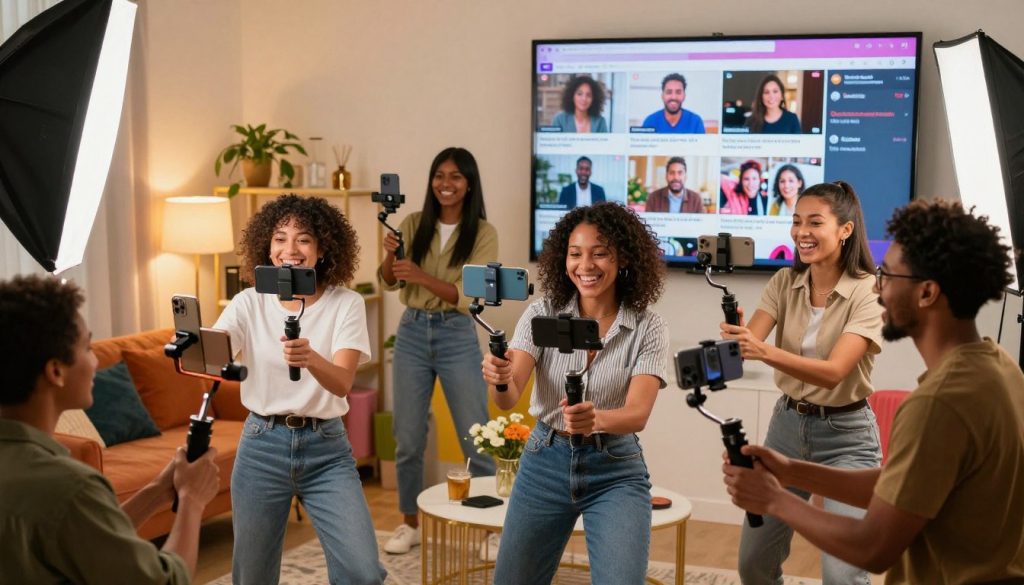
Why audiences respond differently to creators than to traditional advertisements
Ads can feel like a break in the flow, but creators feel like friends. When we watch creators we like, we see their message as a friend’s advice, not a company’s. This builds audience trust that ads can’t match.
Creators connect products to people by adding their own stories. By using creator marketing, brands can join in on conversations instead of starting them from scratch. This makes sales feel like a chat, not a pitch.
How authenticity, personality, and community influence purchase decisions
The strength of authentic marketing comes from creators sharing their real lives. When they show how a product fits into their life, it makes buying it feel safer. Their unique style helps us see if a product fits our own life and values.
Being part of a community also helps sell products. When creators talk to their followers, it shows the brand’s message is real. This social proof is key to audience trust, as it shows people enjoying the product.
Why short-form video has become a core part of the marketing mix
Short videos have made it easier for anyone to reach lots of people. On sites like TikTok, being engaging is more important than having lots of followers. This makes creator marketing a must for any business wanting to stay in the game.

Using authentic marketing in short, sharp videos lets brands stay in touch without spending a lot. This flexibility lets companies try new things fast and change with trends. It’s all about meeting people where they are, in their social media world.
Short-Form and Creator-Led Video as a Modern Marketing Engine
Today’s marketing uses short-form and creator-led video to grab attention fast. These videos offer real, personal experiences that stand out on mobile devices. They mix visuals with a human touch, helping brands get noticed in a crowded digital world.

What defines short-form and creator-led video
It’s all about quick, impactful videos made for fast viewing. It’s not just about being short; it’s about sharing a clear message with a creator voice. These videos feel like personal recommendations, not just ads.
Platforms like TikTok, Instagram Reels, and YouTube Shorts are perfect for these videos. They use native tools, trending sounds, and fast visuals to keep viewers hooked. When brands use this style, they show they get their audience’s vibe.
How micro content supports awareness, consideration, and conversion
Micro content helps brands at every step of the content marketing funnel. At the start, short videos grab attention and introduce a brand’s value quickly. They’re made to stop viewers in their tracks.
In the next step, creators share more details through demos and tutorials. They show how a product solves a problem, building trust. Then, they push viewers to buy with clear calls to action and social proof.
The relationship between creator voice and brand strategy
Some marketers fear losing control with creator voice might harm their brand. But, a good creator voice actually makes a brand more relatable and human. The trick is to set clear guidelines while letting creators add their own flair.
When creators match a brand’s strategy, they become true brand ambassadors. This partnership keeps content true to the brand’s goals but feels natural to the creator’s audience. By finding the right balance, brands can build lasting trust and engagement.
Why Short Social Media Videos Capture Attention
In today’s digital world, grabbing someone’s attention is a big challenge. Brands must fight for space in a crowded feed. People spend about 52 minutes daily on platforms like TikTok. To win, marketers need to know what grabs viewers’ attention.
How the first seconds determine whether viewers keep watching
The start of any video is key. If a brand doesn’t grab attention right away, viewers will move on. Good video hooks spark curiosity or solve a problem in the first two seconds.
By showing the most interesting part first, creators keep viewers hooked. This concise storytelling is critical, given the 15-to-60-second videos that dominate today.
The role of pacing, visual hooks, captions, and sound
Keeping the pace right is important. Quick cuts in short social media videos keep things lively. Captions make the message clear, even when the sound is off.
Sound design is also key. Whether it’s a popular audio clip or a clear voiceover, it keeps viewers engaged. When all these elements work together, they create a smooth experience.
Why vertical video fits mobile-first viewing habits
The rise of vertical video matches how we hold our phones. It fills the screen, making the video feel more personal. This is what users expect when they open their apps.
Because we naturally hold our phones upright, vertical video is the most natural way to watch. Brands that don’t use this format seem out of touch. Using the full screen is a key advantage for any digital strategy.
How TikTok, Instagram Reels, YouTube Shorts, and Snapchat shape content expectations
Each platform has its own vibe and expectations. TikTok, Instagram Reels, YouTube Shorts, and Snapchat all focus on quick, real content. Even small brands can get noticed if their video hooks are compelling.
Knowing these platform-specific details is vital for success. While the core engagement principles stay the same, the creative approach must fit each app’s culture. By doing this, brands can build a strong presence online.
Creators as Digital Storytellers and Trusted Brand Voices
Modern brands grow by telling stories that feel like a chat with friends. They use digital storytelling to connect products with our everyday lives. This way, companies show their human side through the people who use their products.
How creators turn product features into relatable stories
Creators make complex product specs into relatable stories. They use TikTok’s tools to make these stories come alive. This creator storytelling helps people see the value of a product in their own lives.
Using lived experience, demonstrations, and personal commentary to build trust
Trust is key online, and creators earn it with real influencer-driven content. When creators show how they use a product, it builds trust. Personal commentary acts as a testimonial, making viewers more likely to buy.
Why creator communities often outperform broad demographic targeting
Targeting by age or location often fails because it misses the mark. Creator communities are built on shared passions, leading to deeper engagement. By focusing on these groups, brands can see higher conversion rates and stronger loyalty.
Matching creator expertise and audience intent with campaign goals
A good influencer marketing strategy matches the creator’s skills with the brand’s goals. It’s not just about finding a famous face. The content must align with the audience’s needs for a seamless experience that drives results.
User-Generated Videos and the Power of Social Proof
When a real person shares their experience on camera, it creates a powerful form of validation. Unlike polished studio productions, these clips offer a raw look at how products function in everyday life. This shift toward social proof helps make buyers more confident in their decisions.
How customer-created content reduces uncertainty before purchase
Shoppers often worry about whether a product will meet their specific needs. User-generated videos bridge this gap by showing the item in action within a home or office setting. Seeing a peer demonstrate a feature removes the mystery and doubt that often accompanies online shopping.
This type of content acts as a digital word-of-mouth recommendation. When viewers see others enjoying a product, they are more likely to trust the brand. This dynamic is essential for modern user-generated content marketing strategies.
The difference between paid creator content, organic user-generated videos, and testimonials
It is important to distinguish between these formats to set the right expectations. Paid creator content involves a formal partnership where the brand provides a brief or creative direction. In contrast, organic user-generated videos are created spontaneously by fans without direct brand compensation.
Formal customer testimonials are usually curated, polished, and featured prominently on landing pages. While all three serve as social proof, they function at different stages of the customer journey. Understanding these nuances allows marketers to deploy the right asset at the right time.
Building permission-based systems for collecting and reusing customer videos
Brands should never assume they have the right to use a customer’s video without explicit consent. Establishing a clear, permission-based system is vital for long-term success. This process should include simple digital forms that outline how the content will be used across social channels or paid ads.
By creating a transparent workflow, companies can build trust with their community. This approach ensures that customers feel valued, not exploited. It also provides a legal foundation for repurposing high-quality clips in future campaigns.
Managing disclosures, rights, reviews, and brand safety
Effective user-generated content marketing requires strict attention to detail. Marketers must ensure that all sponsored posts include proper disclosures to comply with advertising regulations. Monitoring comments and reviews is also necessary to maintain a positive brand image.
Brands should implement a review process for any content they plan to amplify. This helps mitigate risks related to brand safety and ensures the messaging aligns with company values. By managing these elements carefully, businesses can turn customer testimonials into a sustainable engine for growth.
From Viral Video Production to Repeatable Content Systems
To build a lasting brand, you can’t just rely on viral videos. While great videos can get you noticed, counting on viral video production alone is risky. Real growth comes from making quality content consistently, not just hoping for luck.
Why virality is a result, not a dependable strategy
Virality comes from solid creative work, not just planning. When your content really connects with people, it spreads on its own. But you can’t force it. Sustainability is key for today’s marketers.
Think about the changing rules for platforms like YouTube. For example, YouTube now needs 20 million Shorts views for new partners by 2027. This shows that steady content wins, not just quick hits. Chasing every trend can exhaust you and mess up your message.
Developing repeatable creative concepts instead of chasing one-off trends
Marketers should aim for scalable video content that shows your brand’s true self. Instead of following every trend, create a set of formats your audience loves. This keeps your message consistent and lets you update for new trends.
Having a core set of themes makes your content planning easier. A good video creation platform helps keep your team focused on your goals. Being consistent in style and tone builds trust better than trying new, expensive things all the time.
Structuring an efficient brief for creators and internal marketing teams
Good communication is key for any campaign. A clear creator brief gives creators the freedom to be themselves while keeping your message on track. A good brief should cover the main message, who you’re talking to, and what it should look like.
When creators know what you expect, they can work faster. This means you can make more content quicker. Standardizing your briefs keeps everything on-brand, no matter who’s making the video.
Testing hooks, formats, lengths, and calls to action at scale
Testing different approaches is essential. Instead of betting on one idea, try out different hooks and formats. Use your video creation platform to see which ones work best with different people.
Keep testing to improve your content. By tweaking your calls to action and video lengths, you can make your content more effective. This turns marketing into a science, not just a guess.
How Video Creation Platforms Accelerate Marketing Production
To increase your video output, you need more than just creativity. You also need a strong system. A video creation platform is like the brain of your video operations. It keeps quality high and speed up.
What to look for in a video creation platform
When choosing software, look for seamless integration with your current tools. Choose platforms with easy-to-use interfaces. This makes it simpler for your team and freelancers to work together.
Also, make sure the platform supports fast file transfers and has strong security. This protects your brand’s assets.
Using templates, editing tools, captions, collaboration, and content libraries
Efficiency comes from using standard tools that save time. Pre-built templates help keep your videos looking consistent. Automated captioning tools and cloud-based editing make quick changes easy.
A central content library is key for keeping everything organized. It lets you quickly find and use your assets. This is vital for a smooth video production workflow.
Connecting creator submissions with approval and publishing workflows
Managing feedback can be the biggest challenge. A platform that lets you collaborate directly makes feedback easier. It helps creators know exactly what to change before they get approval.
After approval, the best platforms let you publish or export videos easily. This makes your video production workflow smooth from start to finish. It saves time and lets your team focus on strategy.
Repurposing a single creator recording into multiple micro content assets
Digital-first approaches let you get more from each video shoot. By repurposing content, one video can become many micro content pieces. For example, a long review can become a short TikTok clip and a quick Instagram Story.
This way, you can keep your brand visible on many platforms without making new videos for each one. One high-quality video can become a treasure trove of micro content for your social media.
Measuring the Business Impact of Creator-Led Campaigns
Today’s marketing needs a closer look at how creator content boosts business. High view counts might look good, but they don’t always show your brand’s health. To stay ahead, focus on data that shows real audience interest.
Moving beyond views and likes to meaningful performance indicators
Vanity metrics like views don’t always show quality engagement. A quick glance on one platform doesn’t mean someone got your message. Creator campaign measurement should focus on real engagement with your brand.
Deeper data helps you see between just scrolling and real interest. This change helps you find out which social media videos really connect with your audience. By focusing on these signals, your marketing budget works harder to build your brand.
Tracking watch time, completion rate, saves, shares, clicks, and conversions
Watch time shows how engaging your content is. A high completion rate means your stories grab and keep the audience’s attention. Saves and shares show content that users find valuable enough to share.
Click-through rates link social engagement to your digital properties. This gives you a clear view of how user-generated videos shape the customer journey. These actions help you fine-tune your creative strategy over time.
Connecting creator content with paid media, landing pages, and sales data
Videos can drive real business results. Connect your social media metrics with your CRM and sales platforms for a full view. This shows how social media videos lead to sales and conversions.
Linking content to landing page behavior shows which messages drive sign-ups or sales. This data-driven approach removes the guesswork from your strategy. It proves the ROI of every dollar spent on creator partnerships.
Using testing and attribution to identify high-performing creative patterns
Advanced video attribution models pinpoint what works. Instead of chasing viral hits, find repeatable success patterns. This might include specific hooks, pacing, or calls to action that convert viewers into customers.
Testing lets you optimize your content based on evidence, not just guesses. By applying video attribution to your user-generated videos, you can scale what works and cut what doesn’t. This systematic approach turns your creative production into a reliable growth engine.
The Risks, Constraints, and Ethical Questions Marketers Must Manage
Brands entering the creator economy face a big challenge. They want to go viral but also keep their reputation safe. Viral video production is great for getting people’s attention. But it also brings up many tricky issues that need careful watching.
Handling inconsistent quality, messaging, and production standards
Working with many creators can make videos look and feel different. To keep things consistent, brands need to have clear documented review standards. These standards should cover what the videos should look and sound like before they’re shared.
Having clear creative briefs helps avoid content that doesn’t fit the brand. This way, marketing teams can make sure all content matches the company’s image. But they also let the creator’s unique style shine through.
Managing disclosure, copyright, licensing, and usage rights
Following the law is a must for marketers today. Brands need to make sure they have the right to use creator content in different ways. This includes using it on various platforms and in paid ads.
Being open with your audience is key to keeping their trust. Always make sure creators follow the rules about sponsored content. Not doing so can hurt your reputation and lead to legal trouble.
Preparing for platform changes, trend fatigue, and declining organic reach
The online world changes fast, and sticking to one platform is risky. Effective creator risk management means spreading your content around and being ready for changes in algorithms. These changes can affect how many people see your videos.
People can get tired of the same old thing. So, brands should create repeatable creative systems. These systems should be able to change with new trends without losing the main message of the campaign.
Responding to negative comments, creator controversies, and brand-safety concerns
Public campaigns can get negative feedback and unexpected problems. Having a strong brand safety plan helps teams deal with these issues fast. This keeps the company’s image safe.
Having a clear plan for how to handle tough situations is important. By being proactive about risks, you can protect your brand. And you can keep using the power of real creator partnerships.
Conclusion
Success in modern advertising comes from mixing human creativity with structure. Brands that focus on real creator voices win over viewers. This makes people more likely to trust what they see online.
A good marketing plan is more than just getting lots of views on TikTok or Instagram. It’s about getting people to really engage with your content. By focusing on meaningful interactions, you can create a reliable marketing system.
Creating a successful short-form video strategy needs clear goals and good management. Brands that use consistent production methods get better results. These methods help test and improve content while keeping it real for viewers.
The world of social media is always changing. Being able to adapt is key for your brand. Building strong relationships with creators helps your message connect with your audience. Start improving your strategy now to gain lasting loyalty.



















No comments